Dick Wolf’s procedural has run the same hour since 1990: detectives first, prosecutors second, verdict before the credits. It is plainly made, well acted and entirely sure the system works, and after a few episodes that certainty is the thing you are watching.
Dick Wolf’s idea, first broadcast on 13 September 1990, was to take two kinds of television programme that already existed and bolt them together. The first half hour is a police show: a body, two detectives, a list of people who did not do it and one who probably did. The second is a courtroom show: the same case, handed to the district attorney’s office, argued before a judge and settled before the credits. Nothing carries over but the crime. It is a good idea, plainly executed, and it has outlasted almost everything it started alongside because Wolf and his writers never got bored of it. It is worth your evening if crime is your genre, and it will not surprise you.
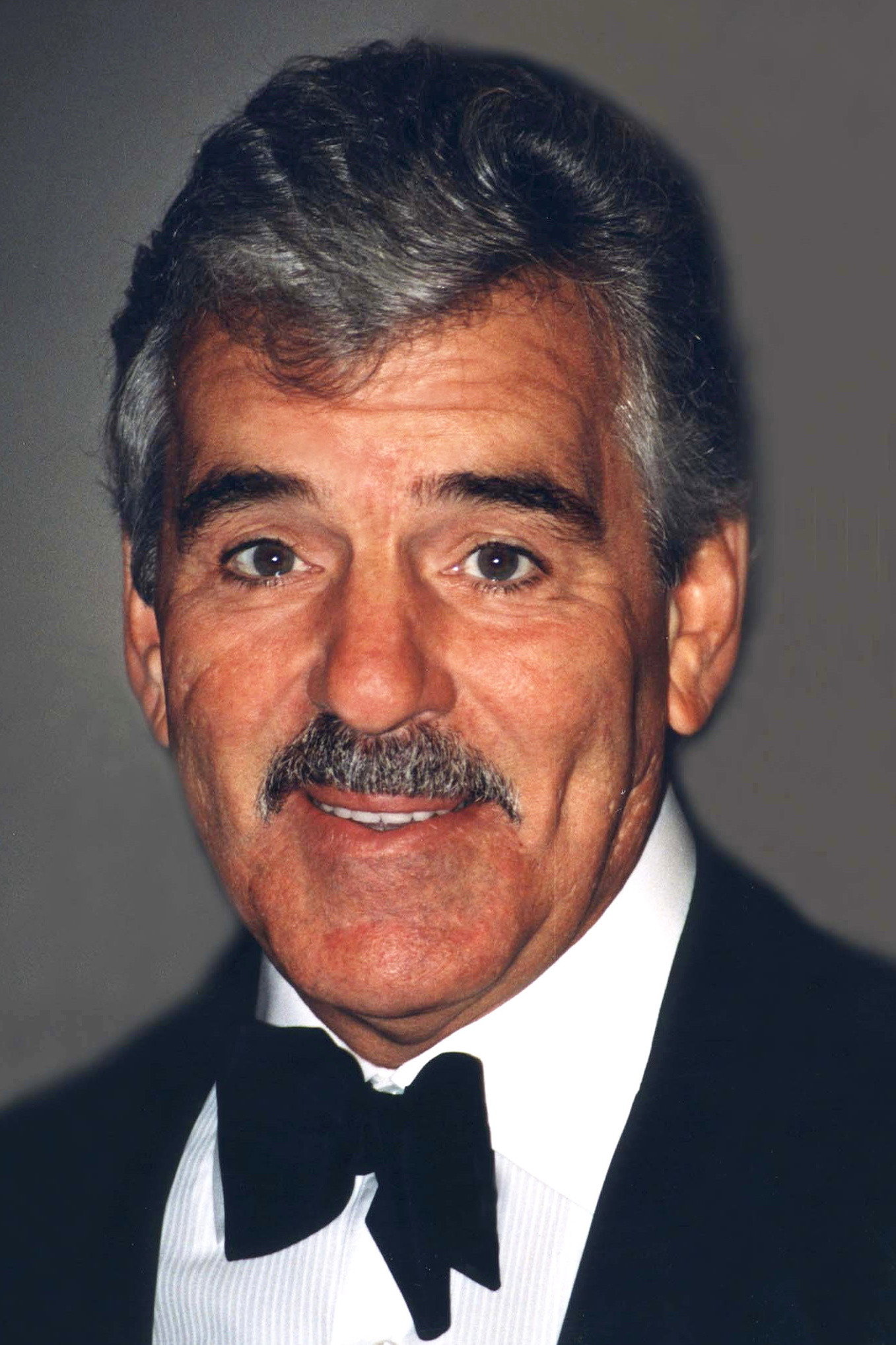
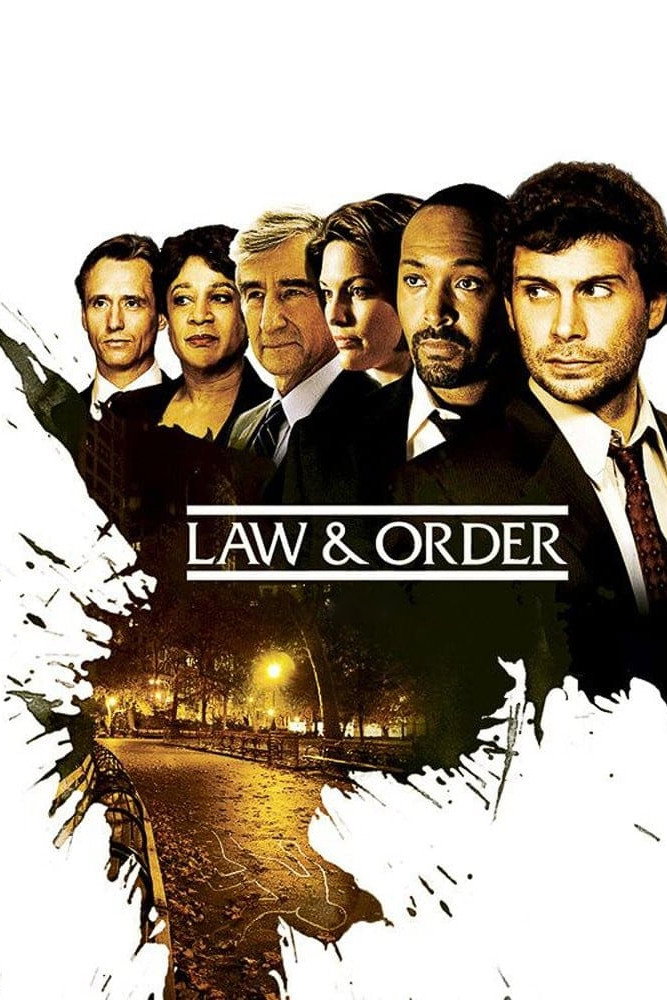
The rule holds for the actors. Nobody is indispensable. George Dzundza’s Max Greevey, in the first season, is a tired, decent man who eats badly and does the job; Chris Noth’s Mike Logan beside him is younger, angrier and better dressed. Paul Sorvino’s Phil Cerreta asks his questions more slowly and gets more out of them. Benjamin Bratt’s Rey Curtis is the straight arrow, Jesse L. Martin’s Ed Green the one who enjoys the chase, Dennis Farina’s Joe Fontana the one who stopped explaining himself years ago. Each is good and each is replaceable, and the series is honest about that. A partner leaves and someone else is at the desk the following week.
It is shot the same way from the start. Ernest R. Dickerson and Constantine Makris, two of the many names on the camera credits, put the detectives on real pavements in flat grey daylight, the camera at shoulder height and slightly unsteady, so a doorway interview looks overheard. The courtrooms are wood and fluorescent tube and nobody has tried to make them handsome. Between scenes a black card with white type says where we are and when, and Mike Post’s music strikes its two notes, a sound like a cell door shutting down the hall. It is the most famous thing the series owns, and it works because it is never varied.
Here is what we felt, going back to the early seasons. The first thing was comfort, and we are not embarrassed by it: the hour has a shape, the shape is kept, and there is real pleasure in watching skilled people go through a routine they respect. The second thing came about four episodes in. We noticed we had decided the man in the dock was guilty before his lawyer stood up, because the camera had told us so and the prosecutor was the one we had been following since the half hour. We did not like catching ourselves at it. The series never asks whether we should.
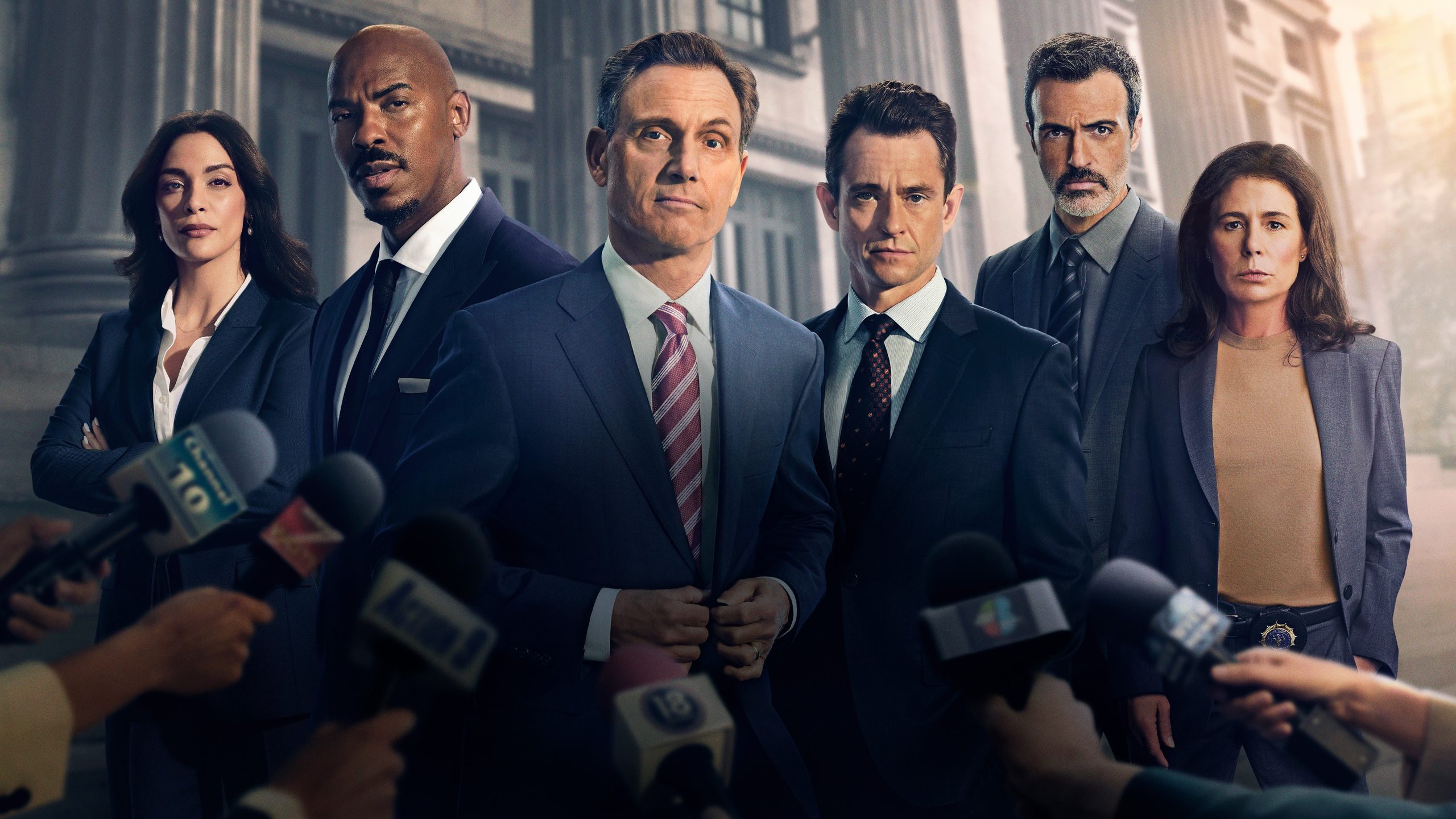
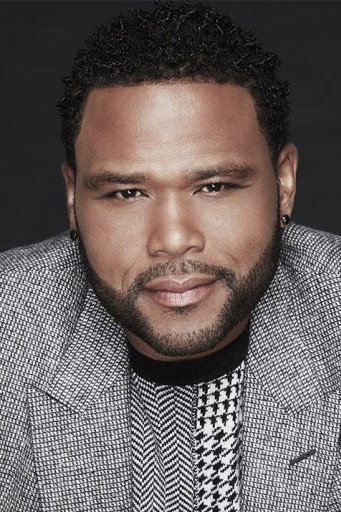
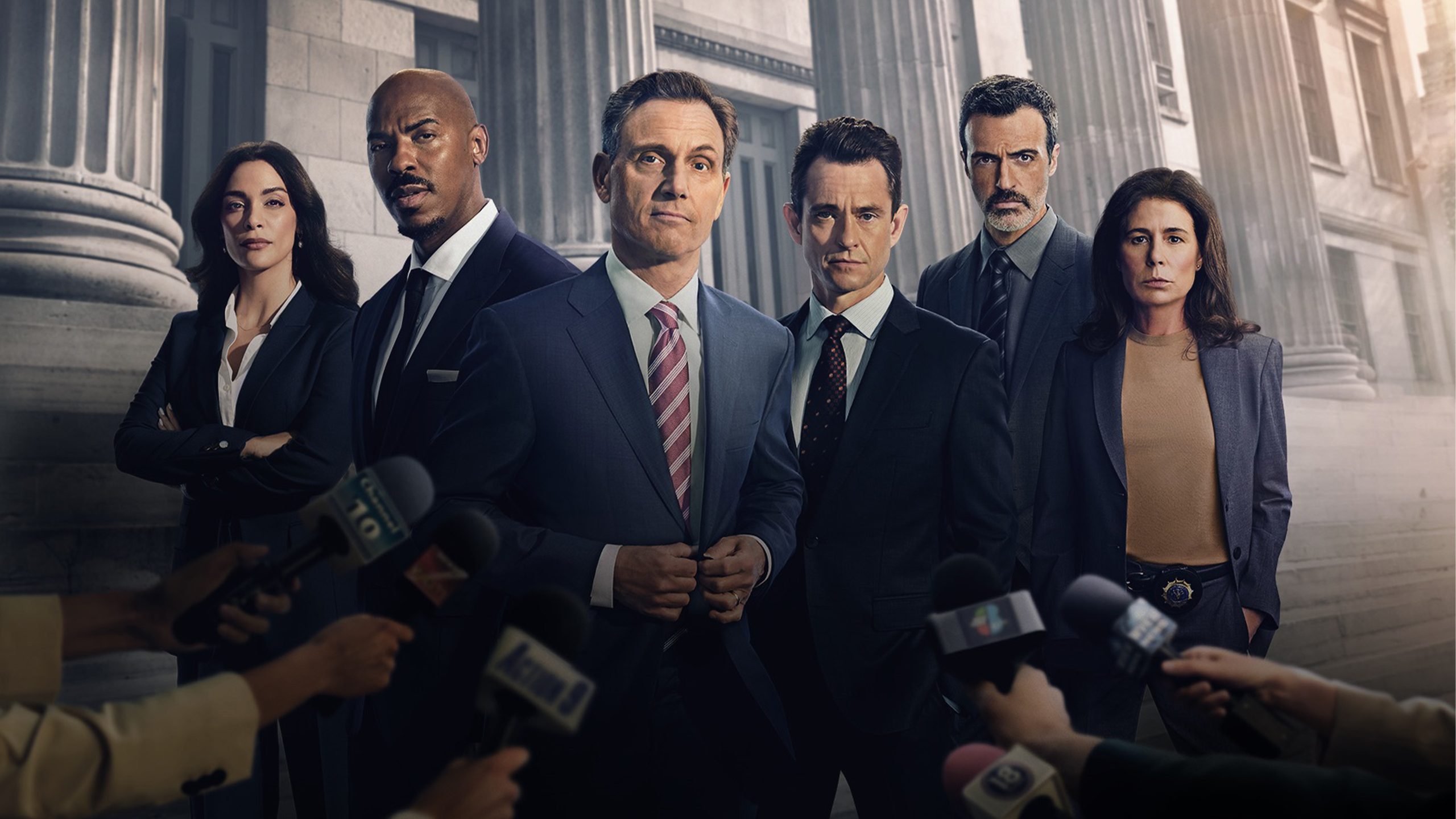
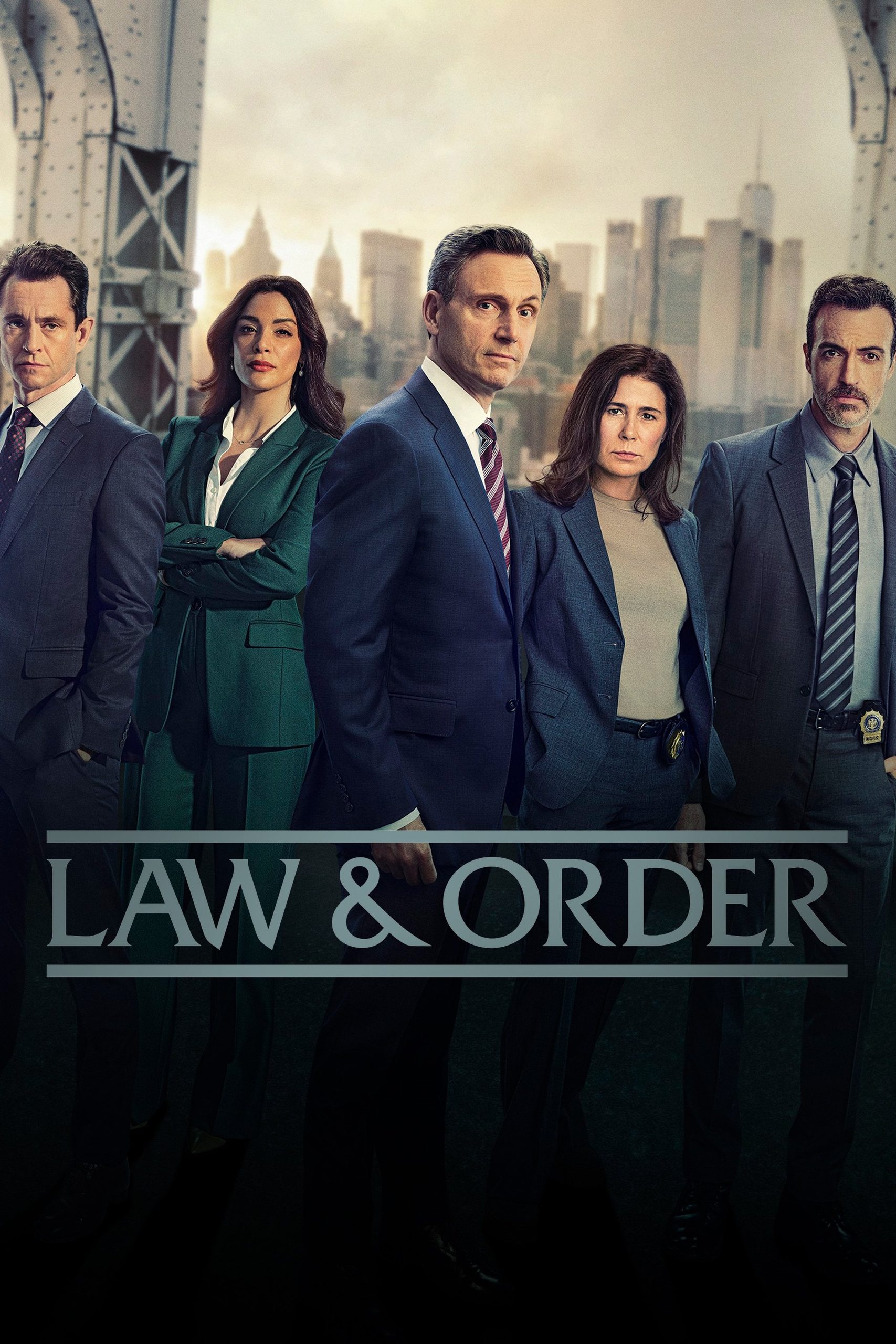
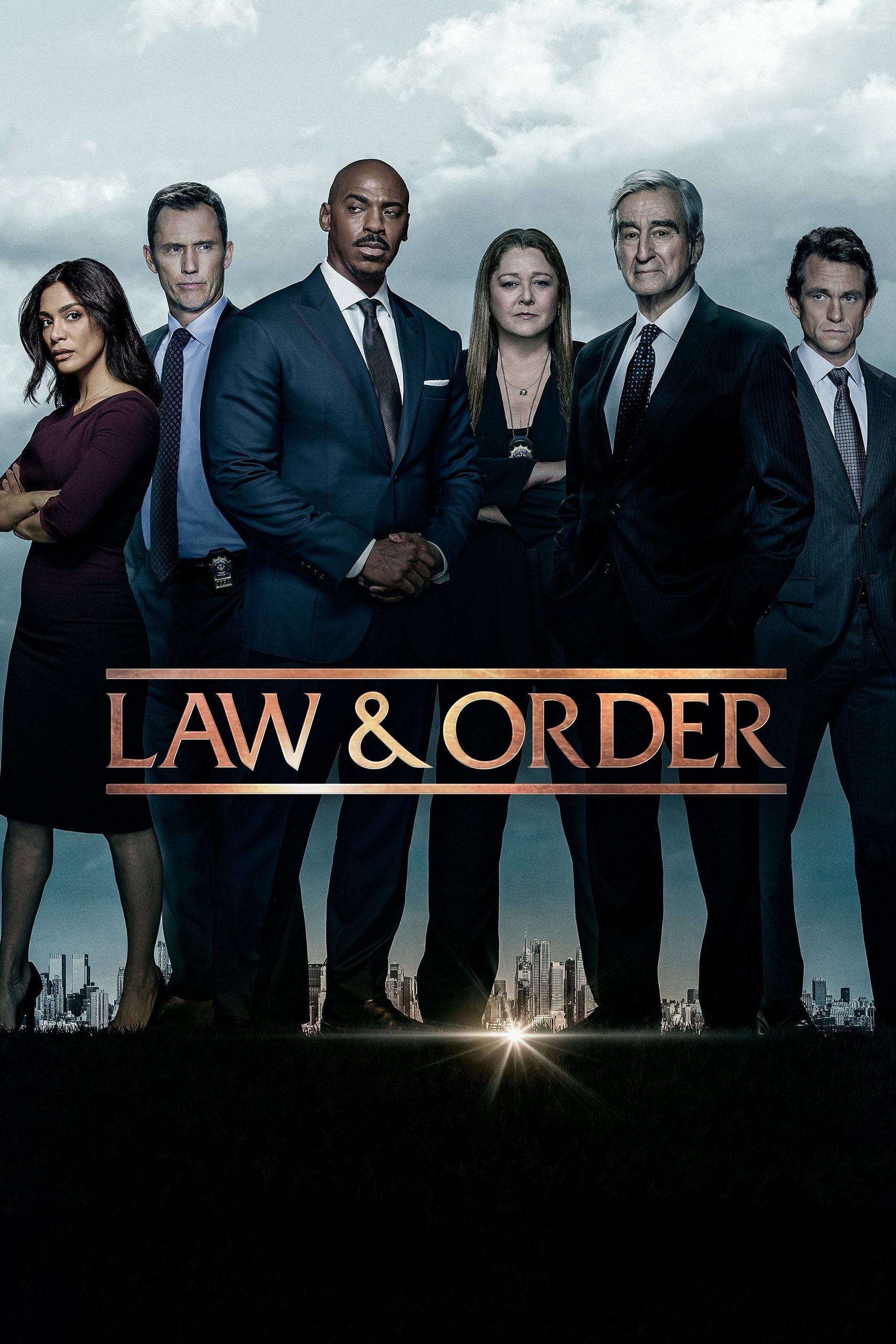
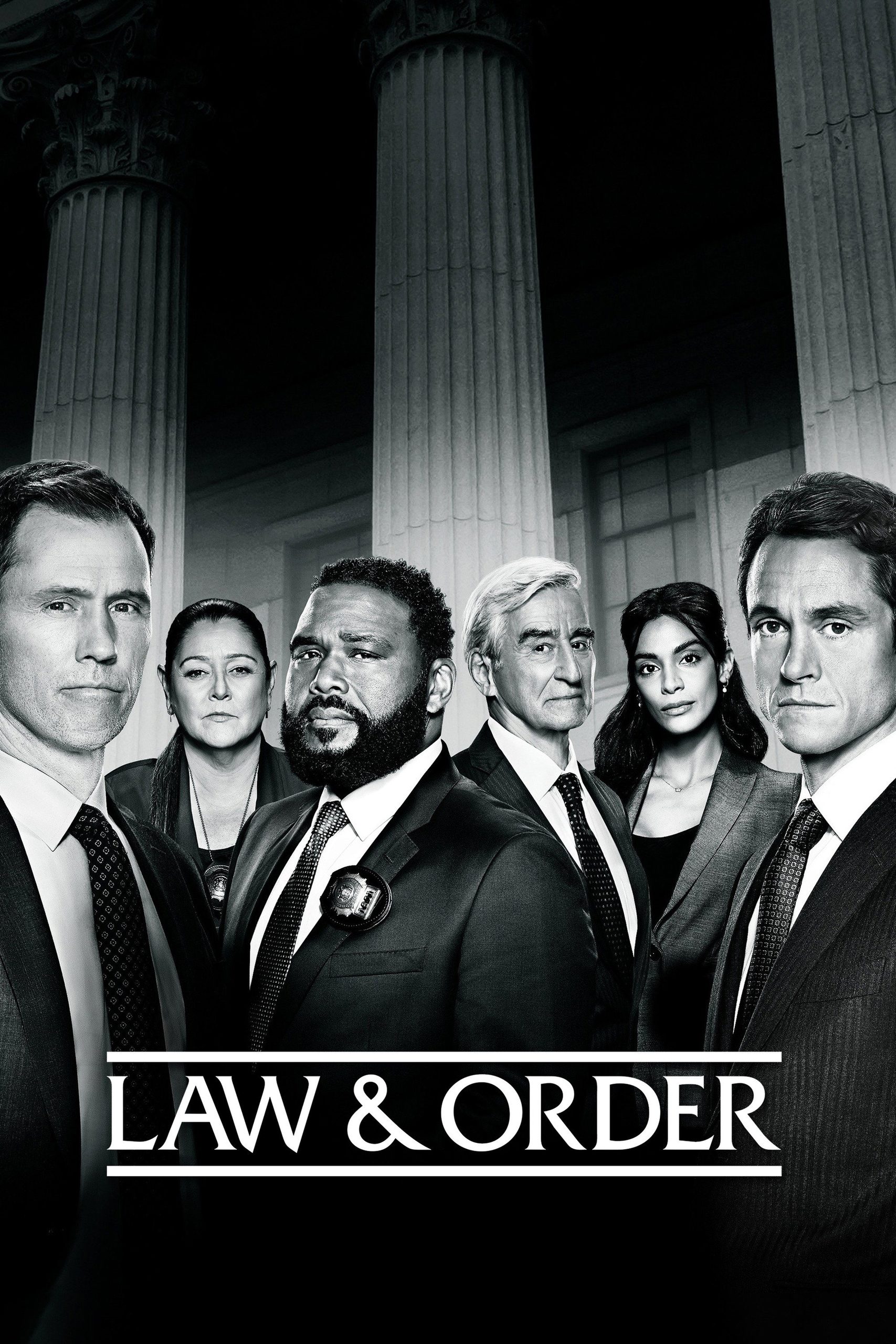
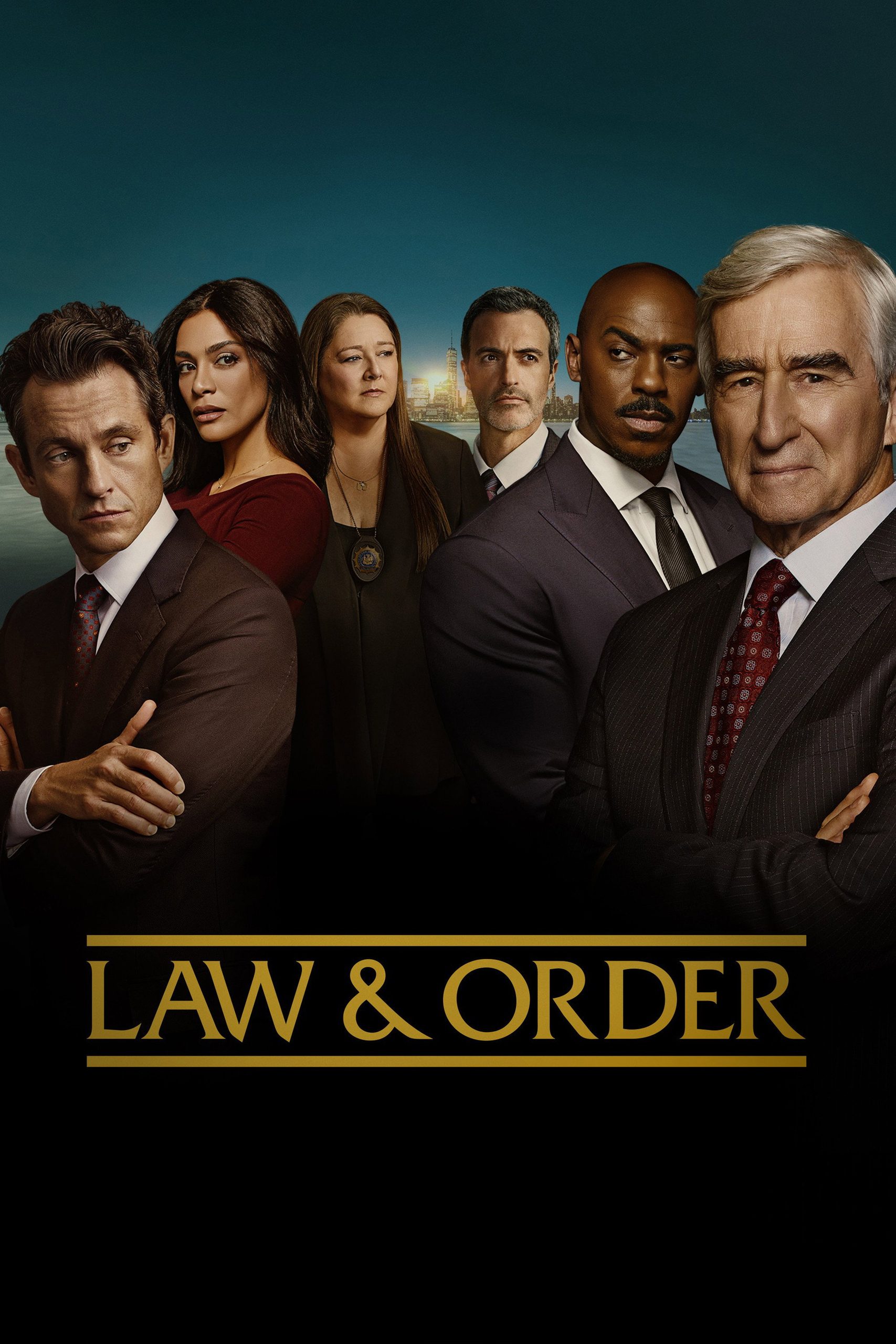
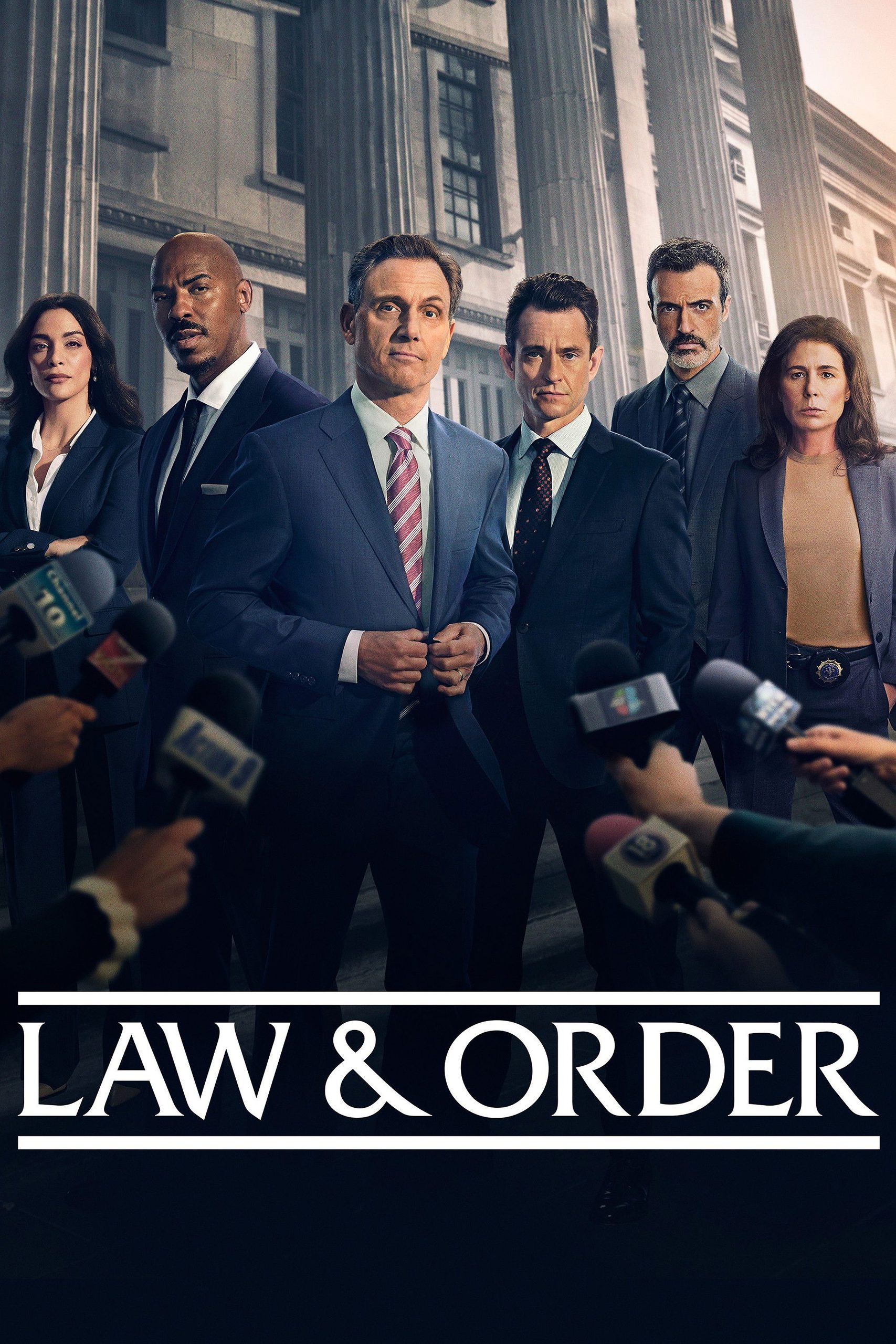
That is its limit, and the writers, René Balcer and Michael S. Chernuchin among the many on the credits, mostly accept it. Defence lawyers are written as obstacles rather than people. Doubts about the system are raised in the dialogue and settled by the plot, week after week, and when an episode borrows a case from the newspapers, which it does often, the borrowing is the point and the argument comes second. The revival that began on 24 February 2022 keeps the shape and thins the writing. Hugh Dancy’s Nolan Price and Odelya Halevi’s Samantha Maroun are capable; Mehcad Brooks’s Jalen Shaw and Reid Scott’s Vincent Riley do what is asked; Tony Goldwyn’s Nicholas Baxter runs the office with an authority the scripts do not always earn. Anthony Anderson’s Kevin Bernard is the warmest presence in those seasons and is given the least to do.
Against the genre, this is the programme that decided a crime show did not need a hero, only a procedure. Later series set in the same city would give their police doubt, private lives and defeats. Law & Order gave them a case, a partner and a verdict, and in the early years, when the scripts were tight and the actors were allowed silences, that was plenty.
Watch the first ten seasons with a drink and skip around; nothing is lost by missing an episode. If you want to know what the people on screen go home to, this is not the show. If you want to know whether the man did it, you will be told by the end of the hour.