David Shore writes medical mysteries as an excuse to argue about how people ought to live, and in House the excuse held for eight seasons. He builds difficult men well; he is less sure what to do with them once built.
Fi1m perspective
A David Shore scene starts in the middle. Nobody says good morning. Somebody collapses, a doctor says something unkind and correct, and before the titles there is a puzzle and a person we are not sure we like holding the only answer. That is House (2004–2012) in miniature: a diagnosis to be found, and a man whose intelligence is a pleasure and whose company is not. Hugh Laurie made the man; Shore's contribution was the question underneath, asked week after week, of whether we are paying for the cure or putting up with the cruelty. He has said as much himself: "The medical mysteries are the thing that gets them through the door and then what I’m really selling are these other philosophical questions."
He learned the shape on other people's programmes. Through the 1990s he wrote on Due South, NYPD Blue, Law & Order and The Practice, all case-of-the-week series with a settled way of doing things. We rate NYPD Blue highly, though Shore was one writer among many there and the credit is not his to carry. House, created with Paul Attanasio, was his. He ran it for eight seasons, wrote for it throughout, and directed two episodes, including the season-two finale. Afterwards he adapted The Good Doctor (2017–2024) from a Korean series, putting Shaun Murphy, a protagonist on the autism spectrum, where House had been, and co-created Sneaky Pete and Battle Creek. The pattern holds: a procedure, a person who does not fit in, and an argument about how to live conducted over a body.
What works is the cutting between the two halves. Shore calls it the weave: the case and the private life run side by side, so the diagnosis lands on the character rather than the chart. He had good writers for it on House, Lawrence Kaplow among them, and Russel Friend and Garrett Lerner, and the dialogue goes straight to the point without pleasantries. What does not work is what happens once the character has been built. The case formula is the agreement you make with a procedural; the trouble on House is that the personal stories fall into a formula of their own. The man is returned, again and again, to the same unhappiness, and the series asks us to hope he might change after giving us little reason to. We winced at House for eight seasons and kept coming back for the thinking; somewhere in the later years we noticed we had stopped hoping, and were cross with the programme for still asking us to.
We list him as a director, and he has directed two episodes of House. The credit that matters is the one at the top: created by. Start there. If the doctor's manner wears you down, that is deliberate for a good while, and past that point it is a fault of the writing.
Biography
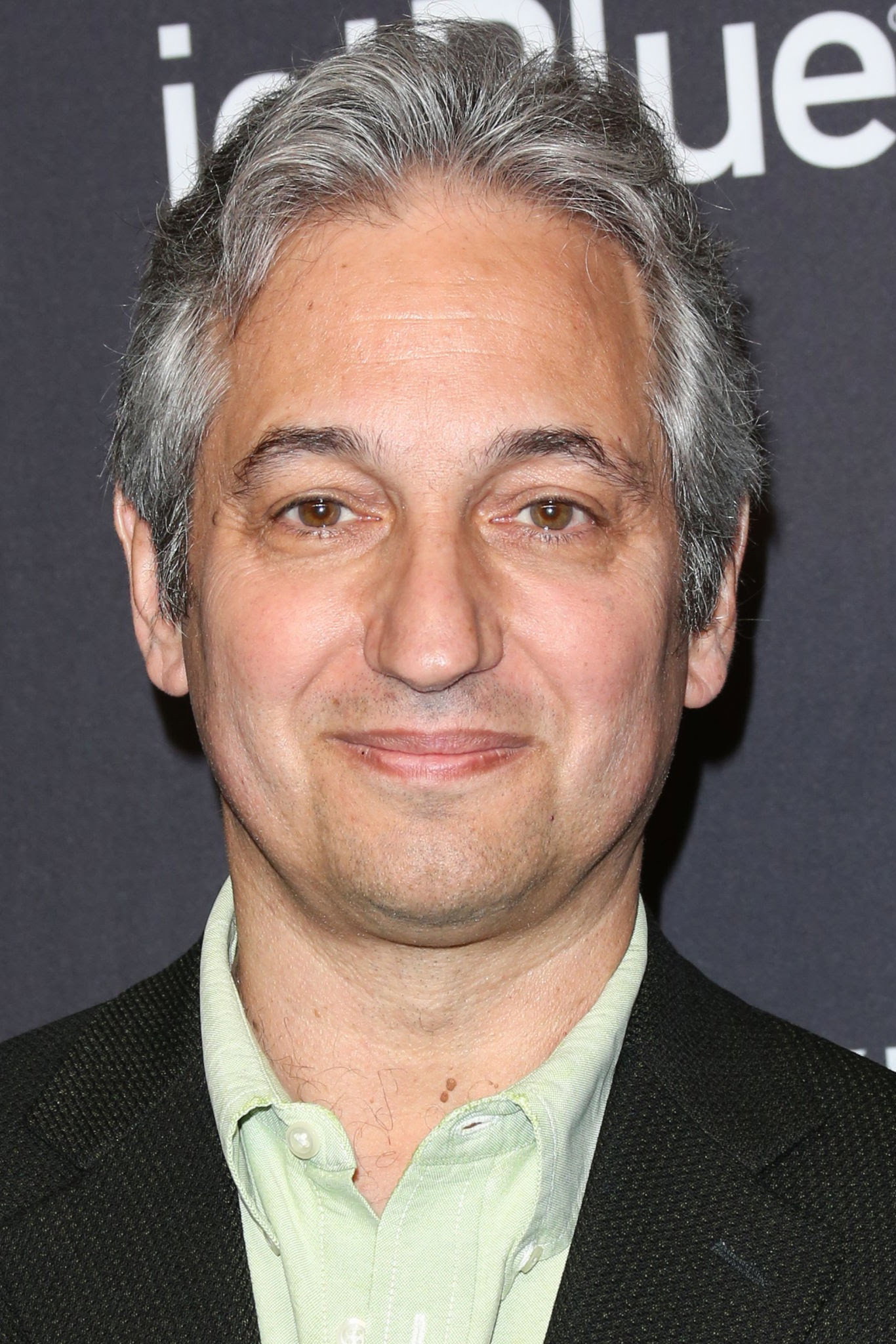
David Shore is a Canadian television writer, producer and director. He was born on 3 July 1959 in London, Ontario, and trained as a lawyer before moving into television writing in the 1990s.
Shore wrote episodes of NYPD Blue (1993), Law & Order (1990), Due South (1994) and The Practice (1997). He created the medical drama House (2004), on which he also wrote, produced and directed episodes, including the Emmy-winning "Three Stories". He later created or co-created Battle Creek (2015), Sneaky Pete (2015) and The Good Doctor (2017).