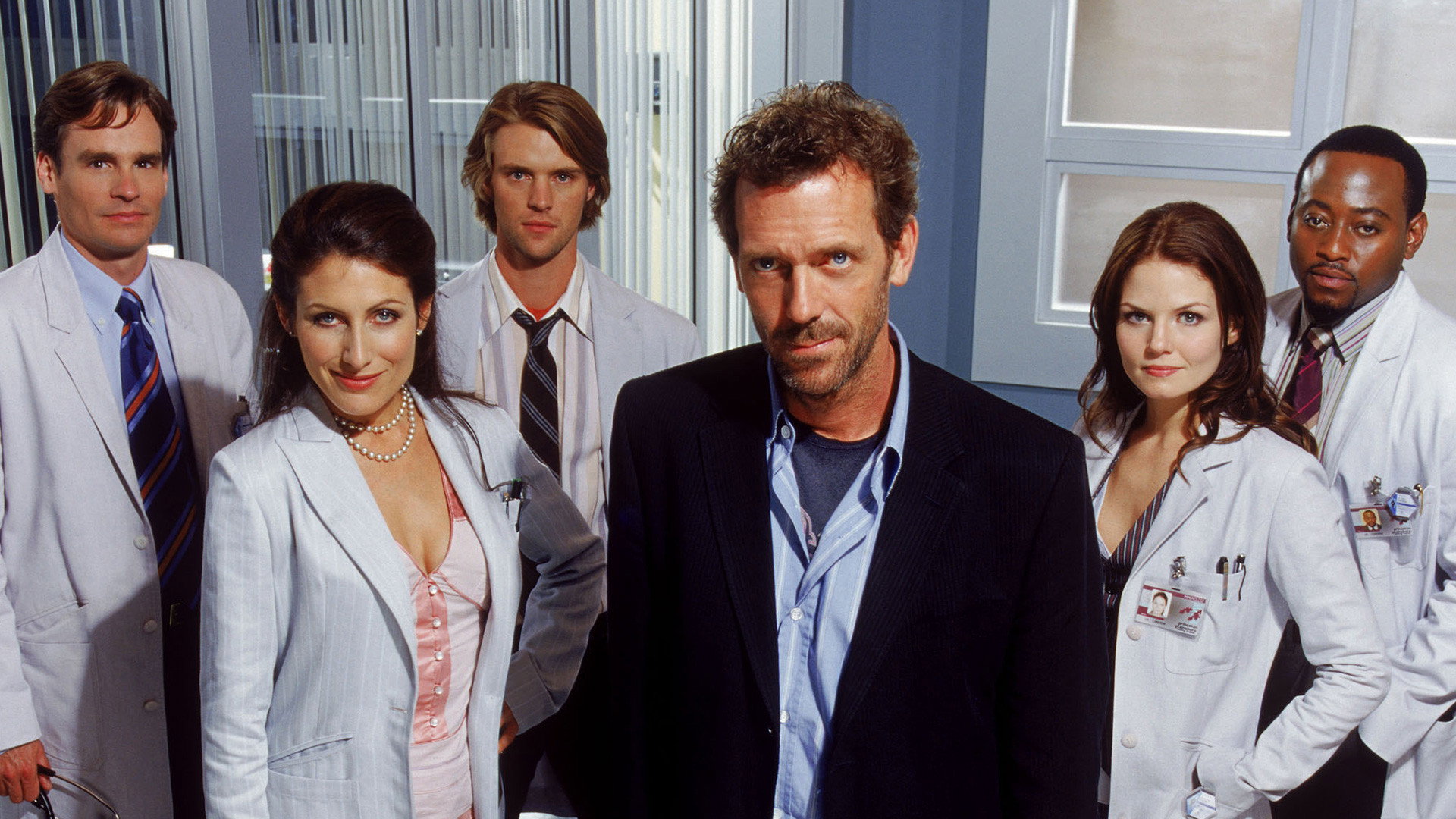
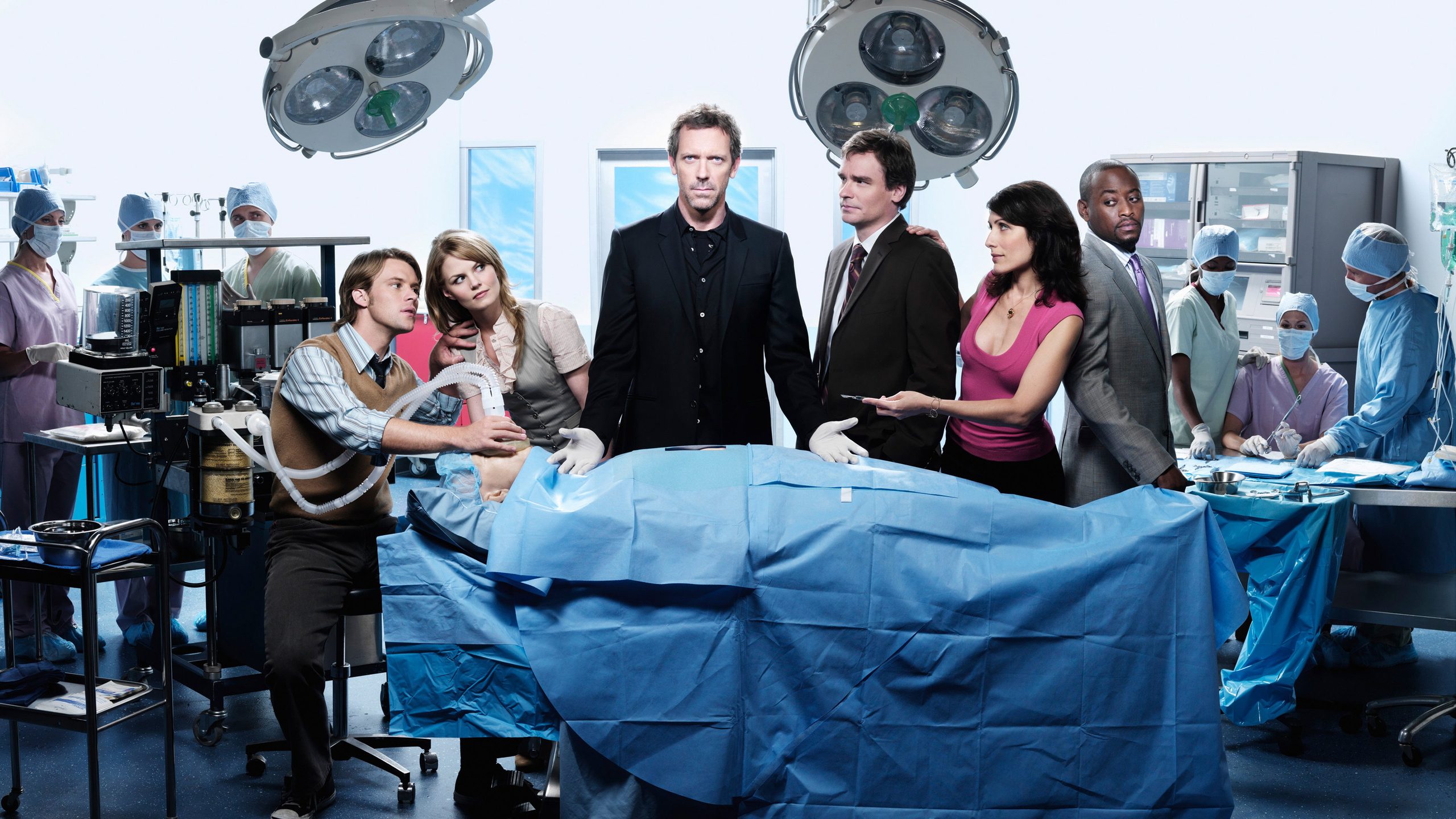
Hugh Laurie makes House worth watching even when its medical mysteries start to feel familiar. The sour humour and friendship hold up better than the repeated promise that this difficult man might change.
David Shore’s House is a good medical procedural with an unusually persuasive lead. Hugh Laurie makes Gregory House’s intelligence entertaining without making his company comfortable, and the programme gets considerable mileage out of that distinction. A diagnosis has to be found; somebody’s life gives the answer weight, even when the doctor’s manners make us wince. The cases are worth following, but the reason to return is the man doing the thinking, with the caveat that his unhappiness eventually becomes repetitive.
Hugh Laurie is exact about how much pleasure House takes in being the cleverest person present. The rudeness is funny because he delivers it with such assurance; there is little sense of an actor pausing to request our approval. We laughed at his put-downs more often than we felt comfortable admitting. The performance also keeps his misery in view, so that enjoying his wit does not require believing he has found a satisfactory way to live.
Robert Sean Leonard’s James Wilson gives the series a friendship sturdy enough to make House’s conduct worth questioning. Robert Sean Leonard is especially good at making continued affection seem plausible without suggesting that every offence has gone unnoticed. Their relationship supplies another reason to keep watching when the medical puzzles become familiar: we want to know why this man continues to care. Lisa Edelstein and Omar Epps help keep the exchanges lively, even when the writing gives House more attention than anyone else.
Gale Tattersall and Newton Thomas Sigel are among the cinematographers, and the photography gives faces the attention this material needs. We can watch House thinking without being hurried past the thought. Mark Hutman and Derek R. Hill’s production design is similarly unobtrusive, keeping the surroundings from competing with the conversations. It is sensible work for a programme whose most absorbing activity is people trying to work something out.
The editing team, which includes Dorian Harris, keeps the medical reasoning brisk and generally legible. Even once the weekly pattern is apparent, the arguments seldom feel like people killing time until the next development. The music credited to Jon Ehrlich and Jason Derlatka adds urgency, though we could occasionally do with less help recognising House’s misery. The actors usually tell us enough about that without accompaniment.
The limitation is how often the writing returns House to much the same unhappiness. David Shore’s creation is sufficiently complicated to invite hopes of change, and the series sometimes asks us to renew those hopes after giving us little reason to do so. A recurring case structure is part of the agreement with a procedural. The personal stories need more freedom to develop, and across eight seasons too many of them return to familiar complaints.
As medical drama, House puts unusual weight on the pleasure of solving a problem and leaves less room for the comforts of a reassuring doctor. That choice works because the central performance keeps intelligence, amusement and unhappiness visible together. There is plenty here for those who like a case to occupy them and do not need to approve of the person pursuing it. Give it an episode at a time; House is easier to enjoy when he has not already occupied most of the evening.