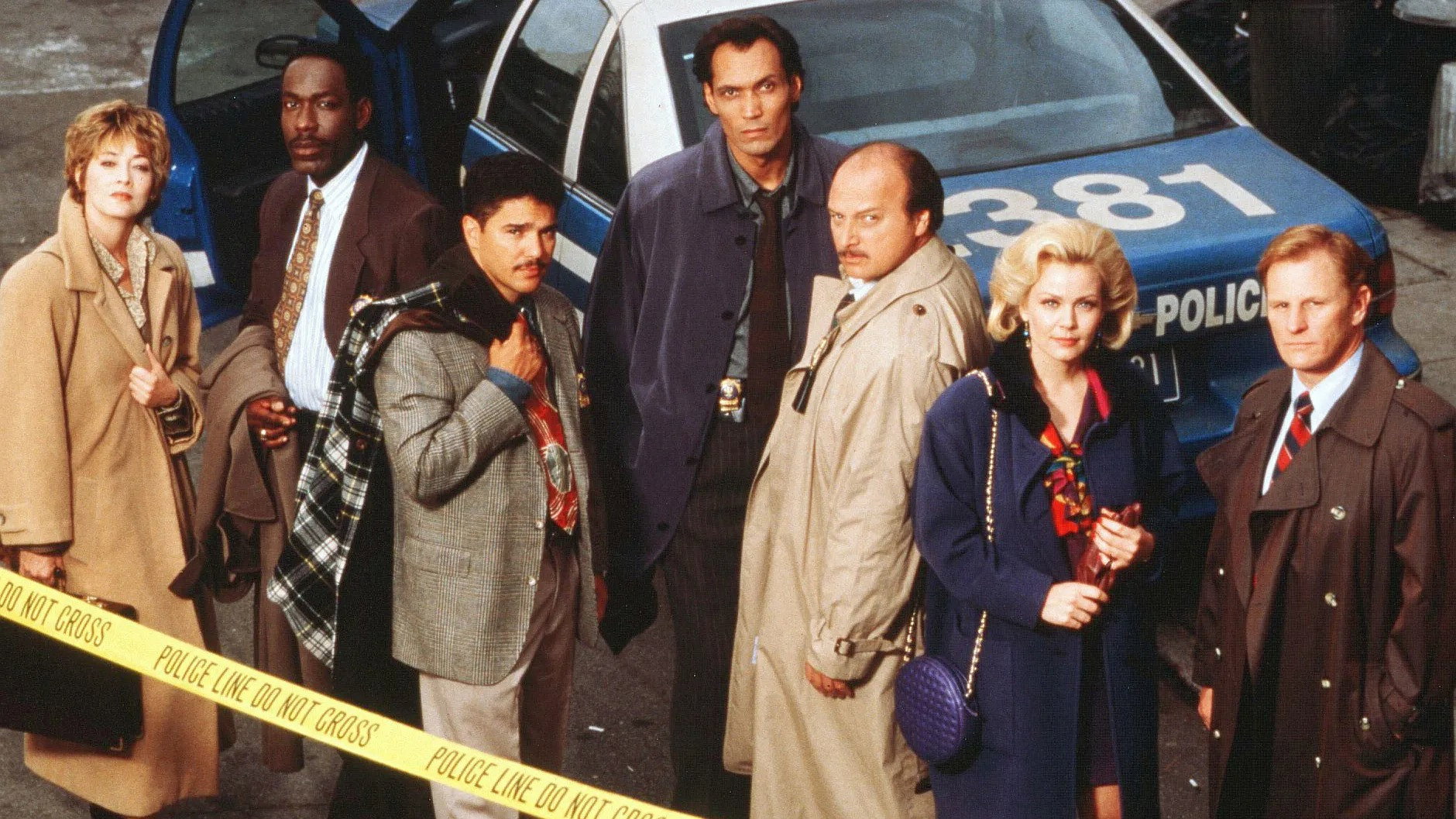
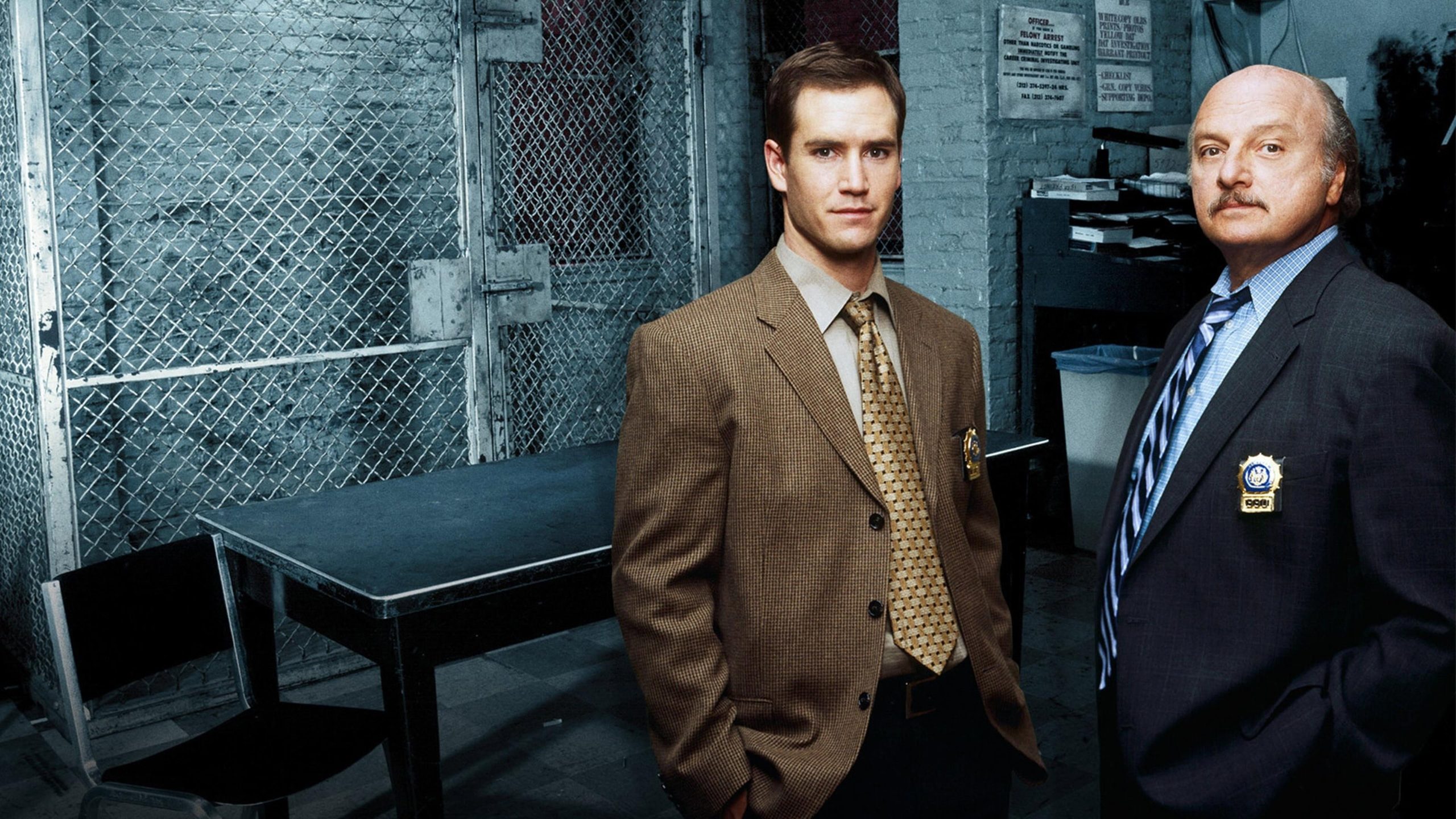
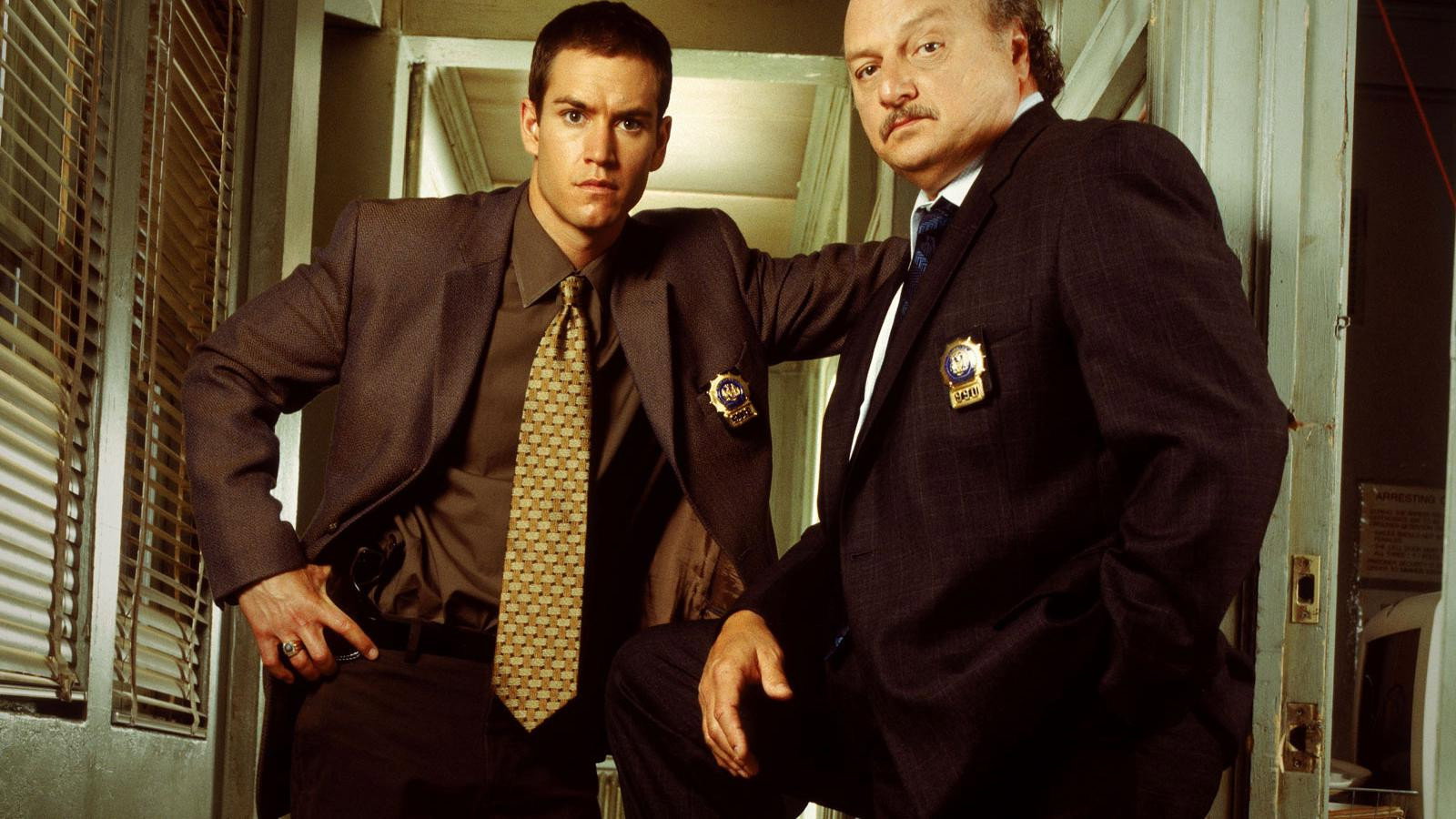
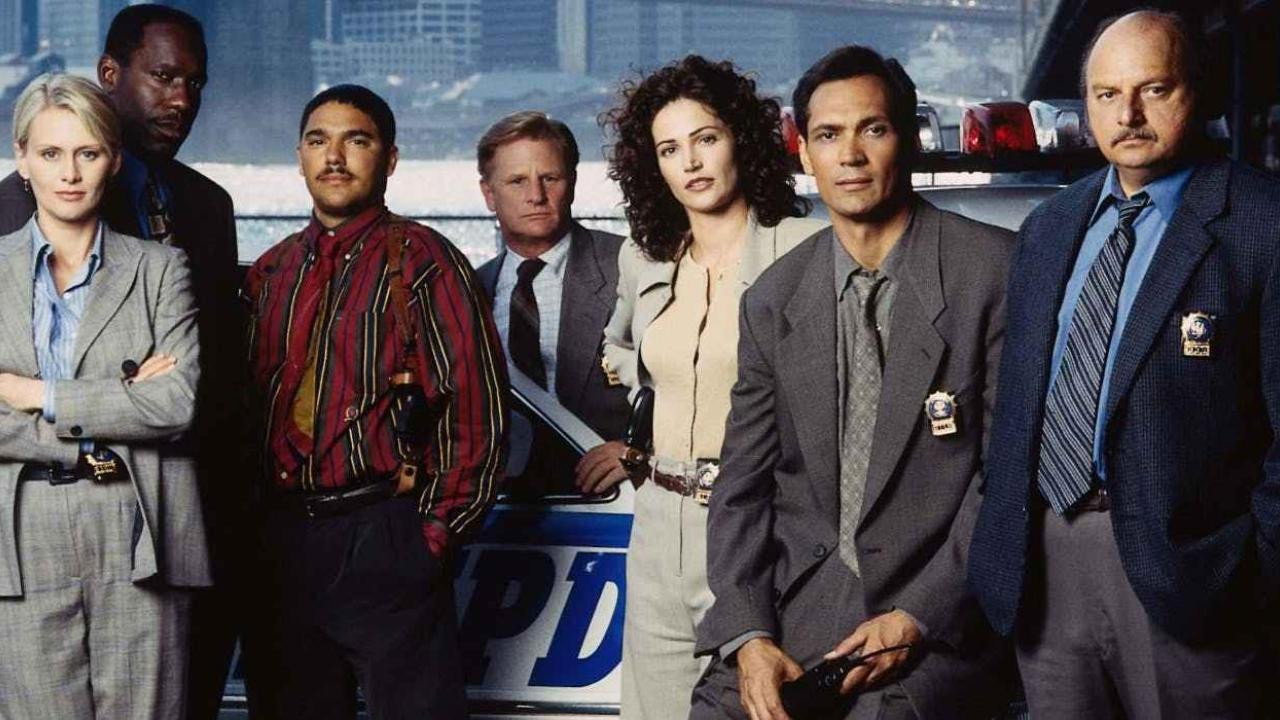
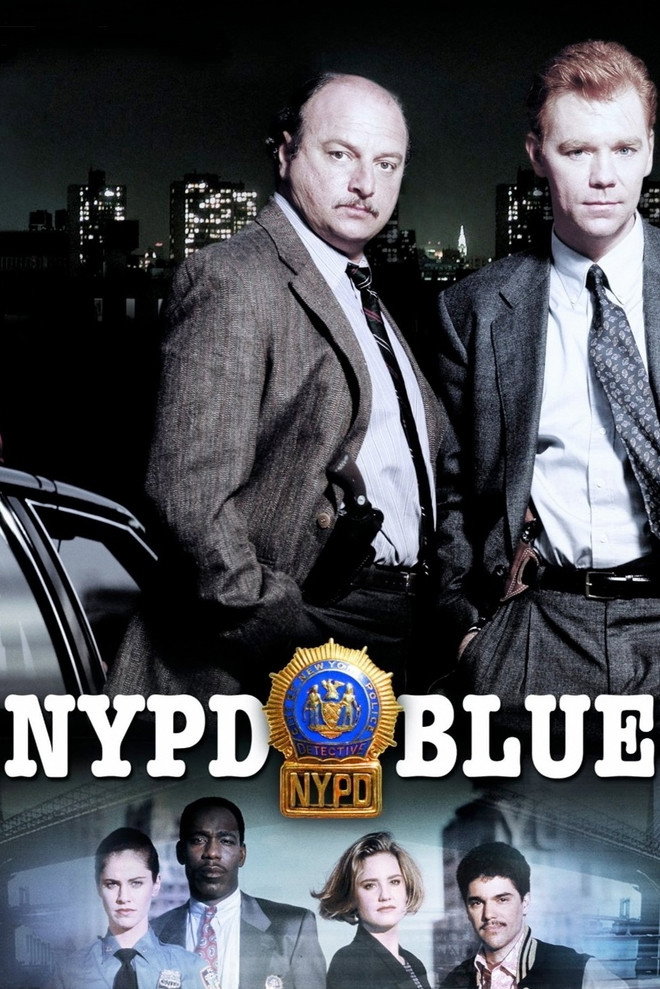
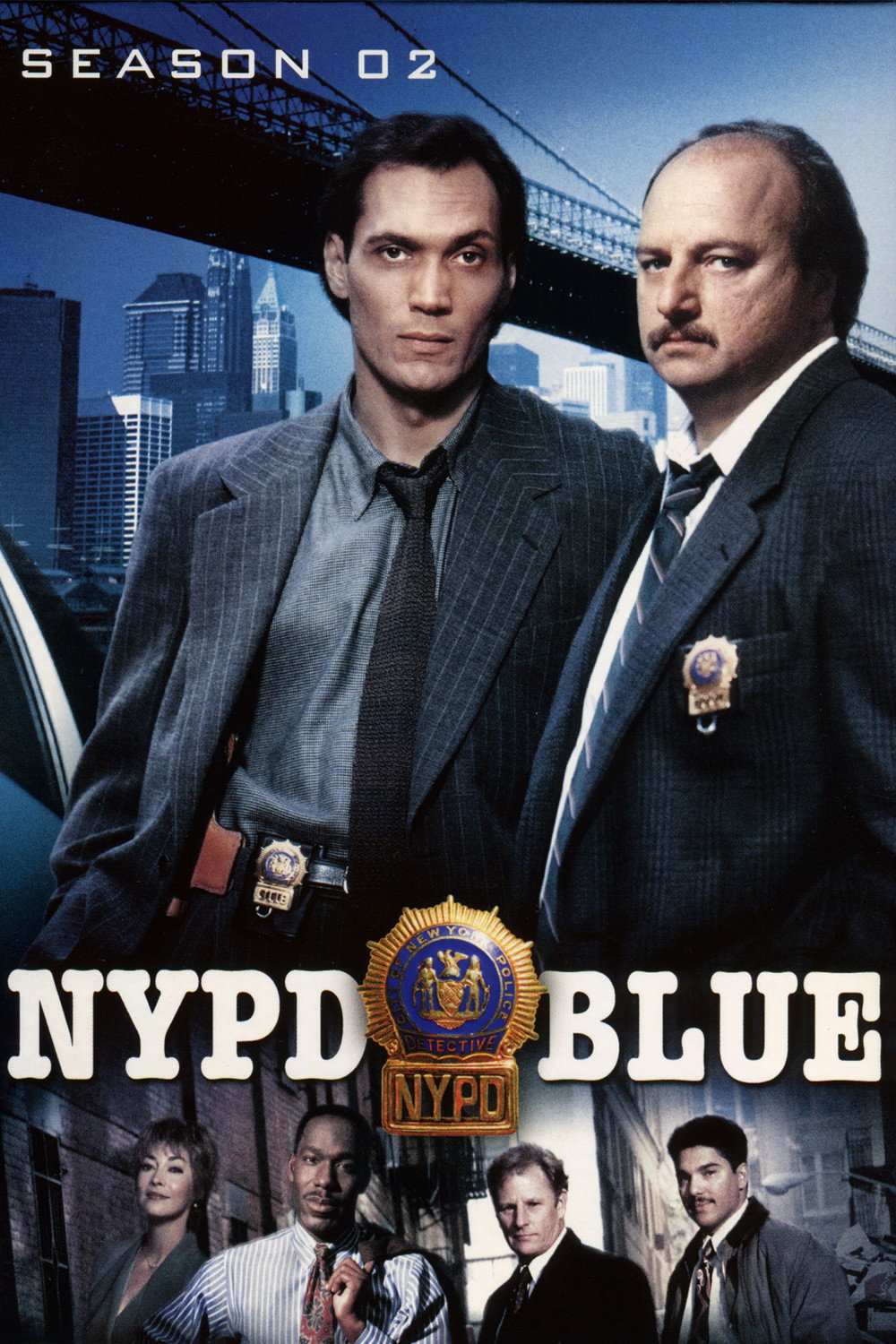
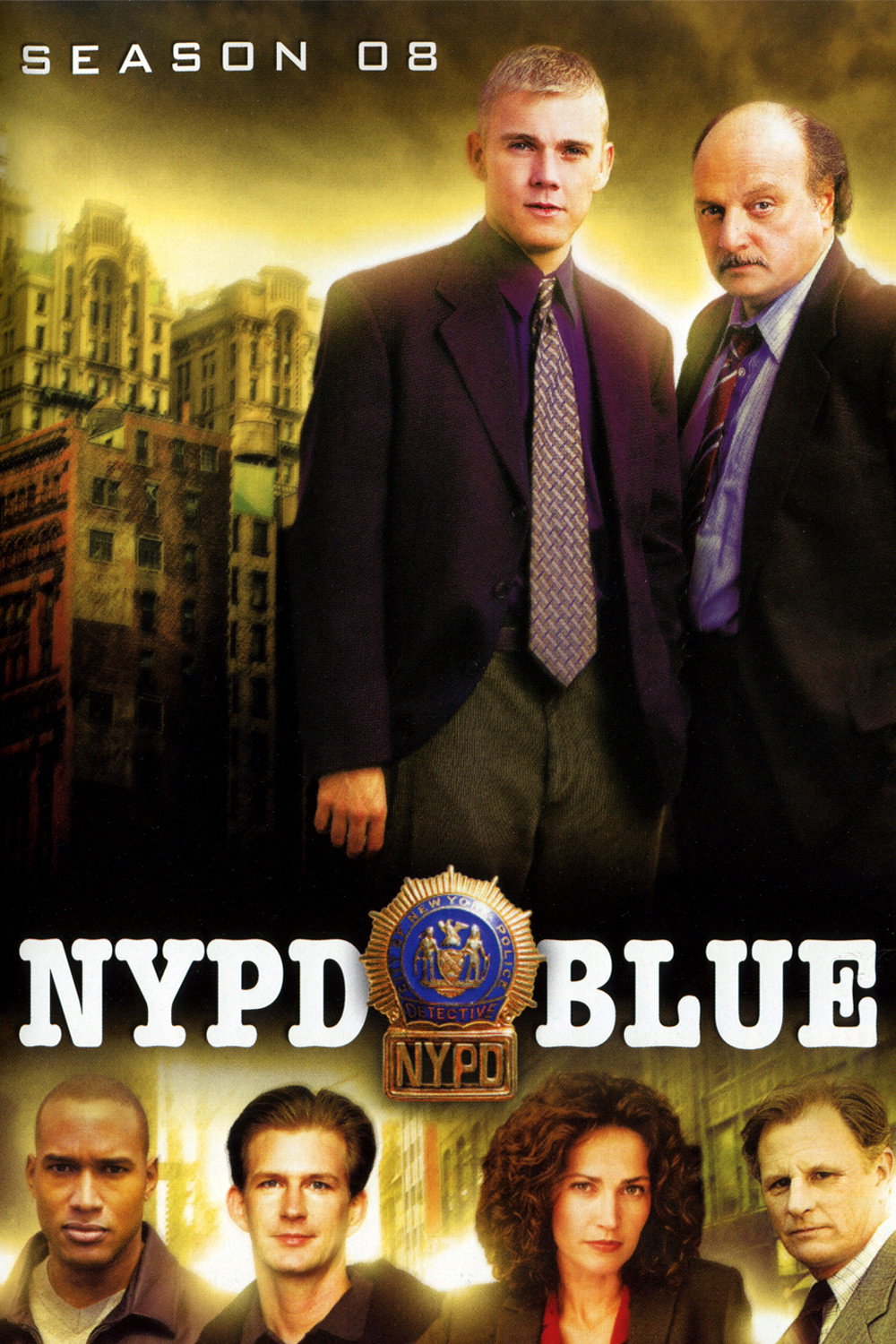
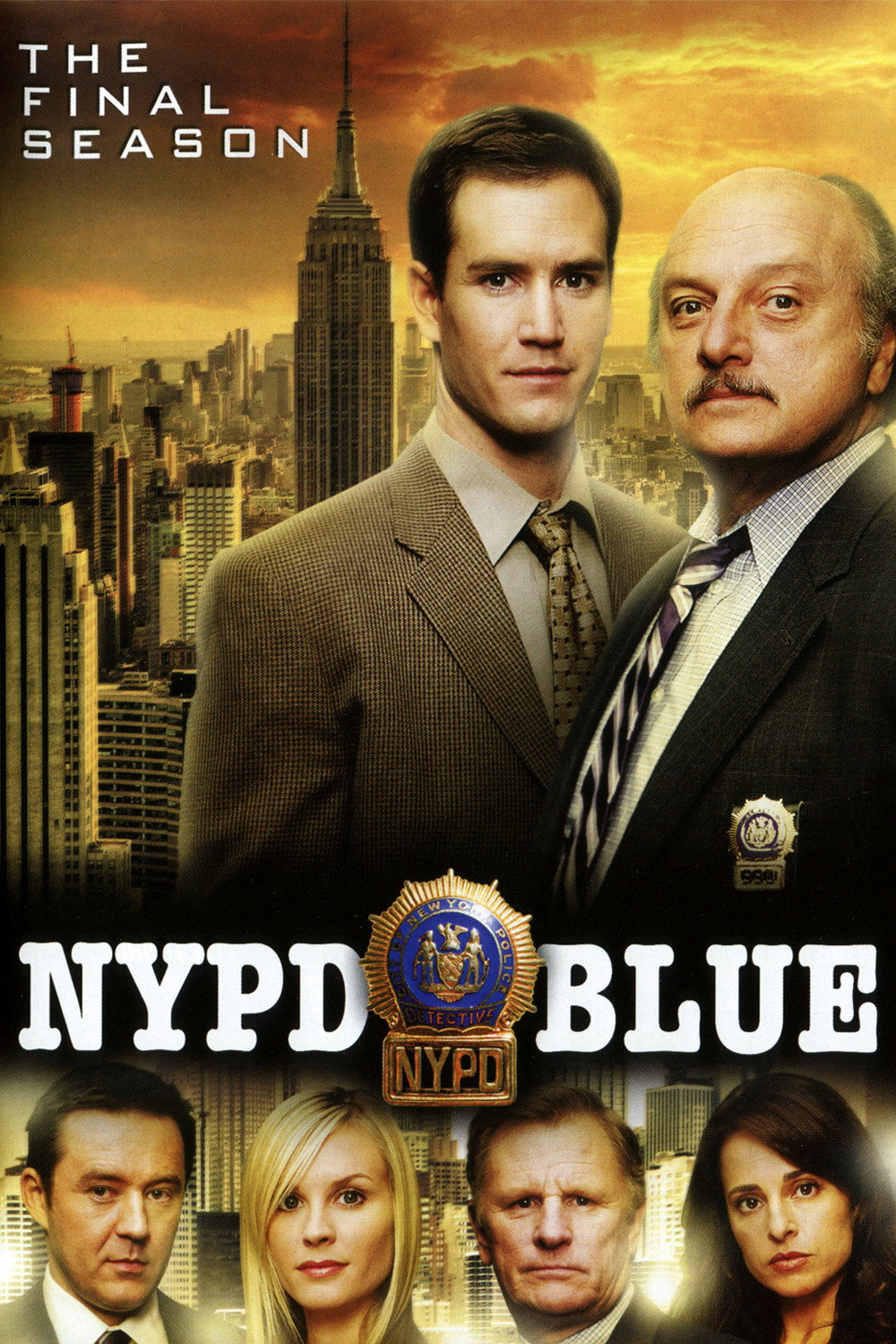
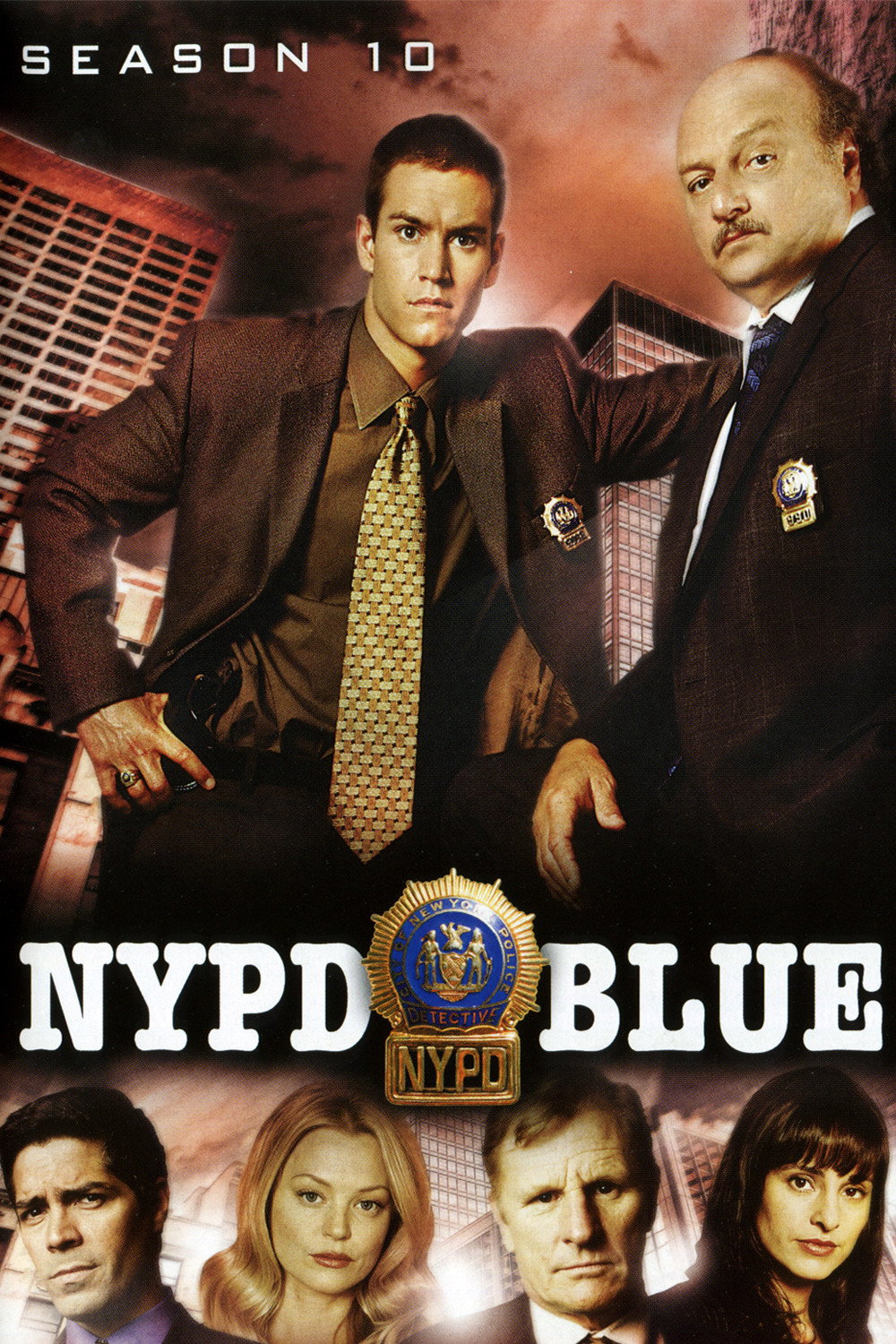
NYPD Blue earns its grip through the cast and the writing, especially Dennis Franz as Andy Sipowicz. The plotting is more conventional than its rough style suggests, but we warmly recommend the company.
NYPD Blue is worth watching for the people, with a caveat about the effort spent making everything feel tough. Creators Steven Bochco and David Milch build a police drama whose strongest attraction is the attention paid to character. Its cops are interesting company even when the plotting is familiar. We recommend it because the writing and performances give those working relationships enough detail to survive the programme’s more conspicuous attempts to look adult.
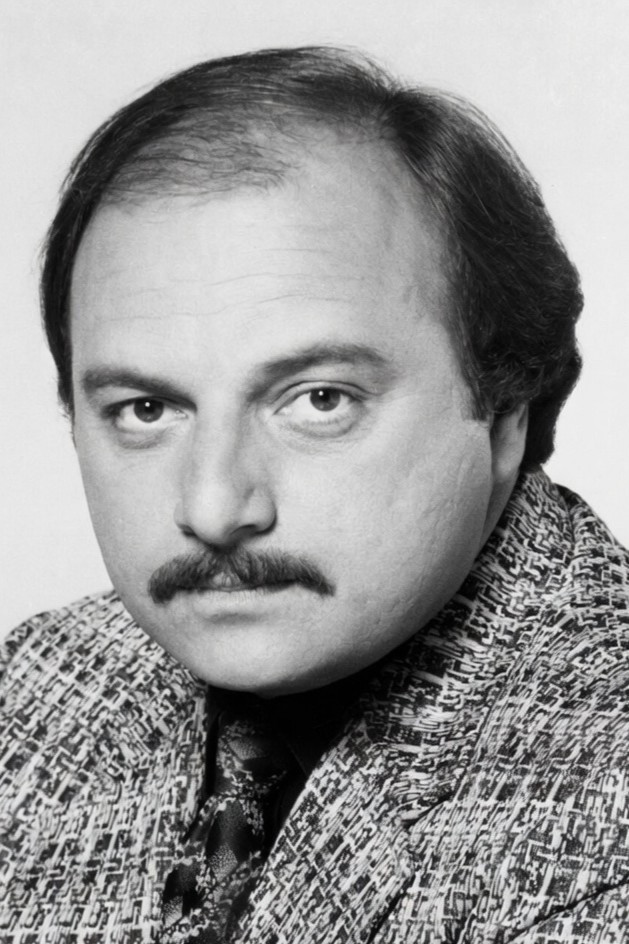
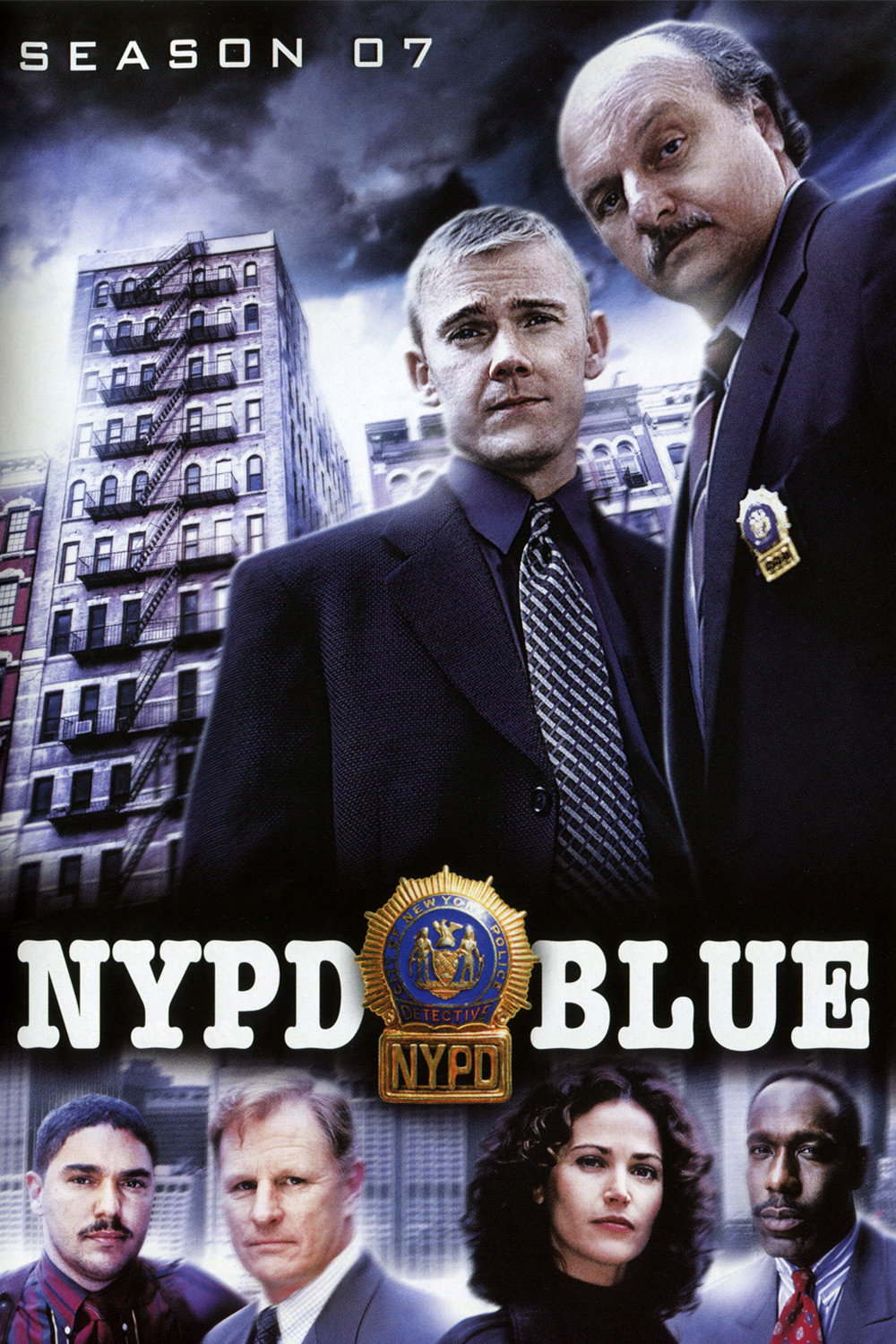
Dennis Franz, as Andy Sipowicz, makes that recommendation easy. The performance has enough feeling behind its abrasive humour to keep the character from becoming merely a reliable source of difficult behaviour. We laughed at the cops’ black humour, then found ourselves caring more than we had expected about the people delivering it. The acting makes those exchanges feel personal, so the emotional passages do not seem to belong to a different programme or require everyone to become suddenly more agreeable.
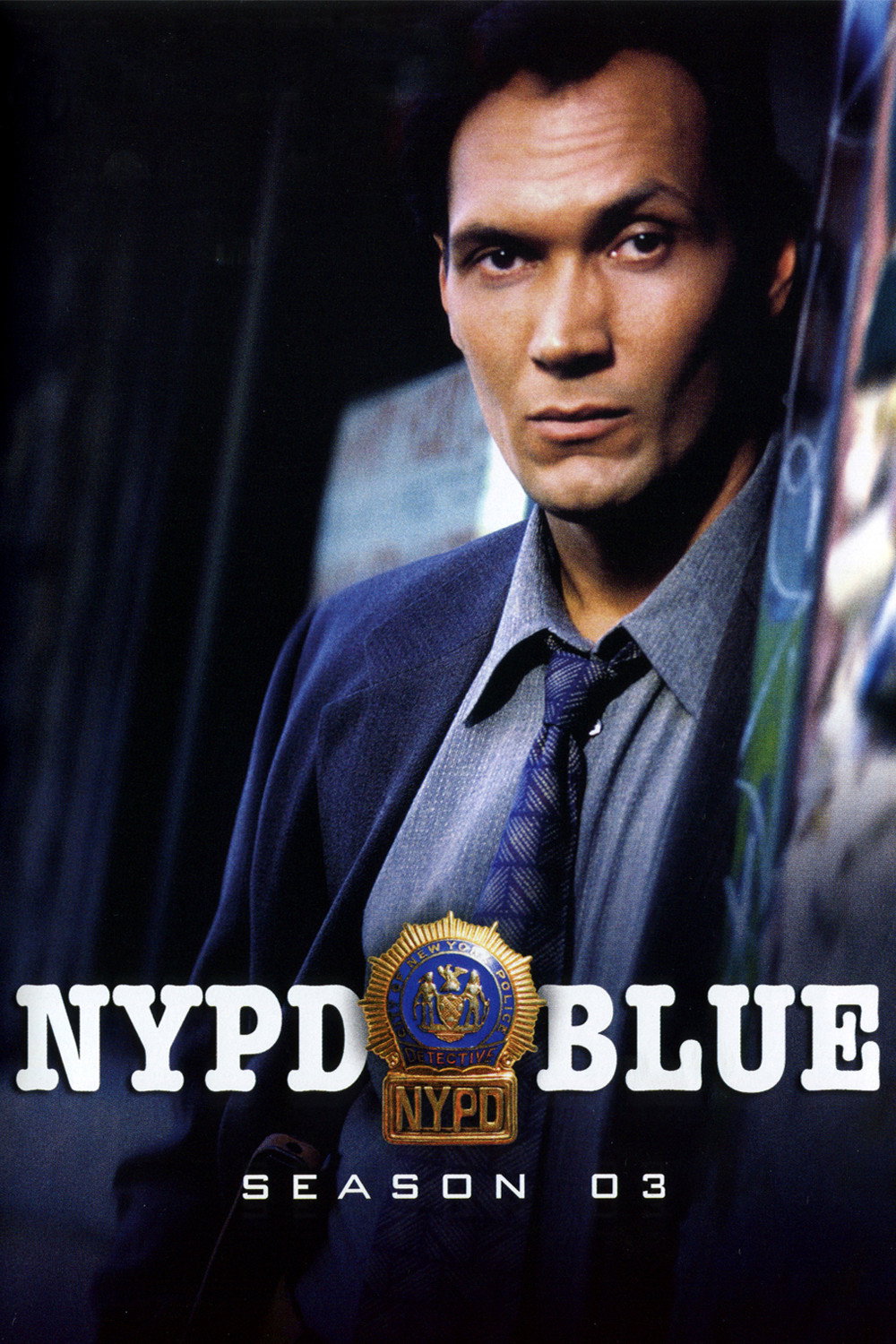
David Caruso’s John Kelly and James McDaniel’s Arthur Fancy help make the interactions feel like the business of colleagues, rather than scenes arranged to introduce a set of personalities. We get pleasure from watching actors attend to one another. The cast gives the dialogue an easy familiarity, so that a disagreement can hold our attention without the plot having to become more complicated. Even where the police work offers little surprise, the conversation remains worth following.
The rough-looking images suit the dialogue, although the technique sometimes becomes too insistent. Bing Sokolsky and Brian J. Reynolds are among the cinematographers, and the visual approach works best when its untidiness feels incidental to the conversation. Richard C. Hankins’s production design is persuasive as a workplace for this company, without needing to compete with the actors. The editing team, including Craig Bench and Farrel Levy, is most effective when it lets those exchanges set the pace. We have little appetite for being reminded of the programme’s toughness once the cast has made us believe in the people.
That is the main reservation. The sex and violence are not in themselves the problem; the trouble comes when their inclusion feels like another demonstration of seriousness. The plotting remains fairly conventional, and no amount of roughness can disguise a development that arrives just where we expect it. Sometimes the programme seems reluctant to accept how effectively a familiar situation can work when the actors have enough to play. We would happily lose some of the display and keep the conversations.
The first series runs to 22 episodes, so liking the company matters more than being impressed by the opening’s toughness. As a police procedural, this offers familiar pleasures, but the attention to personality makes them substantial. We would choose it for an evening when conversation and character matter more than an ingenious investigation. If the rough finish begins to irritate, give the cast a little longer: they are doing the work that makes another episode appealing.