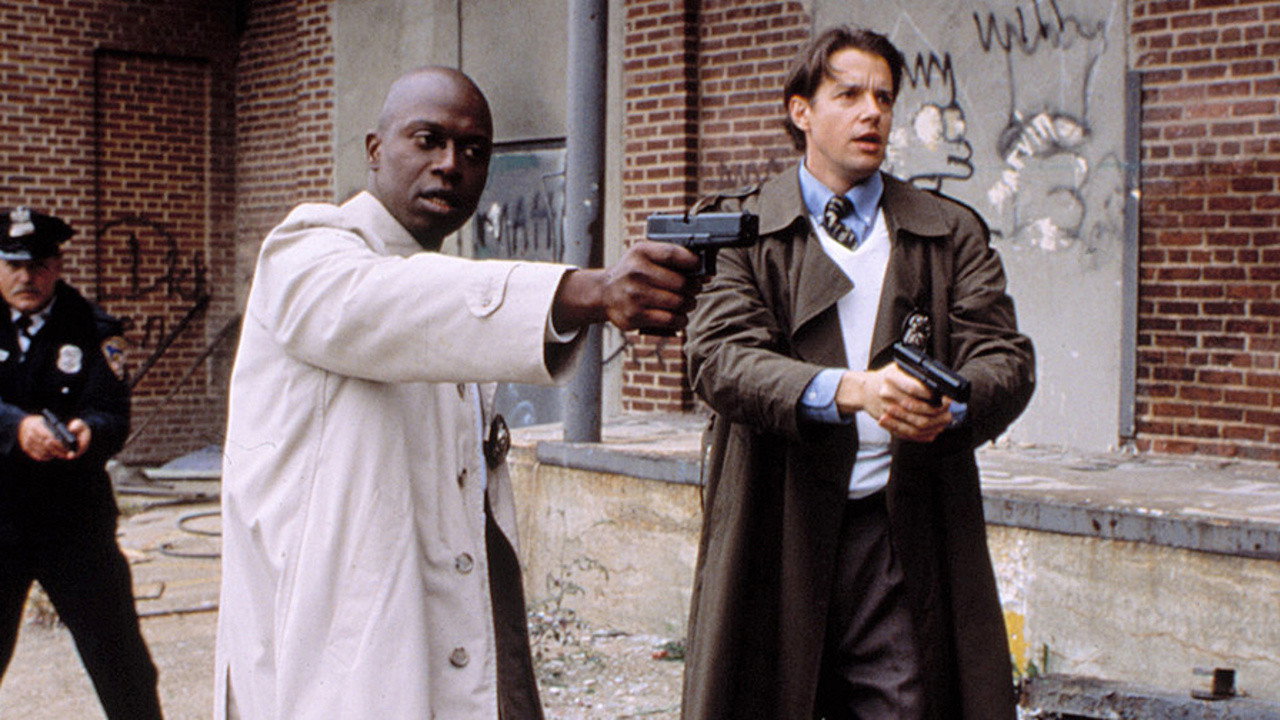
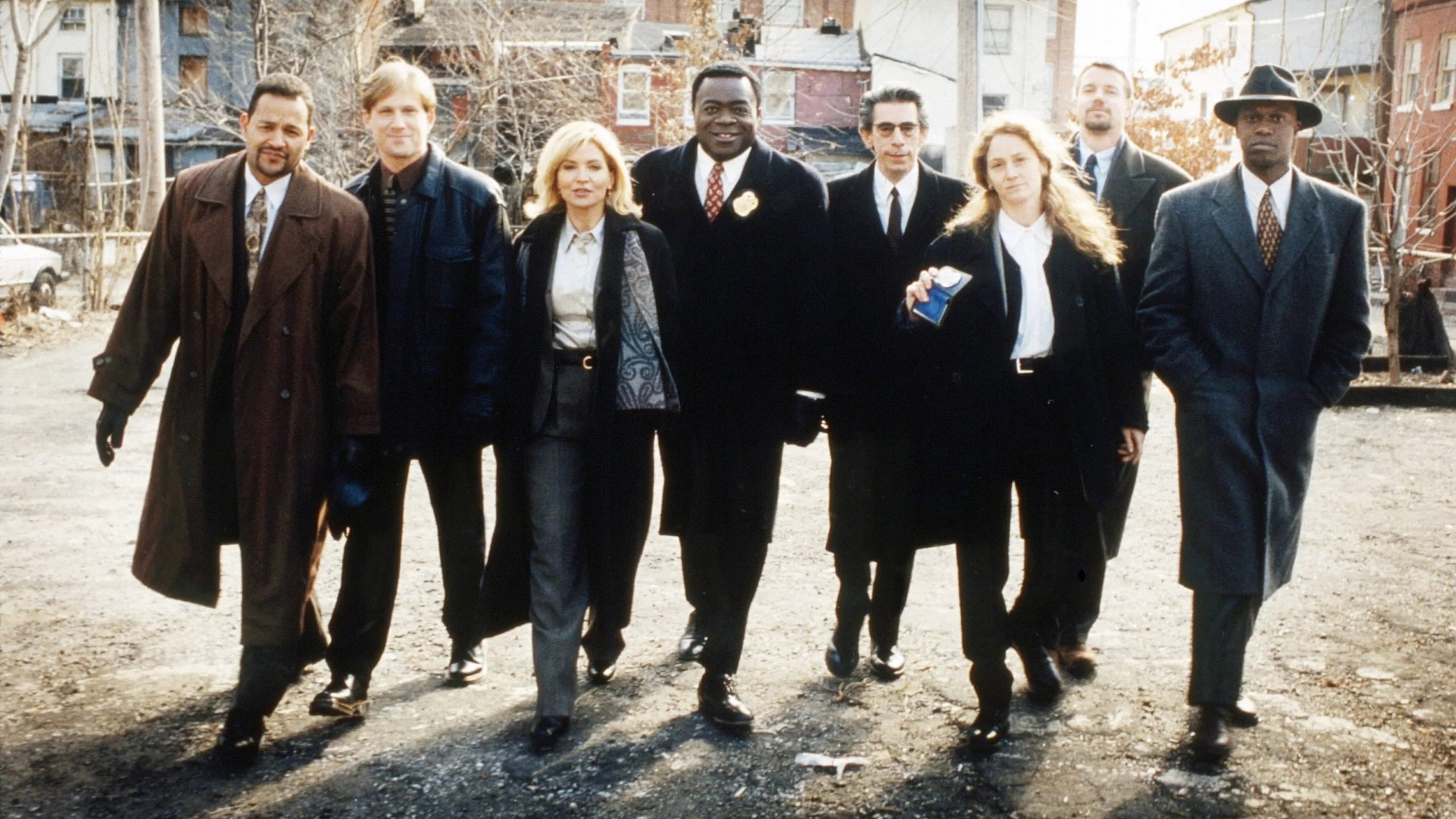
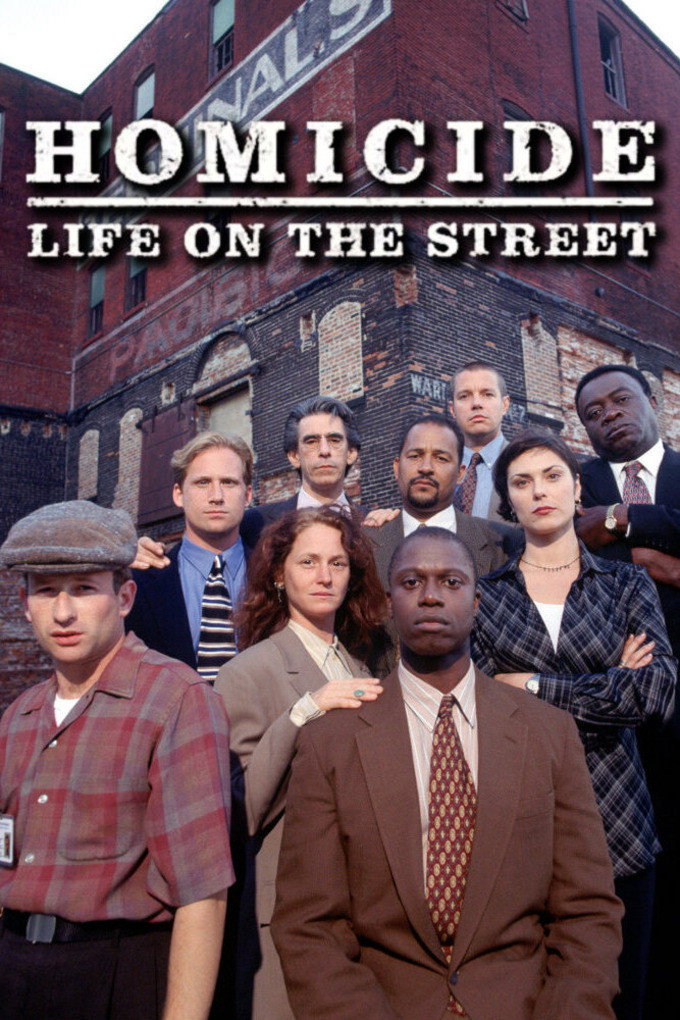
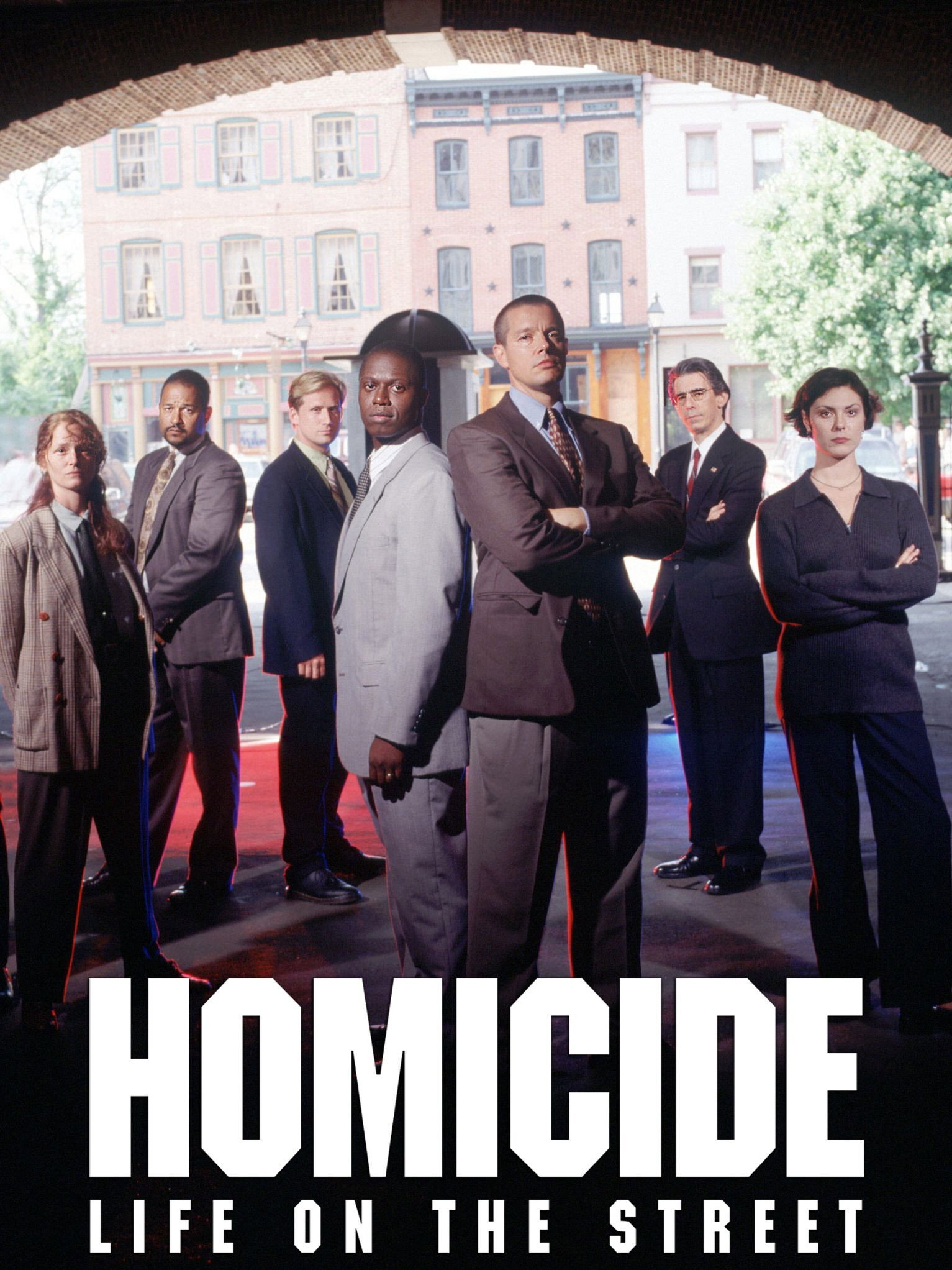
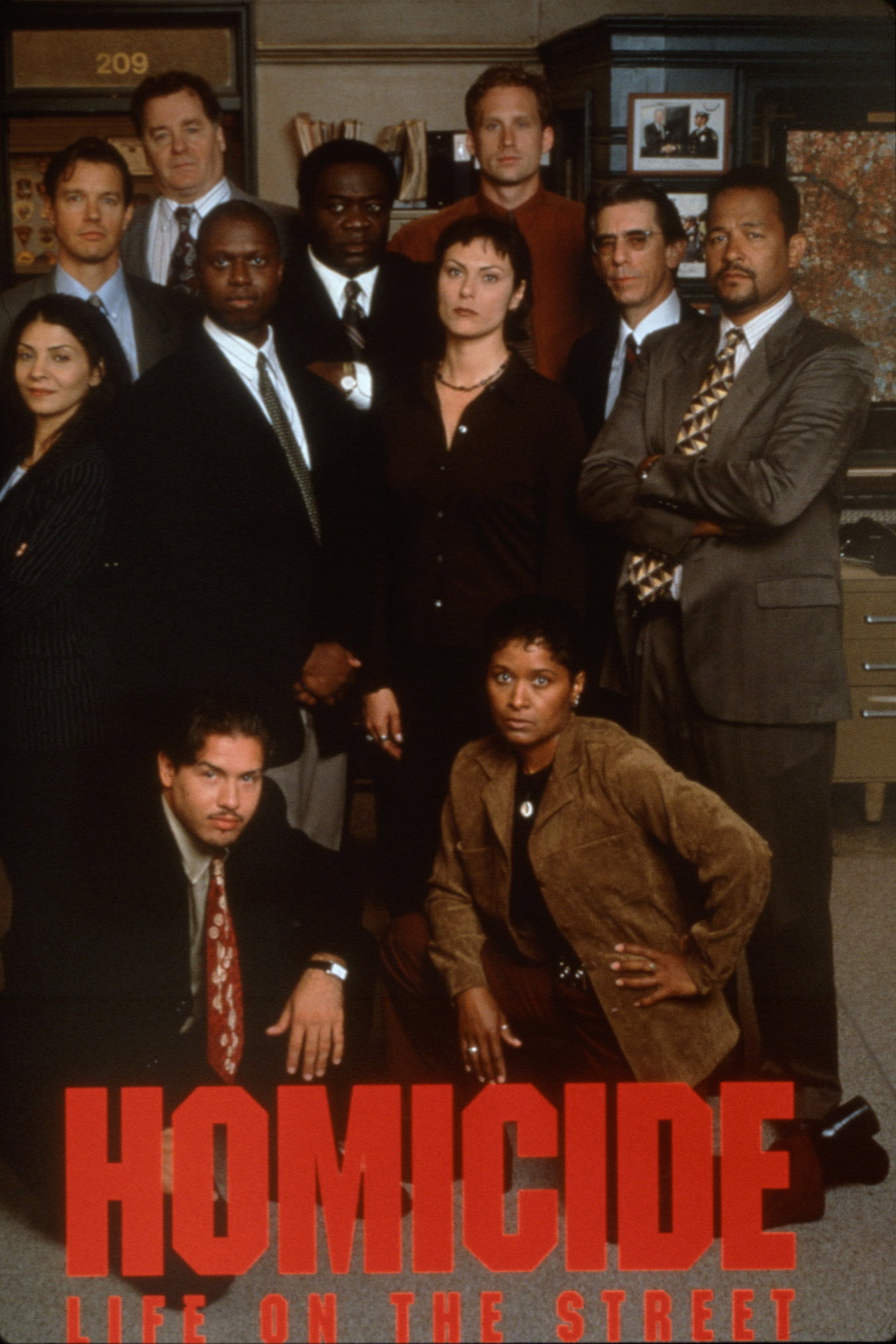
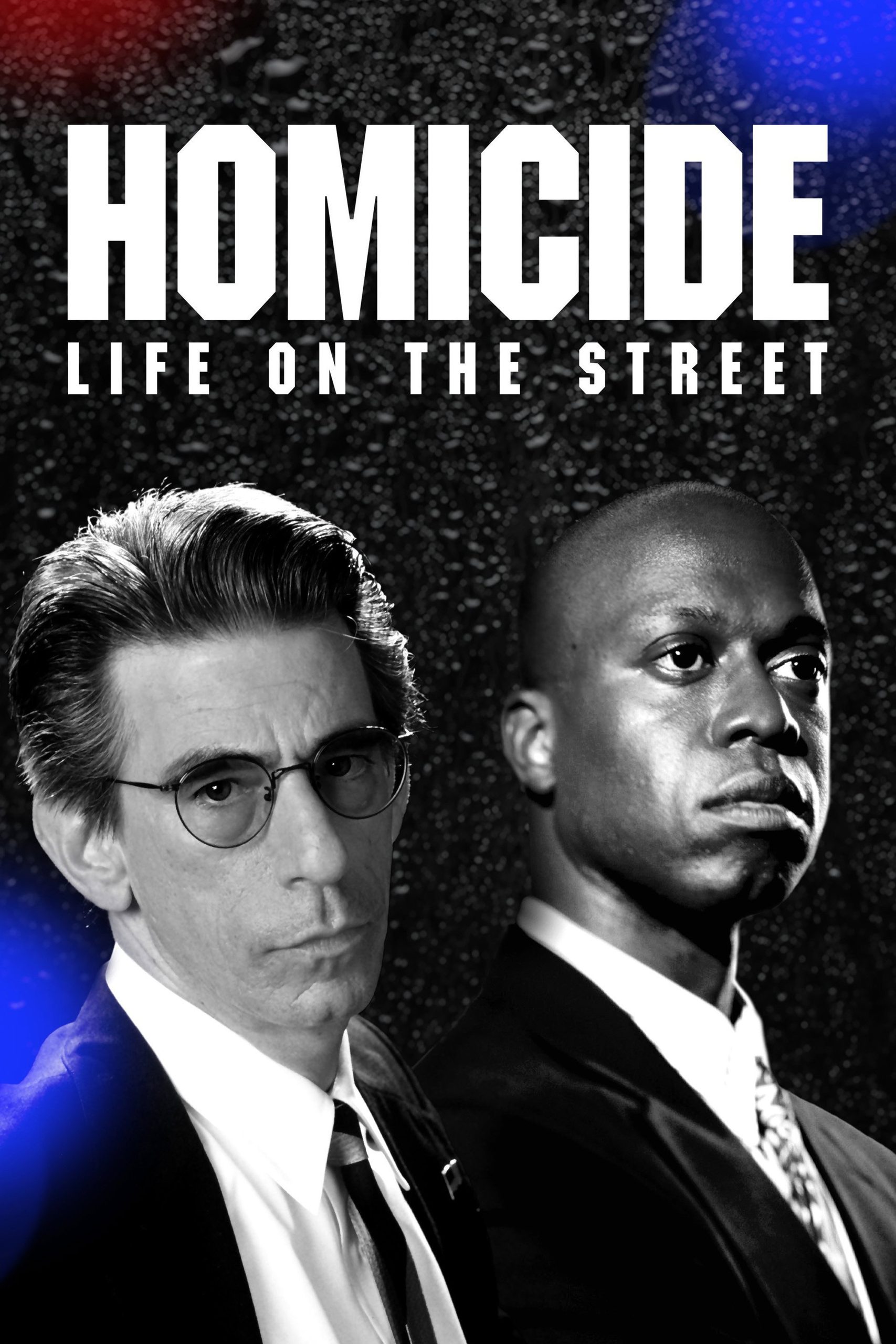
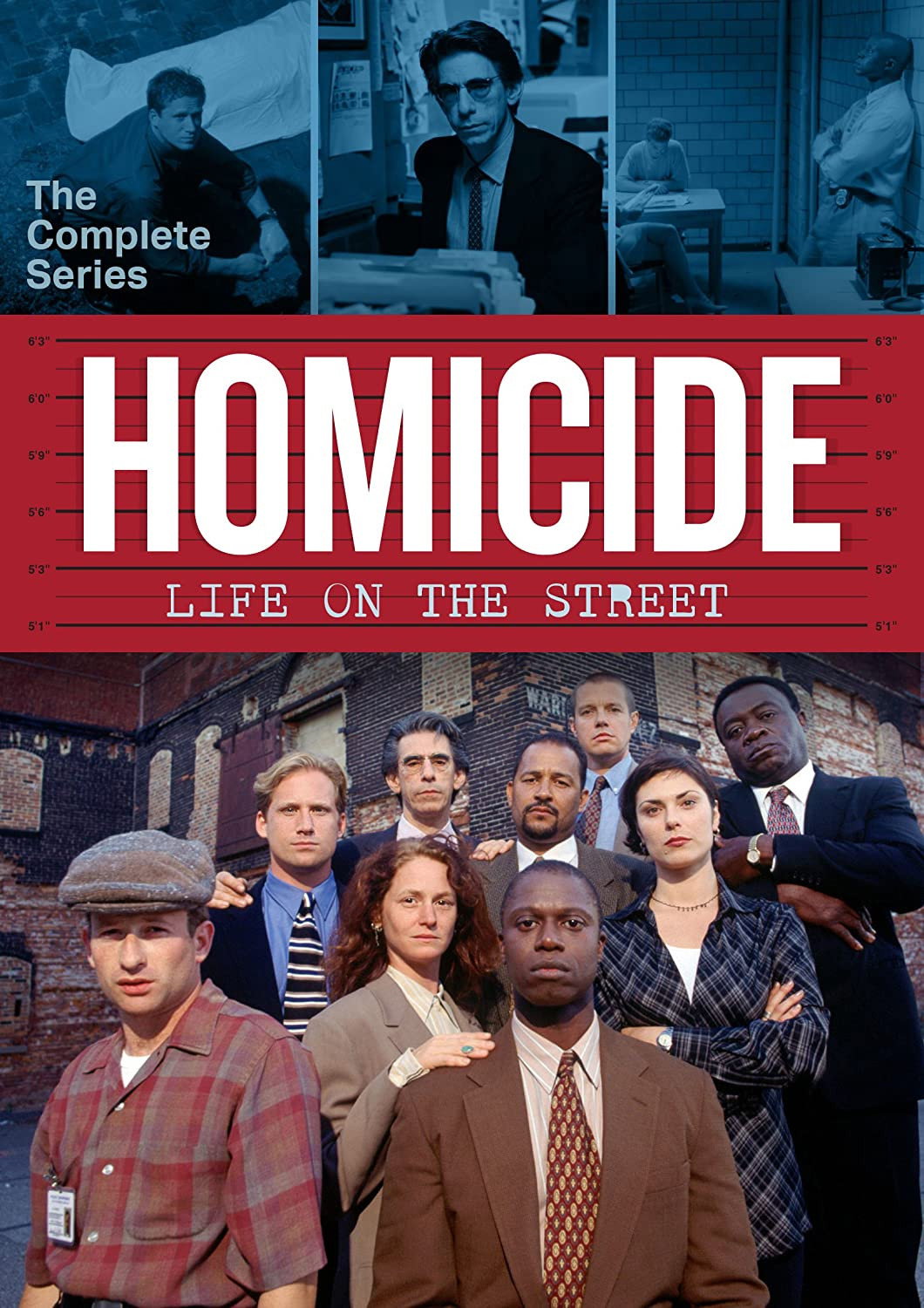
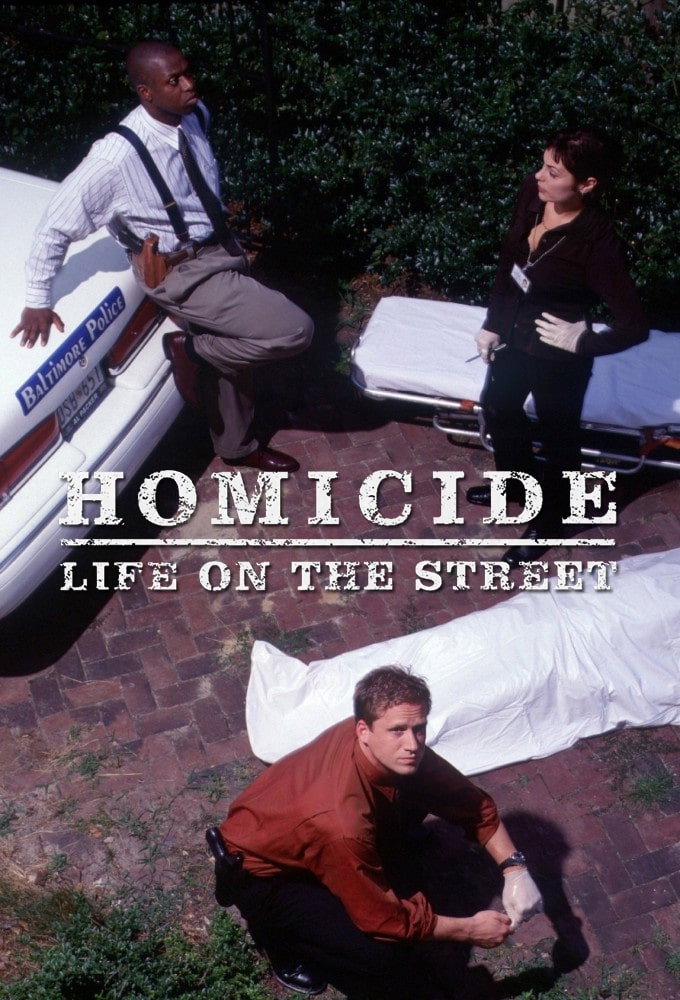
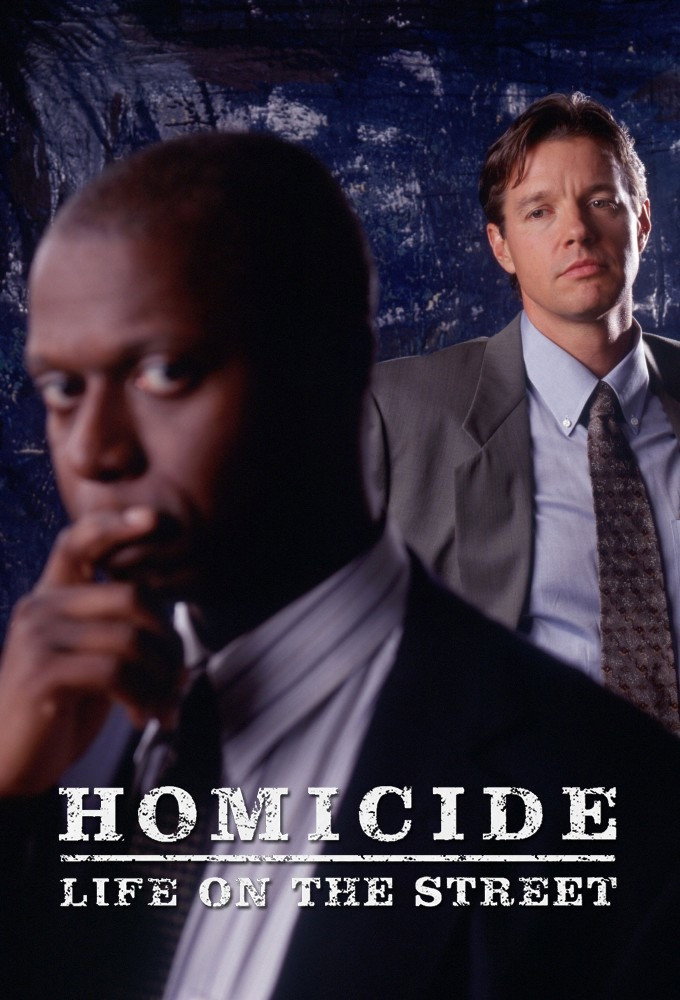
A demanding, richly acted police drama that makes the detectives as absorbing as their cases. Andre Braugher is the chief attraction; the restless editing sometimes distracts from performances worth watching without assistance.
Homicide: Life on the Street is an excellent police drama for anyone willing to spend time with detectives who cannot reliably make things right. Created by Paul Attanasio, it gives the Baltimore homicide department more to do than produce a culprit before the closing credits. Cases extend across episodes, and the people investigating them remain worth watching while answers are scarce. That patience is its chief strength, even when the restless editing seems determined to hurry us along.
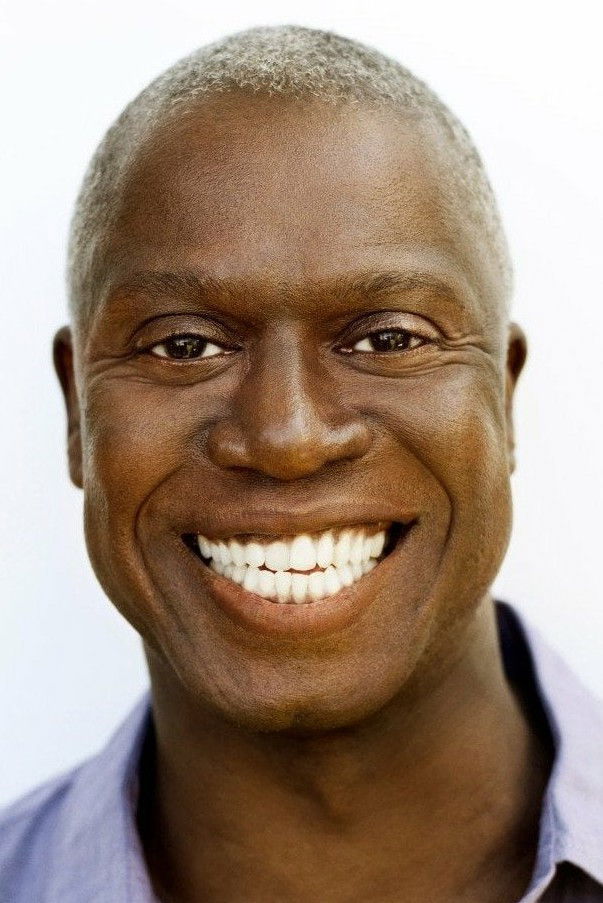
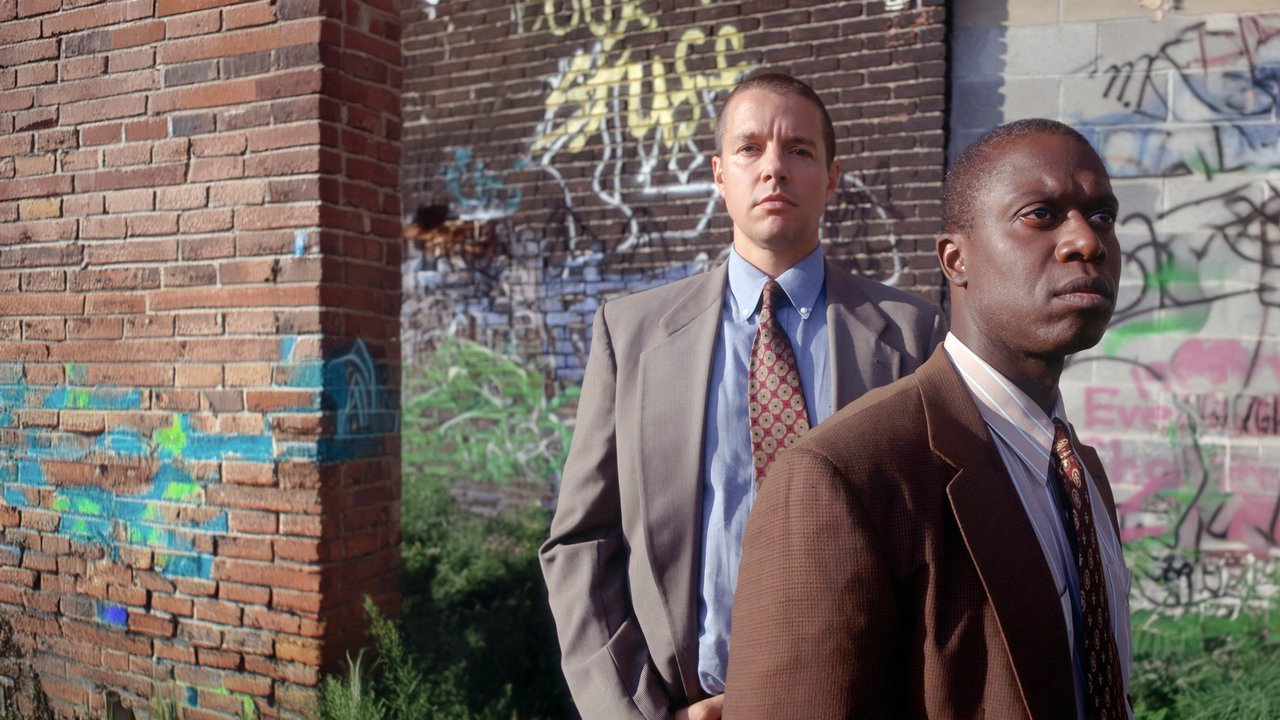
Andre Braugher, as Frank Pembleton, gives the programme its most compelling reason to keep watching. His confidence makes Pembleton fascinating company, including when that confidence begins to look like a problem. We were unsettled by how readily we wanted to trust him. Andre Braugher makes certainty persuasive, and the series gives us enough doubt about police work to make that persuasion uncomfortable. It is a performance worth watching closely whenever he seems most sure of himself.
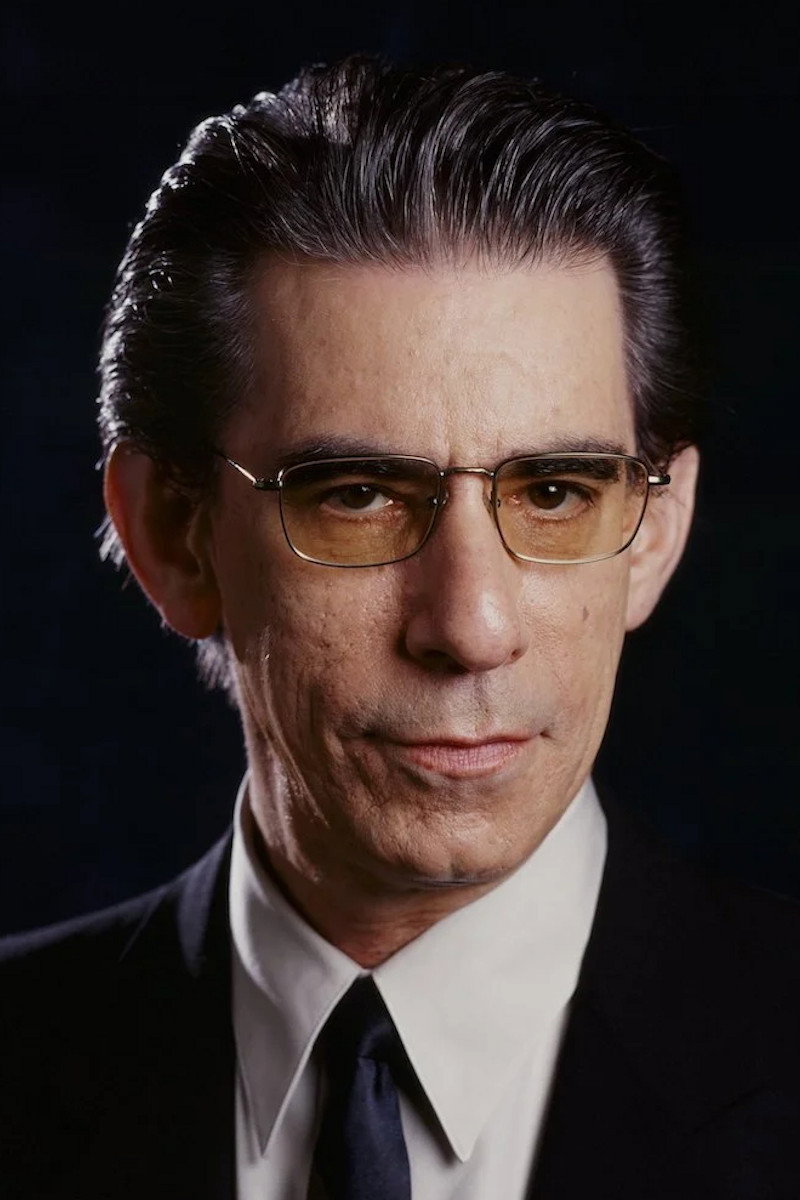
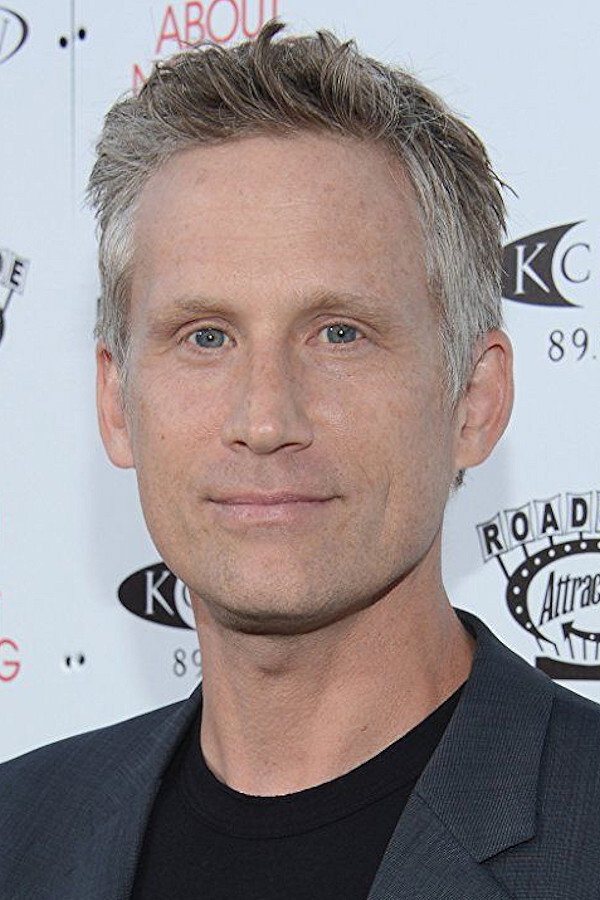
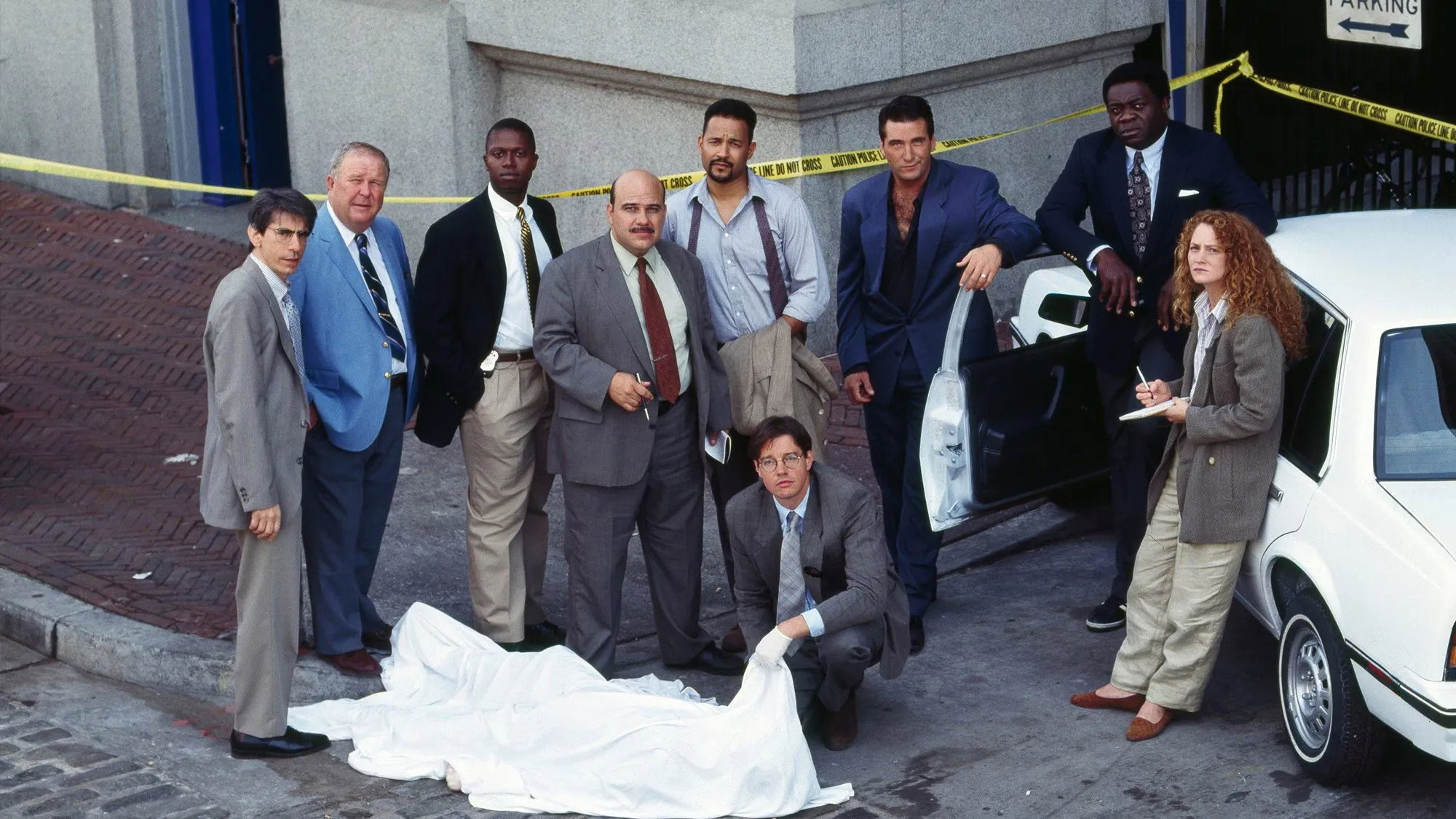
Richard Belzer, playing John Munch, provides a drier pleasure. His humour feels like something these people need in order to keep working, rather than a break arranged for the audience. Kyle Secor, as Tim Bayliss, helps make the department feel populated by people who would not all choose one another’s company. We are allowed to find a detective irritating without being instructed to stop caring about him, and the actors have room to be difficult without competing to be the most damaged person on screen.
The editing has an impatience that can be exhilarating, keeping the programme from settling into a comfortable rhythm. It also supplies our principal reservation: at times the bustle makes it harder to attend to performances that need no help. The ensemble is already full of competing personalities, and we would sometimes prefer to watch them without quite so much insistence from the cutting. The energy works best when it conveys the pressure of the job.
The writing credits include Tom Fontana, James Yoshimura and David Simon, and the series gives its actors language worth listening to. Police work here permits doubt, frustration and moral compromise, with race and gun violence treated as part of the detectives’ working lives. What matters is how these subjects affect the characters, rather than how neatly an episode can announce a position. The lack of easy closure can be exhausting, but it does not feel like a trick to secure another hour of attention.
Against the familiar satisfactions of a police procedural, that is a substantial achievement. Finding out what happened is only part of the reason to return; the programme makes the emotional cost of finding out equally important. Its bleakness can become oppressive, and anyone hoping for regular reassurance from a solved case should be warned. Yet the actors give the detectives sufficiently different temperaments that the gloom never makes them interchangeable.
There is no need to approach it as homework in the history of television, even though most critics rightly stress its importance to the genre. The acting is reason enough, and the uneven progress of the investigations asks for attention rather than specialist knowledge. Start when there is time to listen properly. This is not a programme to leave running while discussing something else.