We value Richard Pearce for naturalistic drama that takes hardship seriously and gives actors room to work. His documentary background suits rural stories and ensemble casts; conventional scripts can leave him with too little worth watching.
Fi1m perspective
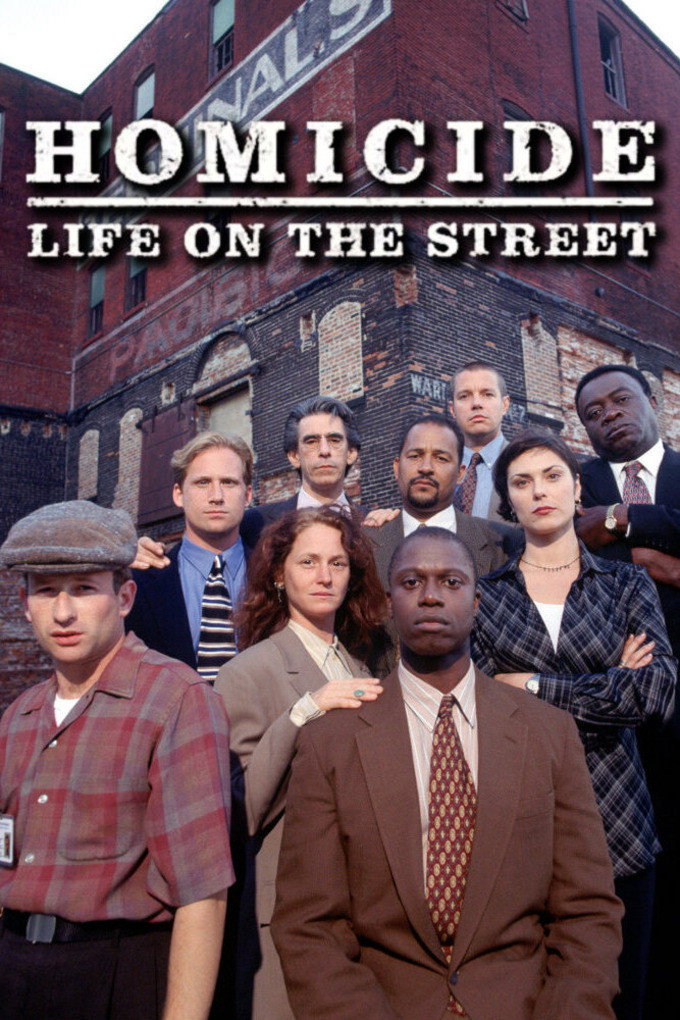
In Homicide: Life on the Street (1993), the detectives can be as absorbing as the cases they are supposed to solve. We were drawn in by Andre Braugher because the investigator held our attention as firmly as the investigation. Richard Pearce directed one episode, and the series’ achievements should not be credited to him wholesale. Still, its emphasis on character fits a director whose strengths lie in intimate drama and ensemble performances. We rate that side of his work more highly than his ventures with conventional scripts.
His early camera work with D.A. Pennebaker and Richard Leacock helps explain the preference. Pearce’s documentary cinematography credits include Woodstock (1970), Marjoe (1972) and Hearts and Minds (1974), before his move into naturalistic, often handheld fiction. As he put it: “The notion that you could be there with a camera and not interfere with the reality was a powerful idea, even if unattainable in fact.” The qualification matters: he recognises that simply bringing a camera changes what it records.
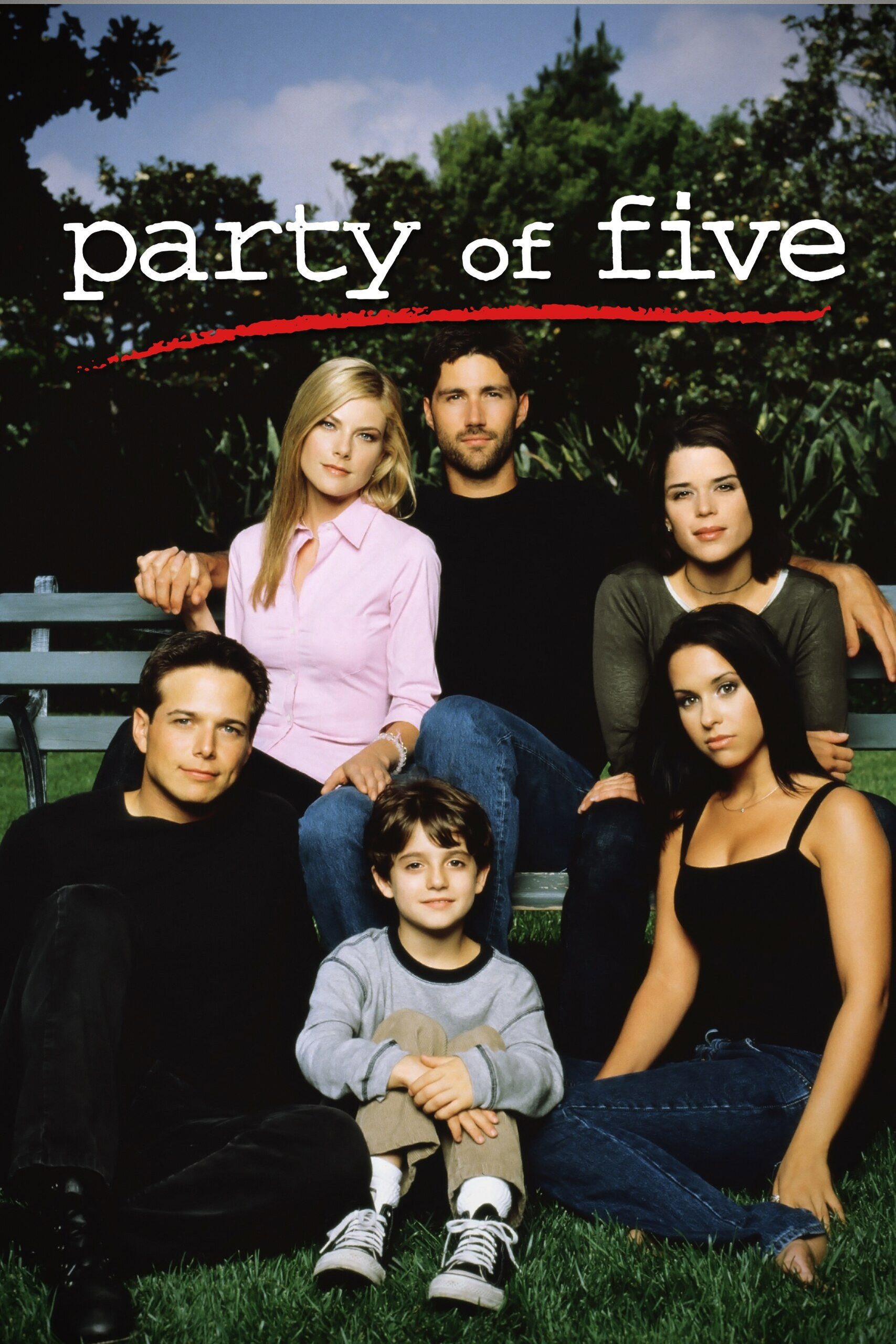
Heartland (1979), his feature debut, and Country (1984) made rural hardship and resilience central subjects. The ensemble work in Country and The Long Walk Home (1990) gives us a clear reason to value his handling of social and period drama. With No Mercy (1986), the conventional scripting is a limitation that the naturalistic approach cannot remove. Alongside his features, he directed the pilot and several episodes of Party of Five (1994). Television became his principal work after the mid-1990s.
In Homicide, the restless editing is our reservation: it sometimes distracts from performances worth watching without assistance. The detectives are already interesting enough to sustain a scene, and the additional cutting does not always help us watch them. That is a criticism of the programme, not a verdict on Pearce’s episode, and it leaves our enthusiasm for the series intact. Start there for a demanding police drama and Braugher’s acting; try Country for a clearer sense of Pearce’s work in features.
Biography
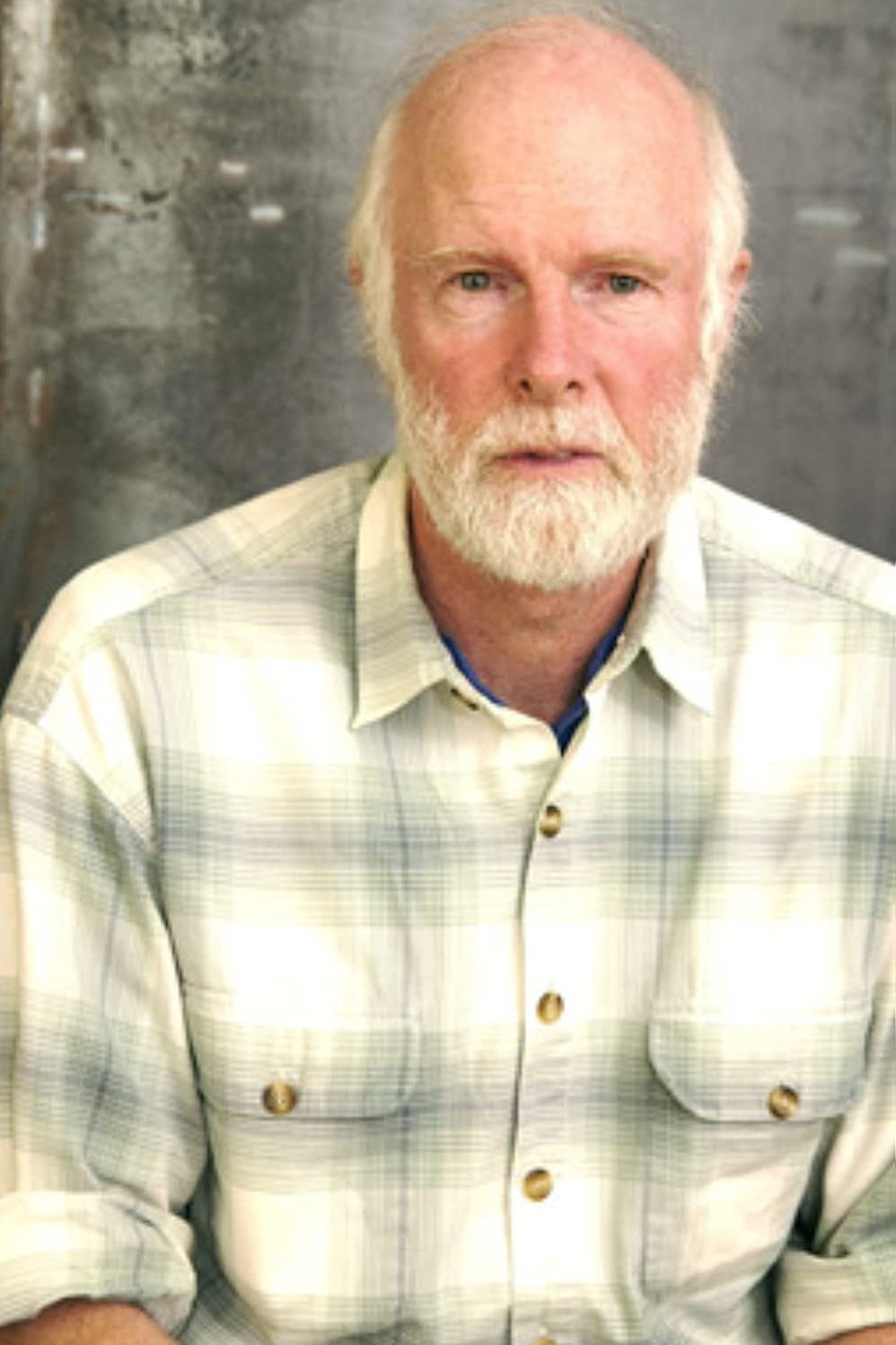
Richard Pearce (born 25 January 1943) is an American film and television director and cinematographer. He attended St. Paul's School and earned a B.A. in English from Yale University in 1965. He began working in documentaries in New York with D.A. Pennebaker and Richard Leacock, and served as cinematographer on the 1974 documentary Hearts and Minds.
Pearce directed the feature films Heartland (1980), which won the Golden Bear at the Berlin International Film Festival, Country (1984), The Long Walk Home (1990), Leap of Faith (1992) and A Family Thing (1996). He has also directed episodes of television series including Homicide: Life on the Street (1993), Party of Five (1994), CSI: Miami (2002) and Medium (2005), as well as several television films.