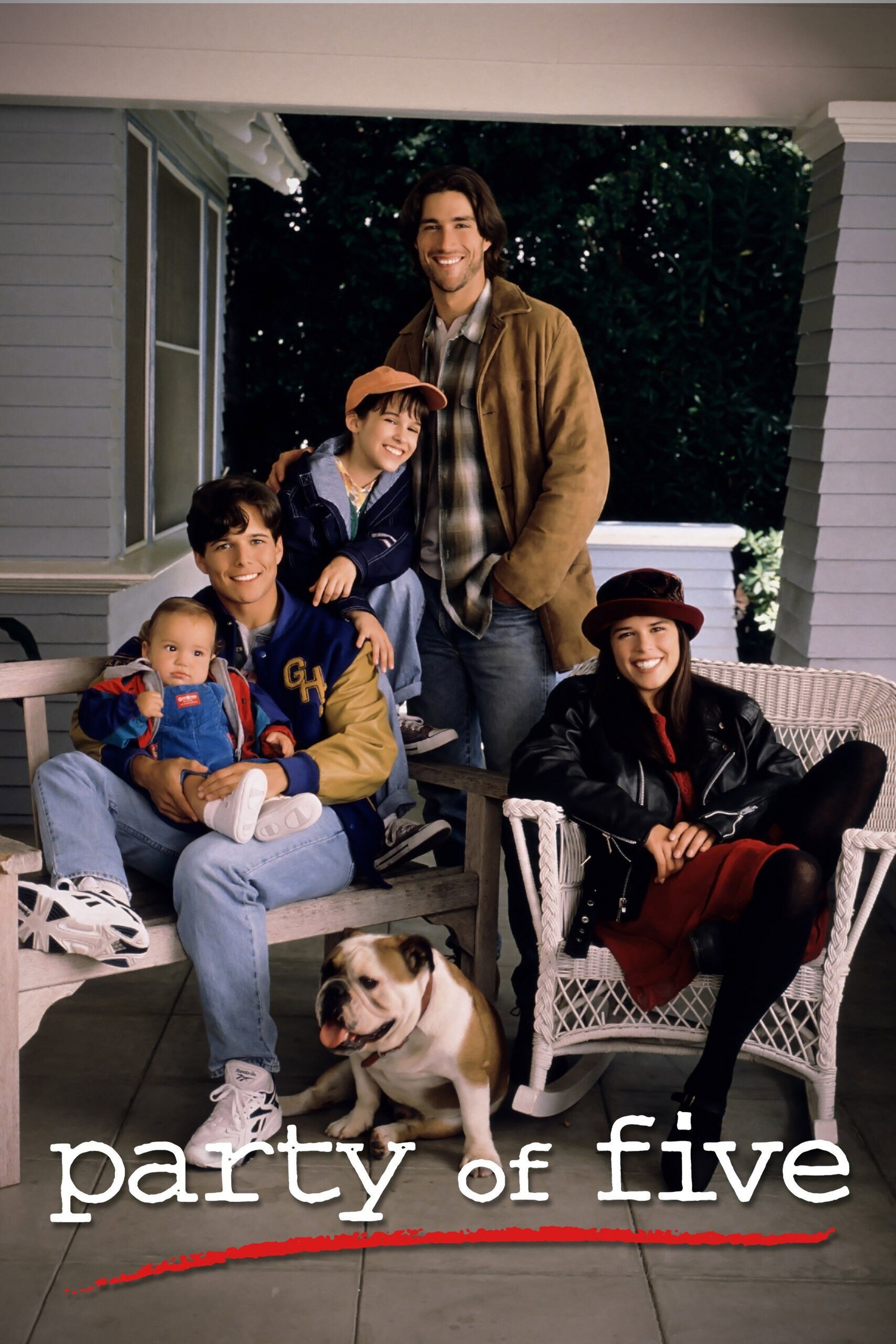
Party of Five earns its emotion through family conversations and a committed ensemble. It is good, earnest television, though the later accumulation of misfortune makes the Salingers harder company than they need to be.
Party of Five is a good family drama that becomes less convincing as the misfortunes accumulate. Created by Amy Lippman and Christopher Keyser, it begins with five siblings facing life after their parents’ deaths, then asks how they are supposed to manage the ordinary business of living. The premise could justify an endless supply of tearful speeches. The series is more persuasive when someone has a problem that needs sorting out and nobody feels equipped to sort it.
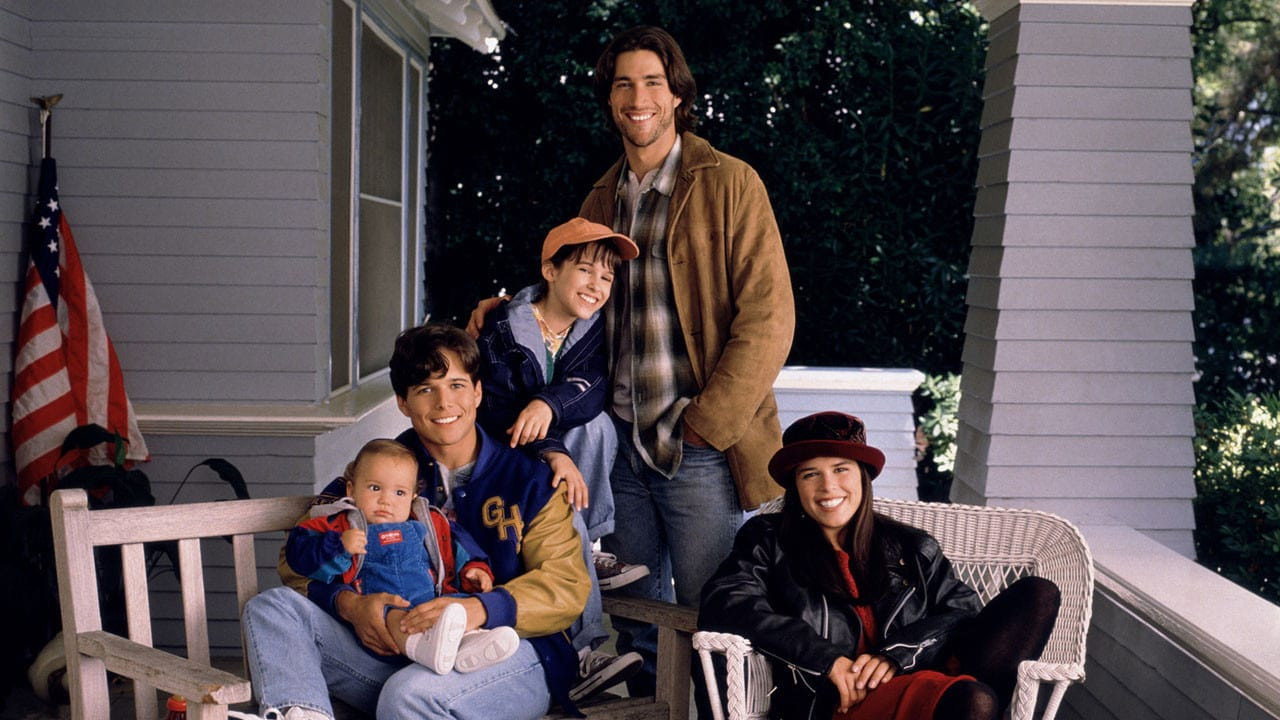
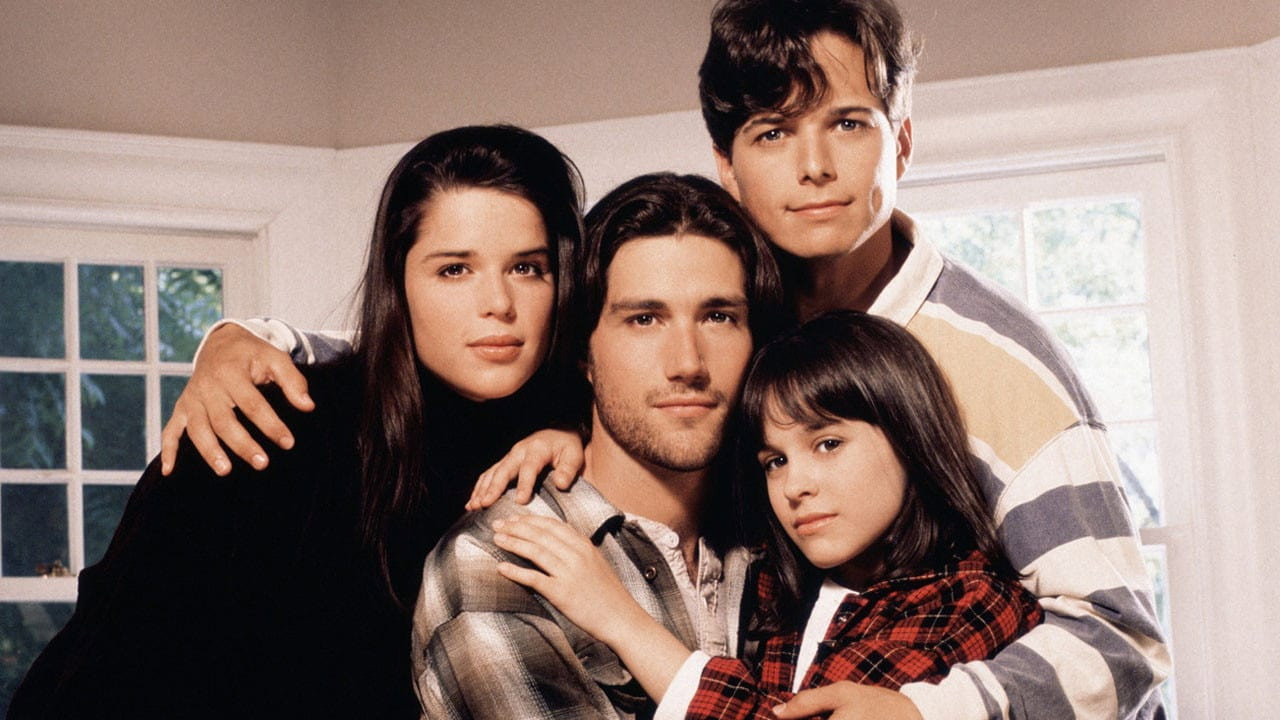
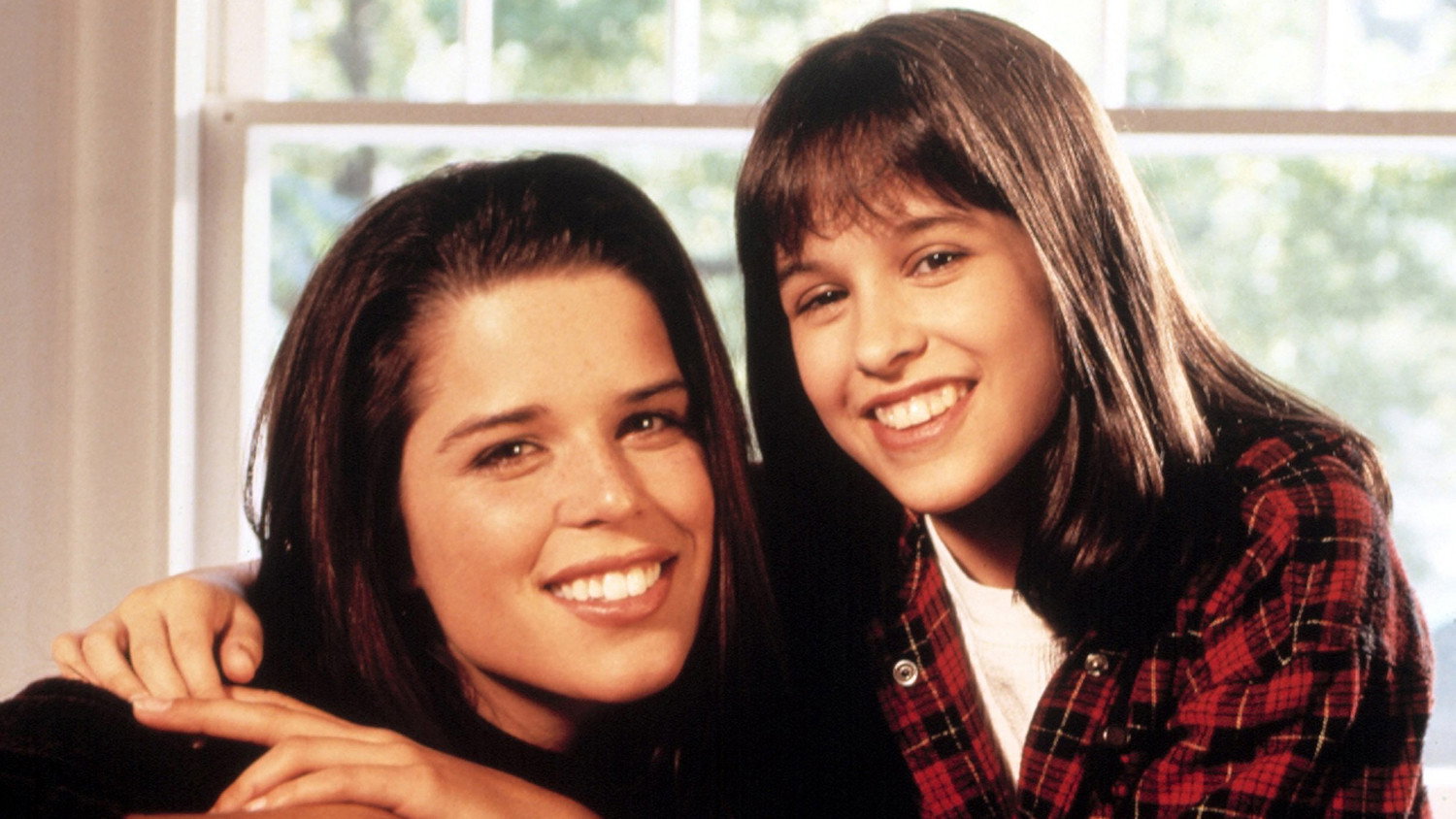
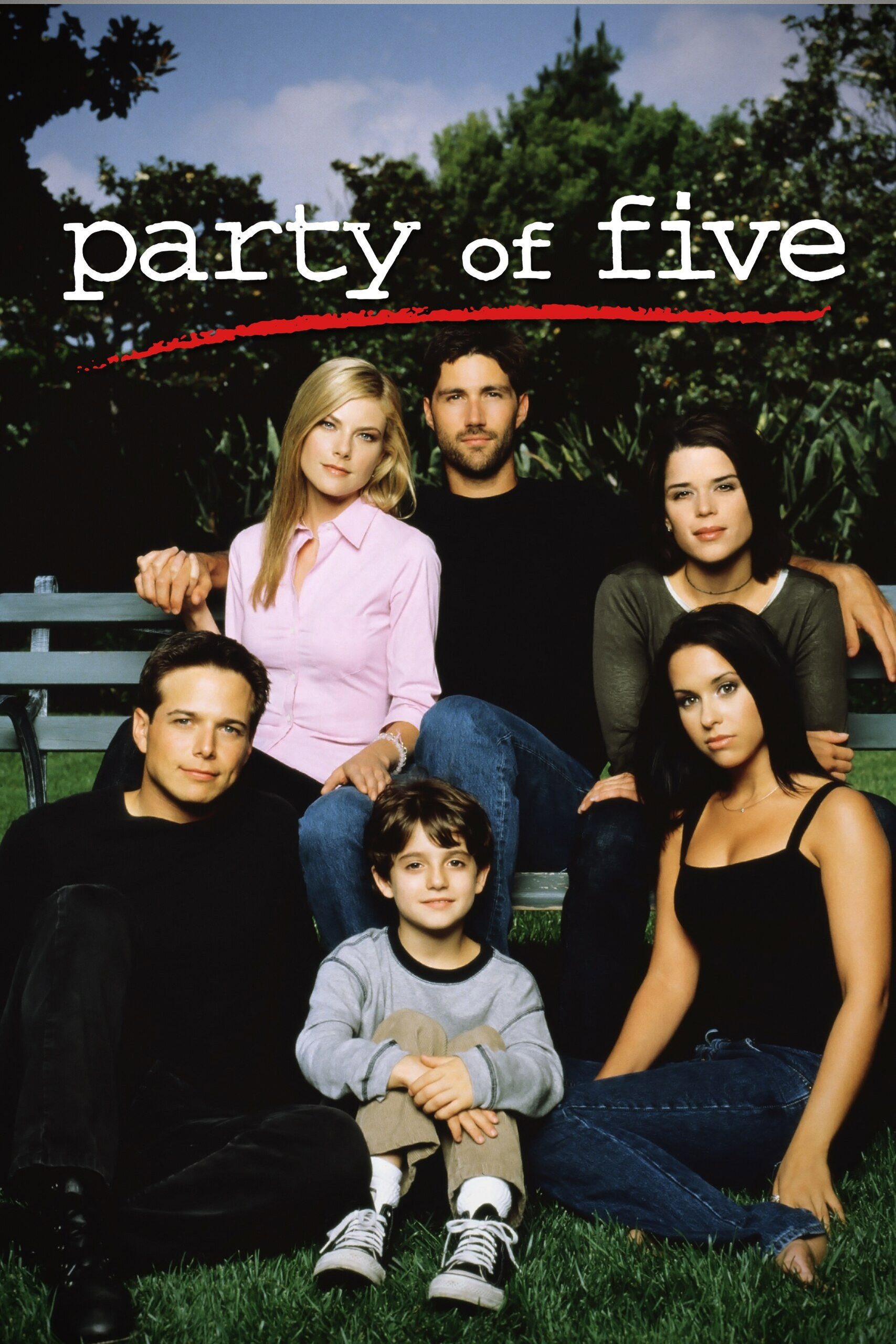
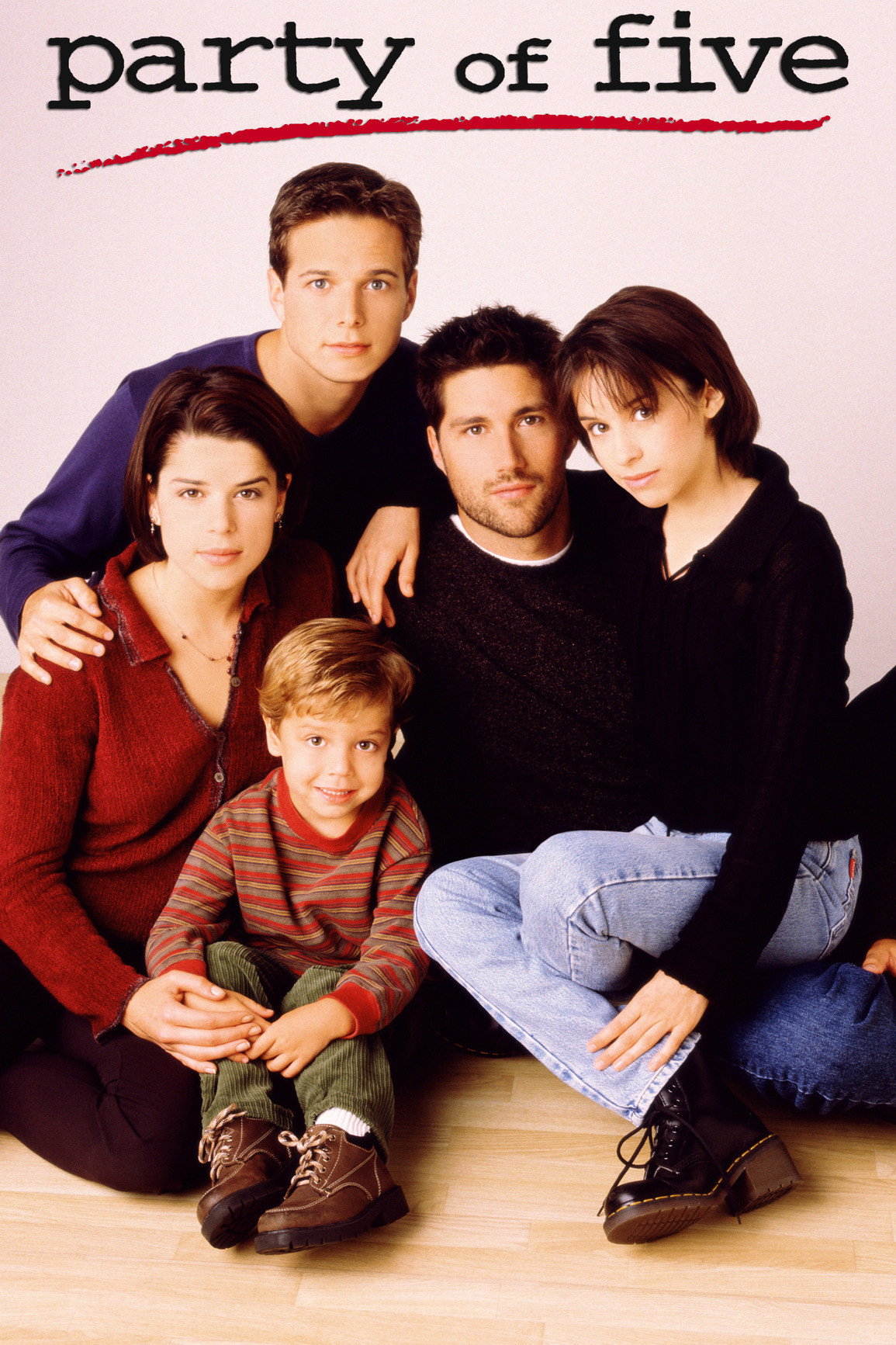
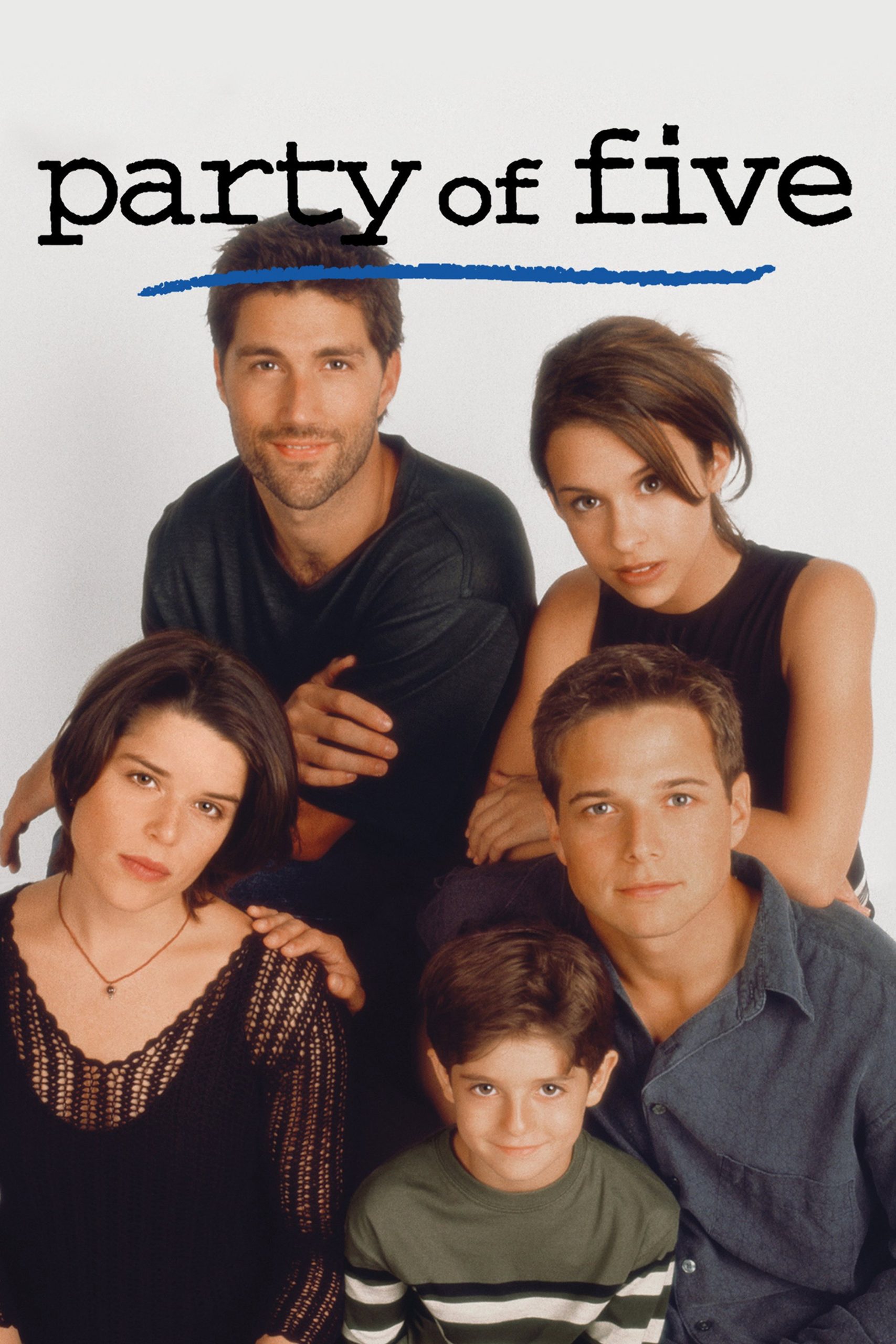
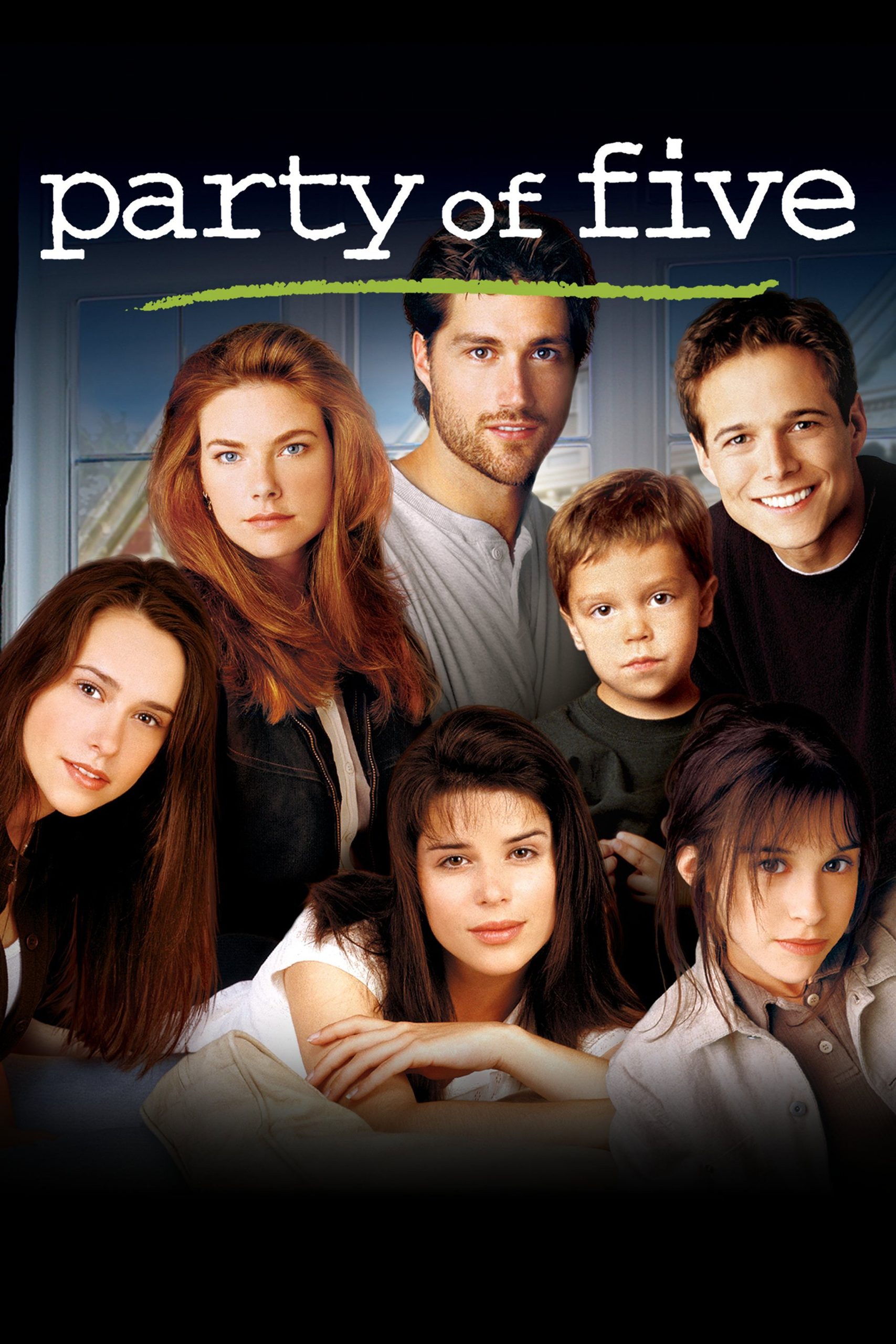
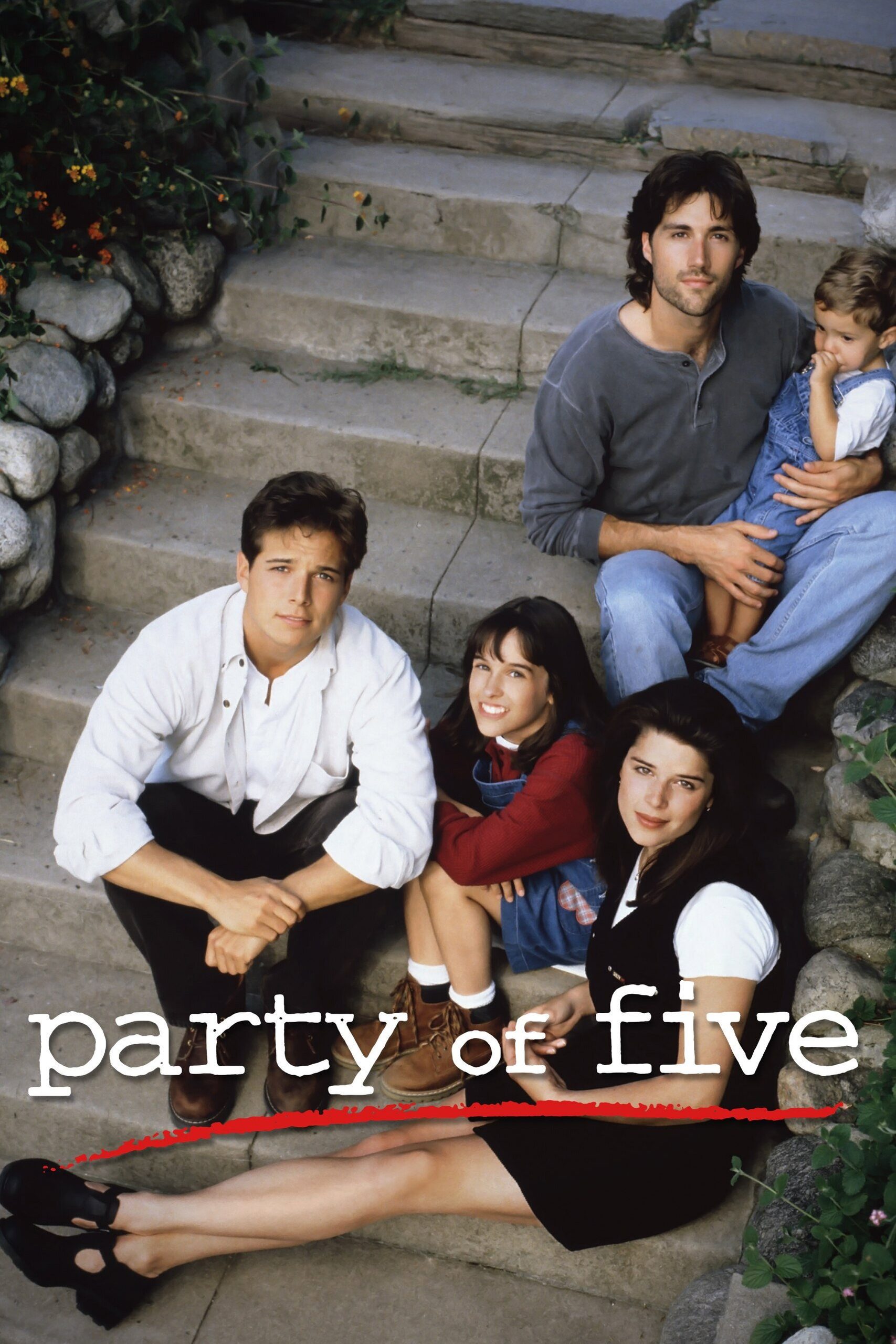
The ensemble gives those conversations their value: Matthew Fox plays Charlie Salinger, Scott Wolf plays Bailey Salinger, Neve Campbell plays Julia Salinger and Lacey Chabert plays Claudia Salinger. The performances make room for irritation as well as affection, so shared grief does not oblige everyone to be agreeable. We were moved by the siblings trying to discuss ordinary problems while their parents’ loss remained so present. Those problems are allowed to matter even under the circumstances, and the actors make that convincing.
The second and third series are the strongest stretch, because the family relationships can sustain interest without every episode needing another calamity. Amy Lippman and Christopher Keyser’s creation suits the patient work of television: returning to the same people until their small disagreements carry some history. Within a 42-minute episode, a conversation has to advance the drama without sounding like preparation for the next problem. At its best, the writing lets a practical question remain difficult even after everyone has had their say.
Rene Ohashi’s cinematography and Tina Hirsch’s editing are most effective in supporting those exchanges, giving the performers enough attention to make listening part of the drama. We do not need elaborate visual treatment of a household dispute; we need to understand why each person thinks they are right. Bill Eigenbrodt and Richard Wilcox’s production design makes the domestic setting feel worth returning to. The surroundings remain somewhere these people can plausibly carry on living once the argument stops.
Music by Christopher Klatman and Steven Cahill has less to contribute when the dialogue already tells us precisely how everyone feels. The exchanges are usually affecting enough without further encouragement, and we would welcome more restraint around them. Within the family-drama genre, the early episodes distinguish themselves by giving everyday dilemmas their full attention. There is enough frankness in those discussions to interest adults as well as teenagers, without treating either audience as unable to recognise a difficult situation.
That confidence weakens as the series goes on. Later stories bring so much adversity that the siblings’ reactions become easier to anticipate, and time spent with them starts to feel dutiful. The writing asks the cast to keep renewing our concern when a quieter episode might have done more to restore it. Resentment can be a believable part of family life, but too much of it makes these relationships wearying to follow.
The six-series run therefore needs a qualified recommendation, especially for anyone drawn to the promise of sustained realism. There is enough candour and feeling in the stronger stretches to make the Salingers worth knowing, and the cast keeps the earnest material from becoming uniformly solemn. We would choose it for an evening when people talking through a problem sounds more appealing than another ingenious plot. Just allow for a family whose later troubles arrive more regularly than anyone’s should.