Peter Davis’s Vietnam documentary has no narrator and needs none: the archive and the interviews do the arguing between them. It is furious, painful and largely right, and it would rather make you feel ashamed than make you think. See it anyway.
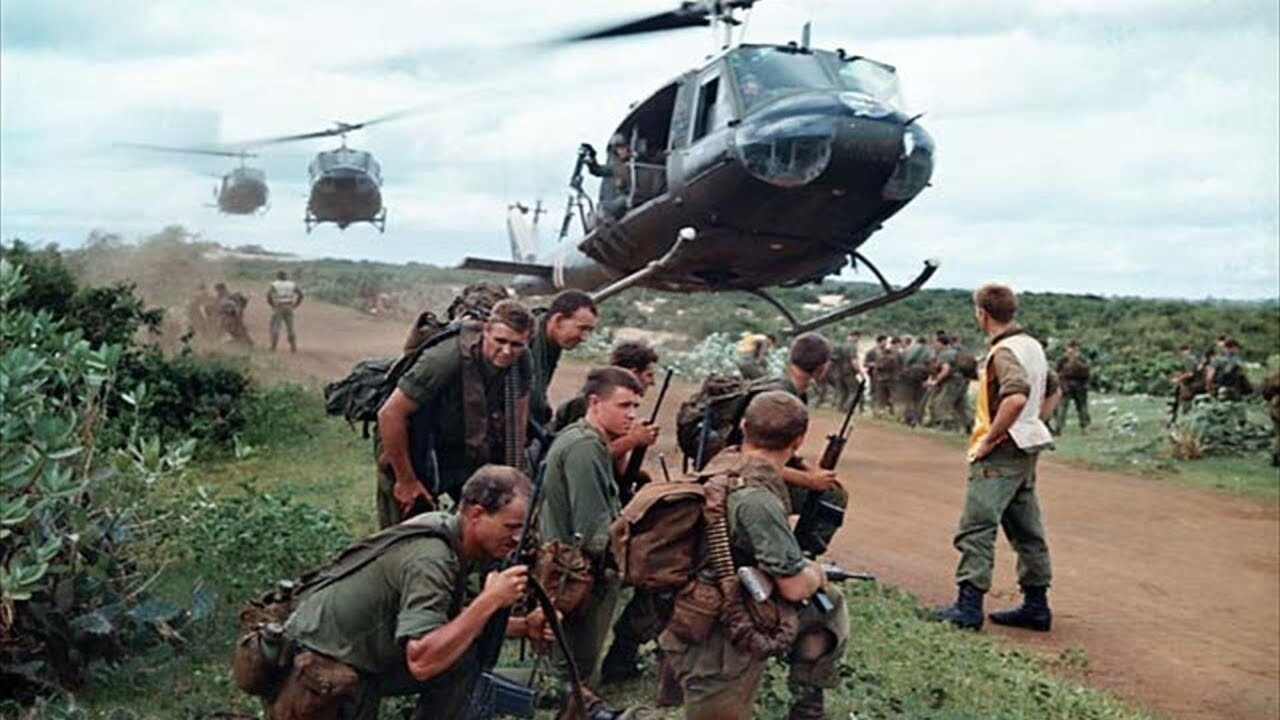
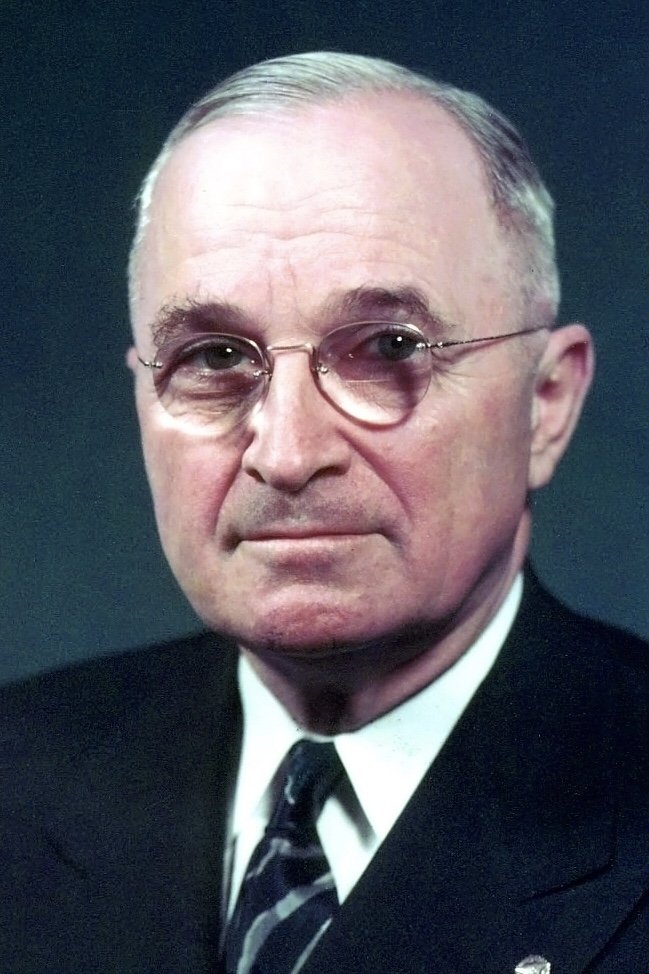
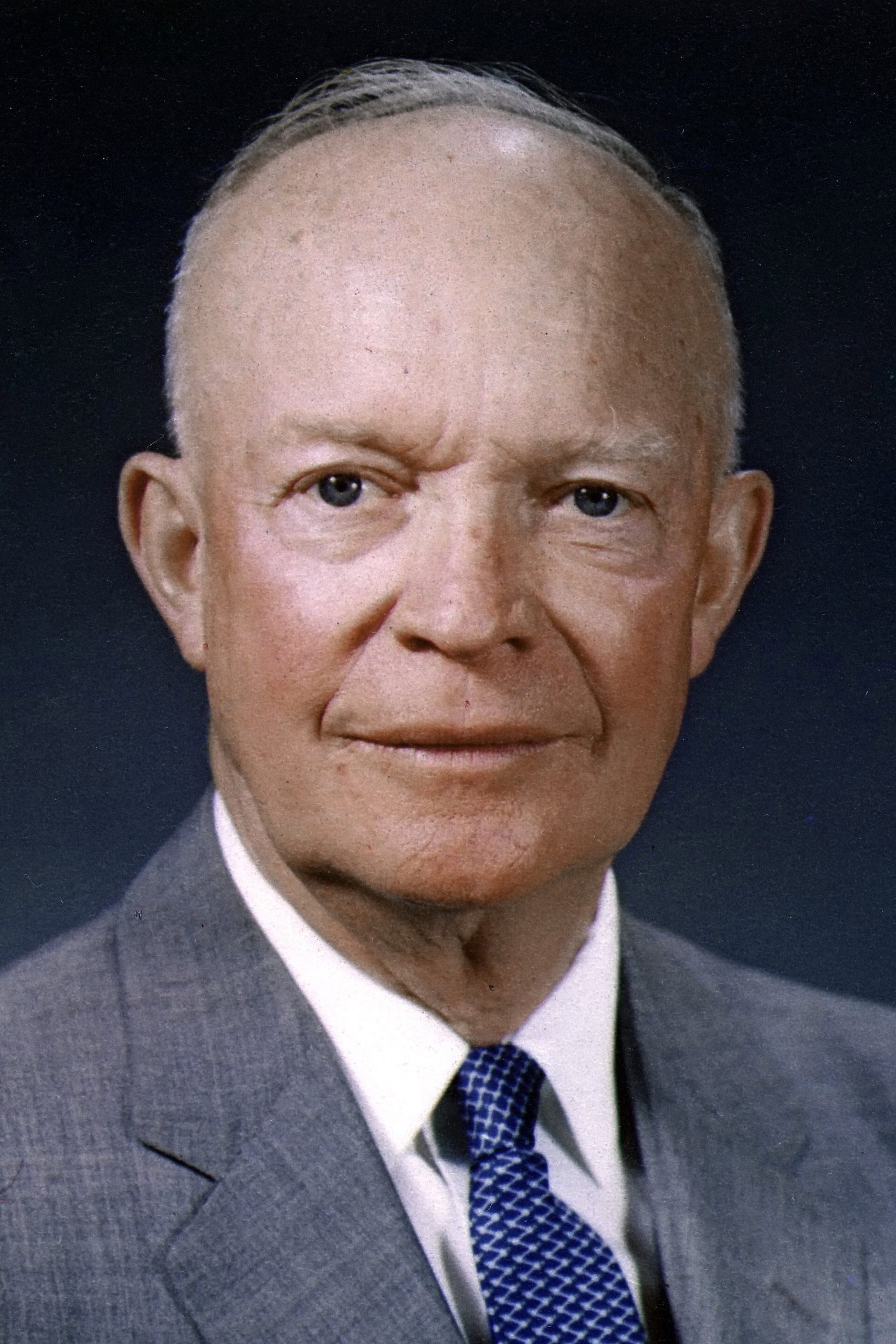
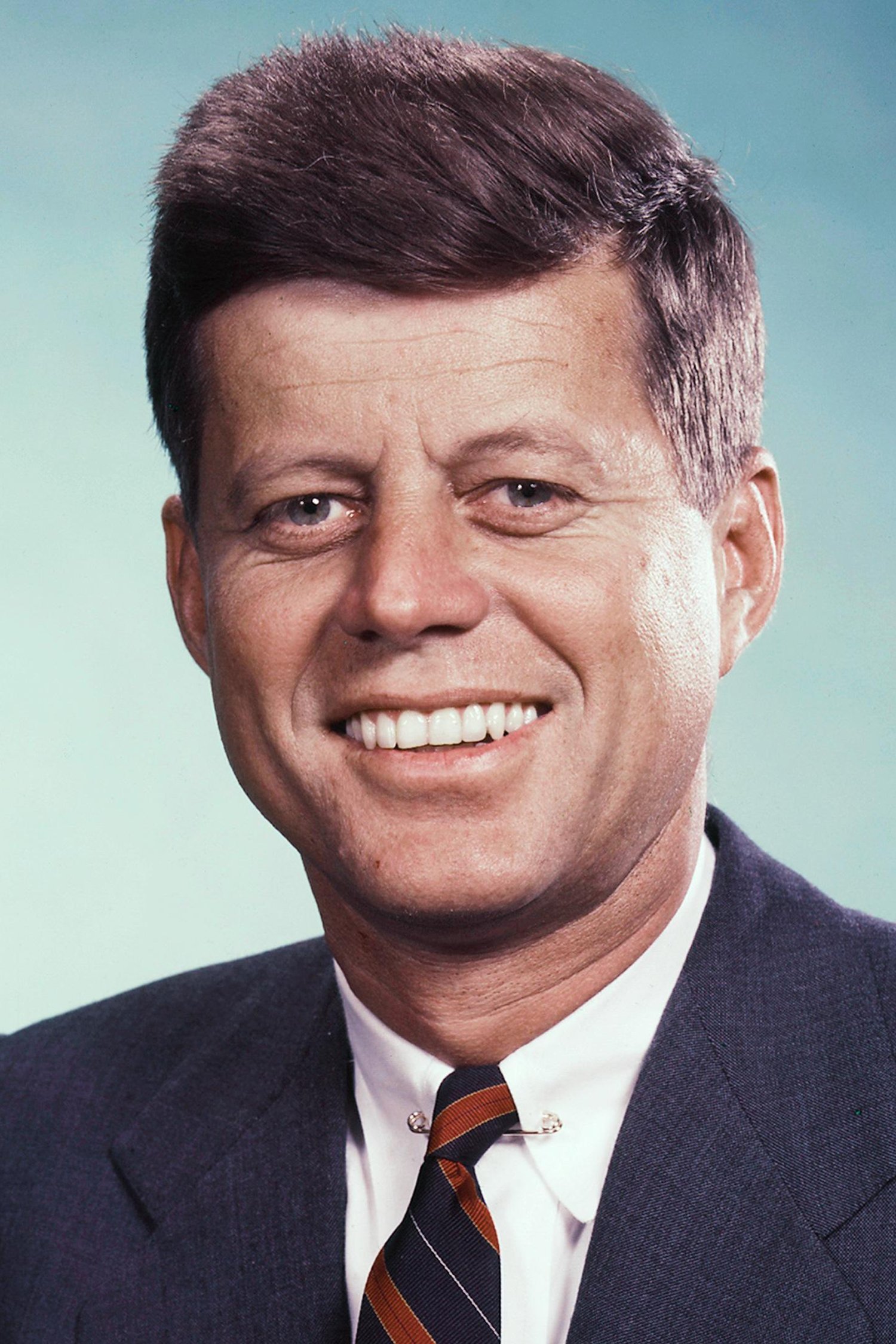
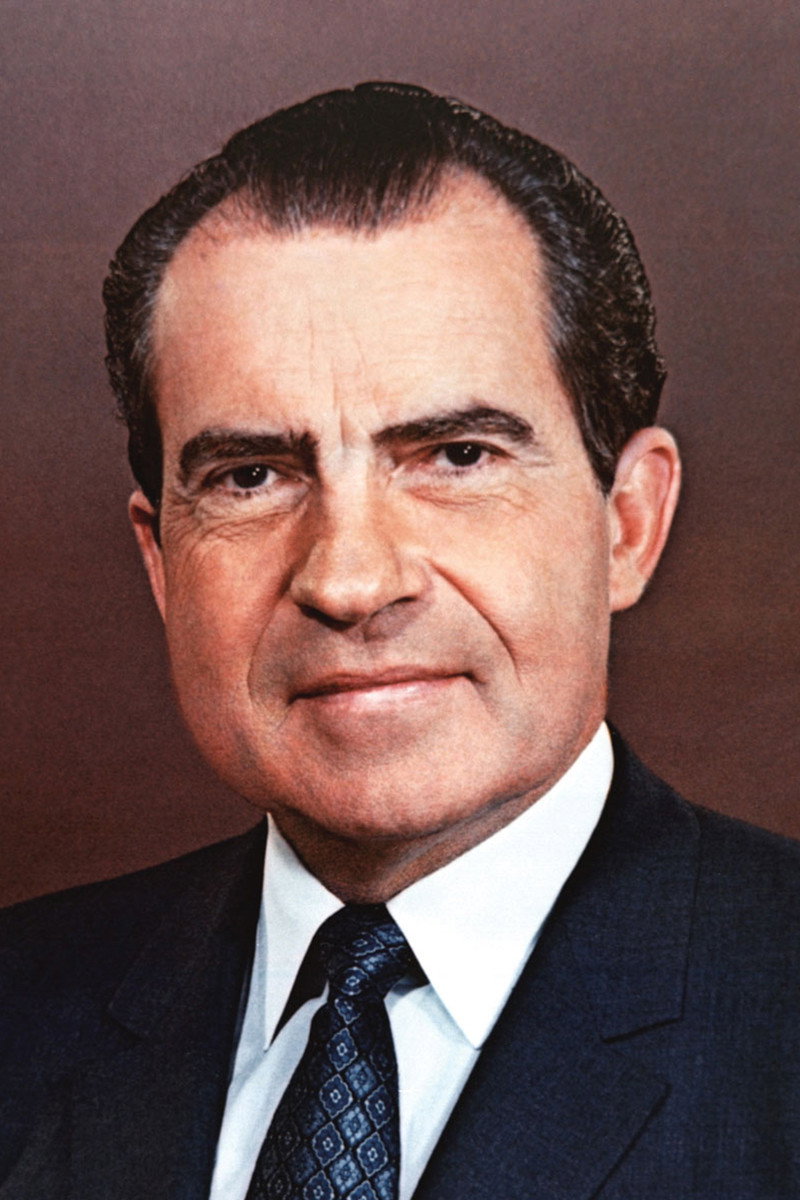
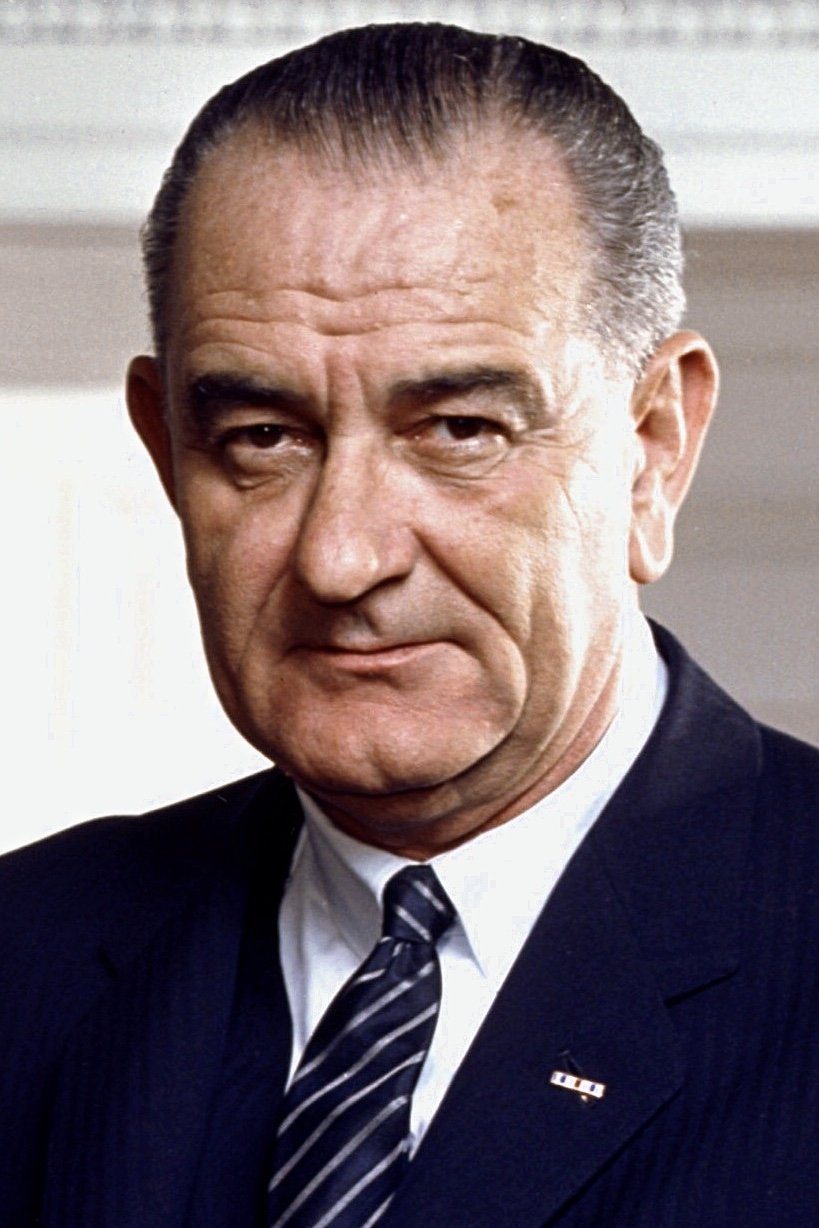
Peter Davis made Hearts and Minds in 1974, while the war it is about was still being fought, and he made it without a narrator. Nobody on the soundtrack tells you what to think. There are two kinds of material instead, cut against each other for 112 minutes: archive film of five American presidents, from Harry S. Truman to Richard Nixon, explaining why the country is in Vietnam, and new interviews with the men who carried the explanation out. It is a fine film, and it does not play fair, and it knows it.
The interviews are the spine. Clark Clifford, who advised Truman between 1946 and 1950, sits in a good suit and talks about how the thing began. Georges Bidault, French Foreign Minister in 1954, remembers the year France gave up its own war in the same country. Senator J. William Fulbright speaks as the legislator who turned against the war in public. Walt Rostow, who advised Kennedy and Johnson, is asked to make the case for the war and, in the film’s best passage, will not; he wants to know why he should have to, and the camera holds on him while he works out that he has been caught. George Coker, held prisoner from 1966 to 1973, comes home to a parade and addresses a hall of children. Randy Floyd, a former Navy captain, tries to explain what he did over there, and the effort shows.
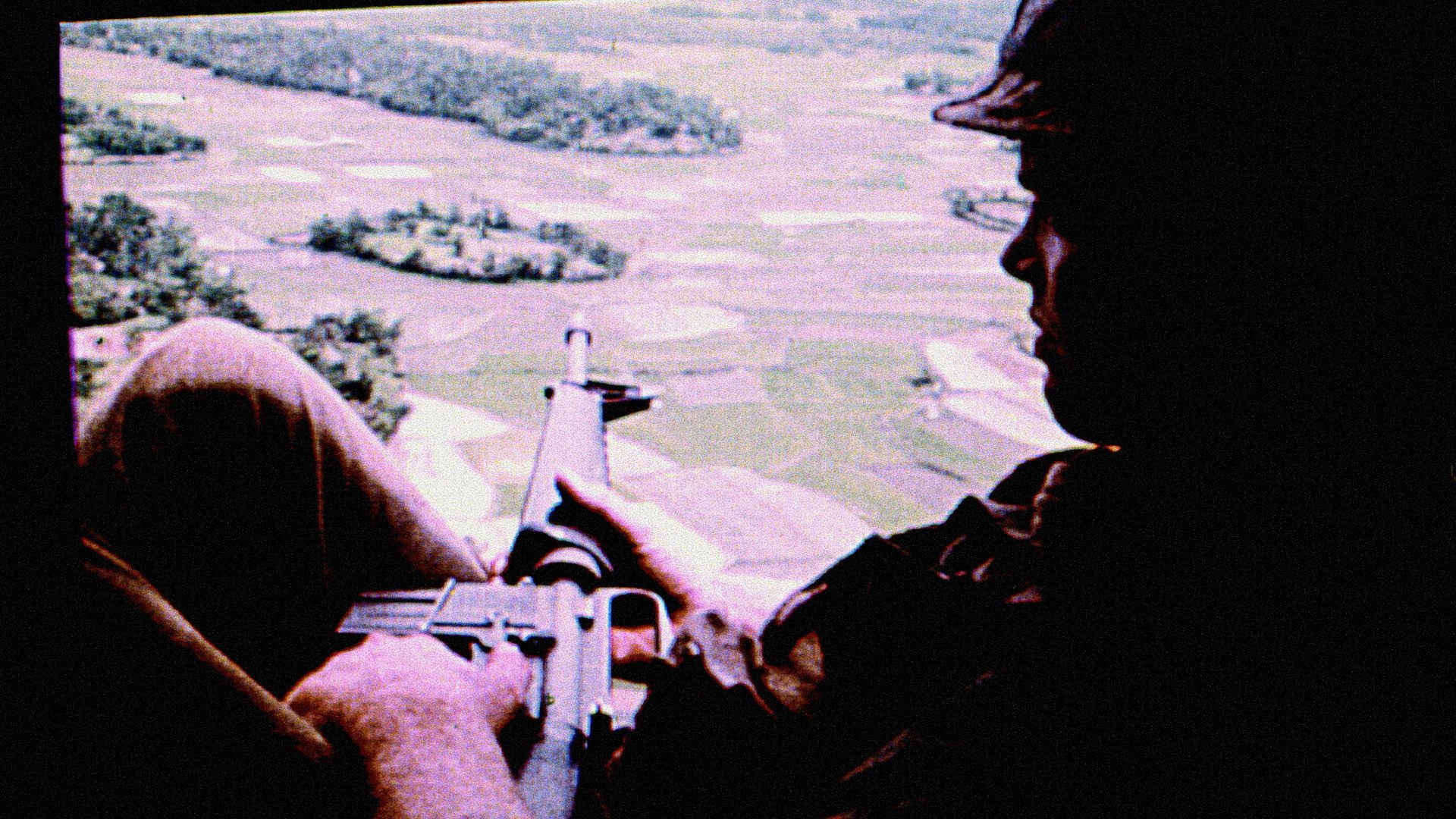
Lennart Malmer shoots these men plainly, in their offices and living rooms, at a middle distance, and lets them finish. The arguing is done in the cutting. Susan Martin and Lynzee Klingman set a president’s promise beside a burning hut, and a veteran’s account of how the war was sold to him beside a small-town football game, coach bellowing, band playing. It is not subtle and it is not meant to be. Each cut says: this is what those words cost. After an hour you begin to see the cuts coming, and they land anyway.
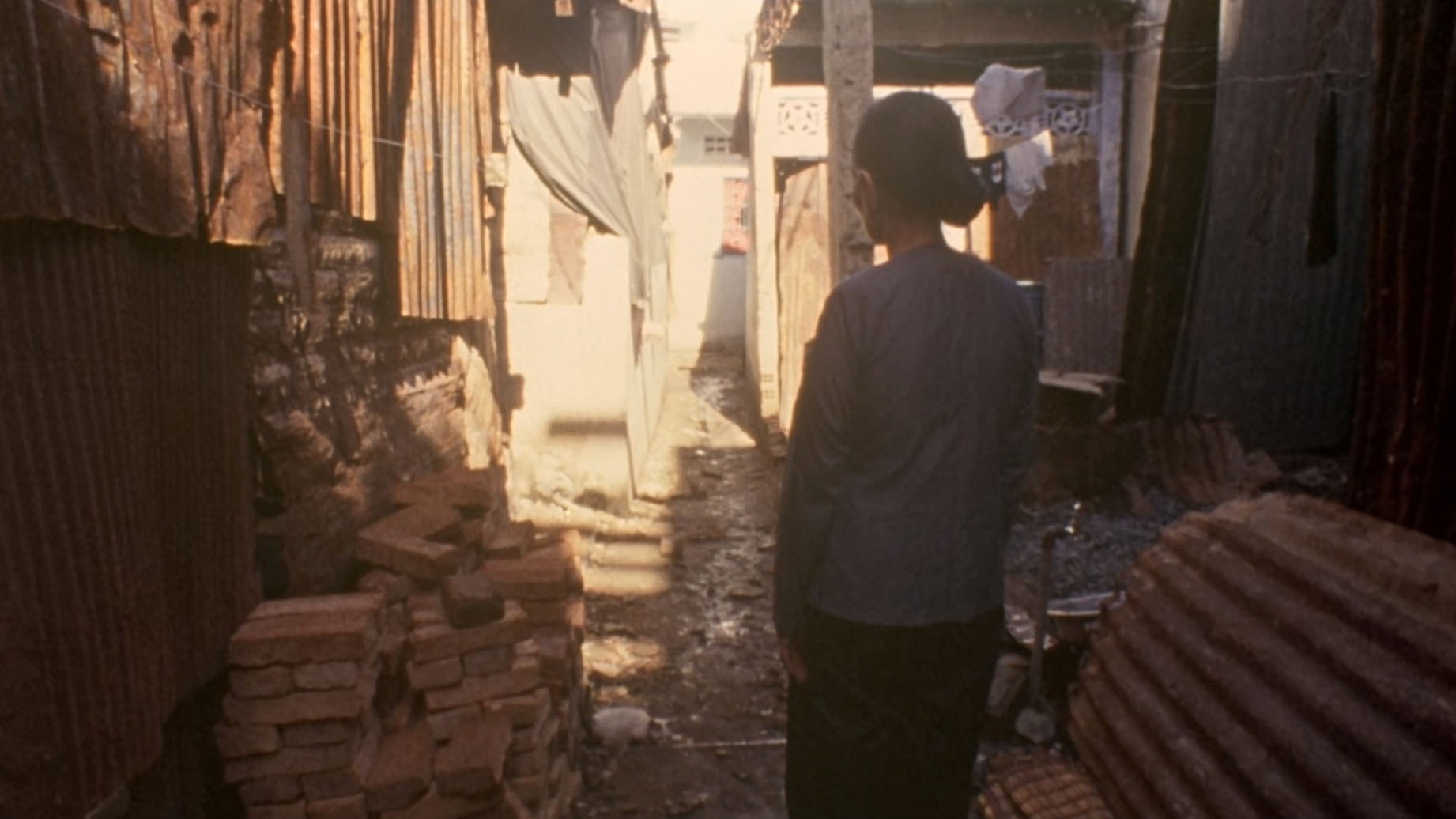
We were horrified, and it was not the napalm that did it, though there is napalm. It was the quieter footage: Vietnamese villagers standing in what had been their houses, explaining to the camera, without raised voices, what had happened; a woman at a graveside who has to be held back from the coffin. Davis gives these people time. It is the only place in the film where he is patient, and the patience does more than any of his montage.
The unfairness is real. Anyone who supported the war is filmed so that they look foolish or worse, and the film never asks whether a decent person could have believed in it. It is more interested in how Americans feel about what they did than in how the decisions were taken; you leave knowing a great deal about guilt and less about policy. The Vietnamese, meanwhile, are seen grieving and rebuilding, and are rarely asked what they wanted. Most critics forgive all this, and we mostly do too, but it is why the film persuades the already persuaded and infuriates everyone else.
Its method, testimony against archive with no controlling voice, has been borrowed by every polemical documentary since, Michael Moore’s included, and mostly borrowed badly. Davis cuts hard but he stays out of the frame and he does not joke. The film is angry in the way a good prosecutor is angry, without raising its voice, and that restraint is what the imitators lost.
Watch it knowing what it is: a case for the prosecution, made while the war was still being fought. It will still get to you. It got to us, twice, in the same places.