Film review

The Fog of War

2003 · Directed by Errol Morris · 1h 47m · MPA PG-13

In a sentenceRobert McNamara can explain almost everything about war except quite how sorry he is

DocumentaryTV Movie

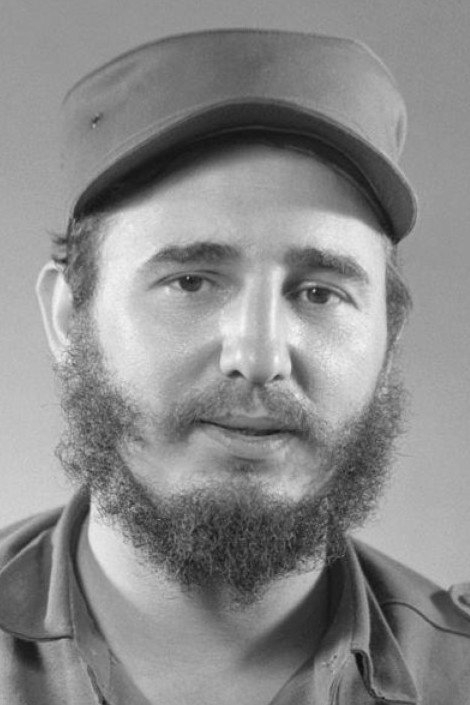
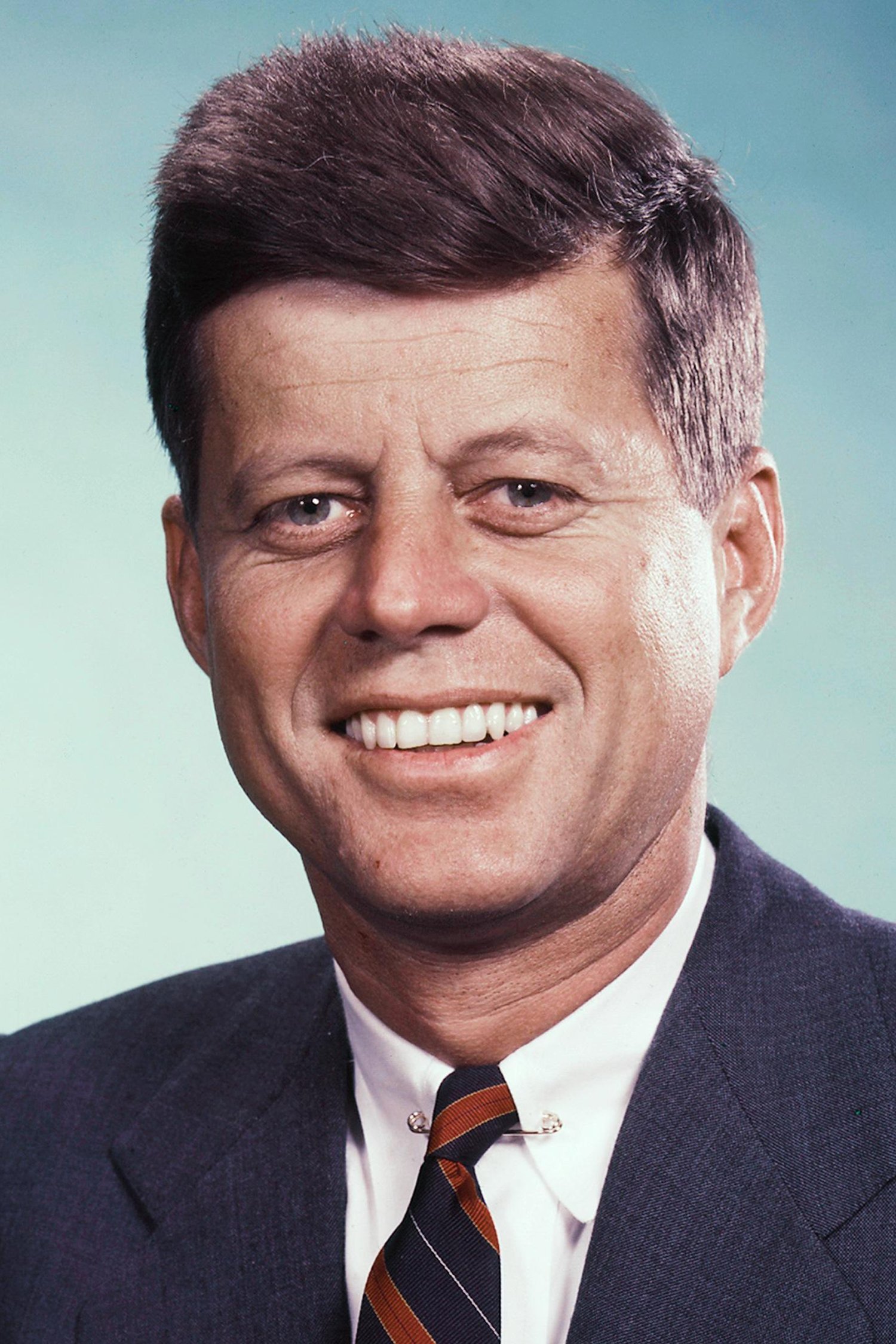
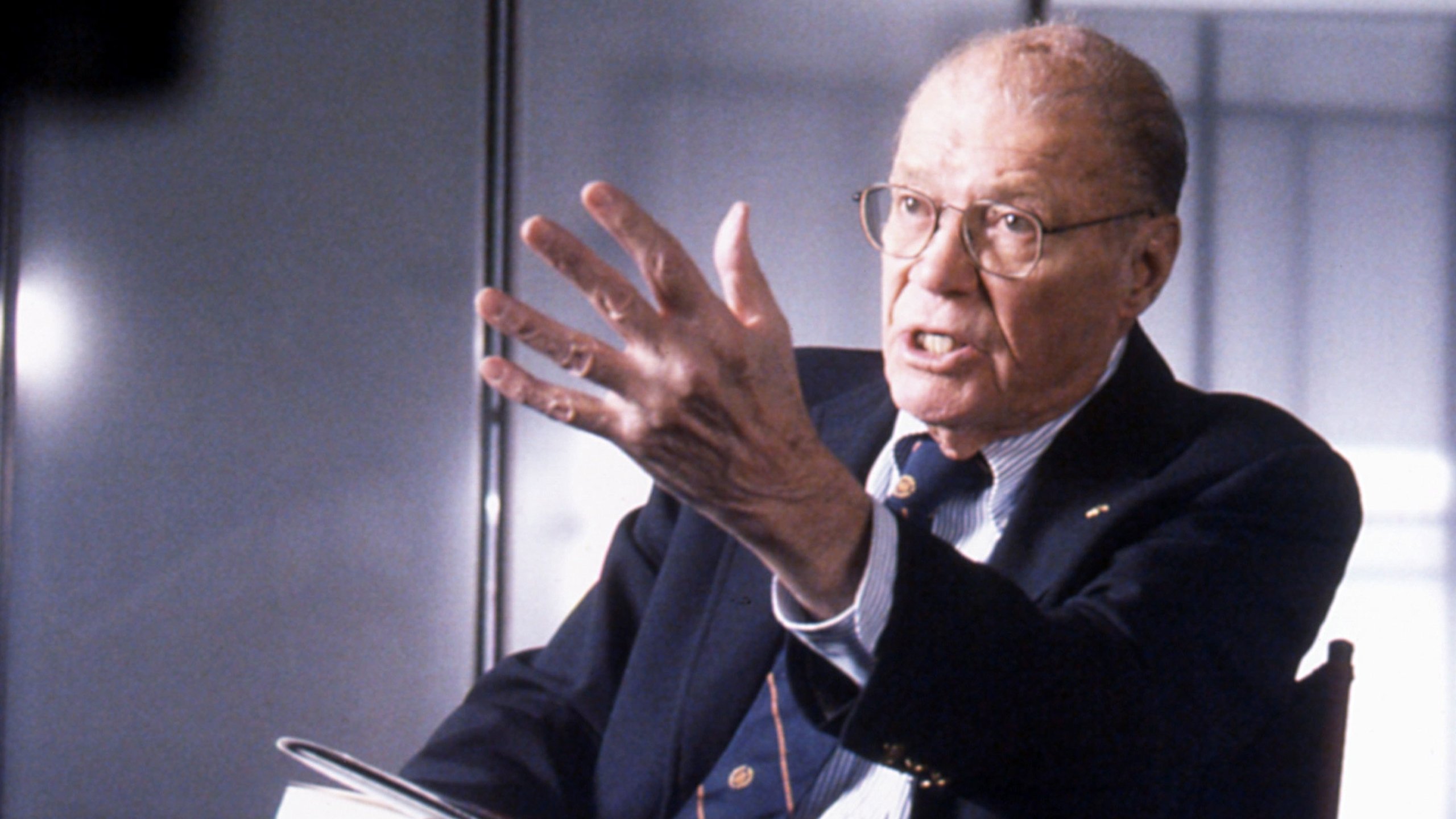
Robert McNamara sits down with director Errol Morris to revisit a life spent close to decisions about war. The former American defence secretary discusses Vietnam, the Cuban Missile Crisis and the limits of judgement in positions of power. Morris arranges his account around eleven lessons, combining the interview with archive footage and recorded conversations. John F. Kennedy, Fidel Castro and Curtis LeMay appear in the historical material. McNamara considers what leaders know, what they fail to understand and how they explain their choices afterwards. The focus remains on his recollections and his account of responsibility.

Fi1m review

Errol Morris makes Robert McNamara’s account of war gripping and deeply uncomfortable. The interview and archive deserve close attention, though the film sometimes gives an eloquent explanation more credit than it earns.

Errol Morris’s The Fog of War is a gripping documentary with one serious limitation: Robert McNamara has considerable control over how his account is heard. The former American defence secretary reflects on Vietnam, the Cuban Missile Crisis and the difficulty of making decisions with imperfect knowledge. Morris organises his reflections into eleven lessons and gives him room to think. The result deserves close attention, provided we keep asking questions that an intelligent, articulate man can make surprisingly easy to forget.

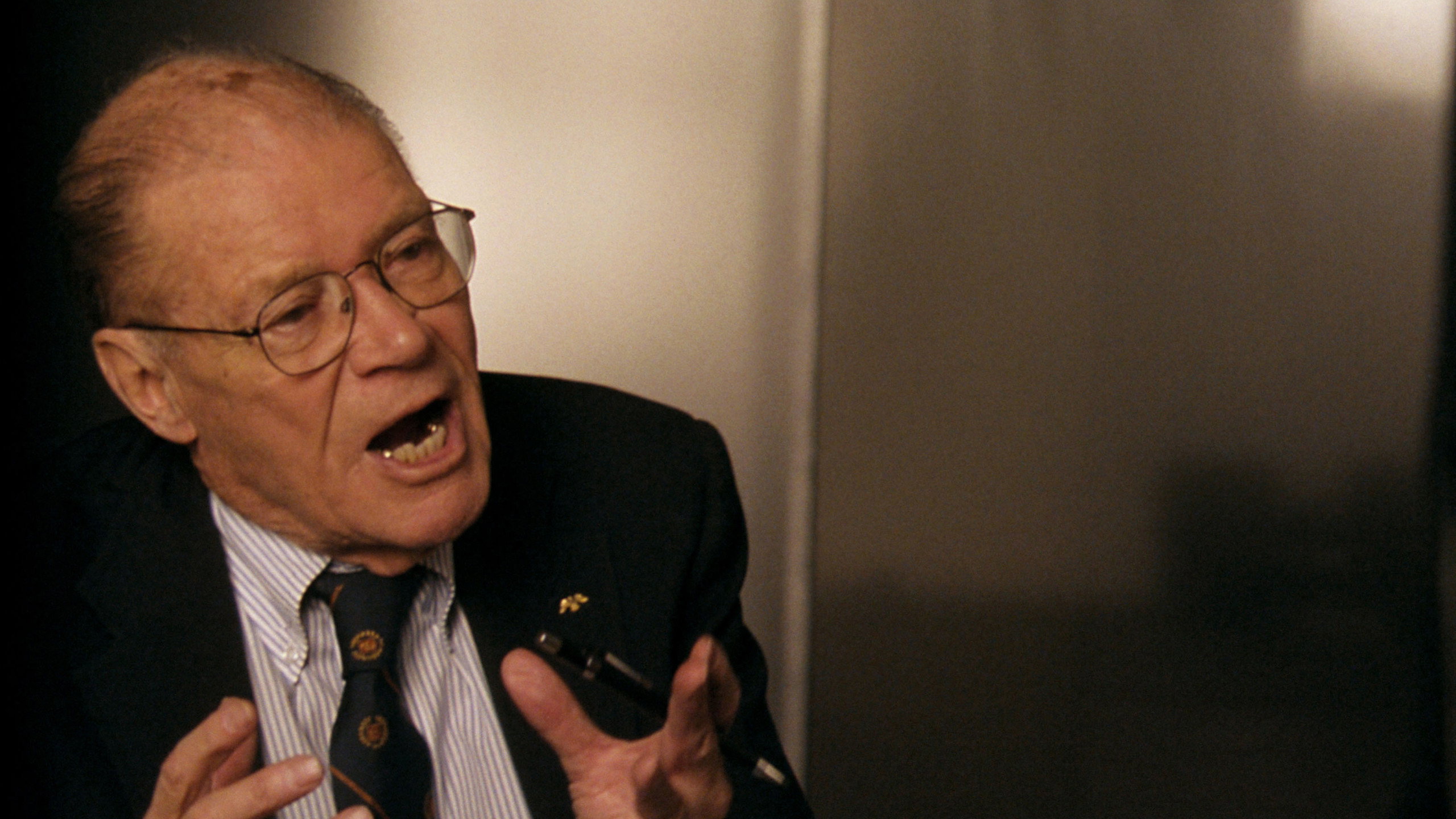
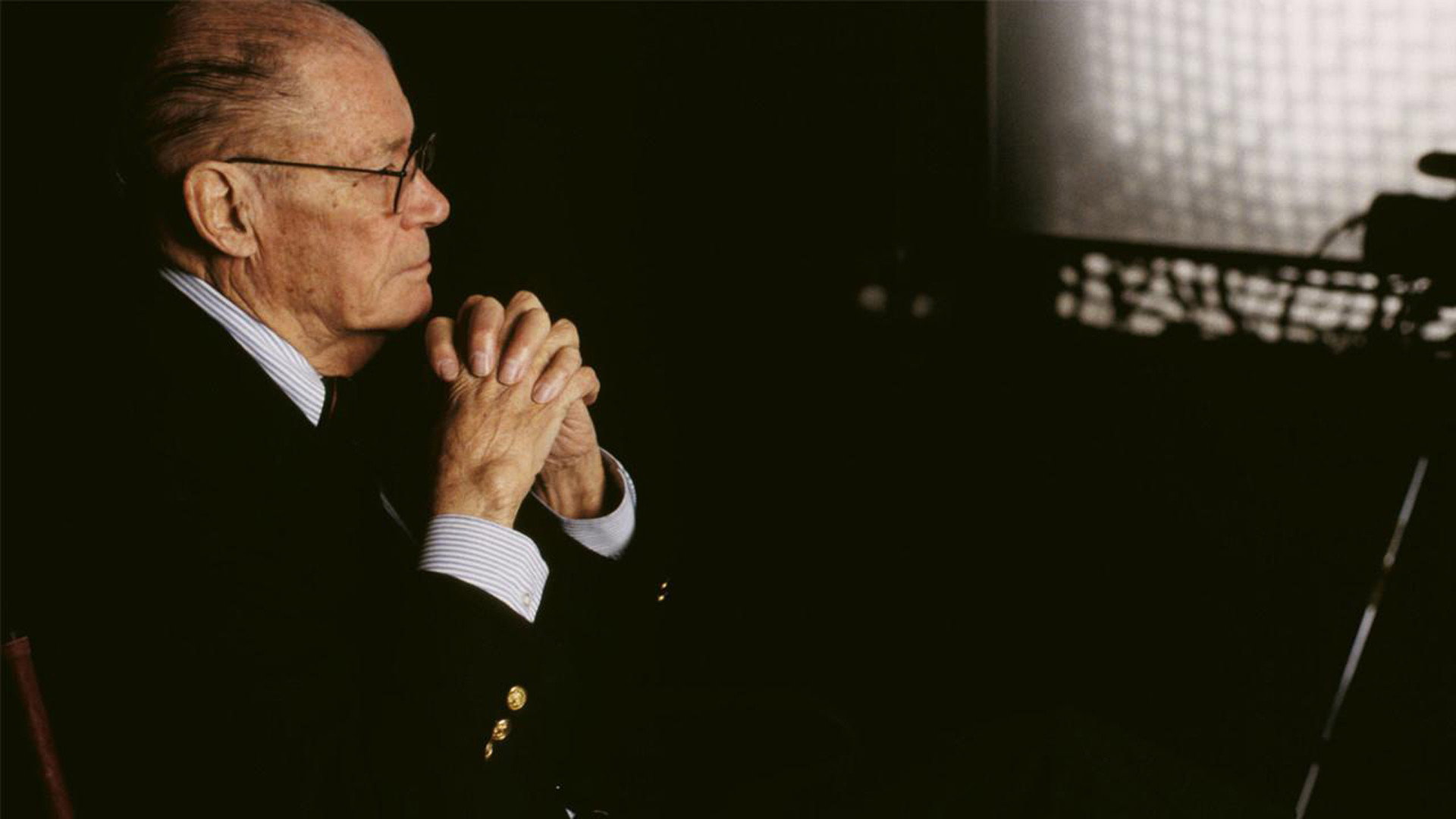
McNamara addresses the camera directly, and cinematographers Peter Donahue and Robert Chappell make that encounter absorbing without offering much relief from it. There is time to study the speaker as well as to follow what he says. The production design by Steve Hardy and Ted Bafaloukos stays unobtrusive, an appropriate choice in a film whose main attraction is someone explaining himself. We need to concentrate on McNamara, and the interview gives us little excuse to look elsewhere.

Editors Doug Abel, Chyld King and Karen Schmeer give the interview movement through archive footage and recorded conversations. They make the shifts between recollection and historical material easy to follow, without reducing everything to a brisk illustrated lecture. The recordings are particularly valuable because McNamara’s account no longer has the soundtrack entirely to itself. John F. Kennedy and Curtis LeMay appear in that historical material.

Philip Glass’s solemn score helps sustain the unease, though it sometimes supplies more gravity than the material needs. We were unsettled by the recorded conversations. Hearing the people involved speak, alongside McNamara’s recollections, makes their decisions feel less safely remote. The voices do the work here, and the music is most effective when it leaves us room to listen.

The difficult part is deciding how much credit to give McNamara for being willing to talk. Morris lets him explain himself at length, and a lucid account can begin to feel like a sufficient answer even when the question concerns responsibility. We found ourselves listening with respect, then wondering how much of that respect belonged to the intelligence of the speaker rather than the choices he was describing. That discomfort is useful, but the film does not always press hard enough on the distinction.

Anyone looking for a prosecution will find Morris’s patience frustrating. We think his approach is largely justified: giving McNamara time to reason aloud makes it possible to hear where those reasons become evasions. The eleven-lesson structure is less convincing when it implies that such enormous mistakes can be made useful by numbering them. A political documentary need not deliver a sentence, but it does need to leave us equipped to question the person it has asked us to listen to, and this one does.

Allow more than its 107 minutes if watching in company. There is plenty here to disagree about, including how far Morris should have challenged his subject and whether giving him so much time was the right decision. We recommend it to anyone prepared to argue afterwards.
Critical consensus AI synthesised

4 of 6
Positive
2
Mixed
2
Negative
0
Empire
· David Hughes
85*

McNamara reflects on his career with archive footage and tapes backing some claims, proving crafty in interview. The film is a must-see, never less than fascinating re-examination of Vietnam regardless of one's view of its subject.

Read the full review →
Evening Standard
10 April 2012 · Antonia Quirke
65*

The documentary casts a gloomy spell as McNamara reflects on his life and wars, with few clarifications coming as a surprise. The taped conversations and his final inability to complete a thought stand out as the most revealing moments.

Read the full review →
The Independent
3 April 2004 · Nick Barber
60*

The film is shocking, funny, gripping and cleverly assembled but leaves the viewer unsure whether McNamara is an honest broker or war criminal. Morris presents him as reflective yet the critic questions if we should take his word and notes the lack of emotional regret.

Read the full review →
RogerEbert.com
23 January 2004 · Roger Ebert

The film presents McNamara reflecting on his life and decisions through eleven lessons, revealing the uncertainty and frailty of leaders in wartime. Ebert highlights McNamara's introspective interviews and the film's use of archival footage and Philip Glass score to underscore moral complexities of war.

Read the full review →
Screen Daily
2 June 2003 · festival review

Morris delivers a brilliant, nuanced examination of McNamara's career as defense secretary during Vietnam, highlighting the intellectual, moral and political complexity of his 11 lessons. As a cinematic experience it is rich and full-bodied, respecting its subject while revealing the inner man.

Read the full review →
Sight and Sound
· J. Hoberman

The film offers McNamara a platform to reflect on his career and the lessons from events like the Cuban Missile Crisis and Vietnam, without aggressively prosecuting him. It is a chastening experience that humanizes its subject while underscoring the road to hell paved with good intentions.

Read the full review →

Cast

Stills

Awards

Academy Awards, 2004

Won
Best Documentary Feature Film

If you liked this, try…

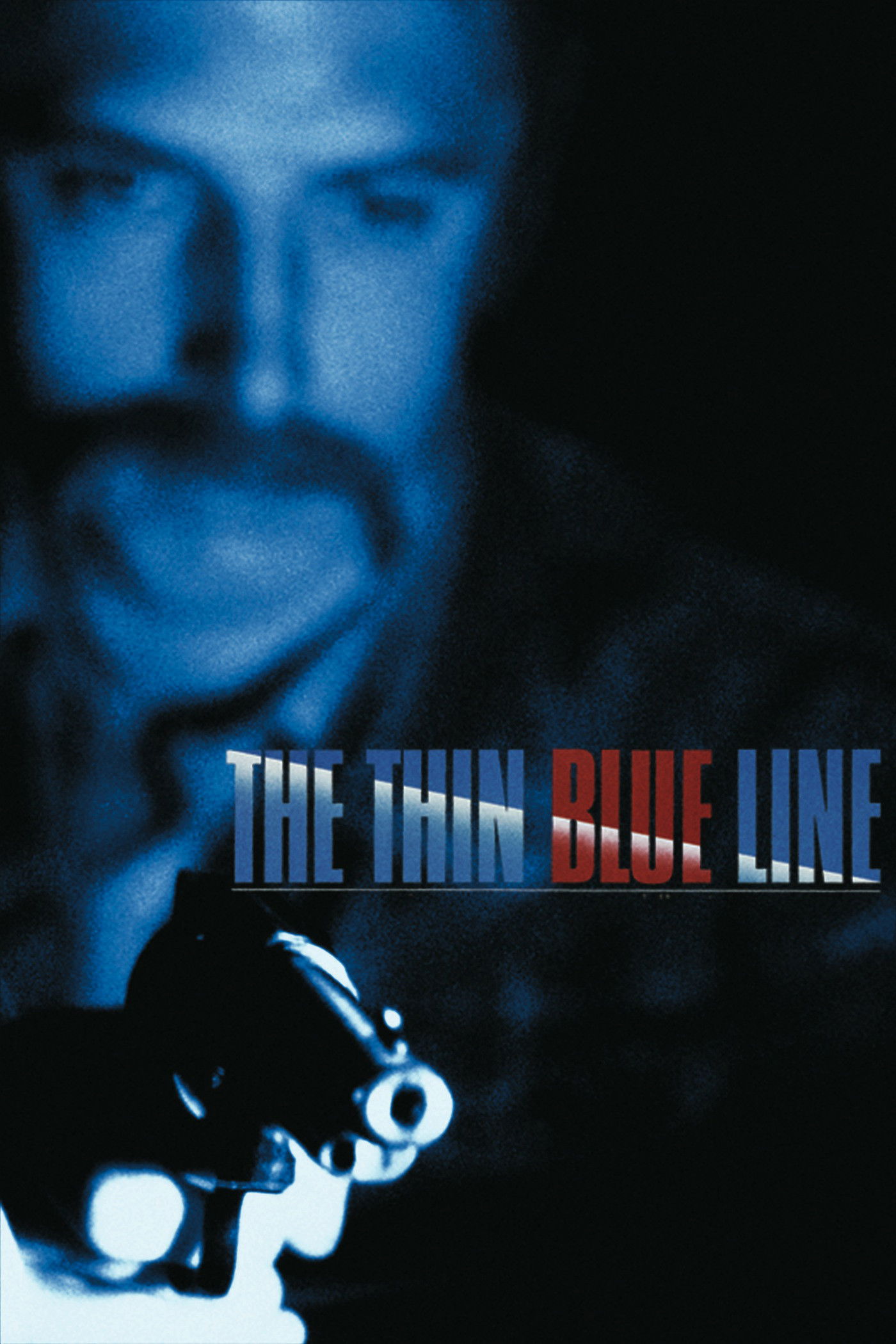
The Thin Blue Line poster

The Thin Blue Line

1988 · Morris examines competing accounts again, with a man’s freedom hanging on the details.

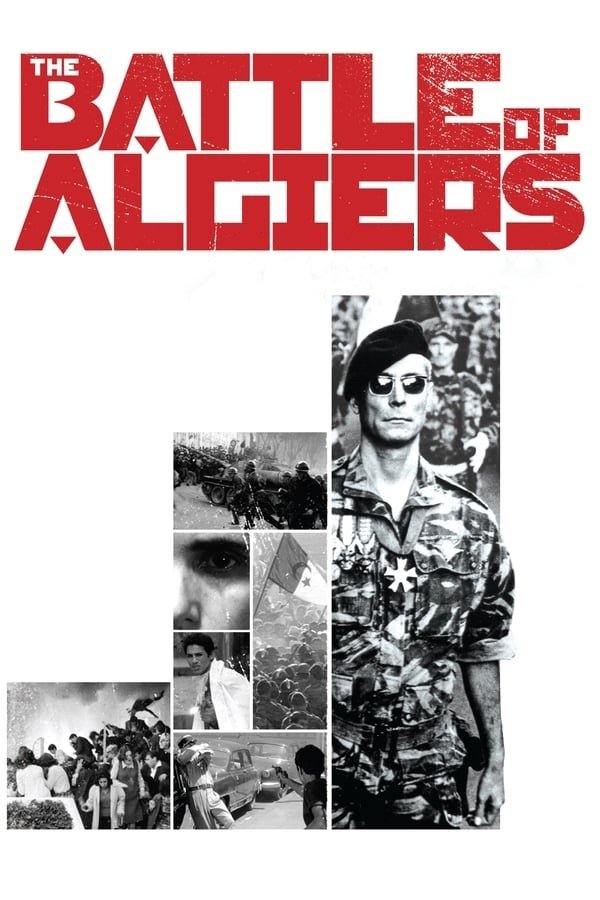
The Battle of Algiers poster93

The Battle of Algiers

1966 · For another unsparing examination of political violence and the people authorising it.

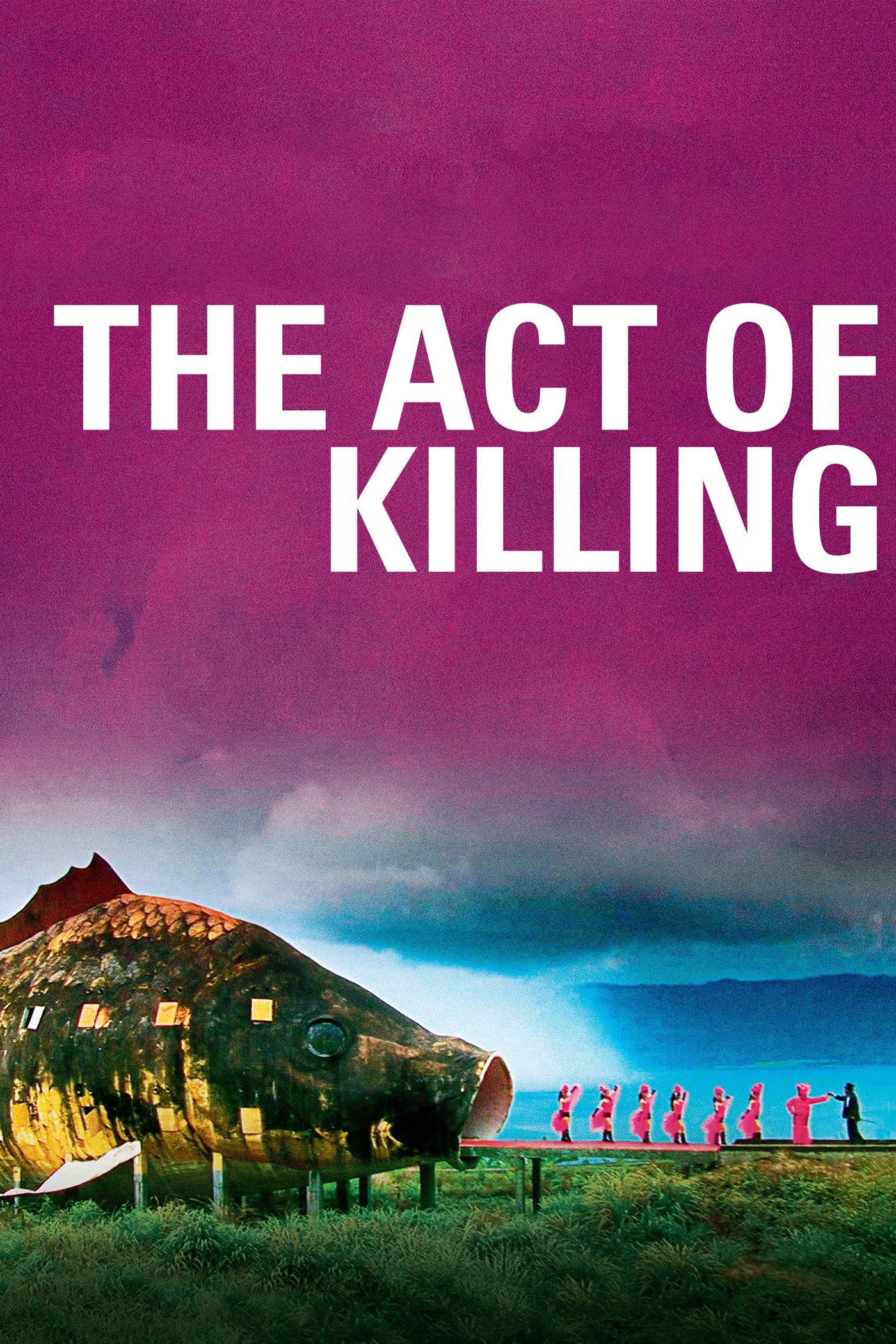
The Act of Killing poster

The Act of Killing

2012 · Another encounter with men whose accounts of violence demand careful, sceptical listening.

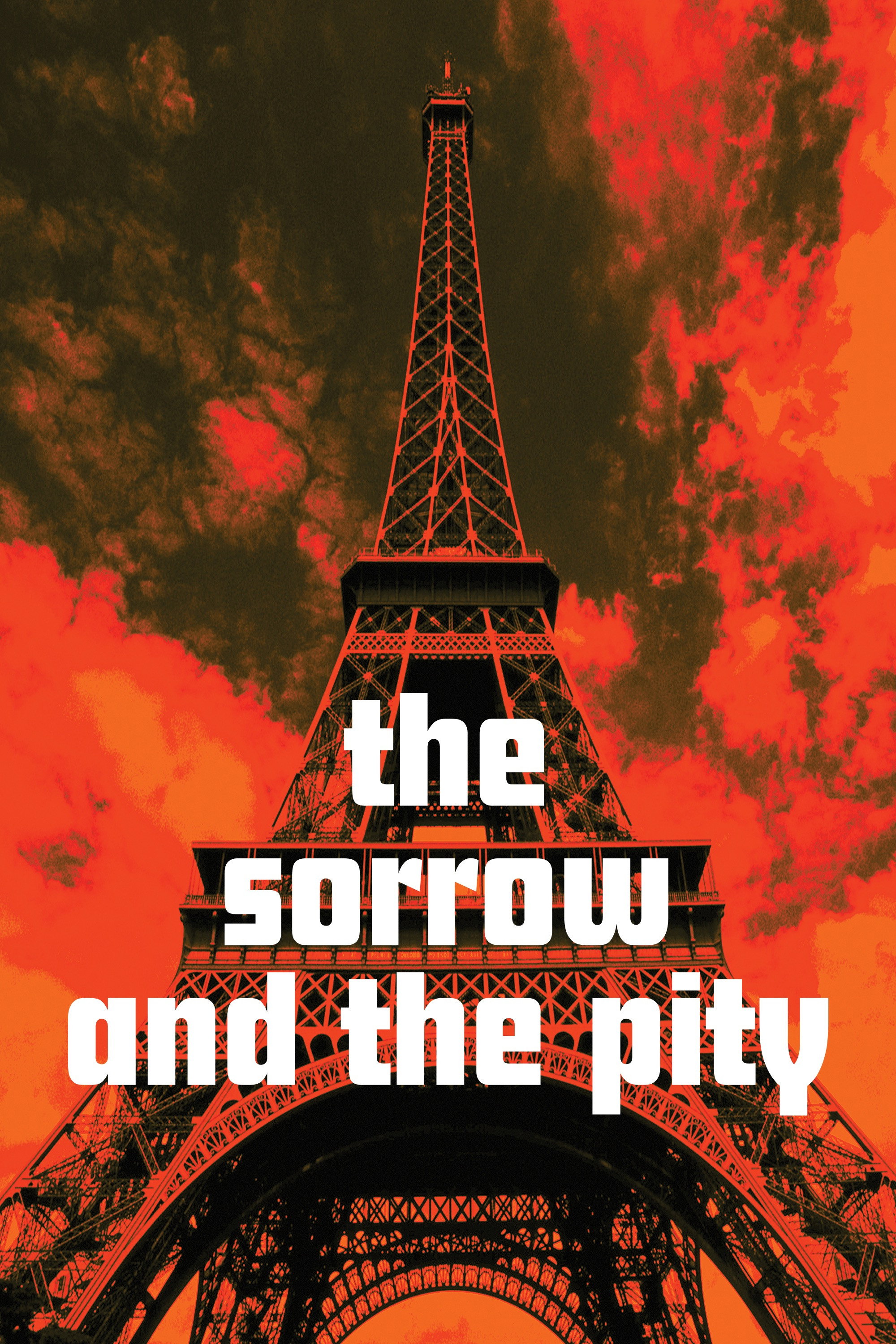
The Sorrow and the Pity poster

The Sorrow and the Pity

1969 · Marcel Ophüls uses interviews to unsettle comfortable accounts of wartime conduct.

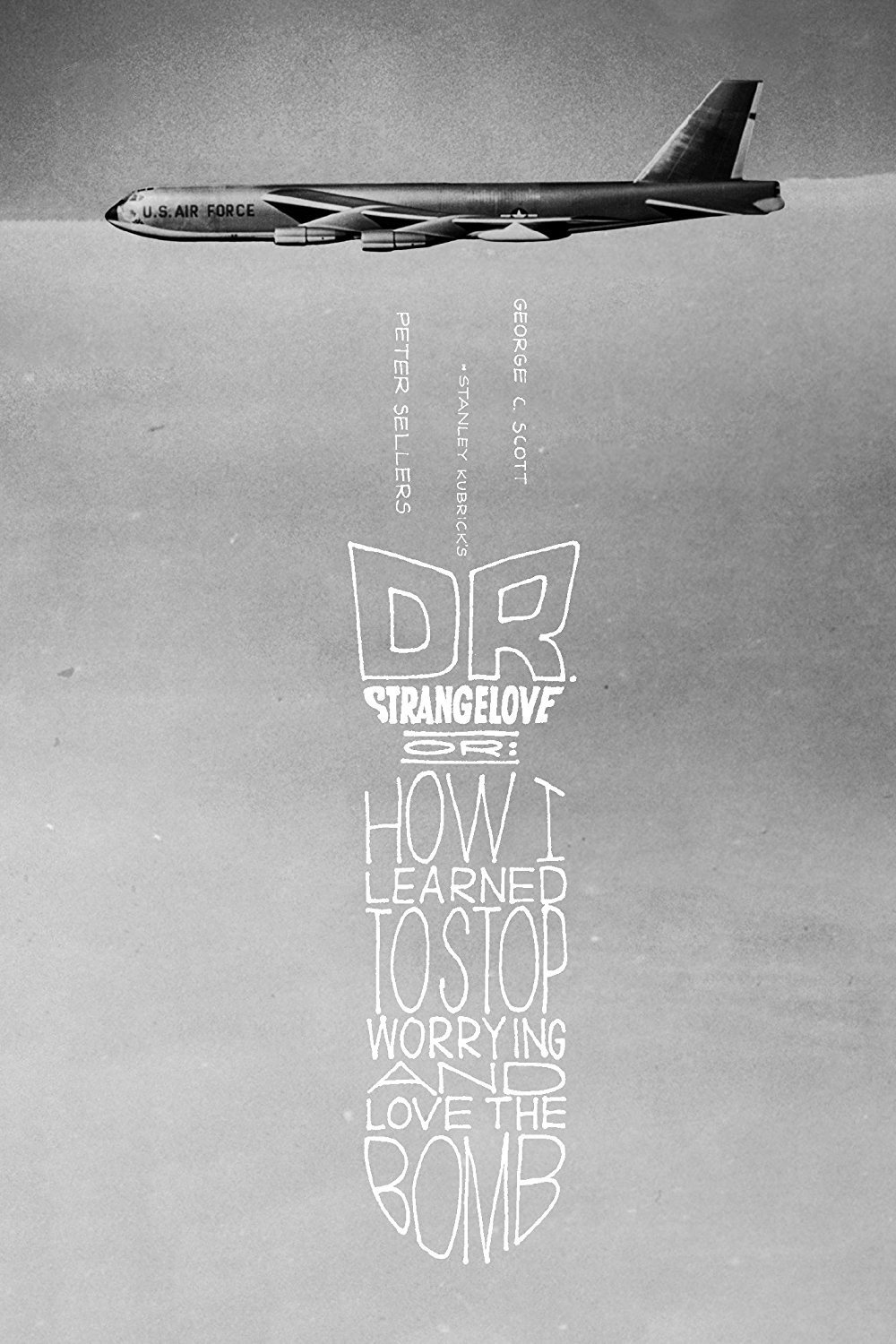
Dr. Strangelove or: How I Learned to Stop Worrying and Love the Bomb poster93

Dr. Strangelove or: How I Learned to Stop Worrying and Love the Bomb

1964 · For when the reasoning of powerful men becomes too frightening to take straight.