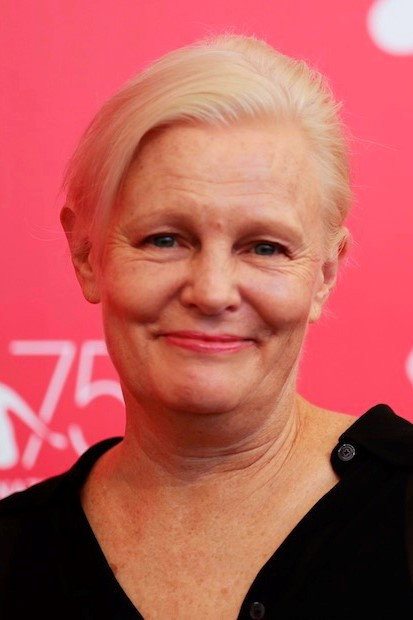
Mary Harron is sharp on male vanity and on the attention paid to notorious people. We value her dry humour and her interest in women others dismiss, though her portraits sometimes leave their subjects’ private thoughts frustratingly out of reach.
Fi1m perspective
In American Psycho (2000), male entitlement looks ridiculous even when the men taking it for granted cannot see it. We laughed at that self-importance, because Harron makes the excess of the 1980s look so embarrassing. It is the clearest starting point for her work. Her interest in people who attract attention also takes her towards women whose notoriety has made them easy to dismiss.
Her feature debut, I Shot Andy Warhol (1996), centres on Valerie Solanas, establishing an interest in women whose reputations can obscure everything else about them. The Notorious Bettie Page (2006) carries that interest into the life of a 1950s pin-up model. Harron gets the period across, but leaves too much of Page’s thinking unexplored. Screenwriter Guinevere Turner is a frequent collaborator across a career that keeps returning to fame, violence and the roles women are expected to play.
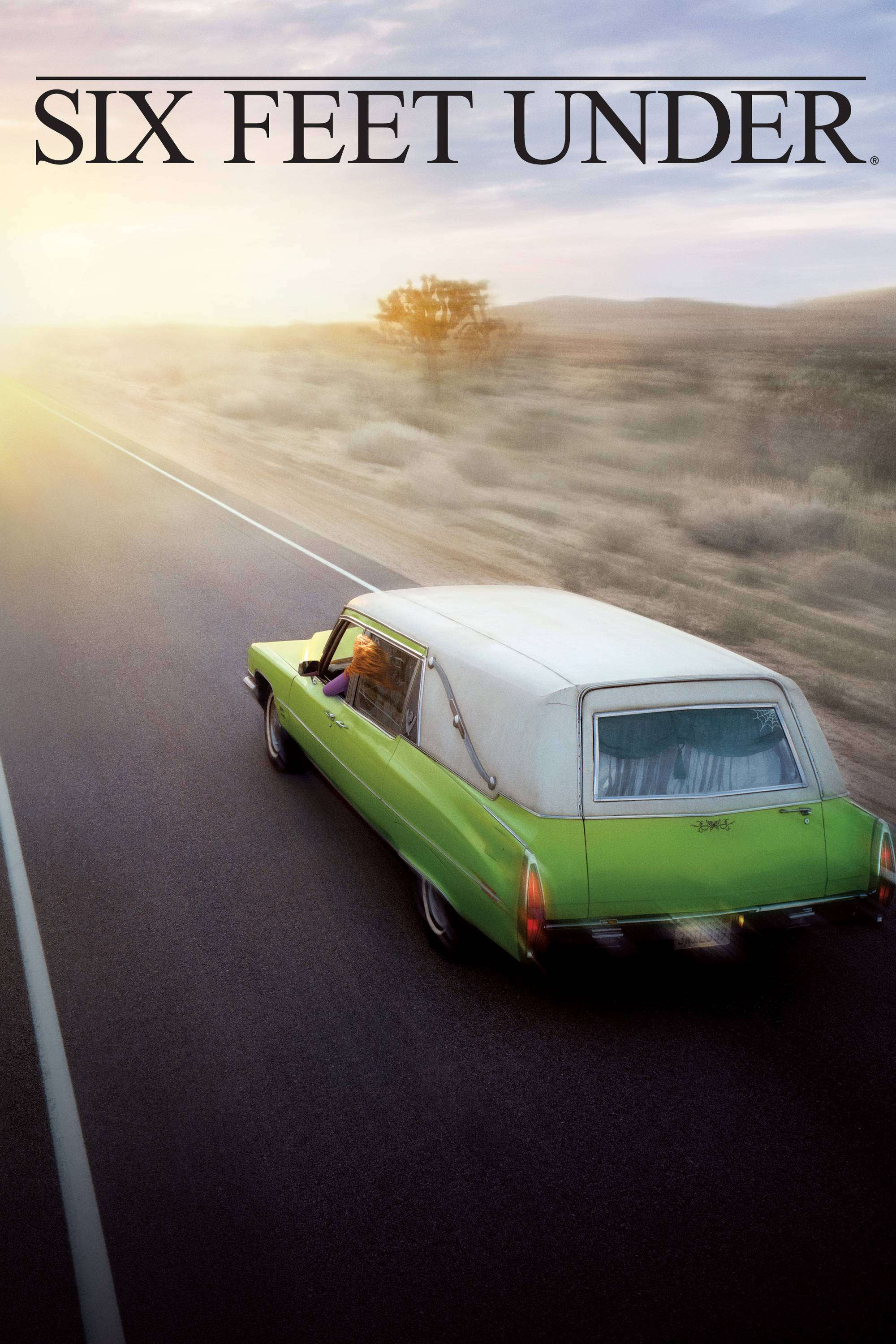
Harron’s television work includes Six Feet Under (2001), a series we recommend for its ensemble acting and comedy that takes grief seriously. The Fishers are exhausting company, but the series earns the time spent with them by making their difficulties worth caring about. Its tendency to brood beyond the point of usefulness remains a qualification. We cannot sensibly assign either the whole achievement or that weakness to one of its directors. It does offer another way into Harron’s work, particularly for anyone who prefers the complications of an ensemble to a portrait of one notorious person.
Television also gives her Alias Grace (2017), the miniseries adapted from Margaret Atwood’s novel. With Charlie Says (2019), she returns to the Manson family women and lets their perspective determine which story gets told. She keeps asking us to spend time with women we might otherwise know only by name, although attention alone does not guarantee understanding. Start with American Psycho for the satire; approach The Notorious Bettie Page with fewer expectations of psychological depth.
Biography
Mary Harron is a Canadian film director and screenwriter. Born in Bracebridge, Ontario, she studied English at Oxford University before working as a journalist in the New York punk scene and later as a researcher and director for British television documentaries and satirical shorts.
Her feature debut was I Shot Andy Warhol (1996), which she also wrote. She subsequently directed and co-wrote American Psycho (2000) and The Notorious Bettie Page (2005). Later films include The Moth Diaries (2011), Charlie Says (2018) and Dalíland (2022).
Harron has directed episodes of television series including Oz (1998), Six Feet Under (2005), The L Word (2004), Big Love (2006), The Following (2015) and Constantine (2015), as well as the miniseries Alias Grace (2017).