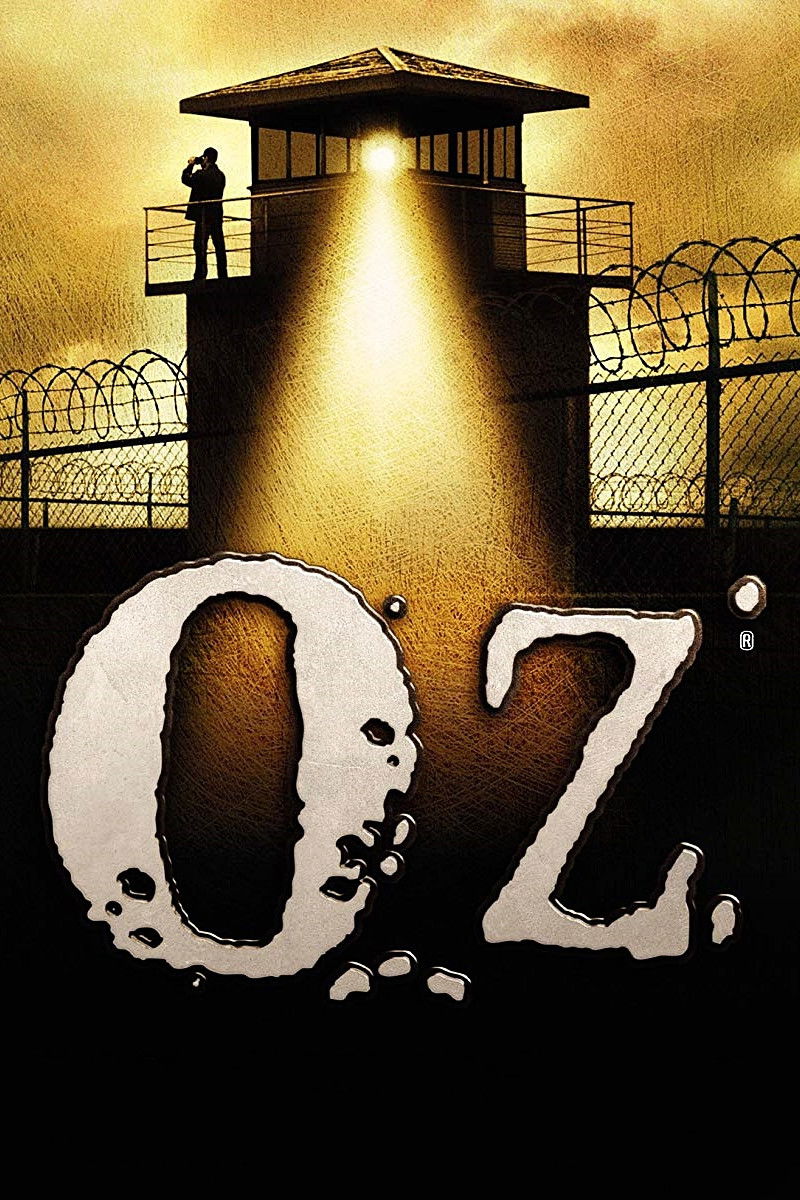
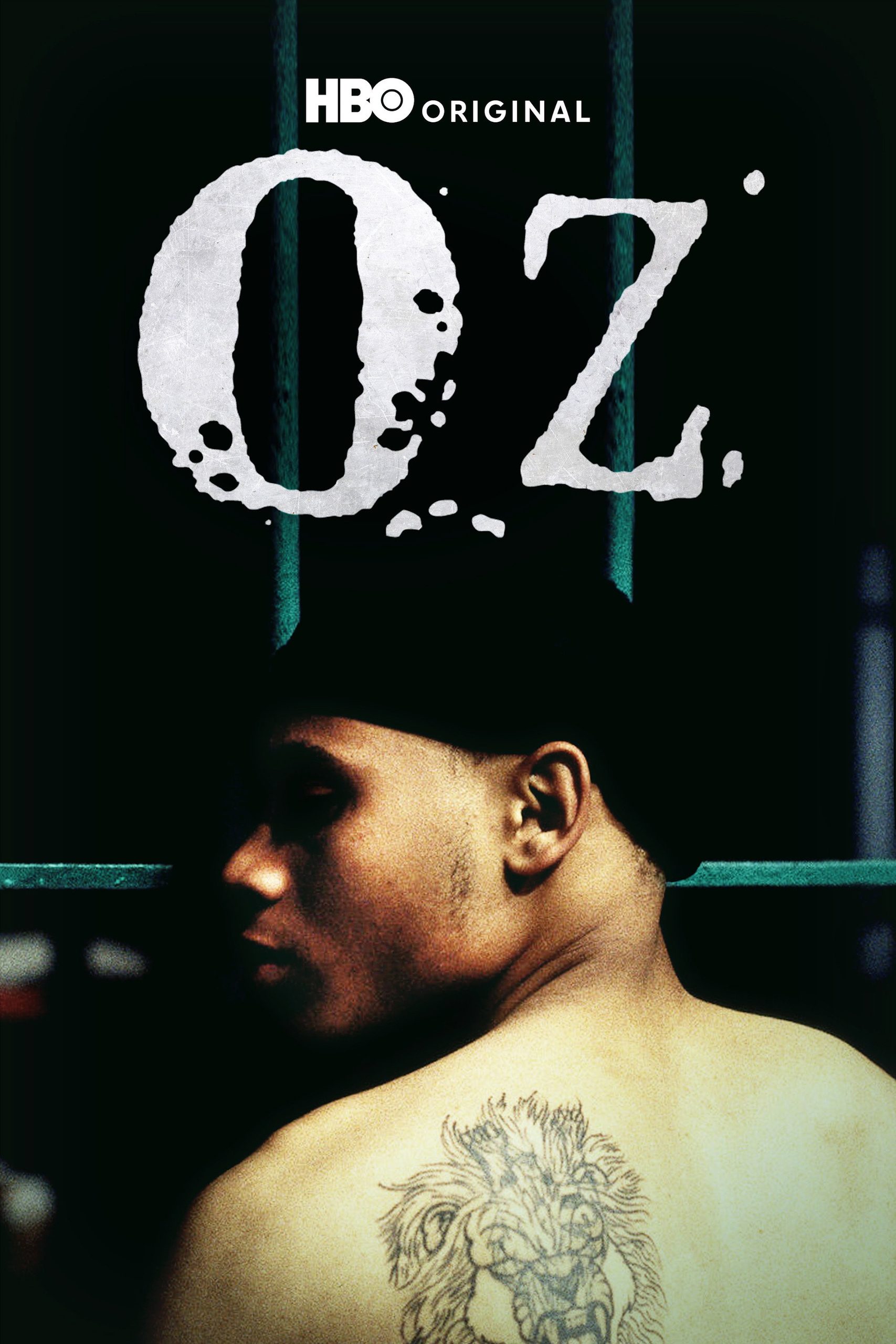
Tom Fontana’s prison drama is disturbing, strongly acted and worth the discomfort. Its taste for excess becomes harder to defend as it goes on, but the ensemble keeps the suffering from becoming merely a spectacle.
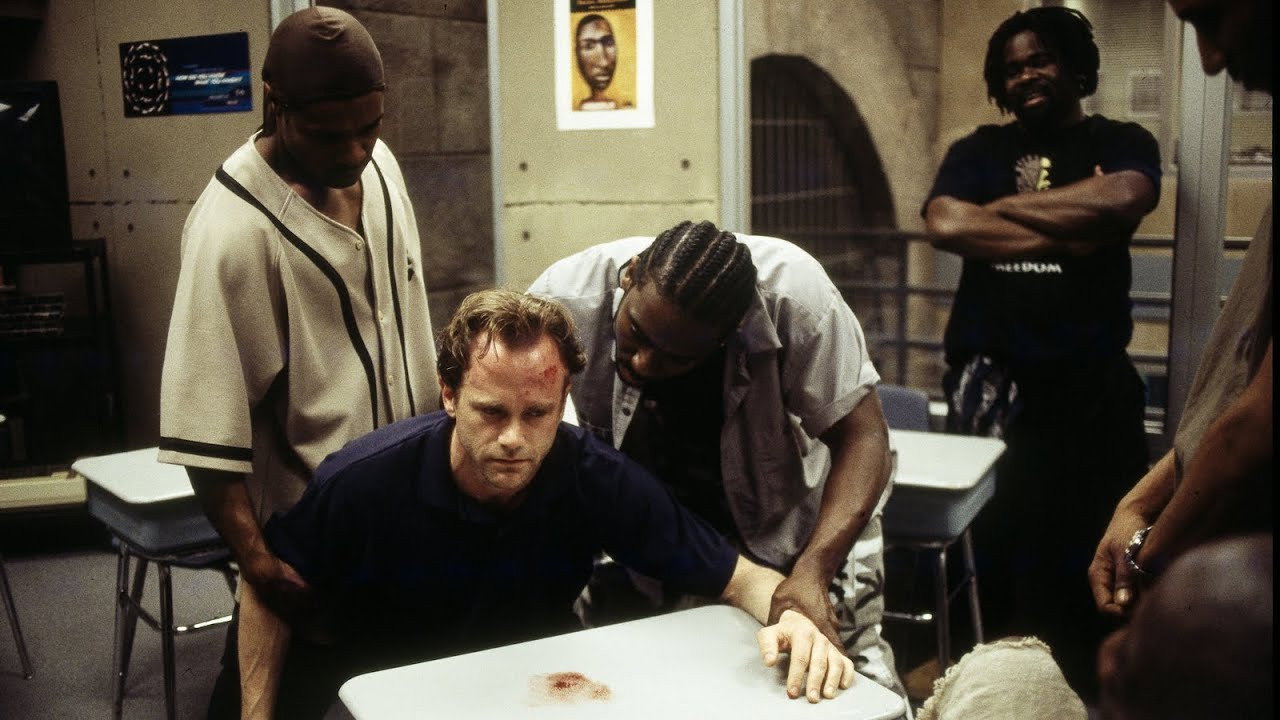
Oz is worth the discomfort, chiefly because its actors make the people inside this experimental American prison difficult to dismiss. Creator and writer Tom Fontana examines what happens when personal safety depends on other people’s permission, and when an institution cannot contain the cruelty within it. The programme is harsh enough to require a warning before a recommendation. Yet its attention to power, race and the daily calculations of survival gives us reasons to watch beyond finding out who will be hurt next.
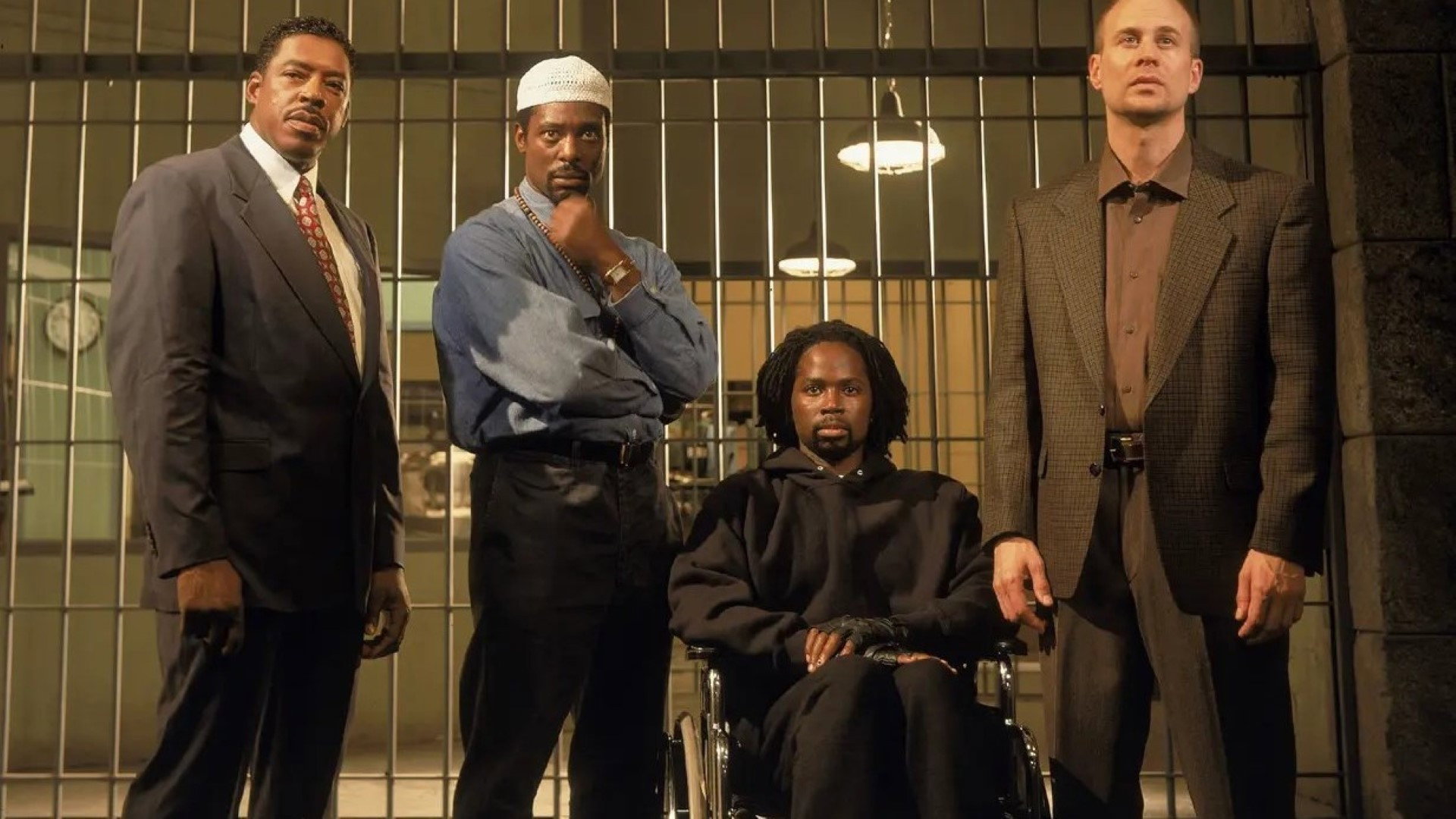
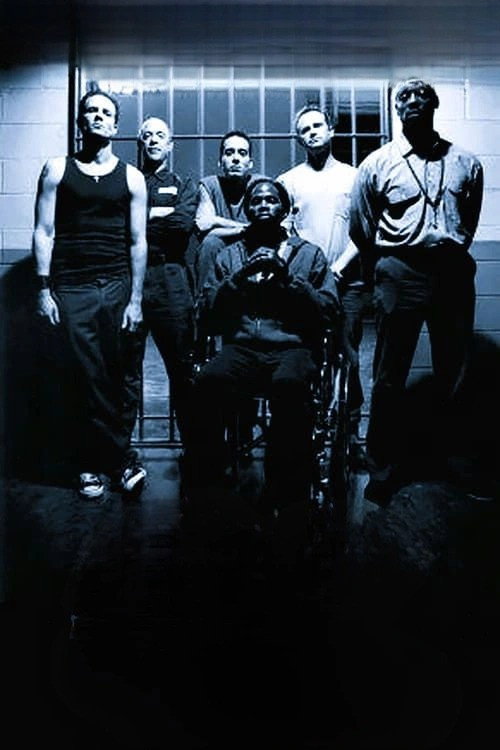
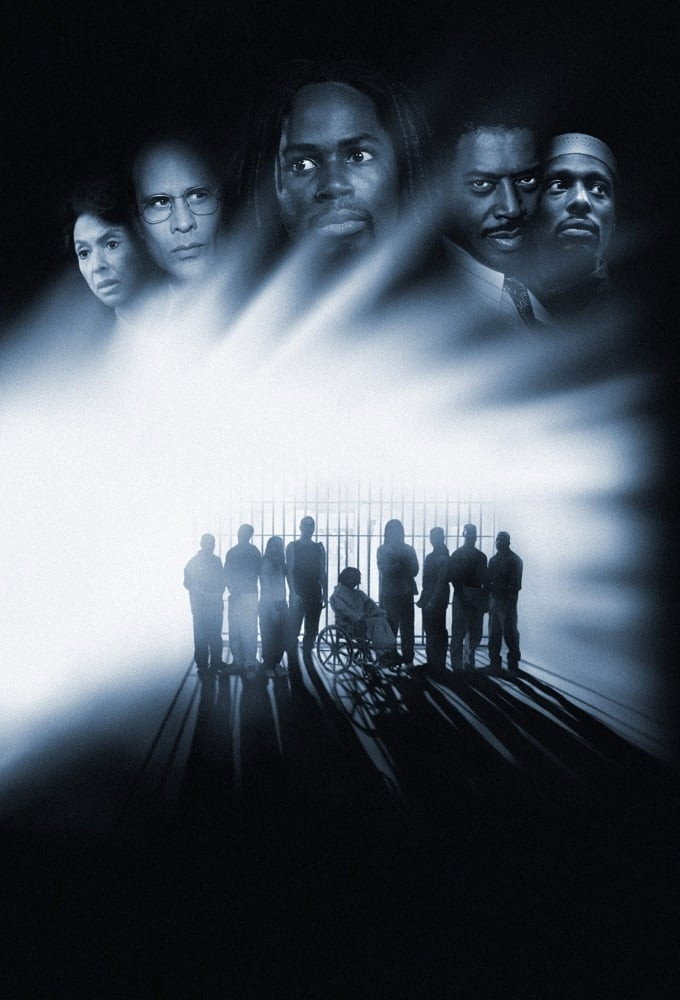
Lee Tergesen’s Tobias Beecher gives the cruelty a human cost; his vulnerability is more affecting than the programme’s insistence on how bad things can get. Harold Perrineau as Augustus Hill and Eamonn Walker as Kareem Saïd help keep a crowded ensemble distinct. Their performances hold our attention without requiring the surrounding cast to fade away. We want to understand these men, even when sympathy is difficult, and that curiosity matters in a drama which offers so little comfort.
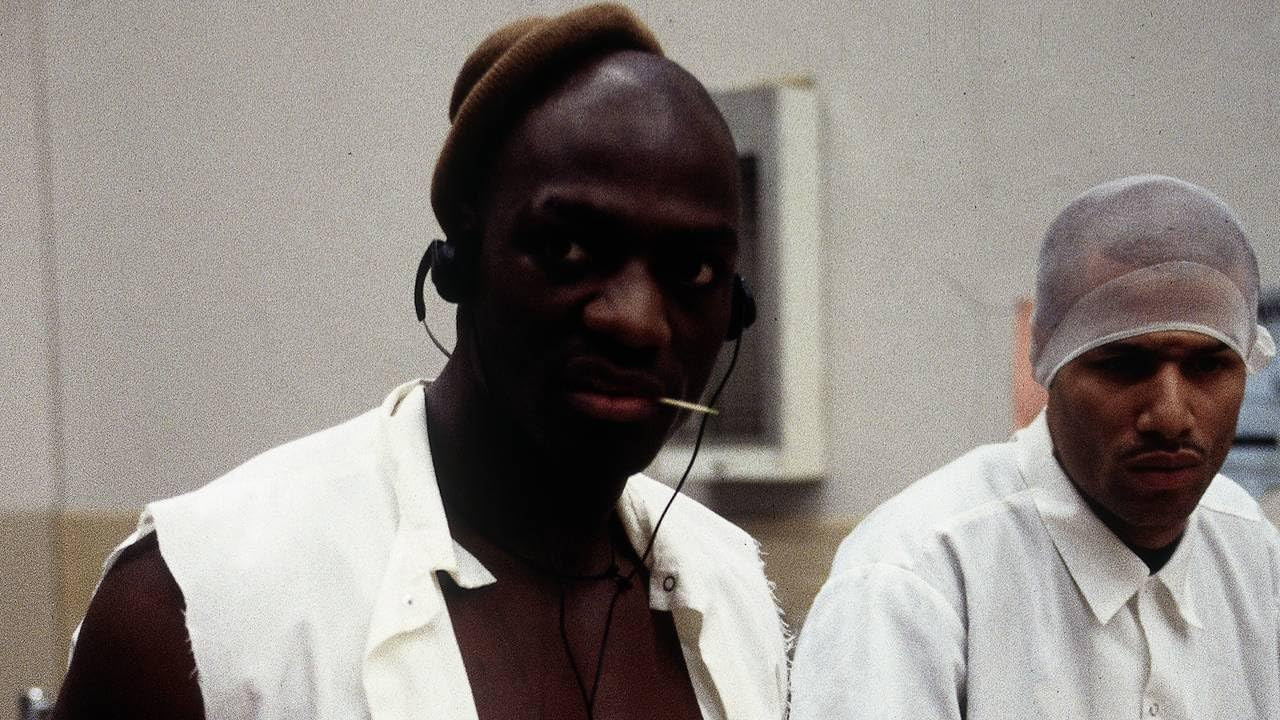
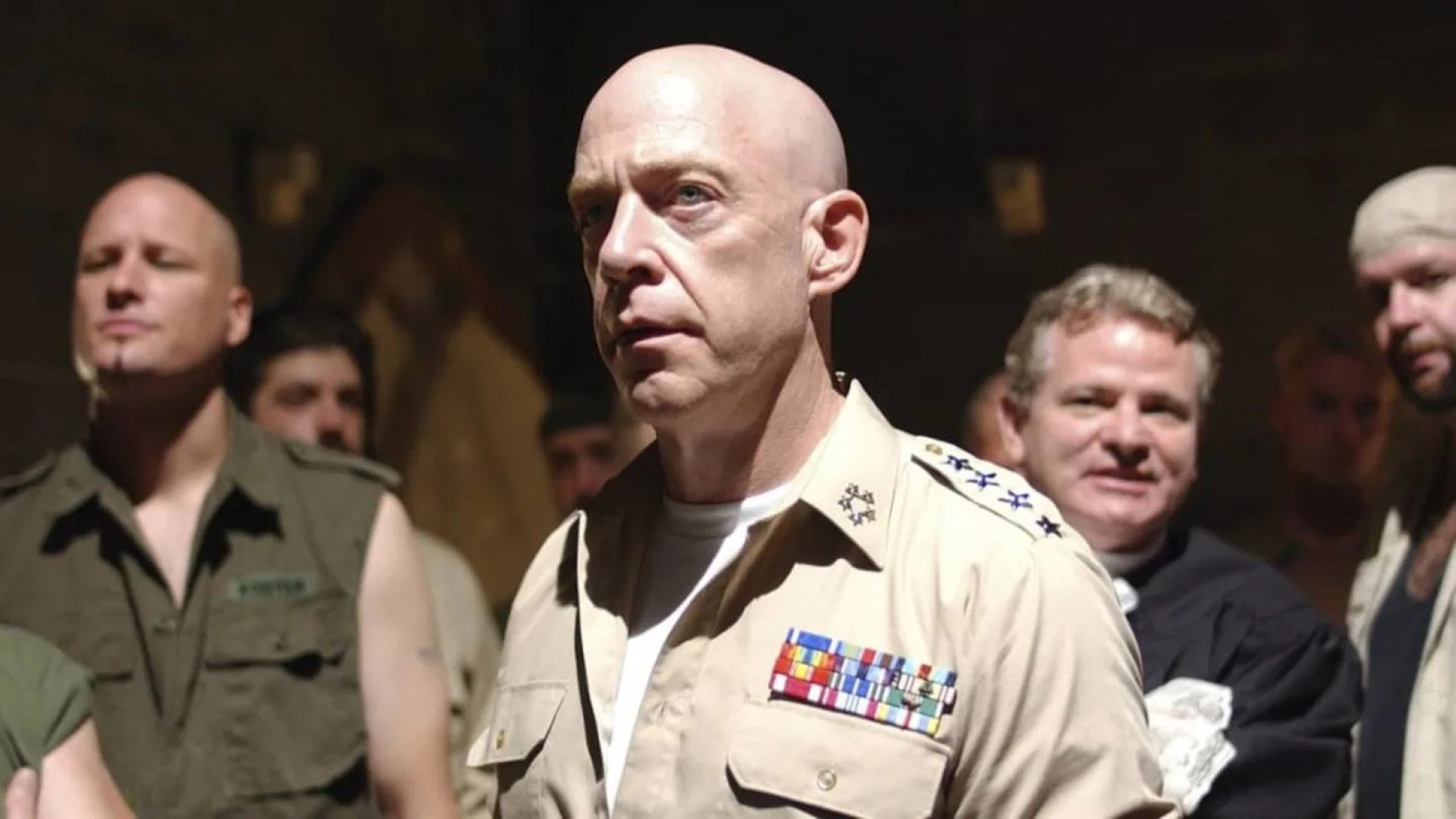
J.K. Simmons gives Vernon Schillinger an appalling certainty. Dean Winters makes Ryan O’Reily absorbing company, adding to the sense that attention might be rewarded anywhere in this cast. There is a danger that performances this watchable make brutality seem like the main attraction. The surrounding conflicts between prisoners and staff help keep the series concerned with how the place works, and with whose interests its rules serve.
Directors including Barbara Kopple and Mary Harron work within a style that is openly experimental. The departures from realism are useful because they interrupt the easy rhythm of threat, confrontation and retaliation. The voiceover helps too, giving us something to consider beyond who is strongest in a particular encounter. This willingness to stop and think is welcome in a programme where almost any interaction might become dangerous, and where uninterrupted aggression would soon become numbing.
We were horrified by the sexual violence, particularly by its place within the inmates’ struggle for power. The suffering is difficult to separate from the calculation behind it, which makes watching feel more unpleasant than simply being startled. The series understands that intimidation can organise a prison as effectively as an official rule. Its harshest passages make that point forcefully, though the repeated aggression sometimes exhausts our attention before it deepens our understanding.
The larger weakness emerges as the series continues across six seasons. Later plotting strains belief, and the effort to find another shock sometimes overwhelms the behavioural detail that made the early drama persuasive. When events become implausible, the violence starts to feel imposed by writers looking for an effect. It becomes harder to remain concerned for the people involved, and a strong cast cannot make every development convincing.
We recommend it, with a firm warning about sexual violence and the later excesses. The performances deserve more than a reputation for shock, and the strongest writing makes the discomfort worthwhile. An episode at a time gives the characters a better chance of remaining distinct from the accumulating cruelty. This is not a programme to leave running while winding down for bed.