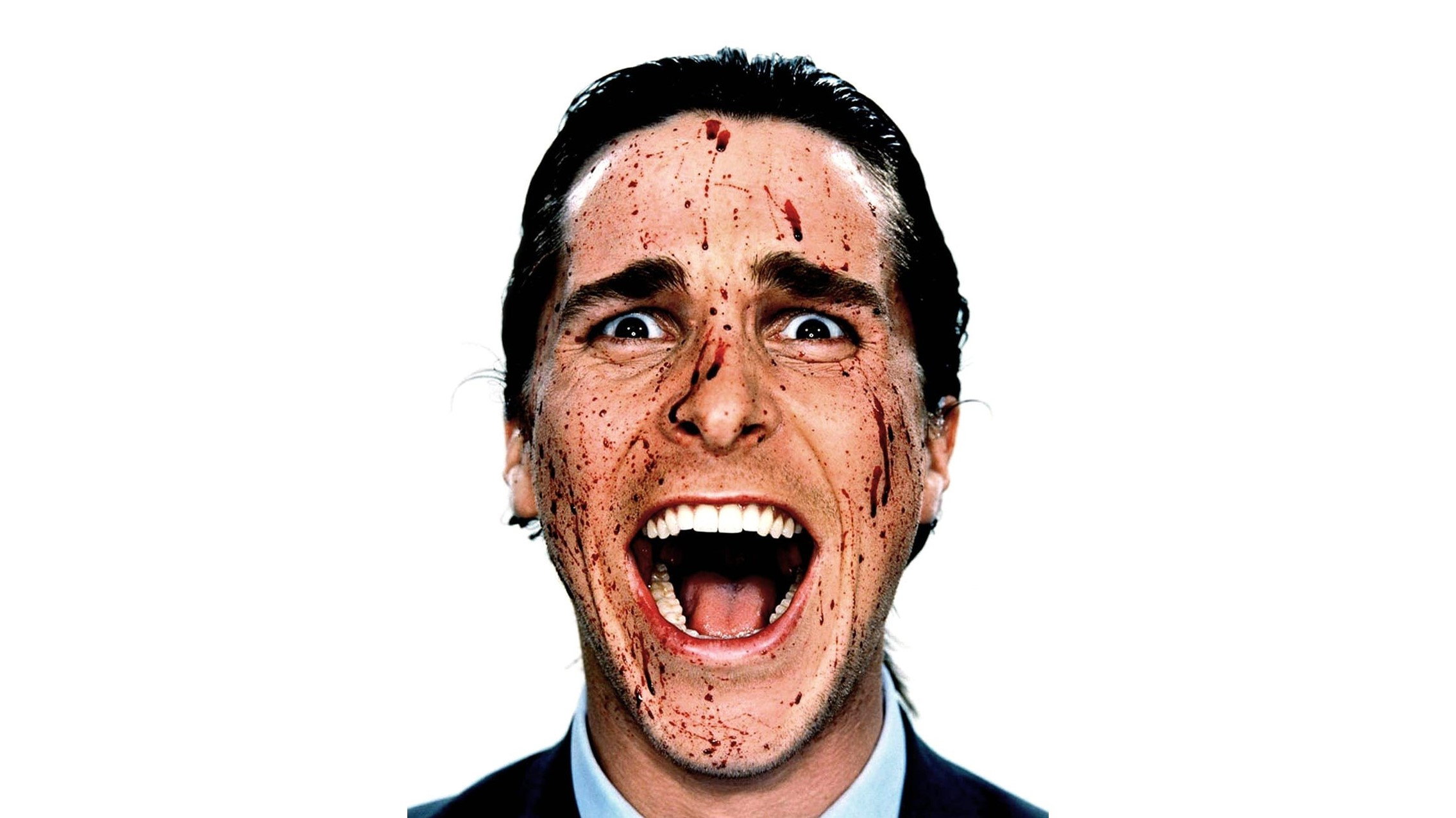
Mary Harron’s satire makes male vanity funny enough to be alarming, with Christian Bale exact in every display of wounded importance. Its treatment of the people around Bateman is thinner, but the comedy earns our recommendation.
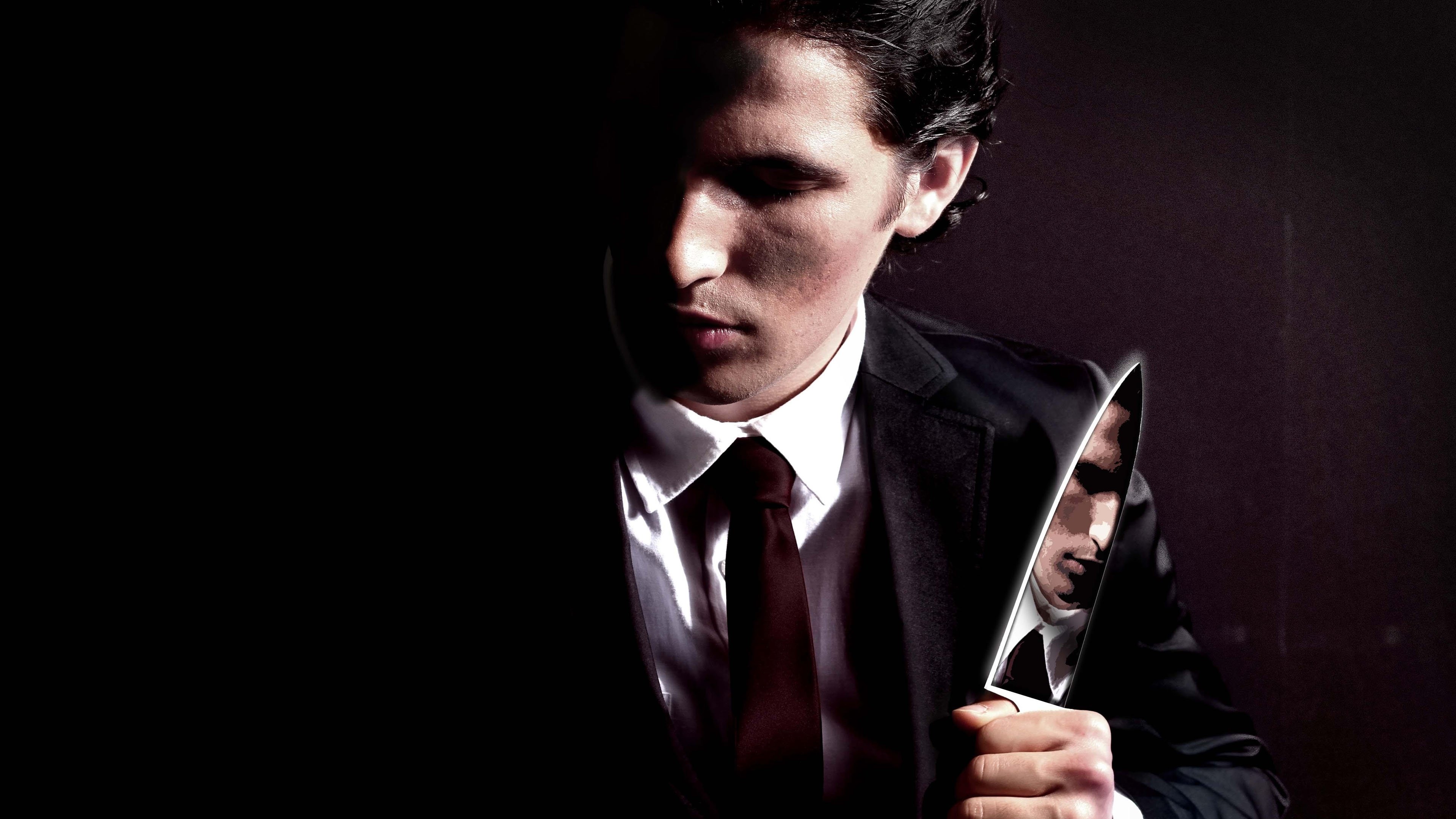
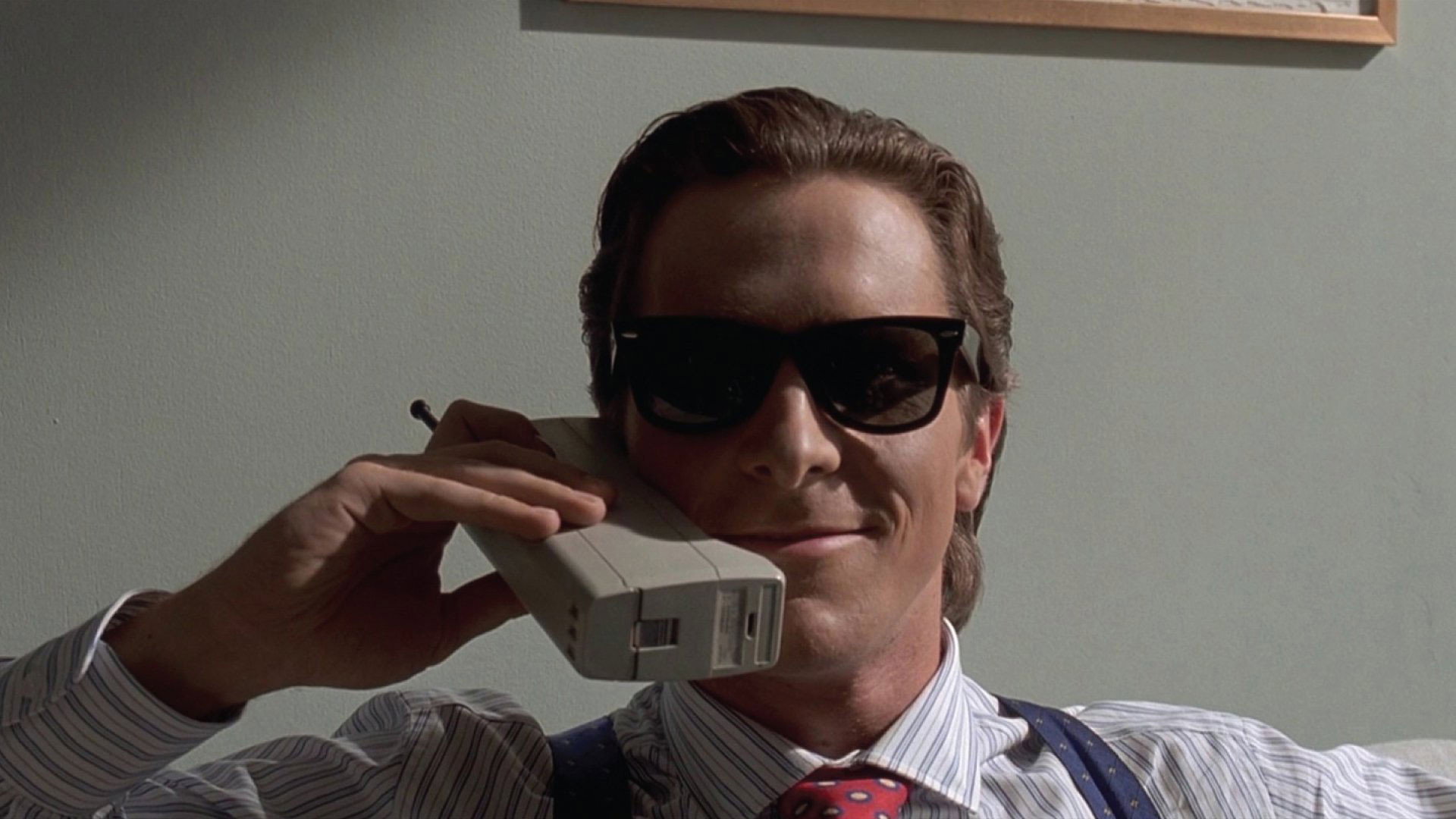
Mary Harron’s American Psycho is a sharp, cruel comedy, and we recommend it for the precision with which Christian Bale makes Patrick Bateman ridiculous. The horror is less consistently effective. Harron and co-writer Guinevere Turner adapt Bret Easton Ellis’s novel by putting Bateman’s vanity at the centre, making his need to impress other men a source of persistent humiliation. His taste, his possessions and his appearance all demand attention, and Bale makes that demand exhausting in just the right way.
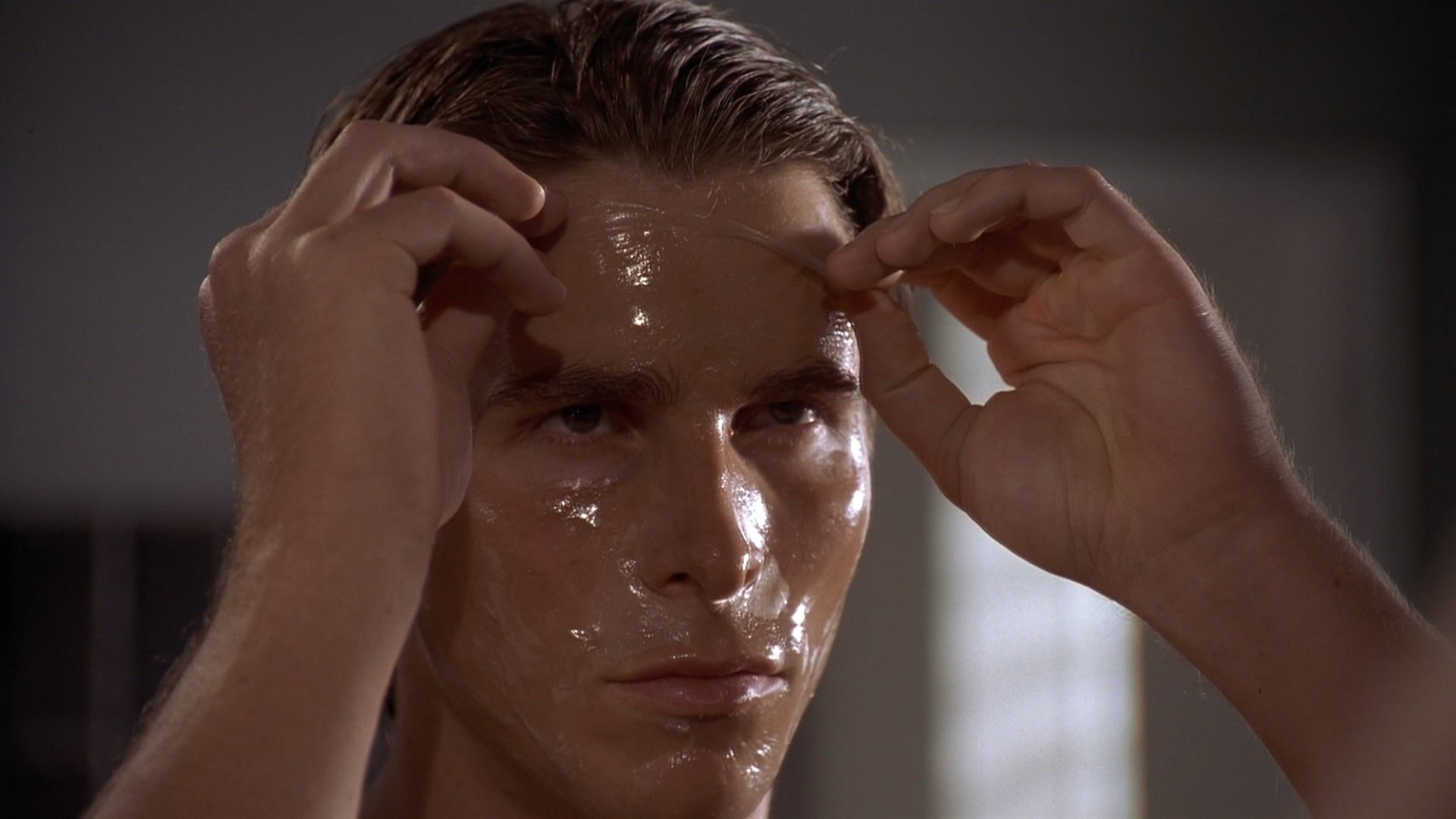
Bale is funny even when Bateman is being insufferable. He lets us see the effort Bateman puts into appearing superior, and how little satisfaction it brings him. The pop-music monologues are especially well judged, delivered with an authority that their contents do not merit. He sounds as though he expects to be assessed on them. Bale makes the desire to be admired so visible that even an opinion about a song feels aggressive.
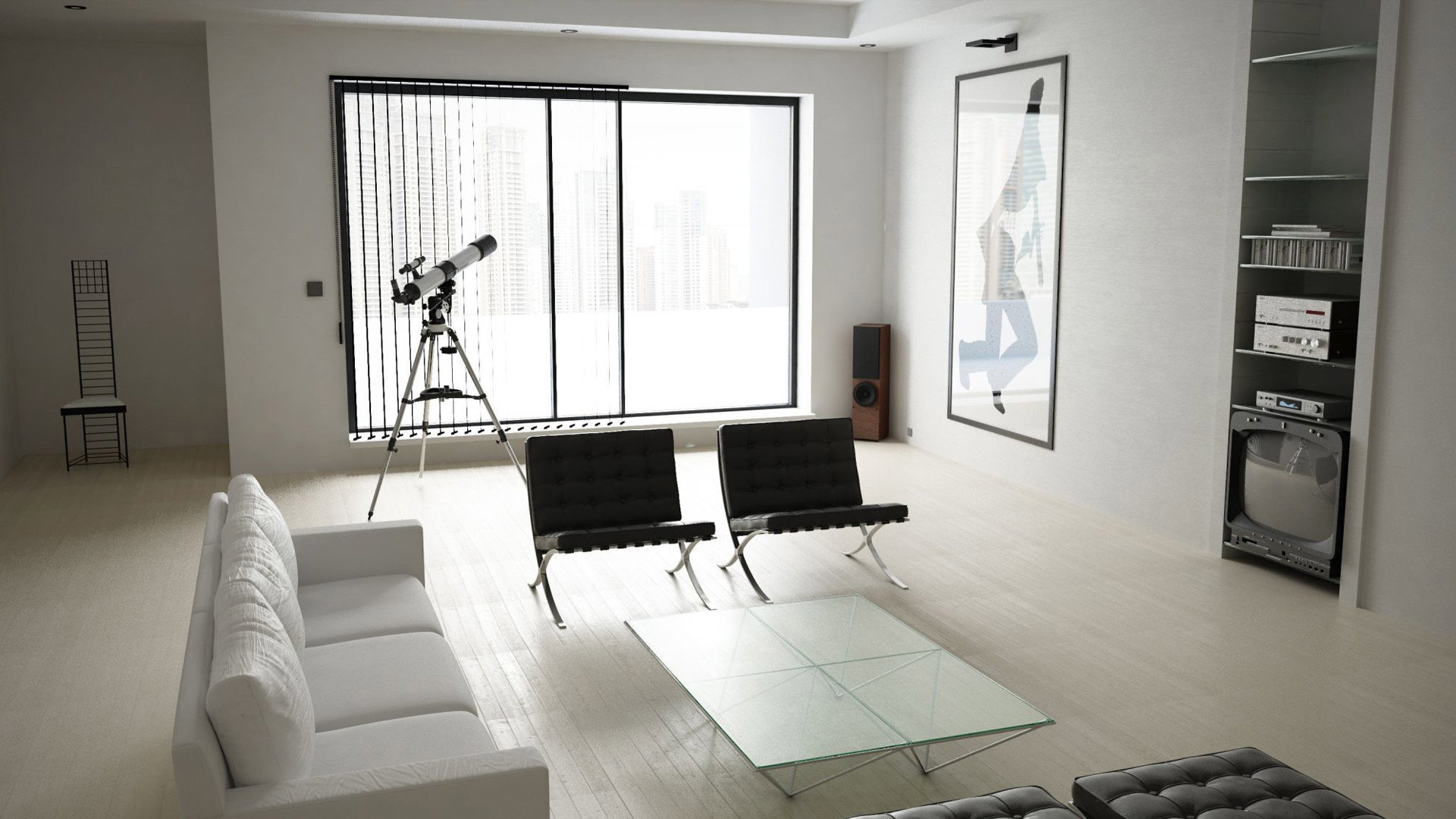
We laughed at the business-card rivalry, then felt embarrassed by how recognisable the envy was. Harron lets these men invest their dignity in an object most people would leave in a drawer. Gideon Ponte’s production design is crucial here: the objects these men judge one another by look important enough to deserve their absurd scrutiny. Andrzej Sekula photographs the characters with the same attention to surfaces, making their immaculate presentation feel faintly inhuman.
At 102 minutes, the film has room for Bateman’s obsessions without making them interminable. Editor Andrew Marcus keeps the comedy taut, even when Bateman seems determined to make every subject an occasion for self-display. John Cale’s score contributes to the chill without making the absurdity feel less absurd. The music offers little comfort, which suits Harron’s decision to keep us in such close, uncomfortable company with this man.
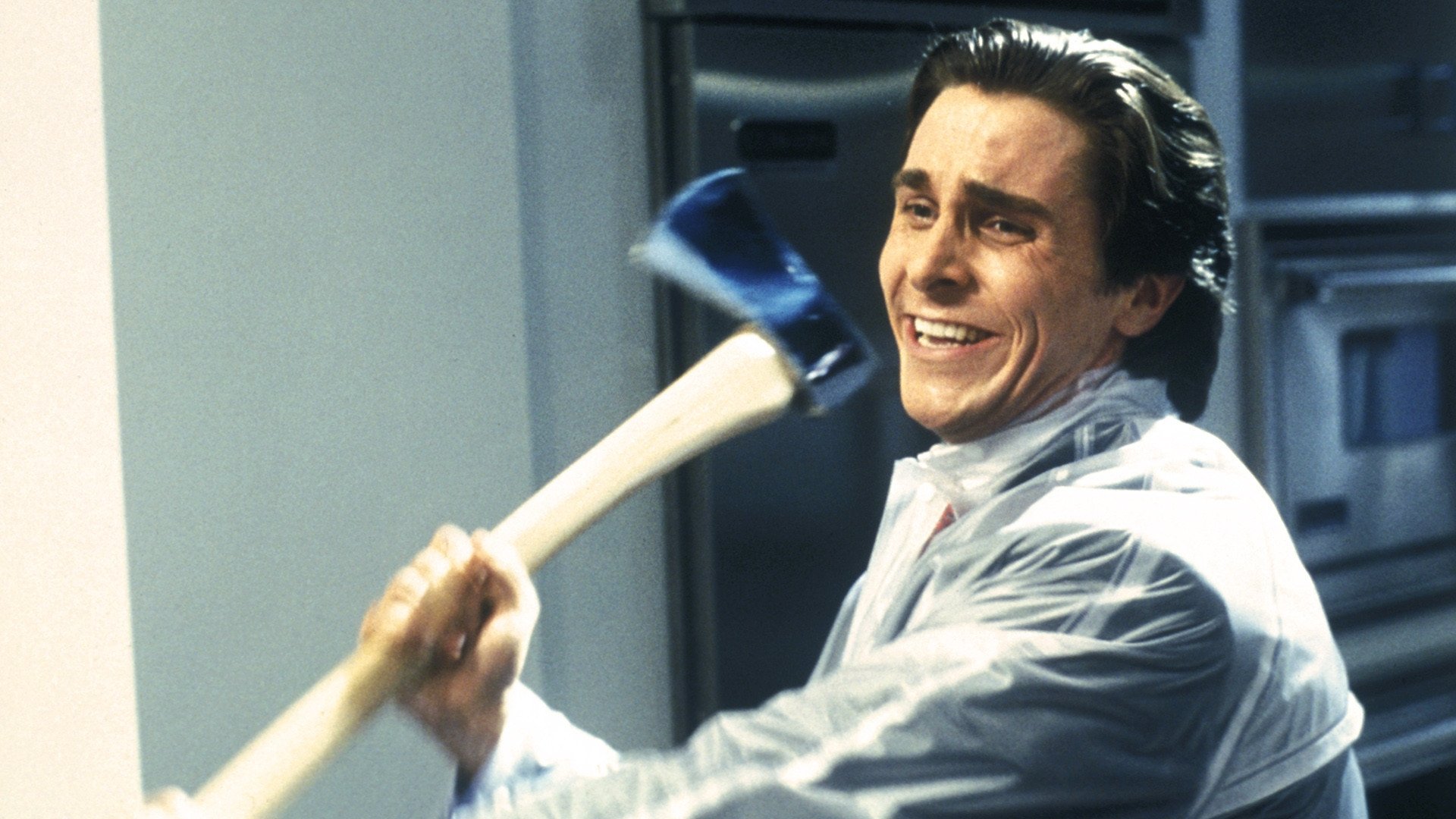
The limitation is how little room the film leaves for anyone who has to endure Bateman. Chloë Sevigny, as Jean, brings a welcome sense of a person who might exist outside his obsessions, but the surrounding characters are too often reduced to examples of the same vanity. Harron’s decision to keep much of the violence off-camera is sound: more detail would hardly make this man more appalling. Yet that restraint does not entirely solve the problem of victims becoming material for another joke about him, and the coldness occasionally stops the horror from hurting.
As a serial-killer thriller, American Psycho offers limited insight into violence, but its account of male competition is persuasive. The triviality is part of what makes it disturbing: so much anger arises from so little provocation. We think the joke earns its repetition because Bale keeps making these small concerns feel urgent, and Harron rarely lets his charm pass without showing the vanity behind it. There is little relief from Bateman’s company. Come for the social comedy, provided cruelty does not spoil an evening for you.