Mark V. Olsen and Will Scheffer’s drama about a Utah polygamist and his three wives is funny, uneasy and better acted than its premise deserved. The first two seasons are among the best American television of their period; the later ones sprawl.
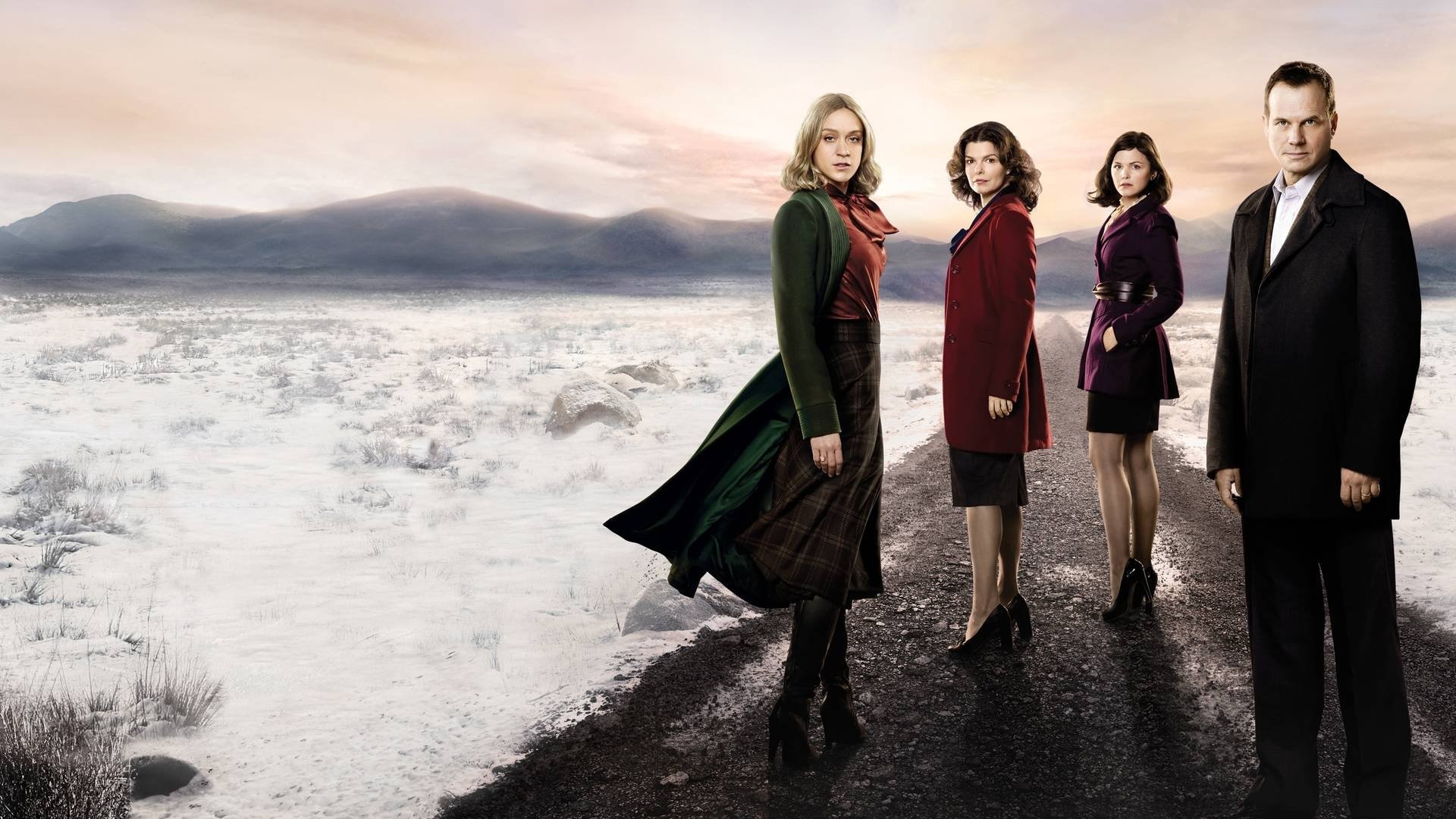
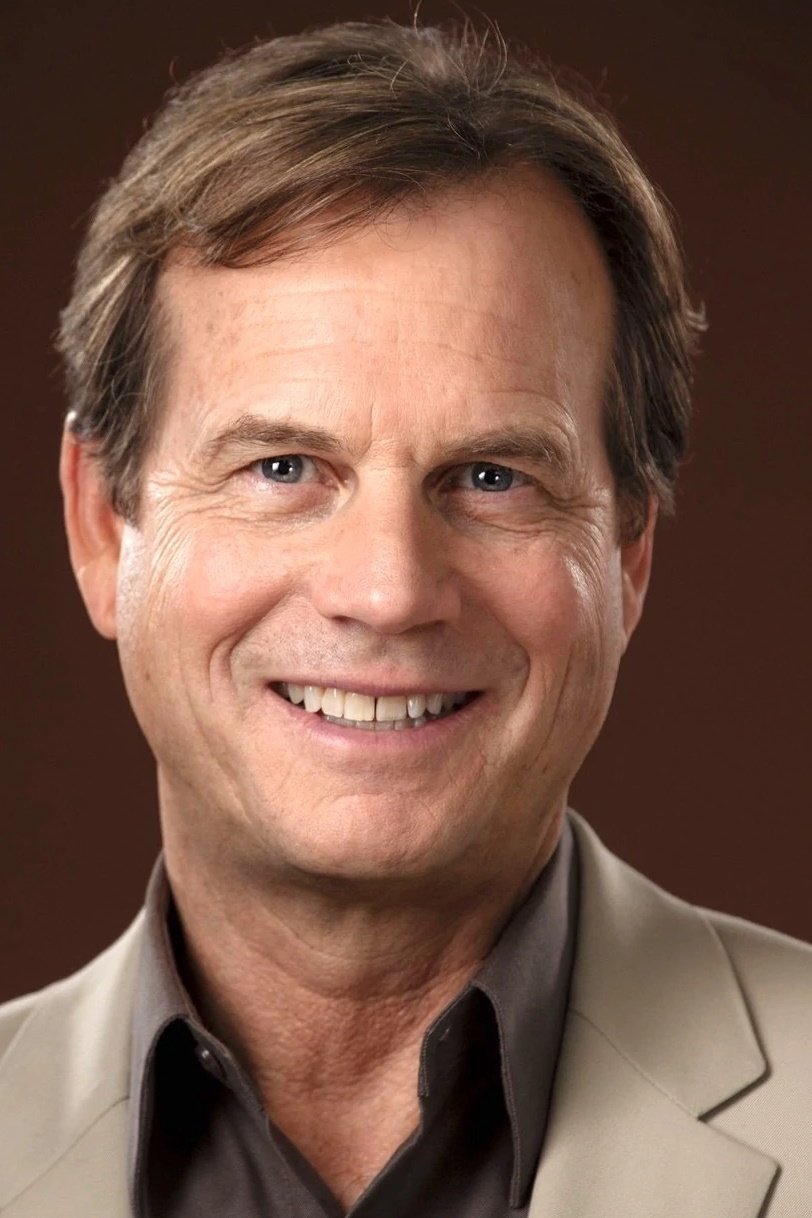
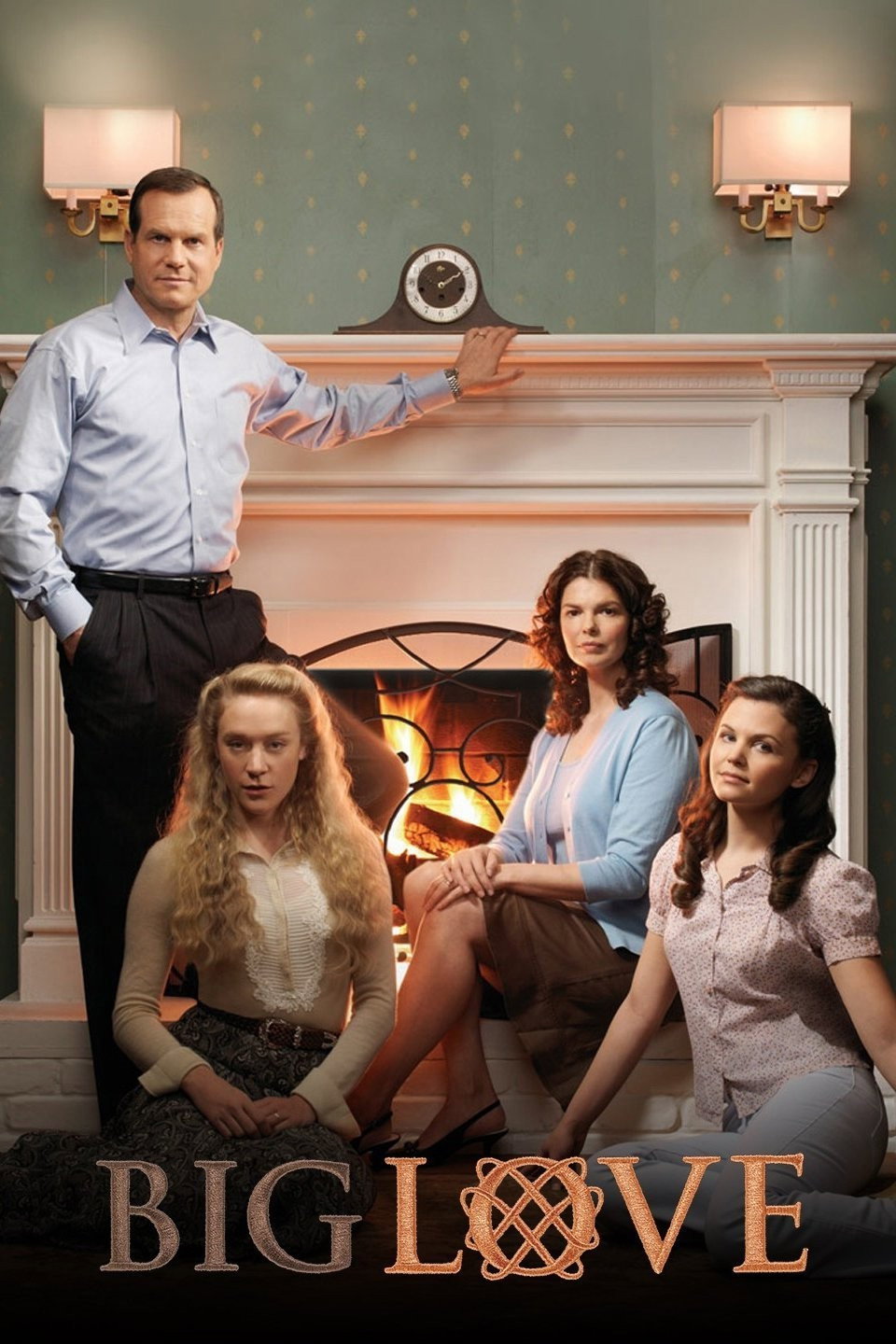
Bill Henrickson (Bill Paxton) owns home-improvement stores outside Salt Lake City and has three wives in three houses that share a back lawn. Mark V. Olsen and Will Scheffer’s series does not stop to ask whether this is wrong. It takes the arrangement as given, much as The Sopranos took the Mafia as given, and asks instead how the bins get put out. Who has Bill on a Tuesday. Who pays for the new car. What the neighbours make of the traffic. That decision, made in the opening minutes of the pilot, is what makes Big Love work, and it holds for longer than we expected.
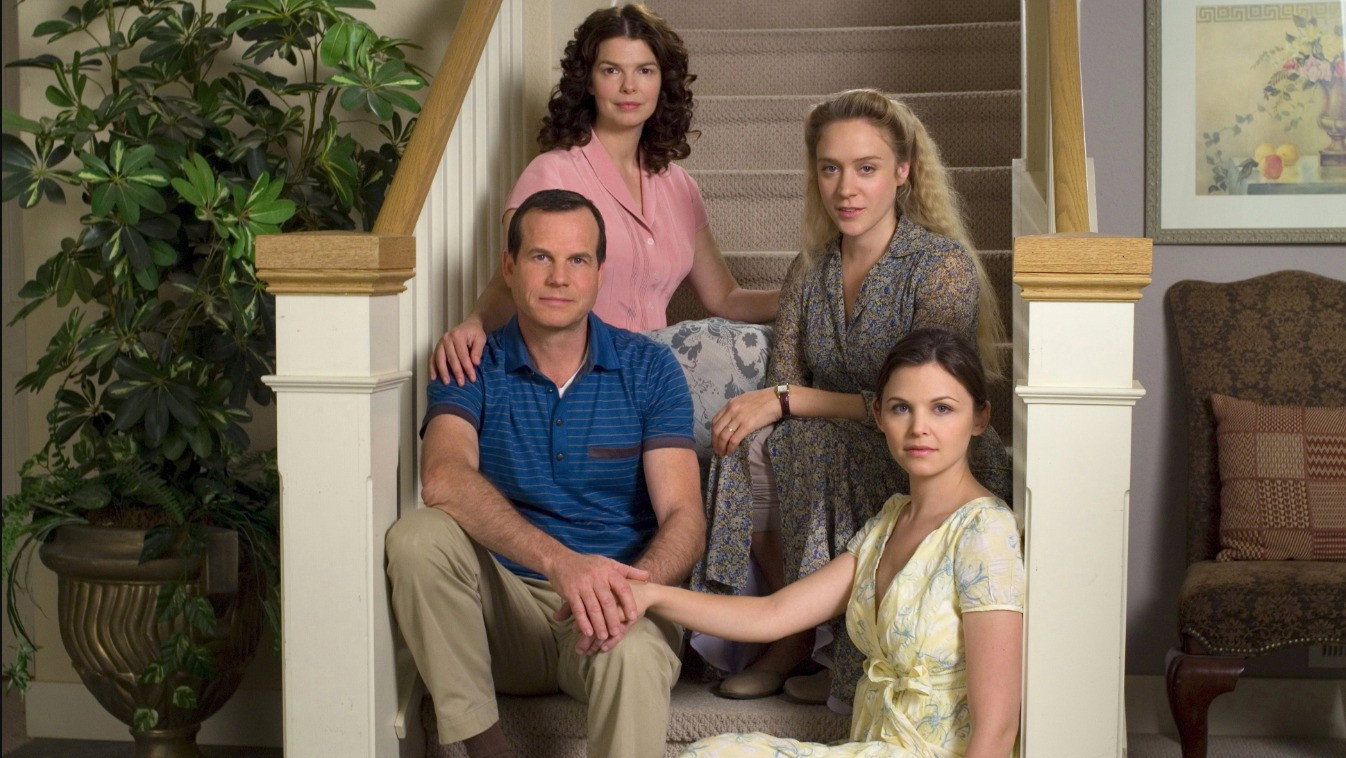
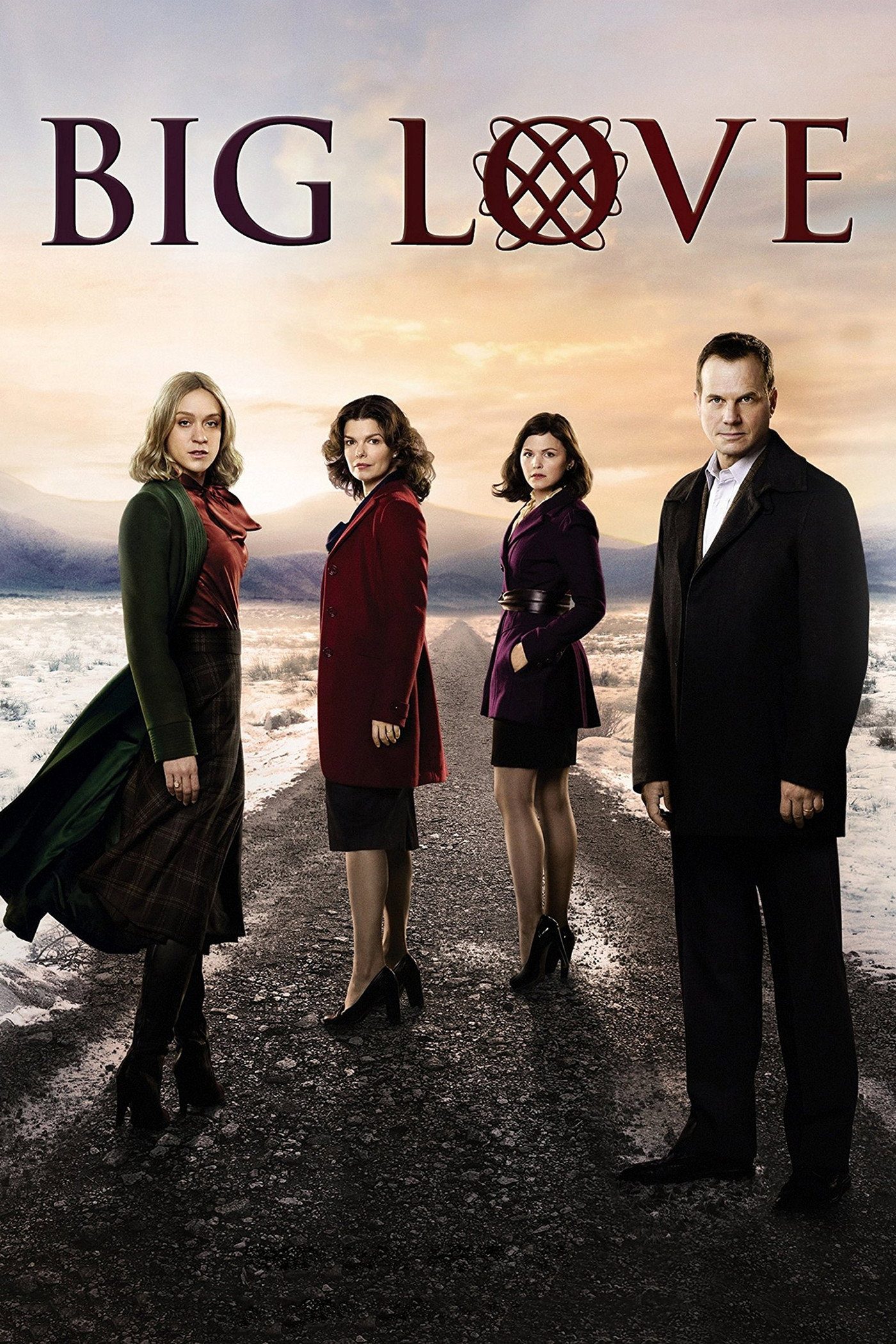
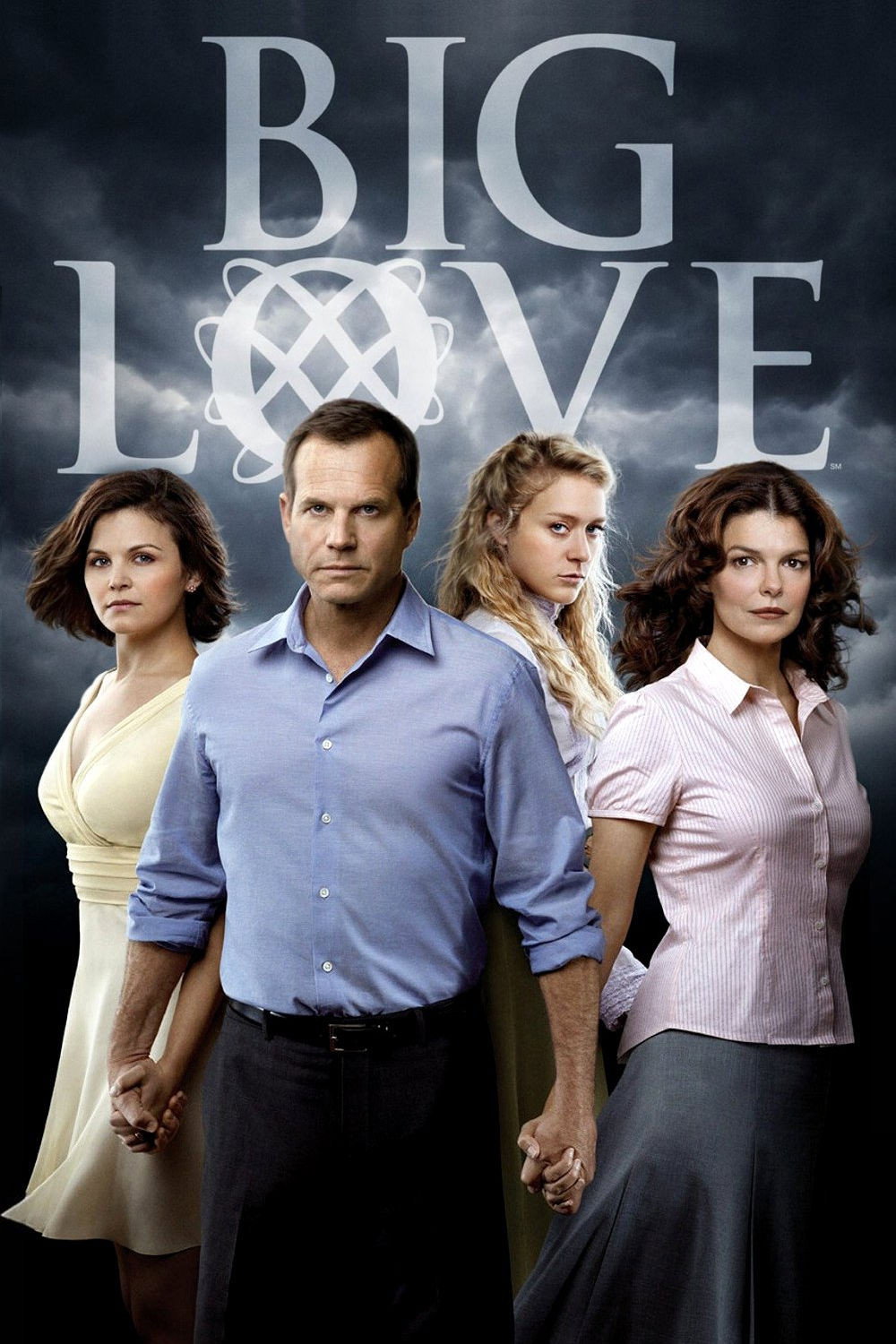
The wives are the reason to watch. Jeanne Tripplehorn’s Barbara was married to Bill alone for years before the others arrived, and she plays a woman who agreed to something on principle and has been quietly paying for it since. Chloë Sevigny’s Nicolette was raised on the compound, wears the long skirts and plaits to the supermarket, and treats the other two as rivals in a competition only she is scoring; she is the funniest thing in the series and the saddest. Ginnifer Goodwin plays Margene, the youngest, as a girl who has married a whole family and cannot believe her luck, and then slowly starts to read the small print. Put the three of them at one kitchen table dividing the month’s money and you have a scene no other programme could give you.
Bill is the still centre, and Paxton plays him square, sincere and slightly baffled by his own life. Some critics have found him bland. We think that is the point: he is a man who believes he is doing right by everyone and cannot understand why everyone is so cross. Amanda Seyfried, as his daughter Sarah, gets the outsider’s view, a teenager who can see the arrangement as her schoolfriends would see it, and she does a great deal with looks across a dinner table.
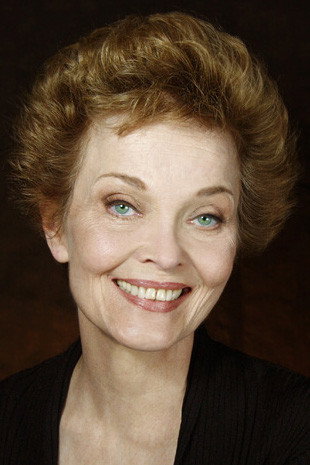
Harry Dean Stanton’s Roman Grant frightened us more than we were ready for, and it is because he never raises his voice. He is an old man in a cardigan who calls Bill “son” and talks about money as though it were scripture. The compound scenes, dust and prairie dresses and girls of fourteen being looked over for marriage, are where the series remembers what this way of life costs and who pays. Grace Zabriskie and Bruce Dern, as Bill’s parents Lois and Frank, live out there in a marriage that has curdled into a feud, and they play it as farce with something nasty underneath. Zabriskie in particular can make a line about a casserole sound like a threat.
The directors rotate, and include Rodrigo García, Mary Harron, Alan Taylor and Charles McDougall, but the look stays put: beige kitchens in flat daylight, the three back doors on to the same grass, the compound in long shadow. The opening titles, the family skating in a circle on a frozen lake to the Beach Boys’ God Only Knows, set the tone in a minute and a half. Sincere, faintly absurd, and the ice is thinner than it looks.
What got at us was the fairness. Watching Barbara, Nicolette and Margene negotiate the calendar, trade nights, settle who gets the anniversary, we found we were moved by how hard they work at it, and then uncomfortable about being moved, because the thing they are working so hard to make fair is the sharing of one man’s attention between three women. The series wants both reactions and it gets them, and it does not tell you which one to keep.
It does not hold its shape. The third season is delayed and shorter, the fourth crams nine episodes with more plot than the first two seasons combined, and Bill acquires ambitions beyond the store that we will not describe. By the fifth season the family is fighting on so many fronts that the kitchen table, where the series was best, hardly gets a look in. The wives survive this. The plotting does not always.
Start with the pilot and stay for the first two seasons without reservation. After that, keep going for Sevigny, Tripplehorn, Goodwin and Stanton, and forgive the rest. It is a 15 certificate, and the compound scenes are the reason.