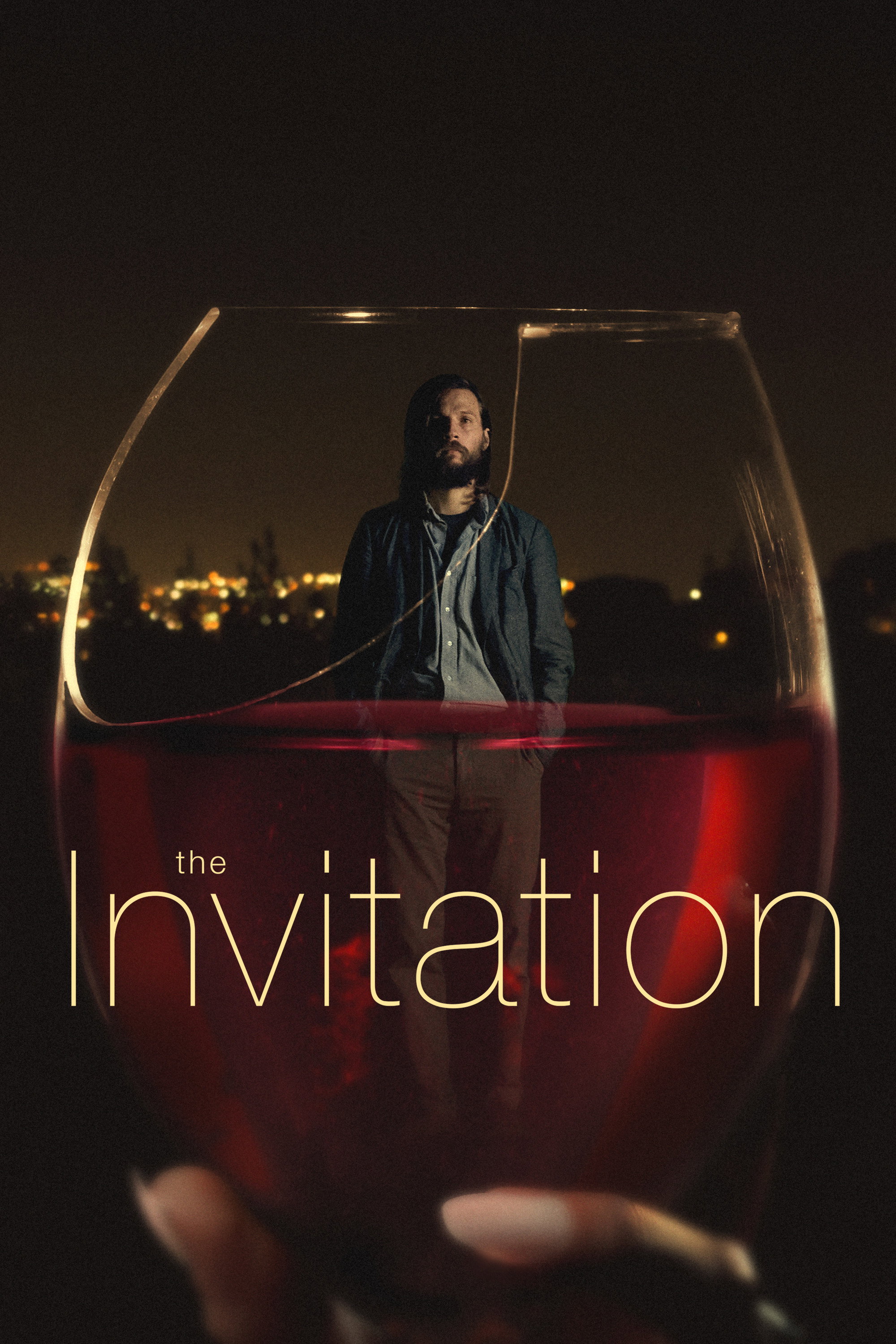
Elizabeth Olsen makes the damage of cult life painfully convincing in Sean Durkin’s unsettling thriller. The shifts between past and present occasionally feel overworked, but the fear persists even when Martha appears to have reached safety.
Martha Marcy May Marlene is a frightening, carefully made account of how difficult it can be to feel safe after leaving a cult. Sean Durkin keeps Martha’s escape and her memories close enough together that the lake house never becomes somewhere we can settle. We recommend it for Elizabeth Olsen’s performance and for the patience with which it makes ordinary space feel threatening. Its repeated changes of time and place do occasionally become too easy to anticipate.
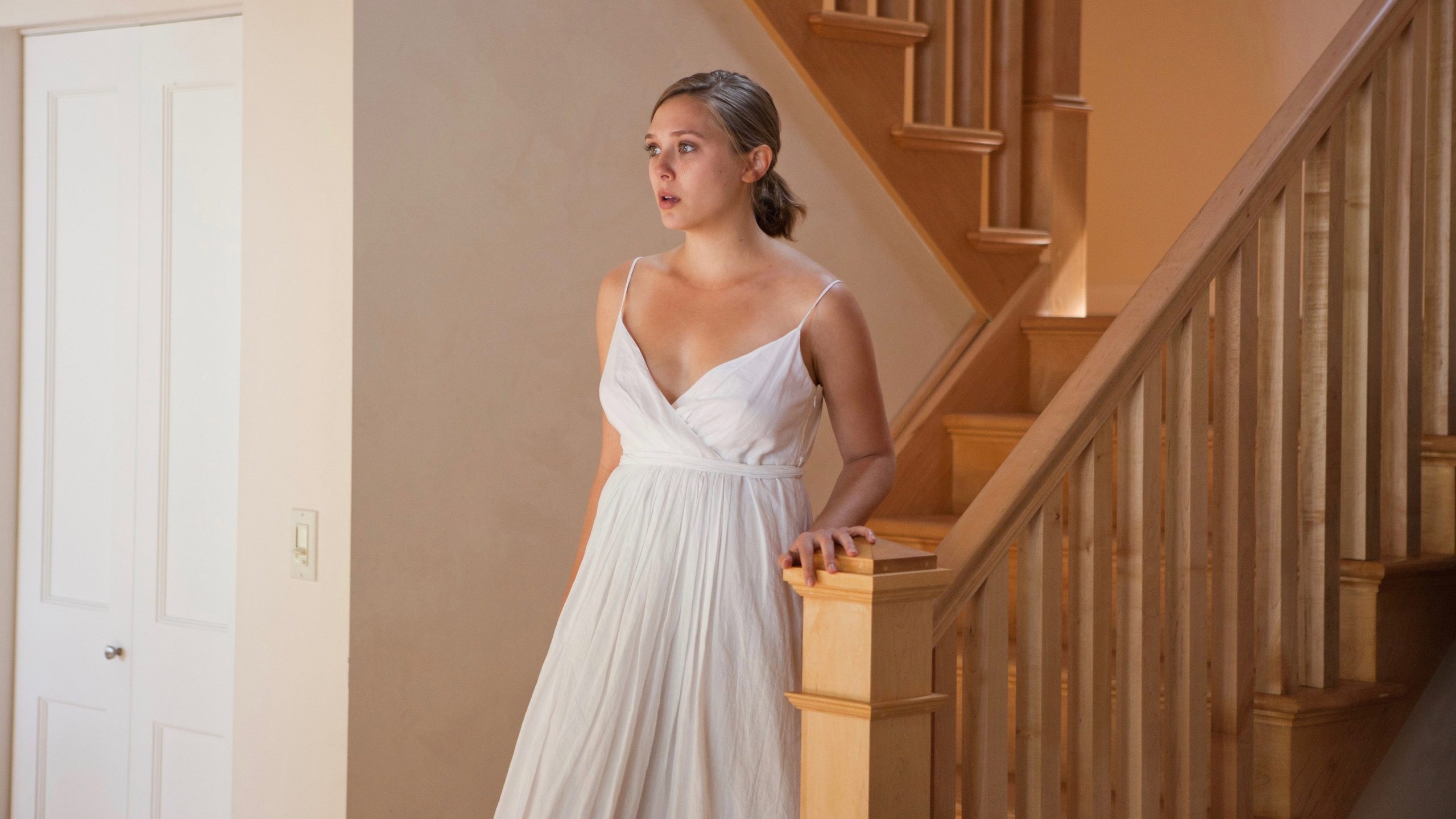
Elizabeth Olsen gives Martha a guardedness that can look like indifference until we notice how much effort seems to be going into it. She makes the character’s difficulty returning to family life uncomfortable to watch without asking us to find her agreeable. We can understand why Lucy struggles with her, and still feel that Martha is being asked for more than she can manage. The performance allows both responses to persist through the domestic scenes.
John Hawkes makes Patrick’s authority troubling because he does so little to announce it. When he decides that Martha looks like a Marcy May, the new name comes with the ease of a friendly suggestion. We found that casual renaming more upsetting than we expected. He is deciding who she is, and the mildness of his manner makes the intrusion harder to challenge.
Jody Lee Lipes uses the widescreen frame to keep us watching the space around Martha. The woodland setting feels threatening even without an obvious reason to be looking into the distance. Zac Stuart-Pontier’s editing moves between the commune and the lake house with a fluidity that repeatedly unsettles our sense of where we are. A memory can arrive before we have prepared ourselves to leave the present. The cuts make Martha’s difficulty keeping the two apart something we have to experience.
Chad Keith’s production design lets the lake house look like a plausible place to recover. That matters, because Martha’s fear would be easier to account for if her refuge already looked threatening. The music by Danny Bensi and Saunder Jurriaans helps keep the quiet scenes tense. It supports the uncertainty created by the cutting without making every pause sound like preparation for a shock.
The film is less persuasive when the transitions begin to seem like a method applied to every difficulty. We start watching for the next shift rather than attending fully to the scene in front of us. Sarah Paulson and Hugh Dancy give the domestic scenes enough friction to hold our interest, but the writing grants them less complexity than Martha. Lucy’s difficulty understanding her sister is convincing; it also becomes a repeated source of tension that tells us too little more about Lucy. A little more time with her would have helped.
Within the psychological thriller, this is an unusually patient treatment of fear that other people cannot easily see. The limited explanations will frustrate anyone hoping for a full account of how the cult works. We found enough in Martha’s efforts to live outside it to stay involved, even when the construction showed. Choose it for an uneasy evening, and do not expect a detailed explanation of everything that frightens Martha.