Film review

The Master

2012 · Directed by Paul Thomas Anderson · 2h 17m · MPA R

In a sentencePhilip Seymour Hoffman has acquired a follower who makes leading look like hard work

Drama

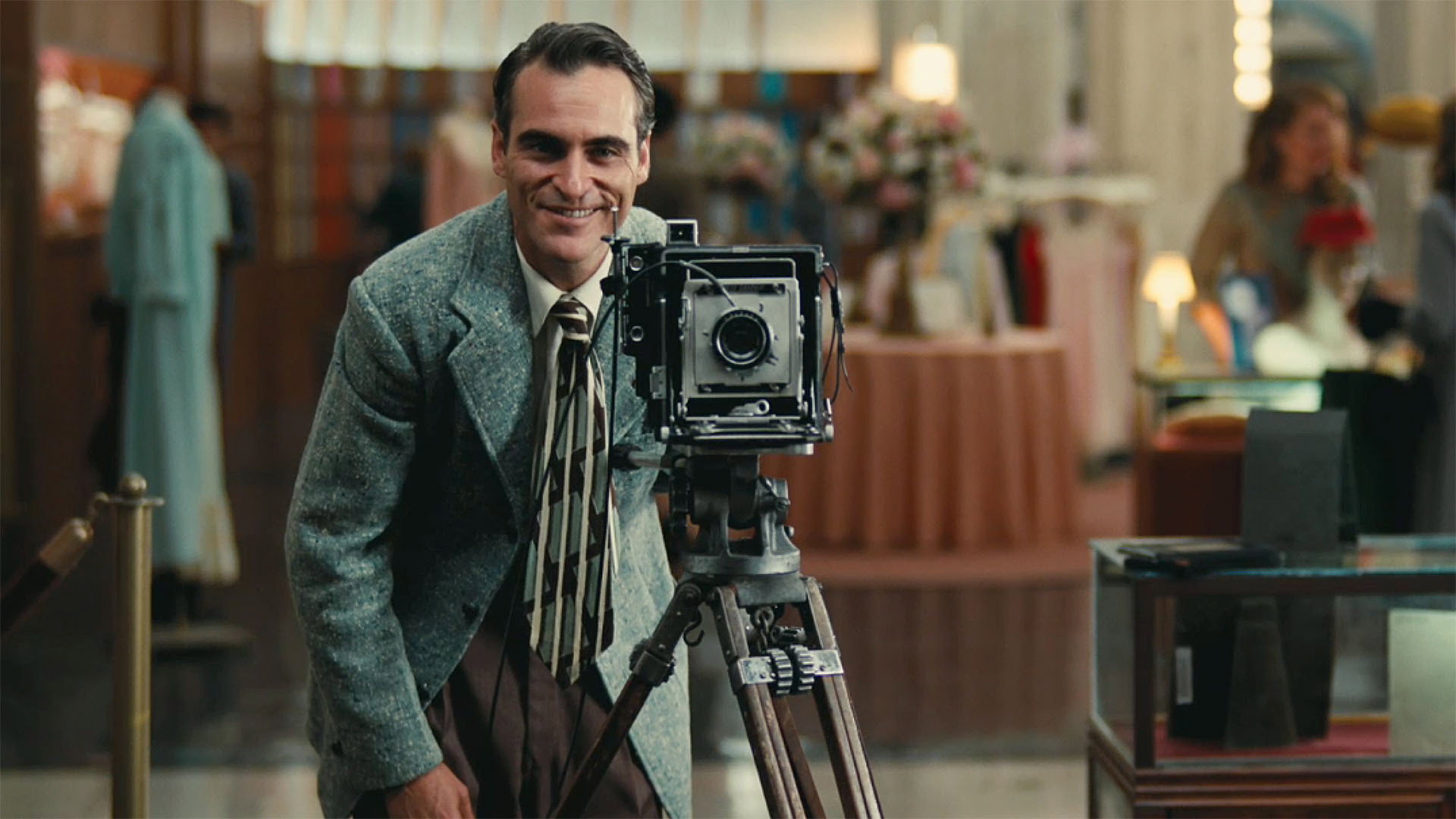
In post-war America, Freddie Quell (Joaquin Phoenix), a troubled veteran and alcoholic, drifts into the company of Lancaster Dodd (Philip Seymour Hoffman), a charismatic leader whose community offers him somewhere to belong. Freddie wants relief from a civilian life he cannot settle into. Dodd takes an interest in him, bringing the unsettled newcomer into a circle that includes Peggy Dodd (Amy Adams). The prospect of guidance draws Freddie closer, but his erratic behaviour makes him a difficult follower. Their growing attachment puts the leader’s authority alongside the veteran’s need for help.

Plays from YouTube when you press play; nothing loads from them until then.

Fi1m review

Paul Thomas Anderson’s The Master is absorbing, troubling and superbly acted, with Joaquin Phoenix and Philip Seymour Hoffman making an uneasy attachment feel painfully necessary. It loses momentum, but the performances give us reason enough to stay.

The Master is a disturbing, absorbing drama whose performances keep us interested when its story begins to drift. Paul Thomas Anderson follows a troubled veteran into the company of a charismatic leader in post-war America, then pays close attention to how much each man needs the other. There is room here for affection, vanity and the wish to be told how to live. The performances make those needs hard to separate, though the film spends longer exploring them than it can always justify.

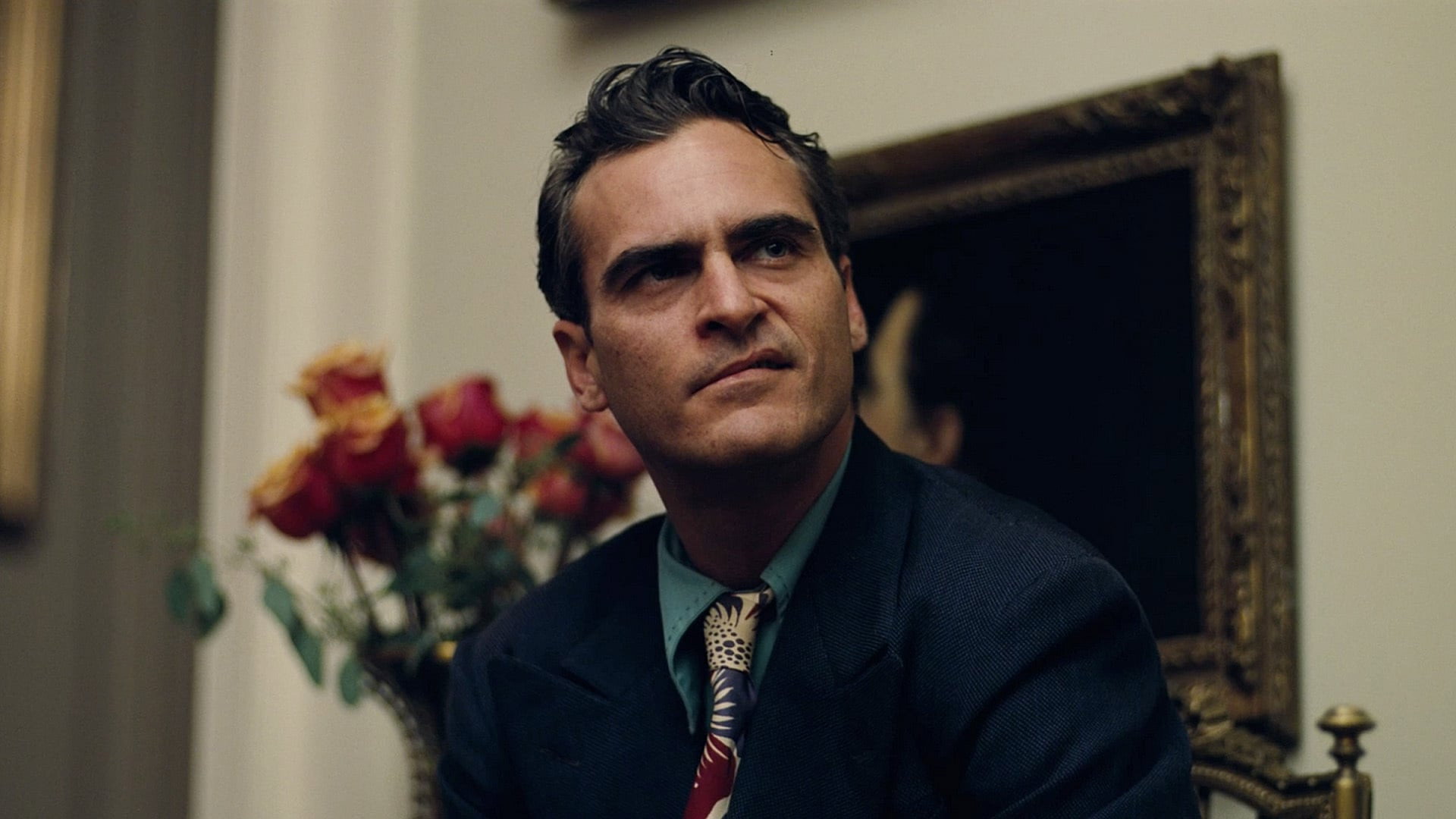
As Freddie Quell, Joaquin Phoenix makes self-disgust difficult to look at without turning it into a plea for sympathy. We found him painful to watch: the drunkenness and erratic behaviour carry the weariness of someone who cannot get comfortable with himself. Philip Seymour Hoffman gives Lancaster Dodd enough warmth to make Freddie’s attraction credible. His authority has the assurance of a man accustomed to being listened to, and his interest in Freddie complicates it. We can understand the appeal of his company without accepting his right to take charge.

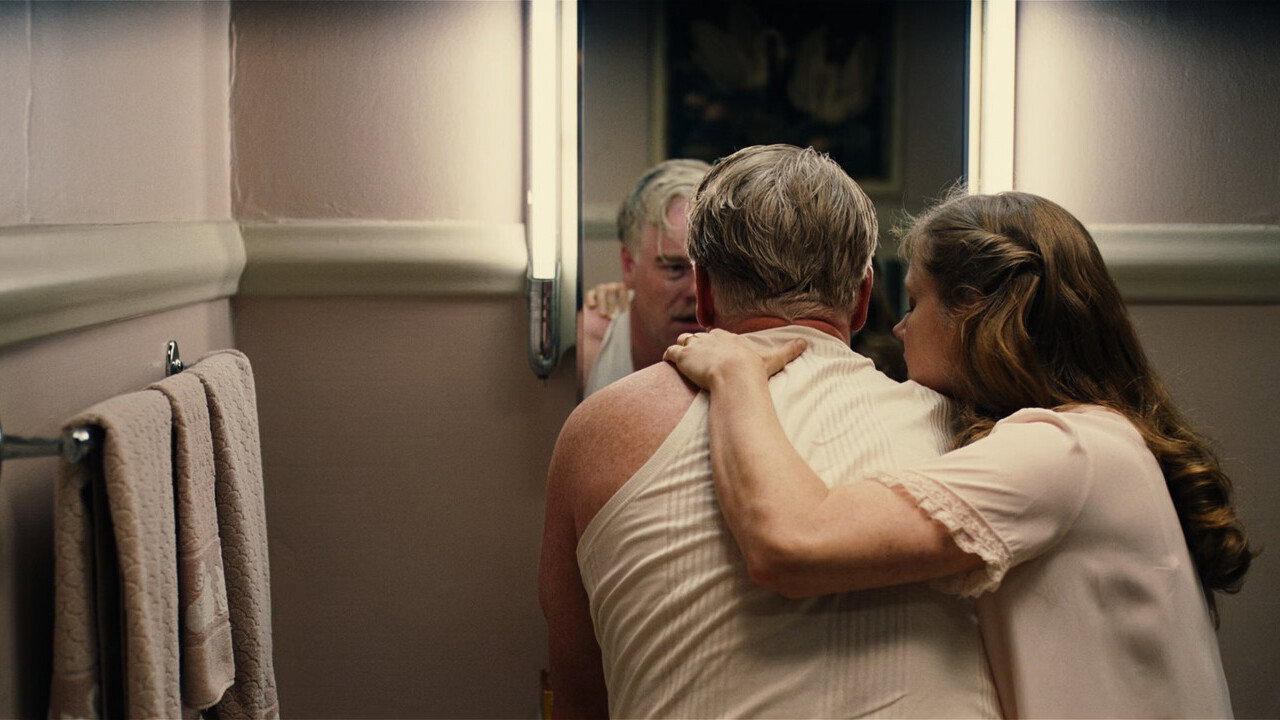
Amy Adams, as Peggy Dodd, keeps the relationship from becoming a closed conversation between the two leads. She gives the community a firmness that makes Dodd’s fascination with Freddie seem a potentially troublesome indulgence. That is a valuable complication in a drama about a cult, where exposing the leader as a fraud would be the easy way to proceed. Paul Thomas Anderson is more interested in why someone might stay, even when belonging requires an uncomfortable degree of obedience.

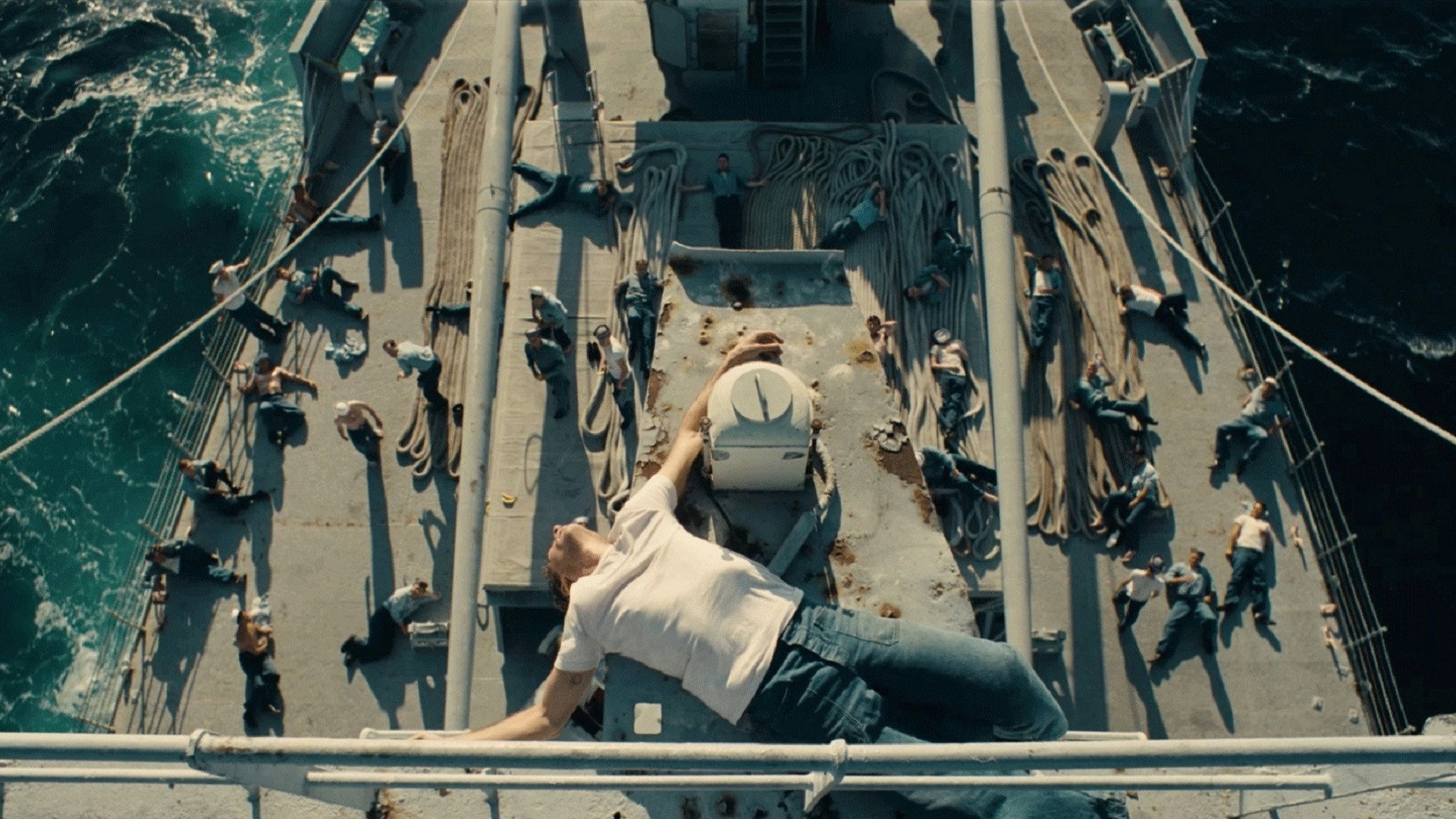
Cinematographers Baz Idoine and Mihai Malaimare Jr. give the film images worth looking at for longer than the story strictly requires. The opening view of a ship’s wake is particularly absorbing, and its return gives us something familiar to hold on to amid Freddie’s uncertainty. The 65mm photography gives a private, uncomfortable attachment the visual scale we might expect from a much busier period drama. There are stretches when looking becomes the main pleasure, which helps explain both the fascination and the impatience the film can produce.

Production designers Jack Fisk and David Crank make the period setting convincing without making its accuracy the main attraction. The period detail helps us accept the community as somewhere a lost veteran might seek a home, which matters when the leader’s appeal might otherwise seem remote. Jonny Greenwood’s score is less reassuring. Its restlessness keeps the film uneasy even when we have begun to settle into the men’s company, and supplies some of the momentum the storytelling occasionally lacks.

Editors Leslie Jones and Peter McNulty let the story move unevenly, with gaps and changes of emphasis that suit Freddie’s instability. This is often effective, since a neat account of his progress would make him easier to explain than the performance allows. It also means the film can revisit the same attraction and resistance without making either more revealing. At 137 minutes, it has room for uncertainty, but the later stretches sometimes ask us to treat another unsettled encounter as a development, and we felt our attention slacken.

That drift is a real limitation, and patience will not make every passage necessary. Still, the actors keep finding recognisable need in people whose behaviour can be forbidding, and the film gives their attachment an emotional weight that an explanation of the cult could scarcely improve. We recommend it for those performances and for its willingness to make companionship this uncomfortable. Choose it when there is time to watch closely, and no requirement that everyone make sense.
Critical consensus AI synthesised

78
Positive
21
Mixed
3
Negative
1

Most critics respond warmly to The Master, with praise concentrated on Joaquin Phoenix and Philip Seymour Hoffman’s tense, unpredictable relationship. Phoenix’s damaged drifter and Hoffman’s charismatic leader give the reviews their clearest point of agreement, while several also single out Amy Adams. Paul Thomas Anderson’s direction, the large-format cinematography, period detail and Jonny Greenwood’s score draw admiration. The film is widely read as a study of dependence, authority and human vulnerability rather than a direct exposé of Scientology.

The spread is broad, however, and agreement on the acting does not extend to the storytelling. Admirers find the ambiguity emotionally rewarding; others question the pacing, thin plot and loss of momentum towards the end. Film Comment welcomes the unresolved relationships and unconventional structure. Slant Magazine offers the sharpest dissent, finding little substance beneath the polished surface despite admiring the performances and score.

Little White Lies
2 November 2012 · 5/5/5 · Adam Woodward
100

The Master is a confounding yet intoxicating spiritual post-war love story that restores faith in cinema through its technical perfection and emotional depth. The critic praises its oceanic resonance and the performances that explore trauma, obsession, and human connection.

Read the full review →
Time Out
3 September 2012 · ★★★★★ · Dave Calhoun
100

Anderson delivers a captivating, heady portrait of warped power and fanaticism with commanding performances and striking 65mm visuals. The critic highlights the intense, unpredictable chemistry between Phoenix's disturbed loner and Hoffman's charismatic leader.

Read the full review →
Film Comment
1 September 2012 · Kent Jones
90*

The critic finds The Master a grandly scaled and rewardingly knotty film that resists easy condemnation of its Scientology-inspired subject, instead exploring irresolution between characters with bold, exciting structure and performances.

Read the full review →
Los Angeles Times
13 September 2012 · Kenneth Turan
90*

This is a superbly crafted, moody and disturbing film about personality, obsession and delusion. It mesmerizes through its intense connection between the two leads and Anderson's all-in visionary direction.

Read the full review →
The Guardian
1 November 2012 · Peter Bradshaw
90*

Paul Thomas Anderson delivers a brilliant, mysterious and unbearably sad film about a drifter bonding with a cult leader in postwar America. The critic praises its formal distinction, powerful performances and exploration of personal and ideological dynamics.

Read the full review →
The New York Times
13 September 2012 · A.O. Scott
90*

The film is an imposing, confounding and altogether amazing work about the lure and folly of greatness. It comes close to being a great movie itself through its glorious and haunting symphony of color, emotion and sound.

Read the full review →

Cast

Stills

Awards

Academy Awards, 2013

Nominated
Best Actor
Nominated
Best Supporting Actor
Nominated
Best Supporting Actress

If you liked this, try…

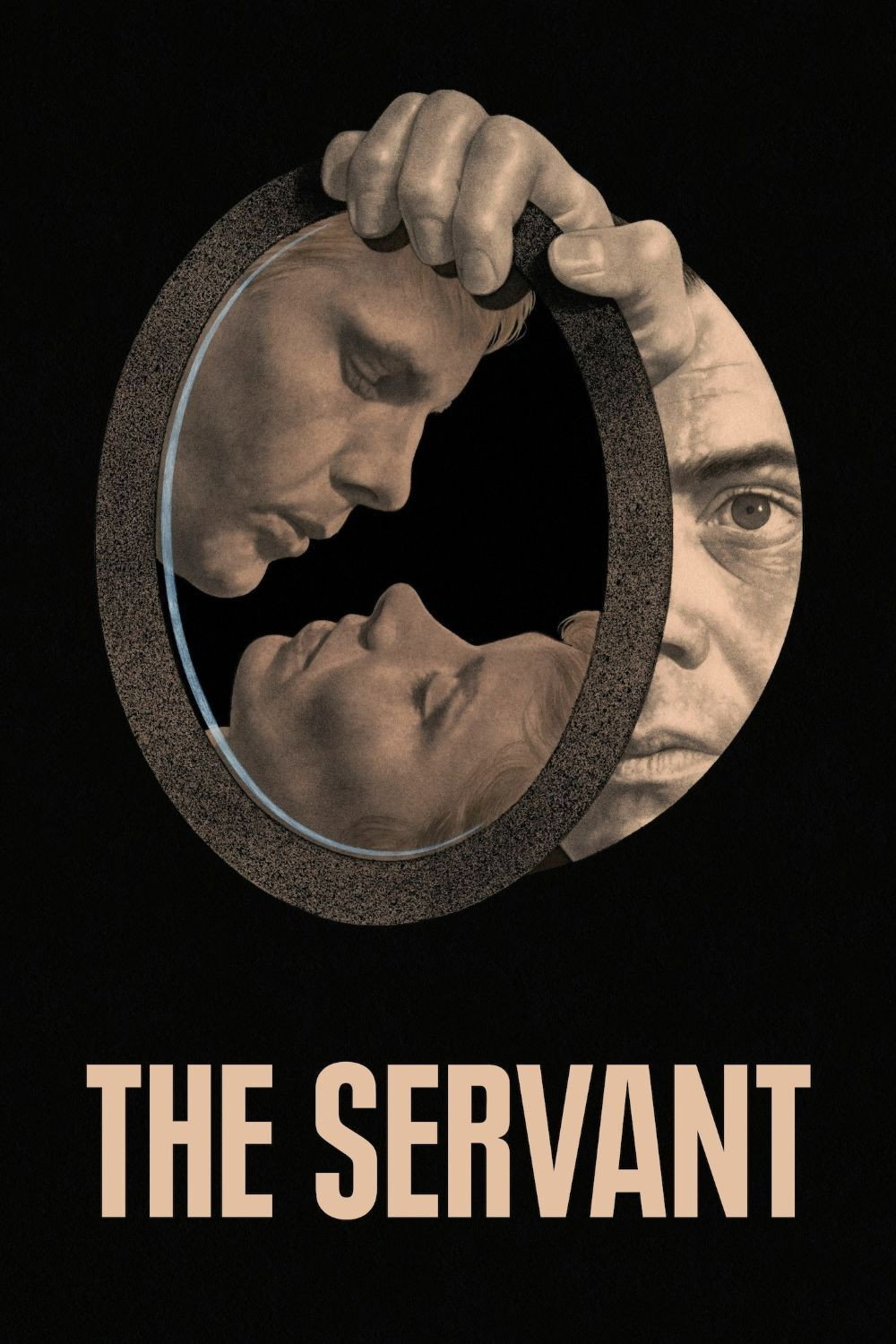
The Servant poster

The Servant

1963 · For another intimate struggle over who gets to give the orders.

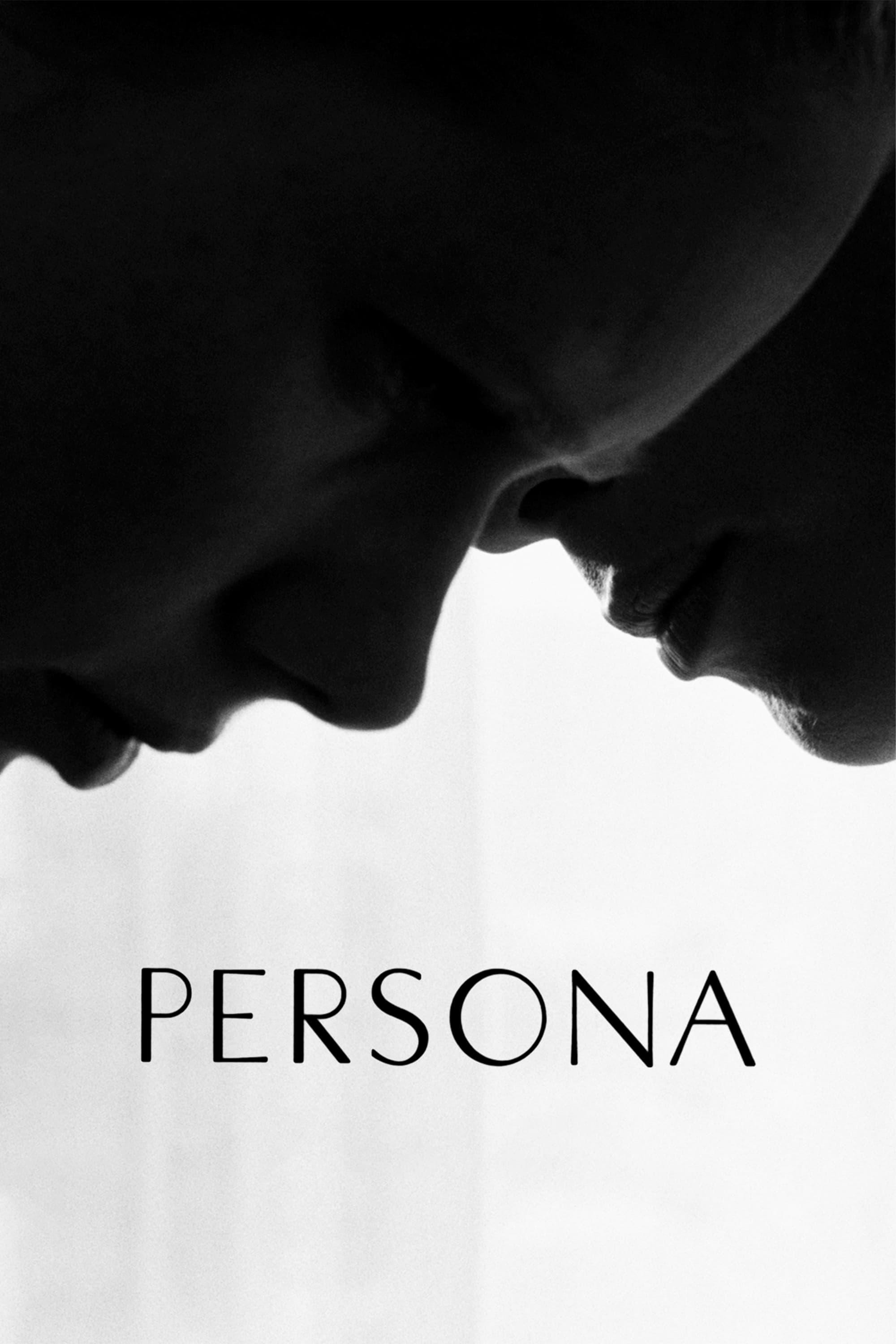
Persona poster

Persona

1966 · Two women and an intimacy that becomes increasingly difficult to bear.

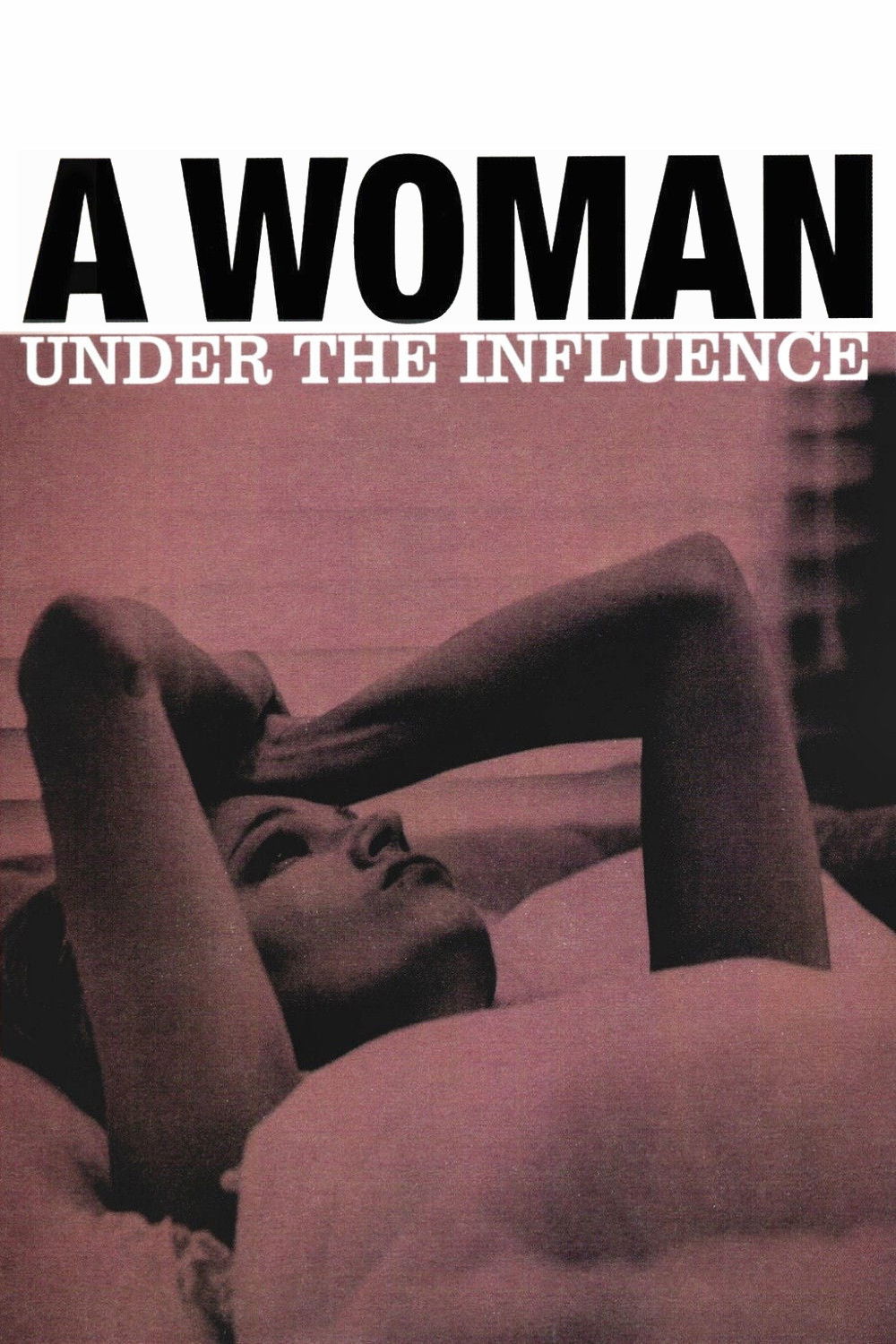
A Woman Under the Influence poster

A Woman Under the Influence

1974 · For a performance that makes ordinary company feel almost physically impossible.

Martha Marcy May Marlene poster84

Martha Marcy May Marlene

2011 · A more direct account of the damage done by a controlling community.

The Disciple poster

The Disciple

2020 · Another pupil discovers how much devotion can demand of a life.