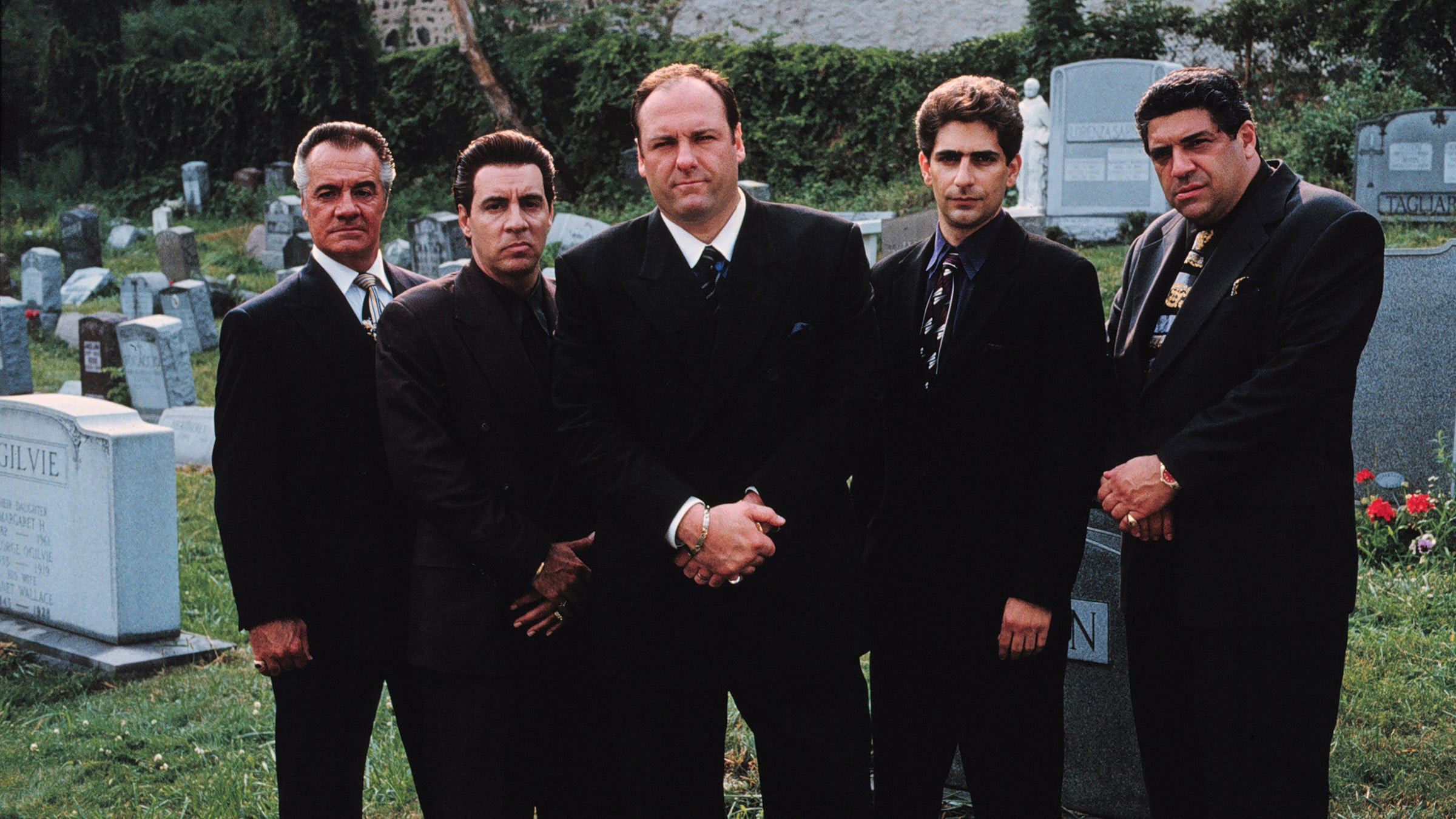
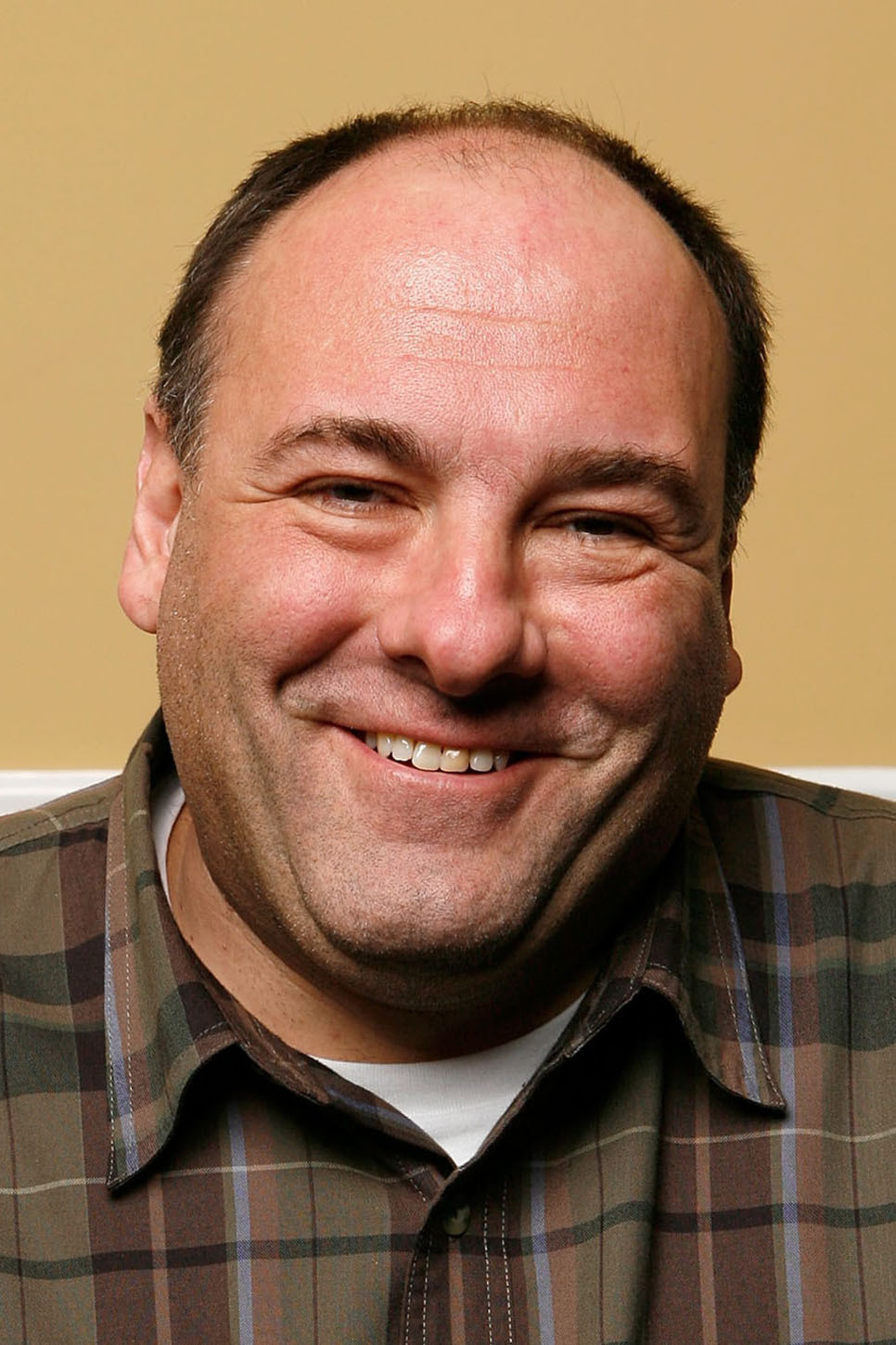
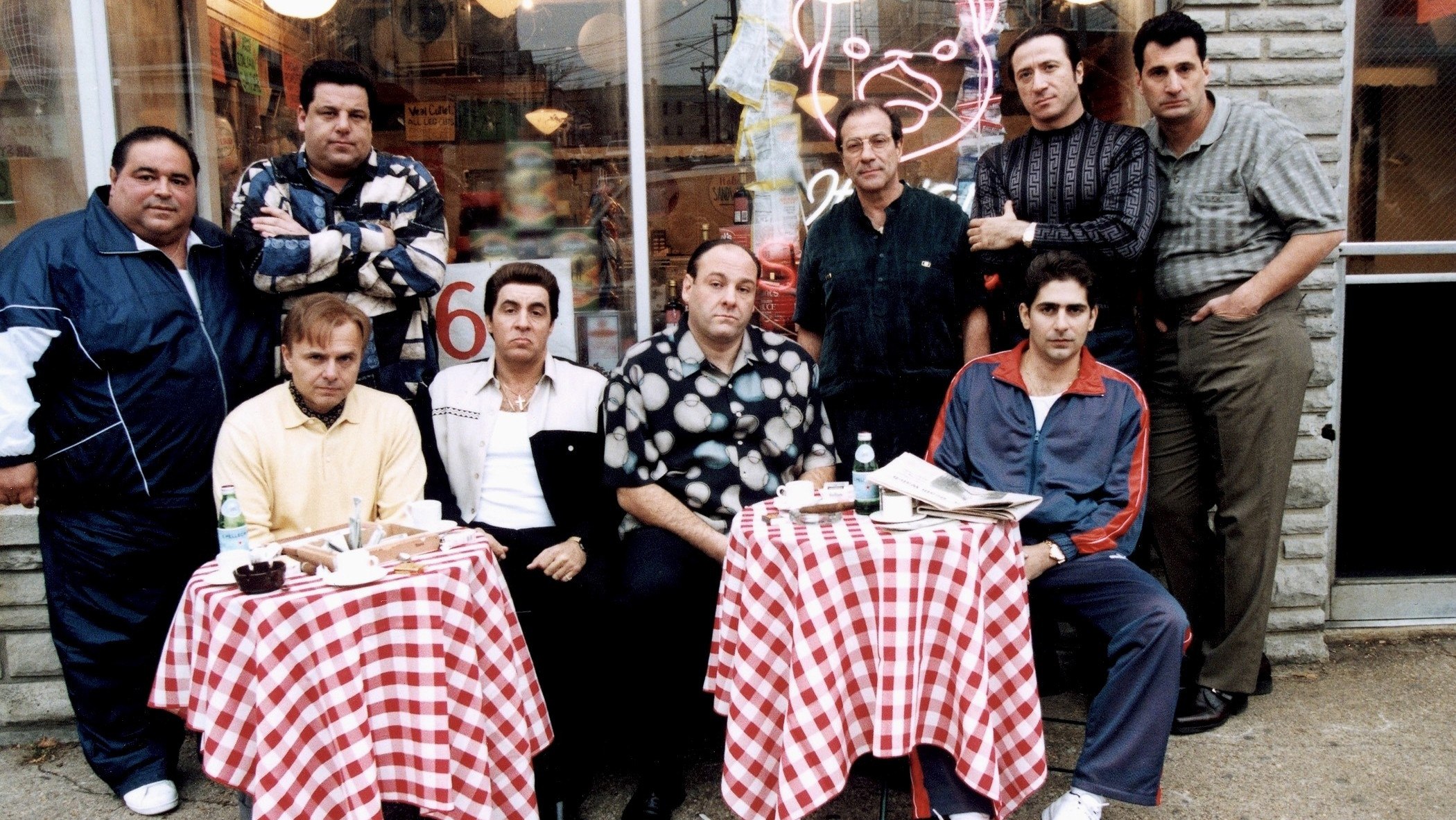
James Gandolfini makes The Sopranos funny, frightening and painfully recognisable. We recommend it without hesitation, though its fascination with Tony’s grievances occasionally gives those grievances more time than they deserve.
We would recommend The Sopranos even to people who usually avoid crime drama. It begins with a gangster’s anxiety attacks and therapy, a premise that could have sustained a rather thin joke. David Chase and his fellow writers take the distress seriously without accepting Tony Soprano’s account of himself. The result is funny, often distressing television that makes us listen to excuses we would rather dismiss, because James Gandolfini makes the man offering them so persuasive.
Gandolfini lets Tony be needy in ways that are both embarrassing and recognisable. His complaints in therapy carry the affronted certainty of someone who cannot understand why having power has failed to make him comfortable. We laughed at his self-pity, then felt uneasy about how readily we had taken his side. The injured tone is funny enough to distract us, briefly, from what he is excusing. Even when Tony sounds wounded, we keep wondering who will have to put up with his anger afterwards.
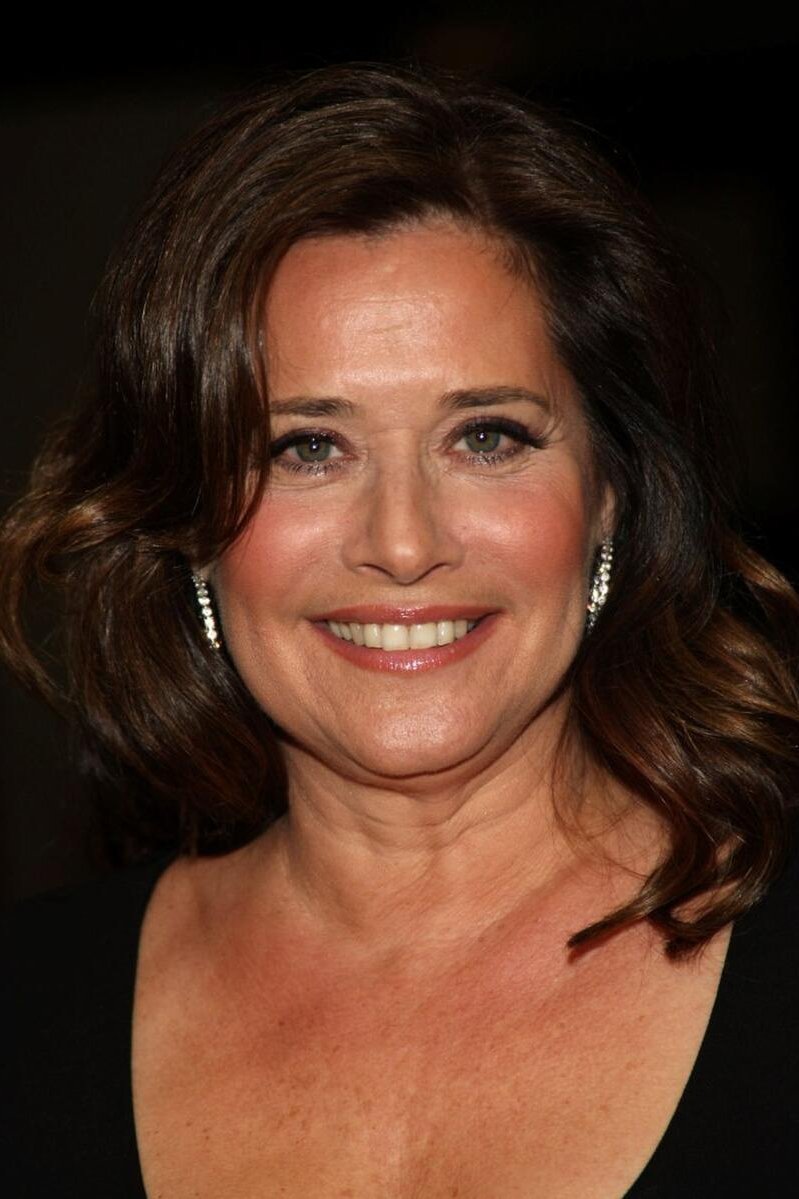
Edie Falco’s Carmela gives us good reason to stop indulging him. Falco makes her affection persuasive even when her patience looks thoroughly used up, and she remains worth watching when Tony is demanding attention. Her presence makes the domestic drama as absorbing as the criminal business. Lorraine Bracco gives Jennifer Melfi an attentiveness that makes his evasions harder to ignore. Both actors make listening active, so that a conversation can change direction before anyone has raised their voice.
Alik Sakharov and Phil Abraham’s cinematography keeps the conversations visually tense without insisting that somebody reach for a weapon. We can watch a face and wonder what has been left unsaid. Bob Shaw’s production design is particularly effective in making family life feel established before a scene begins. We accept the domestic spaces as places these people inhabit, and so the family scenes never feel like delays before the crime story resumes.
Editor Sidney Wolinsky gives the talk enough room for an excuse to become uncomfortable. We have time to hear what Tony wants accepted and to consider what he is leaving out. The music credited to Adam Levine is most persuasive when it holds back from emphasising sadness already apparent in the acting. The pauses matter as much as the explanations, and the editing has the patience to keep them.
The reservation is repetition. Tony’s complaints can become wearying before the writing has finished examining them, and a scene can make its point some time before it ends. Familiarity with him sometimes buys another hearing for an excuse we have already understood. A little more time away from him would occasionally help. The surrounding cast deserves it, especially Falco, whose reactions can make further explanation unnecessary.
Crime drama often makes ruthlessness attractive simply by giving it efficient people and good lines. Here, the family demands and Tony’s anxiety keep interfering with the pleasure of watching him command attention. Across six seasons, the series gives us ample opportunity to question why we enjoy his company. We recommend taking it slowly enough to notice when sympathy turns into making excuses.