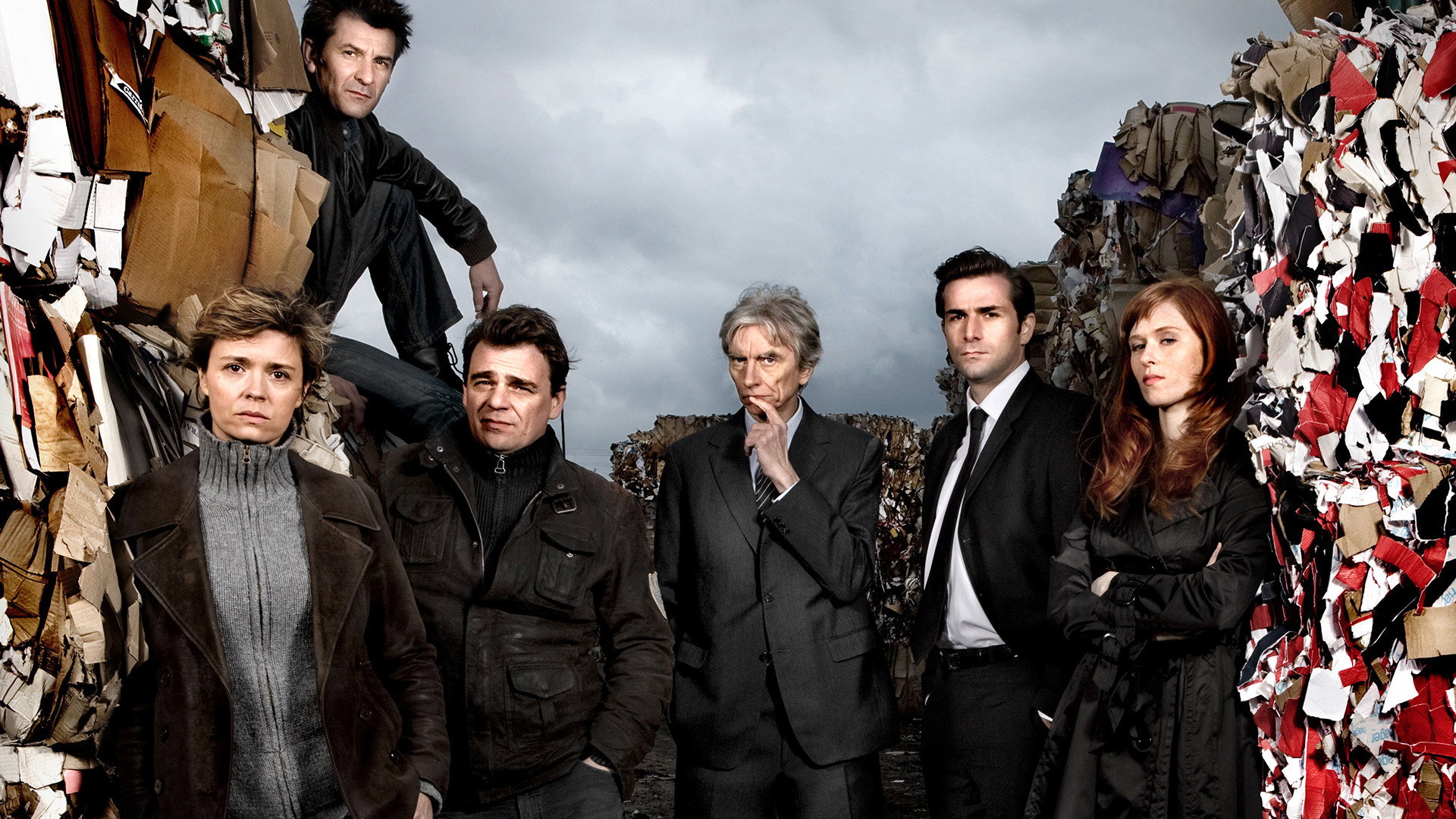
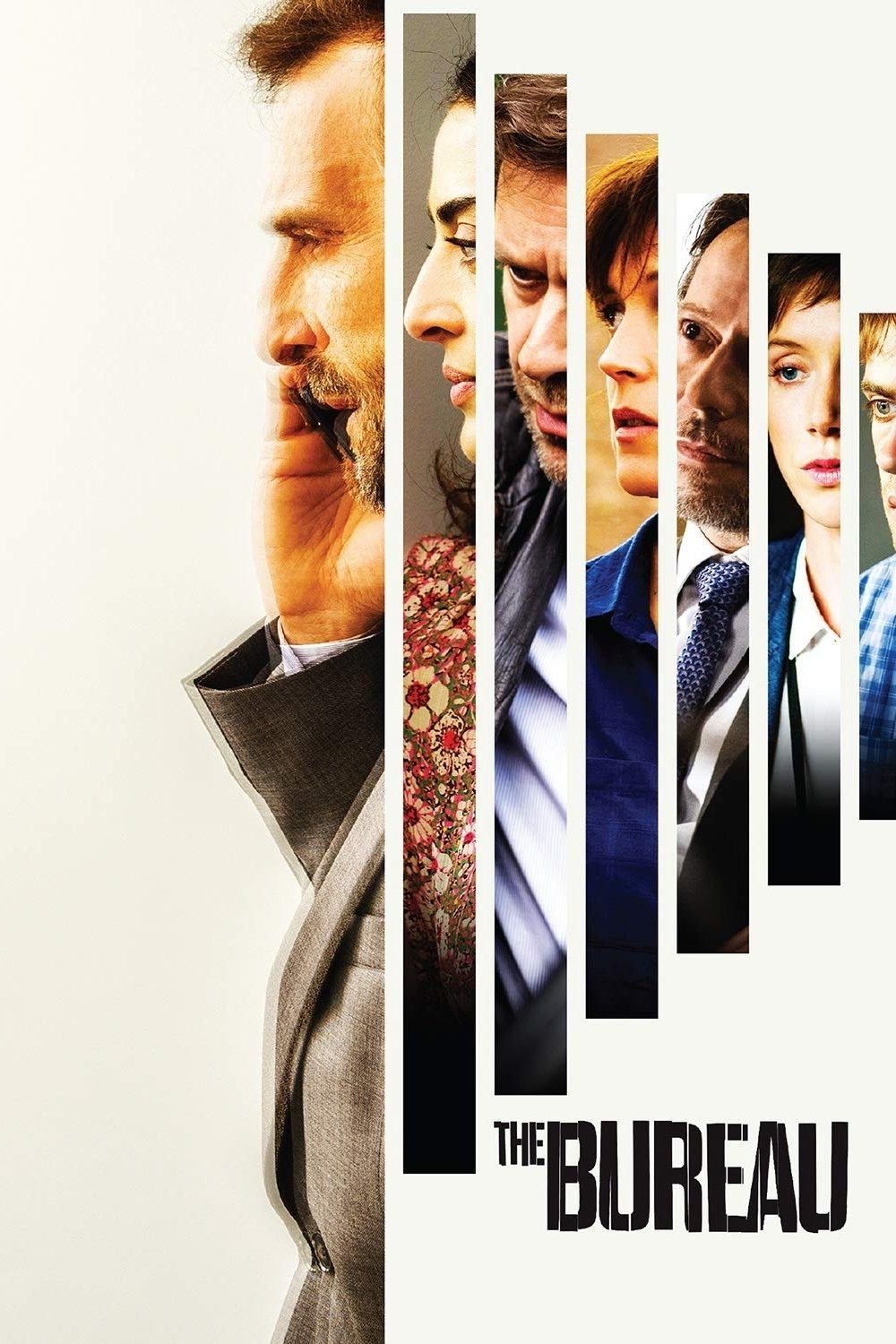
Eight series of French police and courtroom drama, and it earns nearly all of them. Caroline Proust’s Laure Berthaud is one of the great television detectives; the plots knot too tightly and the first run is stiff, but start anyway.
The French title is Engrenages, which means gears, or cogs, and that is the idea. Guy-Patrick Sainderichin and Alexandra Clert built a series in which the police, the prosecutor’s office, the investigating judge and the defence bar are all wheels in the same machine, and every wheel is a little worn. It was first shown on 13 December 2005 and ran to eight series and 86 episodes, ending in 2020. This is a very good series. We recommend it with one caveat, which is that it takes a while to become itself.
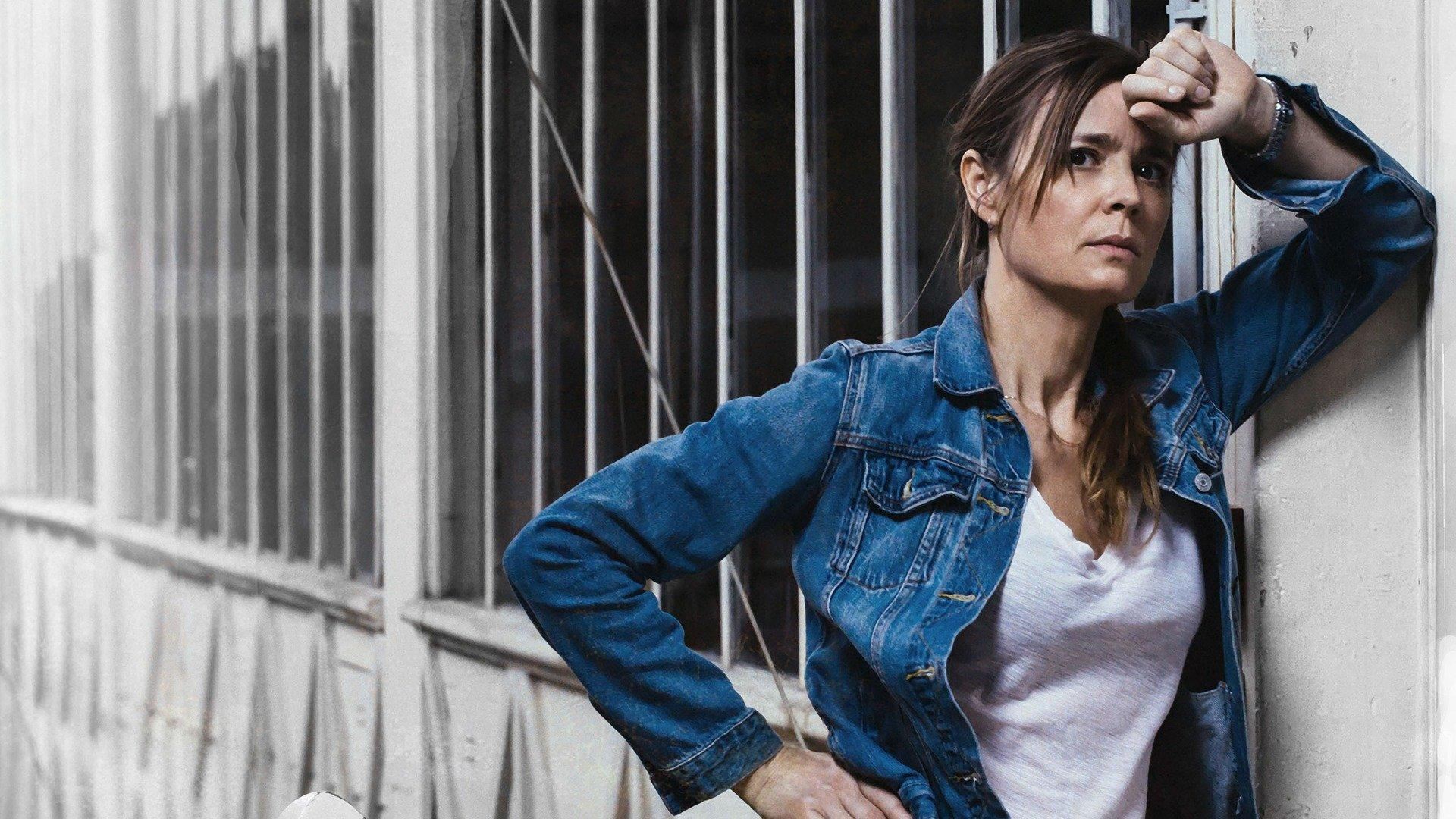
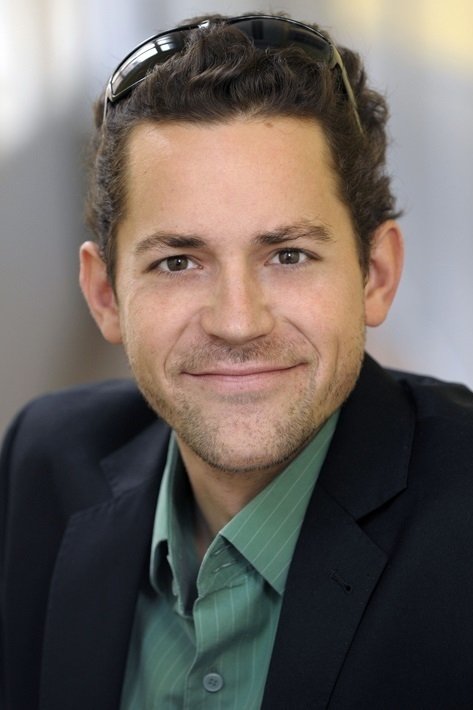
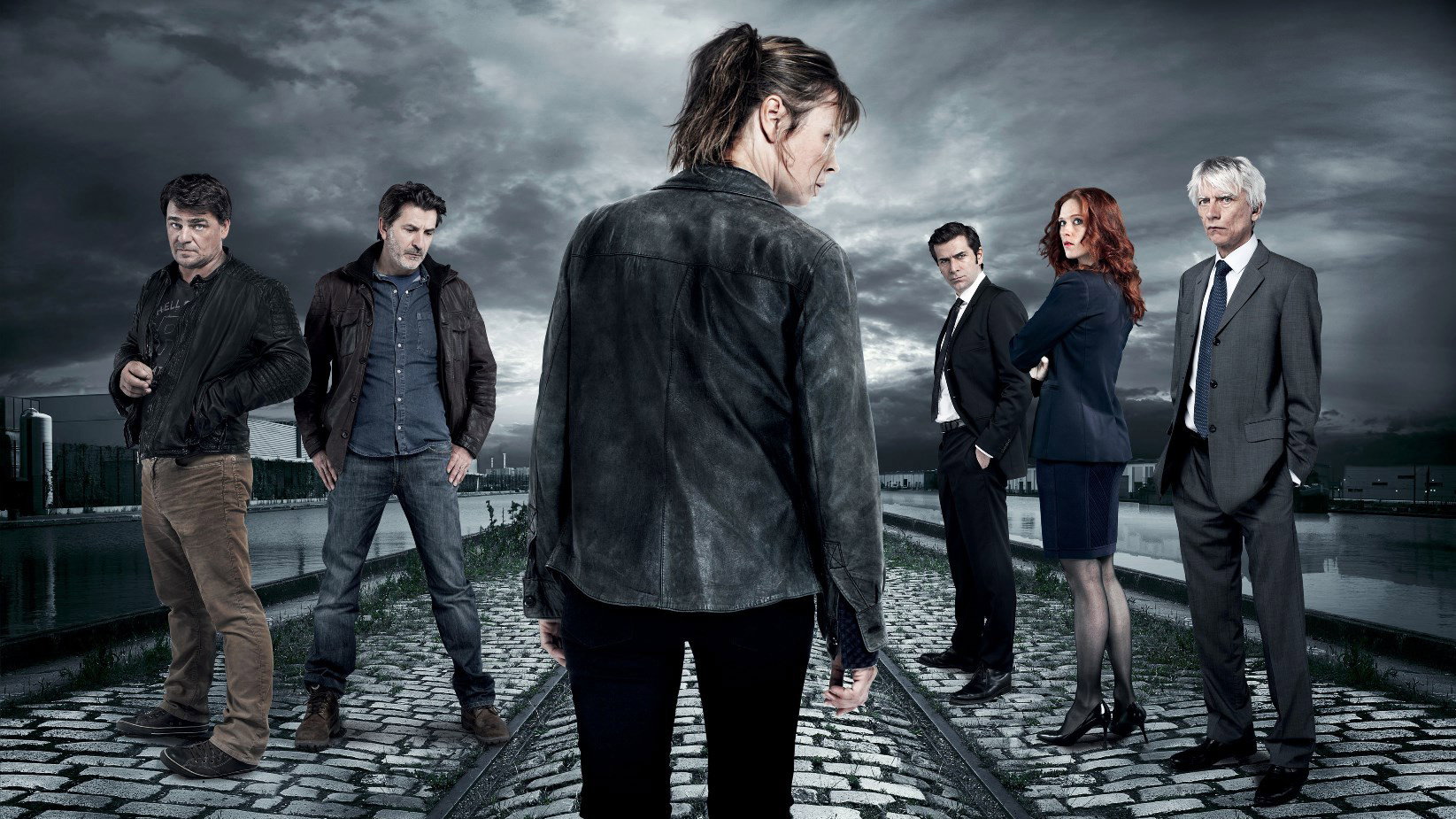
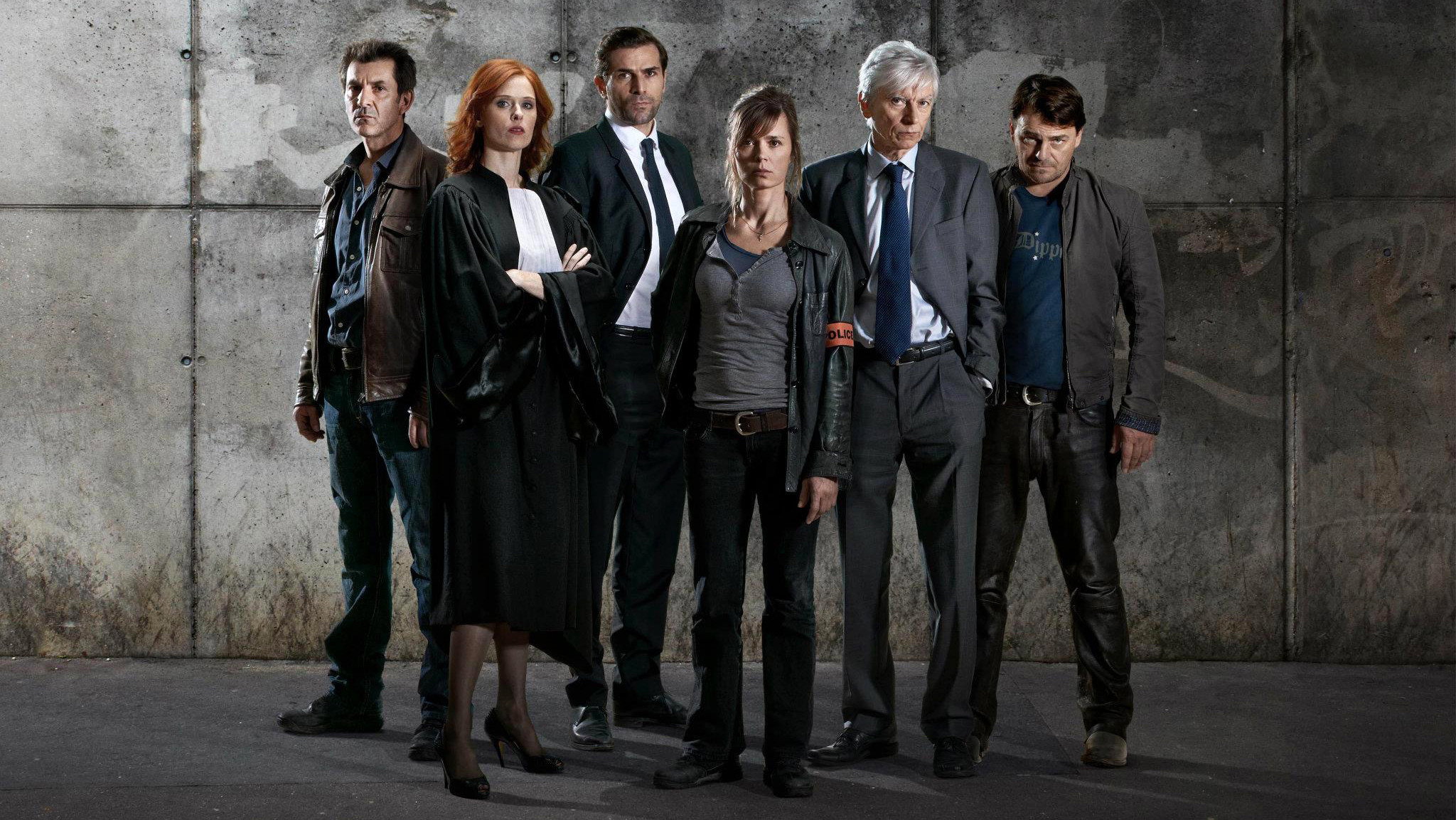
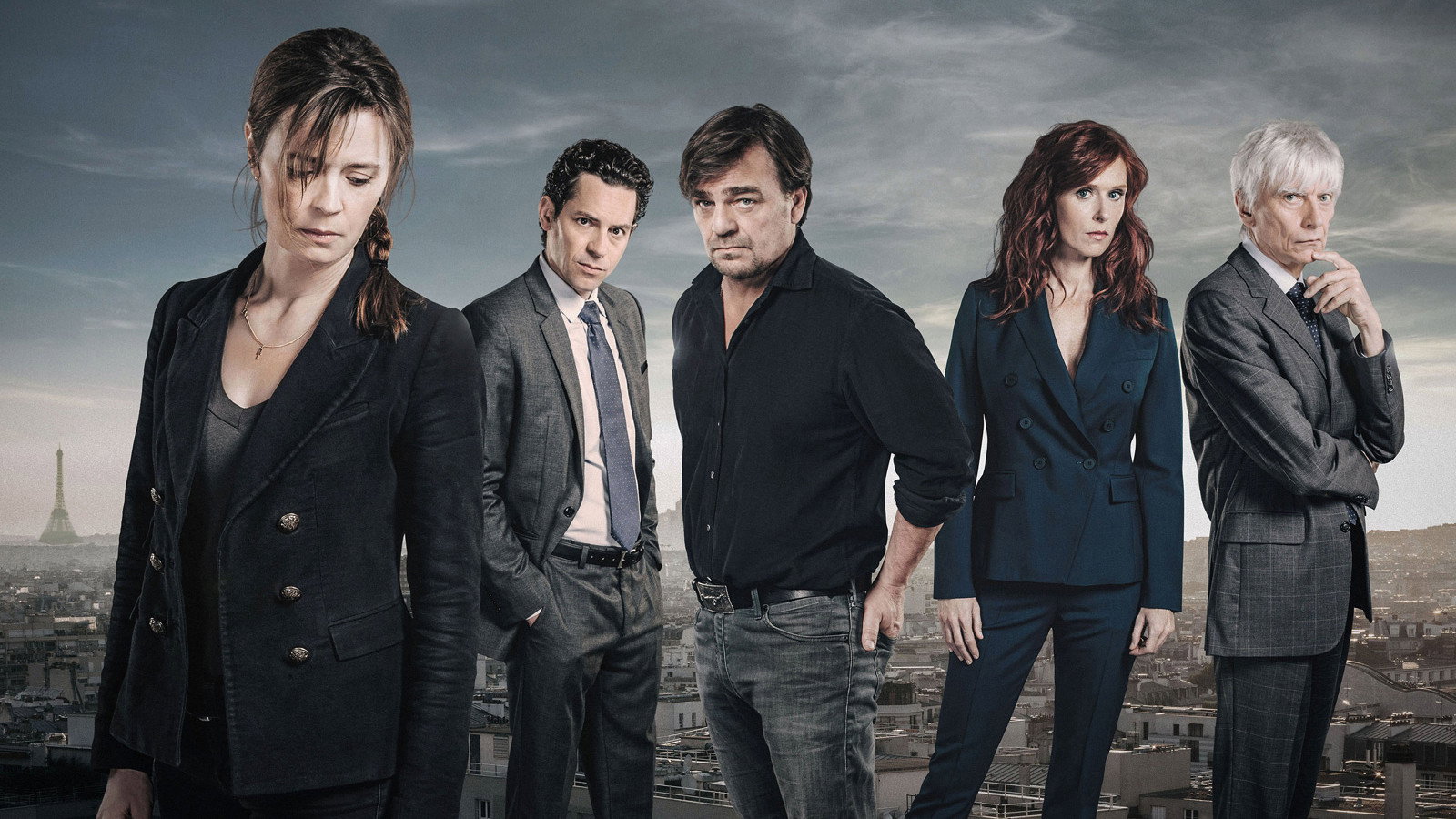
Caroline Proust’s Laure Berthaud is the reason it lasted. She runs a small squad out of a commissariat that looks as if the paint was chosen to hide stains, and she runs it on cigarettes, no sleep and a conviction that the rules are for people who do not have to catch anyone. Proust plays her small and fast, with a walk like someone late for a train. She is a poor manager of her own life and the series never pretends otherwise, and that is why we kept watching: Berthaud is not admirable, she is necessary, and she knows the difference. Thierry Godard’s Gilou is her loyalest officer and her worst influence, a big, warm man with a habit he cannot hide from her for long. Fred Bianconi’s Tintin is the one who goes home to a family, and the series uses him to show what the other two have given up.
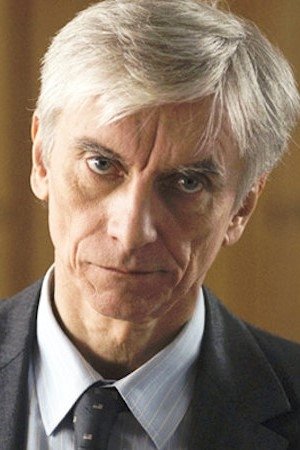
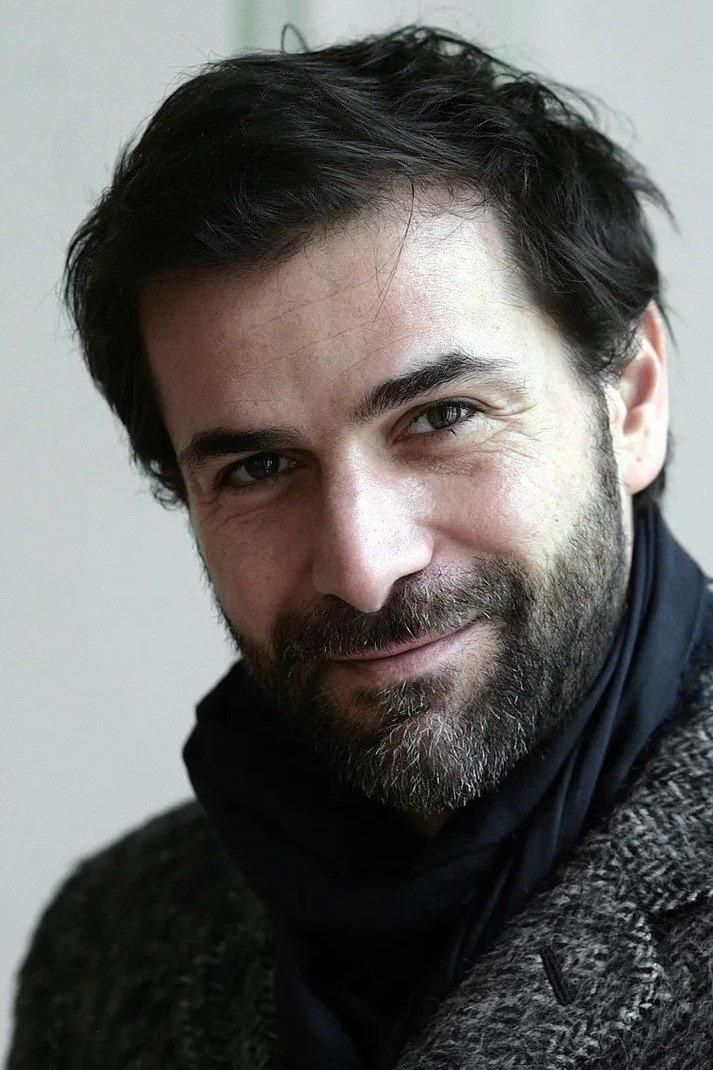
The legal side is what makes it unusual. Philippe Duclos plays Judge François Roban, an investigating magistrate with the manner of a tired schoolmaster and the tenacity of a terrier. He is the moral centre and the series knows it; his scenes are quieter than anyone’s and we leaned forward for them. Grégory Fitoussi’s Pierre Clément is the young prosecutor whose ideals are tested from his first week. And Audrey Fleurot’s Joséphine Karlsson is the lawyer, red-haired, beautifully dressed, and prepared to defend anyone whose money is good. Fleurot plays her without asking for sympathy and gets it anyway, in flashes, when a client turns out to be worse than she is.
Pascal Chaumeil and Philippe Triboit directed early episodes and set a look that the series kept: handheld camera, close on faces, a Paris of grey-green light, ring roads, estates and windowless offices. There is not a boulevard in sight. The music is sparse and mostly stays out of the way. What we were not prepared for was the bodies. The series opens on a corpse whose face has been destroyed, and the camera holds on it in the pathology lab while people talk over it about procedure. We were horrified, and we were meant to be; it is the series telling us that the people who do this work look at these things and then go to lunch. It earns its 18 certificate honestly.
The flaws are real. Each run of episodes carries a main case, usually a body, and a set of political or judicial threads that cross it, and by the eighth episode the threads have knotted so tightly that we sometimes lost hold of who was blackmailing whom and why. The first series is the weakest: the acting has not settled, Clément’s idealism is written too plainly, and the story of a dead woman with powerful friends is one the genre has told many times. Karlsson’s strand repeats itself across the years; she compromises, she suffers, she finds a new client. The cast turns over in the later runs, and while Tewfik Jallab’s Ali Amrani and Valentin Merlet’s Commissaire Beckriche settle in, the squad room is never quite the same.
Most critics have compared it to The Wire (2002), and we see why: both are about institutions and both trust the viewer to keep up. But Spiral is closer to the old-fashioned police procedural than that comparison suggests. It has a body every series and it solves the case. What it adds is the French system itself, in which a judge investigates and the police answer to him, and the series treats that system as a character, slow, compromised and occasionally just.
Watch it in order, forgive the first eight episodes their stiffness, and expect to be angry at Berthaud roughly once an hour. That is the intended response. Forty-eight minutes an episode, and it does not waste many of them.