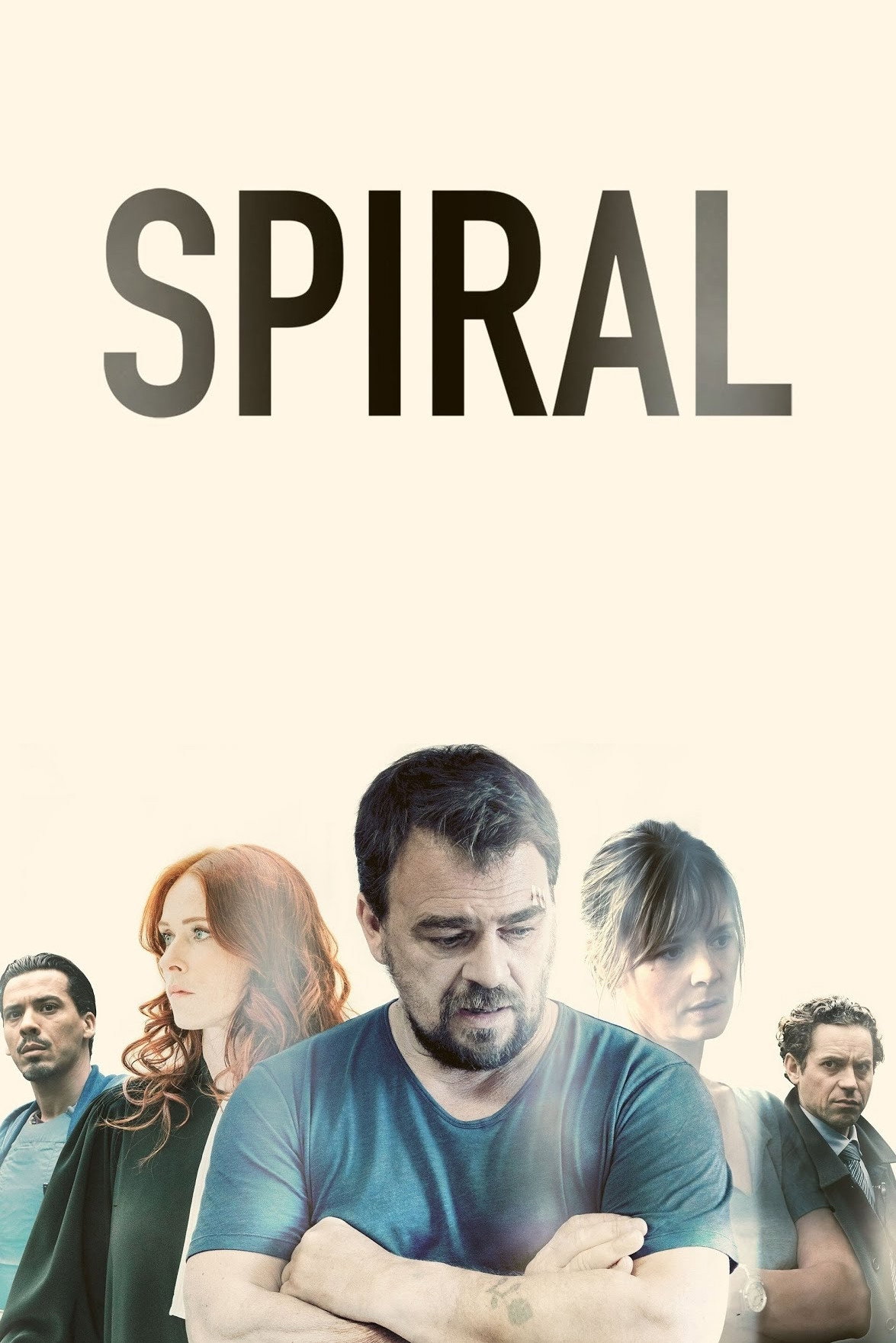
Sainderichin wrote the French justice system as a machine and trusted the machine to be the drama. It is why Spiral lasted eight series and why the first of them is stiff; both things are his doing.
Fi1m perspective
A case in Spiral is never anyone's property. It passes from the police to the prosecutor's office, from there to an investigating judge and eventually to the defence bar, and every pair of hands it goes through leaves a mark. That is Guy-Patrick Sainderichin's idea of a plot. He was not much interested in why people are the way they are; he wanted to know what a procedure does to them, and the French title, Engrenages, gears, tells you where his attention lay.
He came to it late and from an odd direction. He trained at IDHEC, shot films for Luc Moullet and wrote criticism for Libération and Cahiers du cinéma in the late 1970s and early 1980s, before turning to screenplays in the middle of that decade with L'Homme aux yeux d'argent (1985) and Buisson ardent (1987). From the 1990s he worked mostly in television police drama, including episodes of Maigret and Navarro, which is where the habit of getting the paperwork right was formed. Then in 2005, with Alexandra Clert, he built Spiral, wrote most of its first series and handed the machine on. It ran to eight series and 86 episodes, ending in 2020.
The habit cuts both ways. Our review called the first run stiff, and we stand by it: we spent several episodes admiring how accurately the system had been drawn and waiting for somebody inside it to become a person. That is the price of a writer who prefers situations to portraits. It is also why the series lasted. Because the institutions were built solidly first, the people who worked in them, Caroline Proust's Laure Berthaud above all, had somewhere real to stand, and she grew into one of the great television detectives. The one complaint that recurs, that later series drifted from procedure towards private lives, is a complaint about a house settling on foundations Sainderichin poured.
He was clear about what the series changed behind the camera. At the time, he said, France had no notion of a showrunner: "Il y avait une sorte de mur entre l'écriture et le plateau", a wall between the writing and the set, and Spiral helped take it down. The rest of the work is smaller and stranger: acting parts in Olivier Assayas's Irma Vep (1996) and Mia Hansen-Løve's Father of My Children (2009), three films with each director, and a novel, Société Monte-Cristo, in 2022. Start Spiral from the beginning, and when the first run feels like a briefing, remember that the briefing is the point.
Biography
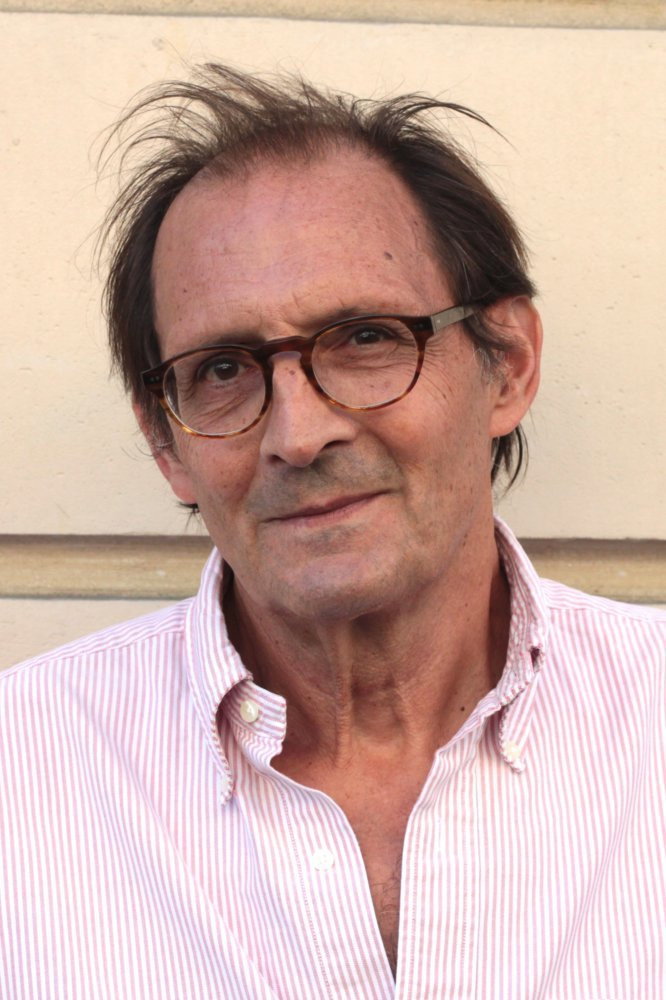
Guy-Patrick Sainderichin was a French screenwriter and actor. Born on 9 July 1950 in Piégut-Pluviers, he graduated from the Institut des hautes études cinématographiques in 1975 and wrote scripts for films and television series including Maigret (1996) and Spiral (2005), on which he was credited as creator.
He acted in several films, including Irma Vep (1996), Father of My Children (2009), Goodbye First Love (2011) and Things to Come (2016). Sainderichin died in Paris on 18 August 2025.