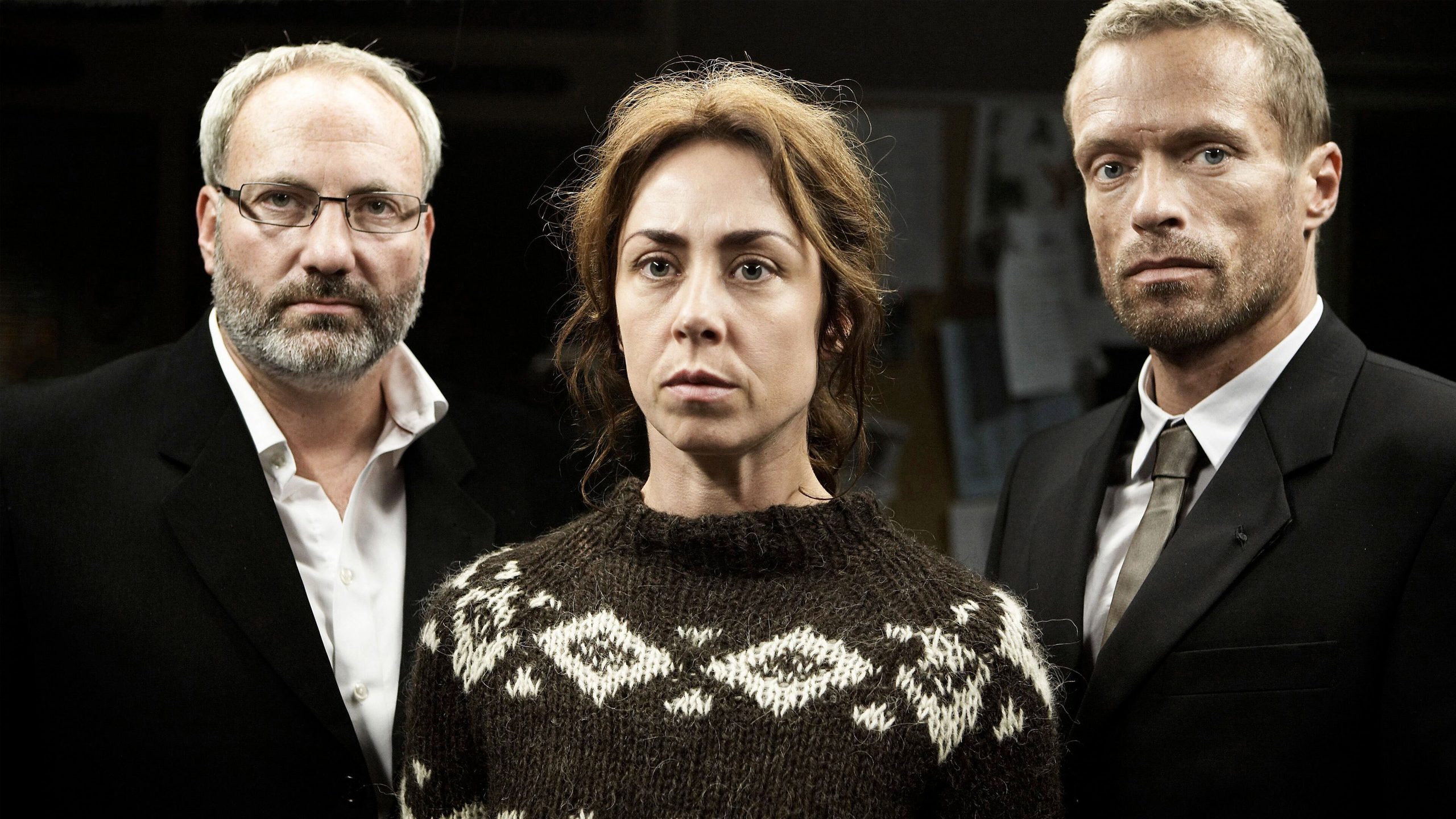
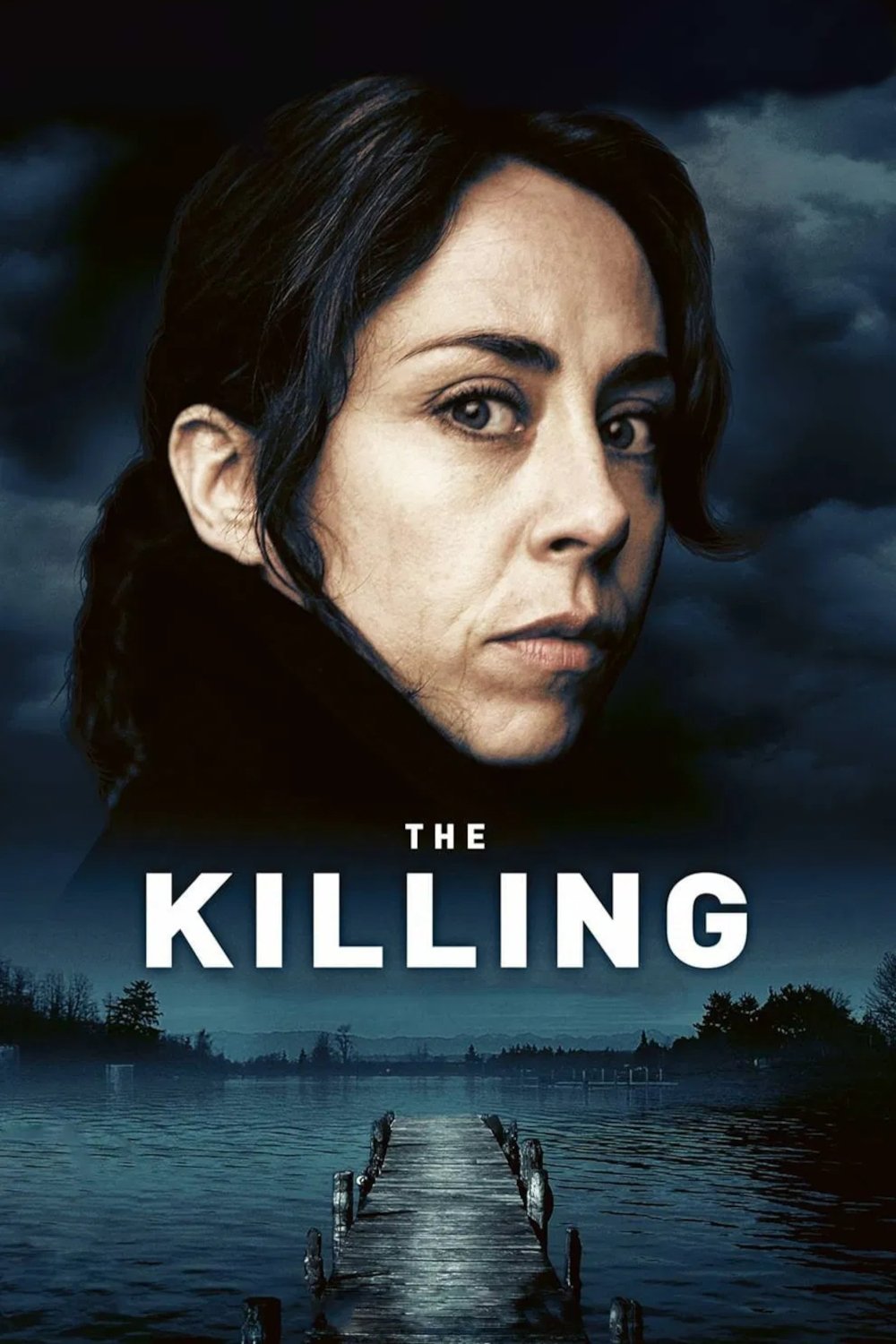
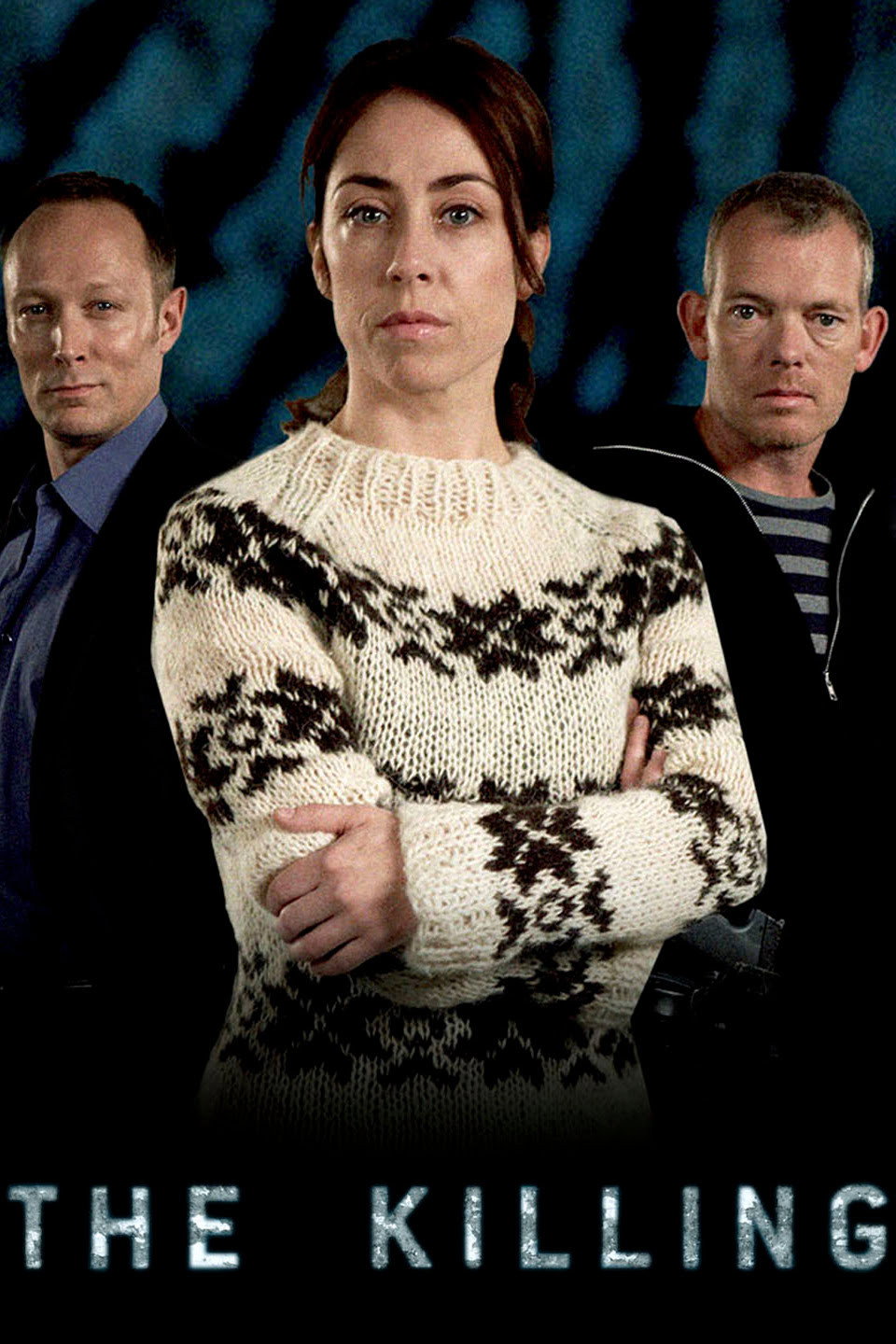
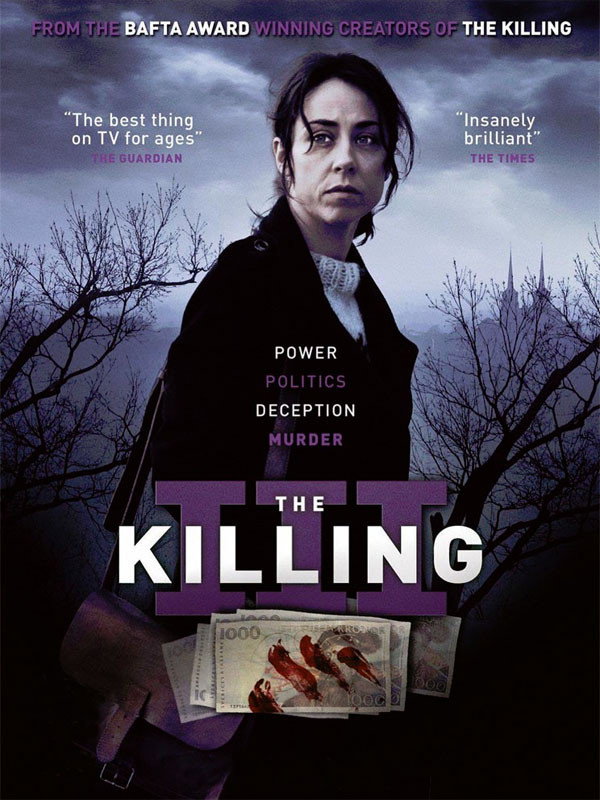
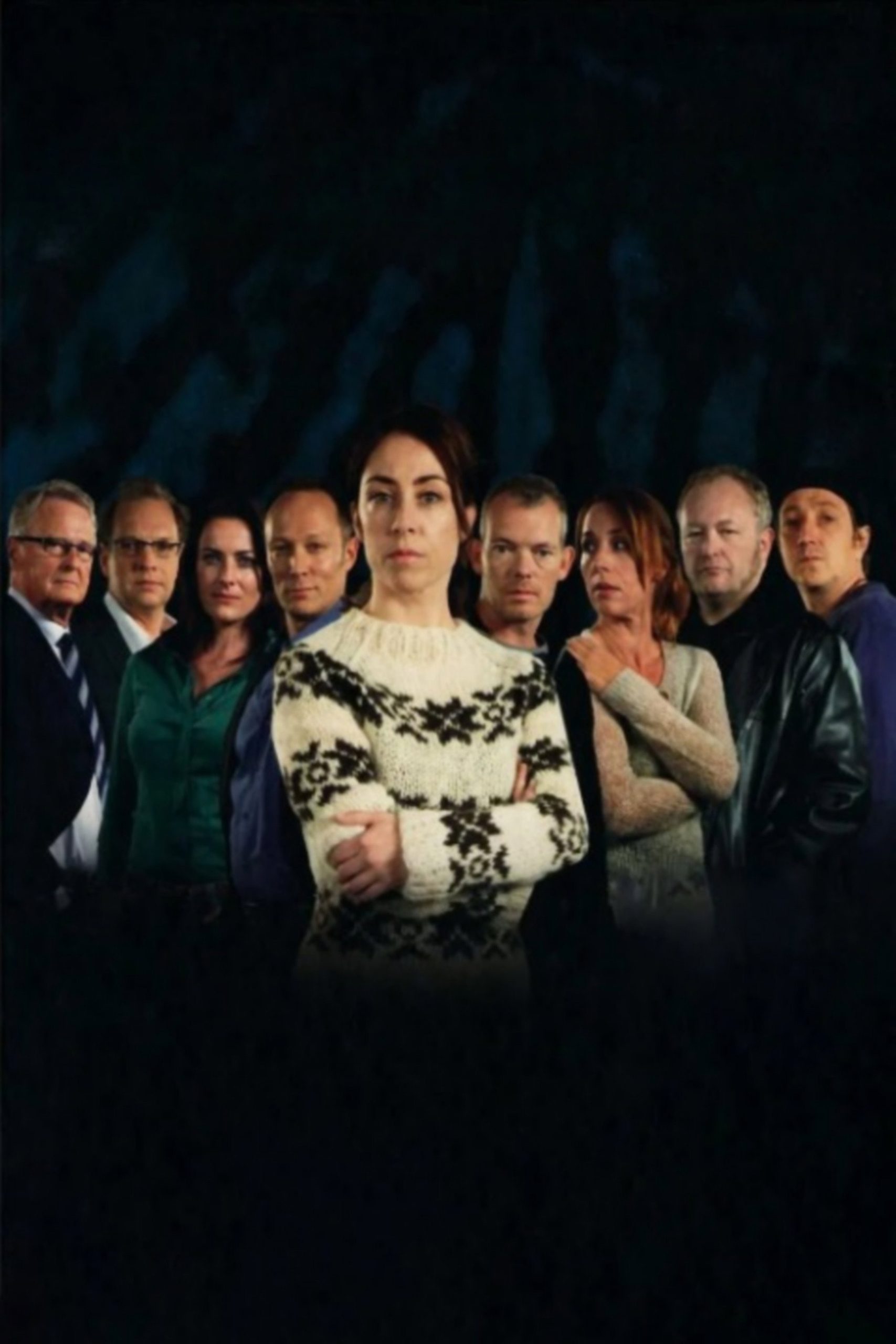
Sofie Gråbøl’s Sarah Lund makes The Killing worth the commitment. Its patient first investigation draws strength from the family stories, though twenty episodes leave the political strand too much room.
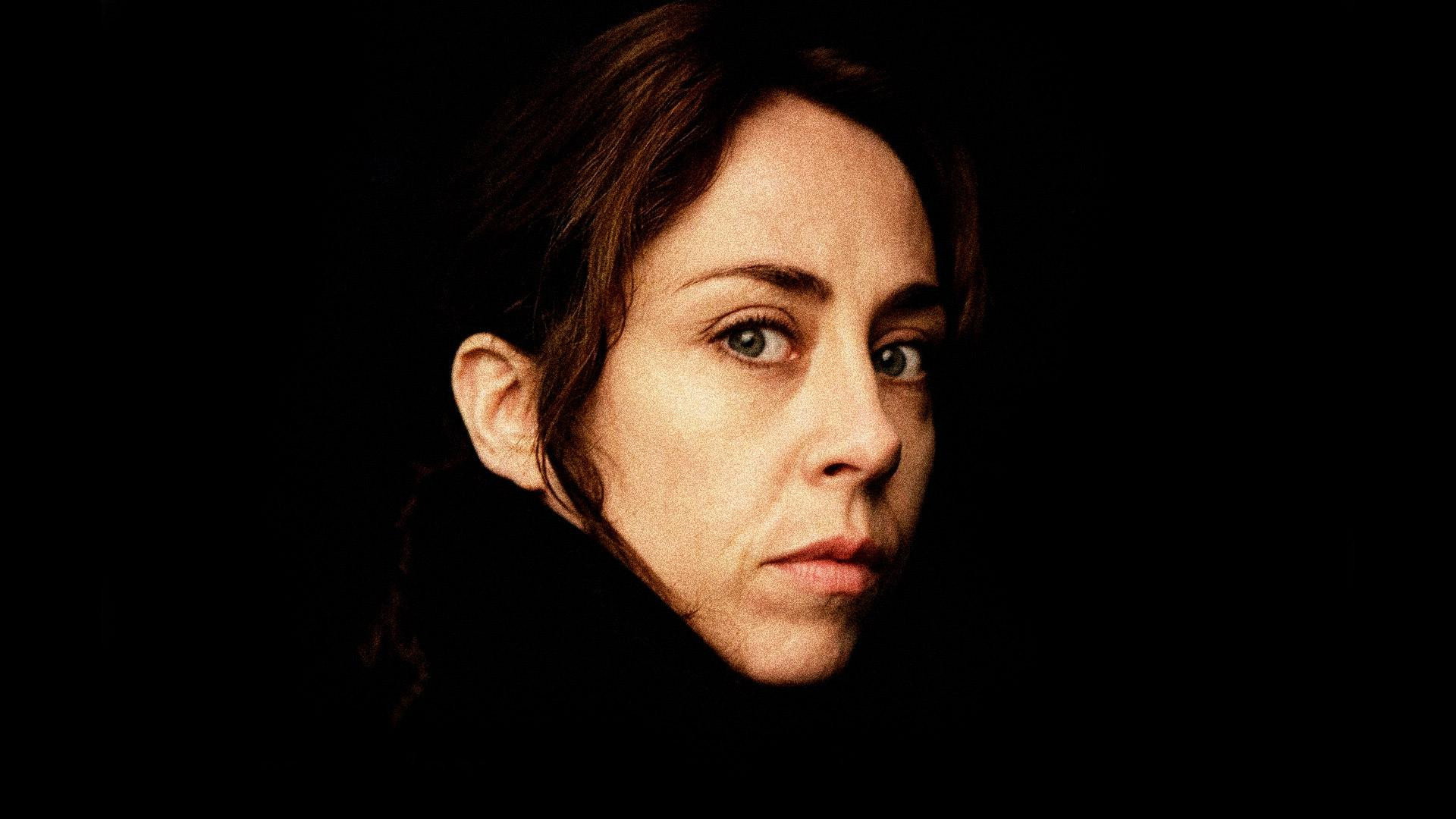
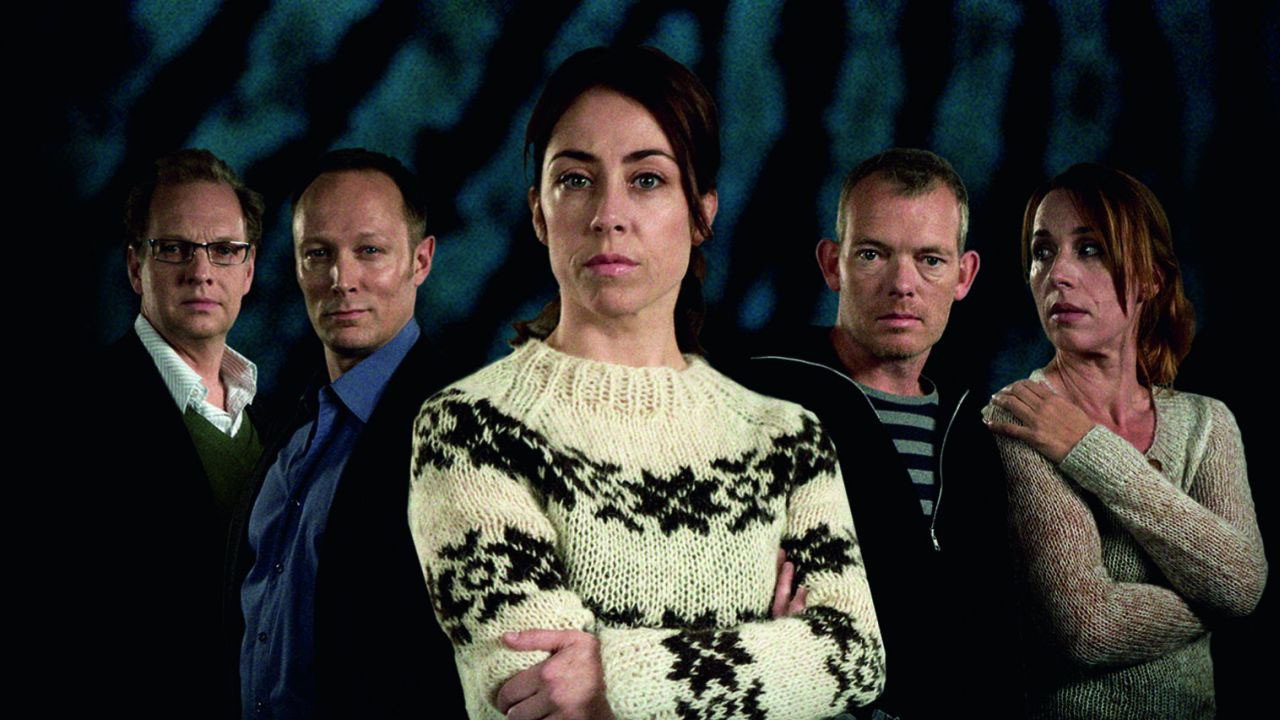
Søren Sveistrup’s The Killing is a crime series worth the time it asks for, with one reservation: it asks for a great deal. Its first series gives a single murder investigation twenty episodes, allowing police work, politics and family life to develop together. The interest comes from how the inquiry affects people as well as from the search for an answer. Sofie Gråbøl’s Sarah Lund gives that long investigation a compelling centre.
Lund is determined and fallible, and Gråbøl makes both qualities matter. Her restraint allows us to stay interested in the detective without assuming that her judgement must be sound. We felt anxious for Lund because her concentration on the case does not protect her from getting things wrong. That is a useful discomfort in a story which asks us to follow her so closely. Gråbøl holds our attention without making every moment an invitation to admire her.
The family and political strands justify much of the time spent away from the police inquiry. People have concerns that extend beyond the immediate business of finding a culprit, and the series allows those concerns to occupy space. That makes the human cost of the investigation harder to put aside once attention returns to the case. The writing is strongest when these different lives make the police work more complicated, rather than simply offering a change of subject.
The editing team, which includes Henrik Fleischer and Kasper Leick, keeps a patient rhythm across these competing interests. There is enough time to attend to the characters, and enough continuity in the inquiry to prevent the wider story from losing its purpose. Frans Bak’s music contributes to the unease, though we would give the performances most of the credit for sustaining it. The pace is deliberate enough to make distracted viewing feel like a poor bargain.
Production designers Jette Lehmann, Charlotte Garnov and Niels Sejer help give the drama a convincing sense of ordinary life. The atmosphere works because it supports our interest in the people rather than constantly competing for attention. Against the crime genre’s appetite for exceptional detectives, the patient attention to a capable woman who can be wrong feels particularly welcome. There is pleasure in watching police work treated as difficult work, with personal and political complications that cannot simply be ignored.
The reservation is about length, and the political strand exposes it most clearly. It is less compelling than Lund’s investigation, and there are stretches when we would rather return to her than spend longer with the wider story. Twenty episodes give characters room to develop, but they also make us conscious of how long an answer can be postponed. Some tightening would preserve the seriousness while reducing the sense of waiting for the case to move on.
That is a caveat worth taking seriously before starting, even though Gråbøl makes the commitment worthwhile. The series rewards an interest in the people affected by an investigation as much as an appetite for solving it. We would recommend it to someone prepared to pay attention, and warn against treating it as agreeable background company. Choose it when a long, demanding mystery sounds like a pleasure.