Sveistrup writes crime the long way round: one body, one detective who says nothing about herself, and twenty episodes in which the murder spreads through a family, a police station and a political campaign. It works, at a cost in time.
Fi1m perspective
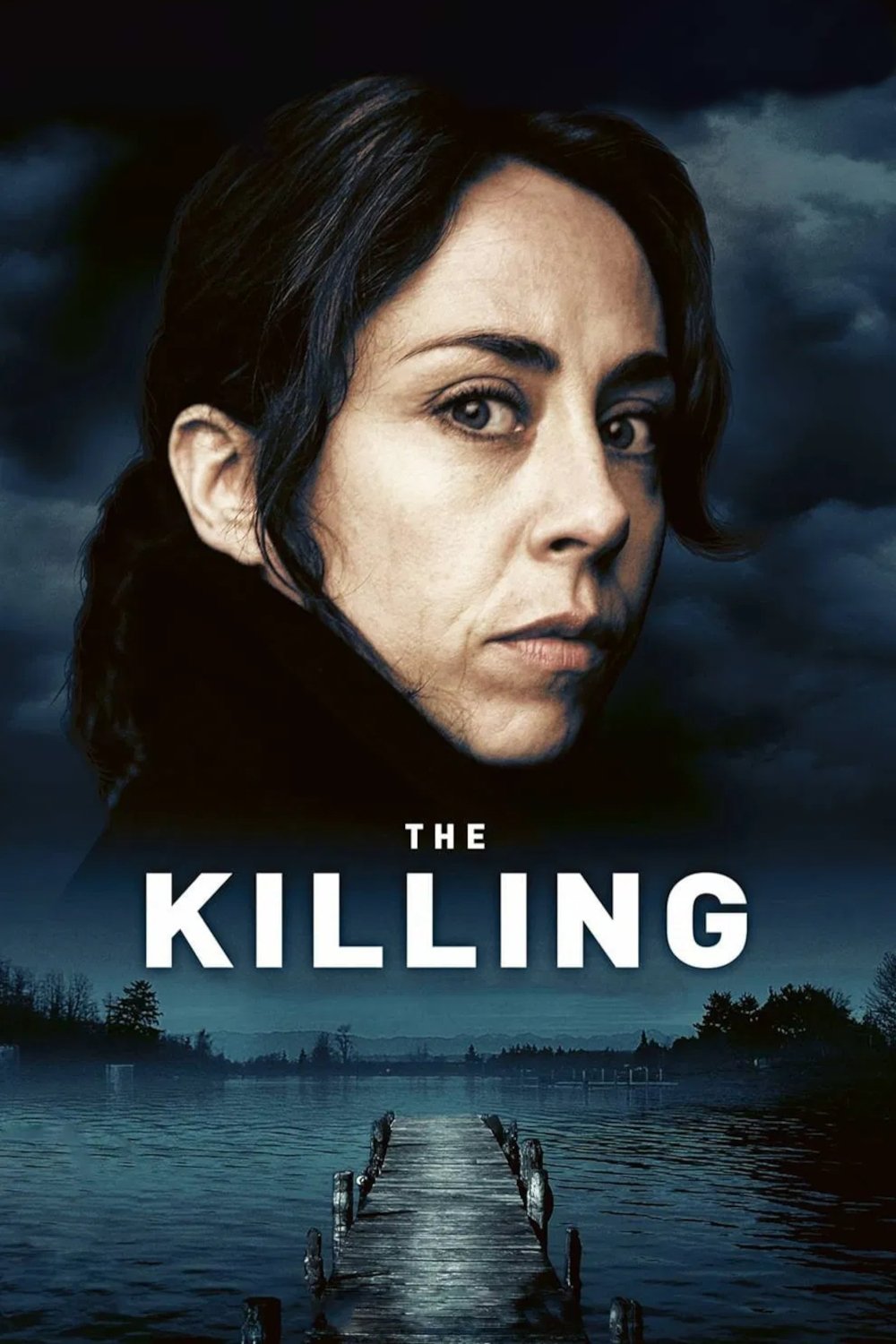
Sarah Lund does not talk about herself. Ask her how she is and she will look at the wall, or at a photograph of the dead, and then go and check something. Sofie Gråbøl plays her with almost nothing, and Søren Sveistrup wrote her that way, taking the type from Clint Eastwood's westerns and from the older detective novels, where the hero's feelings are the one thing never on the page. It is the first thing he does that other crime writers do not: he trusts a lead who will not confide in the audience, and leaves the audience to guess.
The second thing is length. The Killing (2007) gives a single murder twenty episodes, and the crime spreads, as he meant it to, into a family, a police station and a political campaign, until the investigation is doing nearly as much damage as the killing. He has said he was bored with the usual police shows and "wanted it to be one killing uniting some characters living in a city." The family scenes are where that pays off. We were more upset by the people the murder had happened to than by the murder itself, because Sveistrup keeps going back to them long after another series would have cut away, and lets grief go on being ordinary and inconvenient. The politics are where the length shows: twenty episodes gives that strand more room than it knows what to do with.
He had been working towards this for a decade. There were episodes of TAXA (1997) and Hotellet (2000), then the head writer's chair on Nikolaj og Julie (2002), which made his name at home before The Killing made it abroad. The Killing ran three series to 2012 and was sold and remade elsewhere. He then wrote two feature screenplays, The Day Will Come (2016) and The Snowman (2017), which we have not reviewed, and in 2014 co-founded SAM Productions with the producer Meta Louise Foldager Sørensen. Since then he has written novels: The Chestnut Man (2018), adapted in 2021 as a series he ran as head writer, and Hide and Seek (2024), which became its second series.
The reservation is tone. Everything he writes is dark. He has argued that Nordic noir must be about emotion rather than blood, and he is right, but the emotion in his work is always fear or grief, and a whole career in one colour is a lot to ask of a viewer. We would like to see him write a room in which nobody is bereaved.
Start with the first series of The Killing, which is the case for him, and clear the week. Having decided that twenty episodes was about the right length for one murder, he has since moved to a form with no episode count at all.
Biography
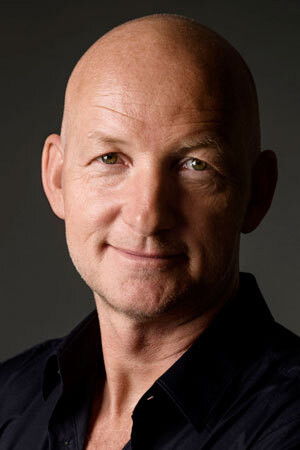
Søren Sveistrup is a Danish screenwriter and author. He studied literature and history at the University of Copenhagen and graduated as a scriptwriter from the National Film School of Denmark in 1997.
He created and wrote the crime series The Killing (2007–2012), which won a BAFTA Award for Best International Television Series and was sold to more than 100 countries. His other screen credits include the series Nikolaj og Julie (2002–2003), which received an International Emmy Award, and the feature films The Day Will Come (2016) and The Snowman (2017).
Sveistrup’s debut novel The Chestnut Man was published in 2018 and adapted into a Netflix series in 2021, for which he served as head writer. He co-founded the production company SAM Productions in 2014.