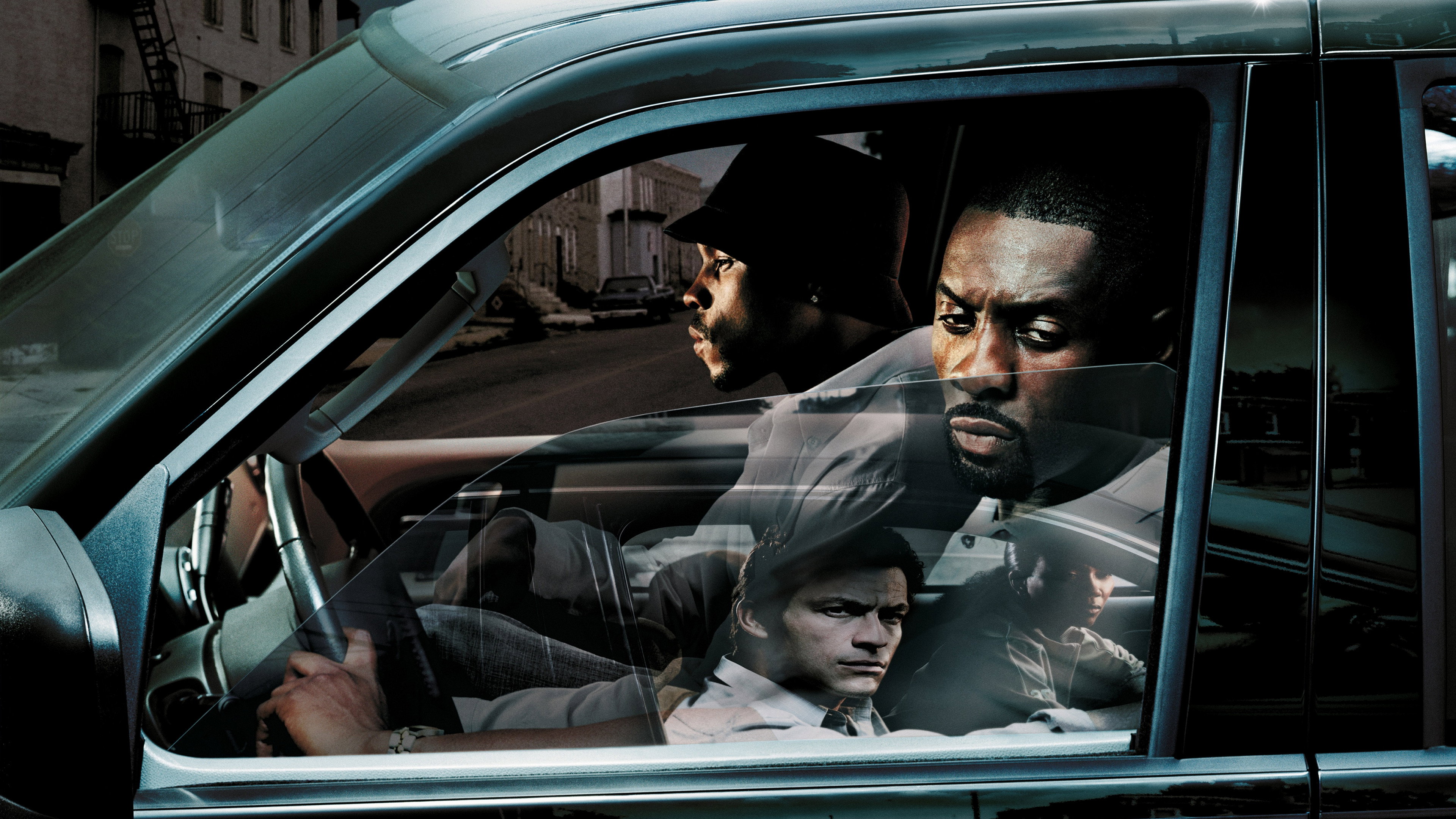
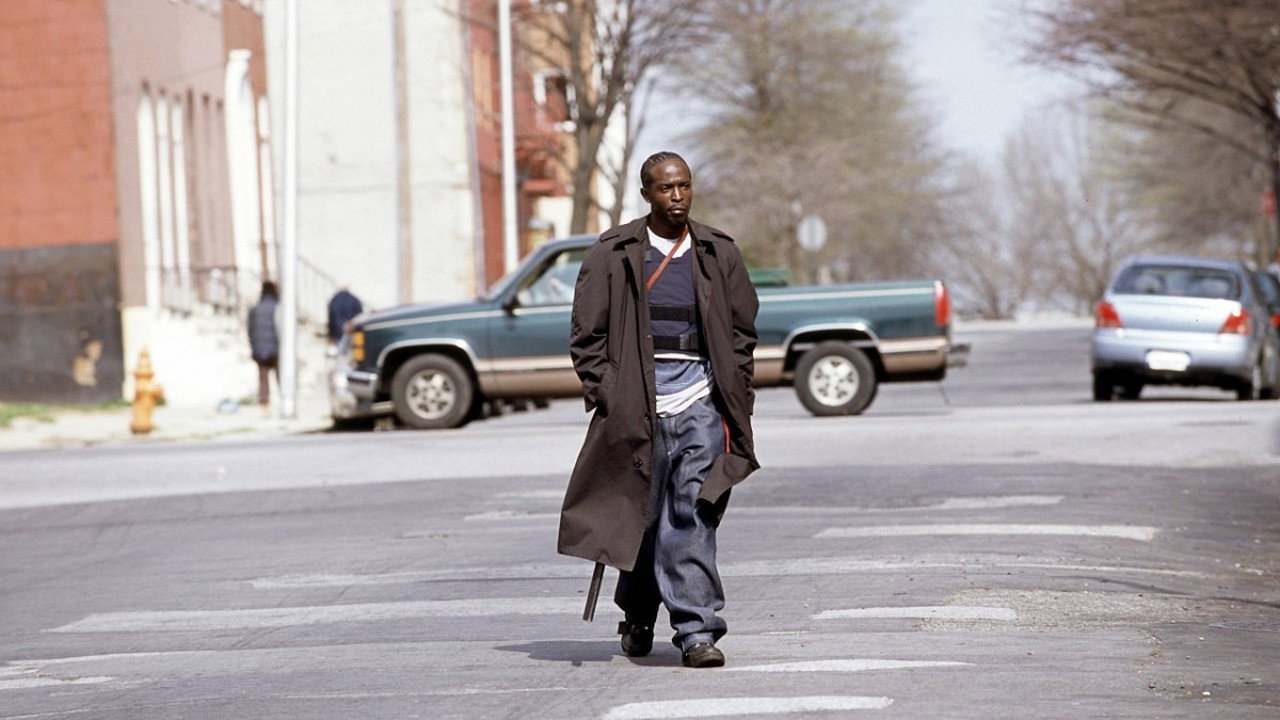
We would recommend The Wire even to people who usually avoid police dramas. Its Baltimore drug war is absorbing, humane and sometimes exhausting, with departmental politics given the weight other programmes reserve for gunfire.
The Wire asks us to follow the work: who wants something done, who can authorise it and who would prefer that nobody bothered. David Simon and Ed Burns write about police and criminals as people with jobs, ambitions and organisations to answer to. That makes for an absorbing crime drama, and one we would recommend well beyond the usual audience for police stories. It requires attention from the start, but the detail has a purpose. We learn enough about how these people work to understand what they are up against.
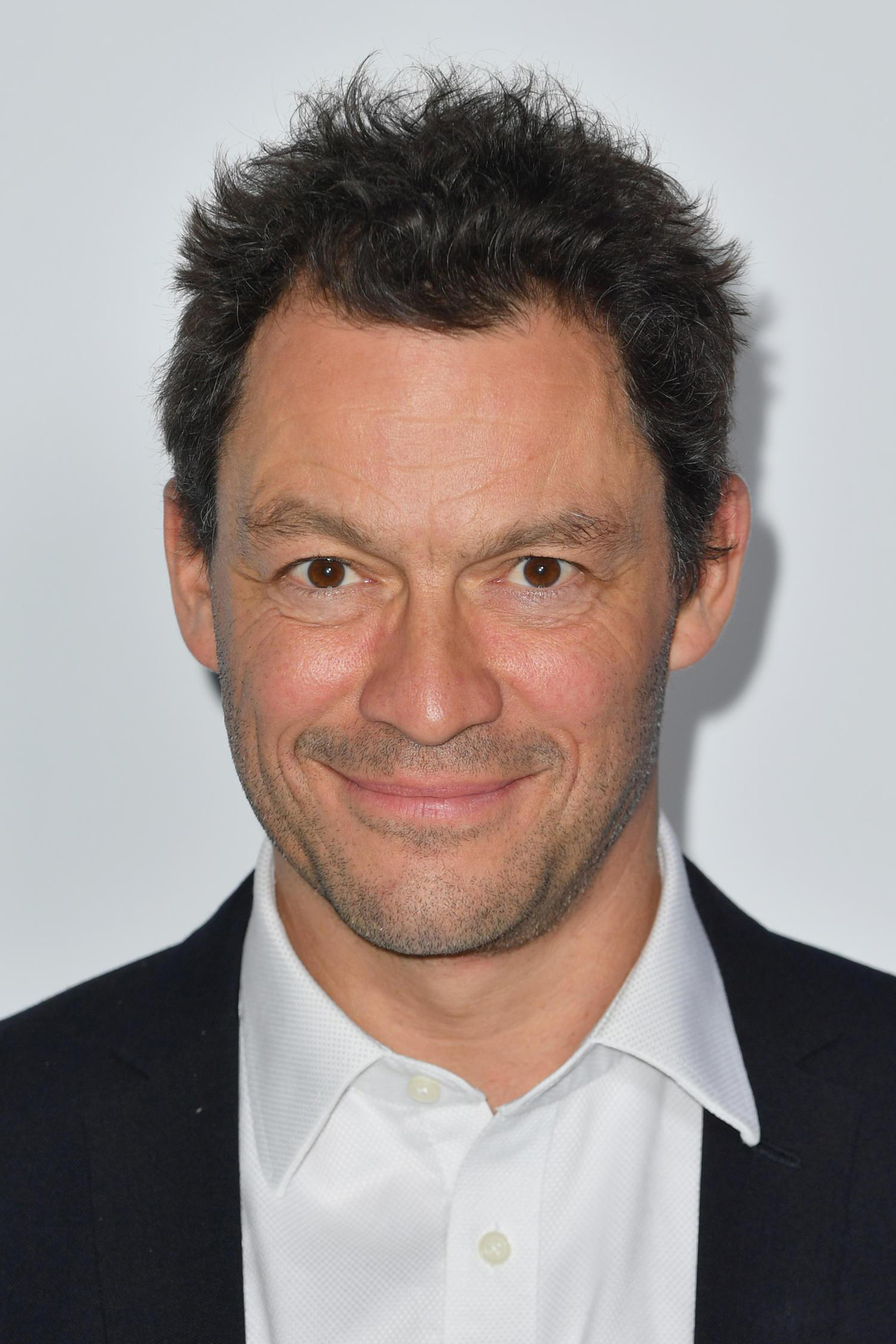
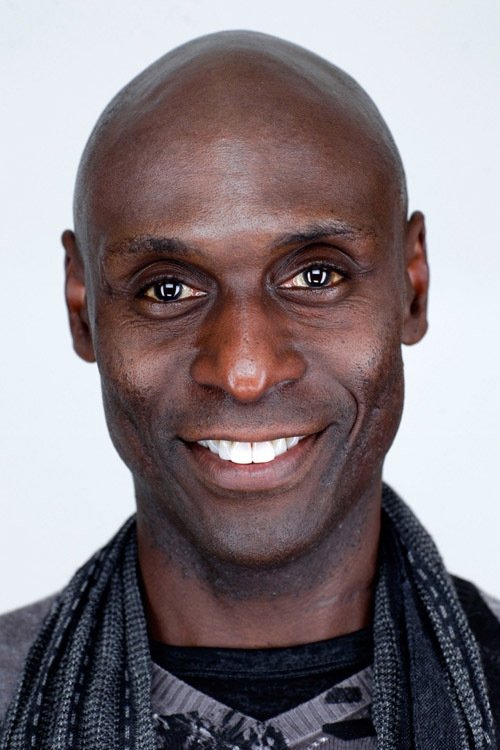
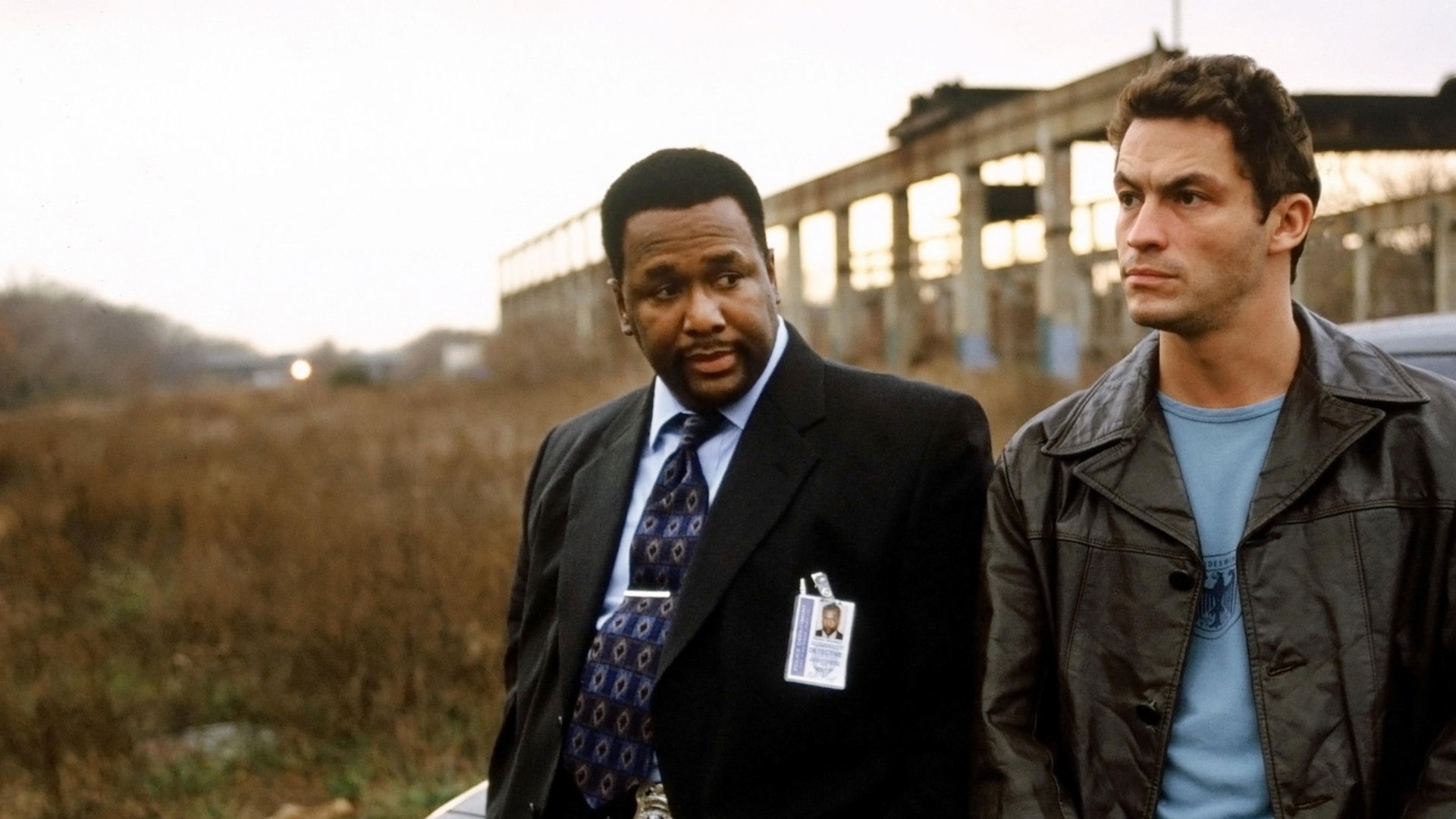
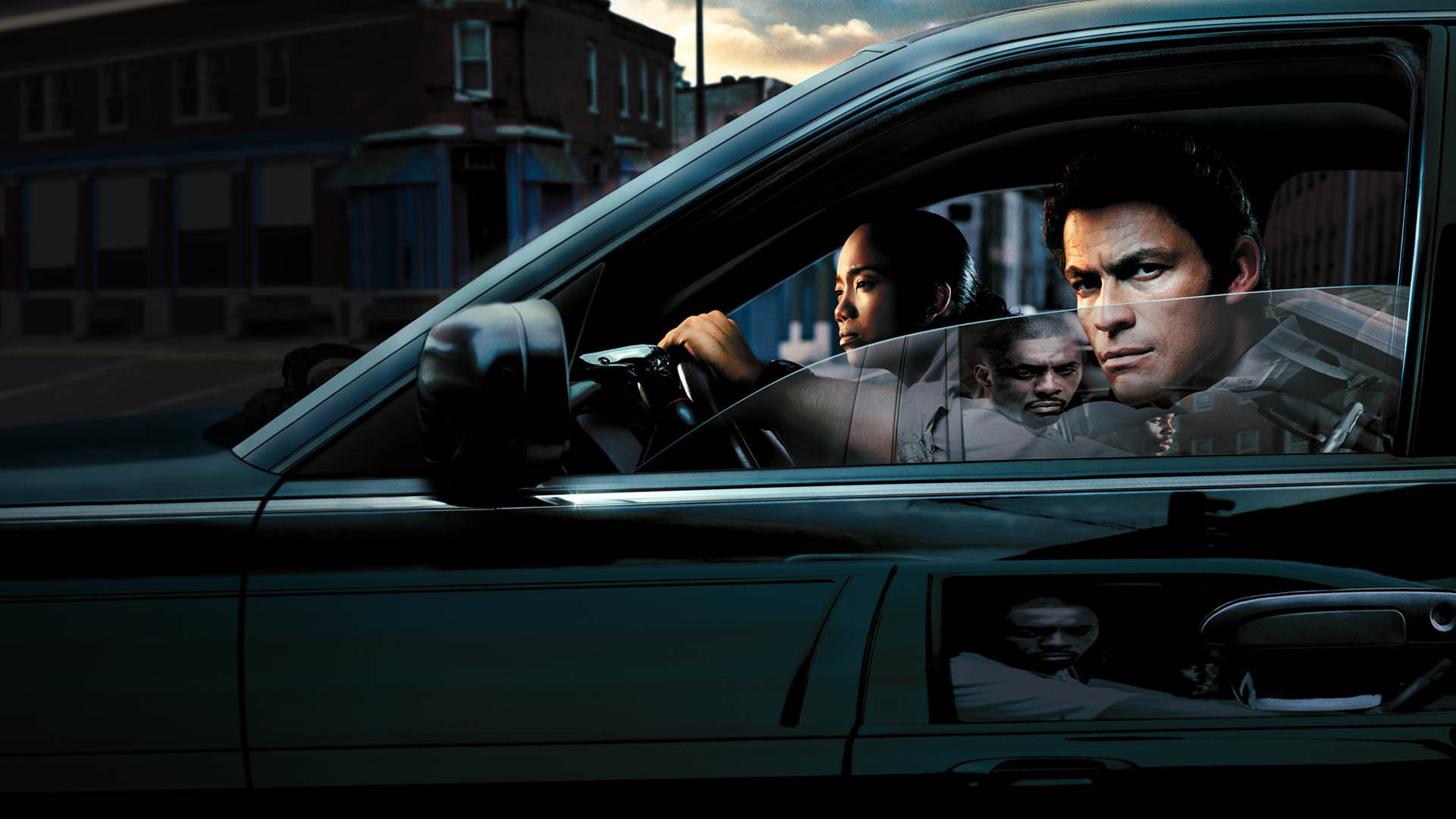
Dominic West’s Jimmy McNulty gives us a forceful personality to follow, but the programme never feels obliged to arrange everything around him. Lance Reddick, as Cedric Daniels, and Sonja Sohn, as Kima Greggs, make competing pressures understandable without turning every exchange into an explanation. We can disagree with someone and still follow their reasoning. That matters in a drama where ambition and expedience keep interfering with the job. The acting makes those compromises feel costly.
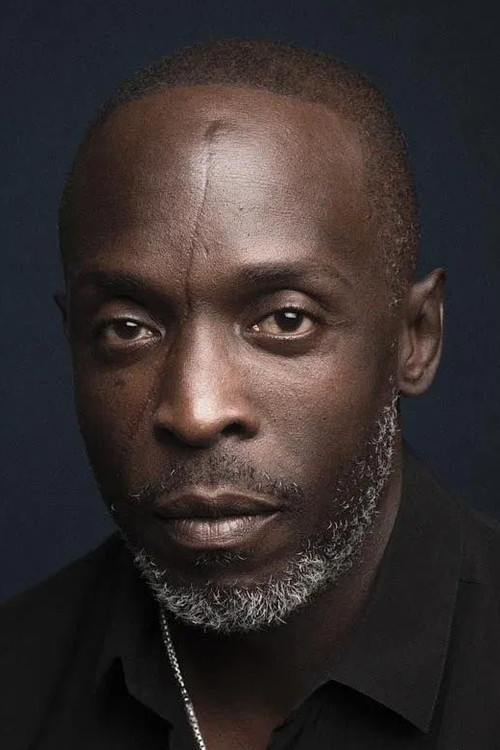
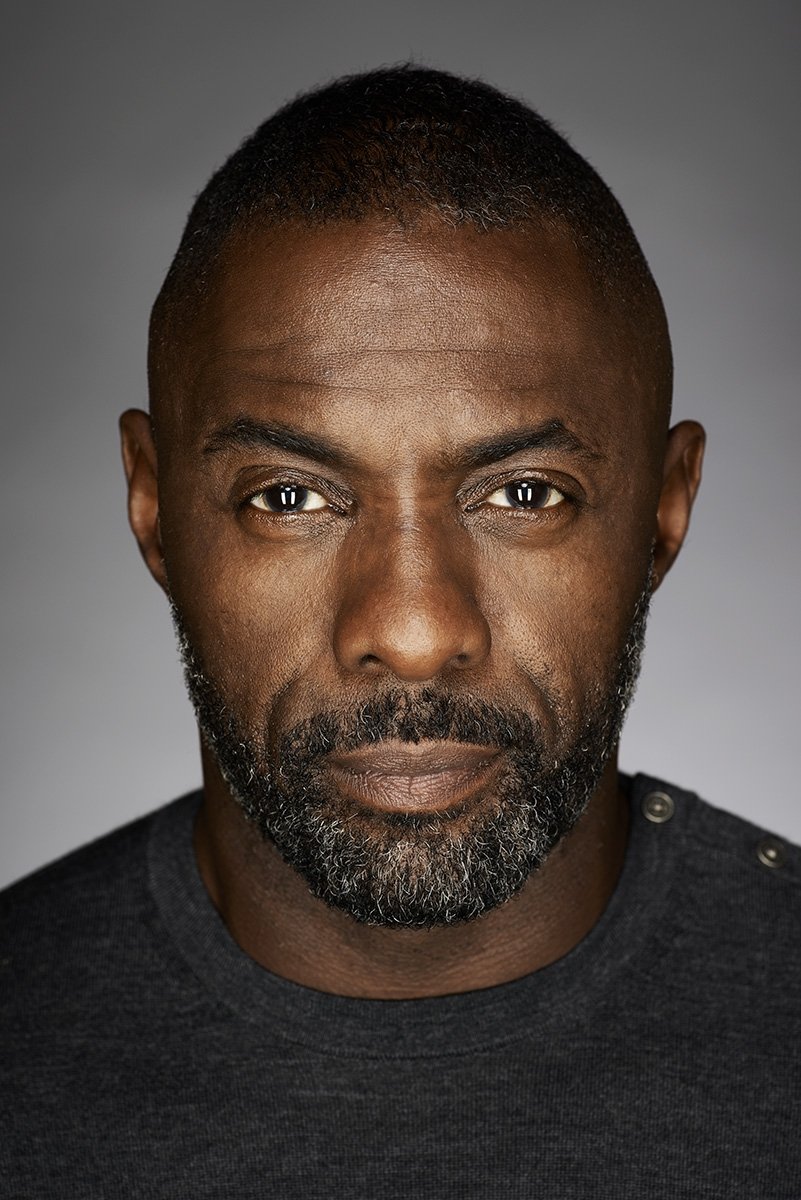
Wood Harris’s Avon Barksdale and Idris Elba’s Stringer Bell receive the same serious attention as the police. The drug trade has its own pressures and calculations, and the performances let us watch those calculations without being asked to approve of them. Michael Kenneth Williams, as Omar Little, supplies a welcome unpredictability amid so much organised behaviour. These actors give their characters enough individuality to prevent the programme’s account of the city from becoming a lecture. We remain interested in the person speaking, even when we have understood the point.
Uta Briesewitz’s cinematography makes the people and their surroundings equally worth studying. We can pay attention to a face without forgetting the city around it. Vincent Peranio’s production design makes the workplaces convincing enough for us to believe that people have been putting up with them for years. Editors Thom Zimny, Geraldine Peroni and Kate Sanford give procedural exchanges enough time to become dramatic. We have to follow what is being decided, and the pace gives us the chance.
We were angrier at the departmental wrangling than we expected to be. The decisions keep being shaped by personal advancement, and the actors make that calculation visible without asking us to excuse it. The programme stays with these disputes long enough for us to understand how much they obstruct the work. A quicker treatment could establish that the organisation is dysfunctional and move on. Here, we have to sit through the business of people making it so.
The reservation is the cumulative bleakness. Over five series, people repeatedly accommodate themselves to bad arrangements, and we sometimes feel we know what another compromised decision will tell us. There are stretches when we want the writing to leave more space for surprise. Simon, Burns and their fellow writers generally earn that persistence through the characters, but occasionally the sense of futility settles over a scene too early. It is possible to understand why people cannot change things and still tire of watching them fail to do so.
For a police drama, this places an unusual amount of trust in our interest in ordinary procedure. It expects us to care about permission, priorities and the reasons a sensible course of action might be unwelcome. Accept that, and there is considerable pleasure in being allowed to understand the work this thoroughly. Begin when there is time to concentrate, and leave the second screen out of reach.