Steve McQueen’s five films about West Indian London are not all of the same quality, and we would not pretend otherwise. But Mangrove and Lovers Rock are as good as anything he has made, and the other three earn their place beside them.
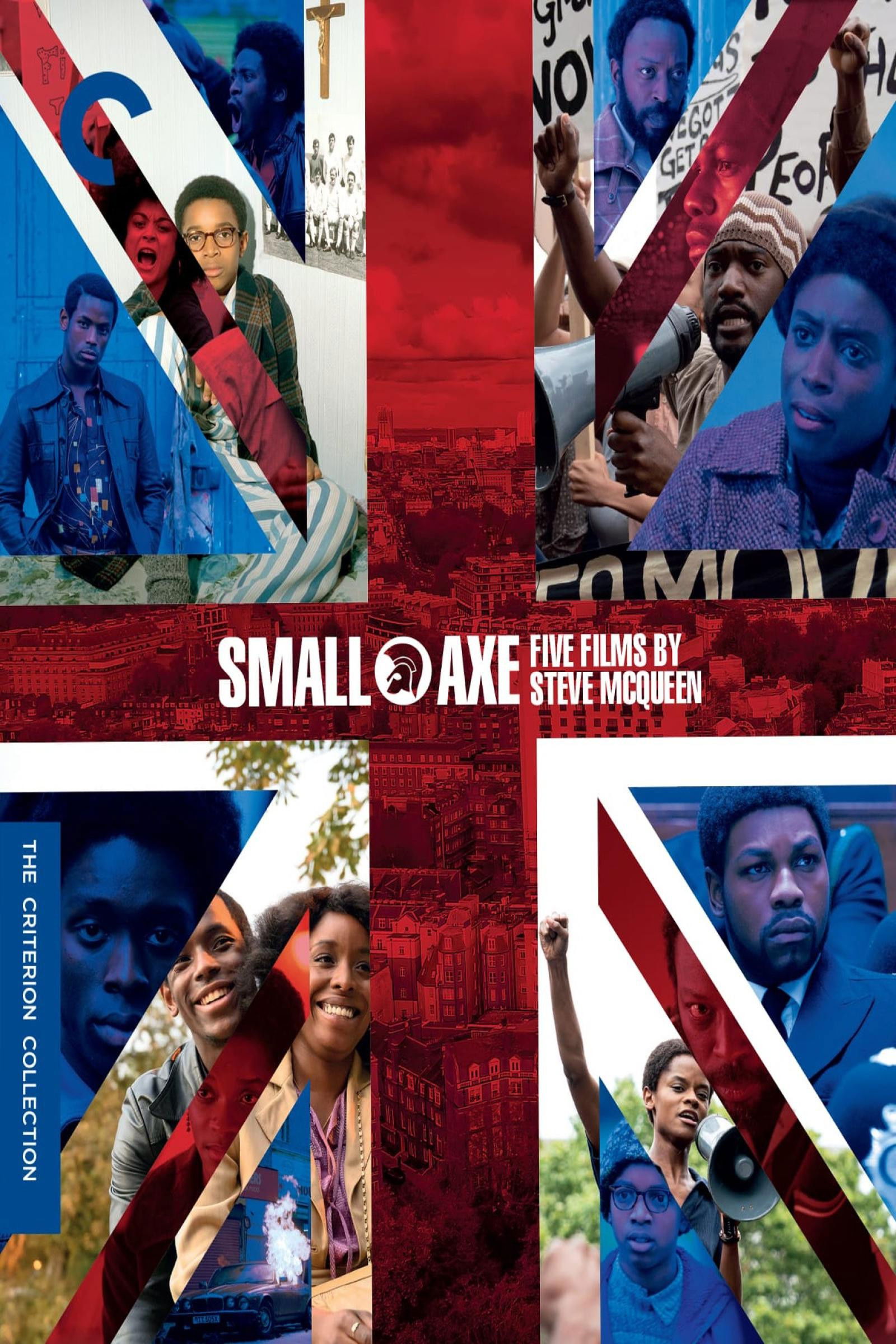
The title comes from an old proverb by way of Bob Marley: if you are the big tree, we are the small axe. Steve McQueen’s five films, released weekly from 15 November 2020, take that as an instruction rather than a boast. Each is about West Indian Londoners, each is set in the two decades after 1968, and each is about somebody small taking a swing at something large: a police station, a school, a courtroom, a Saturday night. They vary in length, in tone and in quality, and the best two are among the finest things McQueen has done.
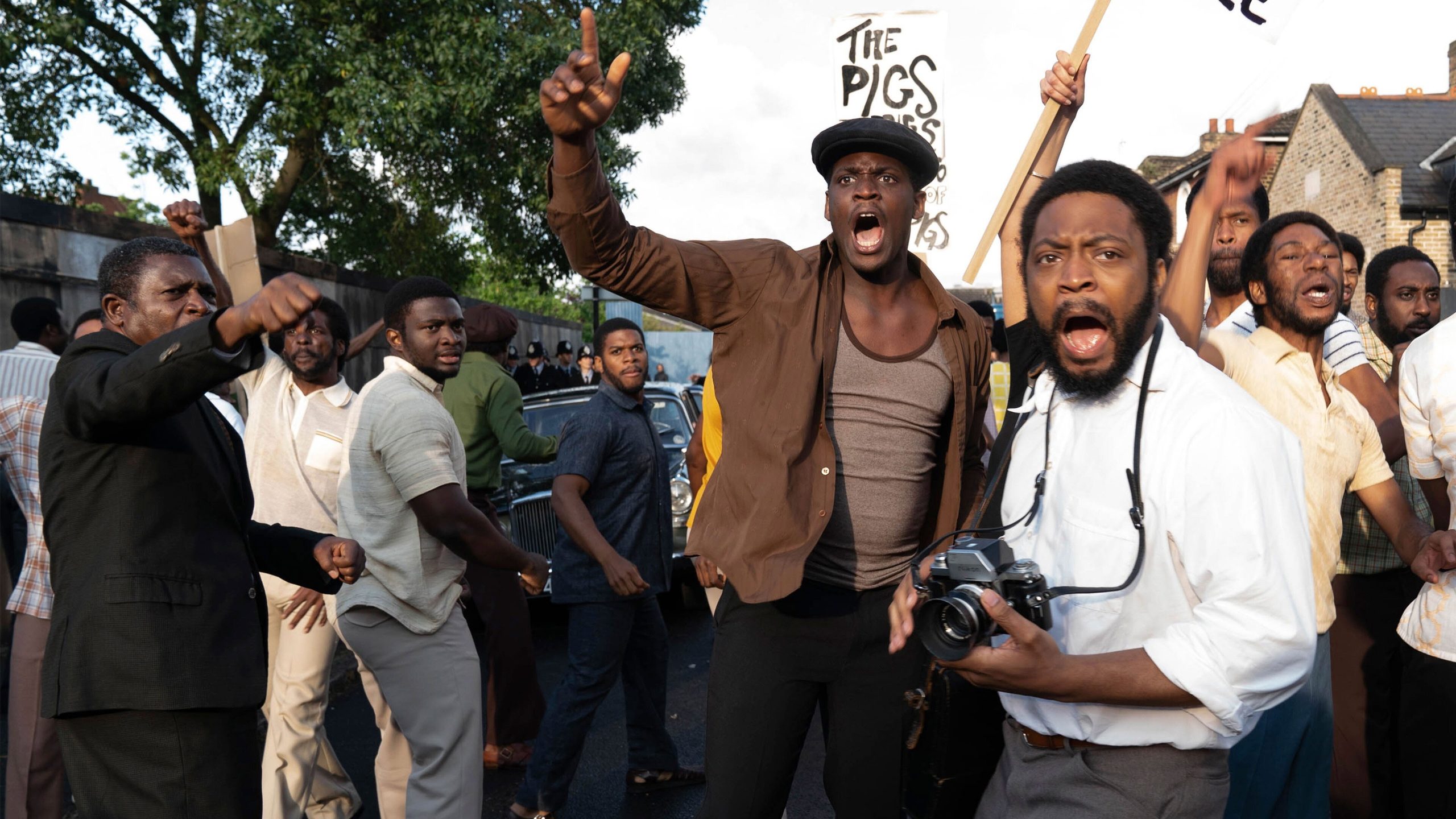
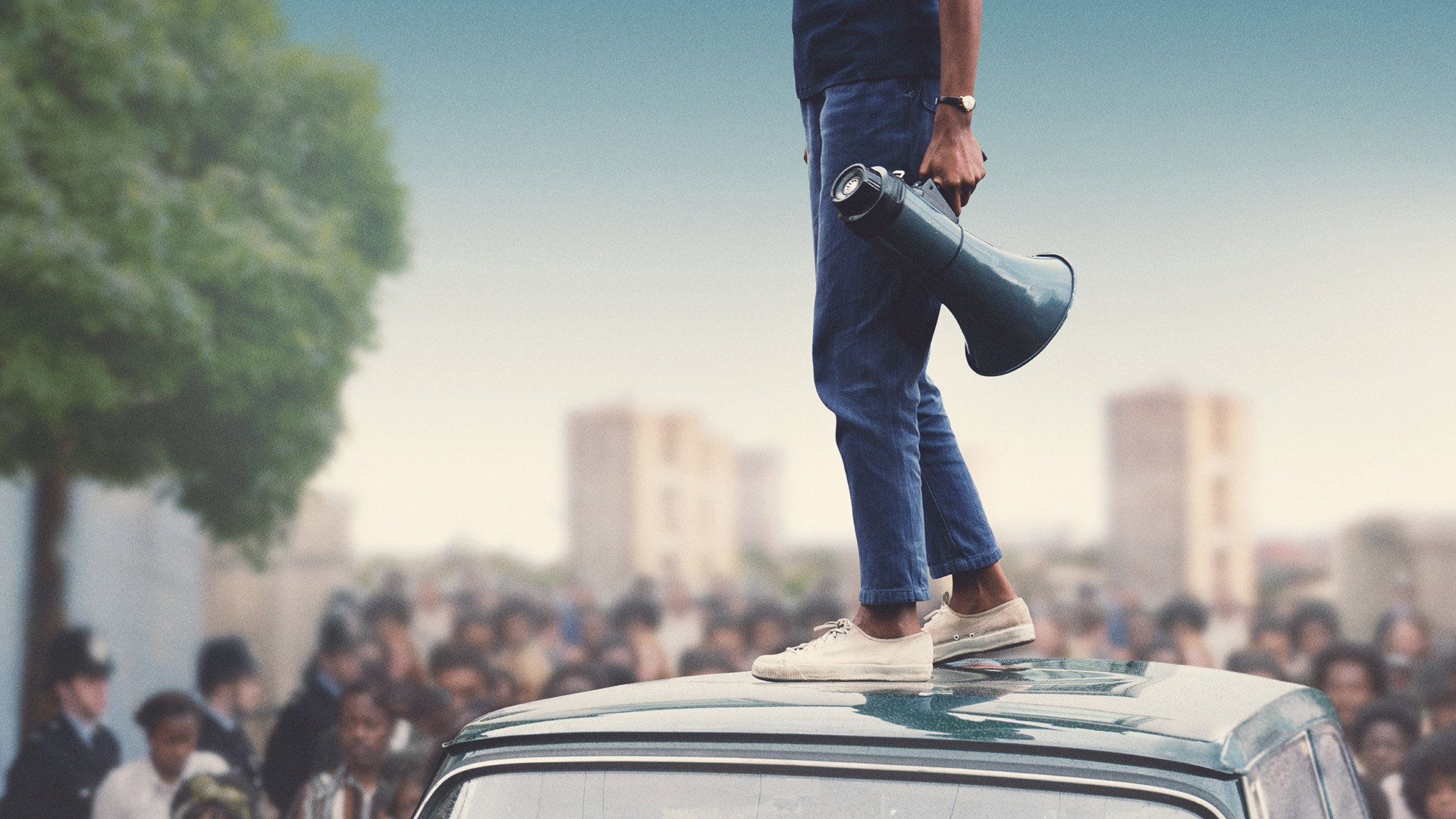
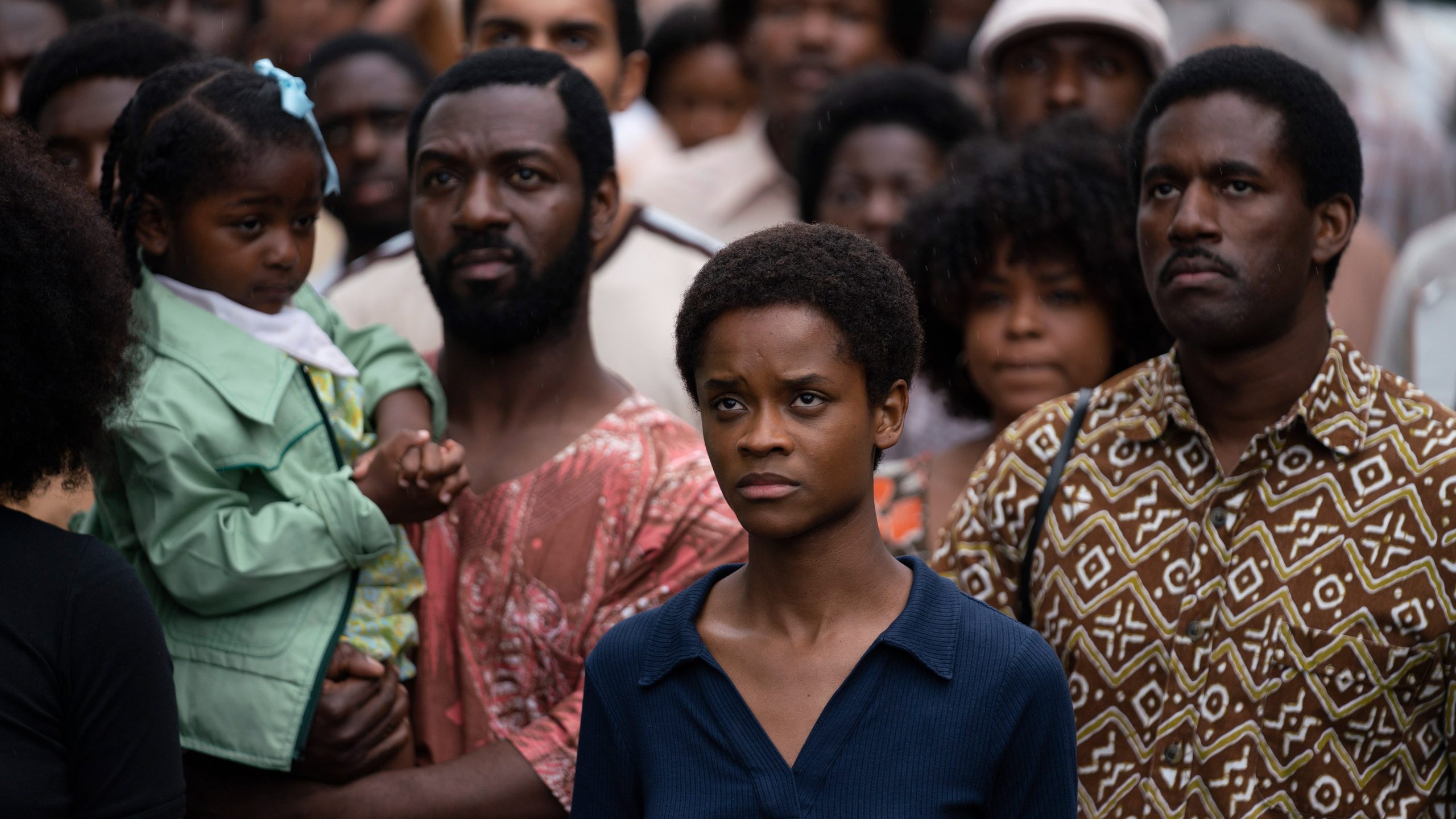
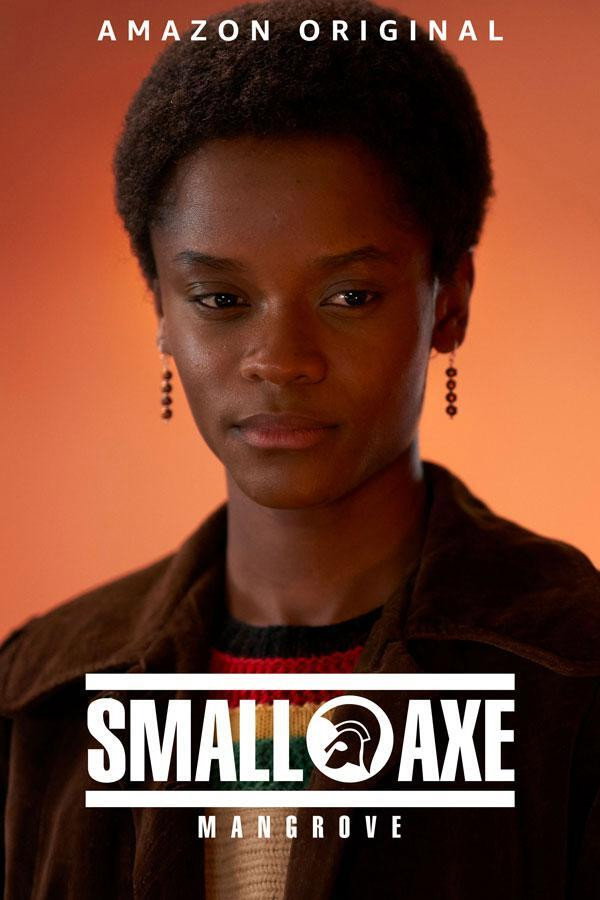
Mangrove comes first and it made us angry, which we suspect was the idea. Shaun Parkes plays Frank Crichlow, who wants to run a restaurant and be left alone, and Sam Spruell’s PC Pulley will not leave him alone. The raids arrive without music and without warning. Shabier Kirchner shoots the Mangrove in flat winter daylight, and after one raid he holds on a colander knocked to the floor, turning slowly, for far longer than a colander deserves. It is the shot of the series. When the story moves to the trial, Letitia Wright’s Altheia Jones and Malachi Kirby’s Darcus Howe take over, defending themselves, and Jack Lowden’s Ian MacDonald, the barrister who takes the rest, gets the film’s dry lines. Parkes is the best thing in it: a man who did not ask to be a symbol and hates every minute of being one.
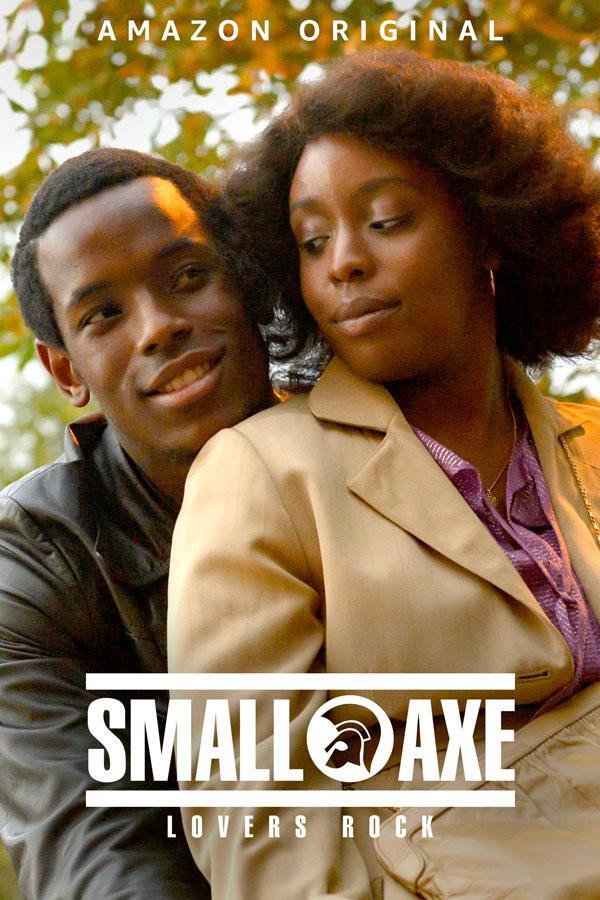
Lovers Rock is one night at a house party in 1980, and almost nothing happens except the party. Helen Scott’s production design gives us a terraced house with the furniture pushed back, a sound system in the front room and the kitchen full of food, and Kirchner’s camera moves through it at shoulder height, close enough to see sweat. Sinéad Kidao, Jacqueline Durran and Lisa Duncan dress the women in satin and the men in wide collars, and for once the clothes look like clothes people chose rather than costume. Then the record of Janet Kay’s Silly Games finishes and the dancers keep singing it, unaccompanied, for minutes. It moved us more than we thought a dance floor could. We were not at that party and we have never been to one like it, and for the length of that song we felt we had.
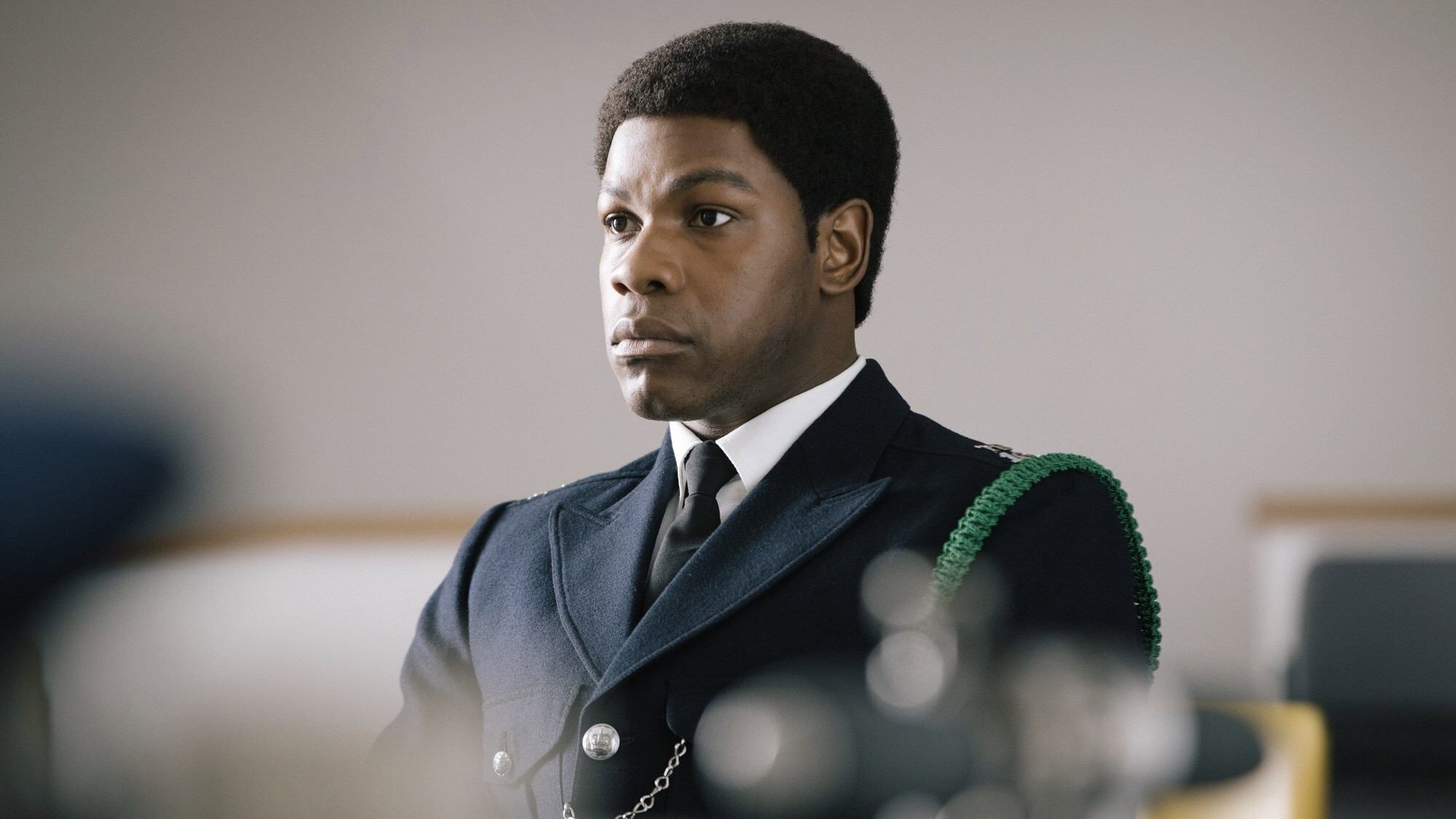
The other three are smaller. The third, about a young black man who joins the Metropolitan Police, is the most conventional and the most watchable at speed. Alex Wheatle, the fourth, follows the future novelist from a brutal children’s home to Brixton and prison, and it is warm and funny and over before it has decided what it is about. Education, the last, is a plain, tight account of a boy shunted into a school for the backward because a teacher could not be bothered, drawn from McQueen’s own childhood, and it ends on the only note of straightforward hope in the whole run.
The unevenness is real. Mangrove stiffens once it reaches the courtroom, and a story that had spent an hour avoiding the courtroom-drama template settles into it. Alex Wheatle feels like the first act of a longer film. McQueen, cutting with Chris Dickens, sometimes holds a shot a beat past the point where it has said its piece. Mica Levi’s music is sparse and stays out of the way, which we think is right, though there are stretches where a little more of it would have carried us.
McQueen’s cinema films, Hunger, Shame and 12 Years a Slave, are severe things, beautifully lit and hard to love. Small Axe is looser and warmer than any of them, and television seems to have done that to him. He is still the director who will hold on a face until you look away first. Here he is also, for the first time, a director who lets people enjoy themselves.
Watch Mangrove and Lovers Rock on the same night, in that order. The first tells you what these people were up against. The second shows you what they built anyway, and it does it without a speech.