Film review

Do the Right Thing

1989 · Directed by Spike Lee · 2h 00m · MPA R

In a sentenceThe pizzeria wall gets a harder cross-examination than most politicians

Drama

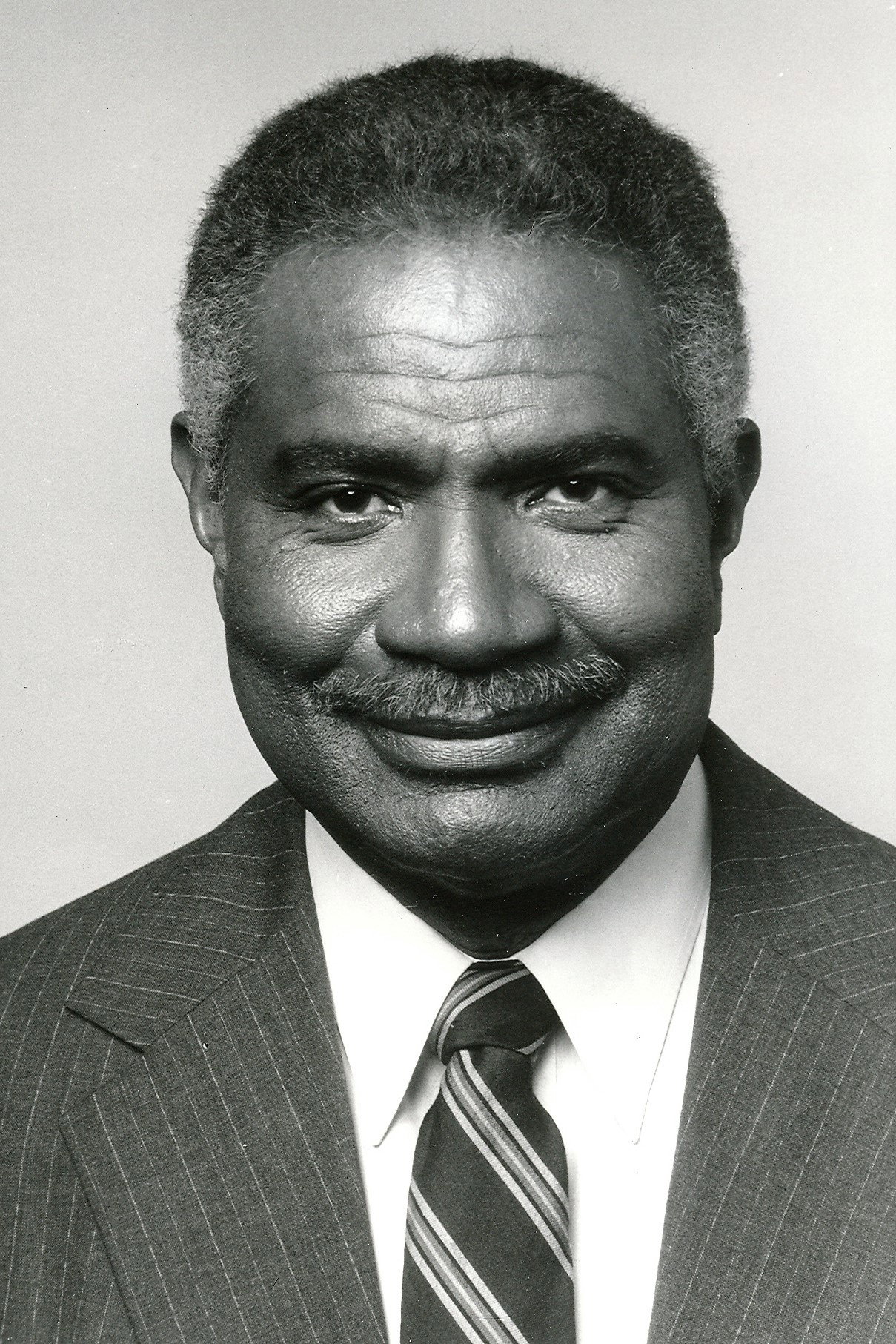
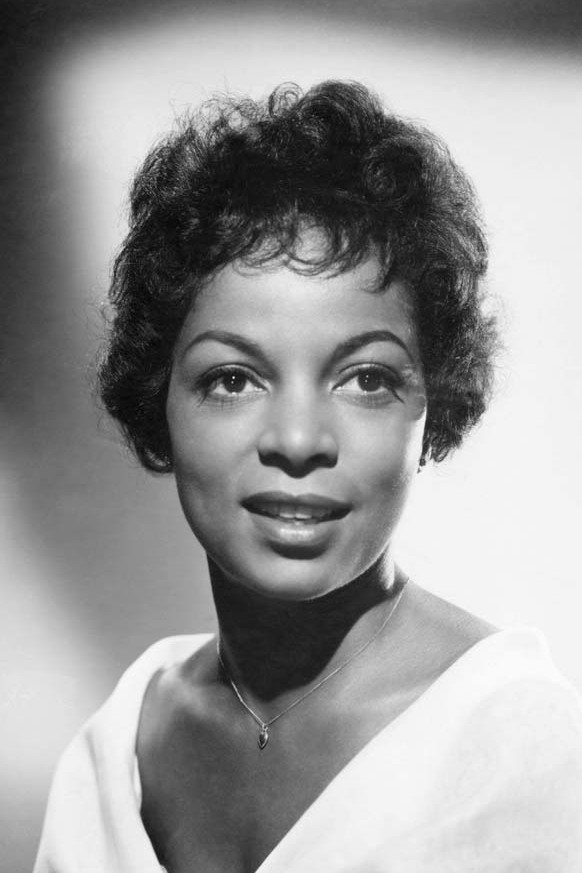
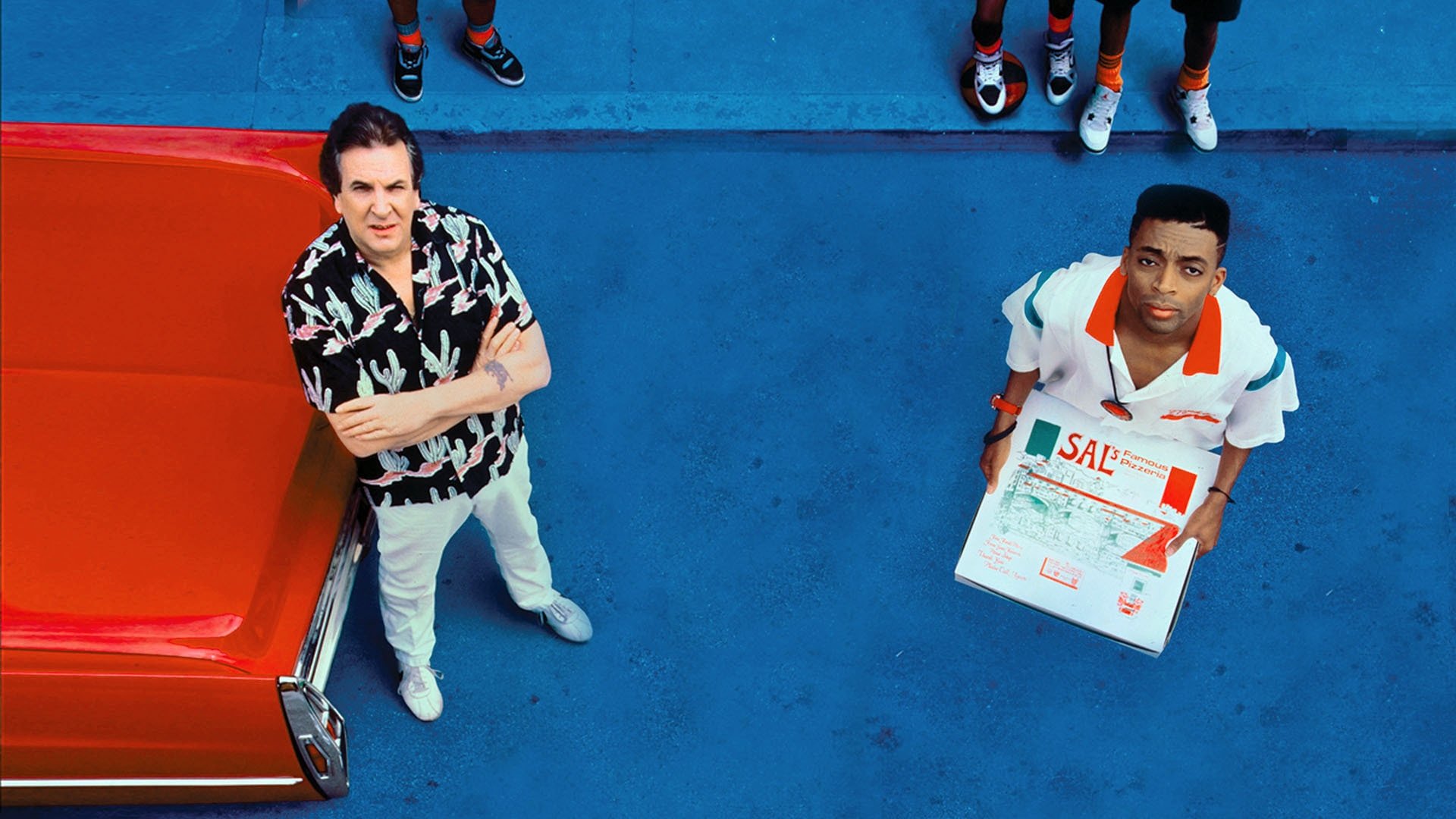
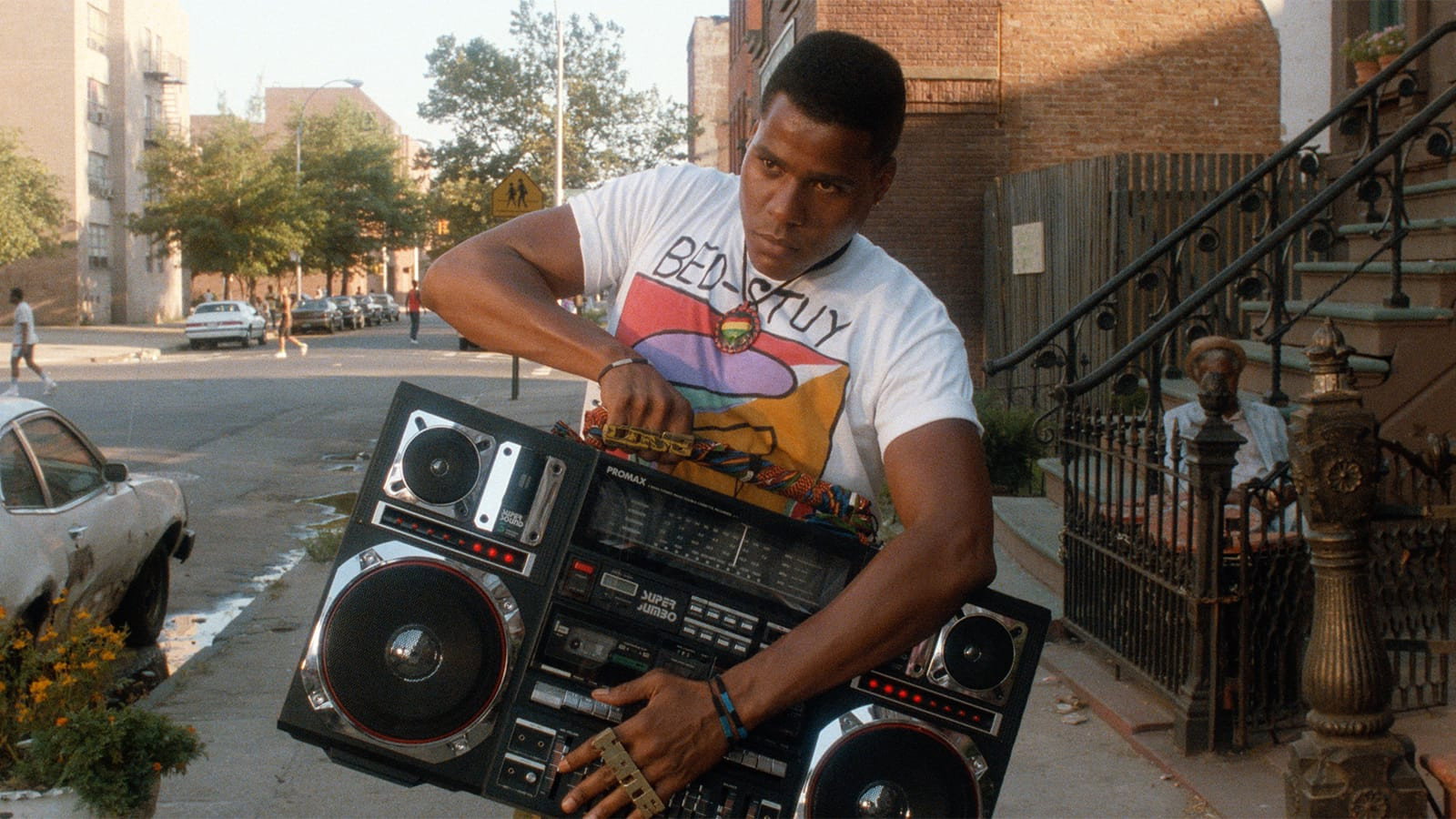
On the hottest day of the summer, arguments over race and belonging gather around Sal’s pizzeria. Danny Aiello plays Sal, with Spike Lee as Mookie and Giancarlo Esposito as Buggin Out. A question about who appears on the pizzeria wall brings the neighbourhood’s tensions into the open. Bill Nunn’s Radio Raheem, Ossie Davis’s Da Mayor and Ruby Dee’s Mother Sister are among the people sharing the day. Written and directed by Lee, the film follows their encounters as the heat makes an already uneasy community harder to live in.

Plays from YouTube when you press play; nothing loads from them until then.

Fi1m review

Spike Lee makes a remarkable drama out of neighbours who cannot agree about the pictures on a pizzeria wall. A few conversations run long; the performances, humour and force of the filmmaking make this an unreserved recommendation.

Do the Right Thing is funny, angry and unusually generous to people behaving badly. We would recommend it widely, though it is not an easy evening. Spike Lee, who writes, directs and plays Mookie, sets arguments about race inside the ordinary business of sharing a neighbourhood on the hottest day of the summer. The neighbours have enough life beyond their grievances to make us care about how they treat one another.

The dispute over who appears on Sal’s pizzeria wall is the clearest example. What might sound trivial when described becomes a precise question about who is welcome, and on whose terms. We laughed at the argument, then felt uncomfortable about laughing, because the demand for representation is reasonable even when the conversation becomes ridiculous. Lee lets the comedy continue without making the complaint disappear, and the scene gives the film a practical question that a longer, politer speech could easily lose.

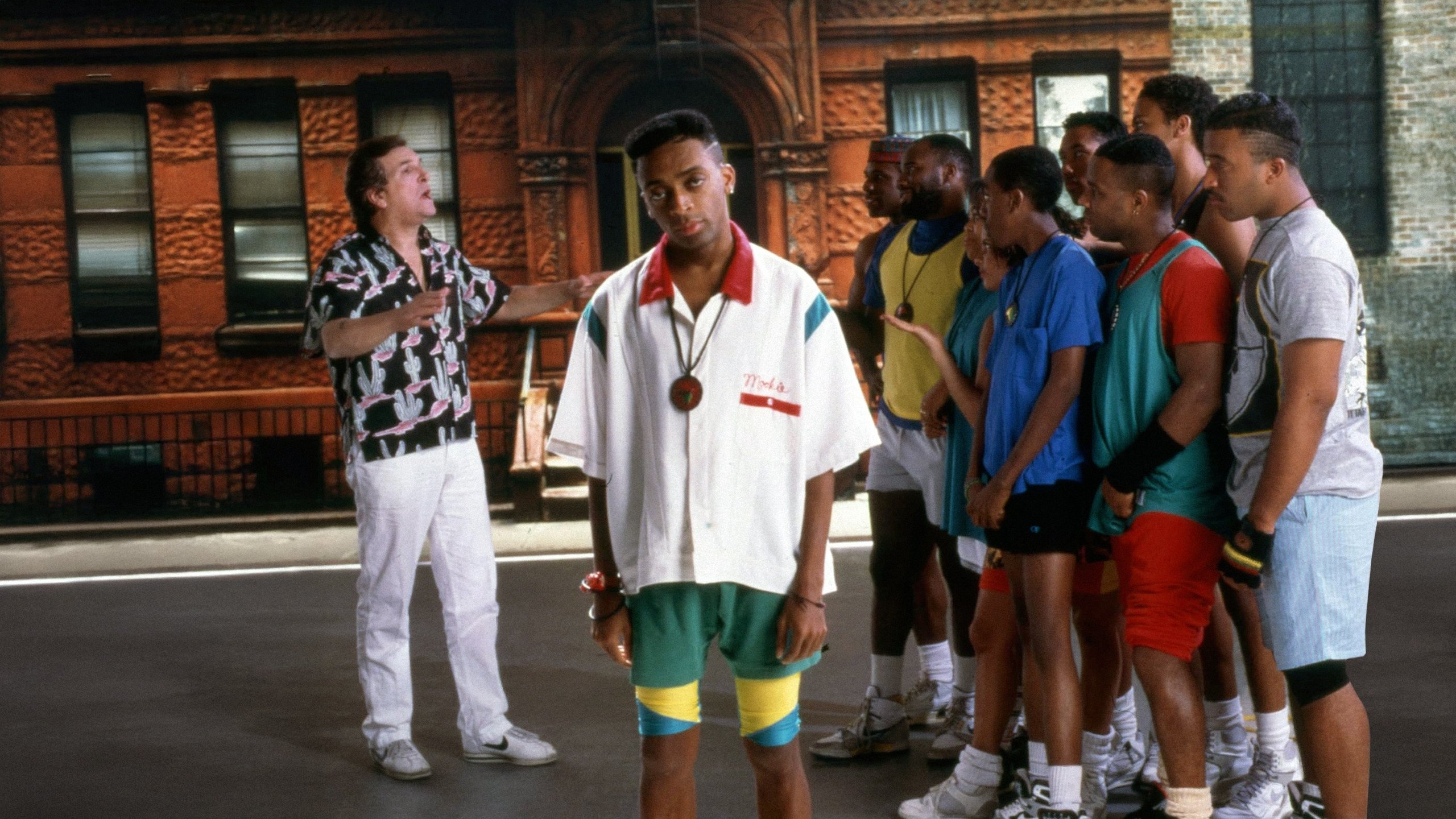
Danny Aiello lets Sal’s warmth and stubbornness coexist, so the performance never gives us the comfort of a simple label. Giancarlo Esposito makes Buggin Out’s insistence funny without making it easy to dismiss him. Lee plays Mookie with less outward force, a useful contrast in such an emphatic ensemble. Bill Nunn gives Radio Raheem enough weight to command our attention without competing with everyone else’s talk.

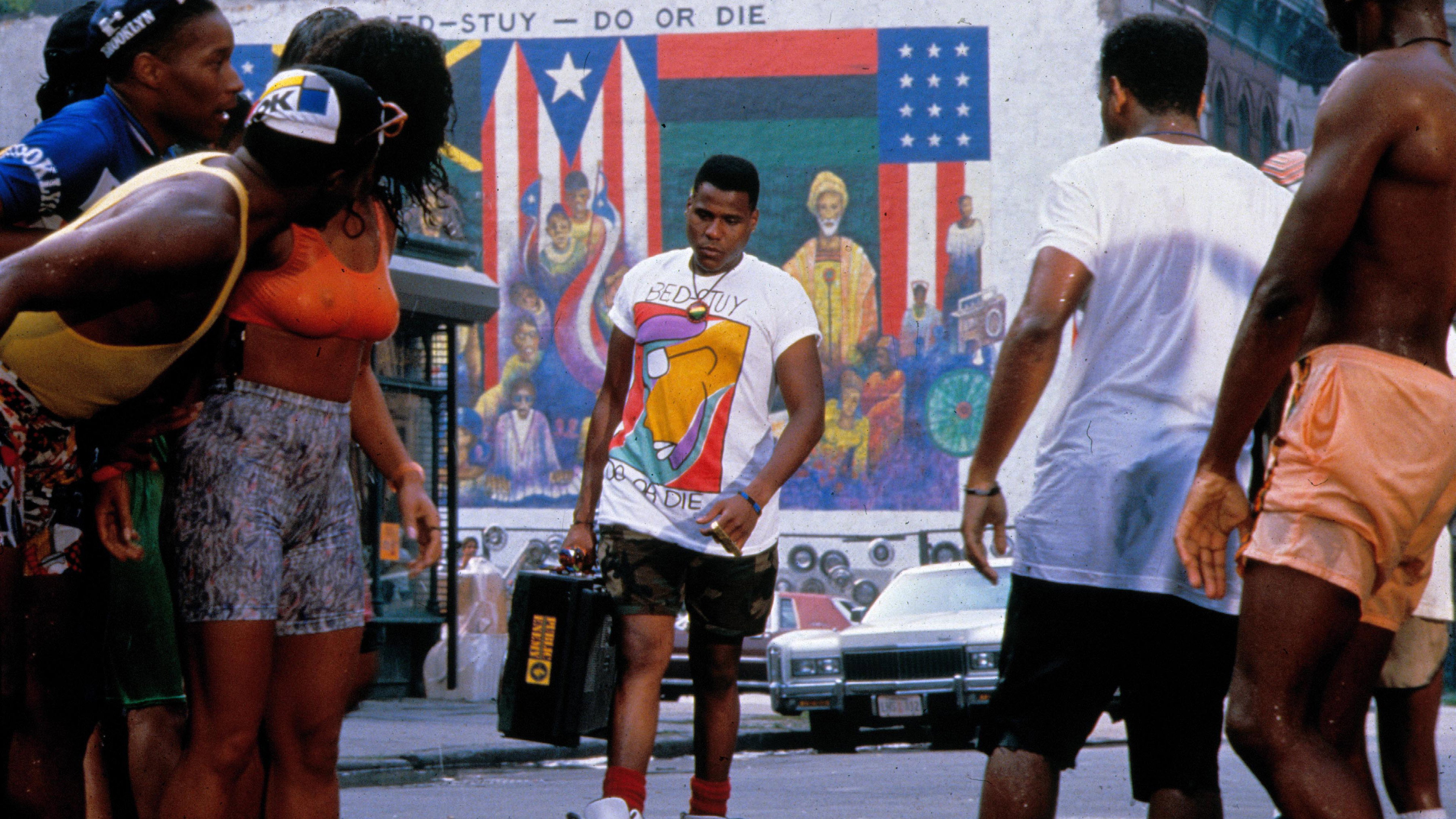
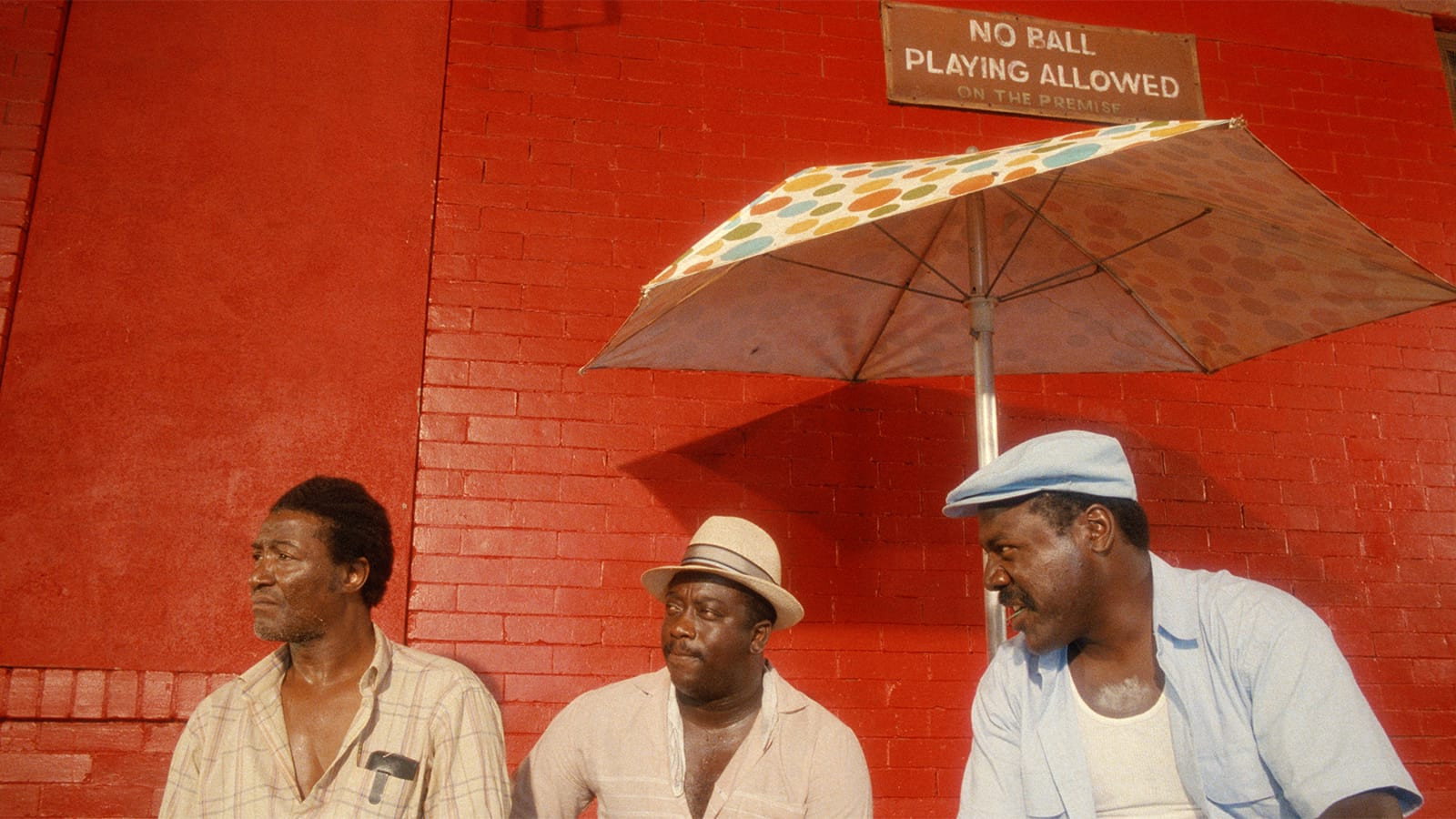
Ernest R. Dickerson’s saturated colours make the heat seem to press on everyone in the frame. The brightness contributes to the irritation; there is little visual relief from having to occupy the same space. Wynn Thomas’s production design gives the pizzeria wall enough prominence to make the dispute about representation easy to grasp. The pictures are part of how the business presents itself to the people who use it.

Barry Alexander Brown’s editing allows the neighbourhood encounters to accumulate without hurrying each one towards a confrontation. The conversational pace lets the humour work, while leaving room for a remark to become an irritation. Bill Lee’s score helps preserve the warmth of the neighbourhood, alongside a soundtrack drawing on hip-hop and jazz. That musical variety suits a film in which the pleasure of sharing a street remains evident even when sharing it becomes difficult.

The looseness has a cost. A few exchanges linger after their point is clear, and Brown’s patient cutting cannot make every detour equally rewarding across 120 minutes. Lee occasionally relies on the energy of the company to carry a stretch that needs a sharper change of pace. These are small frustrations, but they matter in a film whose strongest conversations make us attend to every change in tone.

As a drama about racism, it refuses the comforting idea that getting to know someone will make their prejudices harmless. Lee gives his characters jokes, loyalties and reasons to be aggrieved, then expects us to judge what they say and do. That is a demanding way to spend an evening, even with this much humour. Watch it with someone willing to argue about the pizzeria wall after the credits.
Critical consensus AI synthesised

91
Positive
10
Mixed
0
Negative
0

The reviews are strongly positive, with praise clustering around Spike Lee’s direction, the ensemble and the vivid sense of life on a Brooklyn block. Critics repeatedly single out the saturated colour, Ernest Dickerson’s cinematography and the hip-hop and jazz soundtrack, finding that the film’s style gives its racial tensions force without sacrificing humour or individual character. Across both contemporary reviews and later reassessments, its attention to racism, representation and neighbourhood life is seen as pointed and lasting.

The differences concern Lee’s treatment of violence rather than his filmmaking skill, and the broadly favourable consensus allows for some disagreement. Vulture admires the film’s humanity and detail but finds its messages about violence confused and its desire to satisfy everyone a weakness. The Hollywood Reporter anticipates accusations that the film advocates violence, while praising Lee’s courage; other reviews value the unresolved moral questions and the way sympathies pull in several directions.

Little White Lies
30 July 2019 · 5/5/5 · Kambole Campbell
100

The critic calls it Spike Lee’s magnum opus and praises its enduring relevance to issues like gentrification, police brutality and representation. They highlight the vibrant, alive neighborhood collage created by the scattershot storytelling and strong craft elements including camerawork and score.

Read the full review →
Radio Times
★★★★★ · John Ferguson
100

This is described as Spike Lee’s most assured film, a fierce racial drama whose power has not diminished. The critic praises the exemplary ensemble cast, Ernest Dickerson’s bright vibrant cinematography, the superb hip-hop and jazz soundtrack, and the result as an exhilarating, passionate modern-day classic.

Read the full review →
Time Out
30 July 2019 · ★★★★★ · Helen O’Hara
100

The review hails the film as an uncompromising classic that remains timely in its portrayal of racial tension and injustice. It singles out the director’s keen eye for place, character and style, along with the indelible super-saturated colors and oddball ensemble in the Brooklyn neighborhood.

Read the full review →
The Guardian
2 August 2019 · Peter Bradshaw
90*

The critic hails the film as a timeless masterwork whose depiction of racial tensions on a sweltering Brooklyn day remains powerfully relevant. They single out the central argument over representation on Sal’s pizzeria wall as Lee’s masterstroke and a prescient culture-war moment.

Read the full review →
The New York Times
30 June 1989 · Vincent Canby
90*

Vincent Canby lauds the film as a terrific movie showcasing Spike Lee's abundant talent, noting its buoyant, fresh, and moving cinematic wizardry despite the shattering ending.

Read the full review →
Empire
1 January 2000 · Lloyd Bradley
85*

The critic praises Spike Lee's growth as a filmmaker in subtly building tension and pulling sympathies in multiple directions toward an honest conclusion about racism. They single out the film's acute observation that distils humour from accuracy rather than caricature.

Read the full review →

Cast

Stills

Awards

Academy Awards, 1990

Nominated
Best Supporting Actor
Nominated
Best Writing, Original Screenplay

Golden Globes, 1989

Nominated
Best Director
Nominated
Best Motion Picture – Drama
Nominated
Best Screenplay
Nominated
Best Supporting Actor – Motion Picture

Los Angeles Film Critics Association Award for Best Director, 1989

Won
Los Angeles Film Critics Association Award for Best Director

Los Angeles Film Critics Association Award for Best Film, 1989

Won
Los Angeles Film Critics Association Award for Best Film

NAACP Image Award for Outstanding Actor in a Motion Picture, 1989

Nominated
NAACP Image Award for Outstanding Actor in a Motion Picture

NAACP Image Award for Outstanding Actress in a Motion Picture, 1989

Won
NAACP Image Award for Outstanding Actress in a Motion Picture

NAACP Image Award for Outstanding Motion Picture, 1989

Nominated
NAACP Image Award for Outstanding Motion Picture

NAACP Image Award for Outstanding Supporting Actor in a Motion Picture, 1989

Won
NAACP Image Award for Outstanding Supporting Actor in a Motion Picture

NAACP Image Award for Outstanding Supporting Actress in a Motion Picture, 1989

Nominated
NAACP Image Award for Outstanding Supporting Actress in a Motion Picture

National Society of Film Critics Award for Best Director, 1989

Nominated
National Society of Film Critics Award for Best Director

If you liked this, try…