Steve McQueen’s Shame is a demanding drama worth seeing for Michael Fassbender and Carey Mulligan. They make Brandon and Sissy’s suffering hard to dismiss, though the script gives the siblings too little beyond it.
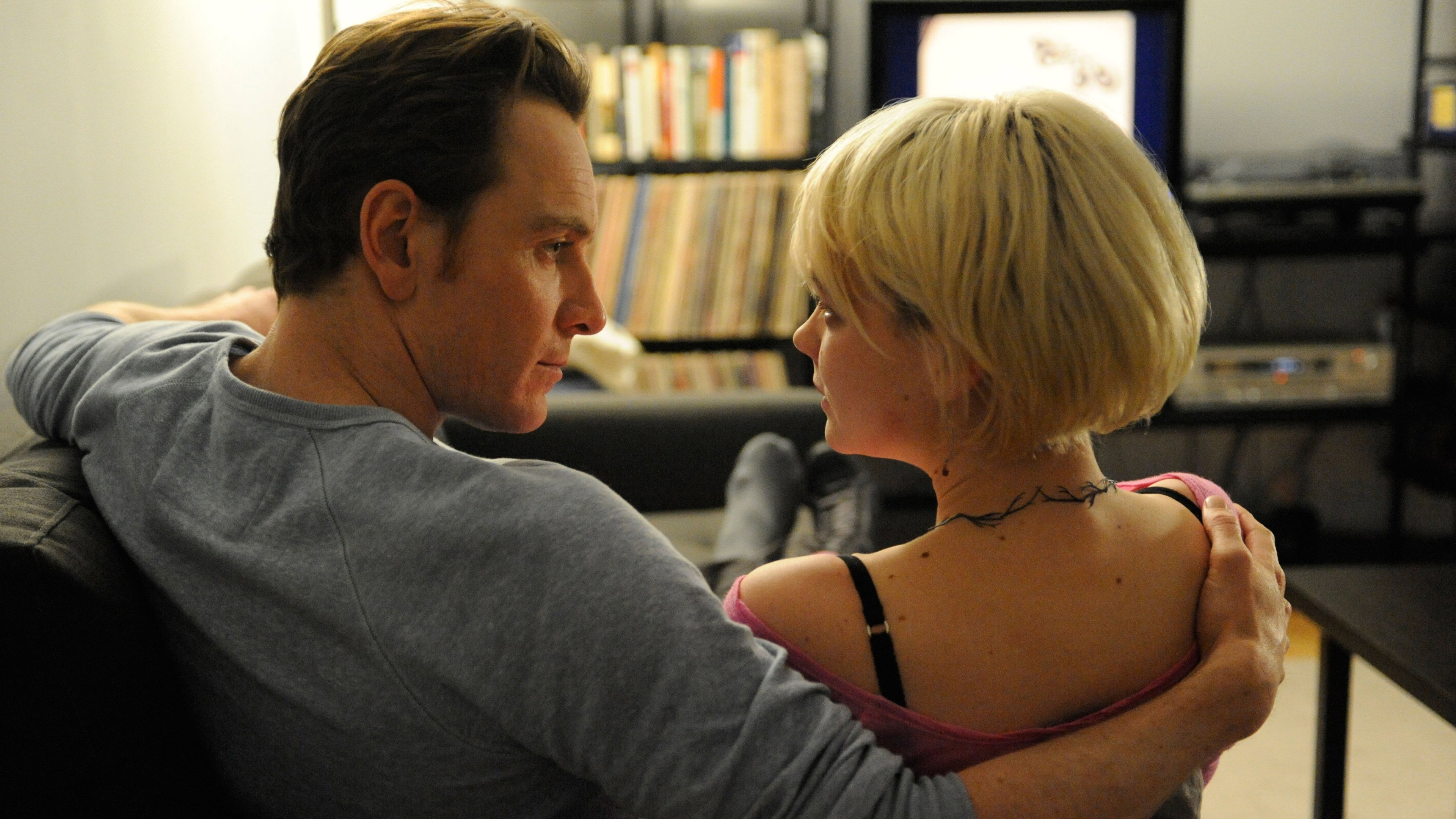
Steve McQueen’s Shame is a good, troubling drama whose performances make up for some narrow writing. It follows Brandon, a New Yorker whose sexual compulsion has left him isolated, until his sister Sissy disrupts the life he has arranged around it. McQueen takes the repetition seriously: the sex provides no lasting satisfaction, and the film gives us little respite from the need for more. That severity suits the subject, although it eventually limits how much we learn about the man.
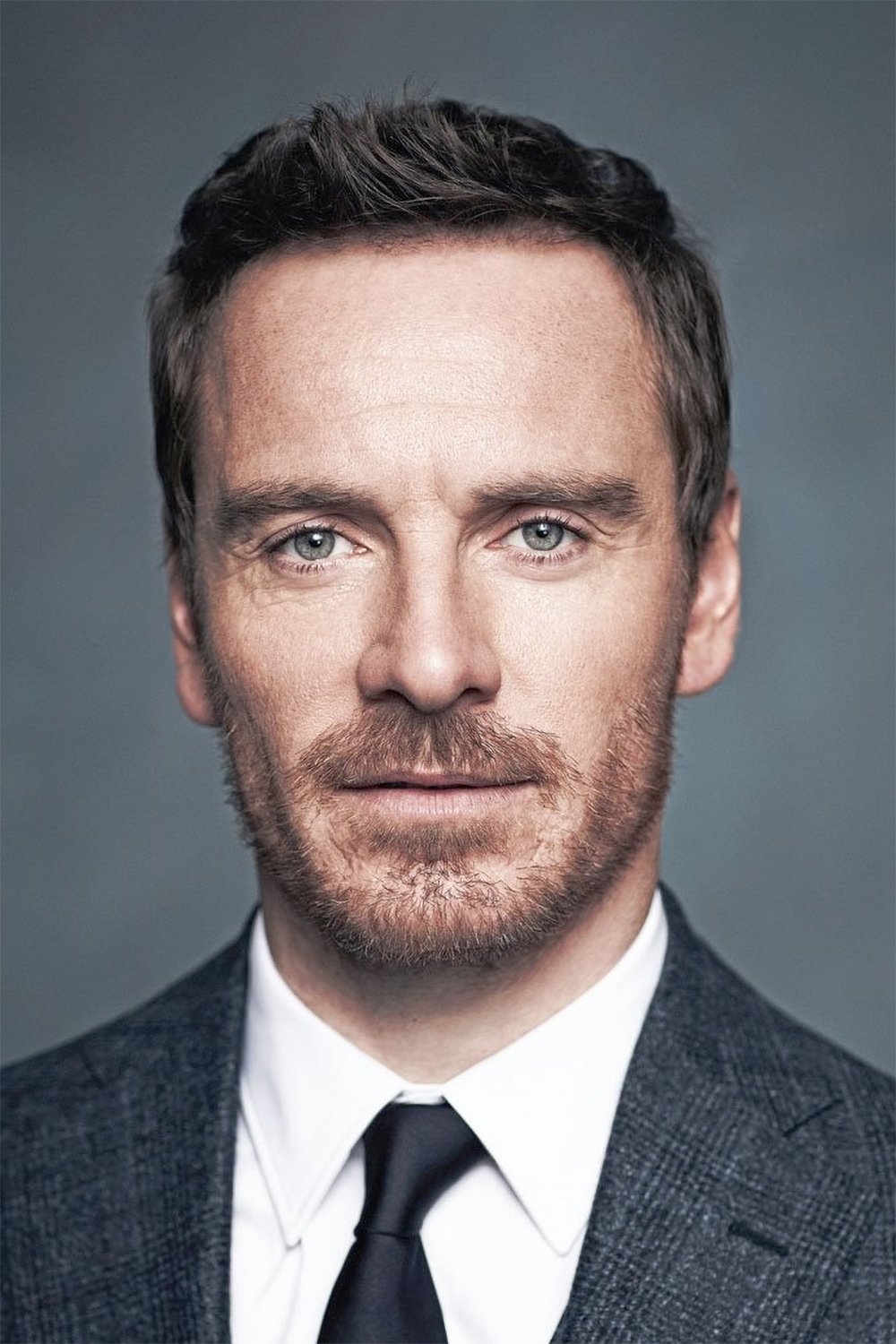
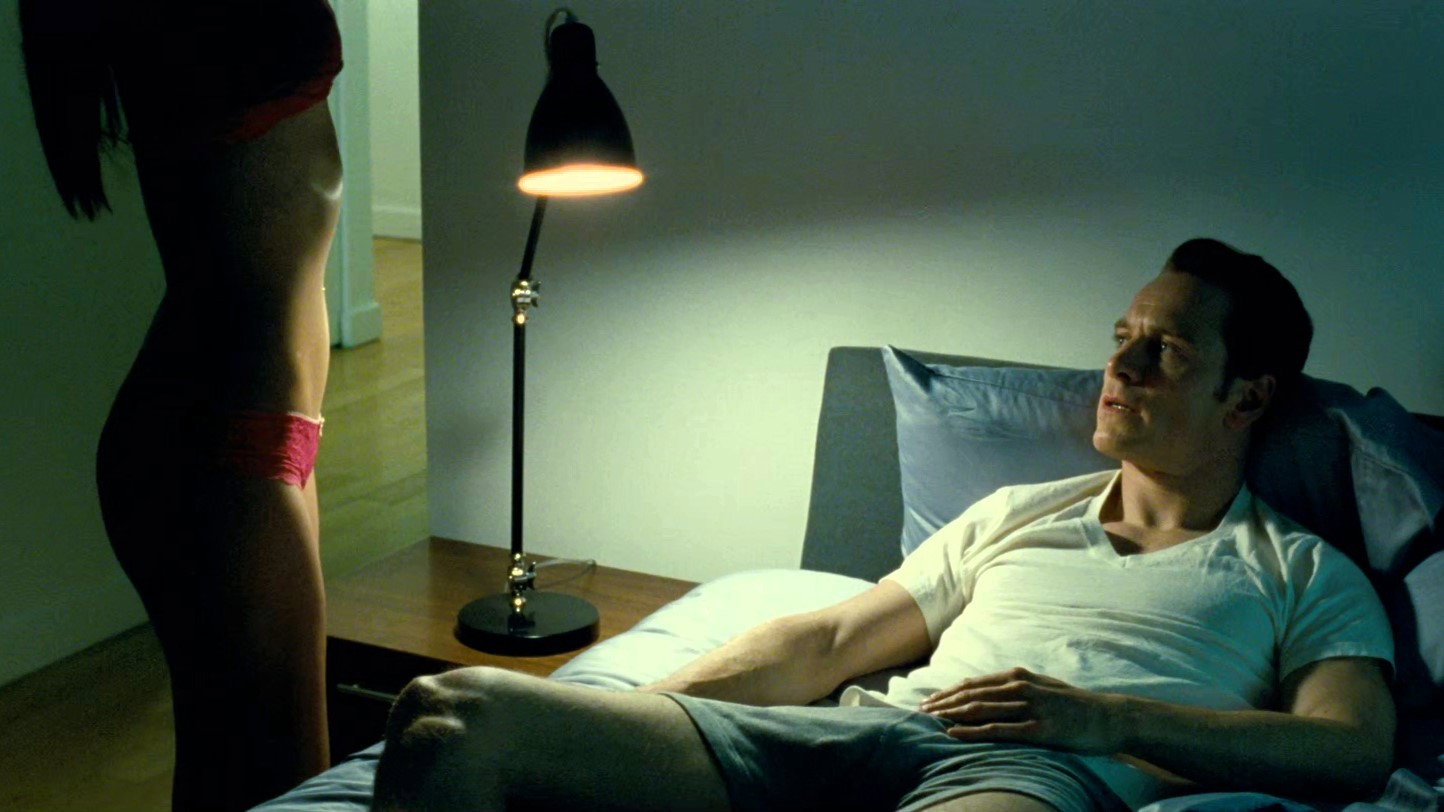
Fassbender makes Brandon’s physical exposure painful without asking us to admire the actor’s willingness to do it. We felt sorry for Brandon sooner than we expected, because Fassbender makes his pursuit of sex look exhausting from the start. There is little pleasure in it, and no suggestion that another encounter will be enough. The performance makes that repeated failure credible, even when the script has stopped finding anything new in it.
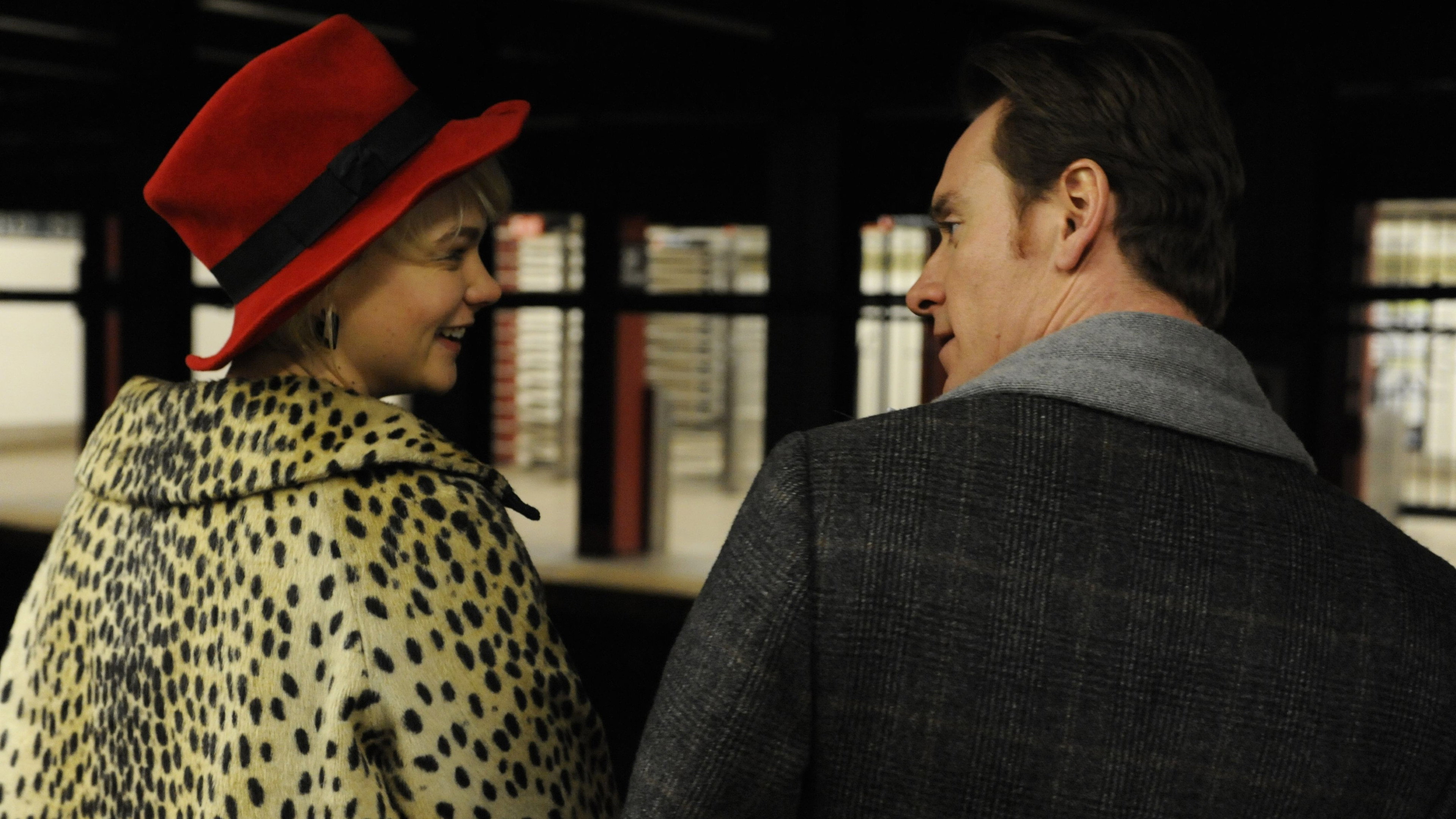
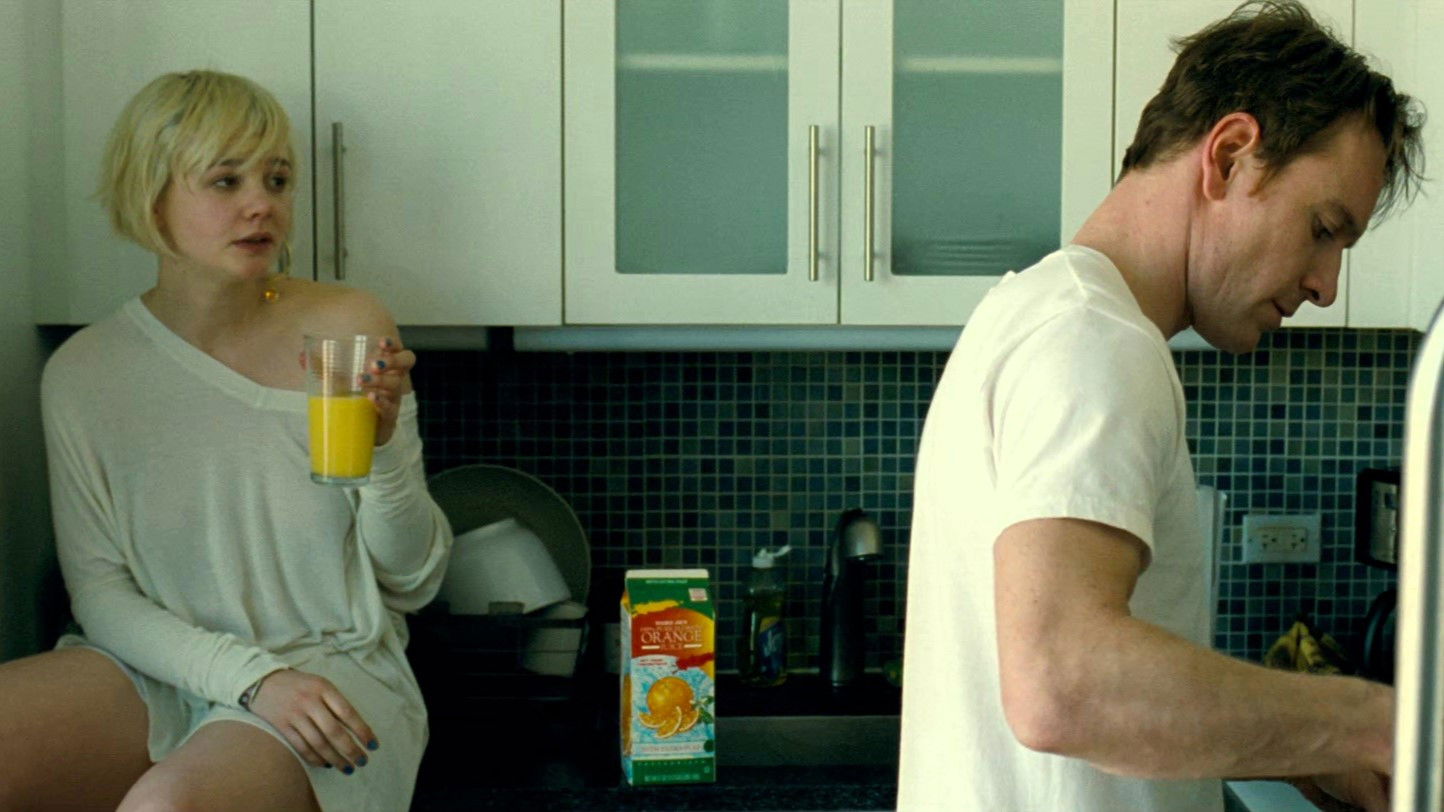
Carey Mulligan’s Sissy matters because her neediness makes a demand Brandon cannot deal with on his own terms. She gives that need enough force to interrupt the film’s careful composure, and her presence is welcome even when Sissy is difficult company. Together, the actors suggest hurts that the screenplay by McQueen and Abi Morgan declines to explain. Mulligan has to work hard to keep Sissy from becoming simply another difficulty for Brandon, and mostly succeeds.
Sean Bobbitt’s cinematography is exact and controlled, making New York seem a harsh place to spend time without anyone close. Judy Becker’s production design adds to that sense of sterility, giving Brandon surroundings that seem to offer him no comfort. The polish works because it helps us understand how thoroughly he has narrowed his life, though there are moments when the handsome compositions become distracting. The resulting New York can feel too carefully stripped of ordinary pleasure.
Joe Walker’s editing keeps us with that discomfort long enough for the repeated behaviour to become wearing. This is partly the point, but recognising a deliberate choice does not make every stretch rewarding. Harry Escott’s music is effective at sustaining unease, less so when it adds emphasis to suffering already clear in the performances. As the film becomes more insistent, we begin to feel the effort being made to distress us, and its quieter passages seem more convincing.
The chief problem lies in Morgan and McQueen’s screenplay, which keeps returning to Brandon’s anguish without giving it enough new detail. Refusing an easy explanation is sensible; a speech about the cause of his addiction would hardly improve matters. But the script asks the actors to make the siblings particular while keeping much of what might distinguish them out of reach. For an addiction drama so committed to watching closely, it is frustratingly reluctant to discover much beyond compulsion, isolation and the difficulty of accepting affection.
At 102 minutes, Shame makes substantial demands without quite justifying all of them. Fassbender and Mulligan give it enough human feeling to keep that severity from becoming merely punitive, and there is care in the way McQueen allows them to be difficult without making them ridiculous. It is worth the discomfort if two fine performances are enough to carry an evening this bleak.