Jenji Kohan’s suburban comedy starts as a sharp, unkind and often funny piece about a widow keeping up appearances by dealing to her neighbours. Mary-Louise Parker and Elizabeth Perkins carry it for three seasons; after that it changes shape and thins out.
Weeds asks what a suburban widow does when the money stops, and answers: she sells cannabis to the people she sees at school pick-up. Jenji Kohan created it, and for its first three seasons it is a sharp, unkind comedy about a place where everyone is pretending and only Nancy Botwin has a good excuse. It ran for eight seasons and 102 episodes between 2005 and 2012, which is more than the idea can bear, and the later years are the reason our score stops where it does. Watch the early run. It is good.
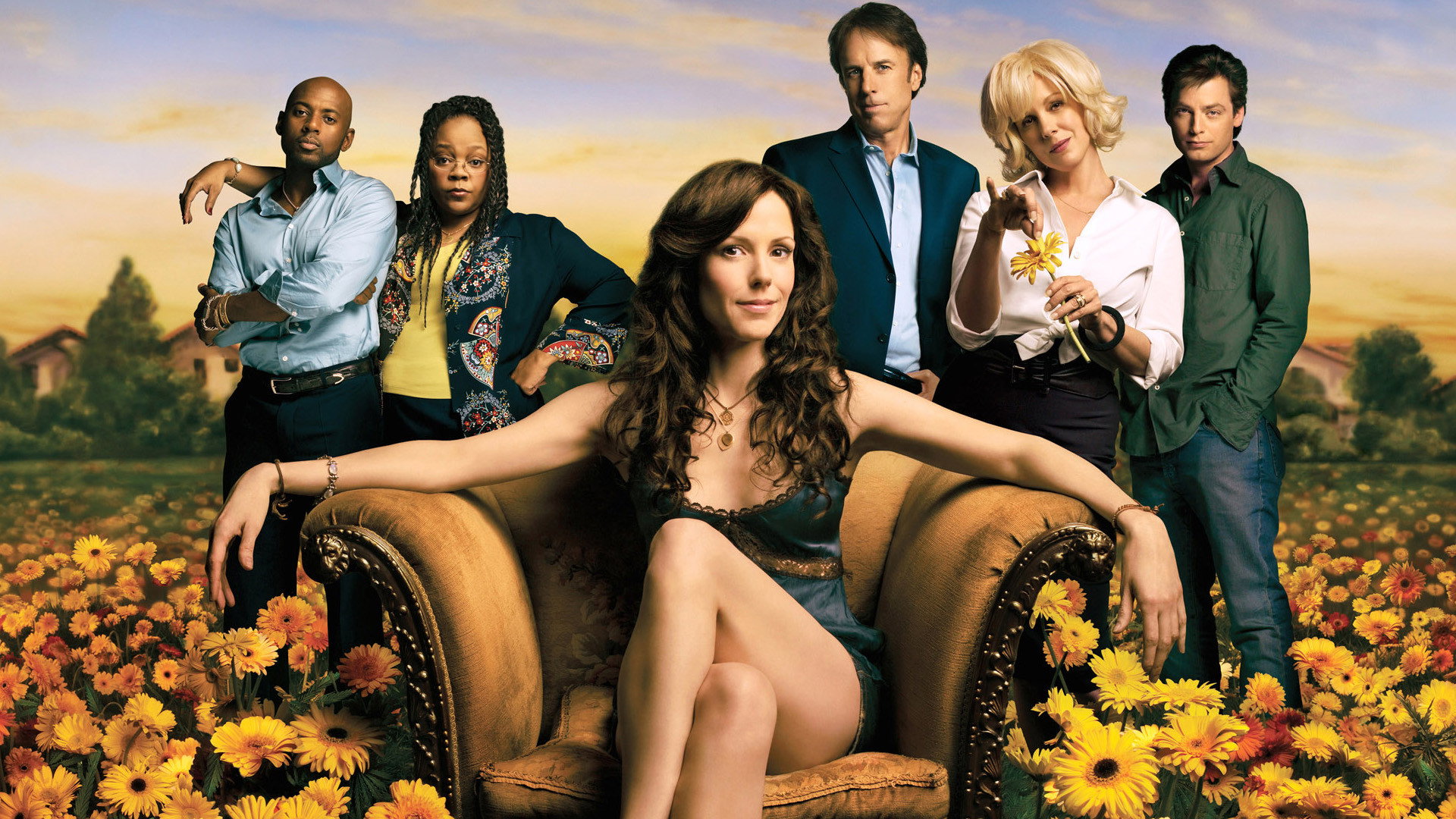
Mary-Louise Parker is the reason it is good. Nancy hides behind sunglasses and an iced coffee and says perhaps a third of what she is thinking, and Parker lets the other two thirds cross her face without comment. She never plays Nancy as a heroine or a mess. There is a moment in the first season where Nancy is alone in the kitchen after a day of lies and simply stops moving, and we found it caught us out. Nothing is said. The show has just spent forty minutes being funny about her, and then it lets us see that her husband is dead.
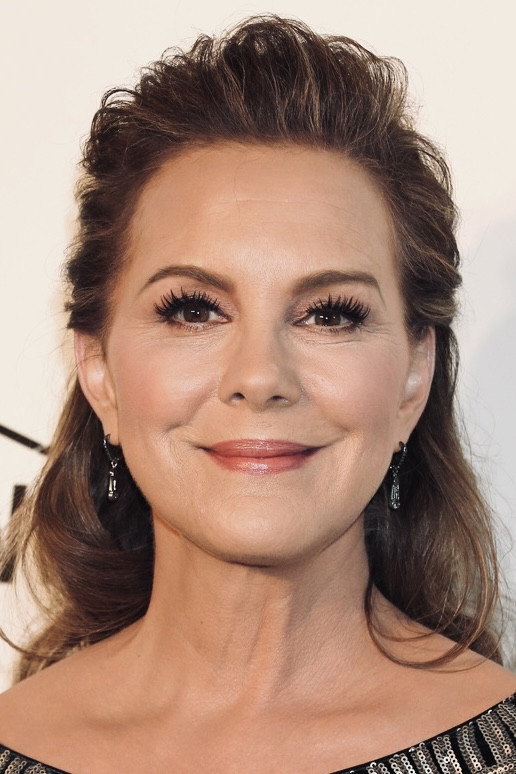
Elizabeth Perkins is the other pillar. Celia Hodes is a monster of the PTA, a woman who polices her neighbours and starves her own daughter of anything resembling kindness, and Perkins plays her with a smile that never reaches the eyes. Allie Grant’s Isabelle takes the abuse and gives back deadpan contempt, and their scenes are some of the cruellest comedy on television at the time. We laughed at Celia, and then felt slightly ashamed of ourselves, because Grant makes it clear a child is being hurt. That double feeling is the show at its best.
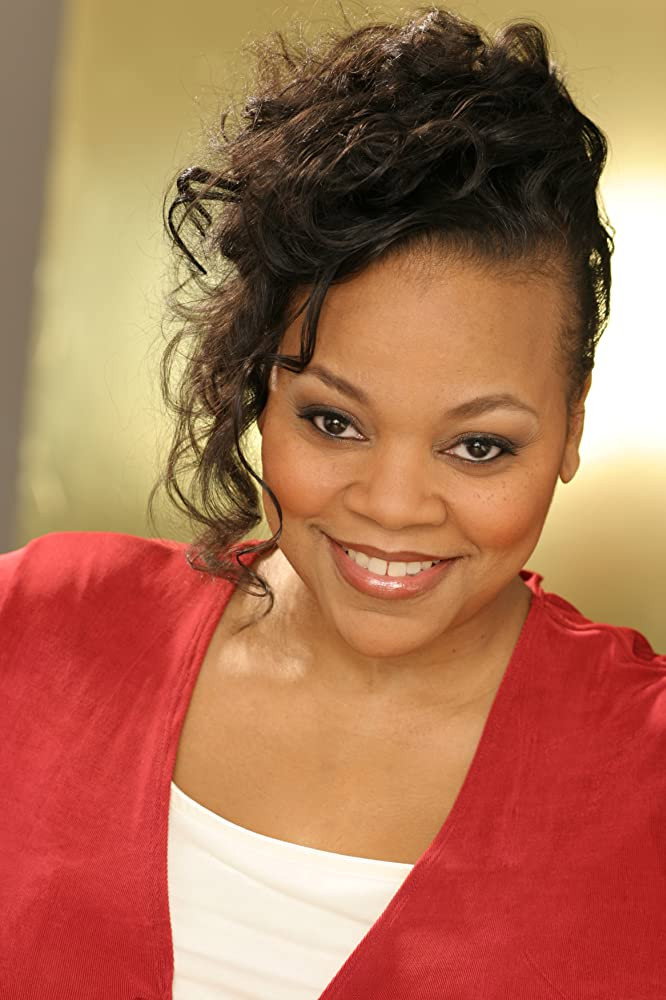
The men are lighter. Kevin Nealon’s Doug is a stoned councilman with a briefcase, and Nealon gets a laugh out of every slow blink. Justin Kirk’s Andy, the brother-in-law who arrives to sponge and stays to help, takes a few episodes to settle, and the show is better once he has. Tonye Patano and Romany Malco, as the suppliers Heylia and Conrad, are the only adults on screen who know what they are doing, and Kohan writes their kitchen as the one place where the truth gets told. The show is franker about race than most suburban comedies of the period, and mostly careful with it.
It was not an expensive series and it does not look like one. The light is flat and bright, the interiors look like sets, and the identical houses of Agrestic are shot without much love, which suits the joke. The title sequence sets Little Boxes over rows of matching roofs, and from the second season a different artist sings it each week, which is a better idea than it sounds. John Dragonetti’s music is plucked and light and keeps the weight off. Directors rotate, Brian Dannelly, Craig Zisk and Paris Barclay among them, and the episodes look of a piece, which for a series is the compliment it sounds like.
The trouble is that Kohan cannot leave a situation alone. Each season ends by knocking over something the last one built, and the show keeps raising the stakes and is a little less funny every time it does. After the third season it moves house more than once, in ways we will not describe, and Nancy’s choices stop belonging to a widow in a bind and start belonging to a writers’ room that needs a cliffhanger. Parker keeps playing the same woman with the same care. The scripts stop deserving her.
Most critics landed close to where we have, and the two who were cooler at the start were right that it is more drama than comedy and slow to find its feet. Against Desperate Housewives, which got to the poisoned suburb a year earlier, this is the meaner and truer of the two. Against Kohan’s own Orange Is the New Black, it is smaller and tighter, and it has the better lead.
Start with the first season, which is ten episodes and knows it. Stay for the second and third. When you feel the show begin to reach, stop, and nobody will think less of you.