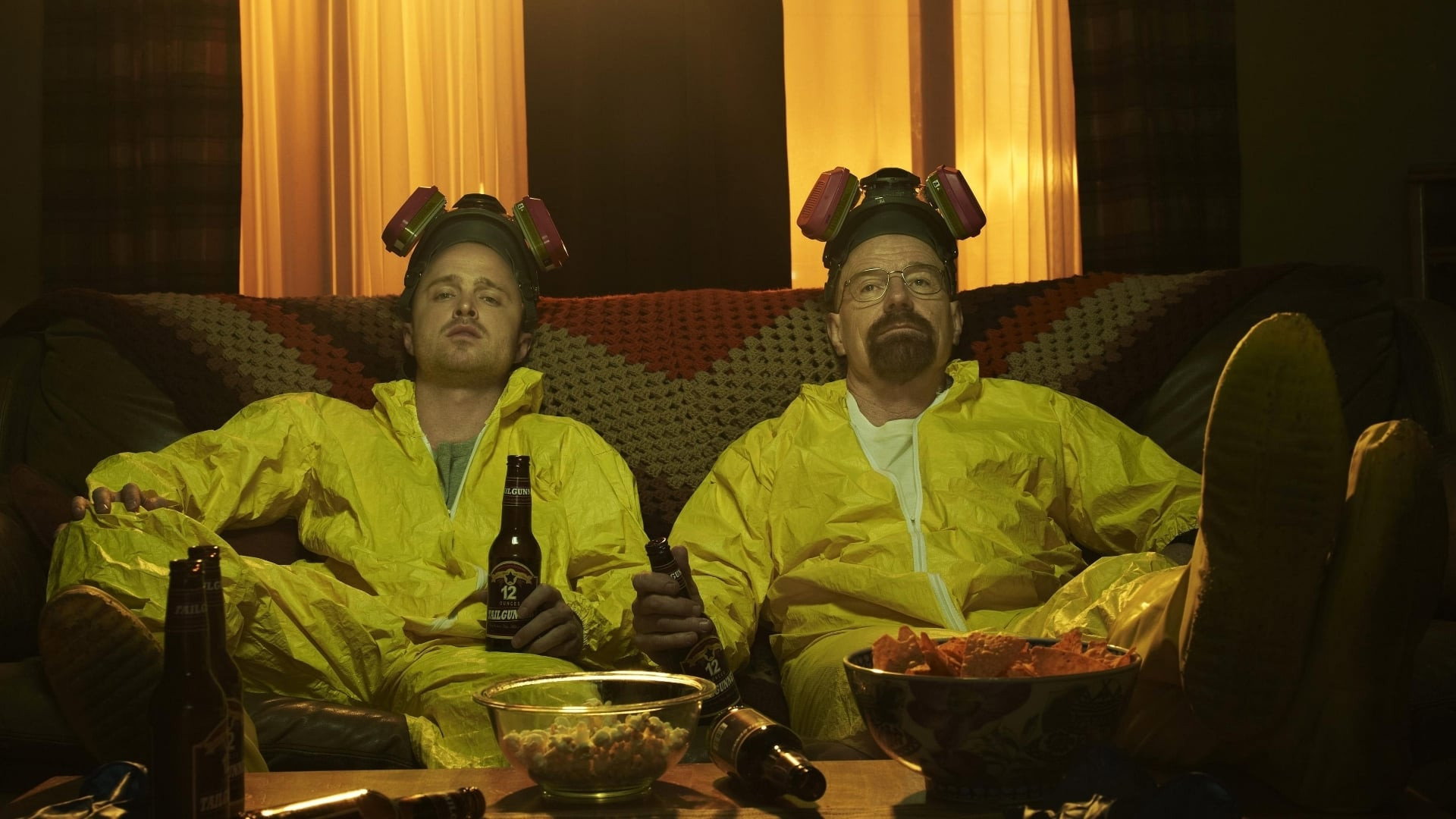
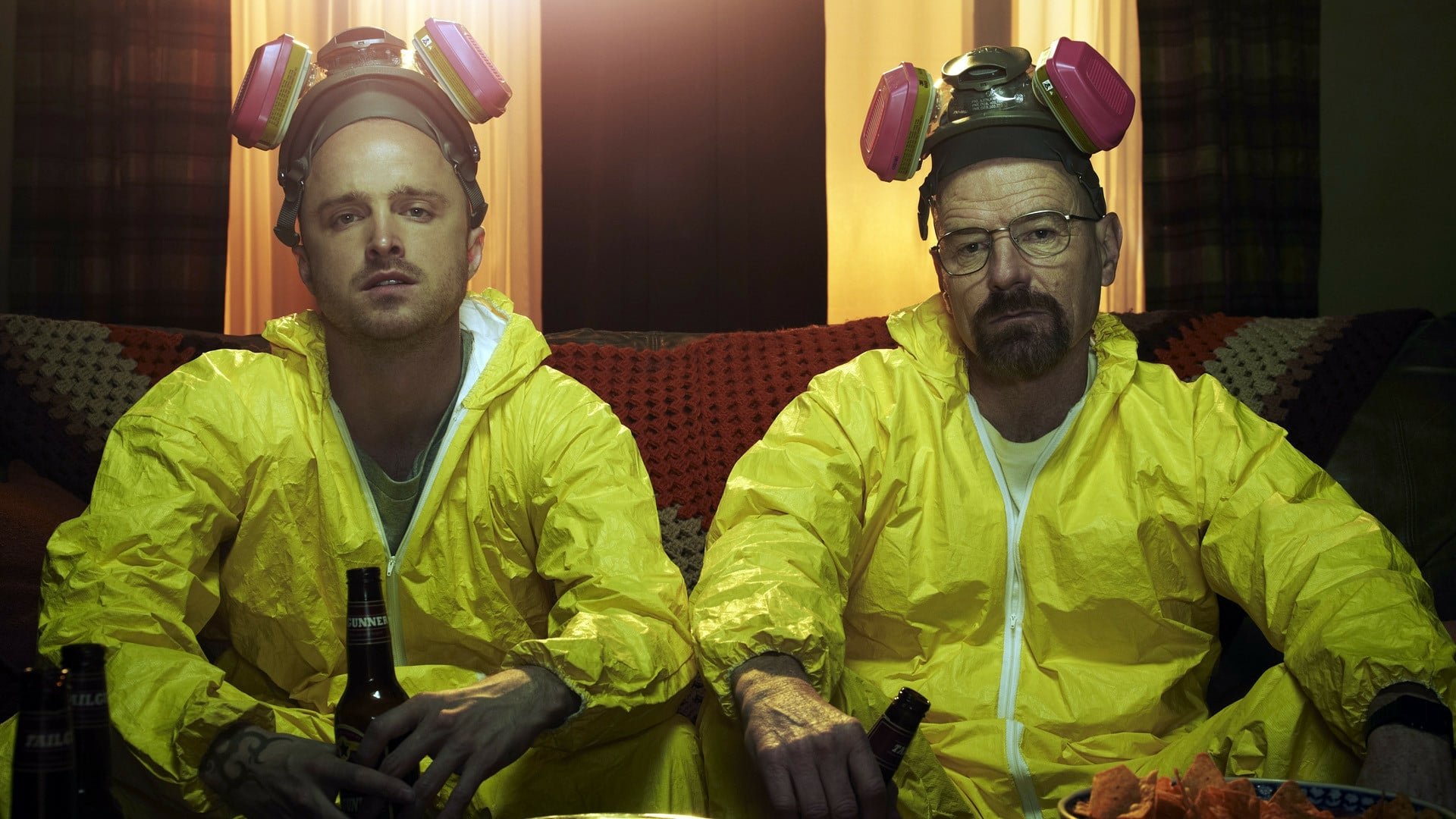
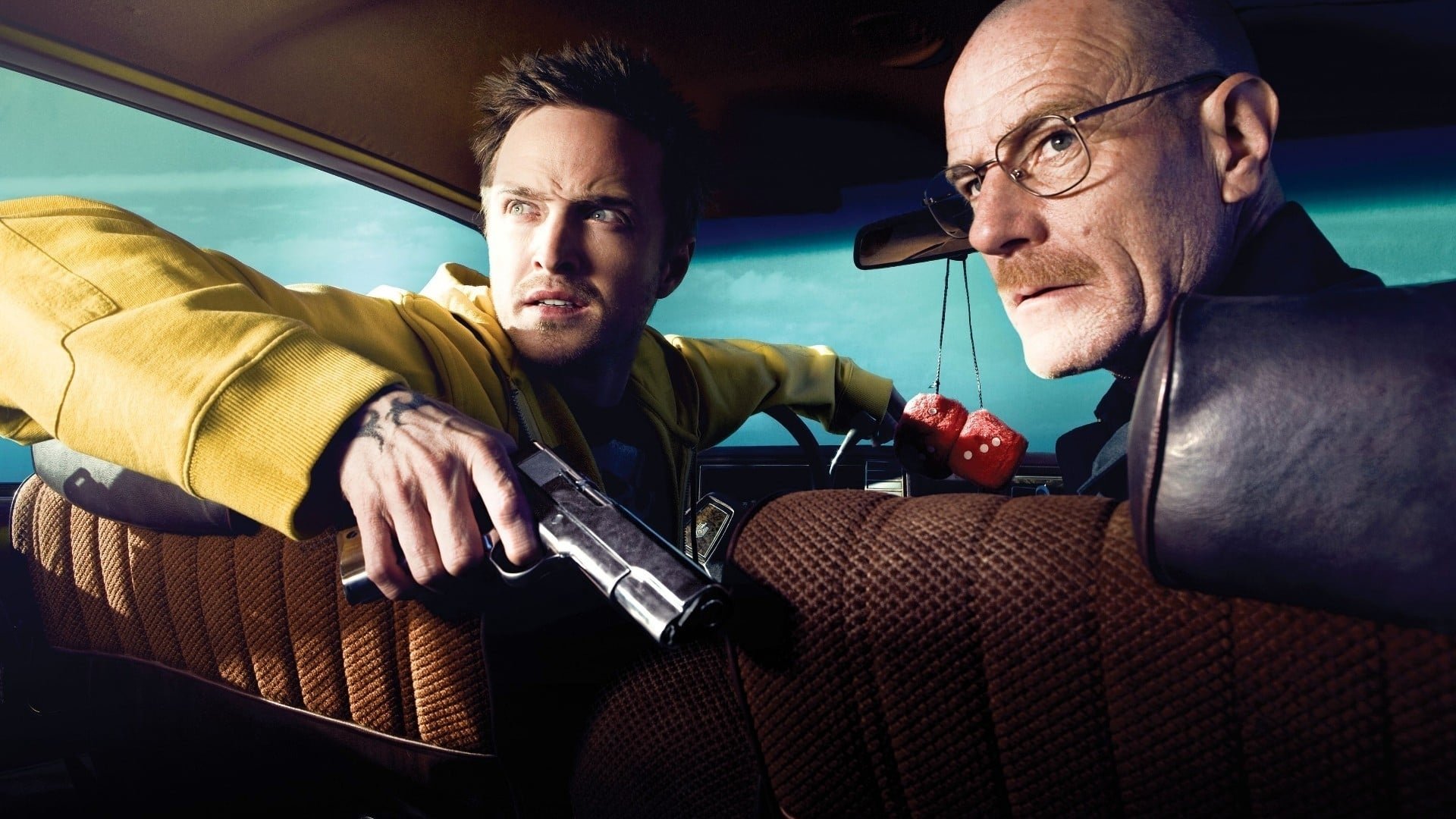
Bryan Cranston makes Breaking Bad frightening, funny and hard to stop watching. Its cleverness can become a nuisance, but the scrutiny of Walter White’s excuses is sharp enough that we recommend it well beyond the usual crime-drama audience.
Breaking Bad is a superb crime drama, and we would recommend it to people who normally avoid the genre. Chemistry teacher Walter White receives a cancer diagnosis and decides to make meth to provide for his family. Working with former pupil Jesse Pinkman, he brings an educated man’s confidence to a business he has no sensible reason to enter. Vince Gilligan’s writing makes that confidence funny before giving us reason to be wary of it.
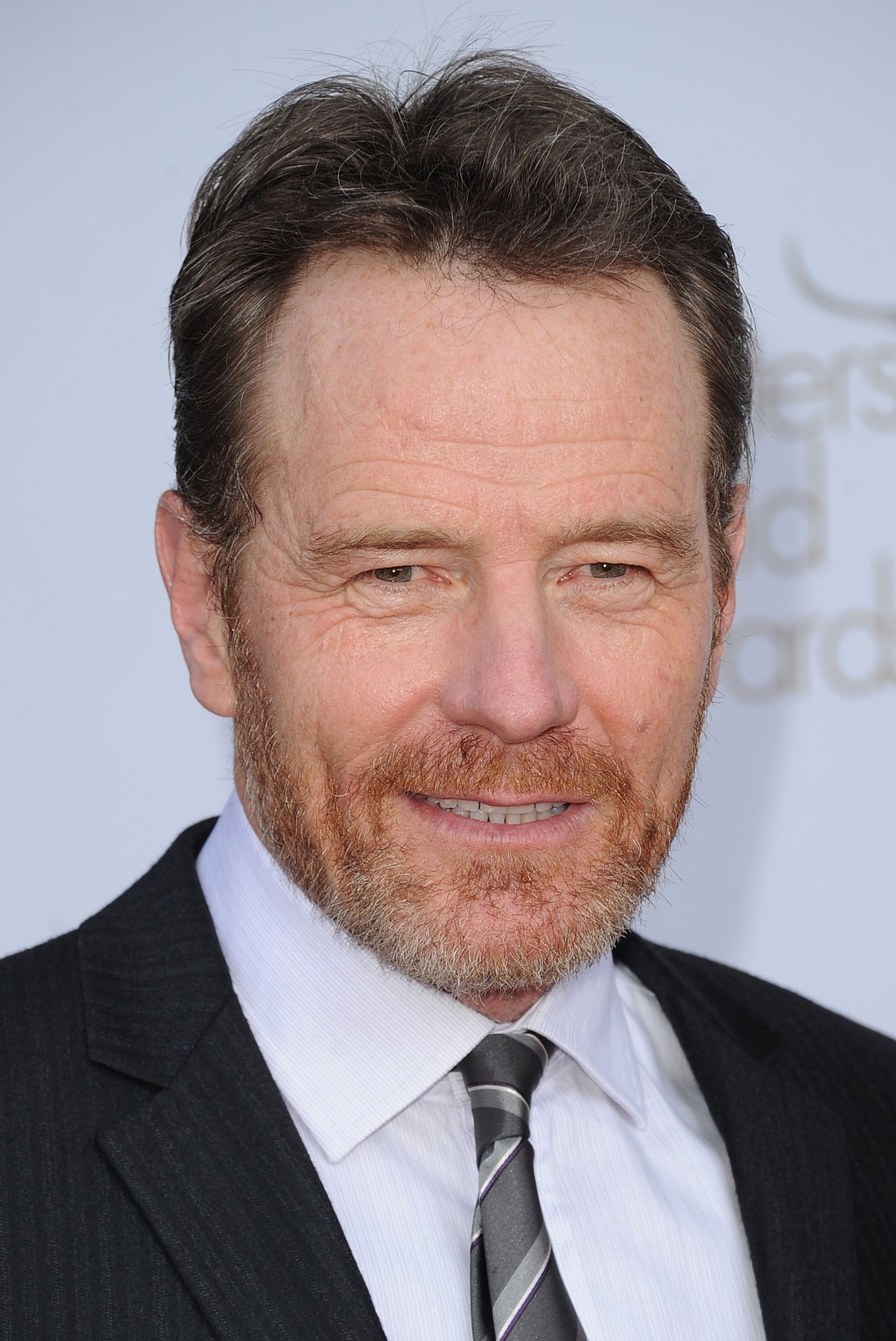
Bryan Cranston makes Walter’s reasonable tone more unsettling than his anger. He plays the teacher as someone who expects knowledge to bring respect and takes it personally when it does not. We laughed at Walter bringing classroom authority to meth-making, then felt uneasy about how quickly we had accepted his reasoning. The diagnosis makes sympathy easy, but Cranston keeps the self-importance audible even when Walter sounds most reasonable.
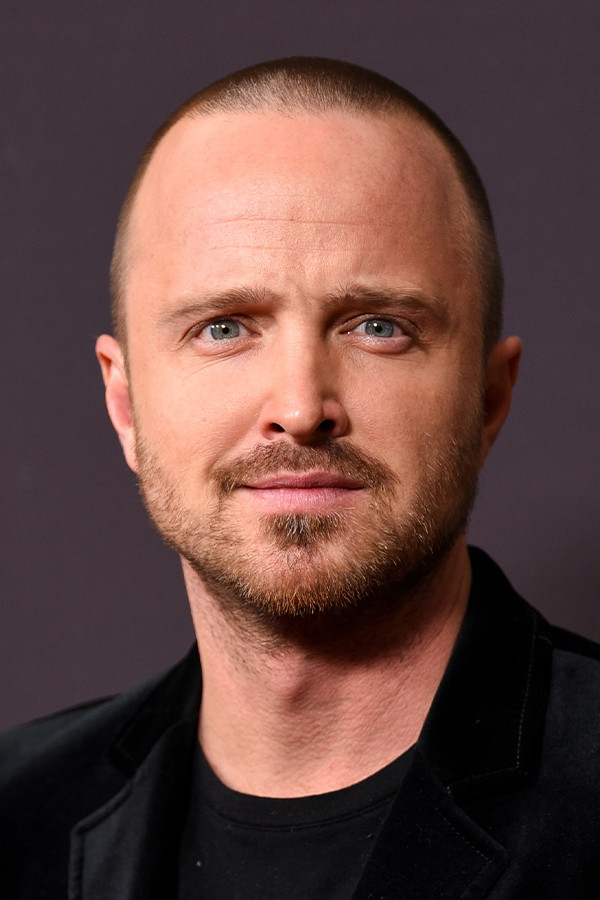
Aaron Paul gives Jesse Pinkman enough impatience and hurt to stop the partnership becoming a running joke about an ill-matched pair. Walter can take charge of a lesson more readily than he can manage another person, and Paul makes that distinction count. Their exchanges have the irritation of people who need each other and dislike the fact. Anna Gunn, as Skyler White, supplies a welcome plainness amid so much busy self-justification. She makes ordinary concern worth listening to, even when the criminal business is demanding attention.
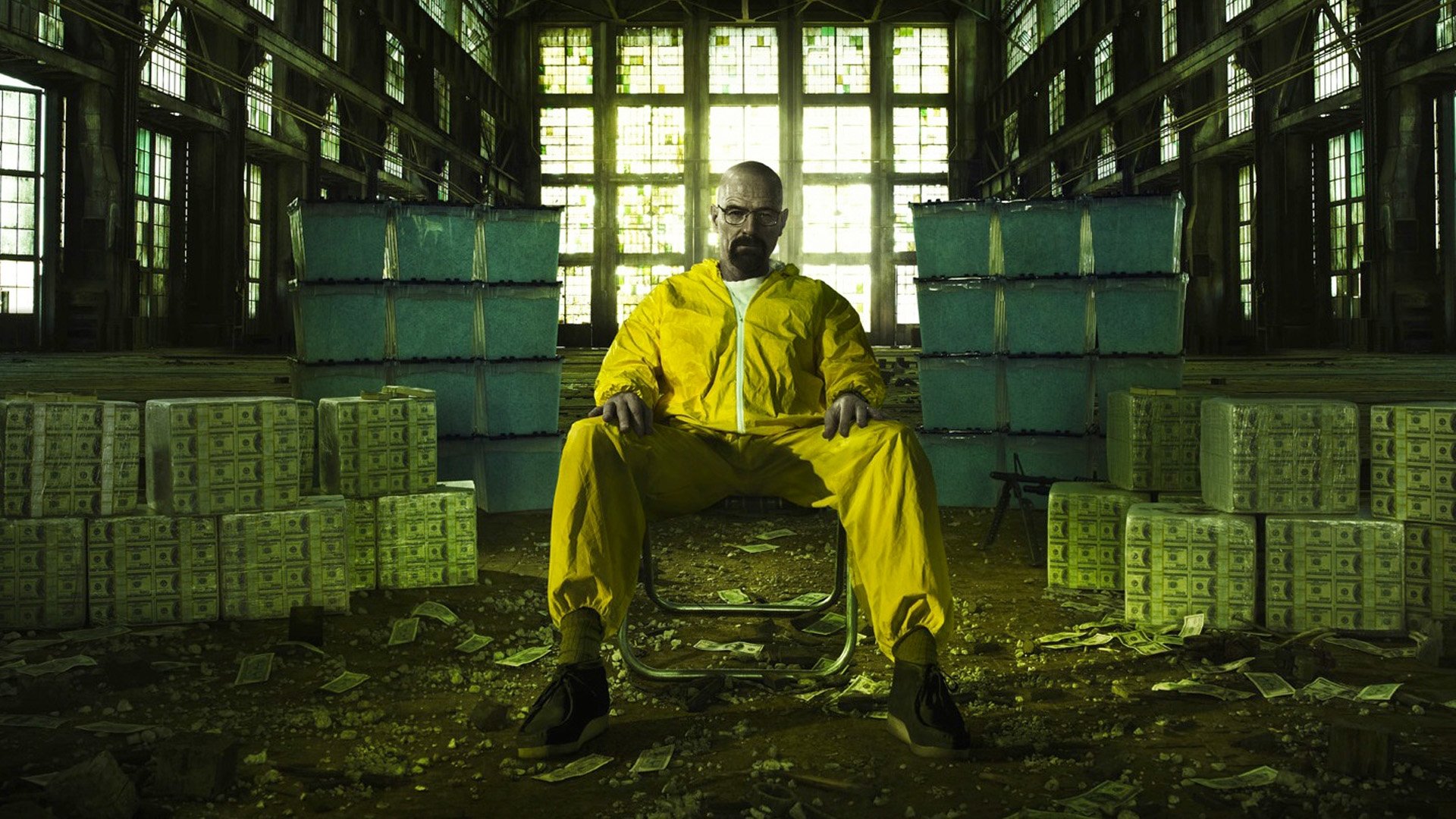
Michael Slovis’s cinematography makes empty space feel threatening: there is too much room in the frame for something to go wrong. The compositions are controlled enough that we start looking for danger before anyone has identified it. Production designers Robb Wilson King and Mark S. Freeborn make domestic rooms feel cramped and unglamorous, which helps us understand Walter’s dissatisfaction without endorsing it. The surroundings remain recognisable even when his behaviour becomes difficult to credit.
Editors Kelley Dixon and Skip Macdonald help make practical tasks suspenseful by letting the order of actions matter. There is pleasure in following a process closely enough to anticipate how it might fail, and the cutting gives us time to worry. Dave Porter’s music adds pressure without insisting that every moment needs an emotional instruction. Its restraint is useful in a series where conversation can be uncomfortable enough on its own.
There are costs to making criminal enterprise so absorbing. The mechanics of producing and selling meth can become more interesting than the people harmed by it, and the dark comedy sometimes helps us forget what is being sold. Gilligan and his fellow writers are sufficiently alert to Walter’s excuses that this seldom feels careless. The plotting is occasionally too elaborate, though, introducing difficulties that seem calculated to give a clever man something clever to do. At those moments, we notice how the writers have arranged the trouble before we worry about the person stuck with it.
Crime dramas often make competence attractive, and Breaking Bad watches closely how much Walter enjoys having something he can do well. Cranston leaves enough vanity visible to make admiration uncomfortable without making the man impossible to understand. That attention to his behaviour earns our patience when the plotting gets elaborate. Watch closely, and do not take Walter’s explanation for the programme’s own.