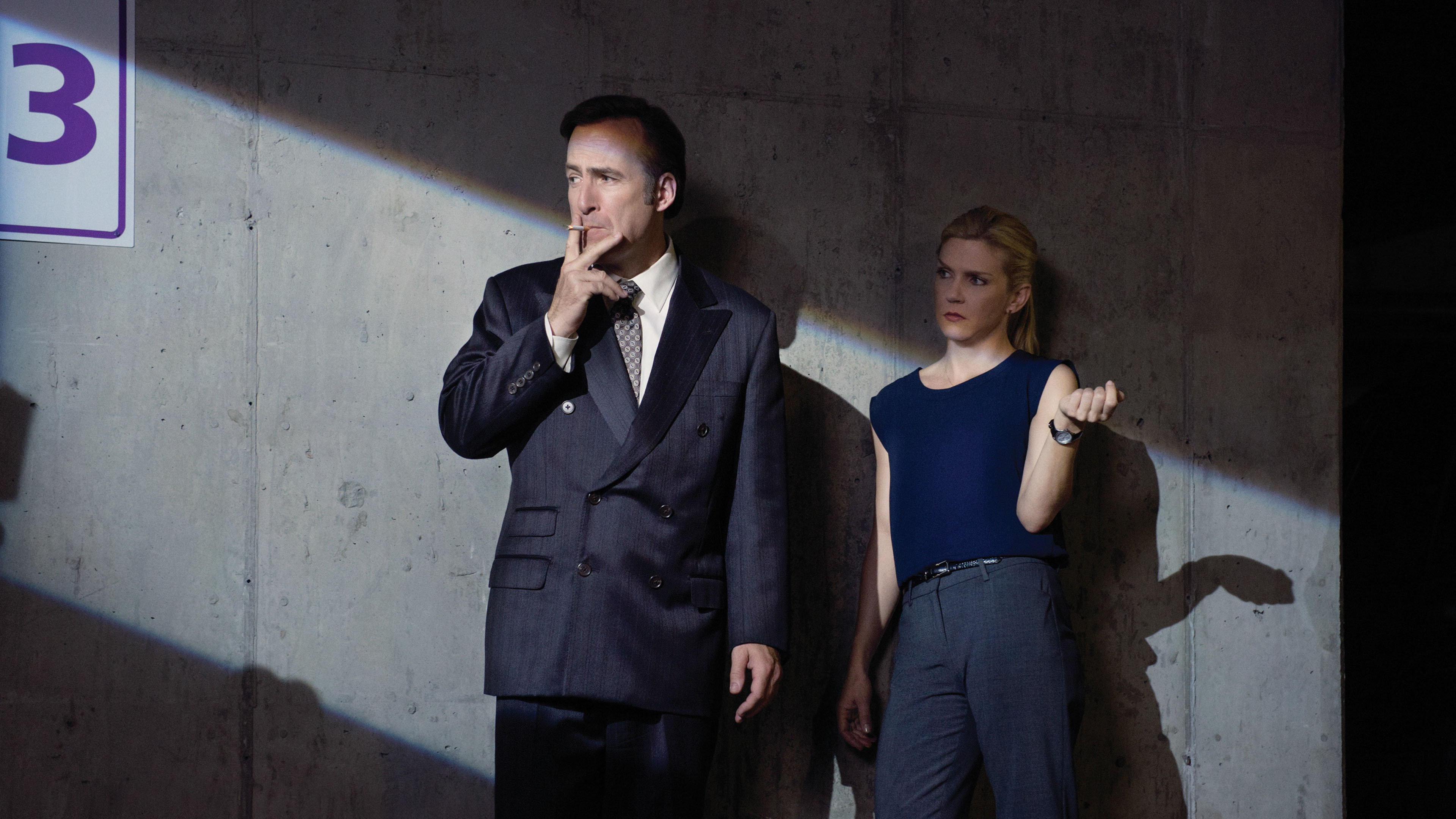
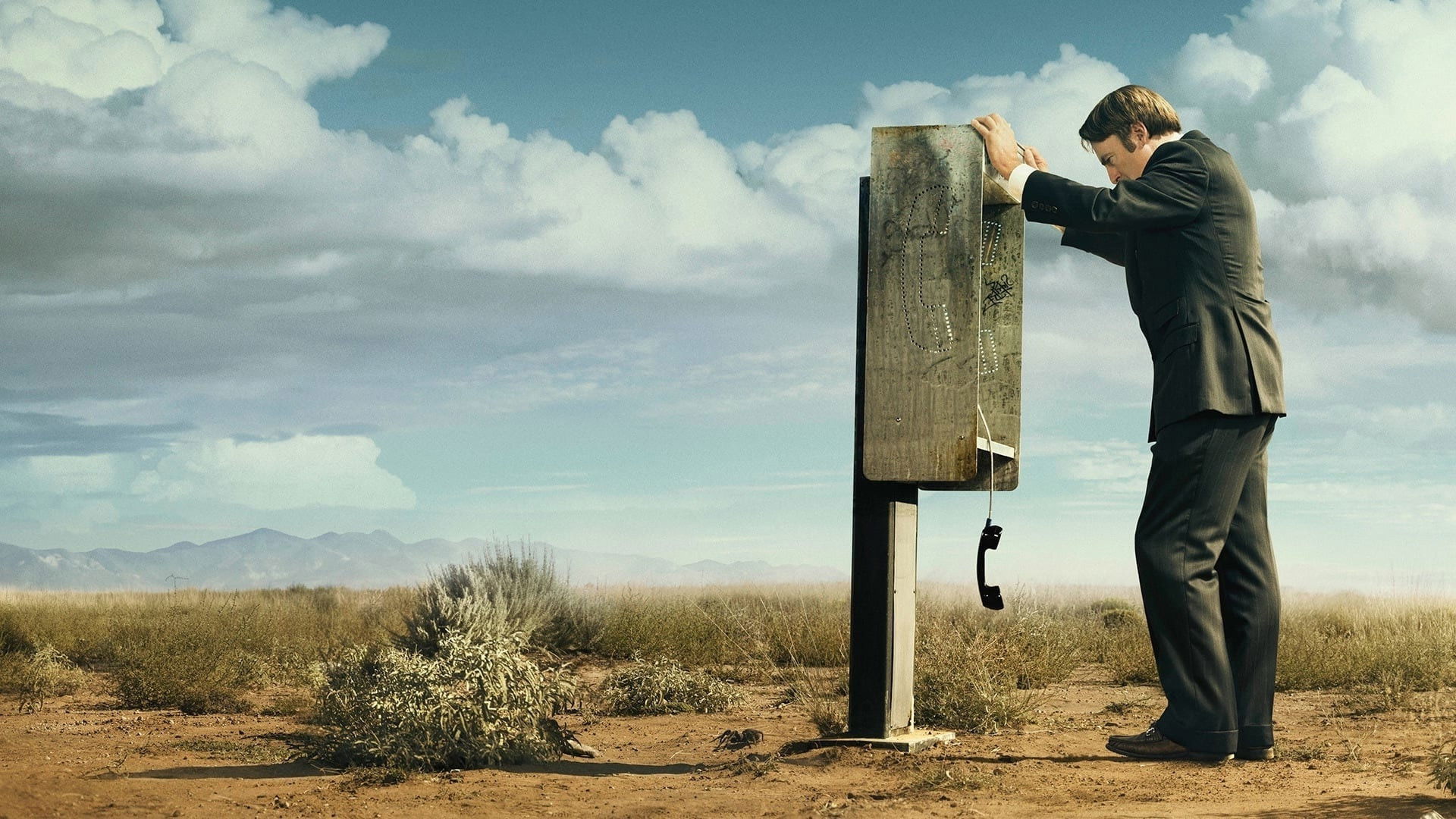
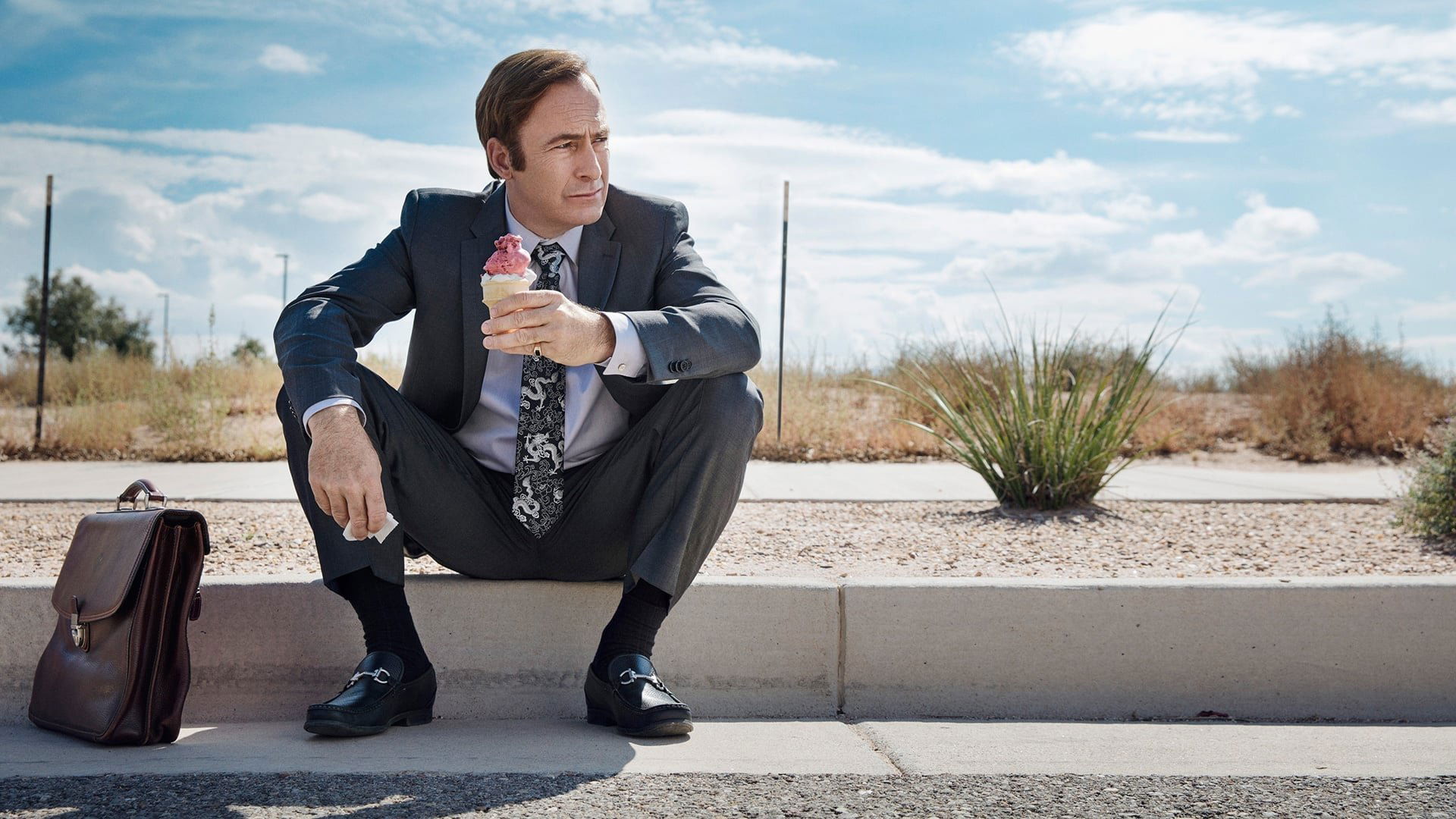
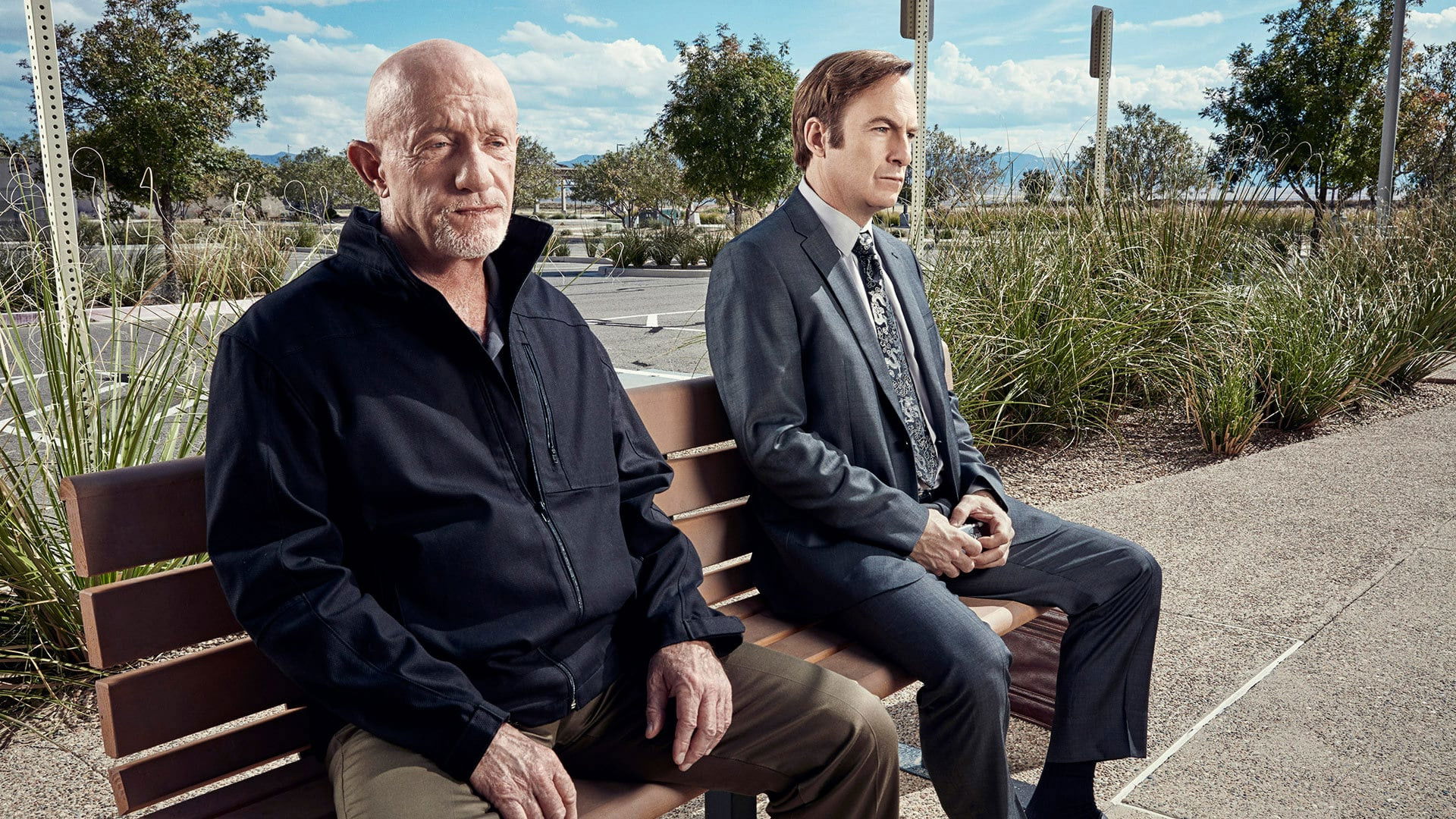
Bob Odenkirk makes Jimmy McGill funny, aggravating and worth caring about. Better Call Saul takes its time getting started, but the performances and precise comic timing make the wait worthwhile.
We recommend Better Call Saul for the attention it pays to a man trying, not always successfully, to be decent. Creators Vince Gilligan and Peter Gould give Jimmy McGill enough wit to excuse himself and enough vulnerability to make those excuses matter. Bob Odenkirk is funny without making the character’s disappointment seem negligible. The slow opening asks for more patience than it immediately earns, but the performance gives us a reason to stay before the crime story does.
We laughed at Jimmy’s nail salon office, then felt mean for laughing. A man is trying to establish himself as a respectable lawyer, and his place of business makes that effort look faintly hopeless. The production-design team includes Mark S. Freeborn, and this choice of workspace explains Jimmy’s position without a speech about being overlooked. It also gives Bob Odenkirk somewhere suitably unpromising to bring all that determination, making even the business of turning up for work seem an effort worth noticing.
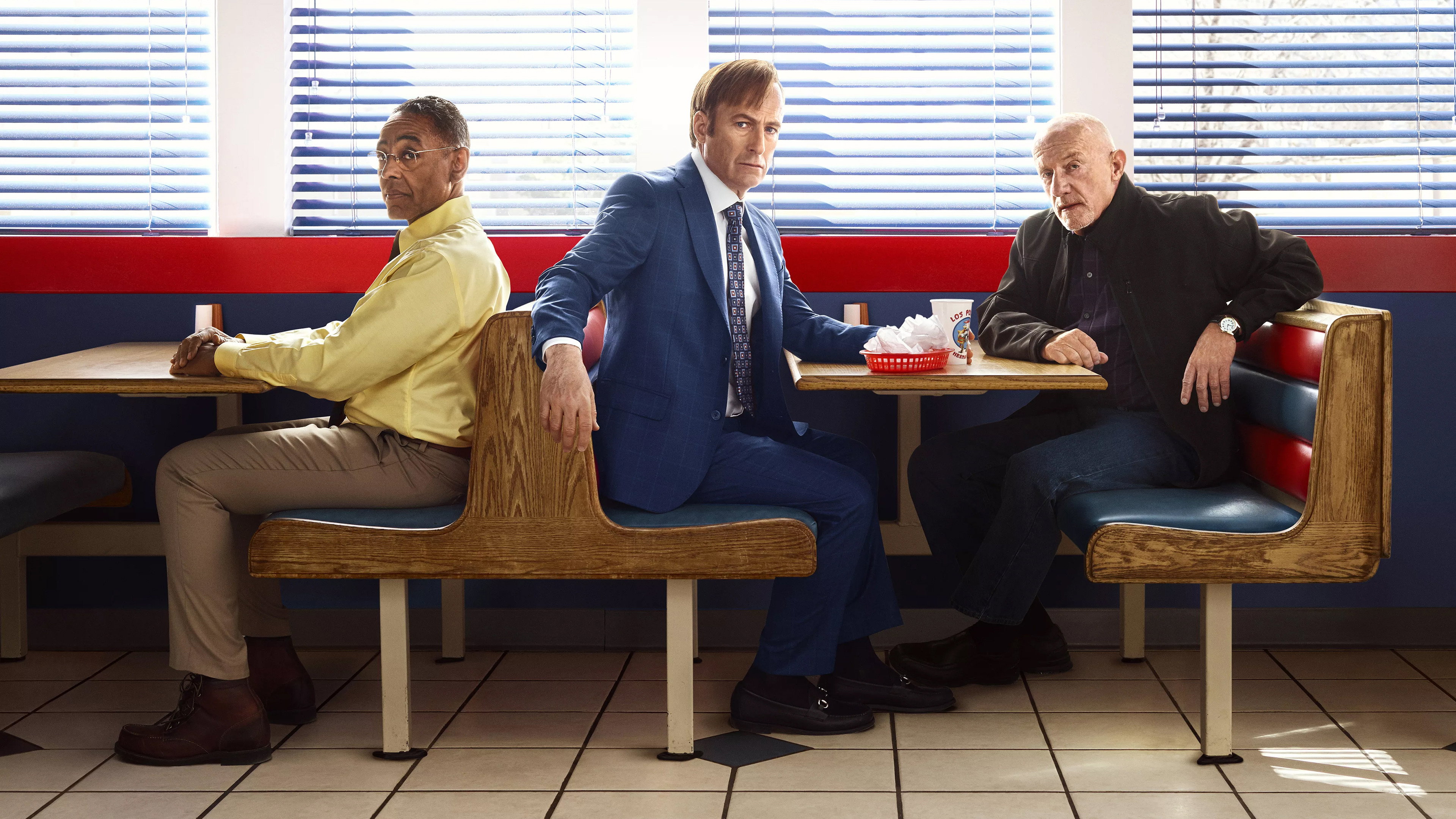
The acting keeps that mixture of irritation and sympathy alive. Bob Odenkirk lets the confidence and the wounded idealism sit close enough together that a scam can feel like a protest against being dismissed. We can understand the impulse without being asked to approve the conduct. Jonathan Banks, as Mike Ehrmantraut, provides a useful counterweight to the lead’s comic energy. Their exchanges give the humour some resistance: Jimmy’s presence does not oblige everybody else to find him entertaining.
The cinematographers include Arthur Albert, and the crisp images give the shabby details room to register. This is carefully directed television that considers a small professional embarrassment worth looking at. The editing team, including Kelley Dixon, allows conversations to establish character rather than simply carrying us towards the next piece of trouble. The schemes benefit from that care too, since their entertainment depends on timing as much as ingenuity. Dave Porter’s music is effective, although the timing of the performances makes the stronger impression.
The reservation is that the opening sometimes spends time confirming things we have already understood about Jimmy. Once his wish to be respectable and his appetite for shortcuts are clear, another stretch of patient observation can feel like a delay. The humour survives these pauses better than the suspense. The writing has such confidence in this man that it occasionally seems to assume our attachment is settled. His predicament needs more weight in these early stretches, particularly when the jokes have stopped.
As a prequel to Breaking Bad, the series has a ready-made reason for people to arrive, but it does not need that connection to hold them. Its gentler humour makes room for the embarrassment of trying to pass as a successful professional. The violent passages have more force because the joking has encouraged us to relax. Crime dramas have no shortage of men who command attention merely by entering a scene; Jimmy has to work considerably harder to be taken seriously.
Six seasons are a commitment, and the opening will not persuade everyone to make it. We would make a start for Bob Odenkirk, whose ability to make a bad idea sound temporarily reasonable is a substantial pleasure in itself. Give the conversations time; anyone waiting only for the next outbreak of violence is likely to become impatient.