Series review

Orange Is the New Black

2013 · Created by Jenji Kohan · Series · MPA TV-MA

In a sentencePiper goes to prison and the show slowly works out it would rather be visiting everyone else

DramaComedyCrime

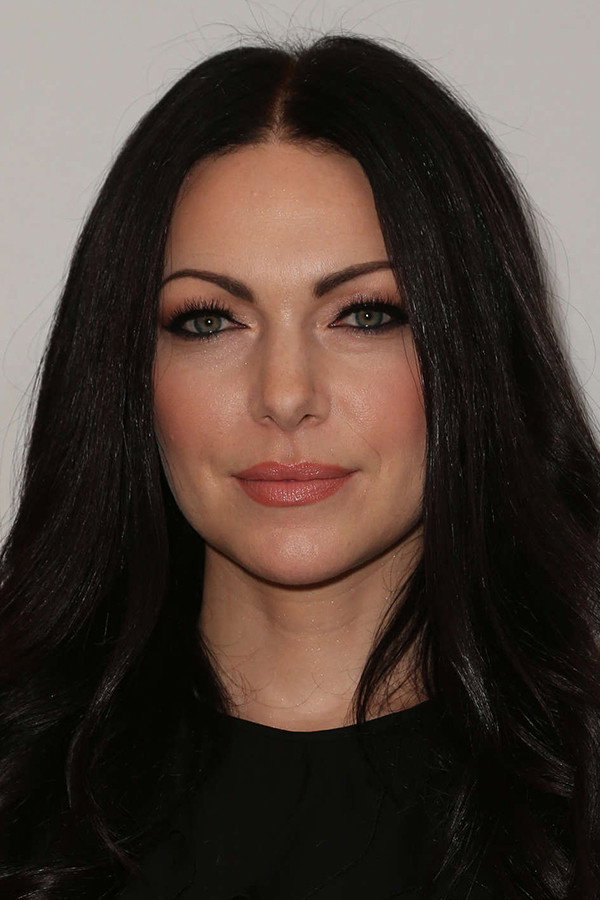
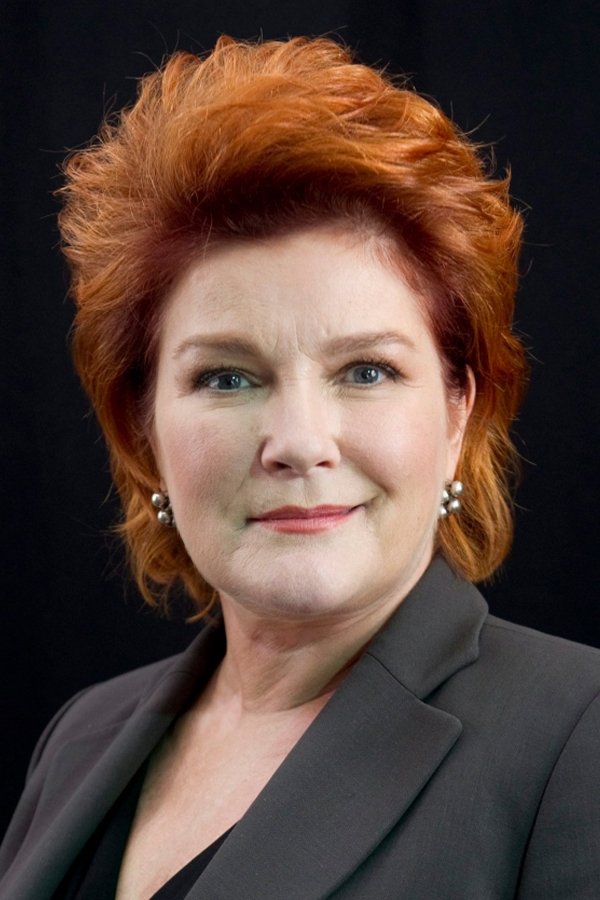
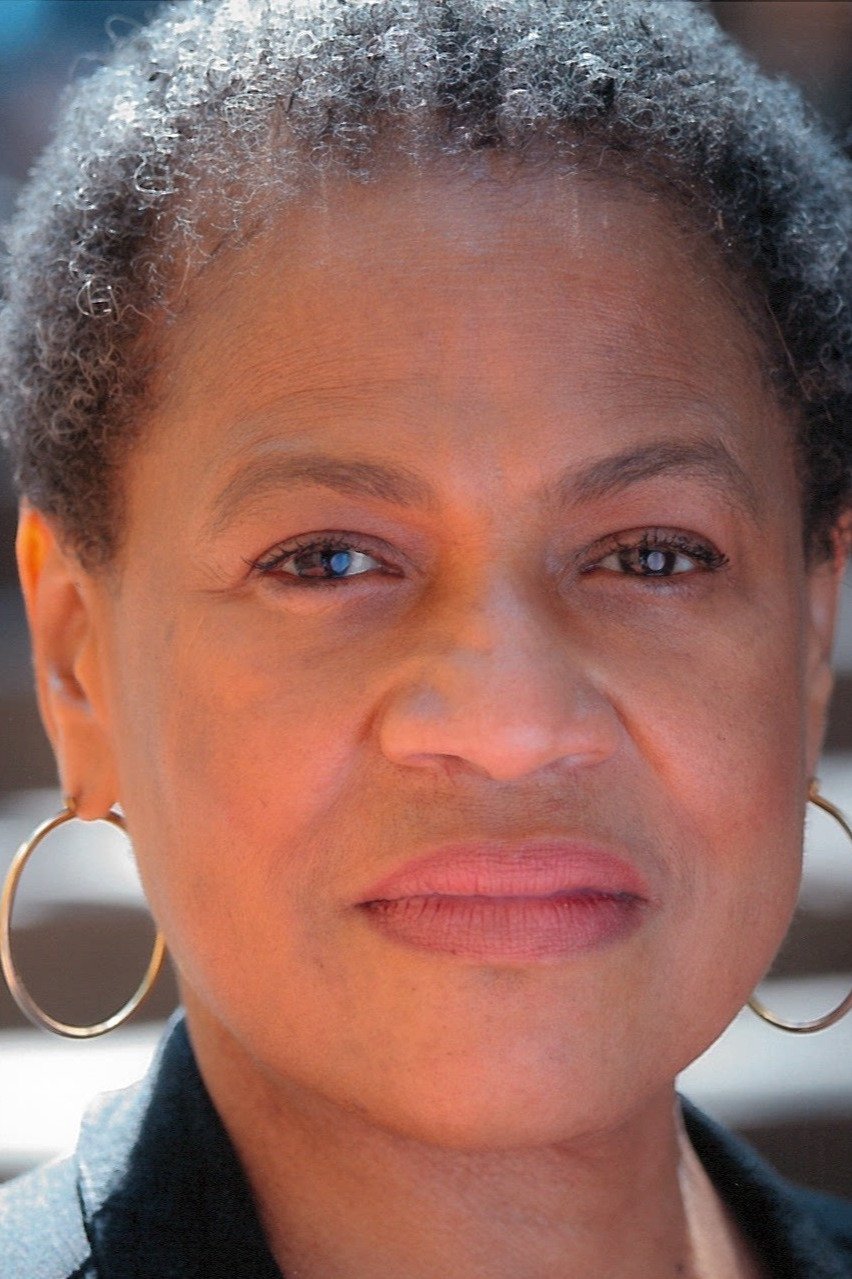
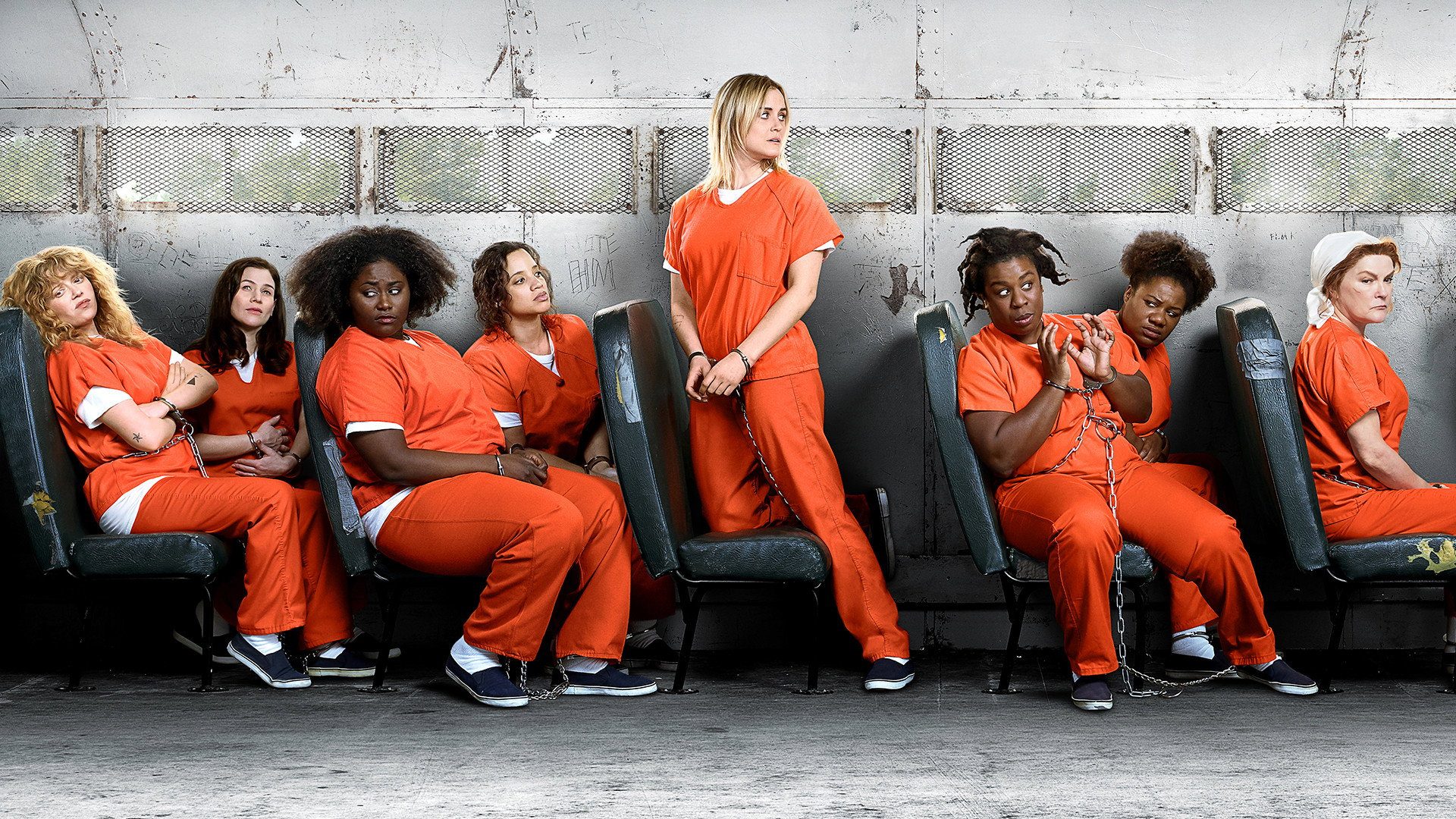
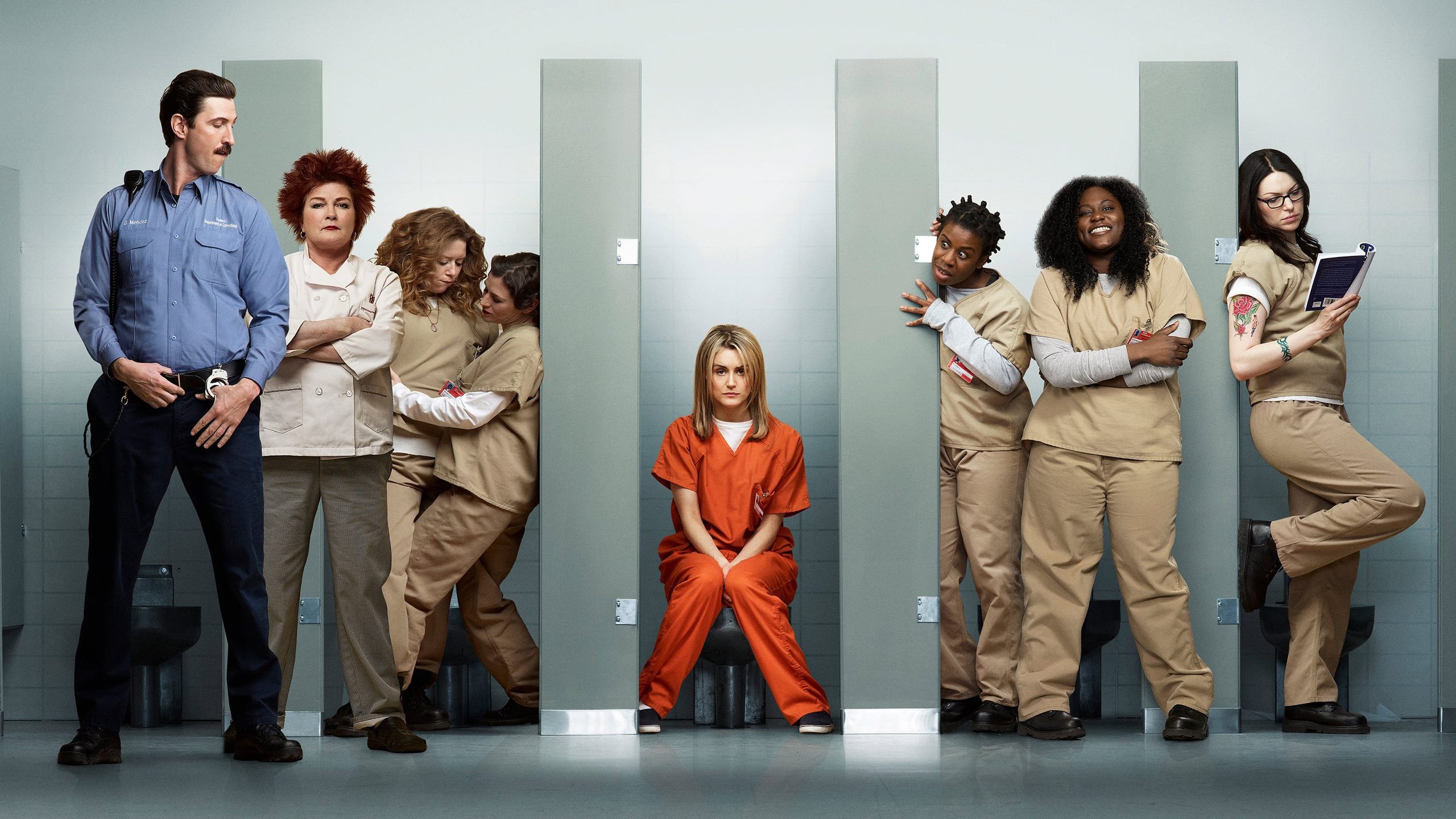
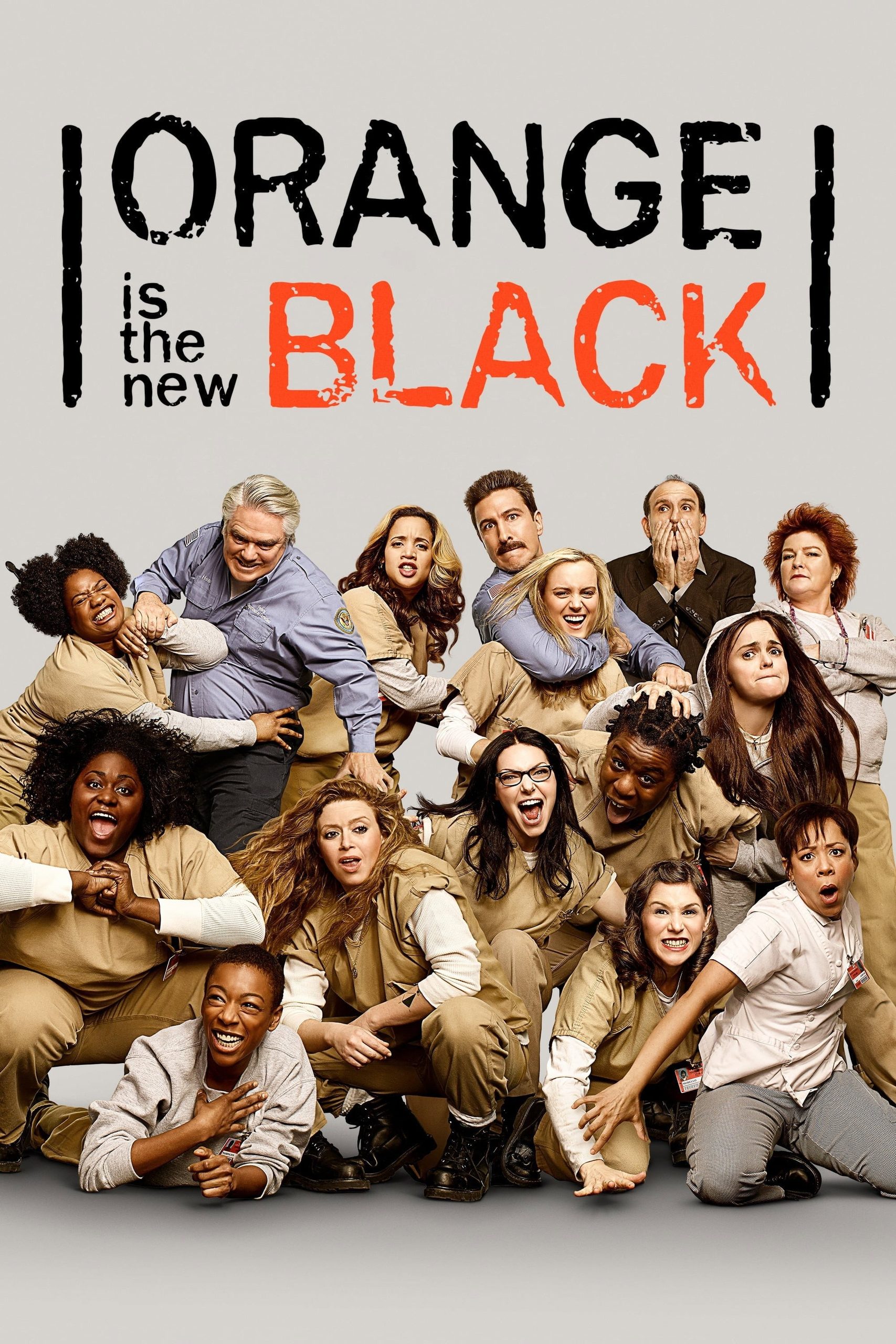
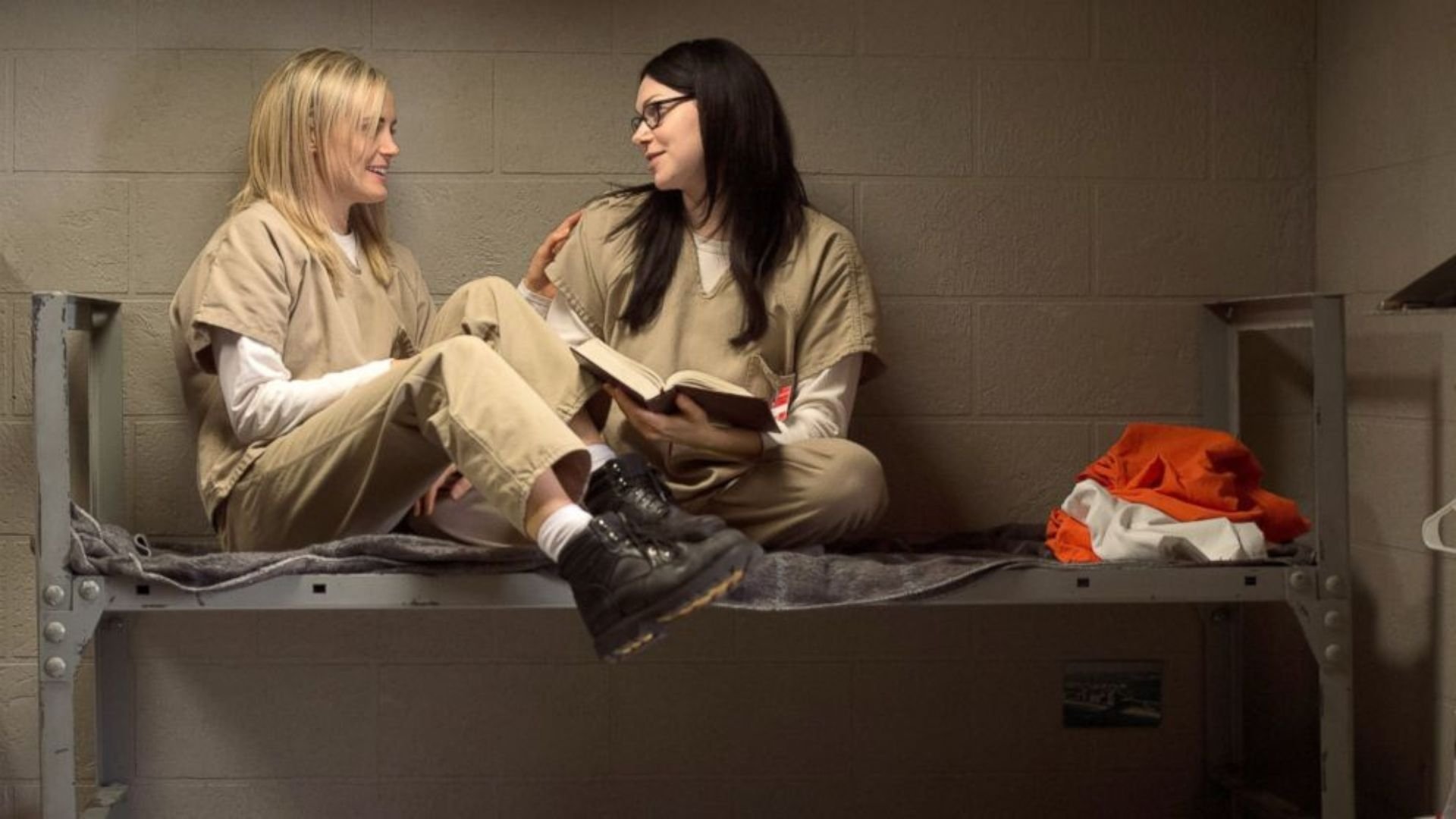
Piper Chapman (Taylor Schilling), who runs a soap business in Brooklyn and is about to be married, surrenders to Litchfield, a minimum-security federal prison in upstate New York, to serve fifteen months for carrying a suitcase of drug money. She plans to keep quiet and count the days. On her first morning she insults the food within earshot of the cook, Galina ‘Red’ Reznikov (Kate Mulgrew), and stops being fed. Her bunkmate Miss Claudette Pelage (Michelle Hurst) does not want her there, and Nicky Nichols (Natasha Lyonne) explains the rules nobody wrote down. Then Piper sees the woman who handed her the suitcase: Alex Vause (Laura Prepon), now in the same prison.

Plays from YouTube when you press play; nothing loads from them until then.

Fi1m review

Jenji Kohan’s prison series starts as a comedy about a well-off blonde behind bars and quickly becomes an ensemble piece about the women around her. The first two seasons are strong; the five after are patchier and longer than they need to be.

Piper Chapman (Taylor Schilling) has a soap business in Brooklyn, a fiancé and a fifteen-month sentence for once carrying a suitcase of drug money for a girlfriend. She surrenders to Litchfield, a minimum-security federal prison in upstate New York, meaning to keep her head down. Within a day she has insulted the cook, been starved for it and found the girlfriend, Alex Vause (Laura Prepon), in the same building. Jenji Kohan’s series, adapted from Piper Kerman’s memoir about her own year inside, ran for seven seasons of thirteen episodes, the first arriving on 11 July 2013 and the last on 26 July 2019. It is good, and best in its first two years, when it was still finding out what it had.

What it had was everyone else. The plan is plain by the third or fourth hour: each episode picks one inmate and cuts from the present to show how she got here. Jennifer Hatton, the editor, makes those cuts on a look or a half-finished line, so the past arrives as an answer to a question the present has just asked. Galina “Red” Reznikov (Kate Mulgrew) runs the kitchen like a small country, and we learn why, and it is not what we guessed. Tasha “Taystee” Jefferson (Danielle Brooks) is the loudest voice in the yard and her episode explains the noise. By the time the series turns to the guards, we have stopped assuming anybody is only what they look like.

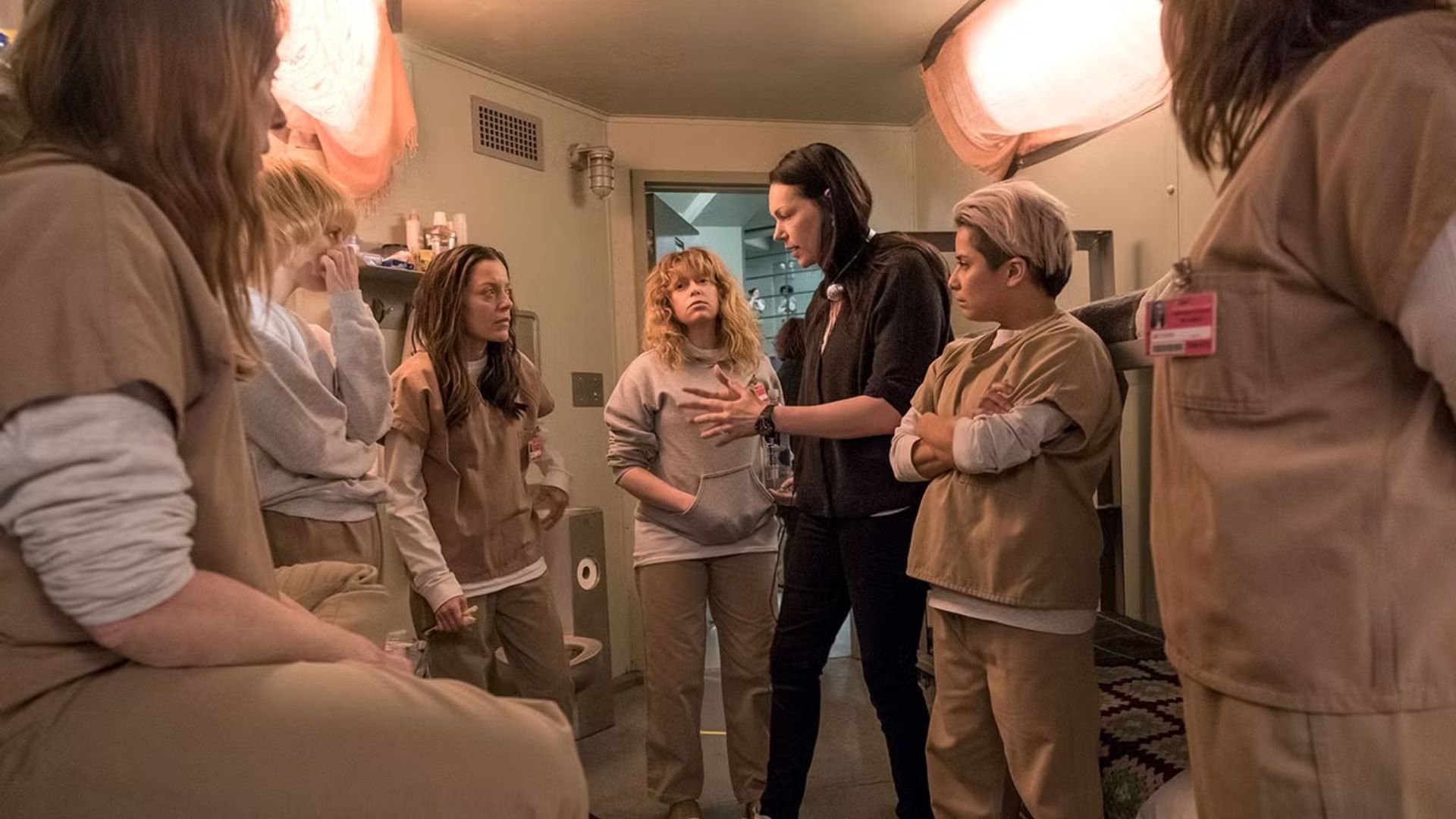
Manuel Billeter, Vanja Černjul and Andrew Voegeli share the photography across the run and keep to one rule: the prison is lit from above, flat and greenish, and nobody looks well in it. The flashbacks are warmer and shot closer, so you know where you are before anyone speaks. Michael Shaw’s production design gives the dorm plywood cubicles and open bunks, a kitchen of steel counters, a chapel with folding chairs and a guards’ station behind scratched glass. It is a cheap, worn, believable place, and ninety-one episodes later the sets have still not started to look like sets.

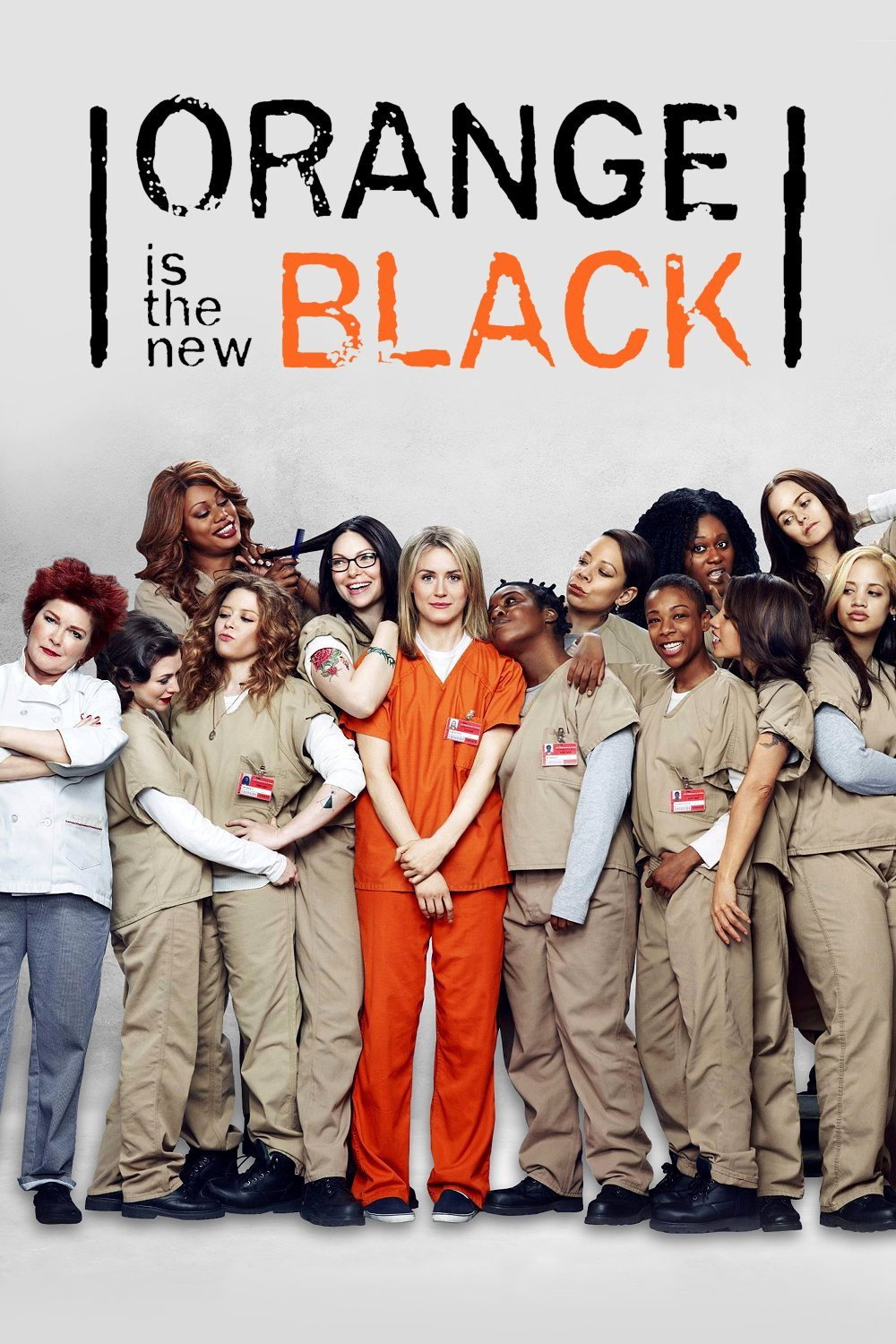
Schilling has the hardest job and the least thanks. Piper is meant to be a little spoiled and slow to notice her advantages, and the writing keeps changing its mind about how much to like her. Prepon plays Alex low and amused and is better every time the two share a scene. Natasha Lyonne’s Nicky Nichols gets the best lines and throws them away. Michelle Hurst, as Piper’s bunkmate Miss Claudette Pelage, does a great deal by not speaking. And Uzo Aduba’s Suzanne Warren, nicknamed “Crazy Eyes” and fixed on Piper from the first week, made us laugh and then made us ashamed of laughing. Aduba plays her with her whole face lit by hope, and when Piper turns her away the light goes out slowly enough that you watch it go.

The scenes we would keep above all others are in the library, where Taystee and Poussey Washington (Samira Wiley) argue about books, trade contraband and do a two-hander impression of white women that we have not stopped quoting. Brooks and Wiley play a friendship nobody wrote a plot for, and it is the truest thing in the series. It moved us more than anything the show did on purpose.

Then there is the sprawl. Seven seasons is a long time in one building, and by the fourth the series is manufacturing crises to keep everyone indoors. Storylines for the staff, with Joe Caputo (Nick Sandow) chief among them, take up more room than they earn. The tone has always swung between sitcom and something much harder; early on the swing was the point, but later it becomes a habit, and a violent scene will be followed by a joke that has not noticed. Kohan’s previous series, Weeds, had the same trouble, and this is the better show. The list of directors runs from Jodie Foster and Nicole Holofcener to Matthew Weiner, and eventually to Prepon, Lyonne and Sandow themselves.

Watch the first two seasons and see who you miss when the episode ends. If you are still there in the fourth, you are staying to the end, and the end is earned. It is an 18 certificate, and not only for the language.

Critical consensus AI synthesised

82
Positive
11
Mixed
0
Negative
0

The reviews are unanimous in their approval, and consistent about why. Most critics take Jenji Kohan’s women’s prison series to be a good deal more than its fish-out-of-water premise, and the praise gathers around the same two things: an ensemble of largely unfamiliar actors given room to become full characters, and a flashback structure that hands each of them a history. Several note that it balances comedy with something harder without letting either win, and that the humour is sharper and less pleased with itself than the setting suggests.

Reservations are mild and few. Variety finds it messy and uneven in places, and Radio Times thinks the opening premise, a middle-class woman sent down, is the predictable part of an otherwise fresh show. The spread is narrow, running from warm to warmer, with nobody dissenting. The later notices, written after several series, treat it as a show that changed what television ensembles could look like.

The AV Club
9 July 2013 · A- · Emily St. James
90

The series is a fully realized TV show that creates an involving prison world through rich, complicated characters and backstories. It excels at discovery and earnest storytelling rather than smug satire.

Read the full review →
The Hollywood Reporter
1 July 2013 · Tim Goodman
85*

Jenji Kohan has crafted a surprisingly strong women’s prison drama that expertly balances humor and drama while embracing and subverting the cliches of the concept. The first episodes surprised and astounded with unpredictable laughs, serious moments, character backstories, and enormous potential.

Read the full review →
Vulture
11 July 2013 · Matt Zoller Seitz
85*

The critic calls the series a rewarding and unusual comedy-drama that explores power, privilege, the prison system, and multiple women's stories through an effective flashback structure. It singles out the depth of character portrayals and the serious tone attuned to human damage for praise over a standard fish-out-of-water premise.

Read the full review →
Empire
30 April 2014 · William Thomas
80*

The series offers a more insightful look at prison life than its light-hearted tone suggests. It is smart, blackly comic and occasionally shocking.

Read the full review →
IndieWire
1 July 2013
80*

The piece calls the series Netflix's strongest original to date, praising its fit to the binge format with episode arcs, sharp and acidly funny tone like an improved Weeds, and strong adaptation of the memoir into a prison dramedy. It singles out the gradual character adaptation and ensemble for praise.

Read the full review →
Radio Times
8.0/10 · Sarah Carson
80

The show opens with a predictable premise about a middle-class woman in prison but is heralded for its strong female cast and revolutionary treatment of the subject.

Read the full review →

Cast

Awards

Primetime Emmy Awards, 2014

Won
Outstanding Casting for a Comedy Series
Won
Outstanding Guest Actress in a Comedy Series
Won
Outstanding Single-Camera Picture Editing for a Comedy Series

Peabody Awards, 2013

Won
Peabody Awards

Satellite Award for Best Actor – Television Series Musical or Comedy, 2013

Won
Satellite Award for Best Actor – Television Series Musical or Comedy

Satellite Award for Best Supporting Actress – Series, Miniseries or Television Film, 2013

Won
Satellite Award for Best Supporting Actress – Series, Miniseries or Television Film

If you liked this, try…