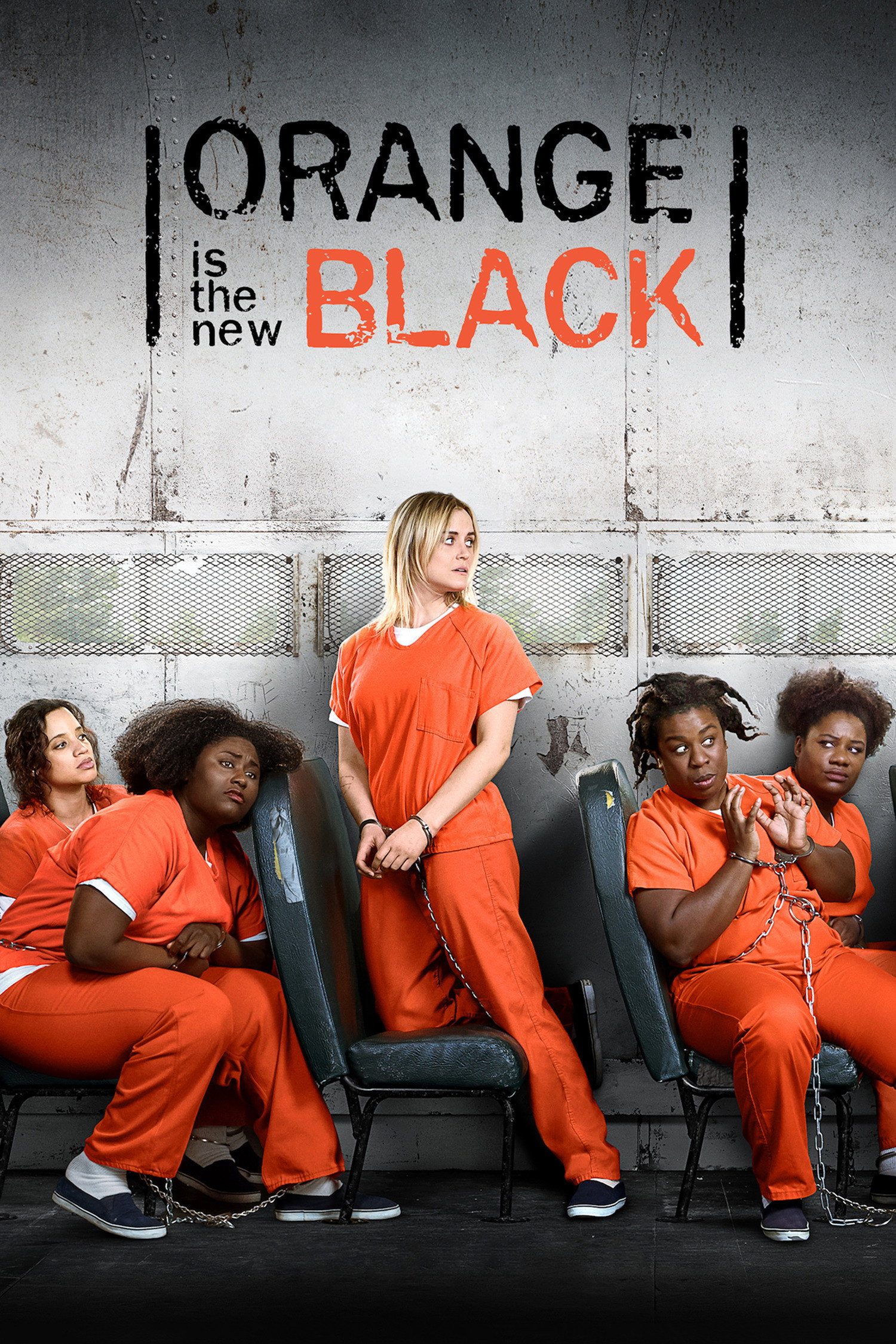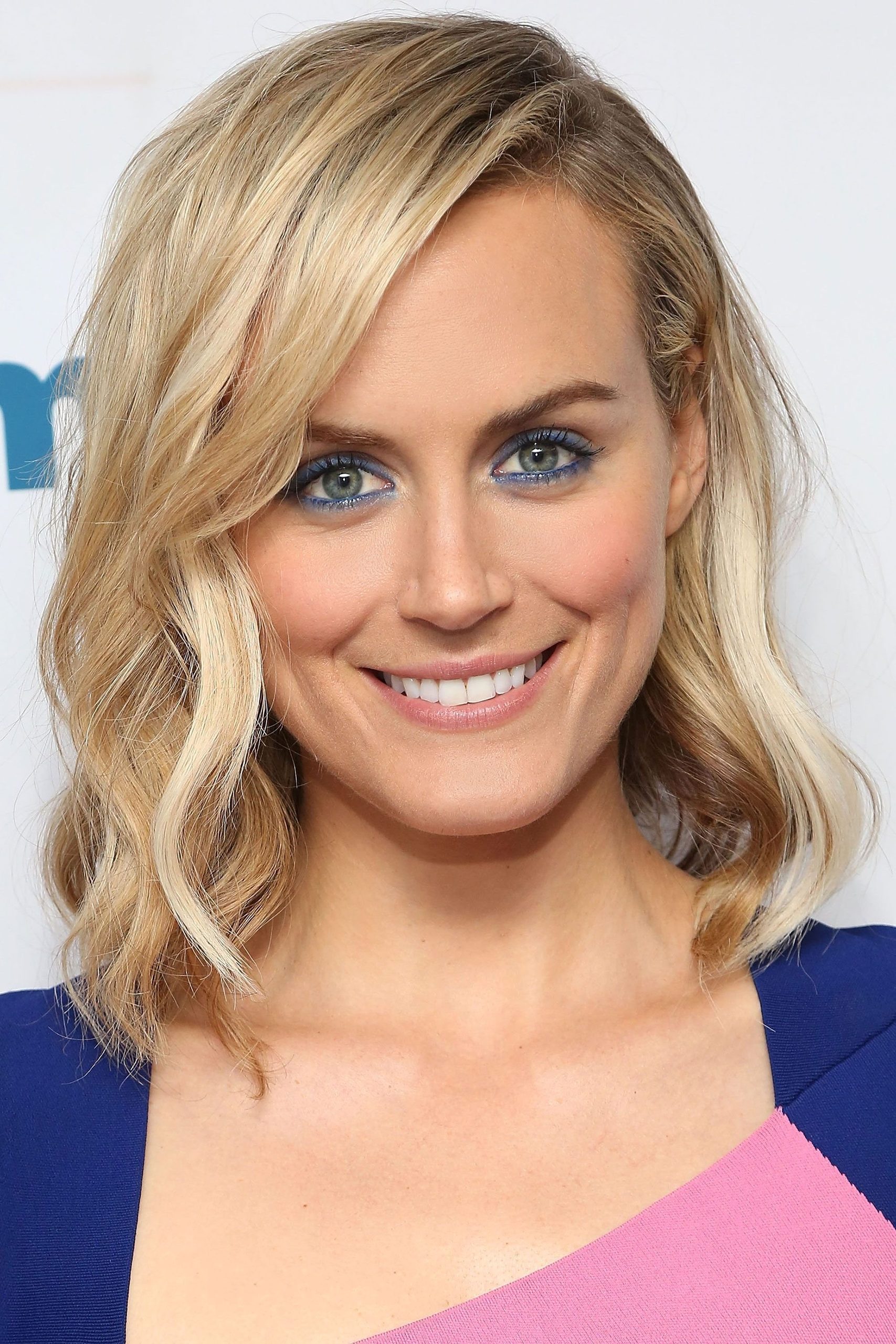
Taylor Schilling is best at women who have never had to think about their luck and are now being made to. Seven years of Piper Chapman proved she can carry a series while the writers decide whether to like her; the work since has been smaller.
Fi1m perspective
Piper Chapman's first mistake at Litchfield is to say what she thinks of the food within earshot of the cook, and Taylor Schilling plays it not as arrogance but as a woman who has never had to check who is listening. That is the part in miniature. Piper has a soap business in Brooklyn, a fiancé and a fifteen-month sentence for once carrying a suitcase of drug money for a girlfriend, and she arrives meaning to keep her head down and lasts about a day. Schilling gives her a bright, slightly too-ready smile and a habit of explaining herself to people who did not ask. We winced for her through that first week, which is the reaction the series wants and a harder one to produce than sympathy.
The career before it was a network one. She led Mercy (2009–2010), a medical drama, after a debut in Dark Matter (2007), and took supporting parts in The Lucky One (2012) and Argo (2012). Then Orange Is the New Black, adapted from Piper Kerman's memoir of her own year inside, ran for seven seasons from 2013 to 2019, and Schilling was at the centre of every one, including the patchier later years. Since it ended the work has been scattered: independent films including The Overnight (2015), The Titan (2018) and The Prodigy (2019), a supporting part in Pam & Tommy (2022), a turn in Poker Face (2023) and a return to the stage in The Apiary (2024). We have not reviewed those and will not pretend to, though the consensus on The Titan was that the genre did her no favours.
Piper is the hardest job in that series and the least thanked. She is written to be a little spoiled and slow to notice her advantages, and the scripts keep changing their minds about how much to like her. Schilling's answer is to play the changes straight rather than smooth them over, so that the Piper of the later seasons is plainly not the woman who surrendered in the first, and you can see the join. Laura Prepon's Alex Vause, low and amused, is the scene partner who suits her best; when the two share a scene Piper stops explaining herself. The difficulty is that the series found richer material almost everywhere else. Natasha Lyonne gets the best lines and throws them away, Uzo Aduba gets the scenes we still remember, and Schilling gets the plot.
What she does, then, is a specific thing: comfortable, middle-class women meeting a disruption they did not order, in ensembles where somebody else is usually more fun. It is useful and it is limited, and the years since Litchfield suggest nobody has worked out where else to put it. She has said that "the thing about acting, to me, is that everything is so fleeting." We would like to see a director test that with a lead part in which Piper's kind of woman is not the way in to somebody else's story but the story itself.
Biography
Taylor Schilling is an American actress. She was born on 27 July 1984 in Boston, Massachusetts. She studied at Fordham University, graduating with a Bachelor of Arts in 2006, and briefly attended New York University’s Tisch School of the Arts.
Schilling made her film debut in Dark Matter (2007). She starred as Veronica Flanagan Callahan in the NBC series Mercy (2009–2010). Her other early film roles include Atlas Shrugged: Part I (2011), The Lucky One (2012) and Argo (2012).
She is best known for portraying Piper Chapman in the Netflix series Orange Is the New Black (2013–2019). For the role she received nominations for a Primetime Emmy Award and Golden Globe Awards, and won Satellite Awards for Best Actress in a Television Series – Musical or Comedy.