Film review

The Wizard of Oz

1939 · Directed by Victor Fleming · 1h 42m · MPA G

In a sentenceJudy Garland sings, and suddenly a man dressed as a lion seems a perfectly reasonable travelling companion

AdventureFantasyFamily

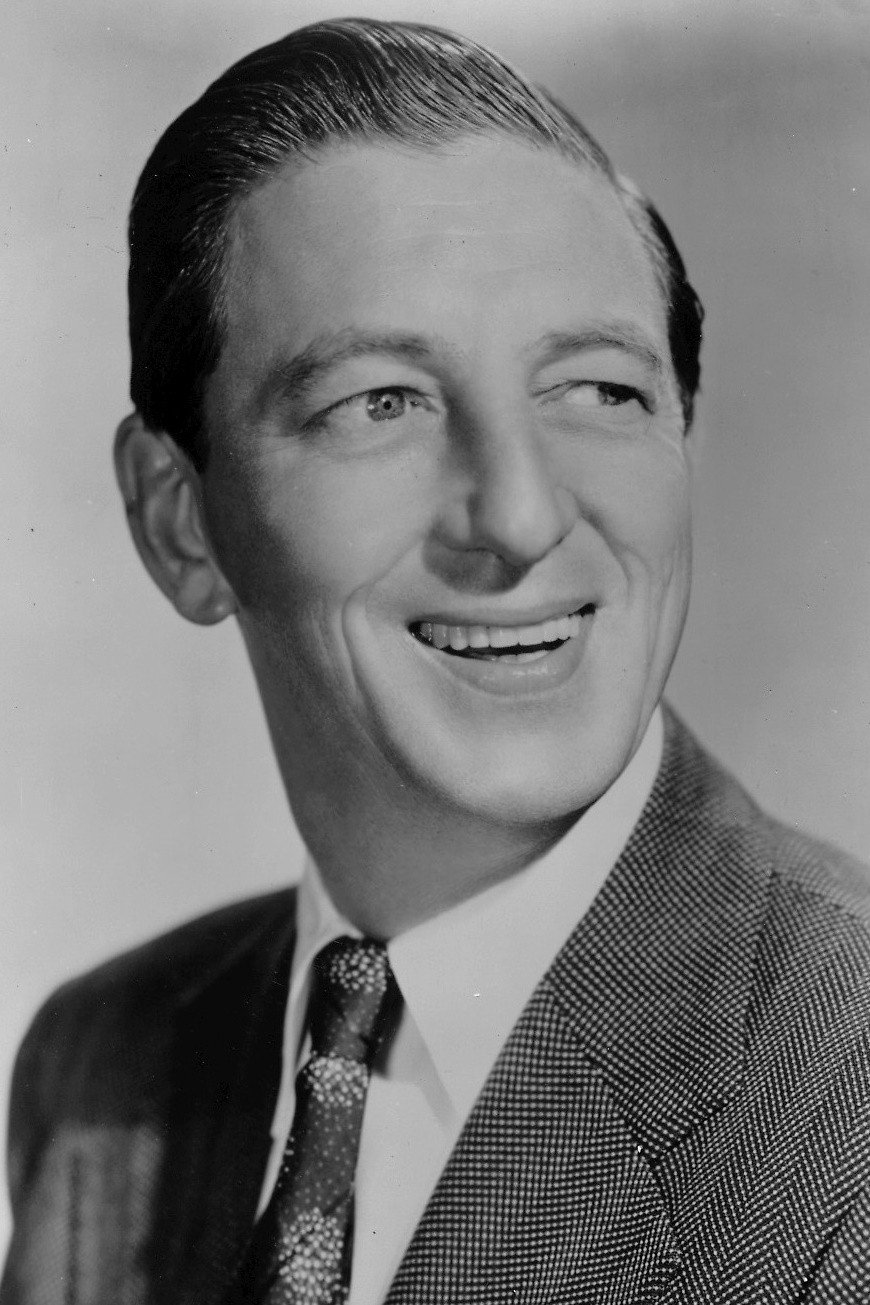
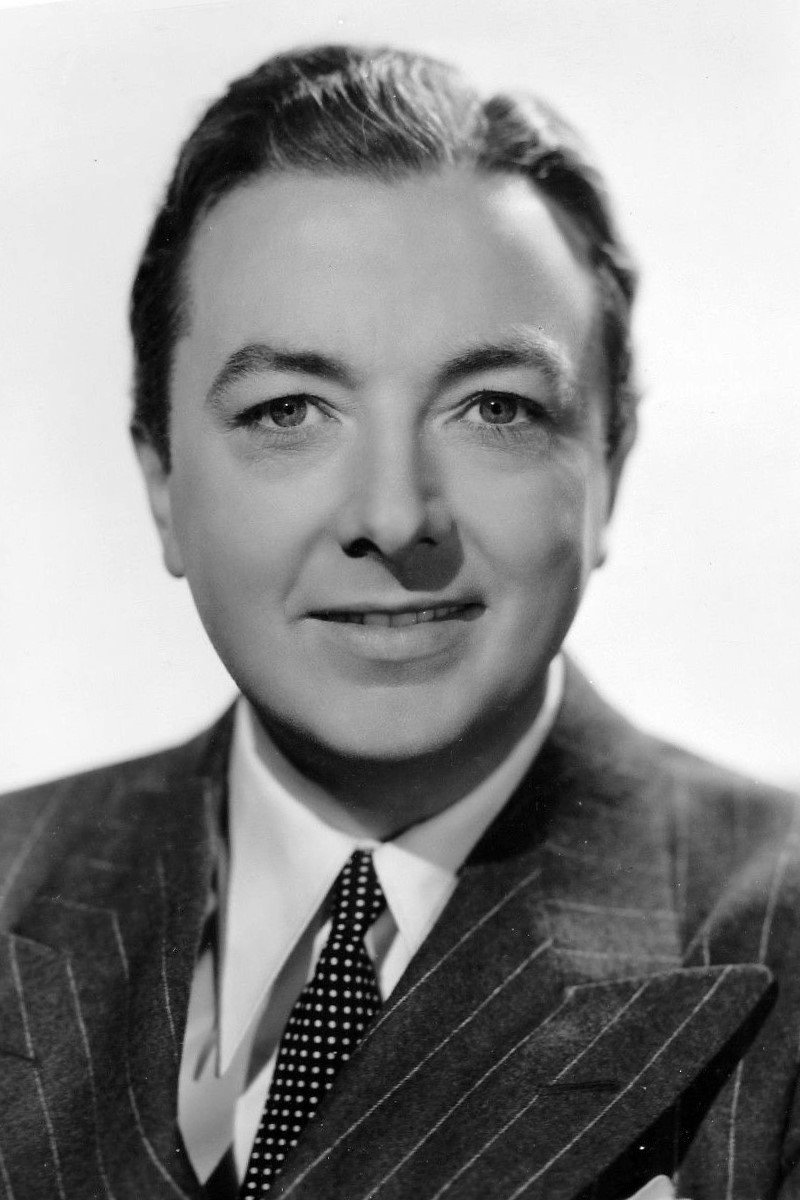
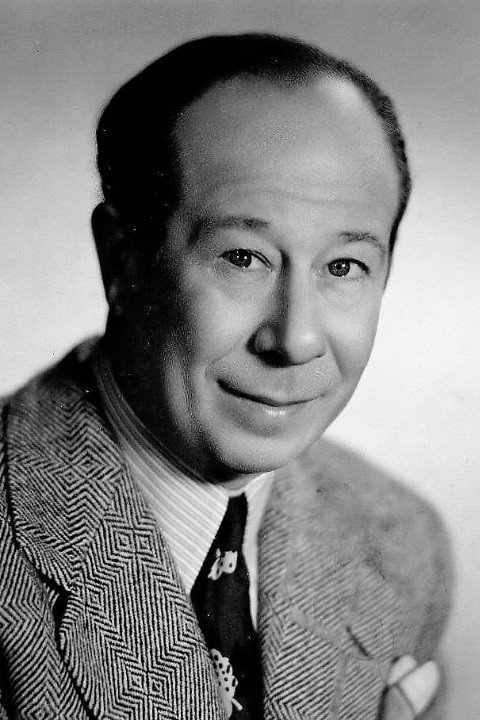
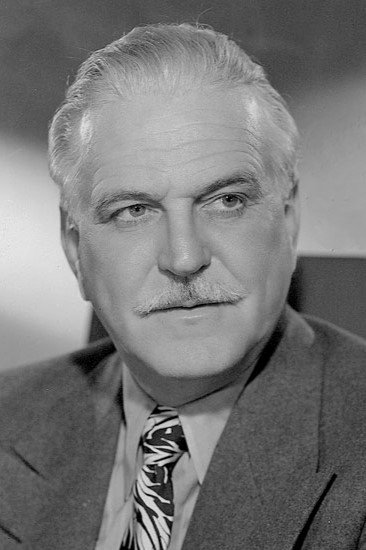
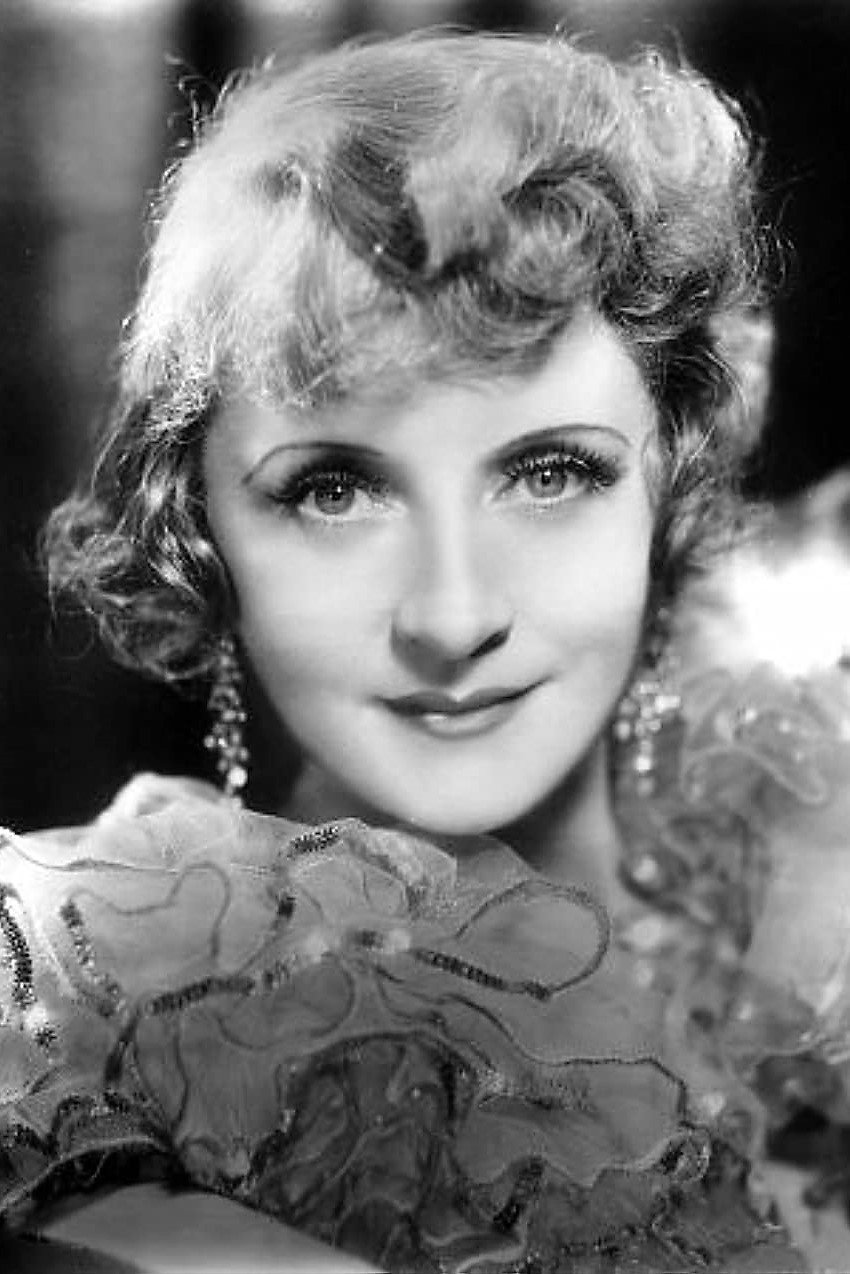
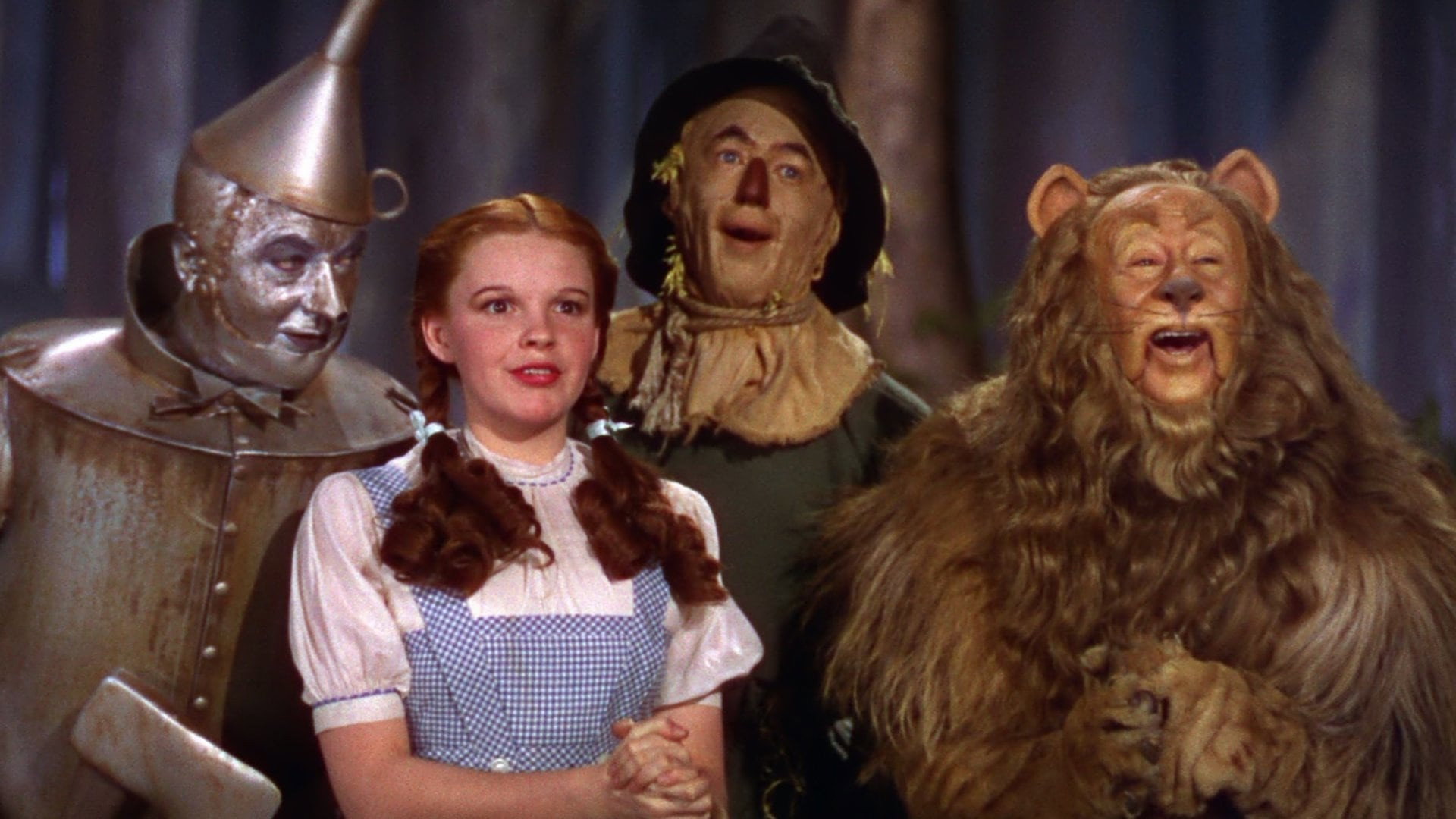
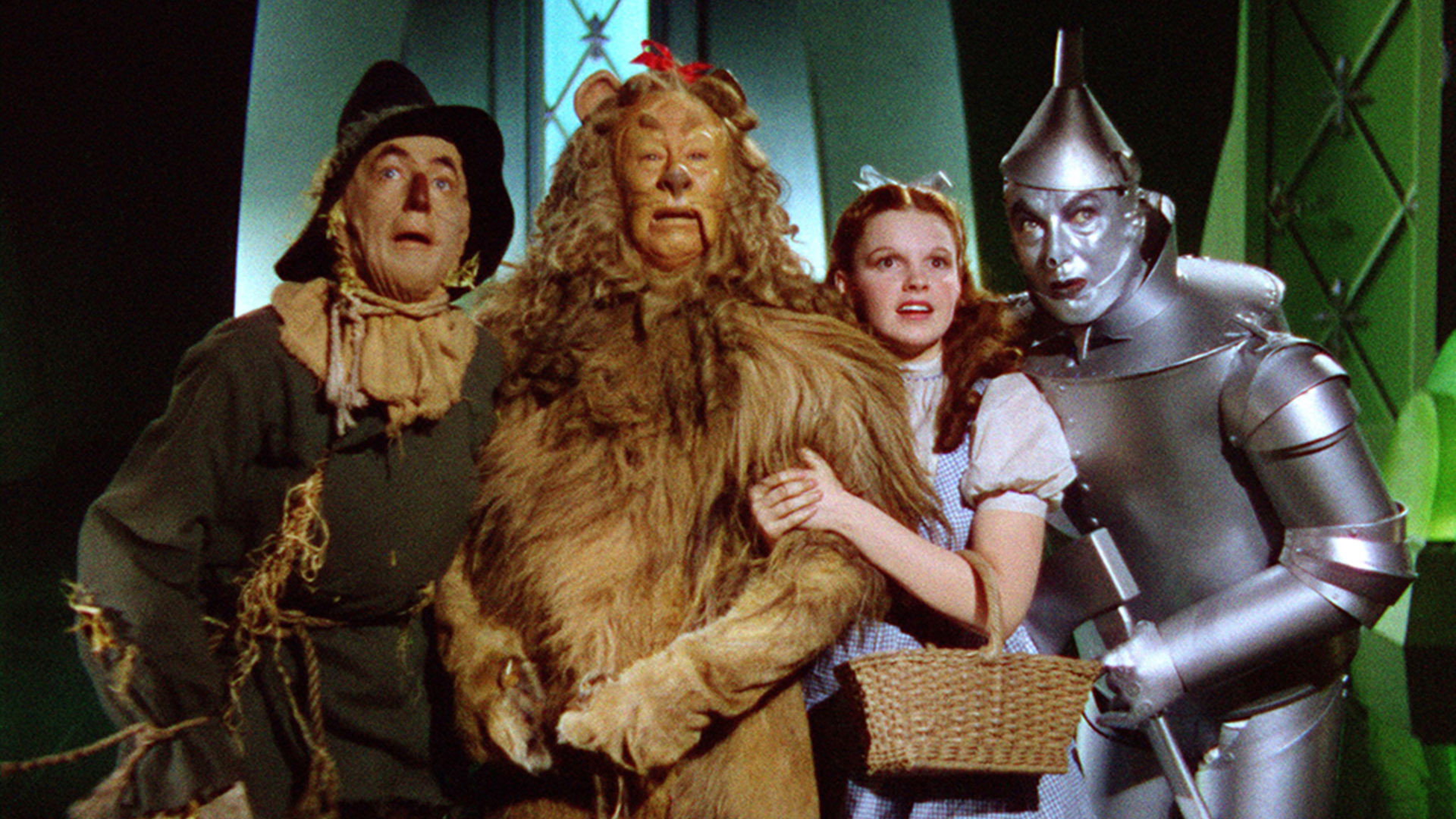
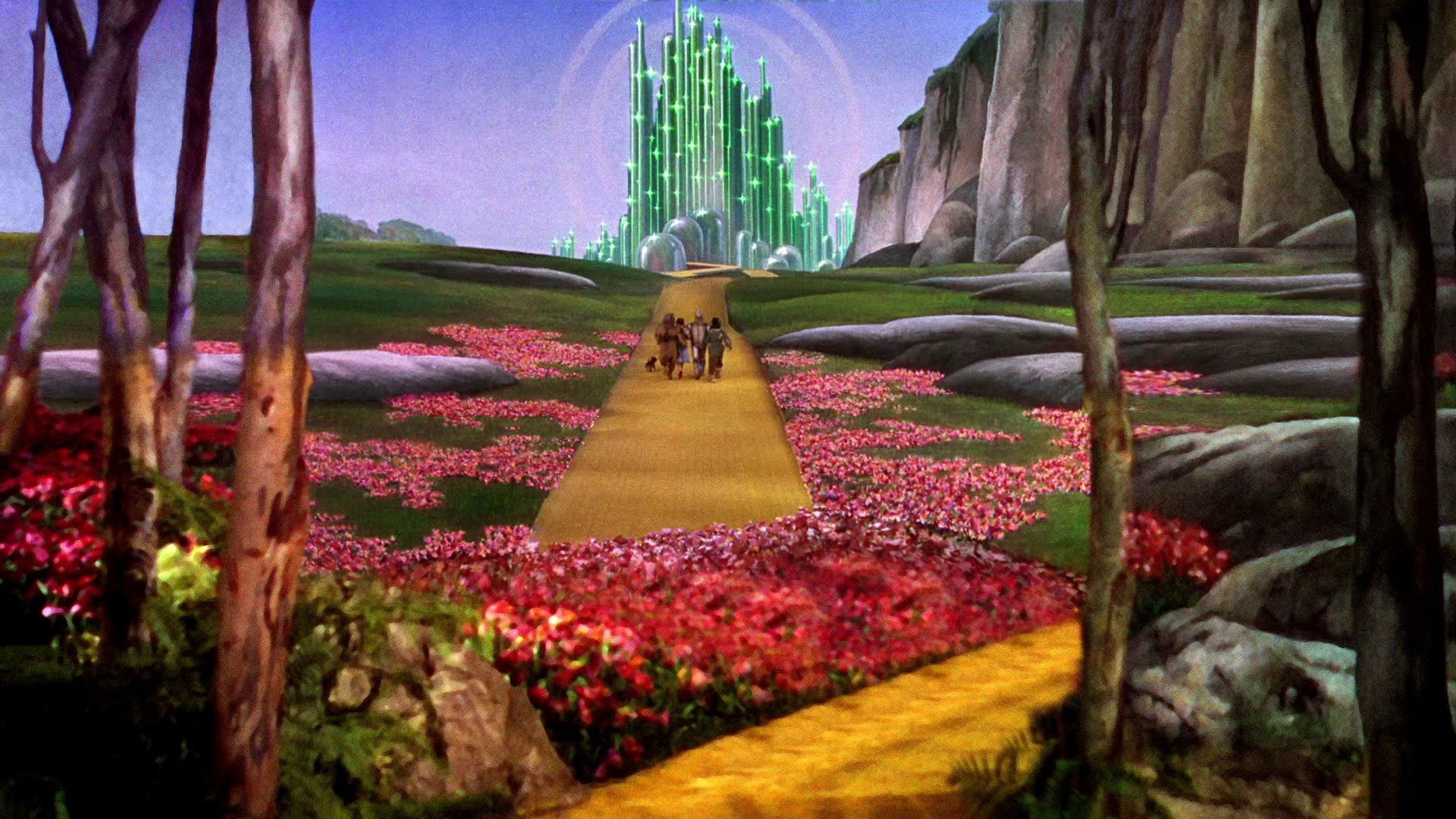
Dorothy (Judy Garland) and her dog Toto are carried from Kansas to Oz by a cyclone. To find a way home, Dorothy sets out along the yellow brick road in search of the Wizard. Her travelling companions are a Scarecrow (Ray Bolger), a Tin Man (Jack Haley) and a Cowardly Lion (Bert Lahr), each hoping the Wizard can supply something he lacks. Margaret Hamilton plays the Wicked Witch of the West, who stands against Dorothy, with Billie Burke as Glinda and Frank Morgan as the Wizard.

Plays from YouTube when you press play; nothing loads from them until then.

Fi1m review

Victor Fleming’s The Wizard of Oz deserves its place in family viewing: Judy Garland makes the homesickness hurt, and the songs repay close attention. Some comic business outstays its welcome, but we recommend it warmly.

The Wizard of Oz is a family fantasy we would put in front of almost anyone, including those who think they have had their fill of it. Victor Fleming gives the songs and the make-believe plenty of room, while Judy Garland keeps Dorothy’s need to get home clear and immediate. The film takes a child’s fear of being stranded seriously enough to make the journey matter. We can enjoy the company without forgetting why she wants to leave.

Harold Arlen’s melody in Over the Rainbow gives Garland room to sound wistful without becoming precious. We were moved by the plainness of her singing: she makes wanting to be somewhere else feel like an immediate need. She never appears to be offering the adults a charming imitation of childhood. That seriousness is useful preparation for a fantasy which will ask us to worry about a girl surrounded by elaborately dressed comedians.

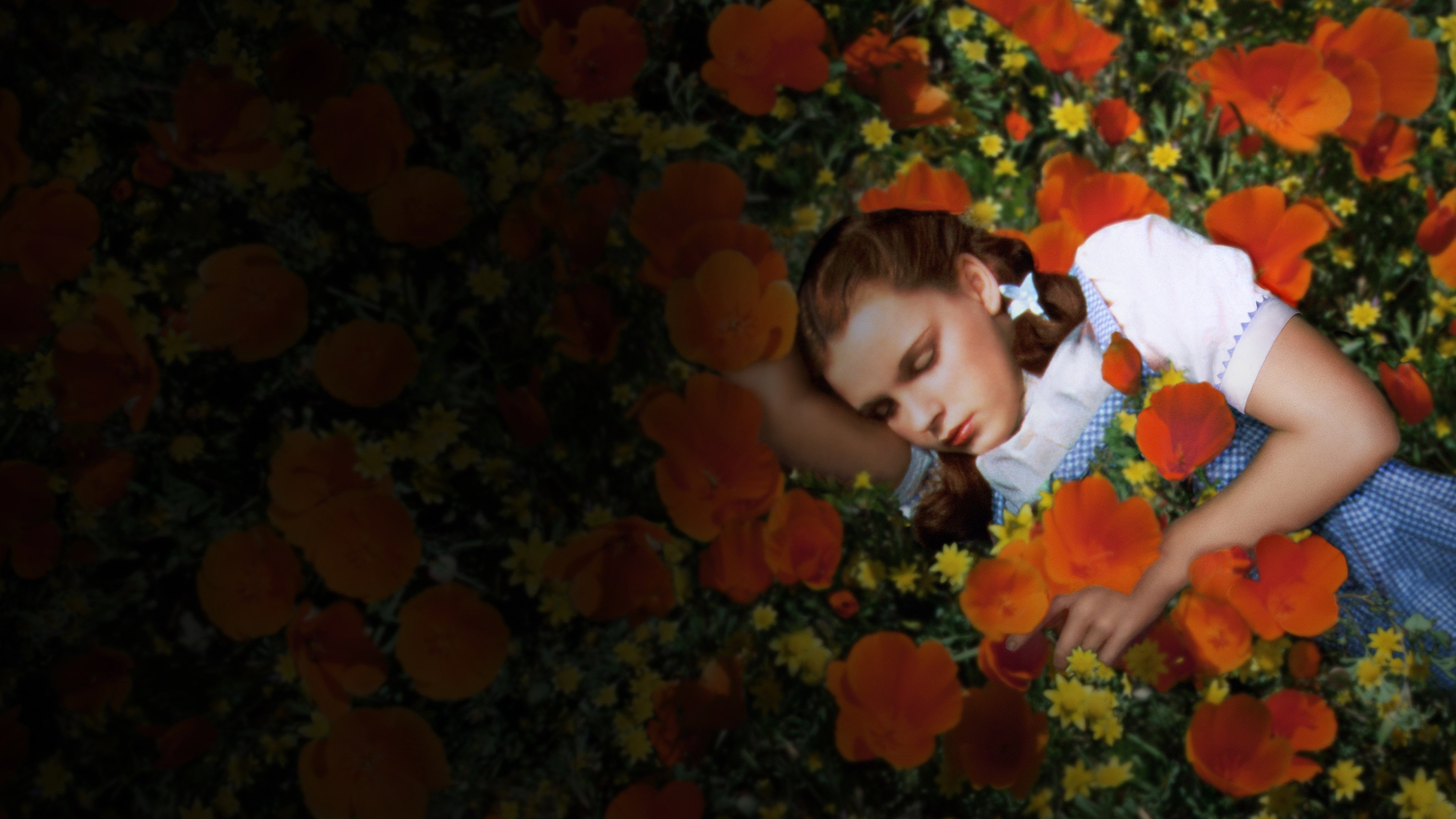
Harold Rosson’s Technicolor photography lets the ruby slippers stand out even among colours that make no attempt to resemble everyday life. The brightness is part of the attraction, and the film would lose something by trying to look more natural. The sets give the performers room to be theatrical without seeming to have wandered into the wrong picture. Adrian’s costumes make the companions readable at a glance, leaving the actors to supply the particular foolishness and affection.

Ray Bolger gives the Scarecrow a loose, amiable physicality, while Jack Haley brings a welcome gentleness to the Tin Man. Their pleasure in being part of the group helps the journey avoid becoming a succession of separate turns. Bert Lahr’s Cowardly Lion is broader, fussier company, and there are stretches when a little less of him would help. Garland is good at listening to all three, and her direct interest gives the friendship some substance.

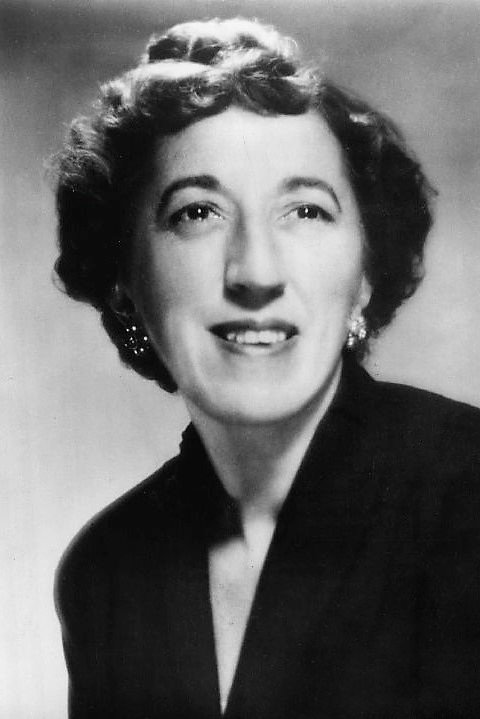
Margaret Hamilton gives the Wicked Witch of the West a severity the comedy needs. Her anger is played straight enough to make Dorothy’s vulnerability count, even with all that costume and colour around them. Billie Burke’s Glinda offers a gentler kind of authority, but Hamilton is the one who makes the dangers feel worth worrying about. For a U-certificate film, it has little interest in reassuring a nervous child every few minutes.

The chief weakness is an occasional reluctance to let a routine finish. Blanche Sewell’s editing gives the musical numbers space, but the Munchkin sequence keeps going after we have had time to enjoy the place. The crowded presentation is amusing at first, then begins to delay the person we came to watch. Fleming is more persuasive when he lets Garland hold our attention than when he surrounds her with another elaborate bit of business.

A family fantasy can afford to frighten its audience when it has made us care this much about the company. Fleming understands that the songs need not make the dangers harmless, and the mixture is livelier than relentless cheerfulness would be. The 102 minutes contain more comic fuss than they need, though not enough to put us off another visit. Watch it with a child if possible, but leave them room to be frightened.
Critical consensus AI synthesised

77
Positive
9
Mixed
0
Negative
1

Most critics respond warmly to The Wizard of Oz, with praise gathering around Judy Garland’s emotional performance, the tuneful score and the elaborate sets, costumes and make-up. The reviews repeatedly credit its appeal to the way it takes childhood delight and fear seriously, while giving adults something to recognise in its feelings about home and growing up. Its strangeness and visual invention remain central to that appeal.

Reservations range from dated effects to questions about pace and audience. Digital Spy finds the story less engaging as it progresses and the Munchkin numbers tiresome for adults; Sight and Sound considers the humour and outlook more suited to adults than children. The spread is wide chiefly because of one forceful dissent: The New Yorker rejects the dialogue, gags and Technicolor as clumsy and garish, finding little of the imagination that most critics celebrate.

Time Out
12 December 2006 · ★★★★★ · Trevor Johnston
100

The critic calls it a masterpiece of storytelling that taps into primal emotions about home, abandonment and growing up. They single out Judy Garland's performance and the score for making it timelessly affecting for adults as well as children.

Read the full review →
Empire
1 January 2000 · Alan Morrison
90*

The critic calls the film spellbinding and a dazzling musical adaptation that captures childish delights and fears with grace and imagination. They single out the hummable tunes, spectacular set design, and Judy Garland's emotional performance as Over the Rainbow for particular praise.

Read the full review →
Radio Times
· Calum Baker
90*

The review hails it as a groundbreaking Technicolor musical fantasy that set new standards, with Judy Garland's charming performance and iconic imagery like the ruby slippers and Wicked Witch standing out. It emphasises its lasting influence and popularity.

Read the full review →
Evening Standard
10 April 2012
85*

The piece describes the 1939 classic as still wonderful despite some creaking now, with ageless appeal as a children's film that adults also love. It highlights the troubled production history but concludes the film's charm remains unsurpassed.

Read the full review →
Little White Lies
12 September 2014 · 4/4/4 · Trevor Johnston
80

The review highlights the enduring iconic status and charm of the Technicolor musical fantasy despite its age and some dated elements. It singles out the witty script and visual spectacle for praise in a re-release context.

Read the full review →
Total Film
15 November 2006
80*

The review praises the digitally remastered reissue as representing old-school MGM filmmaking at its best, with stunning sets, make-up, costumes and music. It notes the familiarity from repeated viewings but affirms its enduring appeal despite aged effects.

Read the full review →

Cast

Stills

Awards

Academy Awards, 1940

Nominated
Best Cinematography, Color
Nominated
Best Picture
Nominated
Best Production Design
Nominated
Best Special Effects
Won
Best Original Score

If you liked this, try…

The Thief of Bagdad poster

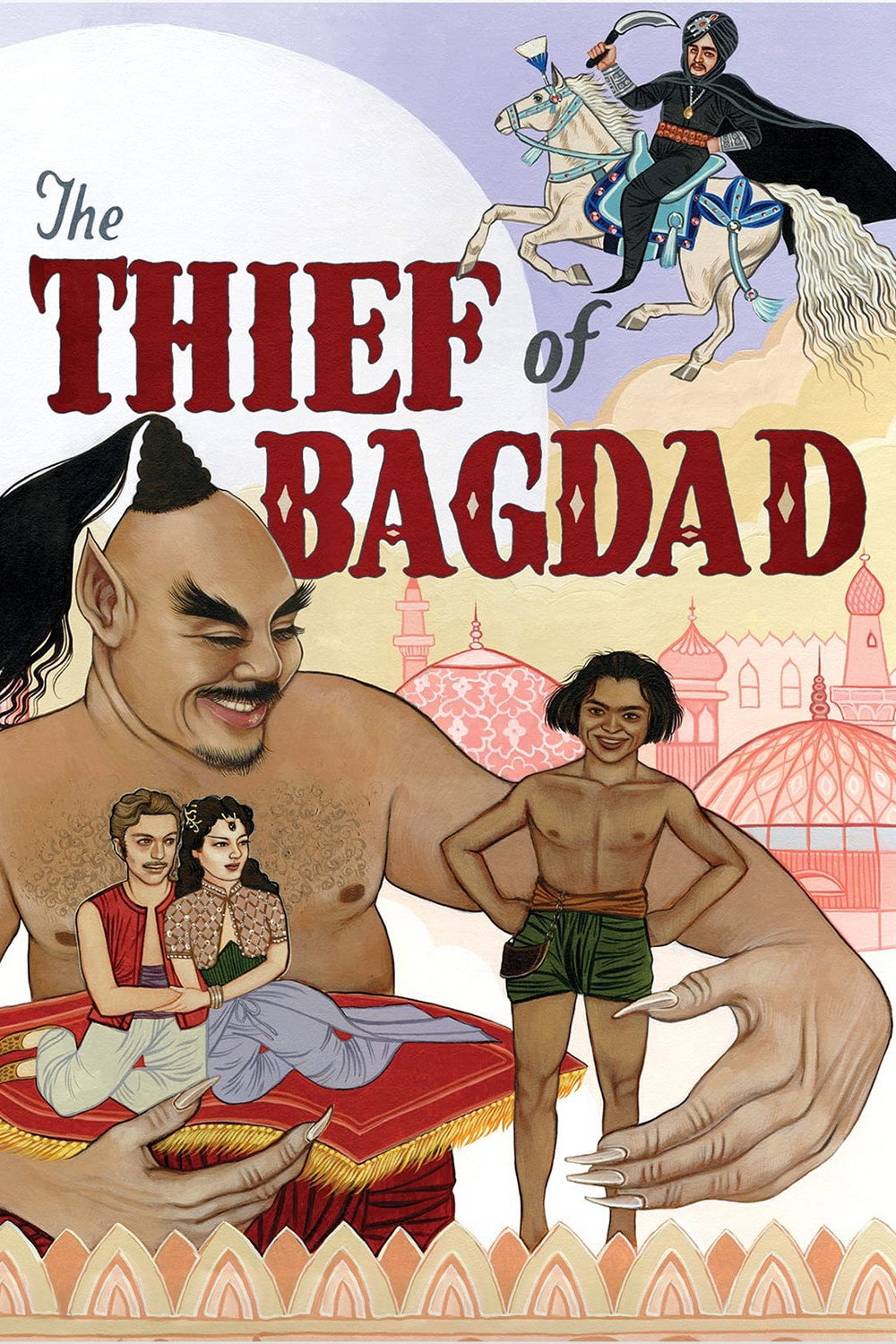
The Thief of Bagdad

1940 · Another elaborate fantasy whose crowded sets make the impossible seem habitable

The Red Balloon poster

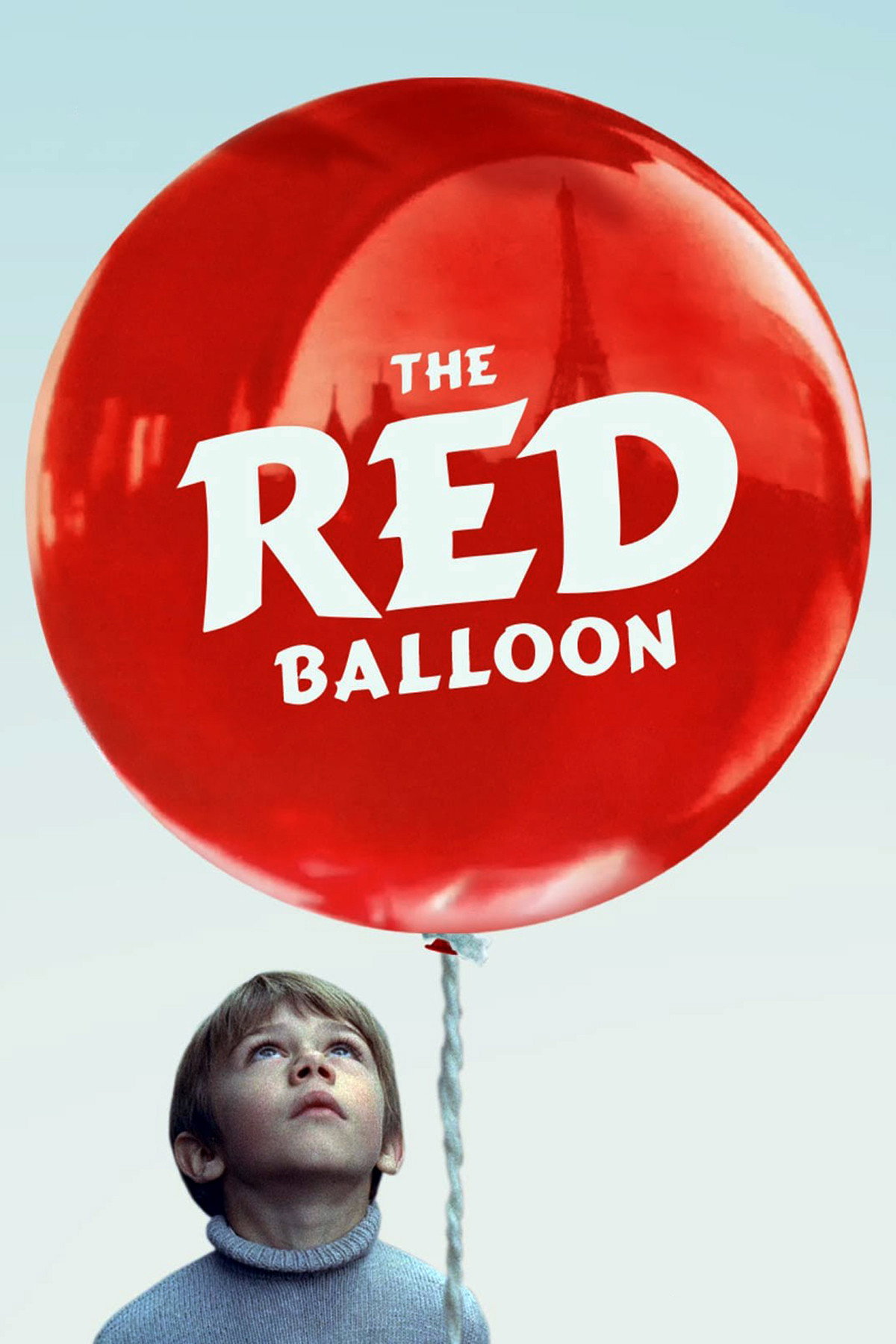
The Red Balloon

1956 · A child’s attachment to an unlikely companion makes the fantasy matter

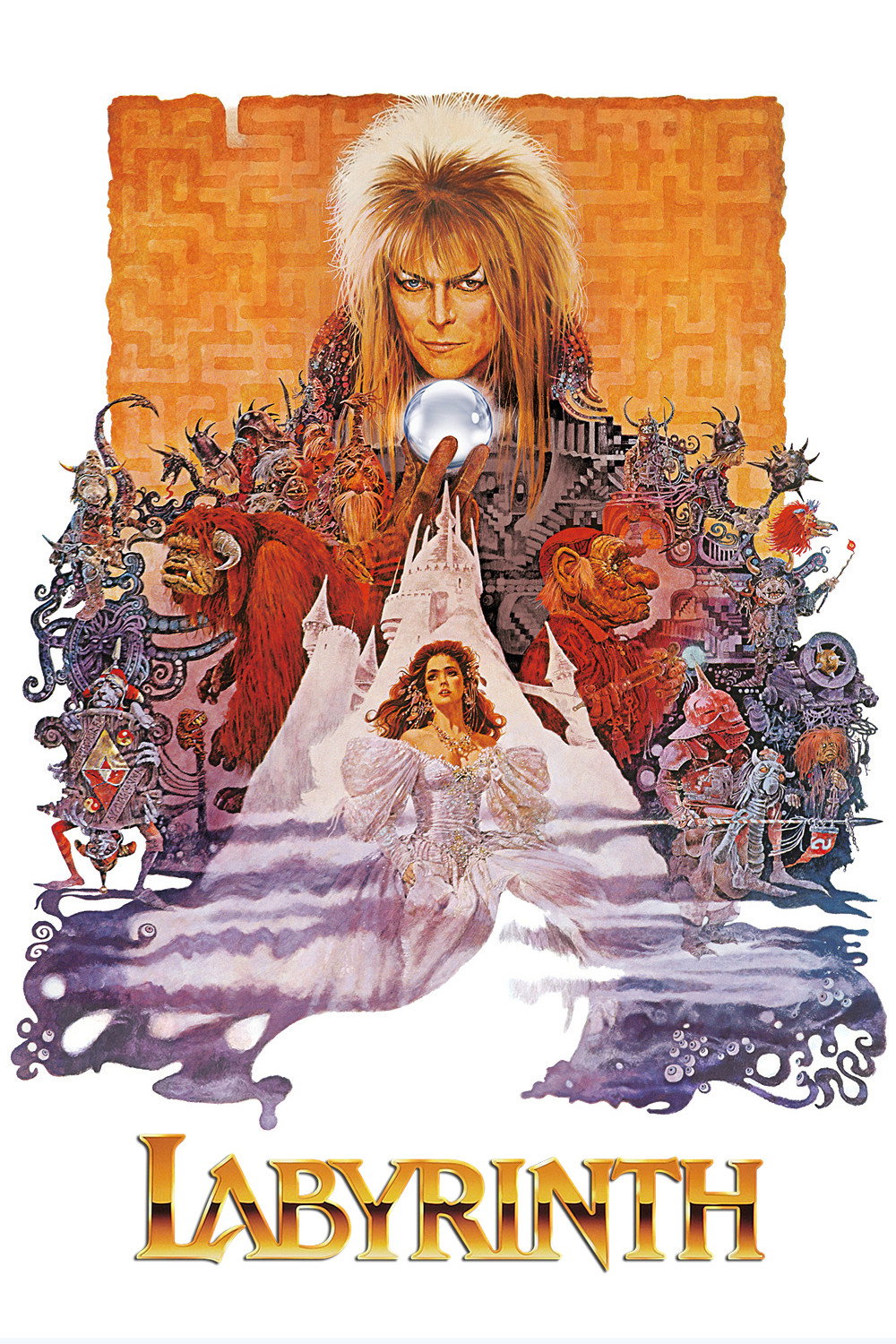
Labyrinth poster

Labyrinth

1986 · For another resourceful girl negotiating a strange place full of troublesome creatures

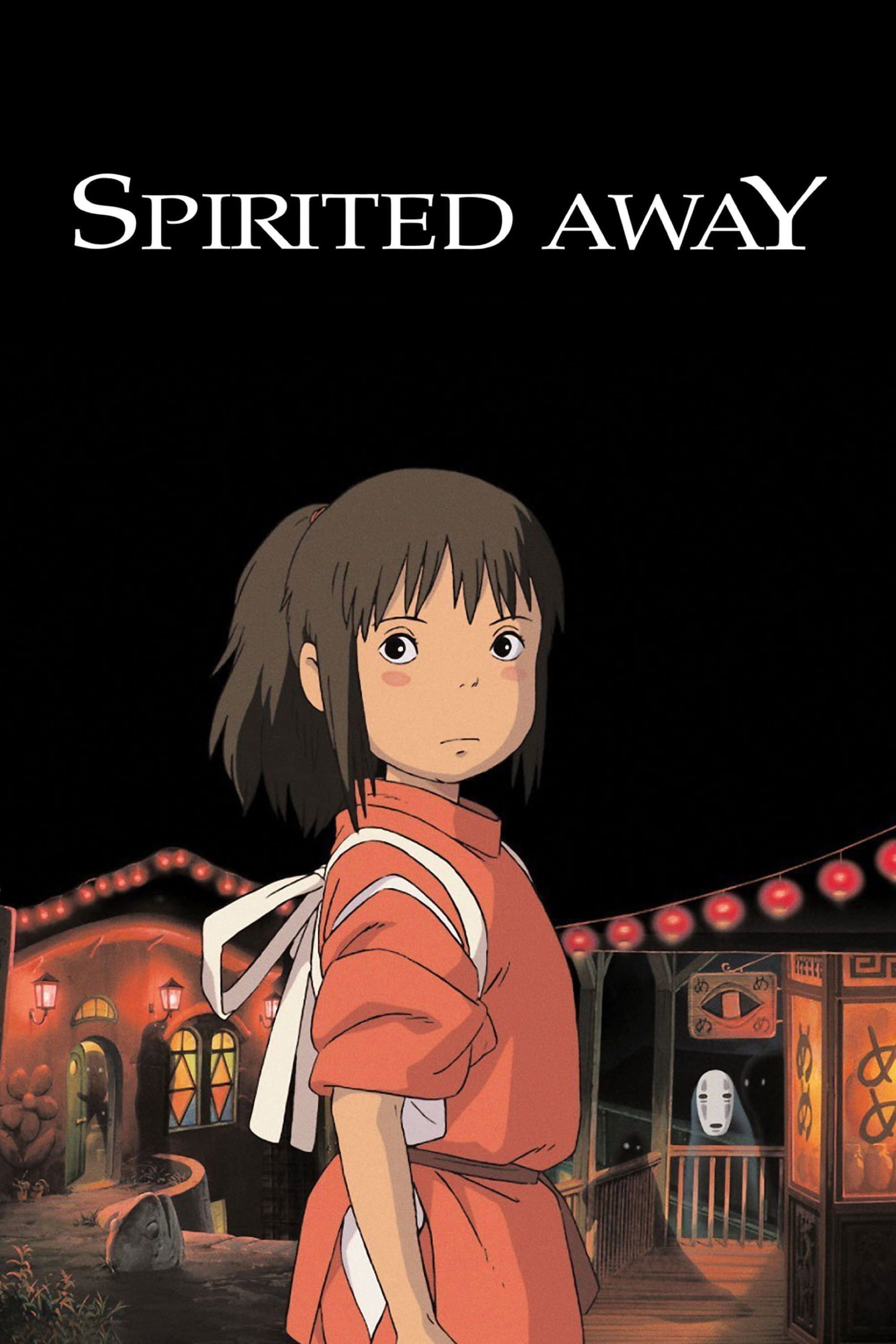
Spirited Away poster92

Spirited Away

2001 · A lost girl finds frightening company, and friendship, far from home

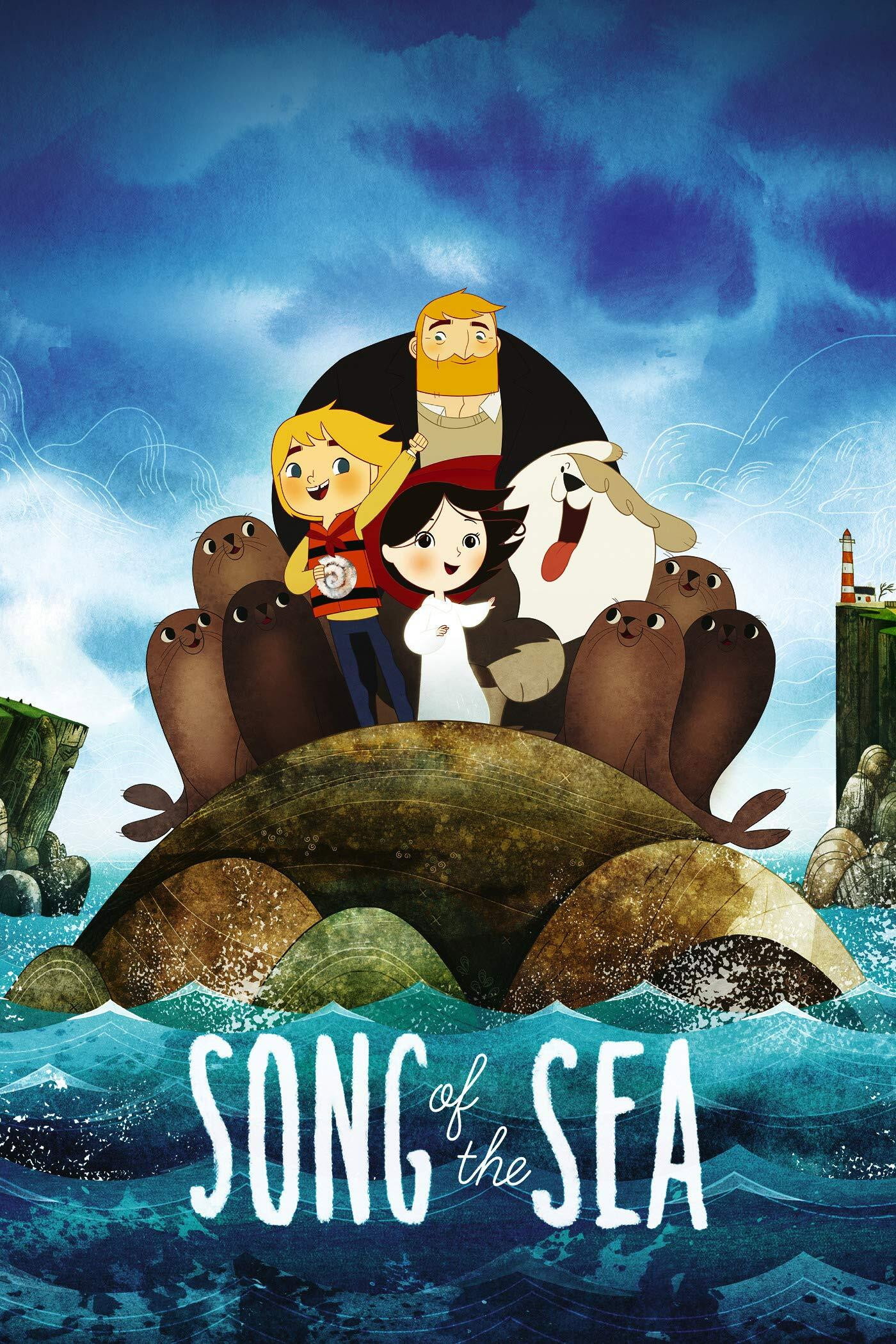
Song of the Sea poster

Song of the Sea

2014 · Family sorrow and folklore meet in animation that leaves room for wonder