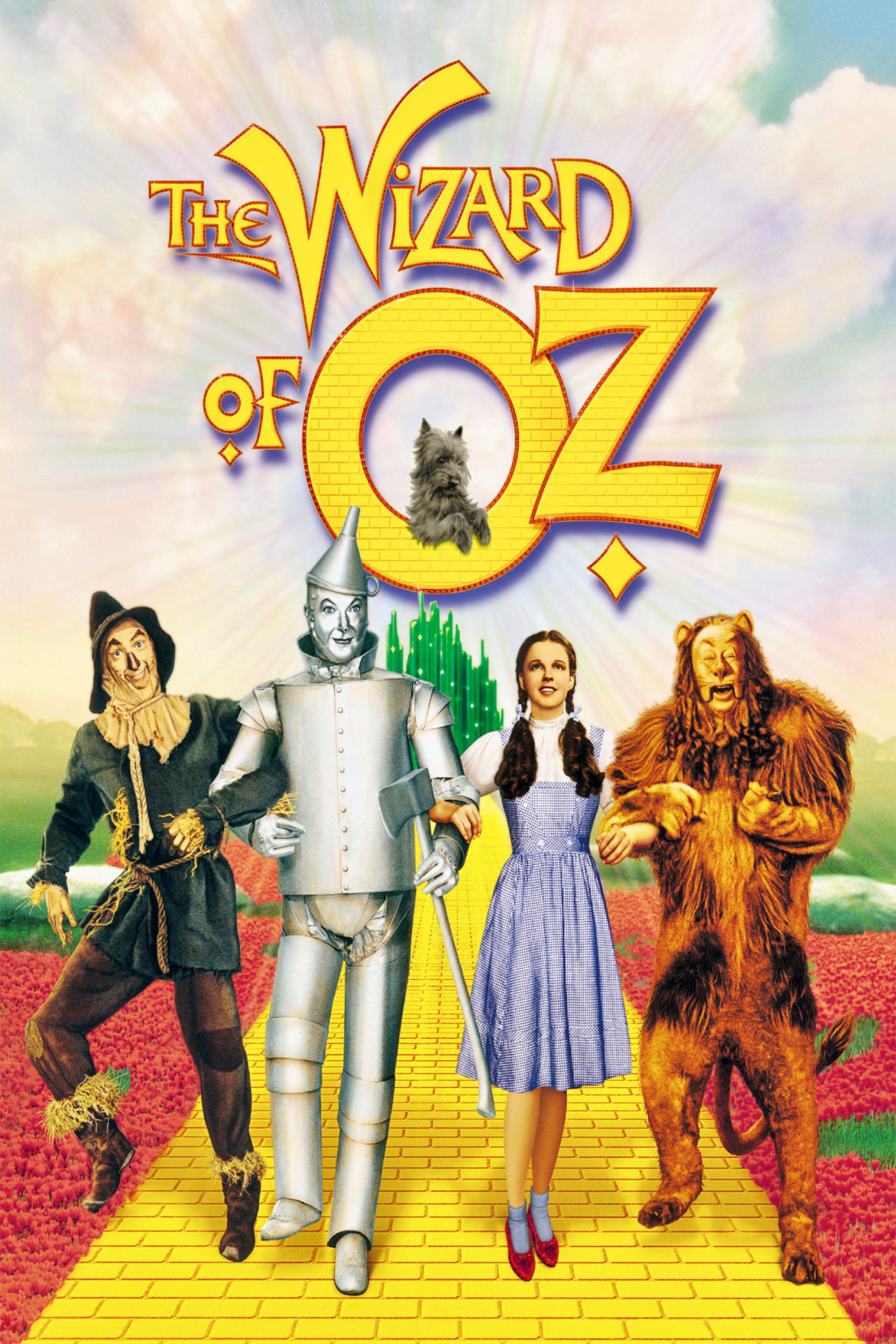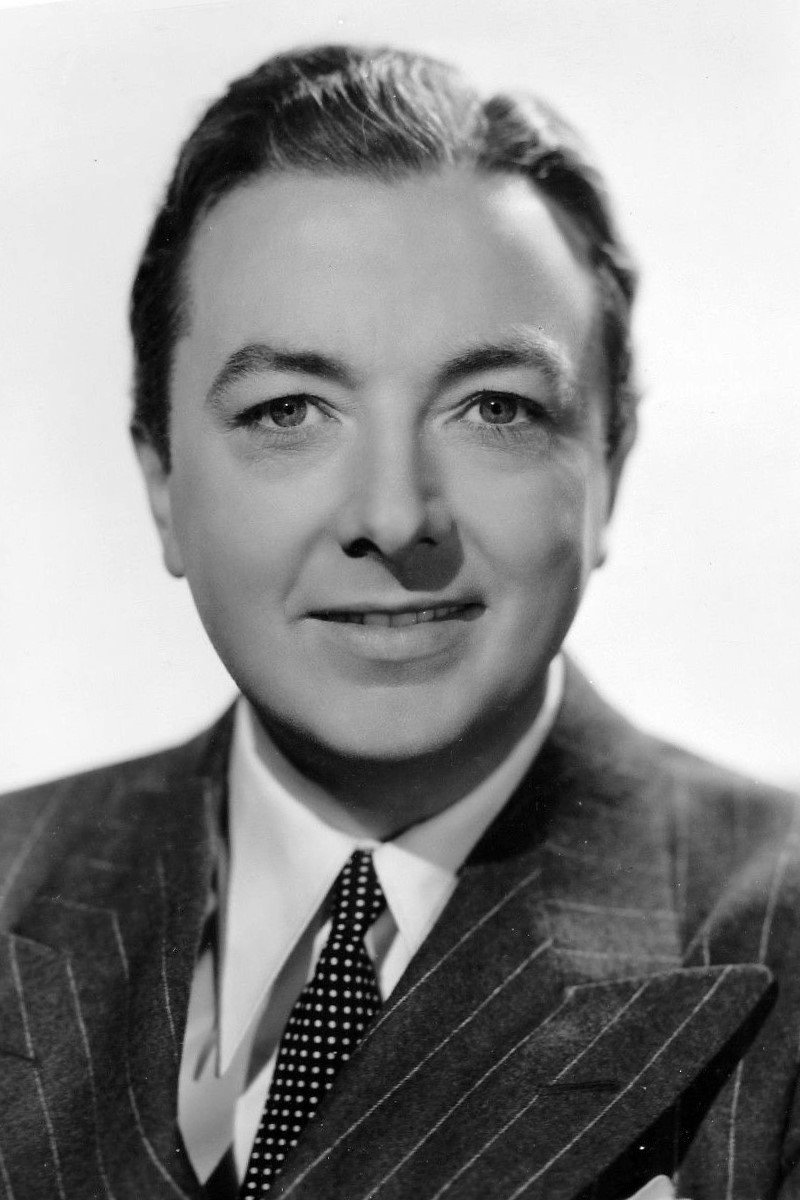
Jack Haley's Tin Man helps make The Wizard of Oz feel like a journey among friends. We rate his gentle voice and unshowy comic support: he gives the other performers someone worth keeping company with.
Fi1m perspective
The Tin Man speaks softly in The Wizard of Oz (1939), and Jack Haley makes him sound like someone worth stopping to talk to. His pleasure in joining the group is clear without becoming another demand for attention. He seems happy to have been included. We were moved by that happiness, because it makes the travelling friendship feel necessary rather than merely convenient for the plot. The gentleness is a good comic choice, too.
Haley's work in vaudeville and Broadway fed a style built around singing, dancing and genial comedy. In the 1930s, Fox used him as a second lead and light comic, with Poor Little Rich Girl (1936), opposite Shirley Temple, and Alexander's Ragtime Band (1938) among his musicals. The Tin Man became his defining part, but it drew on skills he already had. RKO musical comedies kept him occupied through the 1940s, before he largely retired from features after 1947. This is a career in which being agreeable support was regular employment, and Oz shows how much care that apparently modest job can take.
Victor Fleming's film gives Haley partners who make that care count. Ray Bolger's loose, amiable Scarecrow shares his pleasure in belonging, while Judy Garland listens to both with a directness that gives the friendship substance. We believe they want to travel together, so their scenes do not feel like separate acts awaiting applause. Bert Lahr's Cowardly Lion is broader and fussier, and some of the comic business lasts longer than we would like. Haley's quieter manner is welcome, although Garland deserves much of the credit for making these different performers feel like companions.
The soft, reassuring voice is the detail to listen for. It gives the Tin Man a way of addressing the others that feels personal, even within such a conspicuous character part. There is no need to take this as proof that Haley could play anything; the pleasure is in hearing how precisely he suits this particular job. Start with The Wizard of Oz, and watch him with Garland and Bolger rather than waiting for a solo turn.
Biography
Jack Haley was an American actor, comedian, dancer and singer. He began his career in vaudeville and appeared in numerous stage musicals before moving into film in the late 1920s.
He is best known for playing the Tin Man and his Kansas counterpart Hickory in the MGM musical The Wizard of Oz (1939). Haley replaced Buddy Ebsen in the role after Ebsen suffered an adverse reaction to the aluminium-powder makeup. His other screen credits include Alexander's Ragtime Band (1938) and later uncredited appearances in That's Entertainment! (1974) and New York, New York (1977).
Haley retired from acting after the Second World War and later worked in real estate. His son, Jack Haley Jr., also worked in film and television production.