Film review

Labyrinth

1986 · Directed by Jim Henson · 1h 41m · MPA PG

In a sentenceDavid Bowie rules the goblins as though he has read the job description and found nothing unusual

AdventureFamilyFantasy

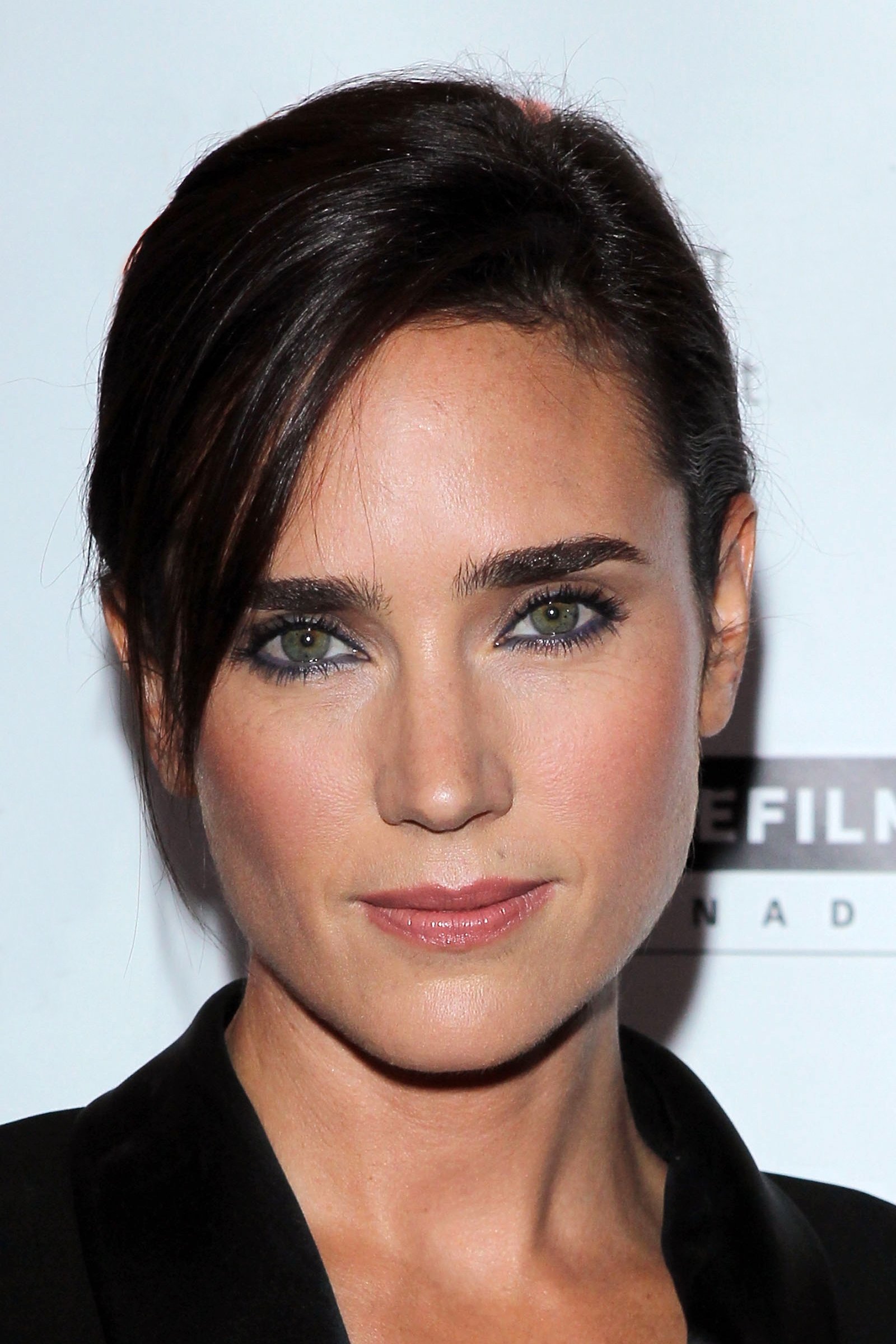
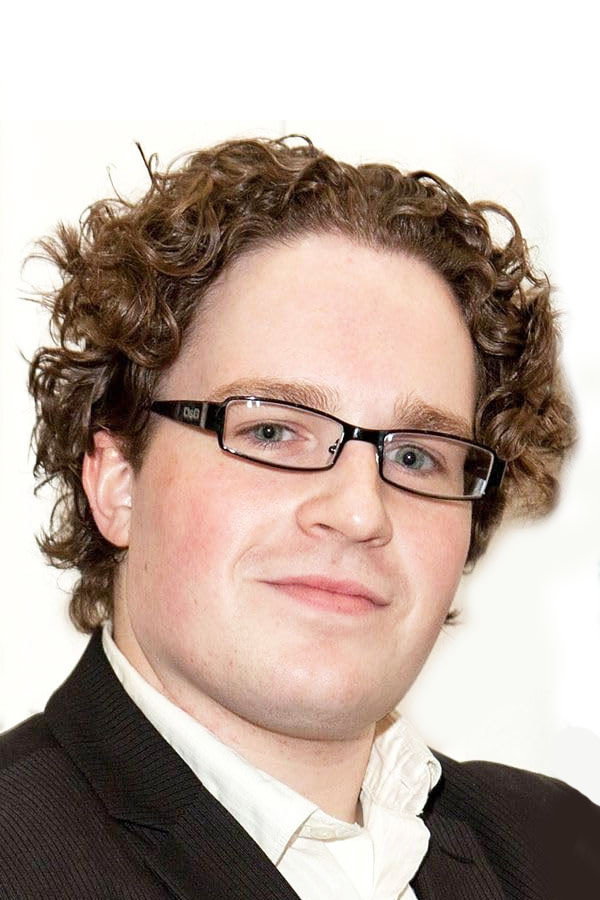
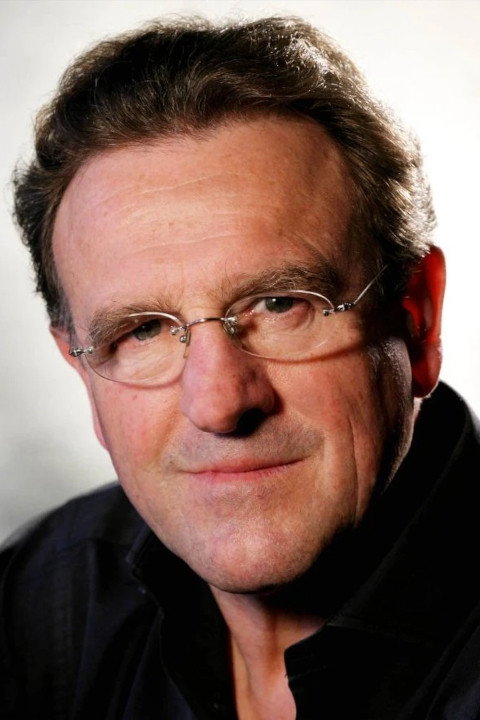
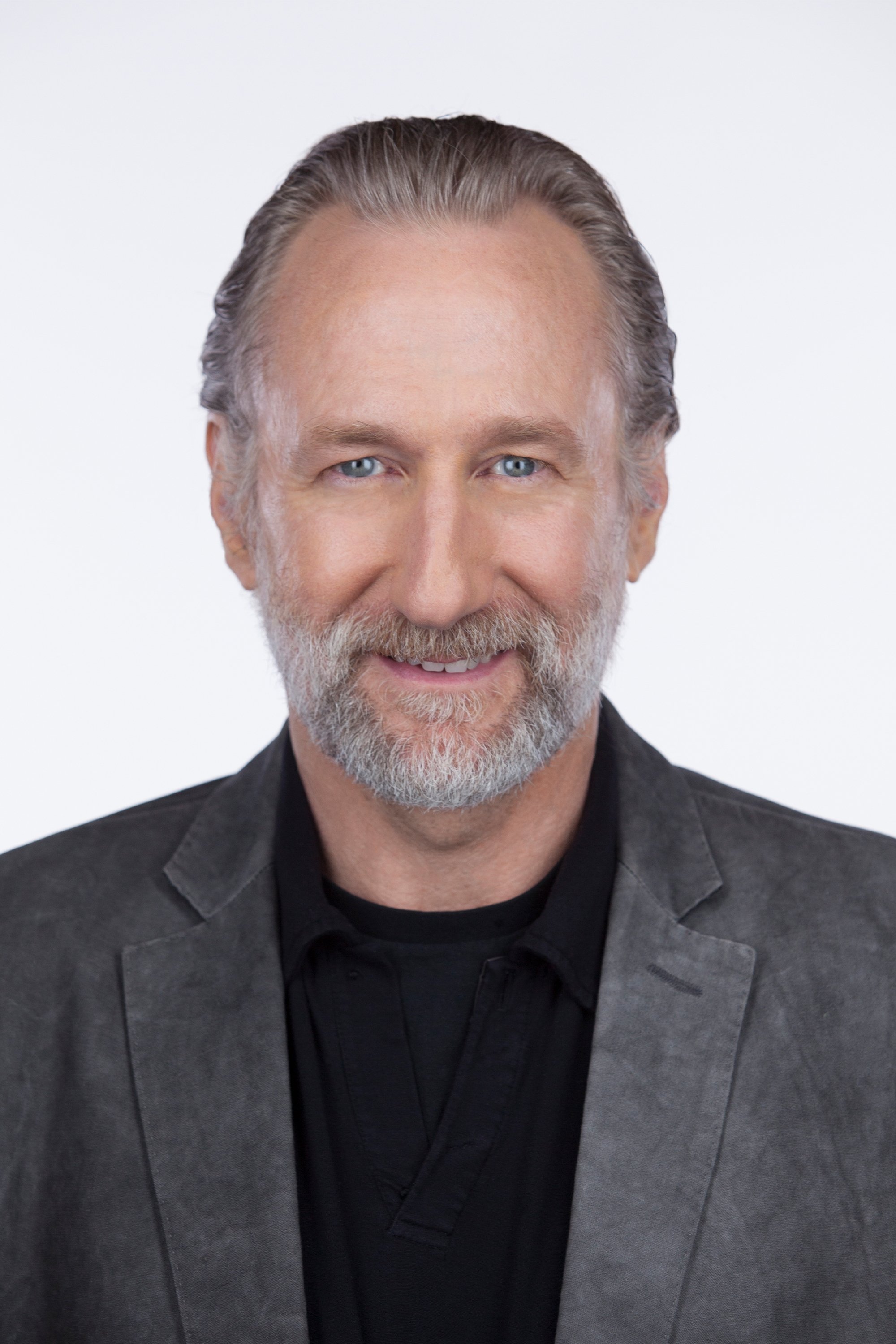
Sarah (Jennifer Connelly) is at the centre of a coming-of-age fairy tale set within a labyrinth. Its inhabitants include Jareth, the Goblin King (David Bowie), and a host of creatures brought to life through puppetry. Human performers share this nightmare world with Hoggle, voiced by Brian Henson, and Ludo, voiced by Ron Mueck. Toby Froud plays Toby, with Timothy Bateson providing the voice of the Worm. Directed by Jim Henson and written by Terry Jones, the adventure mixes childhood fears with the uncertainties of growing up.

Plays from YouTube when you press play; nothing loads from them until then.

Fi1m review

Jim Henson’s puppet fantasy is worth seeing for its peculiar creatures and David Bowie’s committed Goblin King. The story wanders and the tone wobbles, but the humour and unease make the detours worthwhile.

Jim Henson’s Labyrinth is a good family fantasy with a wandering story and unusually entertaining company. Its creatures and David Bowie’s Goblin King make it worth the occasional wait for the adventure to get moving again. Henson wants to make growing up seem confusing, enticing and a little frightening, and the mixture is appealing even when the film struggles to settle on a tone. We recommend it for the puppets and the peculiar atmosphere, with patience advised for the middle stretch.

Jennifer Connelly gives Sarah an earnestness that suits the coming-of-age story, although the character can seem rather plain beside her fellow performers. Terry Jones’s screenplay supplies a succession of strange encounters without always making Sarah’s feelings equally interesting. The familiar fairy-tale framework is useful: we can accept the oddness without needing an explanation for every new creature. But the film needs a firmer sense of what matters to Sarah when the novelty of another encounter begins to wear off.

The puppets repay the attention Henson gives them. Their sheer variety matters, because the film does not have to keep finding bigger dangers to give us something new to look at. Hoggle, voiced by Brian Henson, and Ludo, voiced by Ron Mueck, belong in a cast alongside human actors without feeling like concessions to a younger audience. The creatures can be awkward and unlovely, and Henson’s willingness to let them stay that way gives the fantasy much of its character.

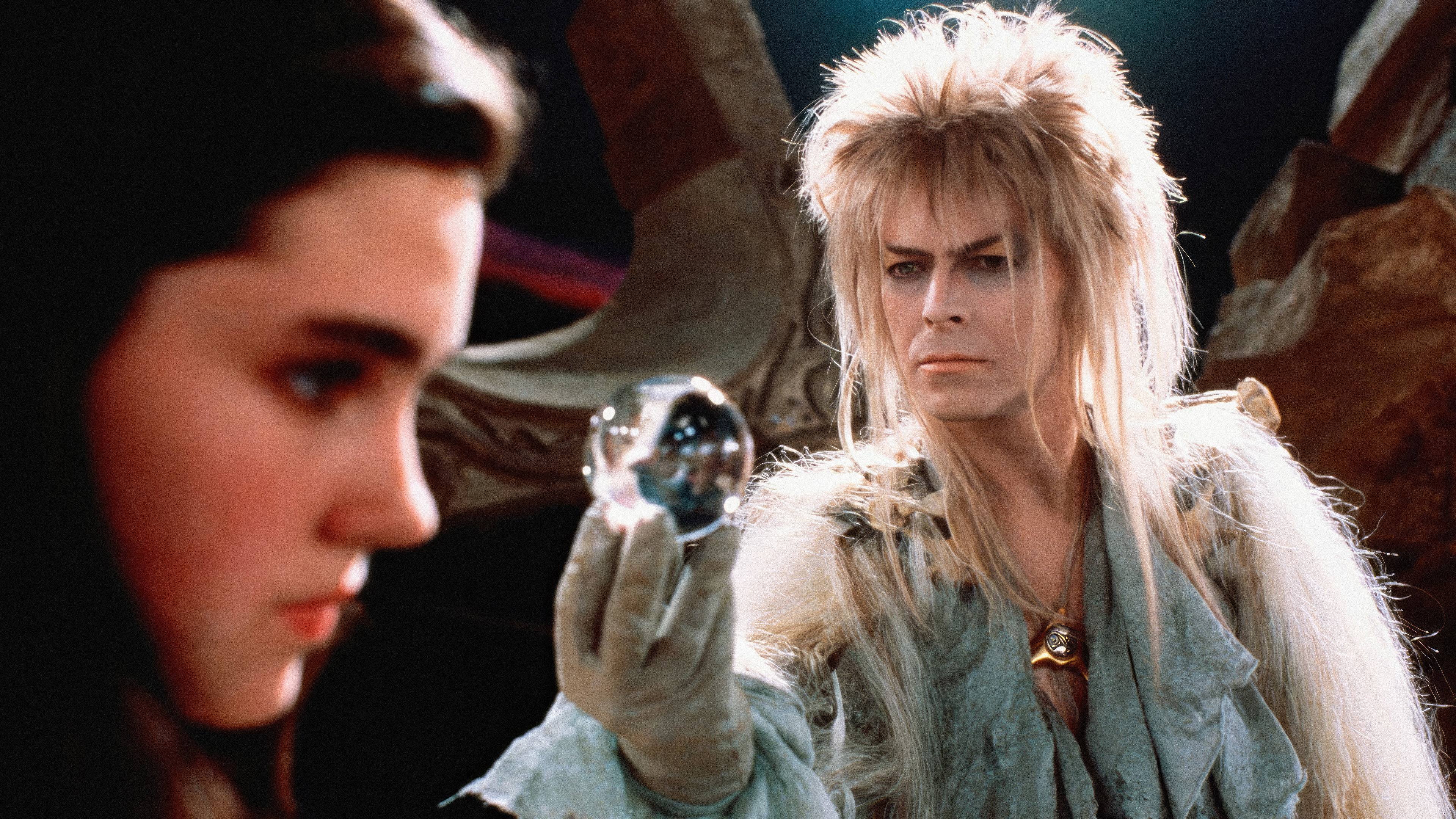
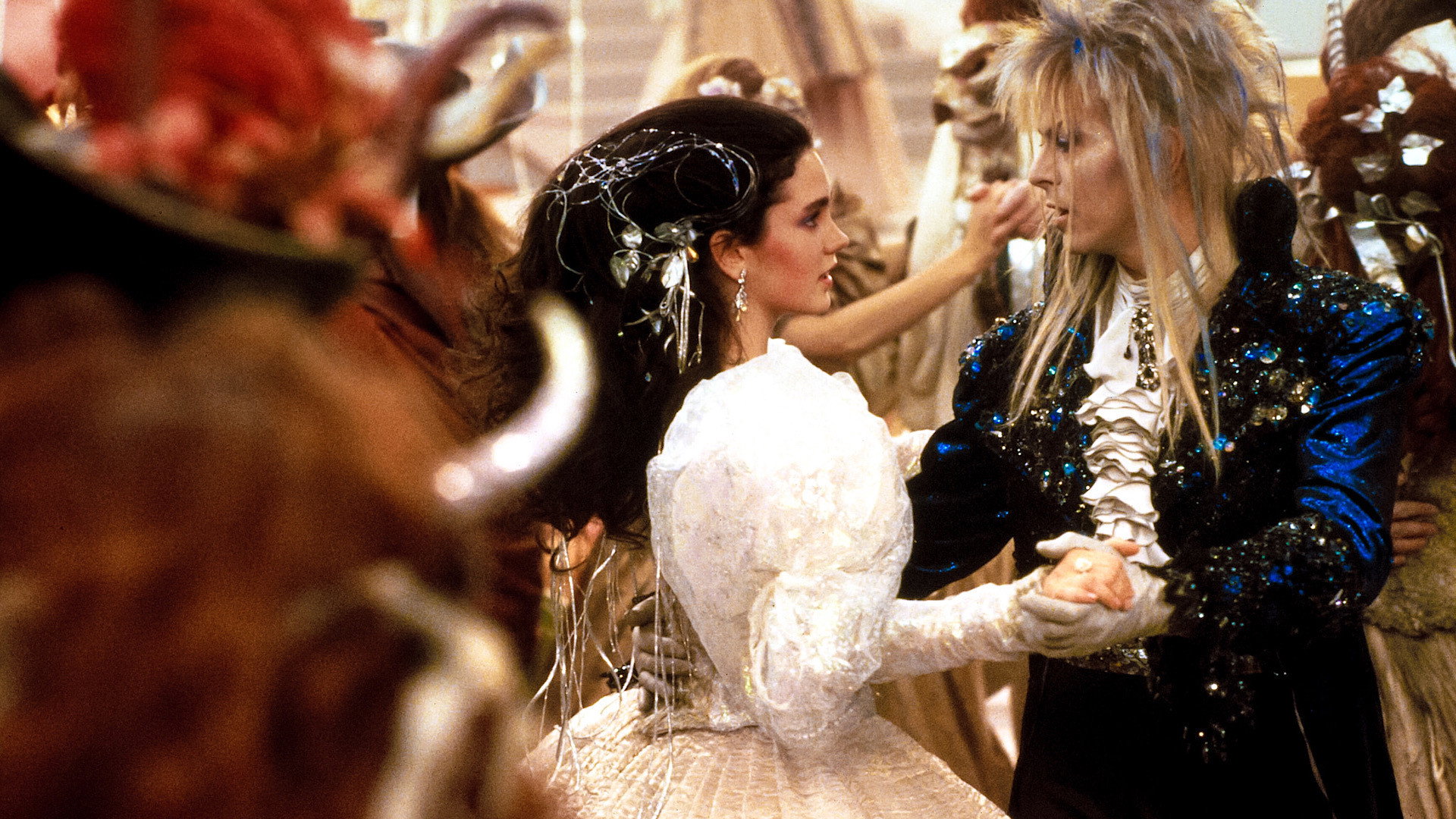
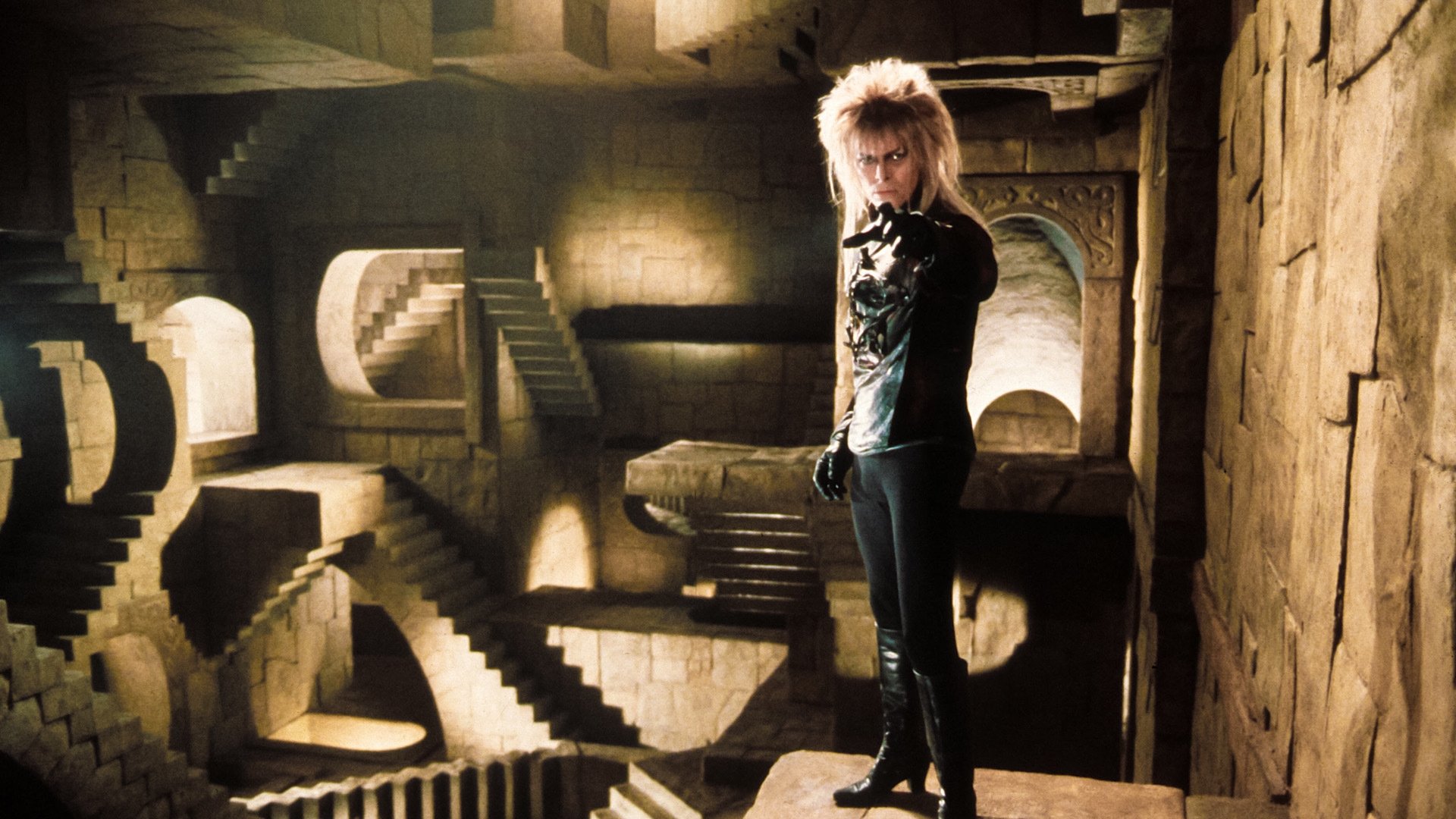
Bowie understands how to behave in this company. We laughed at how seriously he takes Jareth among the puppets; he treats their presence as entirely ordinary. There is a stiffness to his performance, but it suits a king who seems to expect everyone else to make the adjustment. His songs give the film a welcome change of pace, and his commitment prevents the musical passages from feeling like a famous guest briefly taking over somebody else’s adventure.

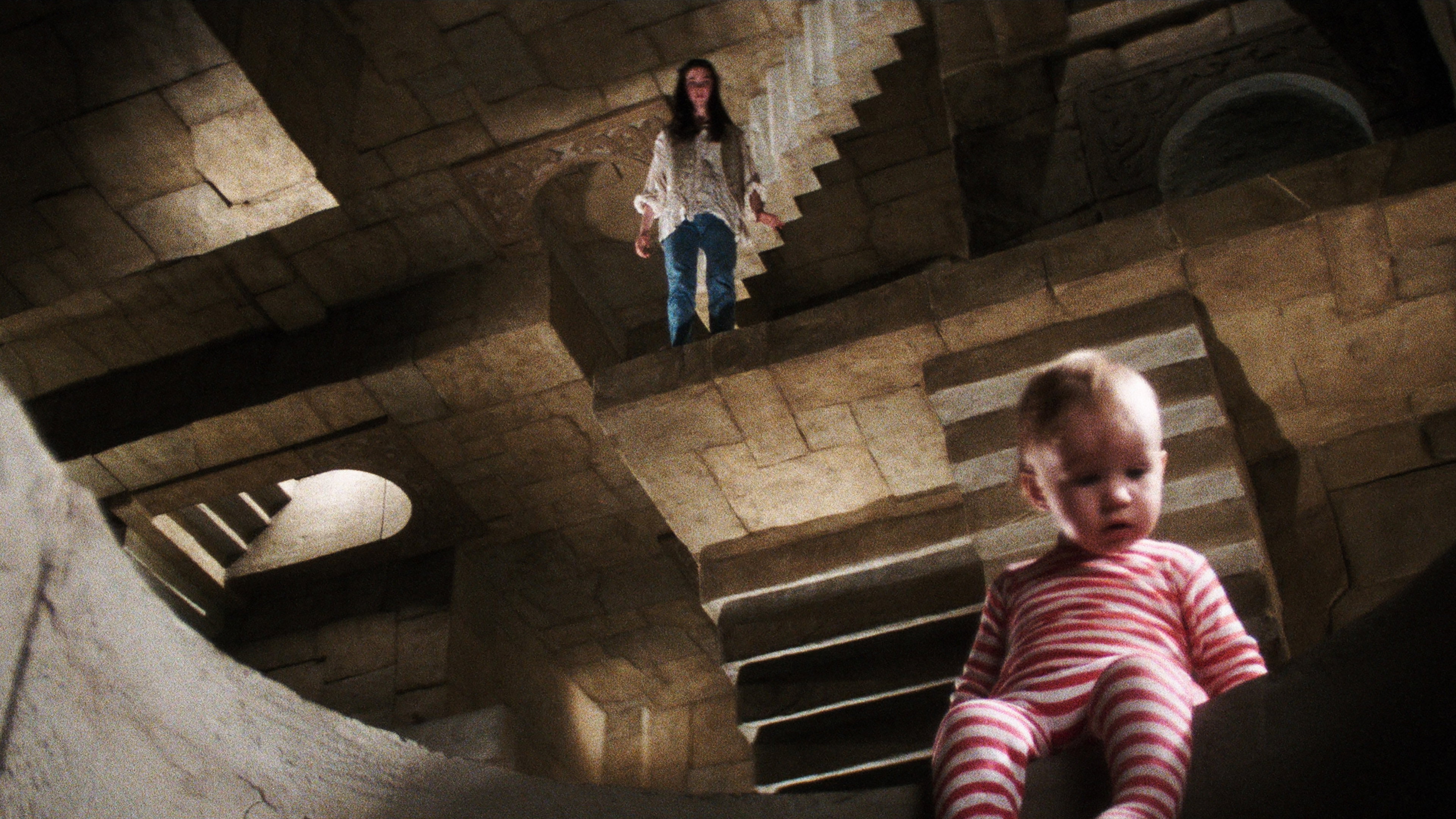
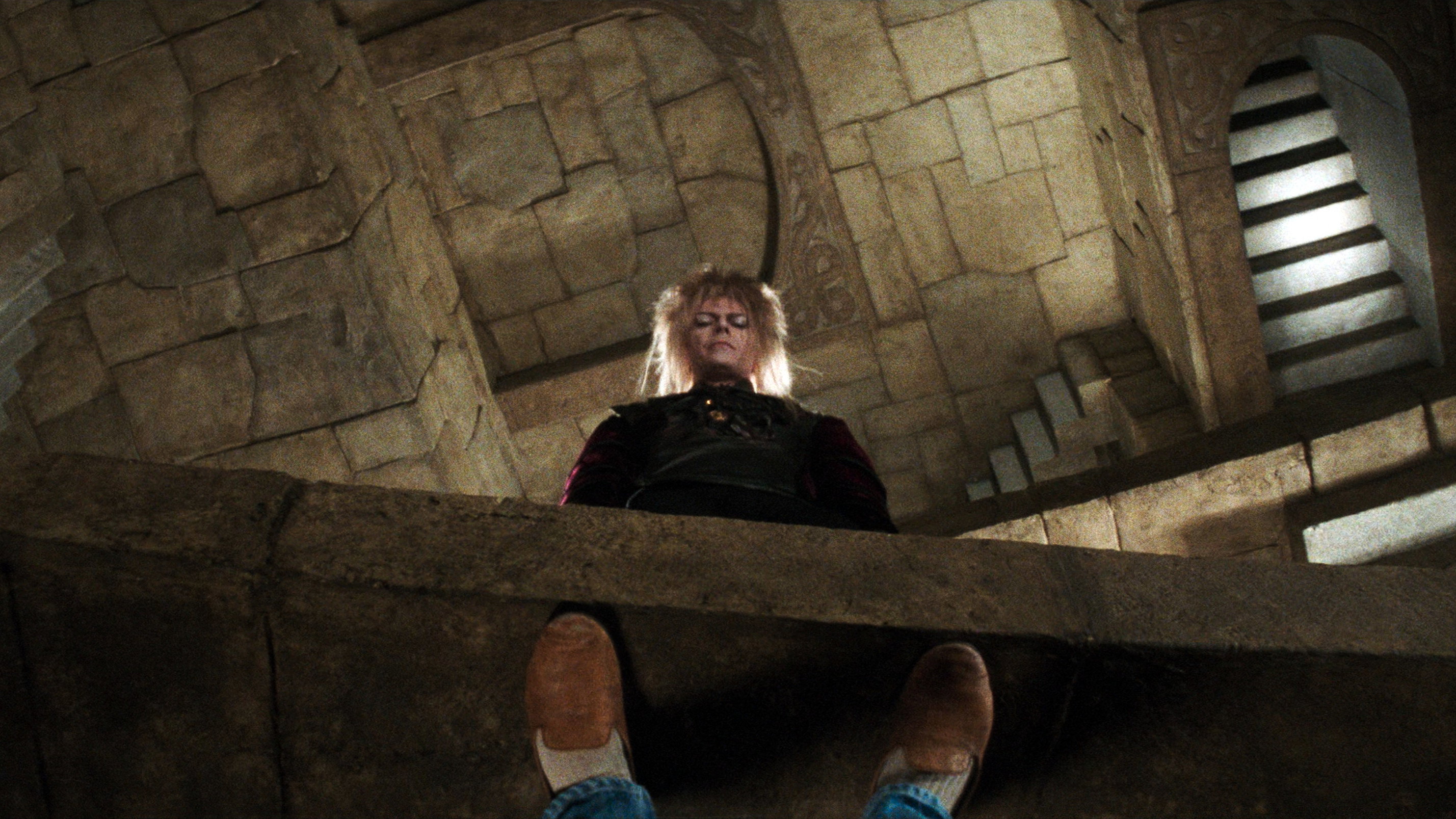
Elliot Scott’s production design gives the labyrinth substantial-looking spaces even when their geometry makes no sense. The visual puzzles work because we can inspect them, enjoying the apparent solidity before noticing the contradictions. Alex Thomson’s cinematography keeps people, puppets and scenery convincing together, so the human performers seem to belong in these impossible surroundings. This is where the film’s slower pace is an advantage, since there is plenty in the frame to examine.

Elsewhere, John Grover’s editing cannot disguise how often the journey seems to pause for another attraction. At 101 minutes, this should not feel a particularly lengthy adventure, yet the middle sometimes has us waiting for the film to choose a direction. Trevor Jones’s score is better at sustaining the fairy-tale unease than the script, which can soften a threat before it has had much effect. The changes between scares and cuteness are the chief weakness, since neither gets quite enough time to take hold.

Family fantasy does not have to tidy away everything that might puzzle or disturb its youngest viewers, and Labyrinth benefits from leaving some of its oddness unexplained. That makes it worth returning to even when the route through the story has become familiar. The unevenness is real, but Henson’s pleasure in giving these creatures a life is easy to share. Choose it for an evening when meeting strange creatures matters more than getting anywhere promptly.
Critical consensus AI synthesised

64
Positive
3
Mixed
3
Negative
1

The reviews lean towards qualified affection for Labyrinth, with praise clustering around Henson’s puppetry, the creature designs and the strange fairy-tale setting. Even critics who find the adventure unsatisfying admire much of its visual invention. The warmer responses see a charming, eccentric coming-of-age fable, and several single out David Bowie’s Goblin King as a compelling presence among the creatures. His songs also draw praise, though his acting divides opinion.

The reservations concern how well these attractions sustain a story: the middle drags, the tone wavers between scares and cuteness, and the characters do not charm everyone. The spread is wide, from enthusiasm for the film’s warmth to frustration at its sluggishness. The Times finds Bowie stiff, despite enjoying the anarchic fantasy, while Slant Magazine admires the creature craftsmanship but finds the film inert. The central disagreement is whether the inventiveness compensates for the uneven storytelling.

The Guardian
7 January 2026
85*

The critic calls the 1986 film one of the most beguilingly eccentric and charming family movies imaginable. They single out the mix of human actors, Hensonian puppets and David Bowie's committed performance as Jareth for particular praise.

Read the full review →
Radio Times
★★★★ · Josh Winning
80

Henson's final film is praised as a warm, weird and creative coming-of-age fable with brilliant puppets and an enchanting dark fairy-tale tone; Bowie's hypnotic performance as the Goblin King is singled out.

Read the full review →
The Times
9 January 2026 · Kevin Maher
70*

The critic notes that the film bombed on release but has been reassessed as a cult classic. They single out the anarchic fantasy elements and Terry Jones's screenplay contributions for mention while observing Bowie's stiff acting.

Read the full review →
Time Out
10 September 2012 · TJ
60*

The critic notes that while the narrative assembles familiar fairy-tale elements and the mid-section drags, the Creature Shop's creatures and David Bowie's performance provide memorable highlights.

Read the full review →
RogerEbert.com
27 June 1986 · Roger Ebert
55*

The film is an impressive production that is often good to look at with real thought behind it and a fine David Bowie soundtrack, yet something is missing and it never really comes alive. It singles out the Escher-inspired visual paradoxes and special effects for praise while noting the Muppet creatures work better in other contexts.

Read the full review →
Slant Magazine
3 March 2003 · Nick Schager
40*

The critic finds the film inert overall despite its visual inventiveness. The magnificently strange Henson creatures and their craftsmanship are singled out for praise, while pacing and the failure to balance scares and cuteness are noted as flaws.

Read the full review →

Cast

Stills

If you liked this, try…

Beauty and the Beast poster

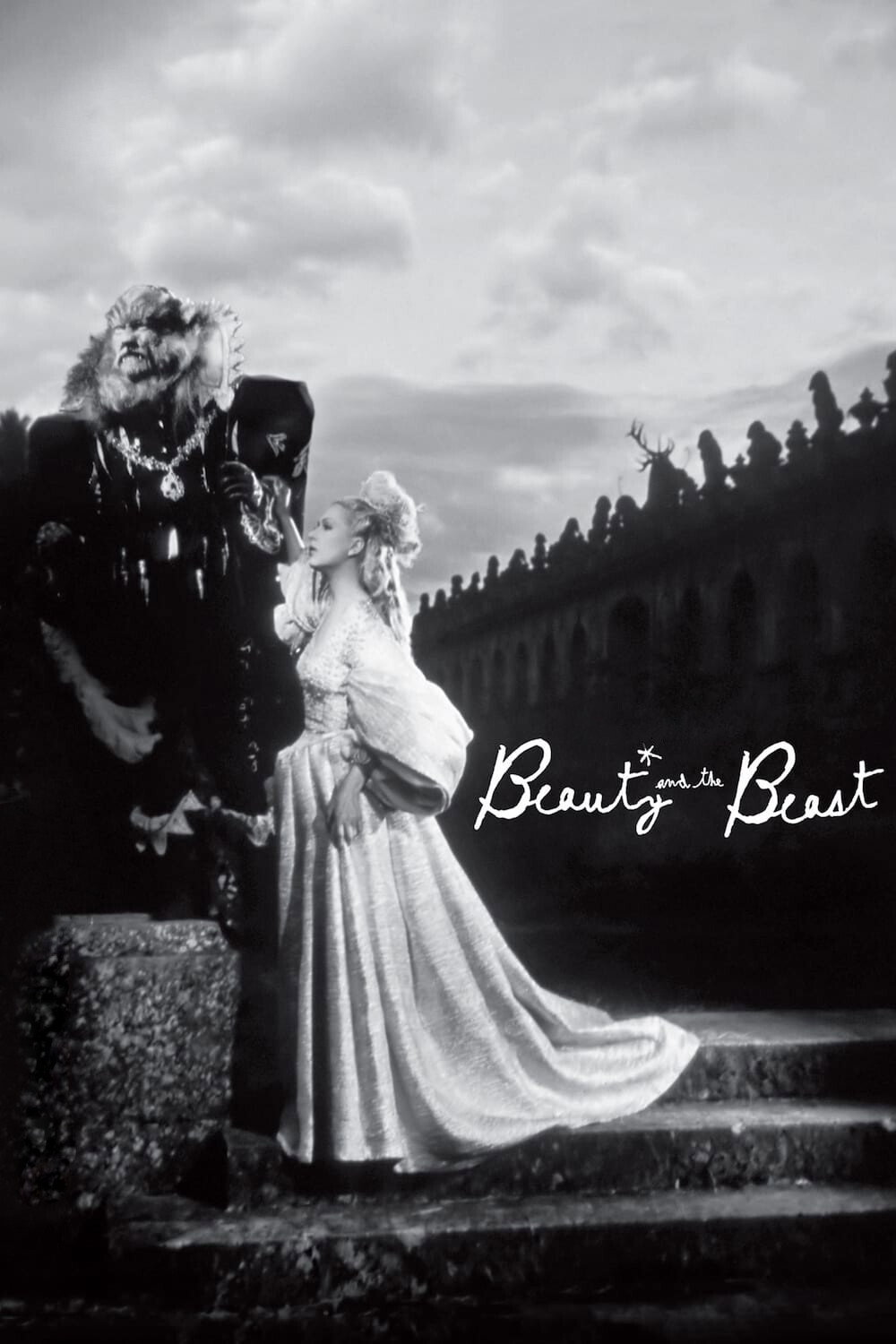
Beauty and the Beast

1946 · For another fairy-tale world whose strange inhabitants make the human dilemmas matter.

The 5,000 Fingers of Dr. T. poster

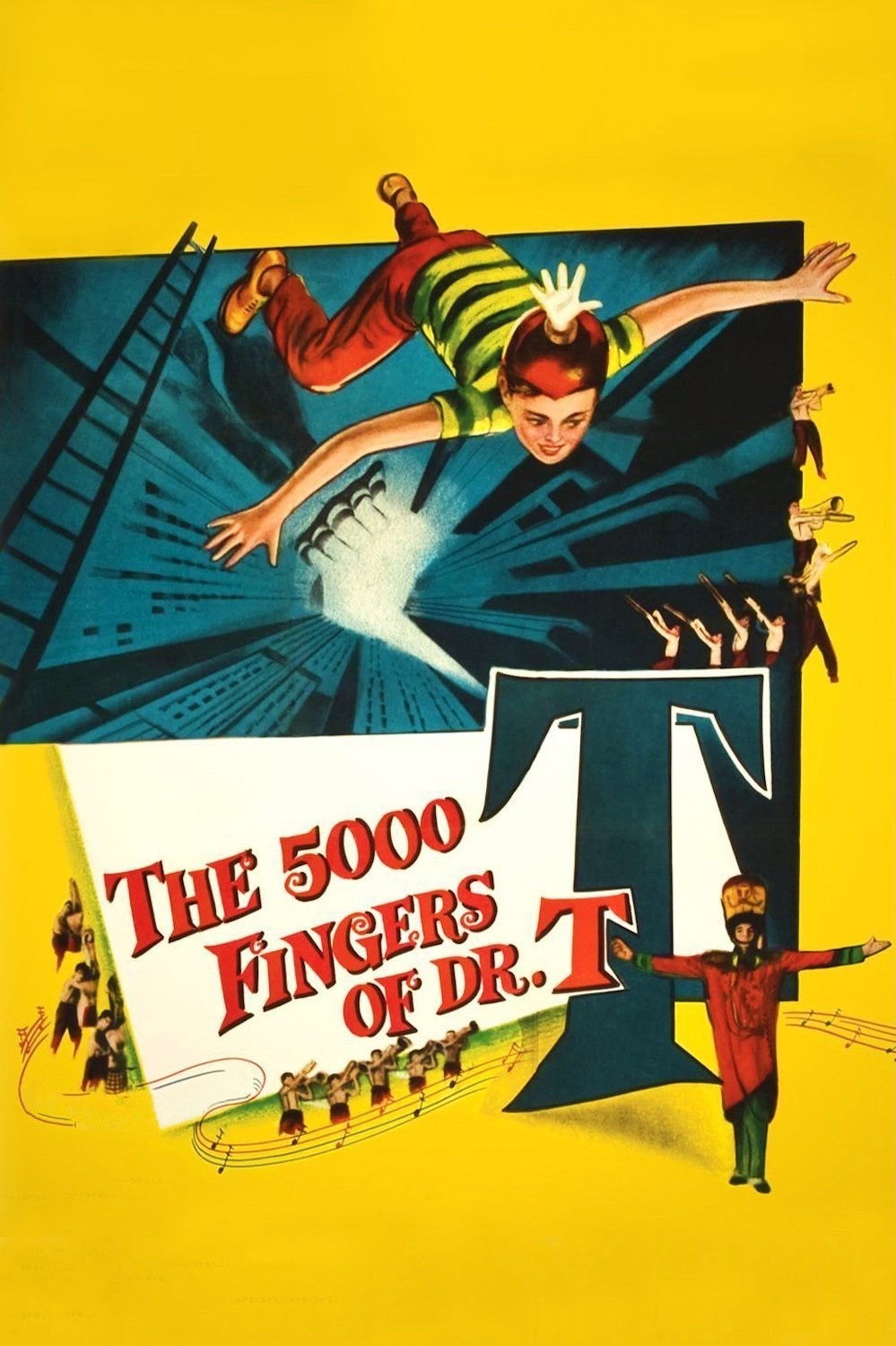
The 5,000 Fingers of Dr. T.

1953 · A child’s nightmare becomes a musical fantasy with equally peculiar architecture.

The Dark Crystal poster

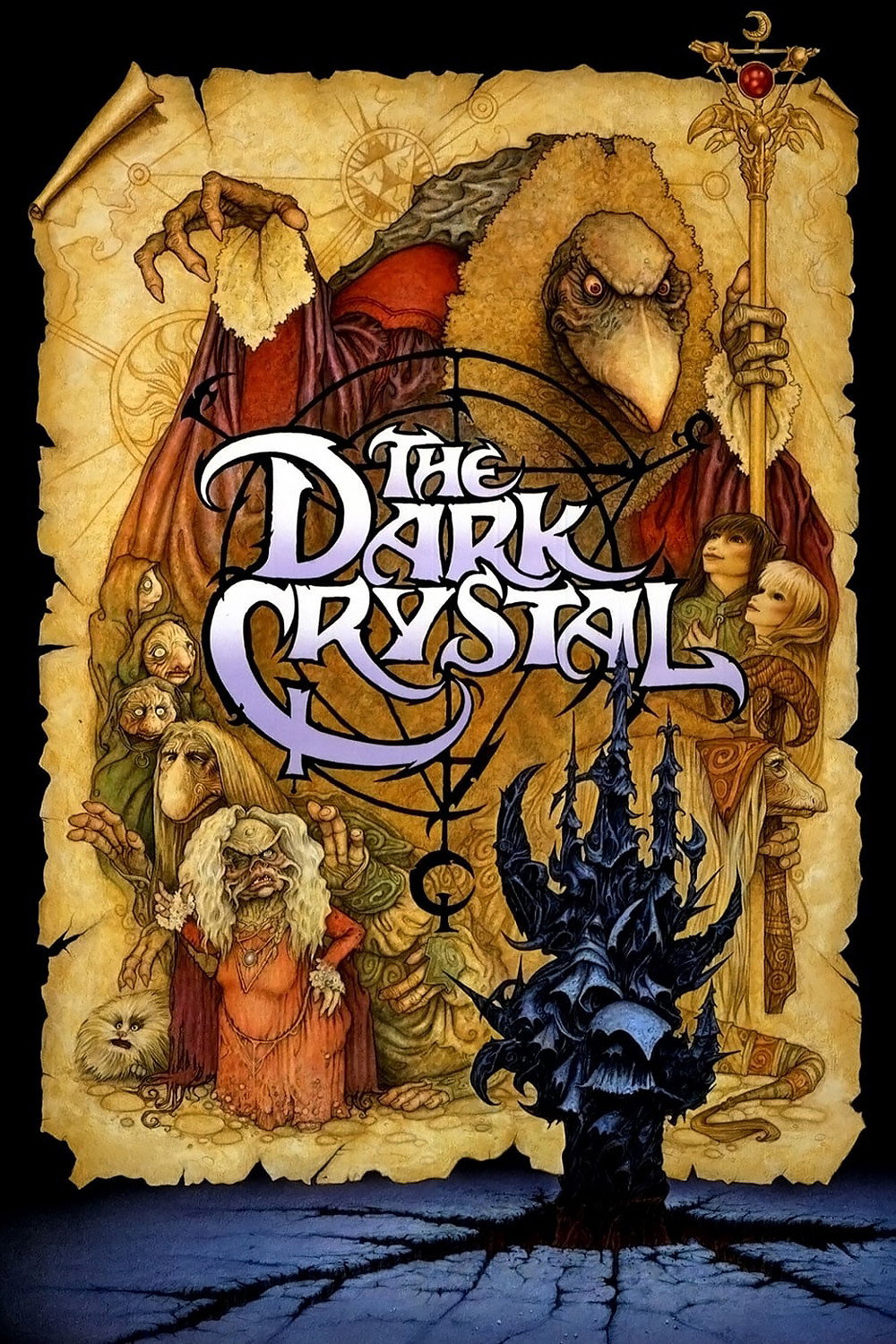
The Dark Crystal

1982 · Henson’s creature-making gets a sterner, more sustained adventure, with less human company.

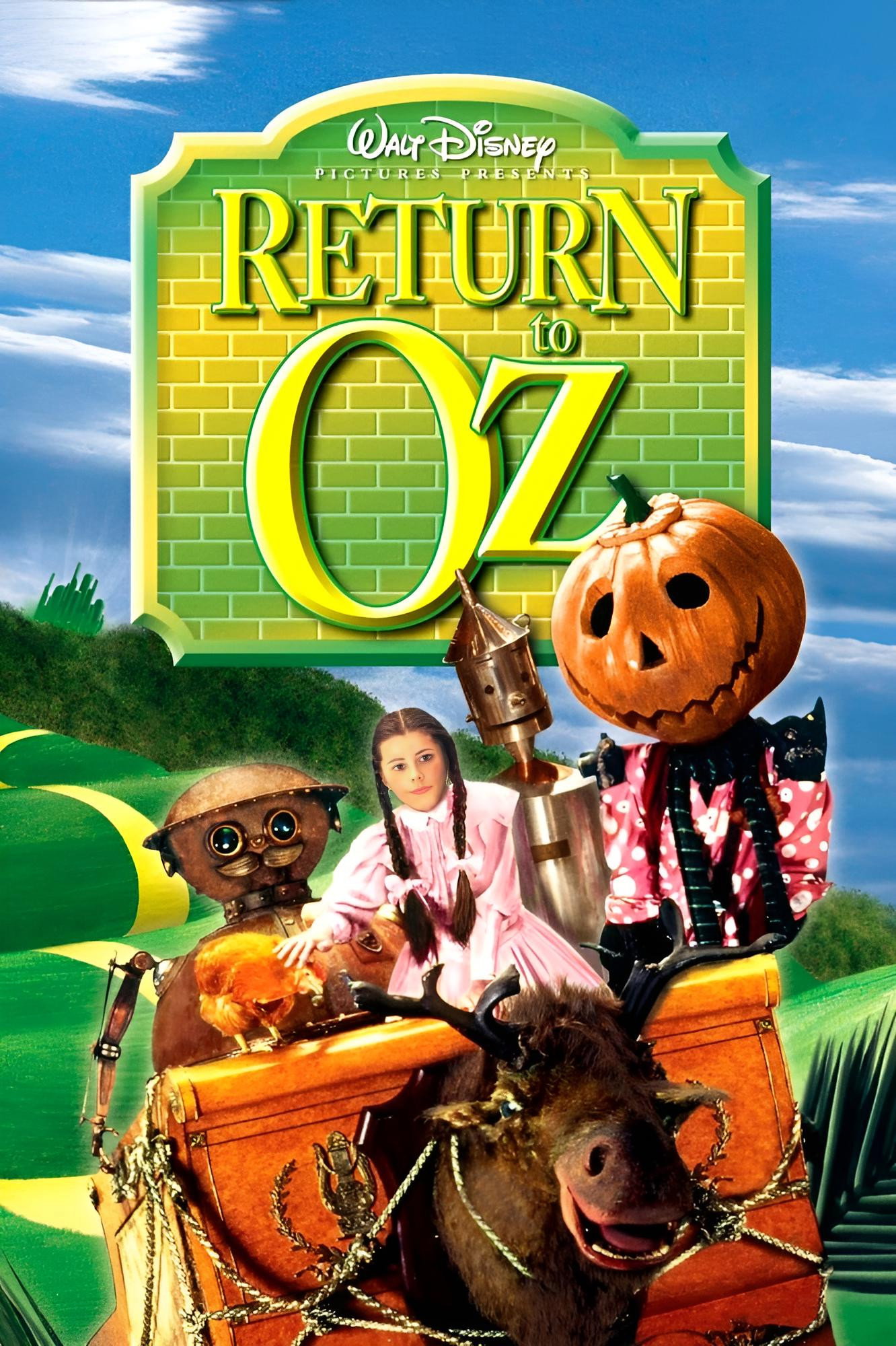
Return to Oz poster

Return to Oz

1985 · For the same uneasy border between children’s adventure and properly frightening creatures.

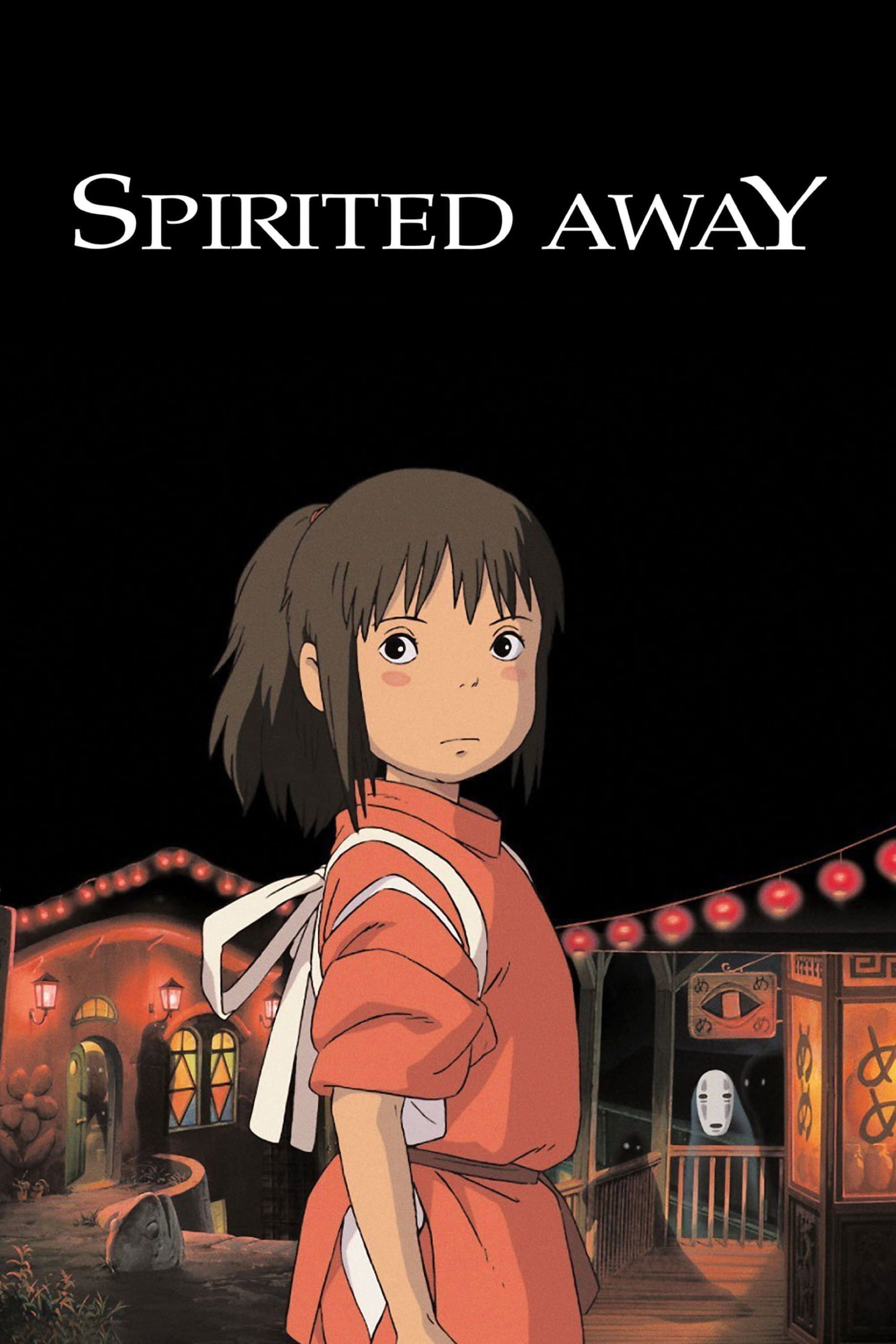
Spirited Away poster92

Spirited Away

2001 · Another young heroine negotiates a strange realm where grown-ups cannot be trusted.