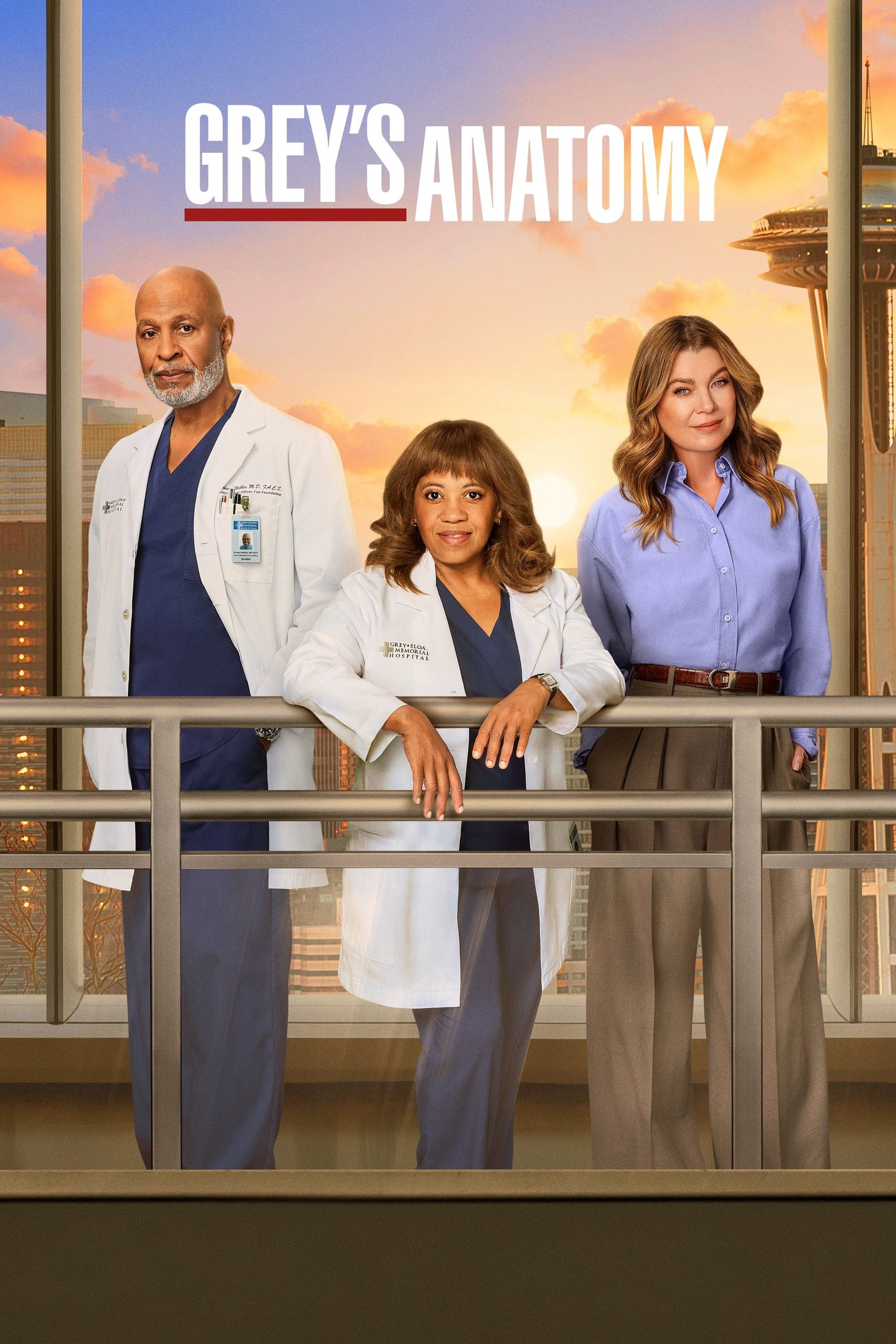
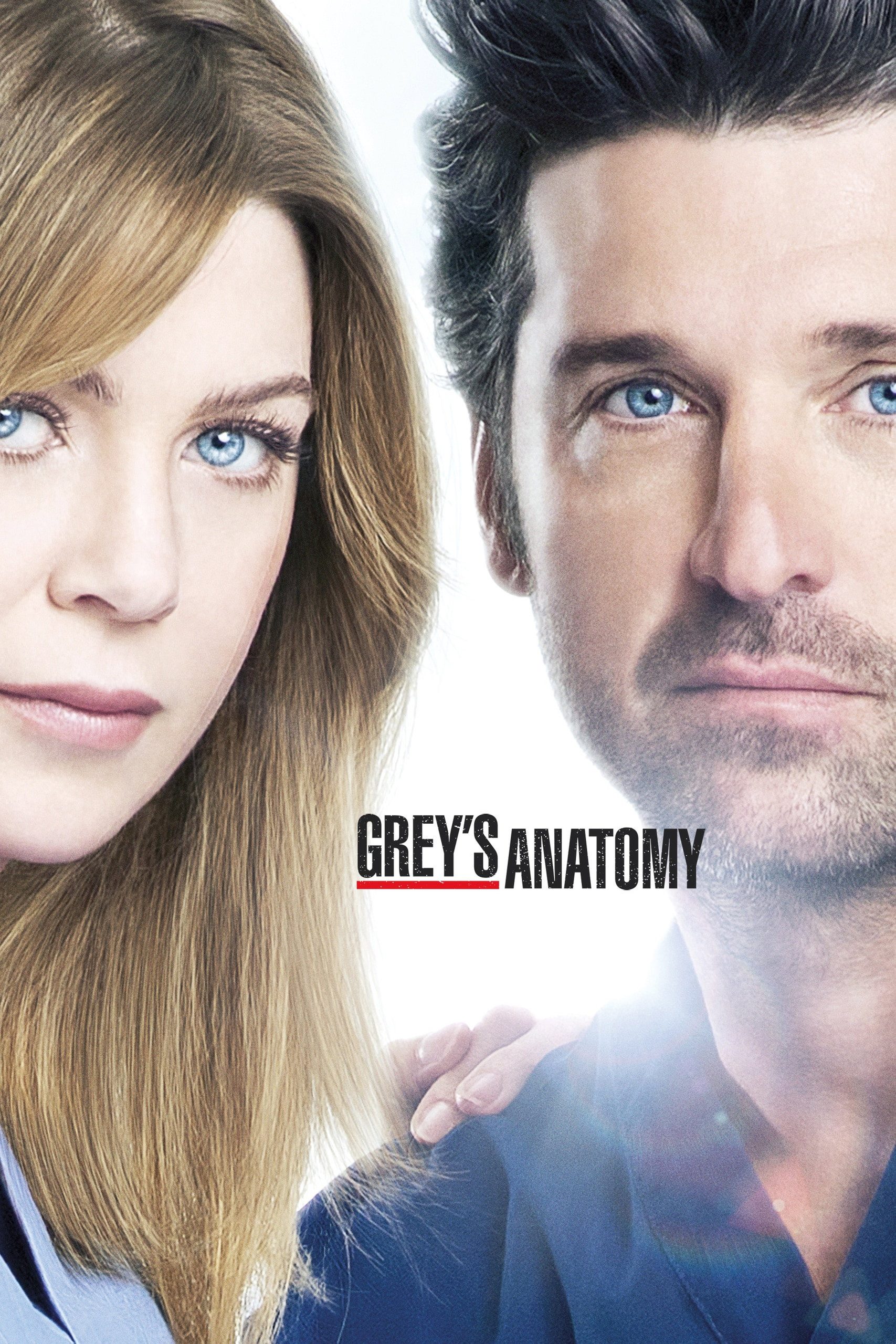
Shonda Rhimes’s hospital drama is, for its first few years, as quick and sharp as American network television gets, with Sandra Oh doing most of the cutting. It has run long enough to wear that out; start at the beginning and know when to stop.
Shonda Rhimes’s drama about surgical interns arrived on 27 March 2005 with a first season of nine episodes, and the way it starts is still a lesson in how to start a programme. Meredith Grey (Ellen Pompeo) wakes up on the floor of her mother’s house next to a man whose name she has not bothered to learn, and by lunchtime he is Dr Derek Shepherd (Patrick Dempsey), an attending surgeon telling her what to do. That is the whole show in one morning: work and sex in the same building, and a woman not sure which she is worse at. The first few seasons manage this with speed and wit. The seasons after that manage it with less of both, and there are a great many of them.
Rhimes writes talk. Her interns speak fast, over each other and mostly about themselves, and the pleasure of the early episodes is hearing a hospital run on gossip. Sandra Oh’s Cristina Yang is the best thing in it: a competitor who treats compassion as a waste of theatre time and delivers every line flat, so the funny ones and the cruel ones sound the same. Chandra Wilson’s Miranda Bailey collects her interns on day one and lists her rules like a sergeant who has seen this batch before. We laughed out loud at Oh more than once, and it was the flatness that did it; she never asks for the laugh.
The construction is the other reason it worked. Each episode runs two or three patients against whatever the interns are doing to each other, and Kyle Bond’s cutting keeps the cases and the corridors moving at the same pace, so a diagnosis and a break-up land in the same minute. Every episode closes on a montage under a song, with Pompeo’s voice over it drawing the moral. We cried at one of those in the second season and felt a little foolish about it, because we could see exactly how the pieces had been fitted together, and it worked anyway. Roemehl Hawkins’s costumes do quiet work too: the scrubs sort people by rank at a glance, so you always know who is allowed to shout at whom.
James Pickens Jr. gives Richard Webber, the chief, a tired decency the programme leans on for years, and Justin Chambers plays Alex Karev as the intern nobody likes, with enough hurt underneath that you keep watching him. Katherine Heigl’s Izzie Stevens is written softer than the others and is at her best when she stops being nice. The cast changes over the years, in ways we will not describe, and Sara Ramirez, Kevin McKidd, Kim Raver, Caterina Scorsone and Camilla Luddington are among those who arrive later and stay. Several of the actors end up behind the camera: Wilson, McKidd and Pompeo all direct, and Denzel Washington turns up in the directors’ list, which tells you where the programme sits in Hollywood’s affections.
The trouble is length. The second season alone ran to twenty-seven episodes, and there have been more than twenty seasons in all, with writers including Krista Vernoff, Stacy McKee, Zoanne Clack, Debora Cahn and Meg Marinis keeping the wards full. A show built on people doing foolish things has to keep finding new foolish things, and by the tenth year the disasters have become an annual fixture and the romances rotate through the same few pairings. We watched a stretch of the later seasons and were bored, and then we were irritated, because the people on screen had stopped being characters and become positions: the one who is grieving, the one who is angry at the one who is grieving. Sometimes the old speed comes back for an episode. It does not stay.
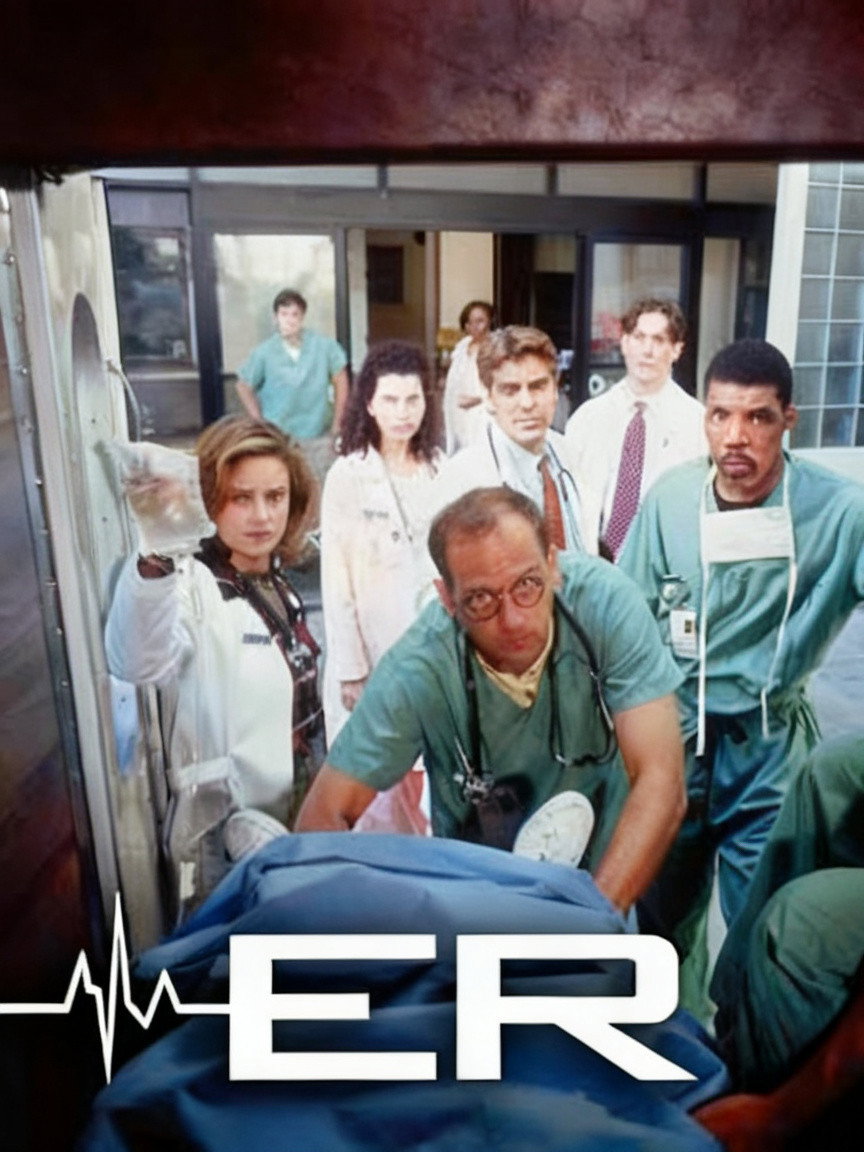
Against the hospital drama as a form, it is not trying to be ER, which wanted you to believe in the medicine. Rhimes wants you to believe in the staff room, and on those terms the early years are as good as American network television of their kind gets. The later years are a habit, and a habit is not the same as a good programme.
Start at the beginning and watch the first four seasons, which are the ones with the edge. After that, carry on if you love these people, and stop the moment you notice you are watching out of loyalty rather than interest. The 15 certificate is for the operating theatre rather than the bedroom; the surgery is shown in close-up and the sex mostly is not.