Adam Kay’s adaptation of his own diaries gives Ben Whishaw a junior doctor who is funny to us and unbearable to everyone else, and it earns both. The asides to camera wear thin by the middle; Ambika Mod, as his trainee, is the reason to stay.
Adam Kay kept a diary as a junior doctor, turned it into a book, and has now turned the book into seven episodes of television in which Ben Whishaw plays a character called Adam Kay. The setting is a labour ward in 2006, which matters because the series wants you to know that the shortages, the bullying and the rota that runs a man into the ground are not a new story. Lucy Forbes and Tom Kingsley direct. The aim is a comedy about a place where nobody has time to laugh.
It very nearly gets there. This is a sharp, angry, well-acted piece of work that we would recommend to almost anyone who can stand the sight of blood, with the caveat that its one big formal trick starts to cost it around the fourth episode. Most critics have gone a little higher than we have. We think they are forgiving a slackness in the plotting that a series this confident should not need.
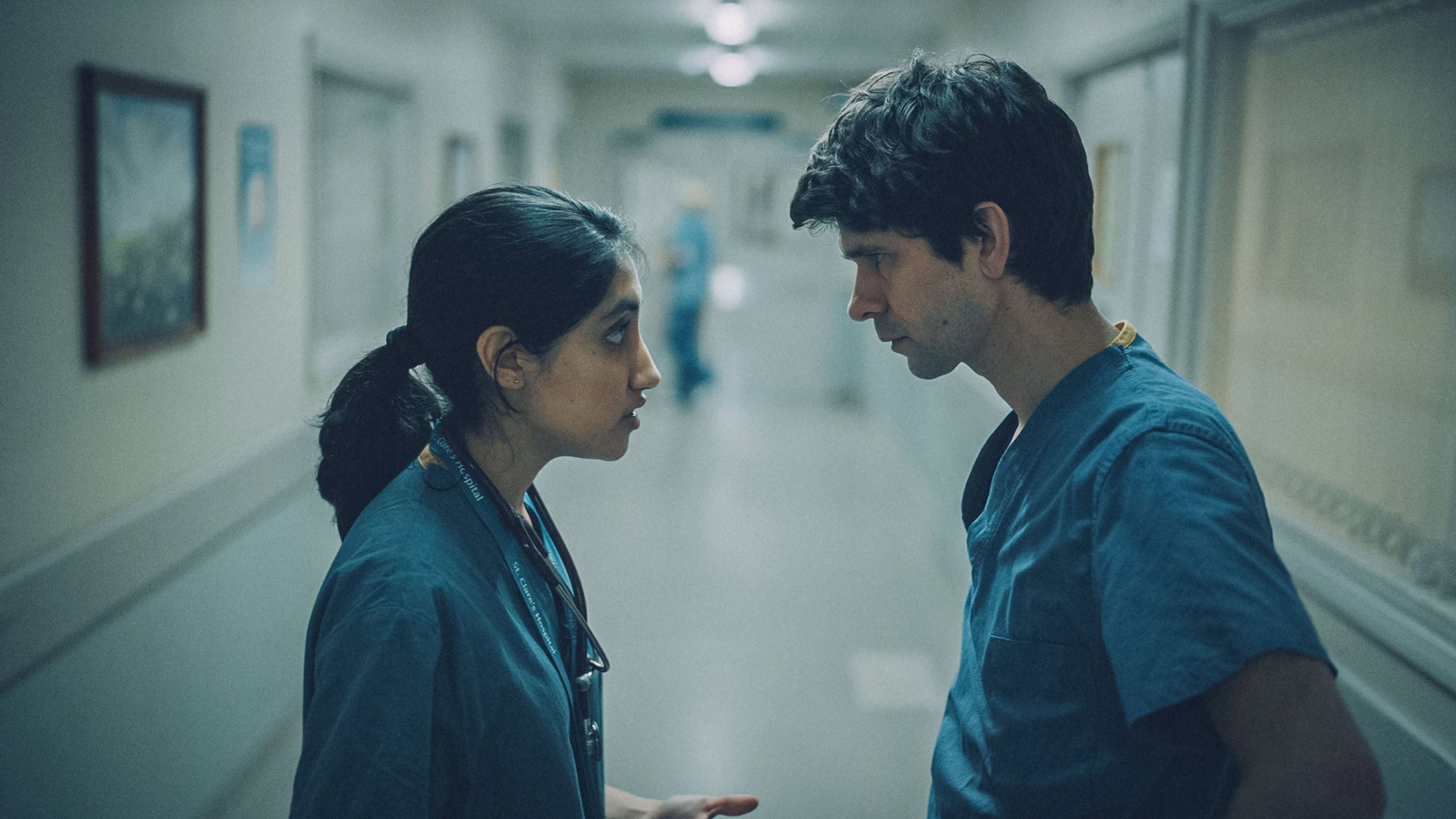
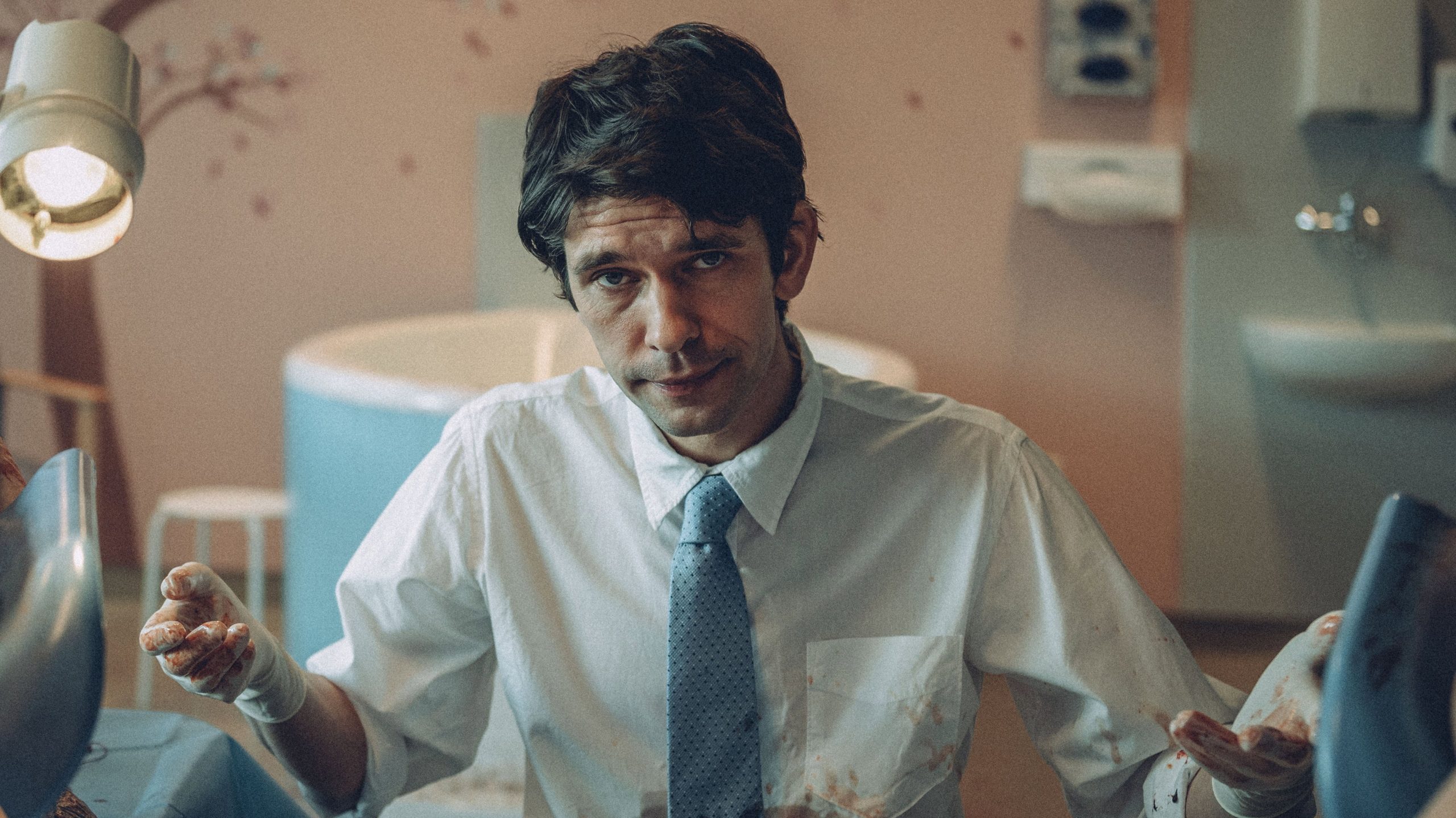
Whishaw plays Adam as a man who has decided that rudeness is a form of efficiency. He is good at the job and lets everyone know it, and when a scene threatens to become unbearable he turns to the camera and says something clever. The trick lets us in and shuts everybody else out, which is the point. We laughed at the asides for two episodes, then noticed that nobody in the frame was laughing with him, and stopped. Michele Austin’s Tracy watches him the way you would watch a colleague you have already reported once.
Ambika Mod’s Shruti is the series’ spine. She is on her first job, she has none of Adam’s armour and no time to grow any, and Mod plays her tiredness as something that gets into the shoulders and the voice long before anyone comments on it. There is a shot of her alone at a nurses’ station after a night shift, not crying, just unable to decide what to do with her hands, and we felt something closer to dread than sympathy. Her story takes a turn in the second half that we will not describe.
The ward looks right. Dick Lunn’s production design gives it strip lights, peeling notices, a curtain on a broken rail and a vending machine nobody has filled, and Benedict Spence and Nick Cooke shoot it in the flat white of a place where it is always three in the morning. The car park at night is sodium orange and the only warm colour in the run. Emma Rees dresses everyone in scrubs that do not quite fit, which is accurate. Jo Walker, Peter Oliver and Selina Macarthur cut each shift as a run of interruptions, so that a conversation is rarely allowed to finish, and Serafina Steer and Jarvis Cocker’s music is a handful of notes that keep stopping short, as if they too were owed a break.
The faults are real. Direct address is a hard habit to keep fresh, and by the middle episodes Whishaw is turning to us out of reflex rather than need. Harriet Walter is given a disapproving mother and not much else to do with her. Rory Fleck-Byrne’s Harry is patient to the point of furniture. Alex Jennings is enjoyable as Lockhart but the character is a cartoon of a consultant, and a mistake from an early shift that follows Adam through the series is handled like a thriller in a drama that does not need one. None of this is fatal. It is what stops a very good series from being a great one.
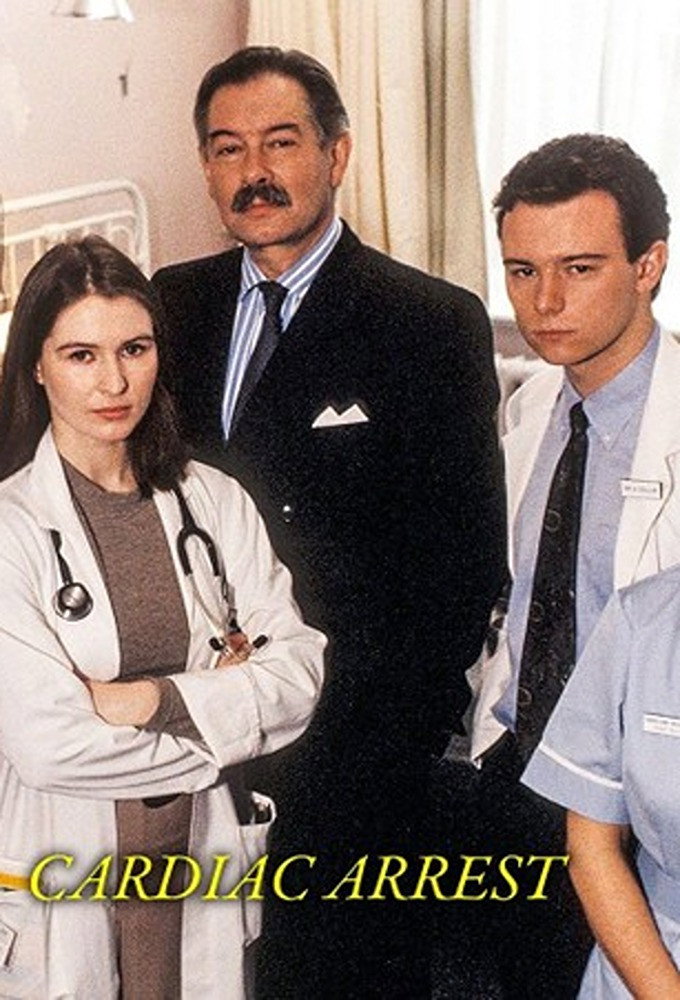
Jed Mercurio’s Cardiac Arrest and Bodies did the anger before this, and did it with less charm. Kay’s advantage is that he is willing to make his own stand-in the problem. The series does not ask us to like Adam. It asks us to notice what the building has done to him and what he is doing to Shruti in turn, and by the end we had.
It carries a 15 certificate, for the blood and the language, and there is a great deal of both. If anyone in the house is pregnant, or was recently, be honest with yourselves about whether tonight is the night.