David Wolstencroft treats spying and the law as jobs done by frightened people, and his best work is frightening in proportion to what it takes from them. Spooks, in its first few years, remains the reason to know his name.
Fi1m perspective
The room is the thing. Before Spooks had a plot it had an office: too much glass, too few chairs, people who had not slept lying to their families on the phone and being shouted at by politicians who had. David Wolstencroft's first idea, and still his best, was that spying is shift work, and that the people doing it will not be thanked for it. The second episode made the point with something done to a member of the team that we will not describe. We were horrified, and then we caught ourselves sitting forward, and that was the series telling us its rules: nobody is safe because of their billing.
He had written Psychos (1999) before that, and after Spooks began in May 2002 he did not stay in the one room. There was a screenplay for Shooting Dogs (2005), about a school during the Rwandan genocide; two novels, Good News, Bad News (2004) and Contact Zero (2005); The Escape Artist (2013), a legal thriller with David Tennant; and Versailles (2015–2018), co-created with Simon Mirren and run for three series. Masterplan (2026) is the latest listed credit. Spooks itself ran ten series and 86 hours until 2011, which is where our reservations begin.
What holds the career together is a preference for the gut over the procedure. He has said of legal drama that "there's a tendency with legal stories to get caught up in the intellectual side of things rather than the emotional underbelly", and Spooks is that principle applied to espionage: not tradecraft, but what the work costs the person doing it. Howard Brenton, Neil Cross and Dennis Kelly were among the writers who followed him on the series, and for several years they took a great deal from their characters. He has also said the titles come first, written at the top of the notepad before anything else, which sounds like a boast and is, on the evidence, a method: the word Spooks tells you the tone before a shot is fired.
The weakness is the same instinct run long. A series built on the idea that nobody is protected cannot keep taking people away for ten years without the losses turning into a schedule, and the later Spooks keeps the pace while losing most of the point. Versailles drew complaints about its history and its bedroom scenes, which he defended; we have not reviewed it and will not judge it here, but the objection and the answer both sound like a writer more interested in what people feel than in what the file says.
Start with the first two series of Spooks, watched close together, and note the evening you first see the pattern coming. That is the evening to stop.
Biography
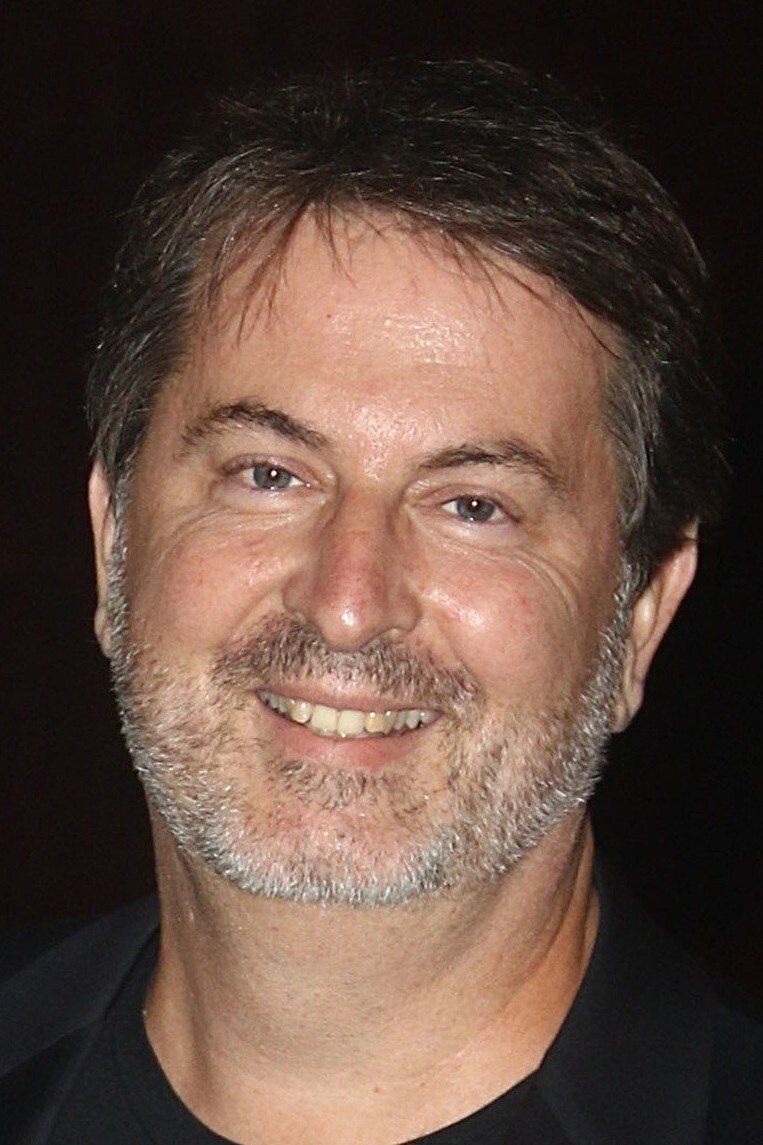
David Wolstencroft is an American-born British screenwriter and author. Born on 16 July 1969 in Honolulu, Hawaii, he grew up in Edinburgh and studied at Emmanuel College, Cambridge. His first television drama, Psychos (1999) for Channel 4, earned him the Royal Television Society's Network Newcomer award.
He is best known as the creator of the BAFTA award-winning BBC series Spooks (2002–2011), on which he also wrote. He created The Escape Artist (2013) for BBC One and co-created Versailles (2015–2018) with Simon Mirren. His film credits include the screenplay for Shooting Dogs (2005). He has written the novels Good News, Bad News (2004) and Contact Zero (2005), and the children's book The Magic Hour (2023).