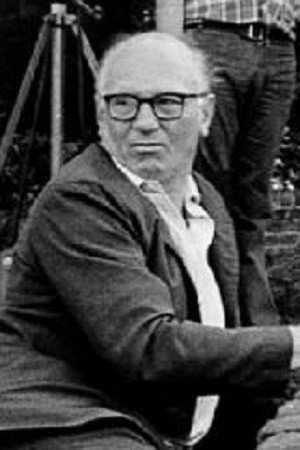
John Hawkesworth made period television worth watching for the people doing the work, not just the people being served. We value his patient storytelling, though Upstairs, Downstairs can be stiff when it ought to feel lived in.
Fi1m perspective
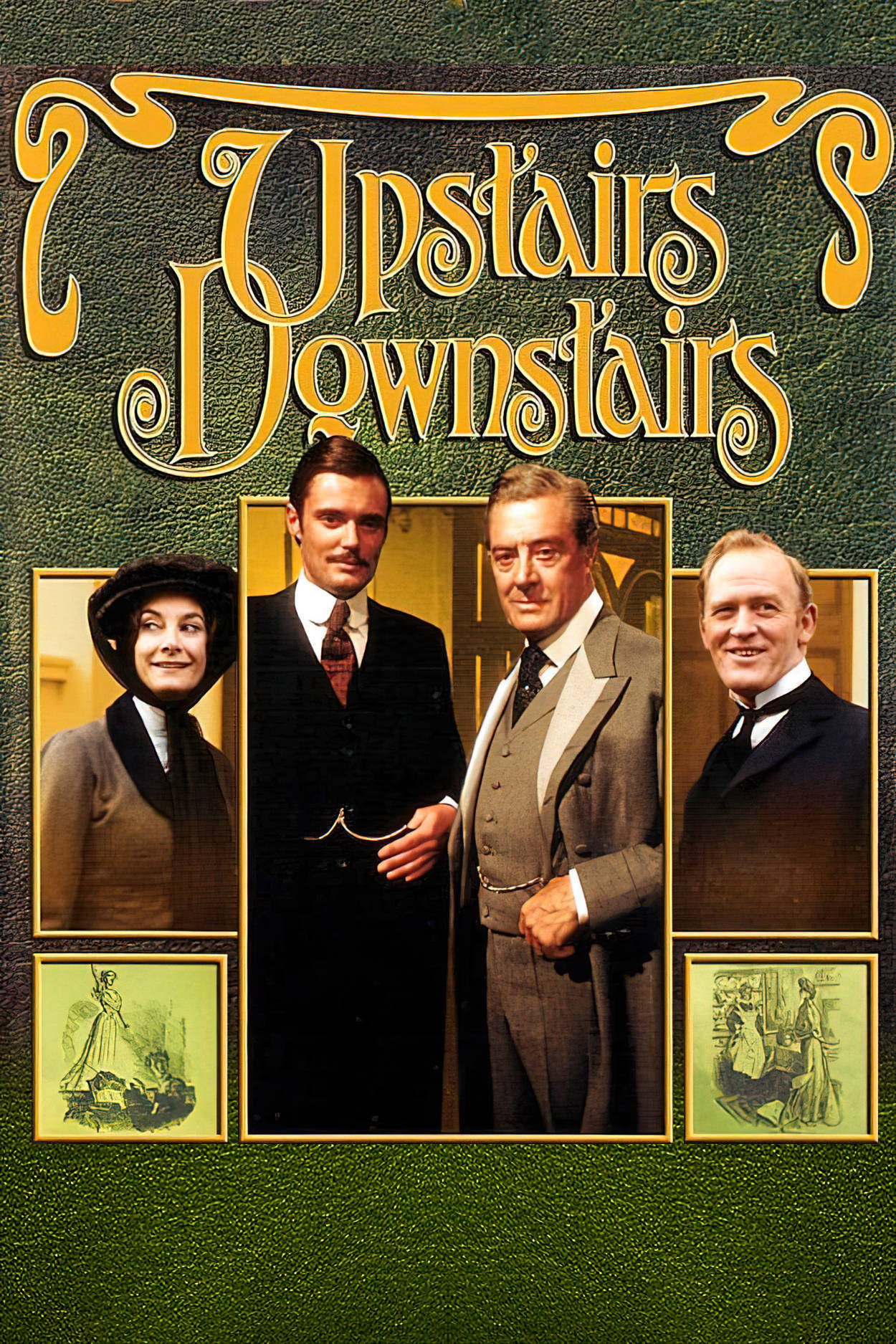
In Upstairs, Downstairs (1971), the servants' concerns are allowed to occupy our attention without needing an excuse. A household drama can treat its workers as useful witnesses to somebody else's troubles; creators John Hawkesworth, Eileen Atkins and Jean Marsh give them troubles of their own. We grew attached to the servants because their worries were given time to matter. That patience is the chief reason we recommend the series, despite some stiff staging.
Hawkesworth's contribution extended beyond helping to create it: he produced most episodes and wrote several. The self-contained stories connect across the series, allowing an episode to satisfy without exhausting our interest in the characters. With a large company to attend to, that construction matters: the writing can build on what we already know rather than continually starting afresh. His attention to historical detail gives the class tensions a credible setting, although it is the steady development of the characters that makes us want to return.
His early art-department work included assisting Vincent Korda on The Third Man (1949), before screenplay and producer credits on Tiger Bay (1959). The move into television writing came in the mid-1960s. The longer form suited his interest in people separated by class but sharing a household or setting. Later period productions included The Duchess of Duke Street (1976), and he developed and wrote for The Adventures of Sherlock Holmes (1984). Across those changes of subject, he kept his interest in making an earlier time credible.
The reservation is that such care can leave a drama feeling too settled, and Hawkesworth continued to work in familiar period-drama territory. In Upstairs, Downstairs, some of the staging puts an unwelcome distance between us and people the writing has made important. Its harder view of household life prevents that stiffness from making the series merely comfortable. Start there, but give the characters more than one episode to establish themselves.
Biography
John Hawkesworth was an English television and film producer and screenwriter. He began his career in the art department at London Films in the late 1940s, working as an assistant art director on films including The Third Man (1949). He later produced and co-wrote the screenplay for Tiger Bay (1959).
In the mid-1960s he moved into television, writing for series such as The Hidden Truth (1964) and creating The Short Stories of Conan Doyle (1967). With John Whitney he formed Sagitta Productions; together they developed the idea for Upstairs, Downstairs (1971–1975) into a 68-episode series for London Weekend Television, which Hawkesworth produced and for which he wrote twelve episodes. He went on to produce The Duchess of Duke Street (1976–1977) and Danger UXB (1979), and created adaptations including The Adventures of Sherlock Holmes (1984).
Hawkesworth was educated at Rugby School, studied at the University of Paris and the University of Oxford, and served in the Grenadier Guards during the Second World War. He was married to Hyacinthe Gregson-Ellis.