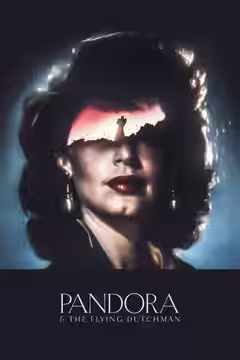
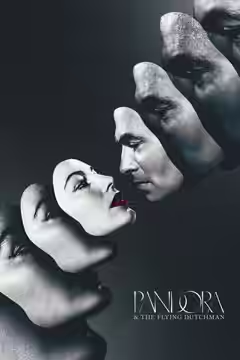
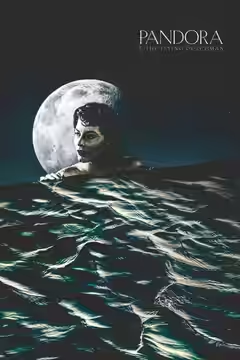
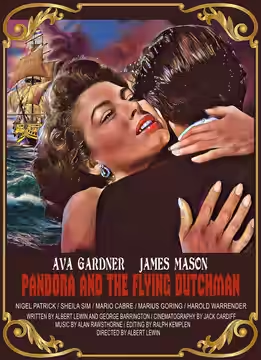
Ava Gardner and James Mason make Albert Lewin’s romantic fantasy worth its stretches of solemn excess. The colour and the chemistry carry it, though the scenic pauses sometimes leave the story waiting.
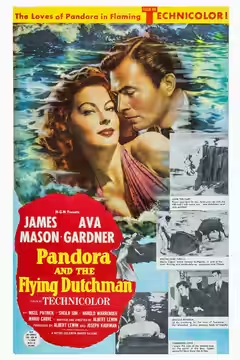
Pandora and the Flying Dutchman is a good romantic fantasy with a weakness for stopping to admire itself. Albert Lewin writes and directs with a seriousness that makes the extravagance persuasive, though he sometimes gives that seriousness too much time. We recommend it to anyone willing to let a romance be strange, solemn and occasionally excessive. At 124 minutes, it asks for patience, and Ava Gardner and James Mason give us a reason to supply it.
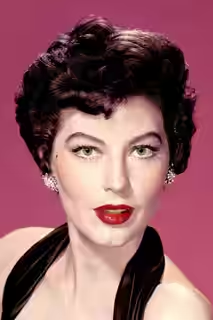
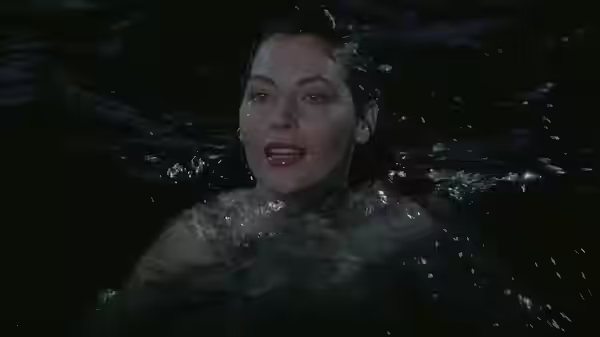
Ava Gardner’s Pandora Reynolds gives the film a welcome lightness whenever the dialogue threatens to become too grand. Her ease with a line suggests a person speaking rather than a performer carefully presenting a beautiful sentiment. We were moved more than we expected by the warmth she brings to this sombre romance. It is her relaxed delivery that does it: the feelings become easier to believe when the words sound less prepared.
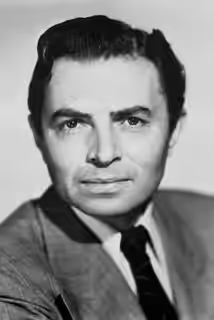
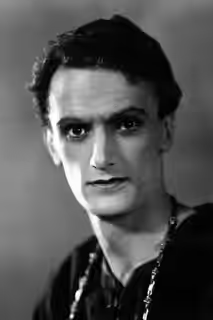
James Mason’s Hendrick van der Zee can sustain the heavier emotions without making them seem merely decorative. His gravity works particularly well alongside Ava Gardner’s lighter delivery, giving the pairing enough contrast to hold our interest. Together, they make the film’s romantic intensity easier to accept. There are passages where the solemnity becomes oppressive, but he remains worth watching even when the pace makes us impatient.
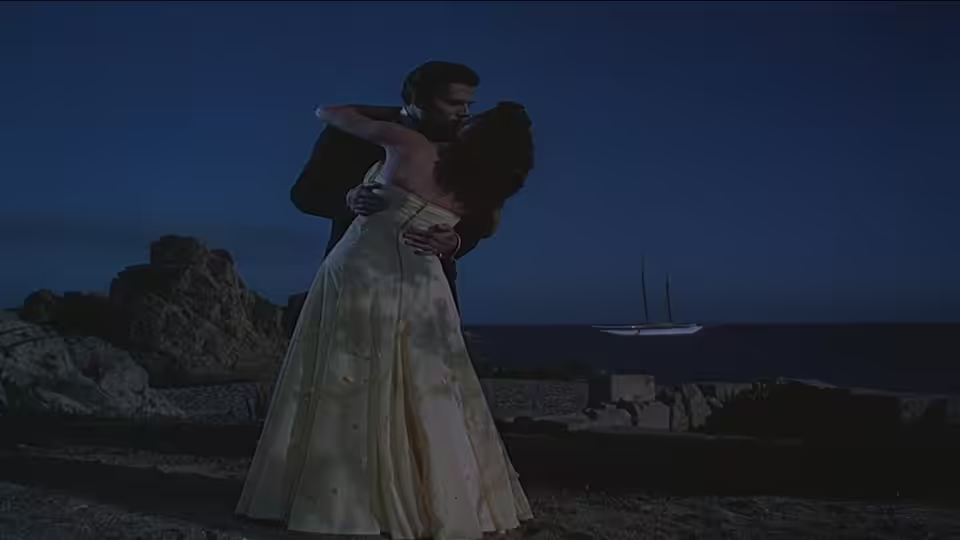
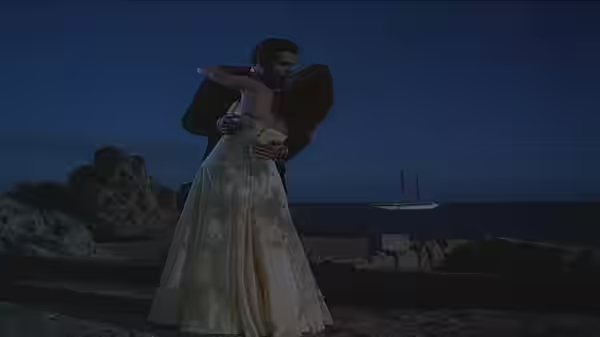
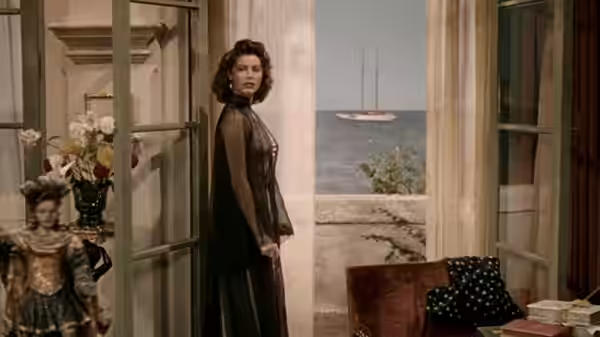
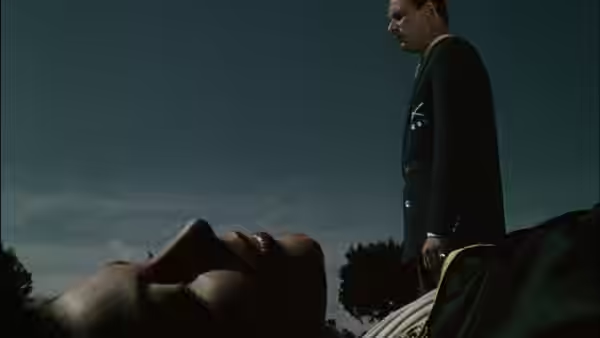
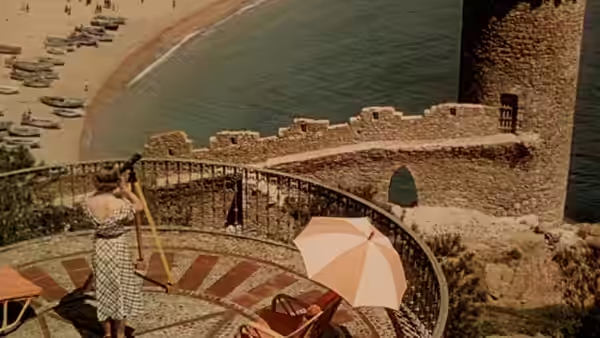
Jack Cardiff’s Technicolor photography does much of the persuading too. The richness of the colour suits feelings this emphatic, and the scenery receives enough attention to become a pleasure in its own right. John Bryan’s production design supports that visual fullness, though the attraction of the surroundings can draw attention away from the performances. We can see why Albert Lewin wants to linger. We also sometimes want him to get on with the story.
The pauses are the chief weakness. Editors Clive Donner and Ralph Kemplen let scenic passages interrupt the drama, and repeated delays make the film feel longer than its running time. Alan Rawsthorne’s music adds weight to the prevailing seriousness; a little less insistence would have left the performances more room. None of this makes the romance unconvincing, but it does make its demands on our attention more noticeable than they should be.
Romantic fantasy needs some extravagance, and we would not want this one made brisk at the expense of its strangeness. The trouble comes when Albert Lewin treats lingering as sufficient proof of feeling. Ava Gardner can make an emotion register with far less fuss, which leaves the more deliberate stretches looking unnecessarily laboured. The film earns its sentimentality through its actors, then occasionally behaves as though it still has to argue the case.
A taste for romantic excess will help considerably here. Those looking for a tightly paced fantasy may find the scenic interruptions difficult to forgive, however much pleasure the colour gives them. For the more patient, the central performances are sufficient reason to stay. Choose it for an evening when a long, improbable romance sounds appealing, and allow the scenery its share of the conversation.