Russell T Davies’s adult Doctor Who spin-off spends its first series insisting how grown-up it is, then becomes so in its third, five episodes as bleak as anything British television has managed. The rest is patchier than its admirers say.
Torchwood is a secret organisation in Cardiff, outside the government and beyond the police, that collects whatever falls through a crack in space and time under the city. Russell T Davies spun it off from Doctor Who in 2006 with a 15 certificate and a brief to do what the parent series could not: sex, swearing, guns that get used. It ran for four series across five years, at thirteen episodes, thirteen, five and ten. It is loud and uneven, then briefly remarkable, then lost. Taken whole it is worth an evening if the genre is yours; the five episodes in the middle are better than that.
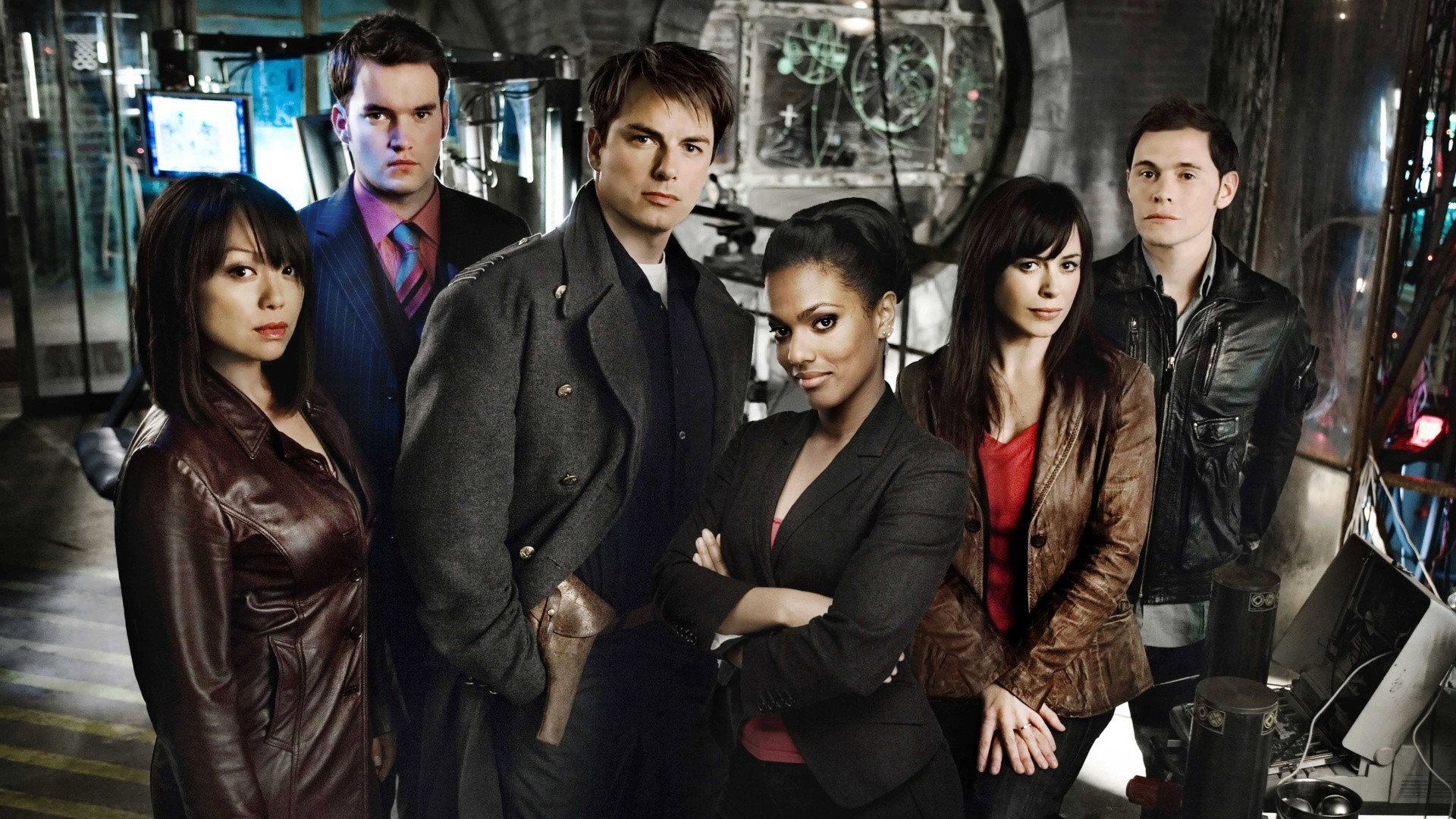
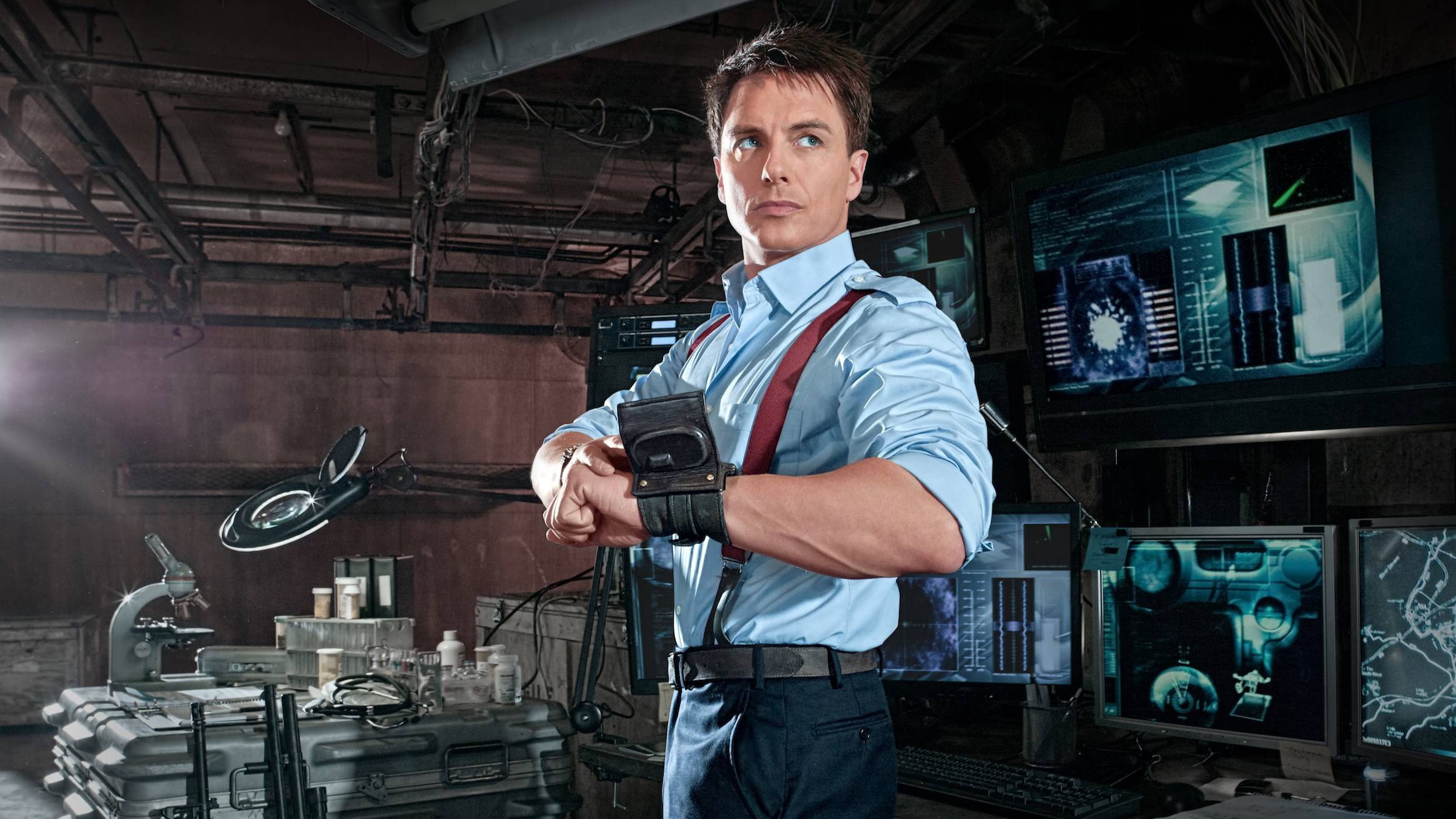
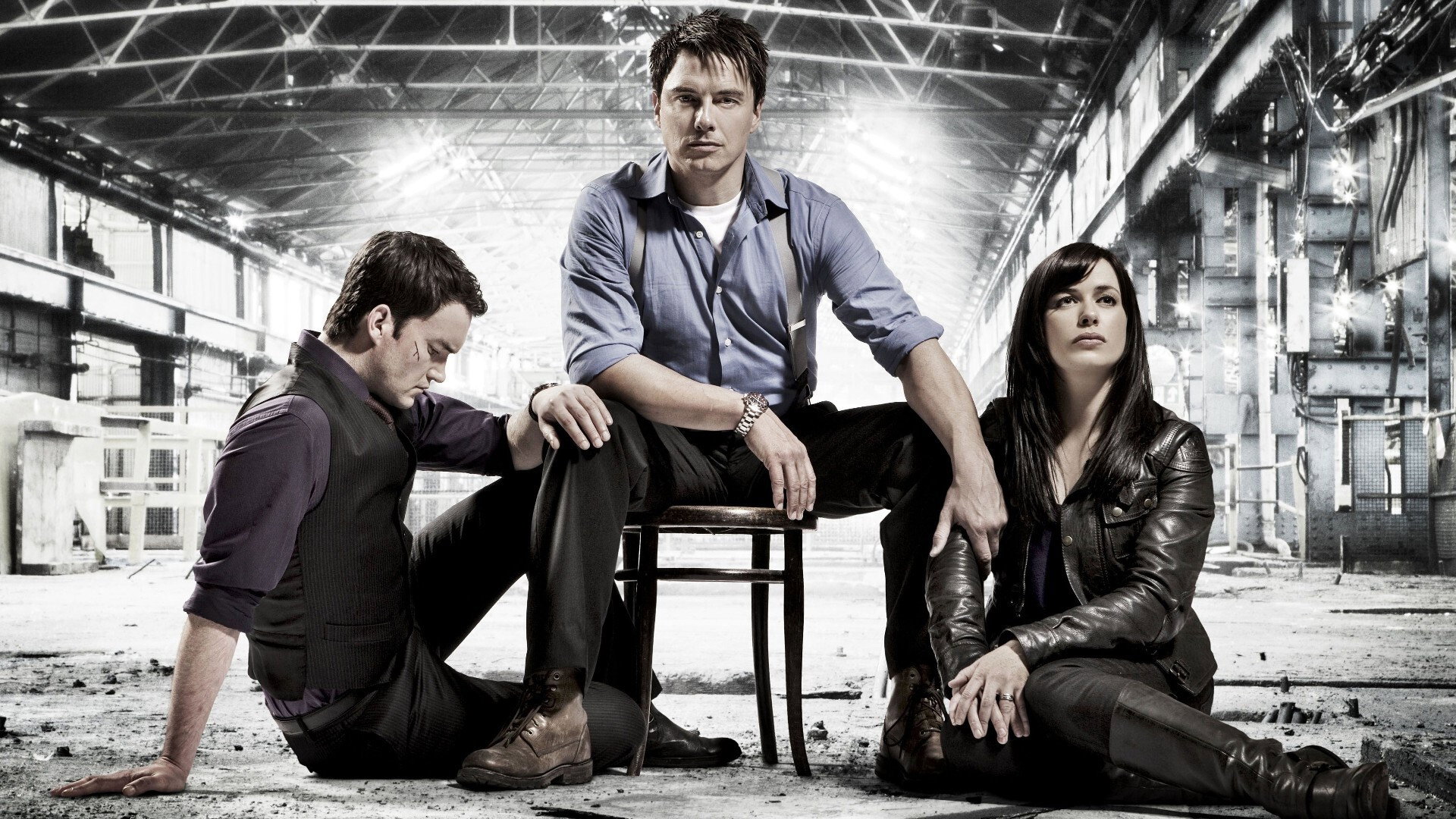
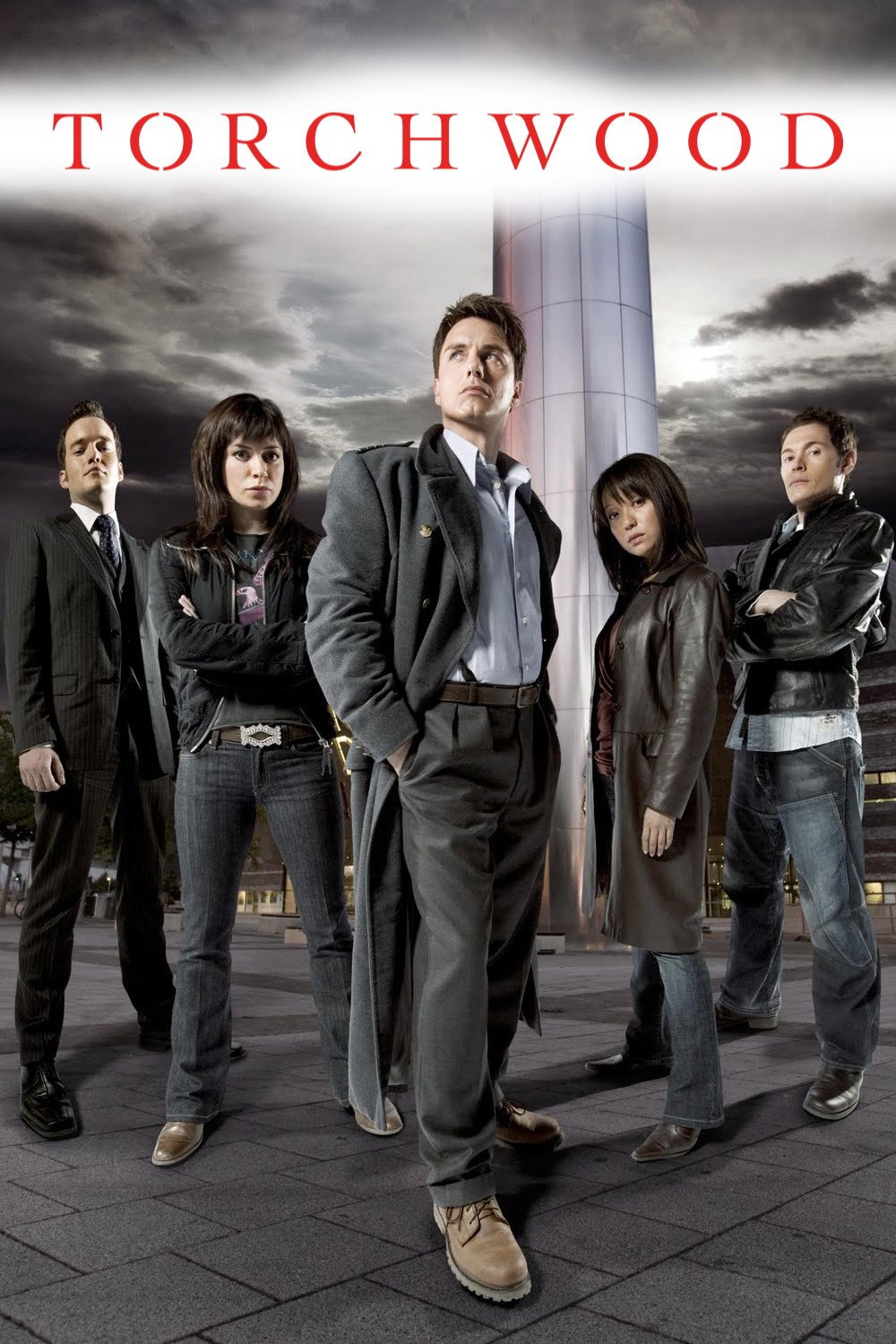
The team works from the Hub, a shaft of steel gantries under the water tower on Cardiff Bay with a pterodactyl living in the roof, and the rota of cinematographers, Ray Orton and Simon Butcher among them, shoots the city around it as wet pavements and coloured glass. Ben Foster’s score announces every entrance with brass. What passes for adult content in the first series is a teenager’s idea of it: an alien in the second episode that feeds on orgasm, a medic with a spray that makes strangers want him. None of it shocked us, and we were slightly embarrassed for it, the way you are for a relative swearing at Sunday lunch. Chris Chibnall’s Countrycide, which sends the team into the Brecon Beacons, is the exception, and nasty enough to earn the certificate on its own.
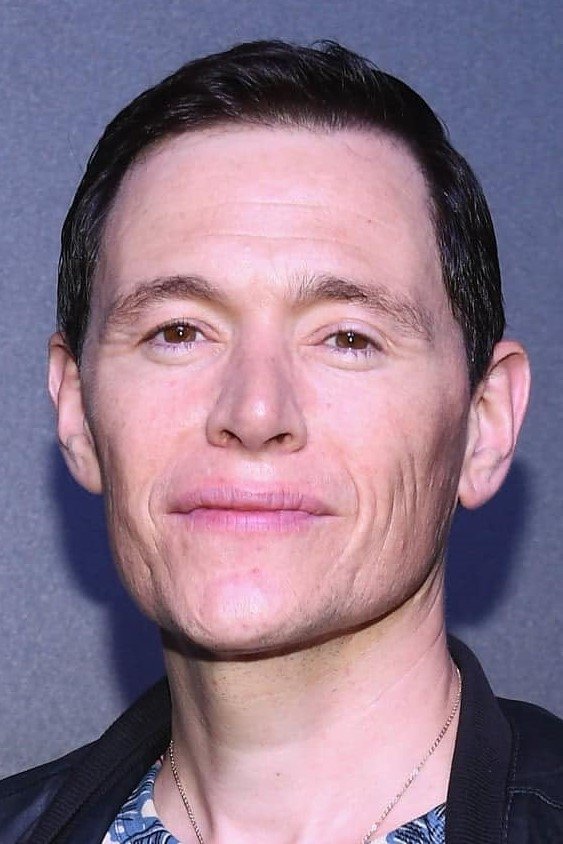
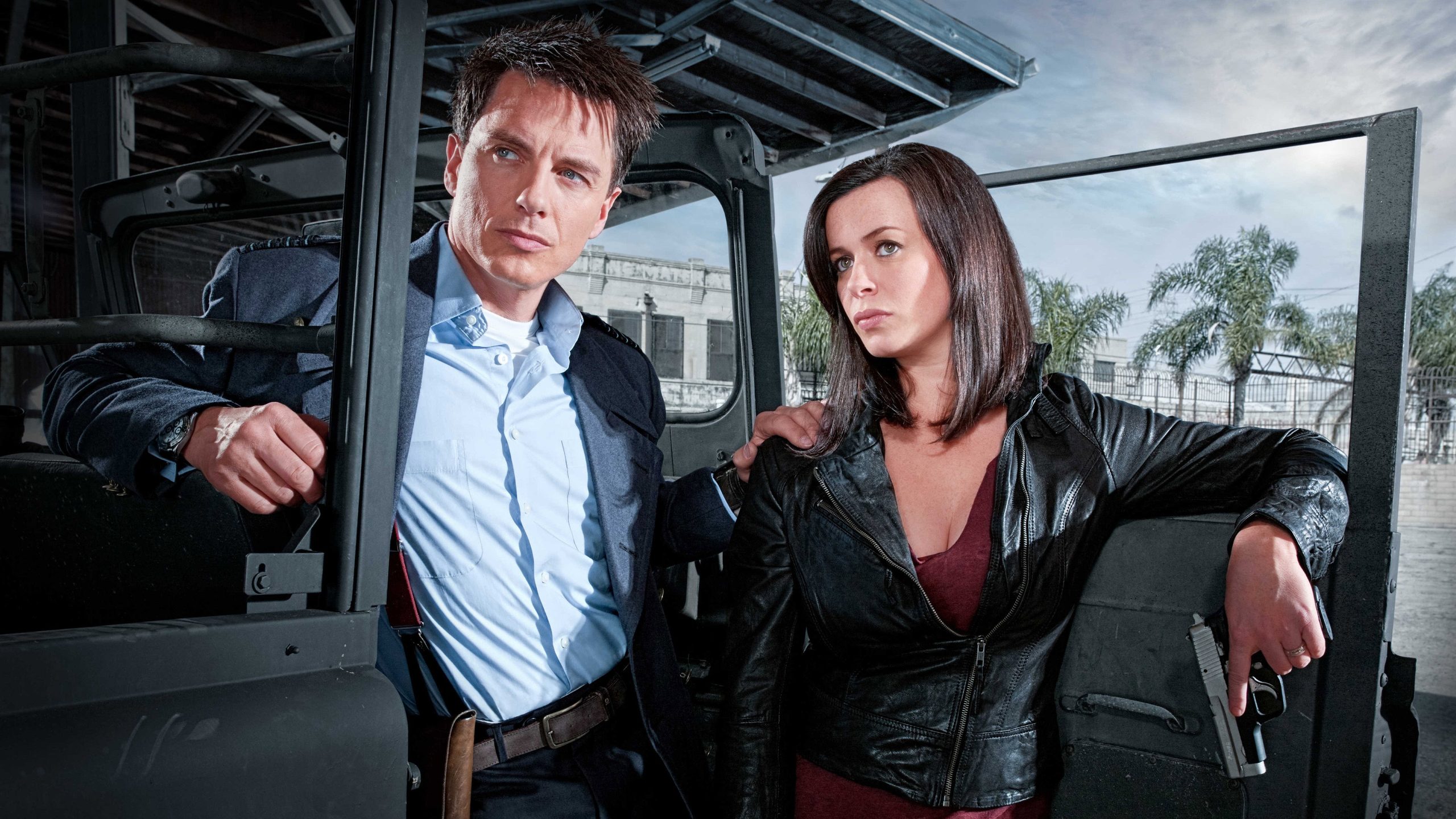
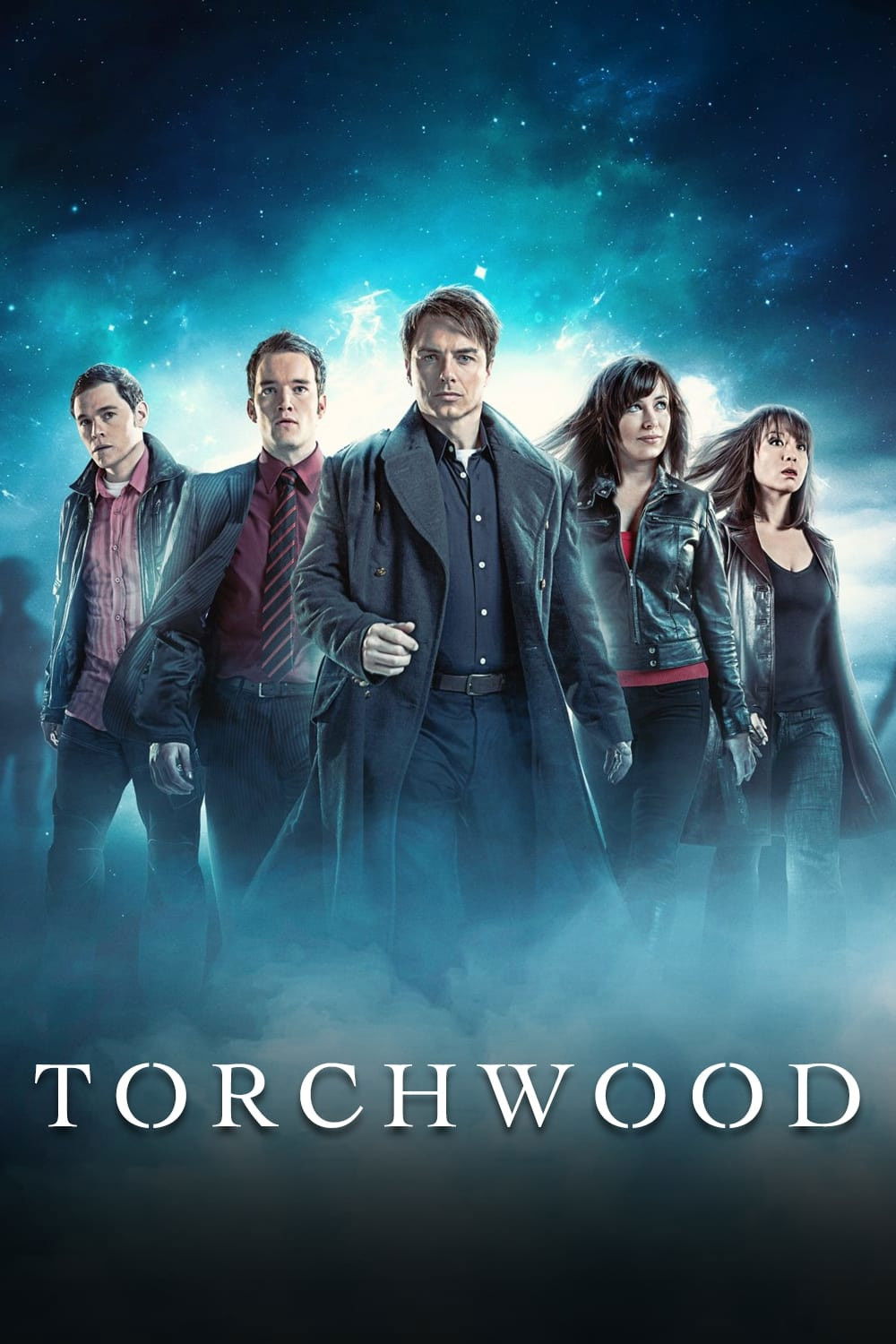
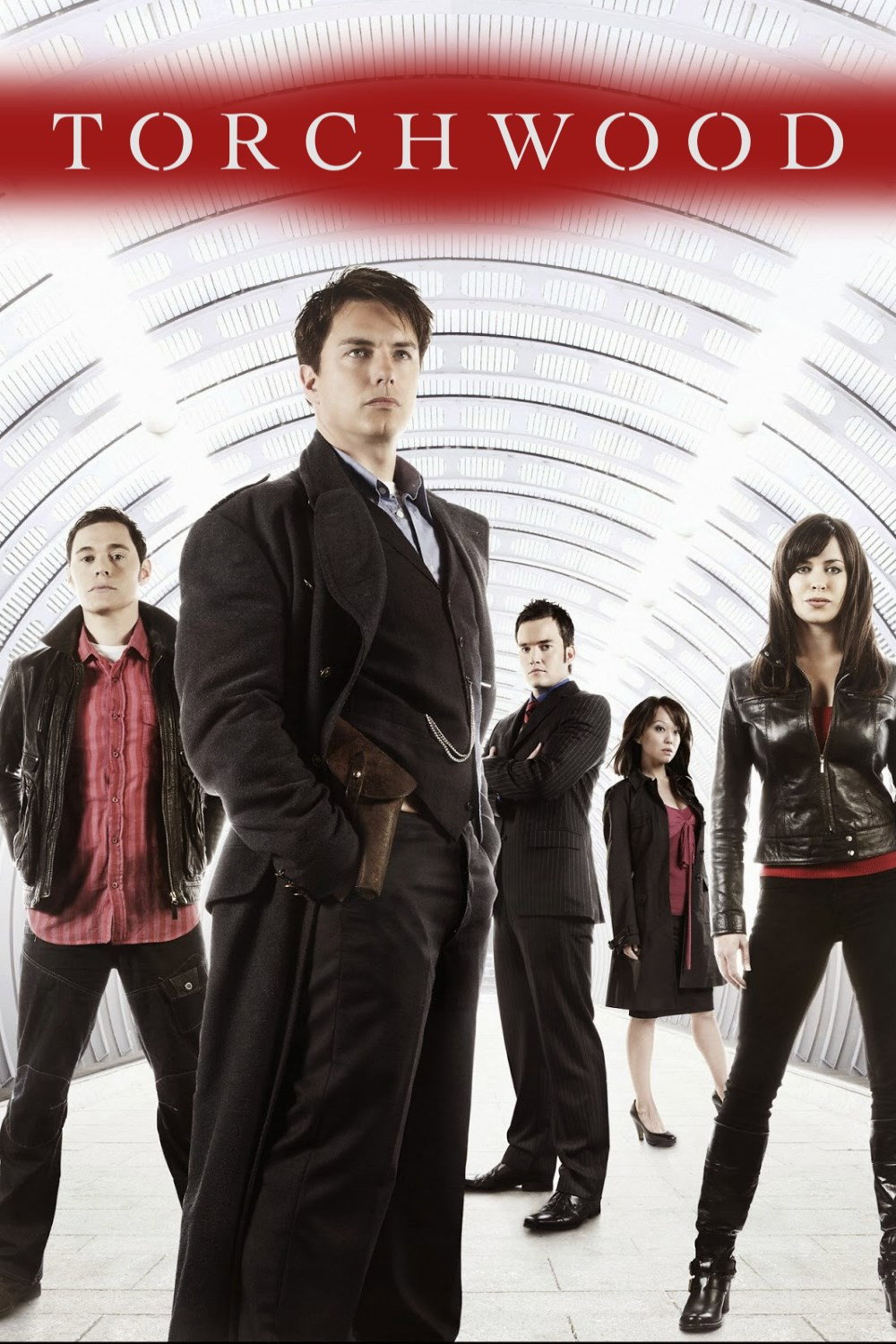
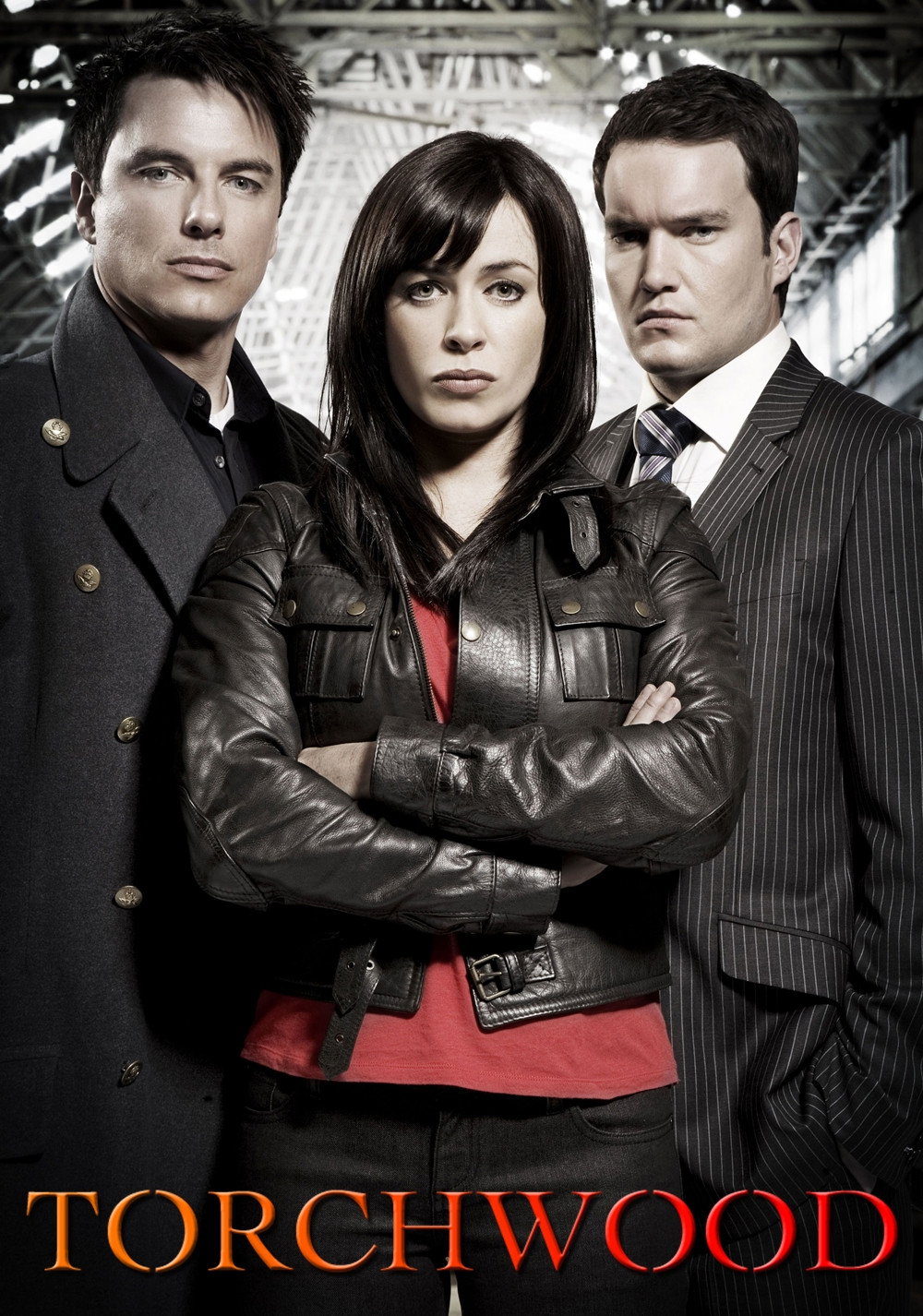
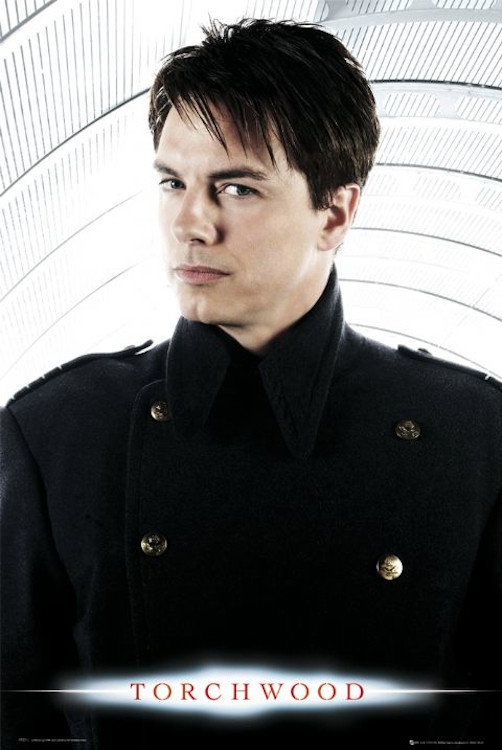
John Barrowman plays Jack Harkness as a turn: the grin, the greatcoat, the habit of standing on tall buildings. It is likeable and it does not do quiet; when the scripts ask for grief he goes still, and the stillness reads as waiting for a cue. Eve Myles holds the early years together. Gwen Cooper is the copper who still flinches, and Myles plays her as someone who cannot stop caring and is not sure it counts as a virtue. Burn Gorman gives Owen Harper a sneer with a frightened doctor behind it, Naoko Mori is underused as Toshiko Sato until Toby Whithouse writes her an episode, and Gareth David-Lloyd’s Ianto Jones starts as the man who makes the coffee and is handed, by degrees, the best arc in the programme.
Catherine Tregenna’s Out of Time, which lands a small aeroplane from 1953 in present-day Cardiff and then more or less forgets the aliens, is the first series at its best; an old man asking after his family moved us more than the programme had earned. The second series is looser and funnier, and knows by then who we care about.
Then the third series, Children of Earth, five episodes on five consecutive nights in July 2009, directed by Euros Lyn and written by Davies with John Fay and James Moran. We will not describe its premise. Half its time is spent in Whitehall, where the crisis is handed to a middle-ranking civil servant because nobody senior wants to hold the phone. The aliens are kept behind glass and never made clear, which is right. The scene that horrified us was not anything behind the glass. It was a room of ministers round a table, discussing the crisis in the voice they would use for a spending review, and one of them asking how it will look. It is the most frightening thing Davies has written.
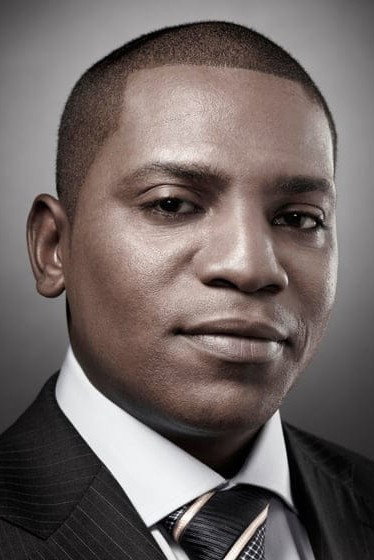
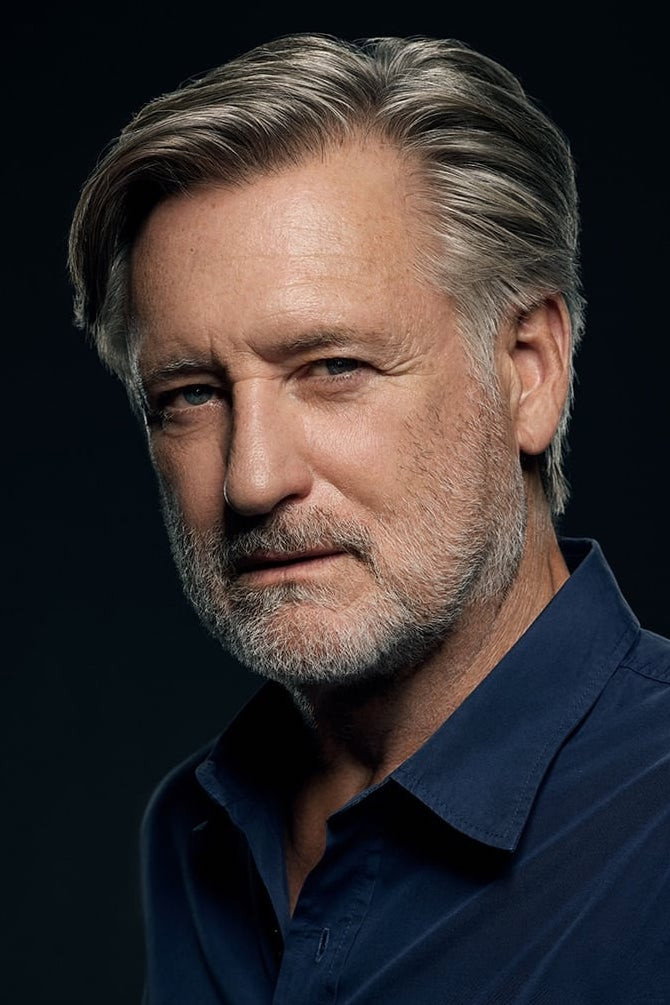
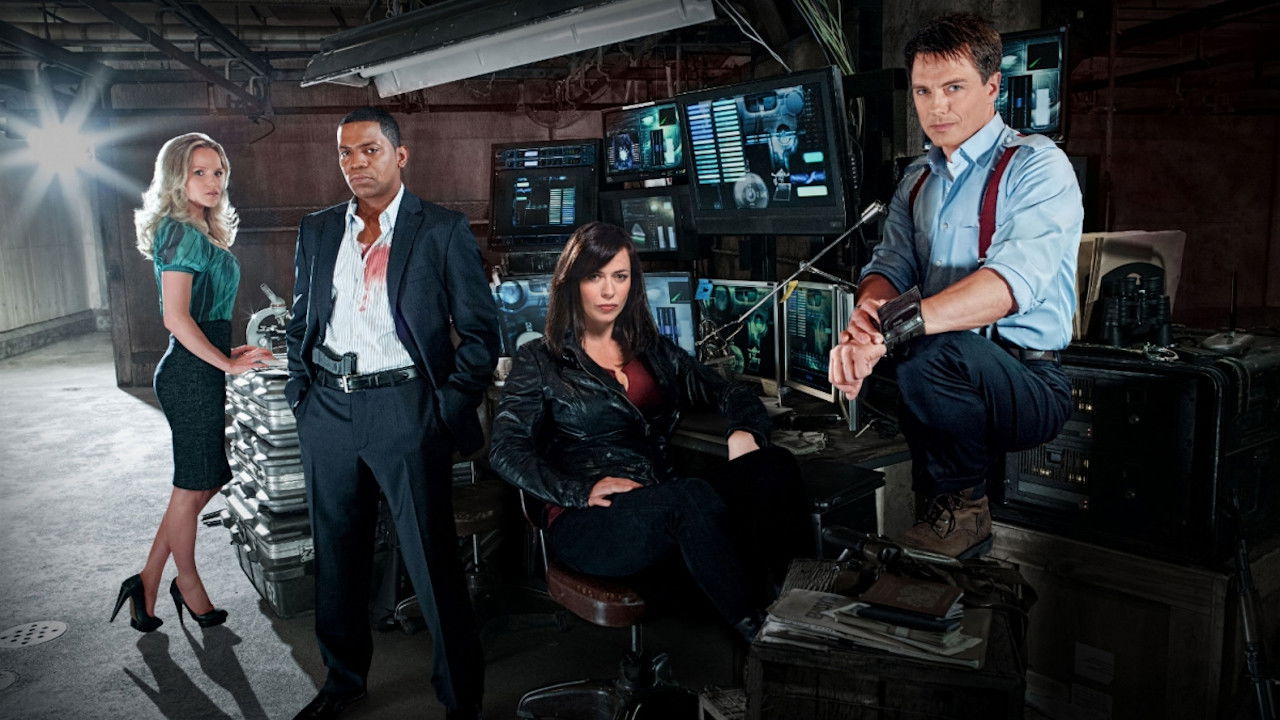
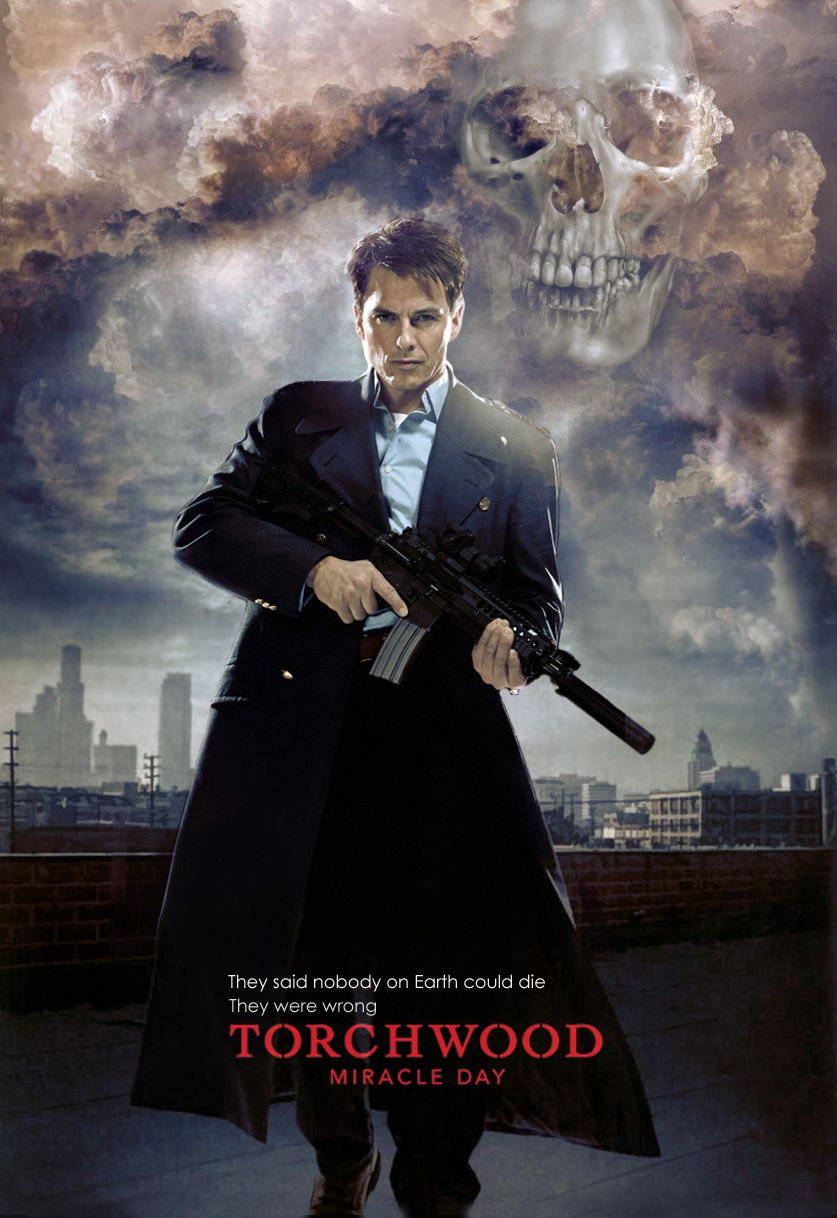
Miracle Day, in 2011, has a bigger premise and does less with it, and we will not describe that one either. Bill Pullman plays Oswald Danes, a convicted child murderer who becomes a celebrity, in a soft, reasonable voice that is the best thing in the ten episodes. Mekhi Phifer and Alexa Havins arrive as Americans, and a writing room that now includes Jane Espenson, Doris Egan and John Shiban sends everyone across the United States after a conspiracy. Ten hours is twice what the idea has in it. We were bored, then angry about being bored, because whenever Pullman was on screen the programme seemed to know what it was about, and whenever he left it went back to the car chase.
Set against Doctor Who, the point is that these people are not the Doctor. They carry guns, they get it wrong, and they do not get to leave at the end of the episode. The show only fully believes that once. Watch the first year with patience, the second with pleasure, and Children of Earth with the door shut and nothing planned for afterwards.