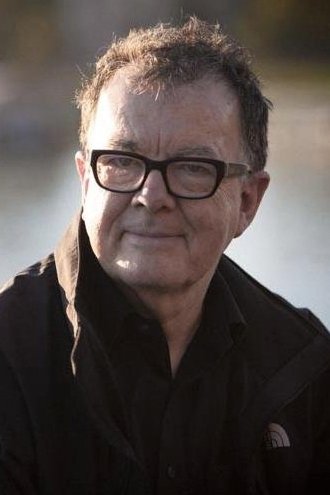
Grant came out of the music video with a camera that would rather walk than stand still, and has lent that pace to television drama since the mid-1980s. It is fluent, useful work, and not yet anyone's reason to watch.
Fi1m perspective
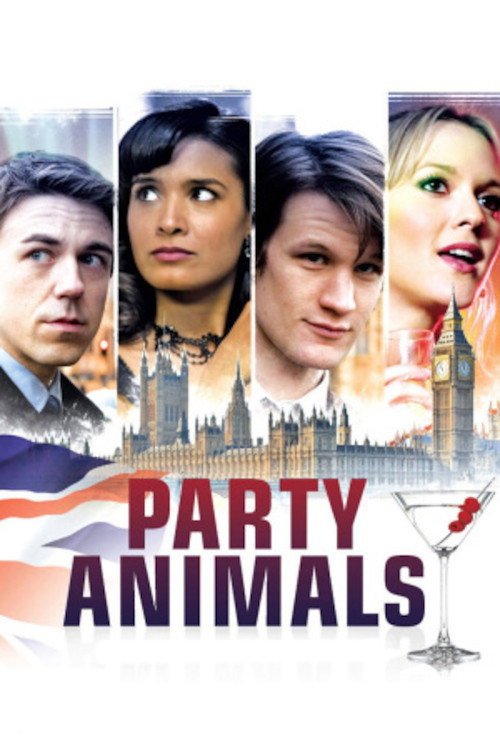
Watch the corridors in Party Animals (2007). Grant follows Westminster's researchers and interns down them at a walk that is nearly a run, though nobody in shot is doing anything more urgent than carrying a draft question that will never be asked. It is his one visible habit, and it is the habit of a man who spent the early 1980s making three-minute films in which nothing was allowed to stand still.
He was a cameraman at ATV and Elstree through the 1970s before he directed his first music videos in 1979, and by 1982 he had co-founded MGMM with Russell Mulcahy and David Mallet, among others. The company turned out more than two hundred videos and three hundred commercials that decade, for Queen, Olivia Newton-John and Peter Gabriel among others, shot fast on tape and cut in the camera. Physical (1981) is the one people remember, and Grant has explained why: "I came up with the idea that you think she is in a gym with a bunch of good-looking boys, but then the camera pulls back and it turns out she's trying to get all of these fat guys into shape." Set up the picture the audience expects, then pull back. It is the closest thing he has to a signature, and it is a good one.
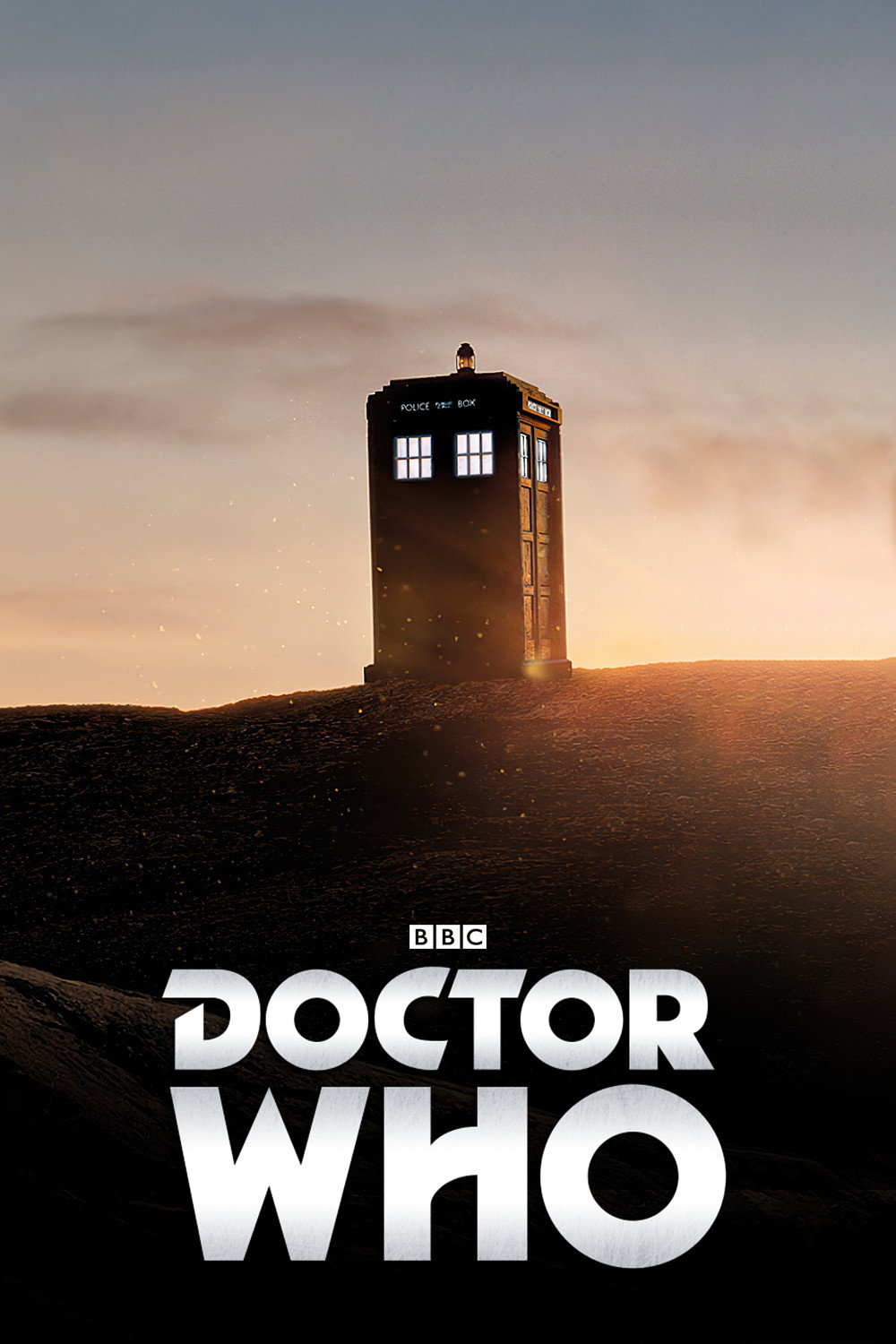
From the mid-1980s he moved into drama, in Britain and then in America, and came home in 2001 with As If, the teenage series he co-created, directed and produced. After that the credits run the way a working television director's do: Clocking Off (2002), sixteen episodes of Hex (2004), The Long Game (2005) for Doctor Who at Russell T Davies's invitation, New Tricks, Britannia High, then music documentaries including Video Killed the Radio Star, Lennon's Last Weekend (2020) and No Room for Ravers (2021). Julian Murphy produced two of them. We have not reviewed most of these and will not pretend to judge them from a list.
What we can judge is Party Animals, and we gave it 63. The credit there went mainly to Robert Jones and Ben Richards, who know how the pass office and the midnight pager work. Grant's contribution was the pace, and we will admit we enjoyed the walking more than the talking: the series is listed as a comedy and keeps forgetting to be funny, and the corridors are the one place where the energy the label promises actually turns up. That is a compliment to the director and a limit on him. Momentum can carry a scene that has no joke in it. It cannot write one.
Grant is what British television needed a great deal of from the mid-1980s on: someone who could make a script move and deliver it on time. That is worth more than it sounds. It is not, so far, a reason to seek out a name. If you want to see the one idea that is unmistakably his, Physical is three minutes long and the pull-back still works. Party Animals will show you what he does for a living, and it will not keep you late.
Biography
Brian Grant is a British music video and television director and producer. He began his career as a cameraman before directing more than 200 music videos and commercials in the 1980s. In 1982 he co-founded MGMM Productions with Scott Millaney, Russell Mulcahy and David Mallet.
Grant has directed episodes of numerous British television series, including As If (2001), Clocking Off (2002), Hex (2004–2005), Doctor Who (2005), Party Animals (2007), Sinbad (2012), New Tricks (2012–2013), The Worst Witch (2017) and Our Girl (2014). He has also directed music videos for artists including Olivia Newton-John, Donna Summer and Whitney Houston, and has received BAFTA and Emmy nominations.