Robert Jones and Ben Richards’s Westminster drama knows how the place works, from the pass office to the pager going off at midnight, and fills it with a young cast worth watching. It is listed as a comedy and keeps forgetting to be funny.
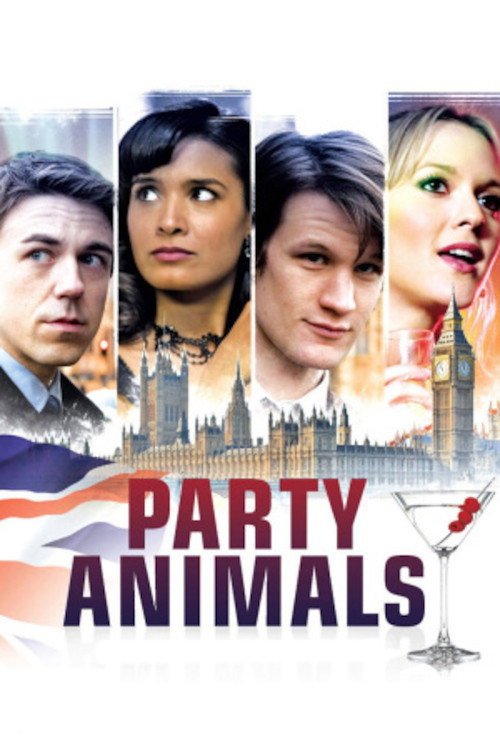
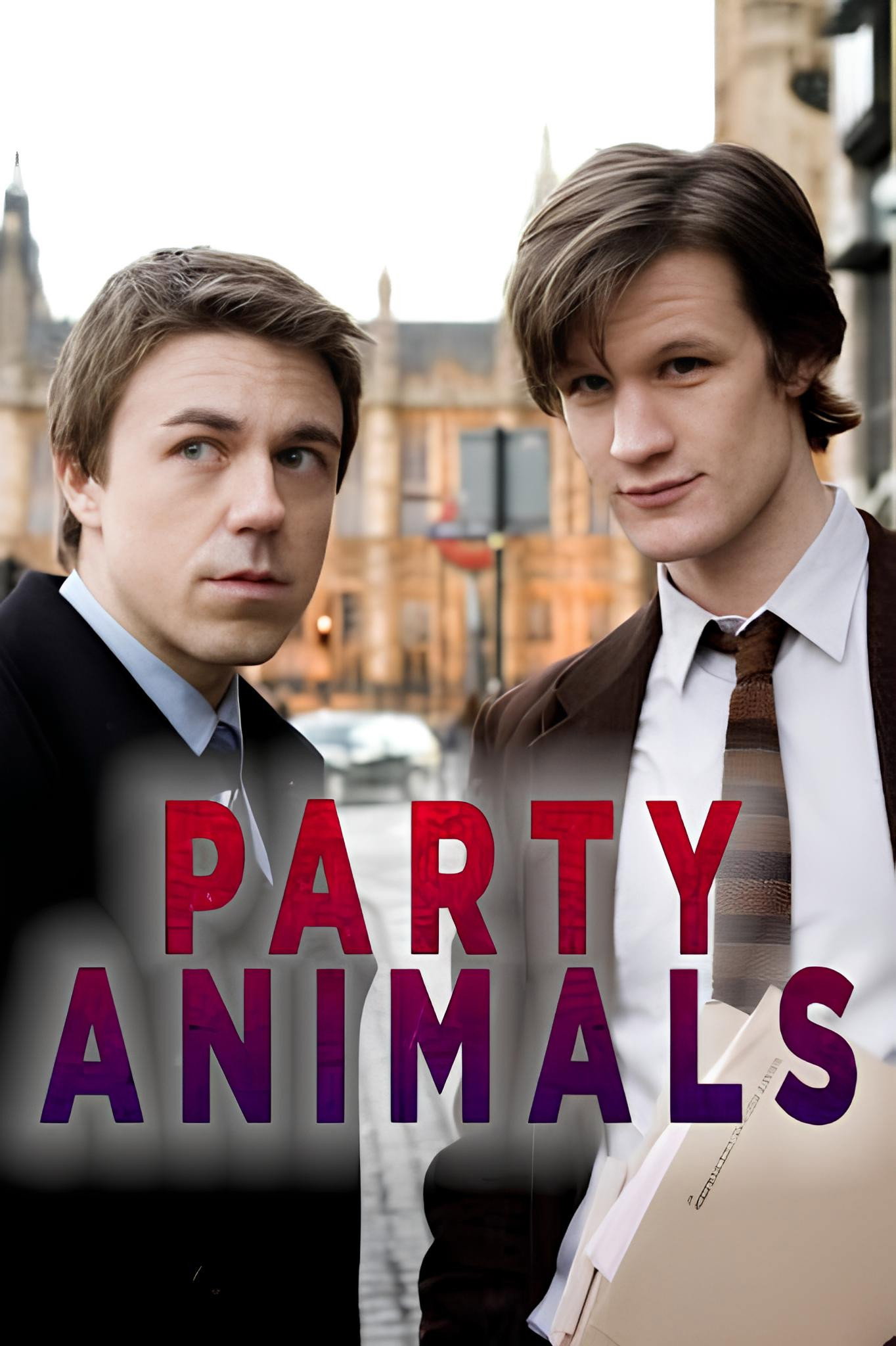
Party Animals arrived on BBC Two on 31 January 2007 with a plain idea: Westminster seen from the bottom, by the researchers, interns and lobbyists who write the questions, fetch the coffee and carry the blame. Created by Robert Jones and Ben Richards and directed by Brian Grant, it runs eight episodes of fifty minutes and carries a 15. It is a good, watchable drama with an accurate eye for the small humiliations of political work. It is not much of a comedy, whatever the genre label says, and the gap between what it promises and what it delivers is the thing to know before you start.
The cast is the reason to watch. Matt Smith, three years before the TARDIS, plays Danny Foster as a boy who still believes in things and has not yet learned to hide it, all elbows and half-finished sentences, standing in doorways waiting to be noticed. Andrew Buchan gives his brother Scott, the lobbyist, a smoothness that has cost him something, and the two of them are best when they are arguing over a drink about which of them sold out. Shelley Conn’s Ashika is the most complete person in the series, ambitious without apology, and Conn plays her as someone who has already decided how this ends. Raquel Cassidy, as the minister Jo Porter, does a great deal with the pause before answering a question.
Andrea Riseborough is the discovery. Kirsty is the intern, which means she is the person the plot happens to, and Riseborough makes her watchful and slightly dangerous, someone taking notes. Peter Wight’s George Morgan, the old backbencher, is a lovely piece of work: rumpled, decent, useless, and the one character the writers plainly like without reservation. Colin Salmon gives the lobbying firm its menace in about four scenes.
What Jones and Richards get right is the texture of the days. Nobody here is running the country. They are photocopying, drafting a parliamentary question that will never be asked, learning which bar to be seen in, and being shouted at by people only five years older than themselves. The two offices rhyme deliberately, the government one anxious and the opposition one hungry, and Grant keeps the camera moving through both, following people down corridors at a walk that is nearly a run. The series understands that the young in Westminster are paid in proximity, and that proximity is not money.
What it gets wrong is the tone. Every episode tilts towards soap: an affair, a leak, a betrayal, a night that will be regretted by morning. These are plotted with care and acted with conviction, and we did not laugh. Across eight hours we counted perhaps three proper laughs, which for a programme sold as a comedy is a poor return. The real thing, by every account we have heard of it, runs on black jokes told by exhausted people at one in the morning, and the series has cut that out in favour of longing looks across a committee room.
And yet we kept watching, and we were a little surprised by how much we minded what happened to Danny. There is a moment early on when Smith, having made a mess of something small, stands in his minister’s office and waits to be told how badly, and the hope on his face that it might be all right did more to us than the actual crisis. It is a performance of someone who has not yet been disappointed enough, and Smith makes that a real quality rather than a naivety to be corrected.
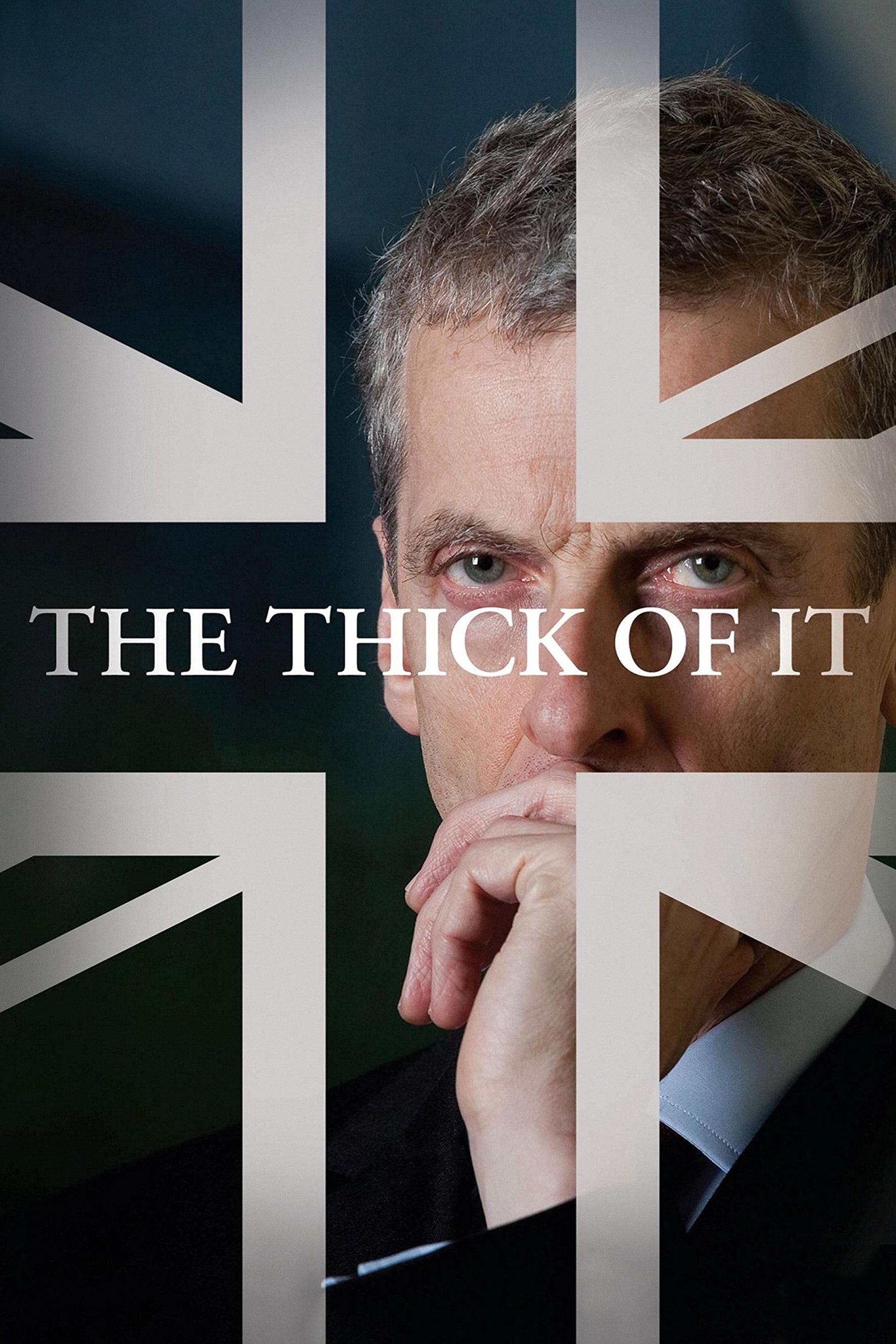
The obvious comparison is The Thick of It, which had started on the same channel in 2005 and found its comedy by assuming everyone in the building was ridiculous. Party Animals assumes they are sad, which is also true and much harder to make funny. Against The West Wing, the other model, it has the advantage of not believing anyone is noble, and the disadvantage of not having decided what it believes instead.
Watch it for the cast, most of whom went on to better-known work, and for the detail of a workplace television rarely bothers to get right. Do not watch it for the jokes; there is a reason it ran for one series. Eight episodes, fifty minutes each, and a good deal of drinking.