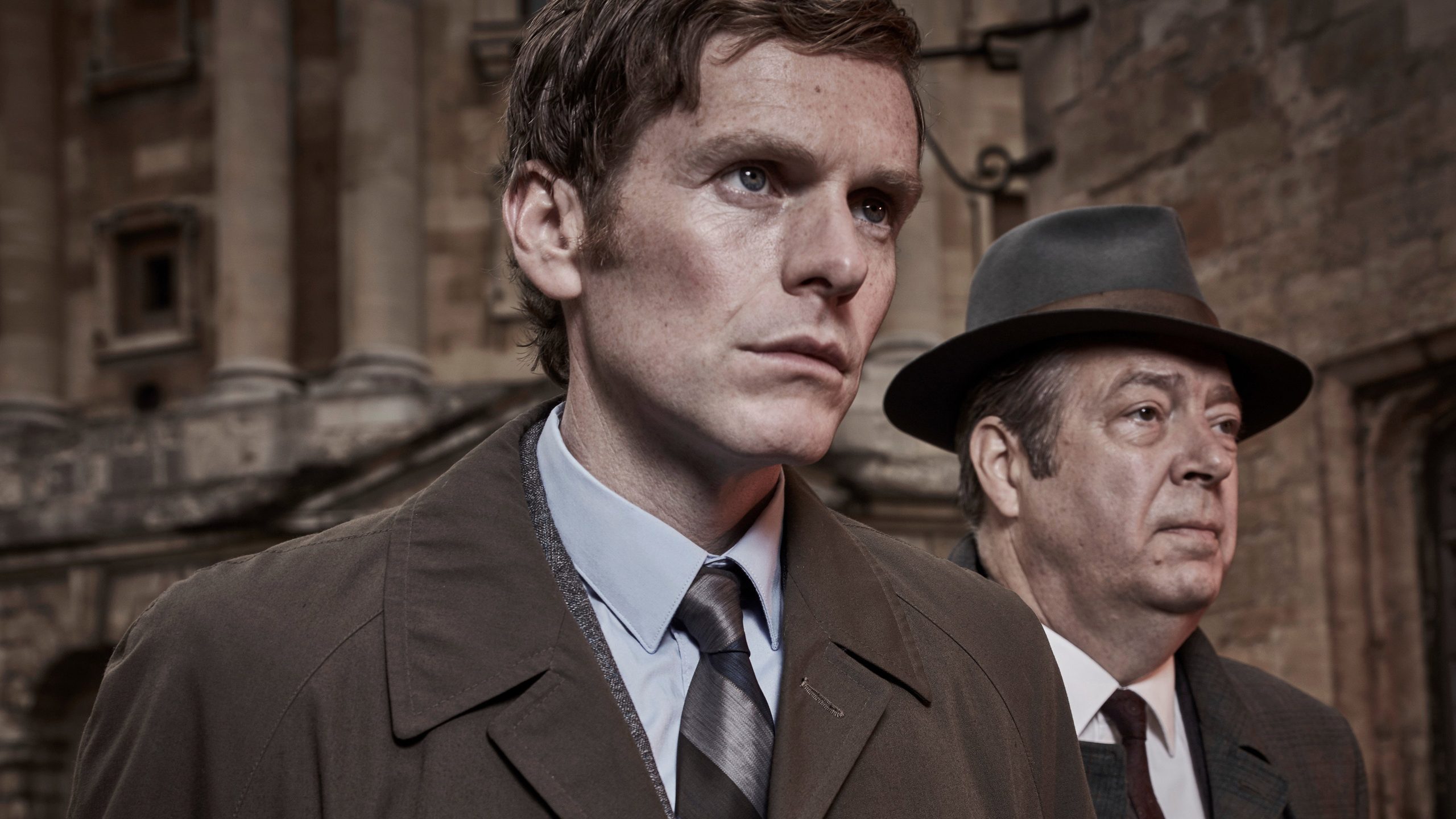
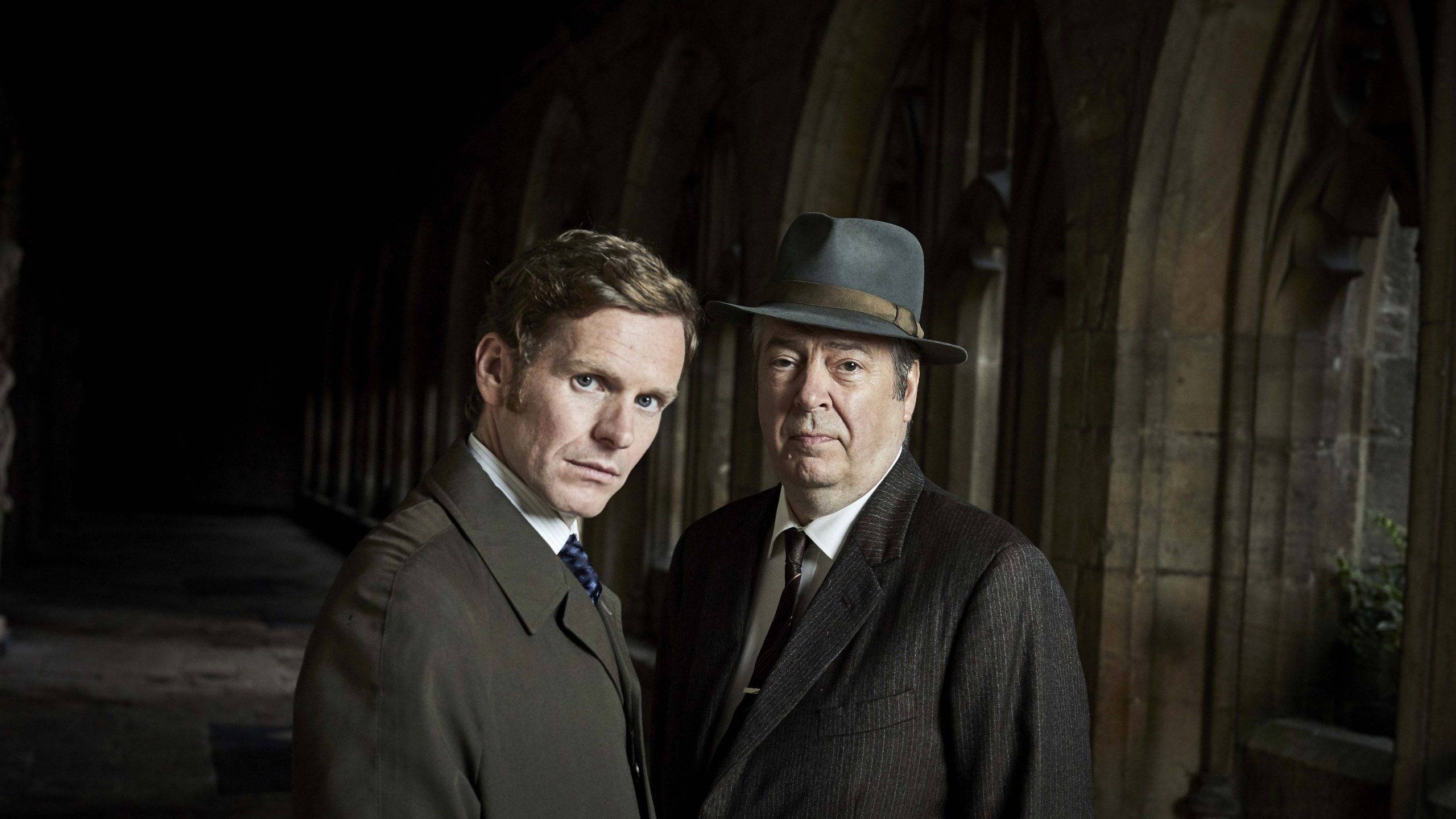
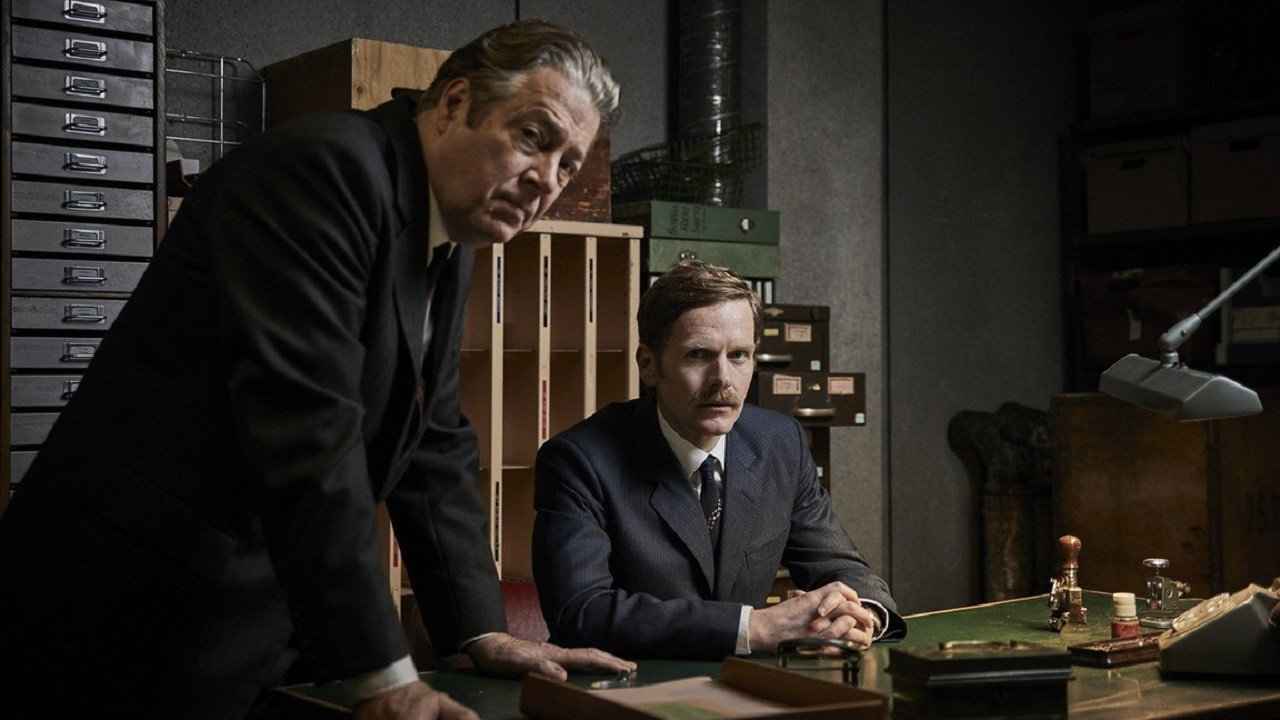
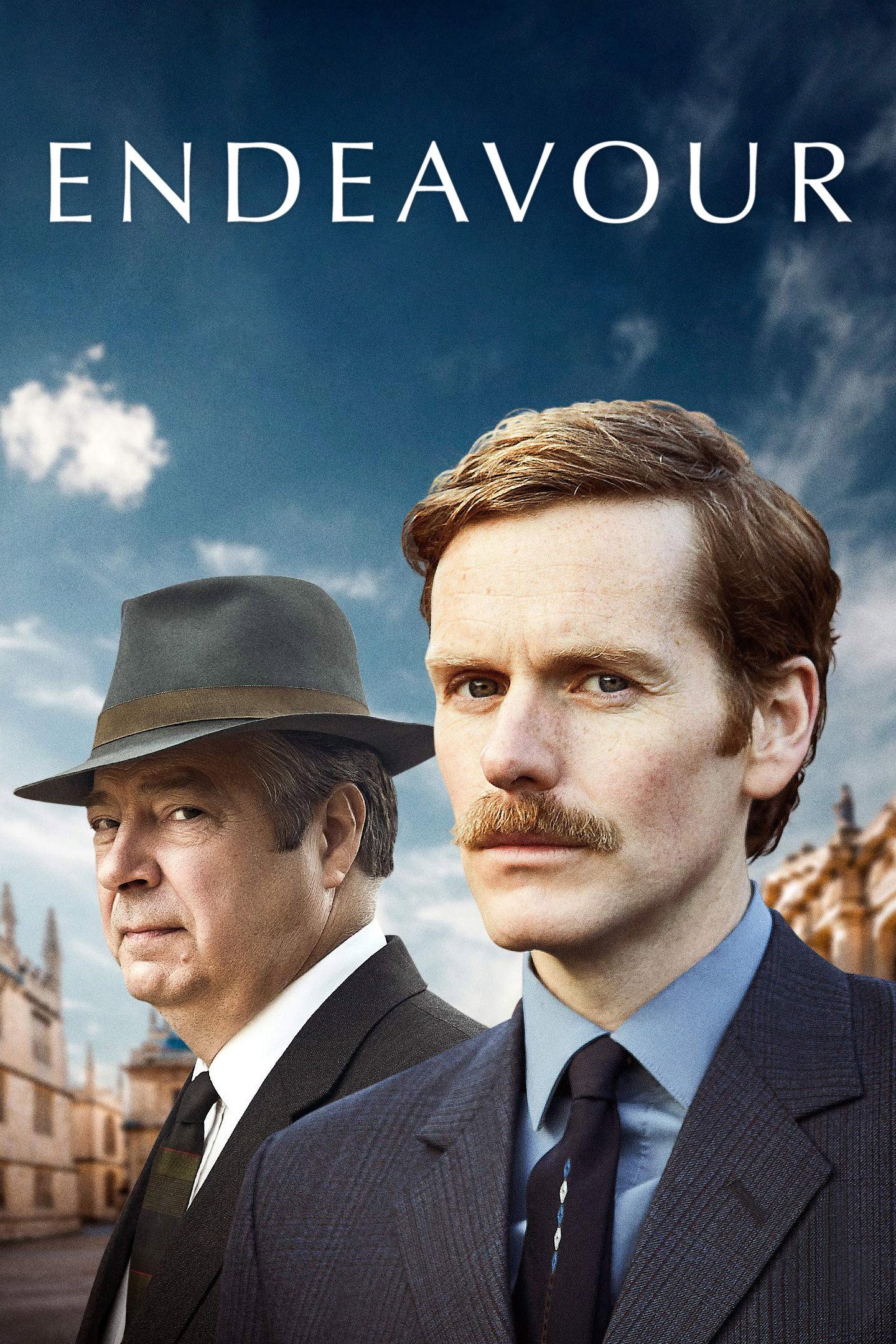
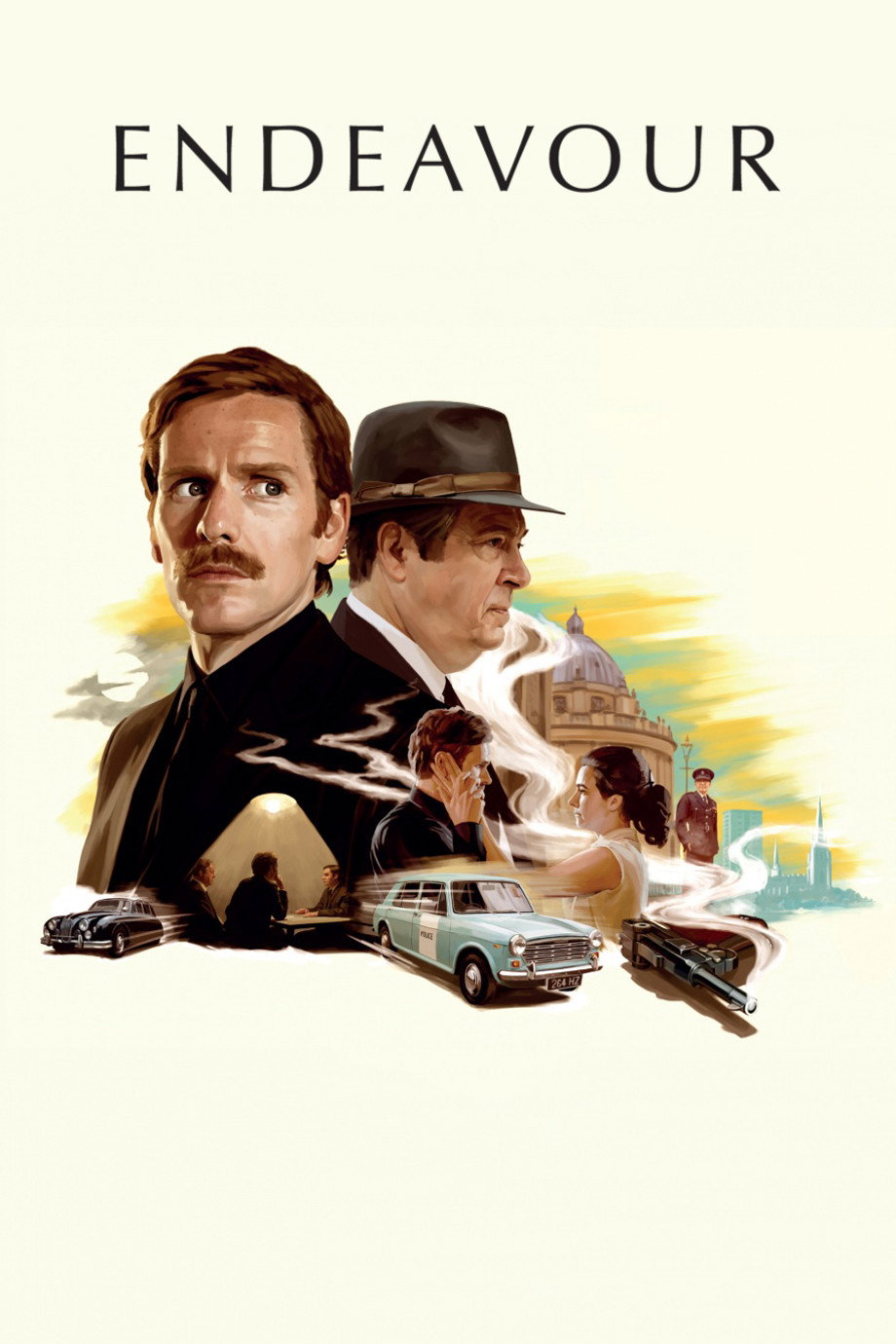
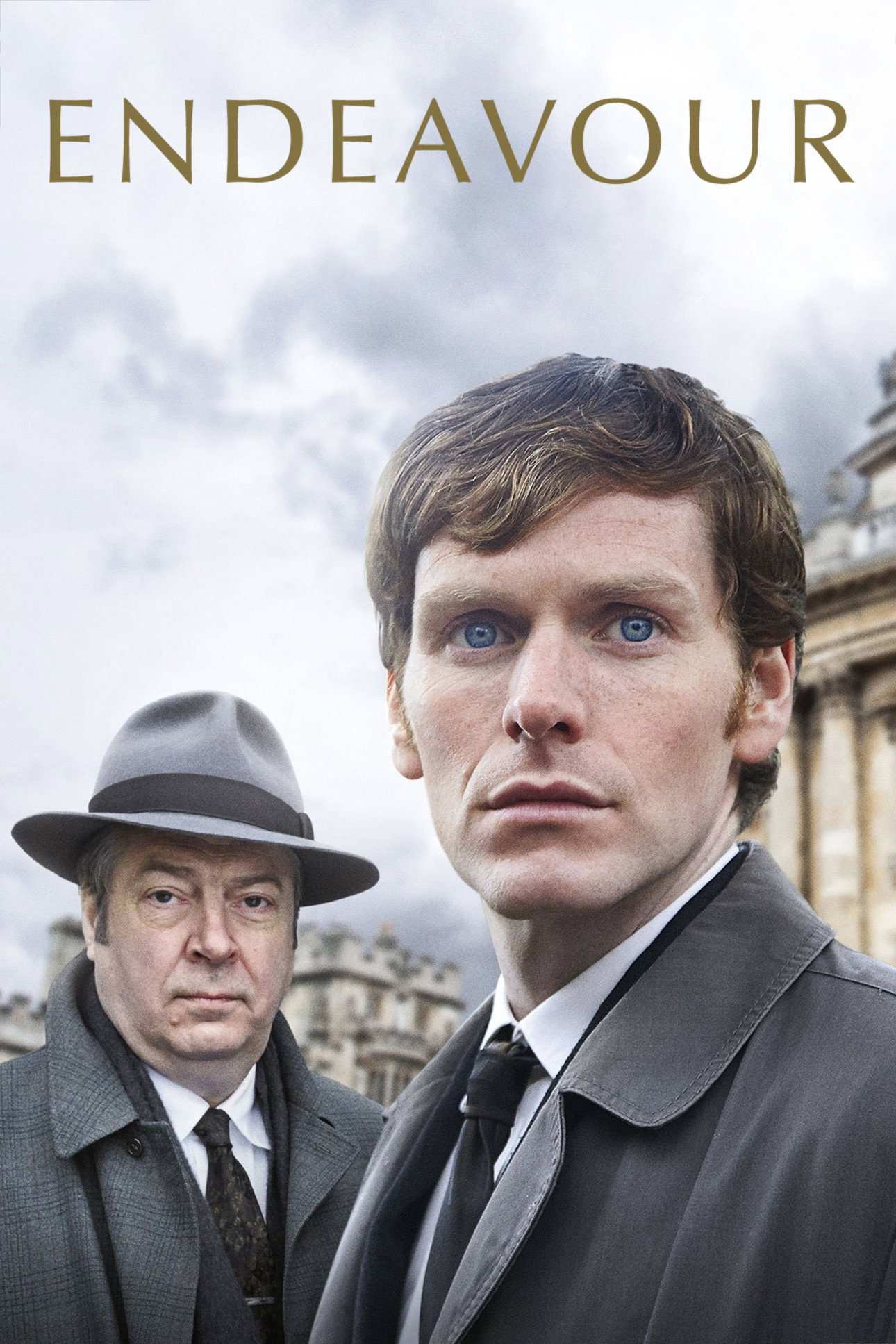
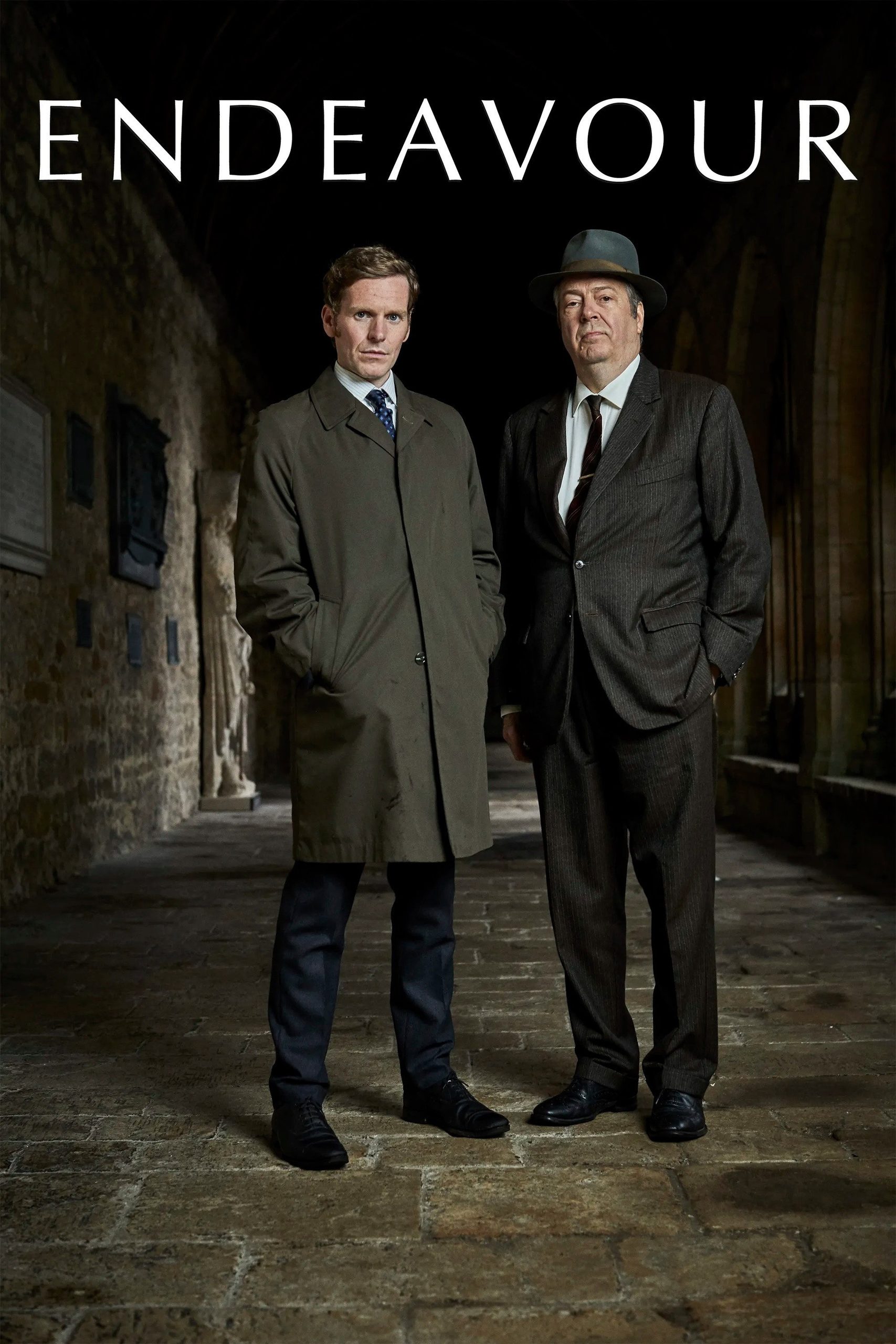
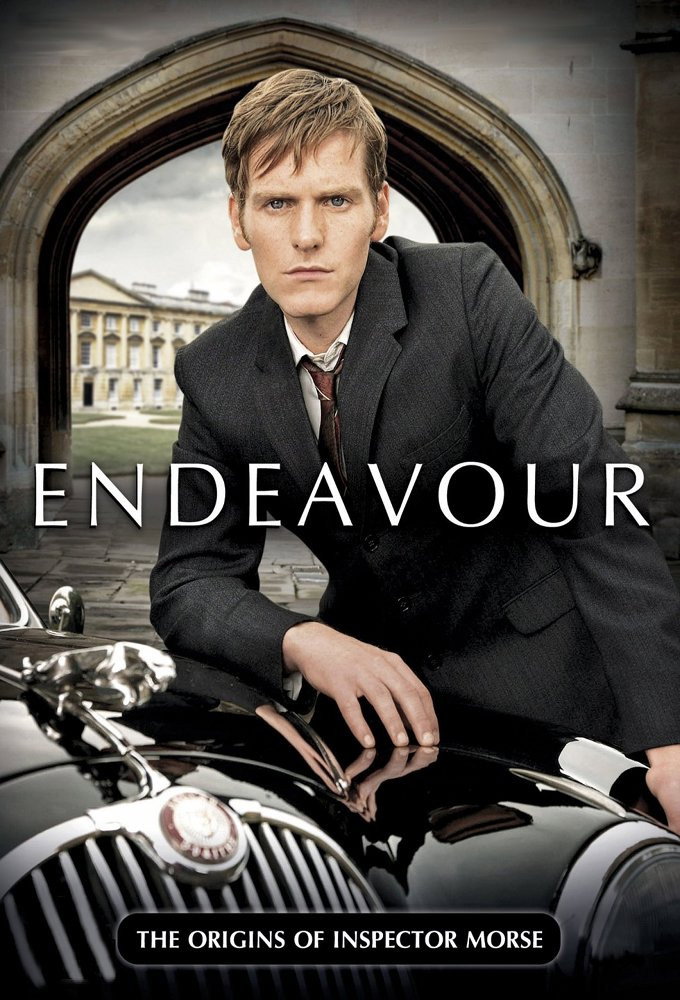
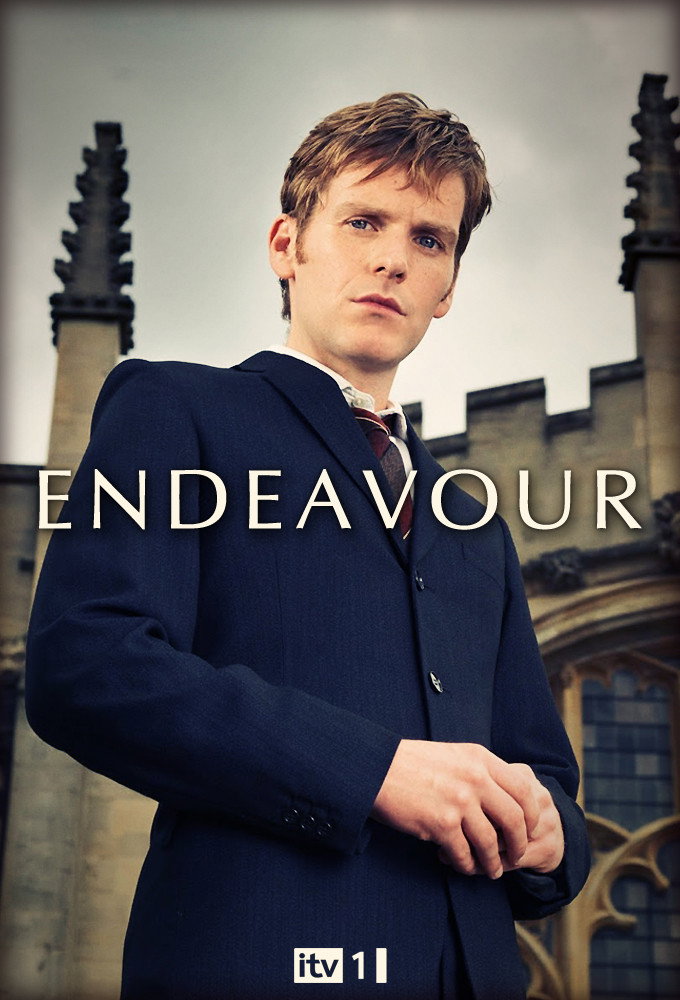
Shaun Evans and Roger Allam make Endeavour a crime drama worth settling into. The investigations can feel over-familiar, but the younger detective’s awkwardness and his mentor’s care give the series more warmth than its puzzles alone could provide.
Russell Lewis’s Endeavour has a sensible reason for returning to a detective’s younger years: there is still something for him to learn. DC Endeavour Morse is clever, impatient and capable of getting an investigation wrong, which gives this crime drama some useful friction. We recommend it chiefly for Shaun Evans and Roger Allam, whose working relationship gives us a reason to care about the next case. The familiar pleasures of a patient police series are here, though its unhurried manner can occasionally make the next deduction feel a long way off.
Shaun Evans lets Morse’s intelligence become unattractive. His impatience with other people is a failing we can recognise, and the performance keeps his determination to find the truth from excusing the way he treats them. There is hope in this young man, too, which matters if we are going to spend time with him rather than merely wait for him to solve things. The performance makes room for both his promise and his capacity to be exhausting company. We can understand why someone would take an interest in him, and why that interest might require perseverance.
Roger Allam gives DI Fred Thursday a weariness that never quite becomes indifference. We were moved by the tenderness in his handling of Morse’s awkwardness. He makes the older detective’s attention feel like a small, sustained effort, something he could choose not to give on a difficult day. That is what makes the partnership work: Morse can be trying, and Thursday remains interested in him. There is nothing automatic about the affection, and the performance allows us to notice the work involved in guiding a colleague who does not always make himself easy to help.
Stephan Pehrsson’s cinematography makes Oxford inviting, and Matt Gant’s production design gives the period setting enough everyday detail to feel inhabited. The surroundings support the actors without continually asking us to stop and admire them. Such assurance can also become comfortable, however, and the programme sometimes feels too well behaved for the crimes it investigates. Even when a case is gruesome, the presentation gives us considerable reassurance that we are in capable hands. A little less of that reassurance would make the danger more persuasive.
Yan Miles’s editing gives the performances time to settle and lets us consider how the two detectives work together. At 90 minutes, there is room for that, but there is also room for the pace to slacken. Barrington Pheloung’s music is effective at sustaining the melancholy, although we sometimes wanted the actors to be left to supply it themselves. Neither reservation makes the programme sluggish throughout. They do mean that its measured approach requires more patience than every investigation earns, particularly when the personalities have already become more absorbing than the puzzle.
Among detective dramas, Endeavour distinguishes itself through the attention it pays to a working relationship. It does not need Morse to be agreeable, and Thursday’s patience is never treated as an inexhaustible professional resource. The familiar gifted-outsider pattern remains a limitation: we can sometimes anticipate the satisfaction of Morse being right before the case has earned it. Still, the performances make returning feel worthwhile, with enough warmth to keep the familiar machinery from becoming the only attraction. Settle in for the two men learning to work together, and allow the detection to take its time.