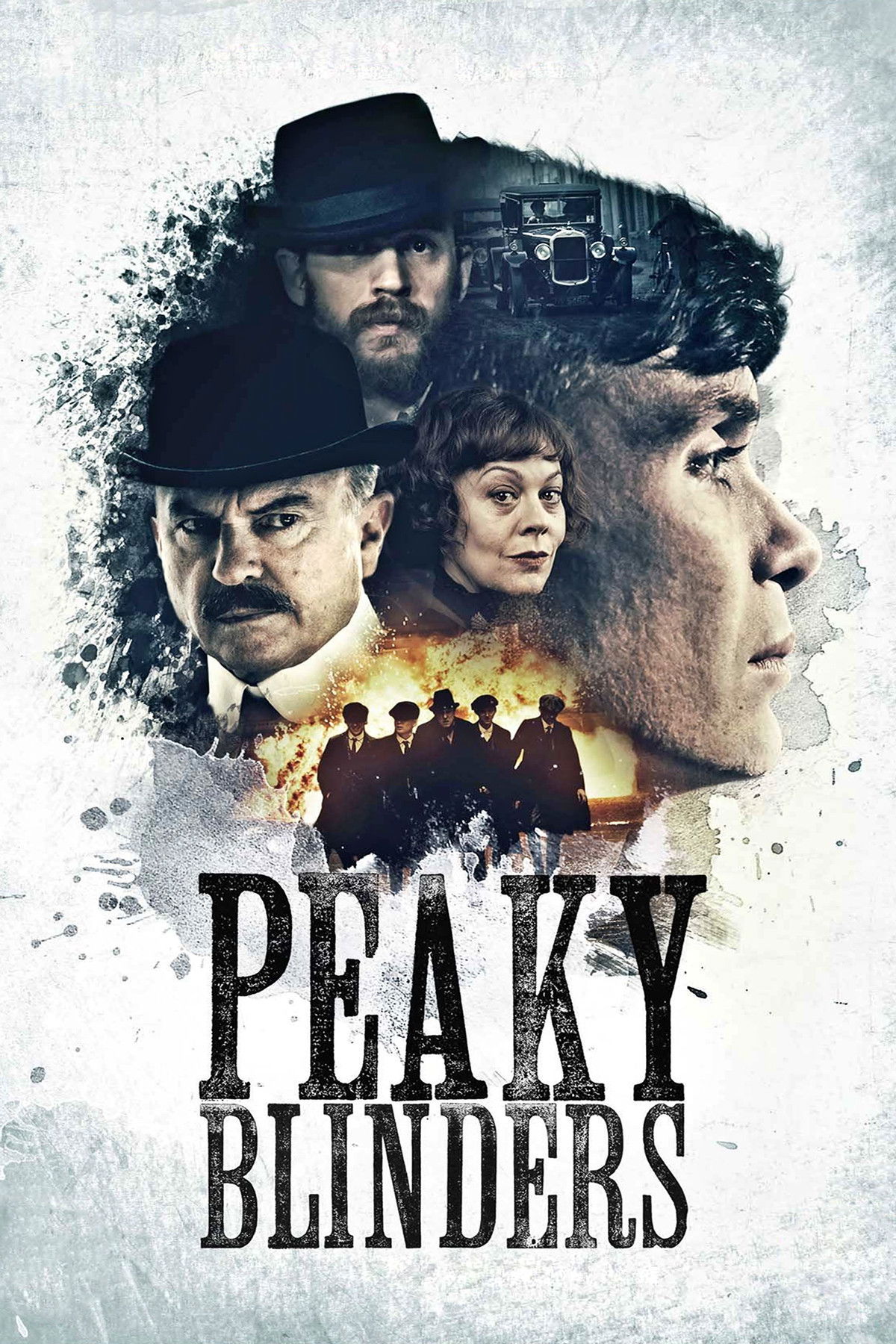
Steven Knight’s Birmingham gangster saga is handsome, loud and, for its first two series, tightly written. It then grows grander and slower and falls in love with its own walk. Cillian Murphy and Helen McCrory keep it upright to the end.
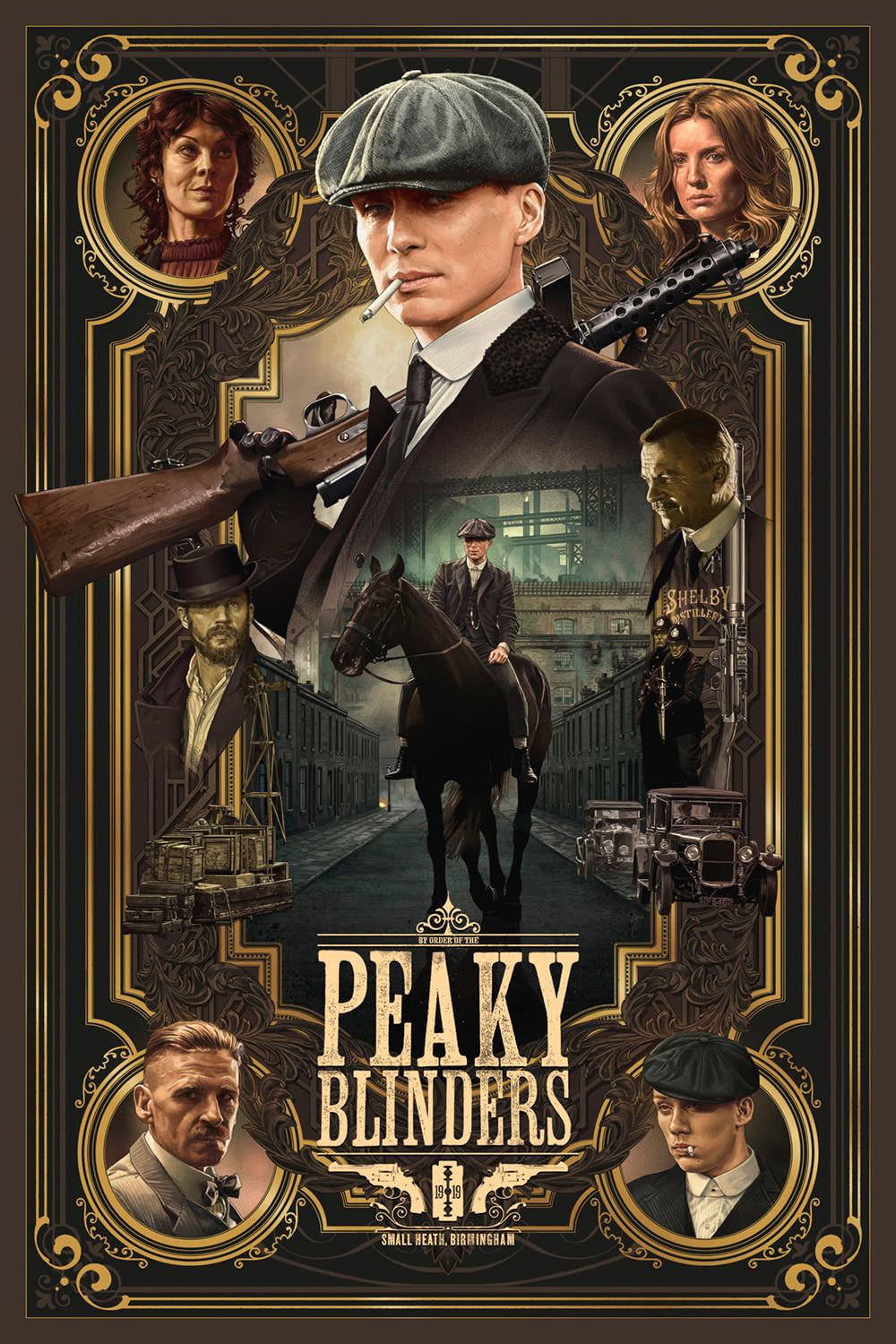
Steven Knight’s saga of a Birmingham gang runs six series, from 12 September 2013 to 2022, and carries an 18. It is about the Shelbys, gypsy bookmakers of Small Heath who come home from the war with a talent for organised menace, and about the cleverest of them, Tommy, who wants more than a betting shop. It is a good series that was, for two years, a better one. The first two series are some of the sharpest British crime drama of their kind. Watch all six and you will see it learn its own tricks and repeat them.
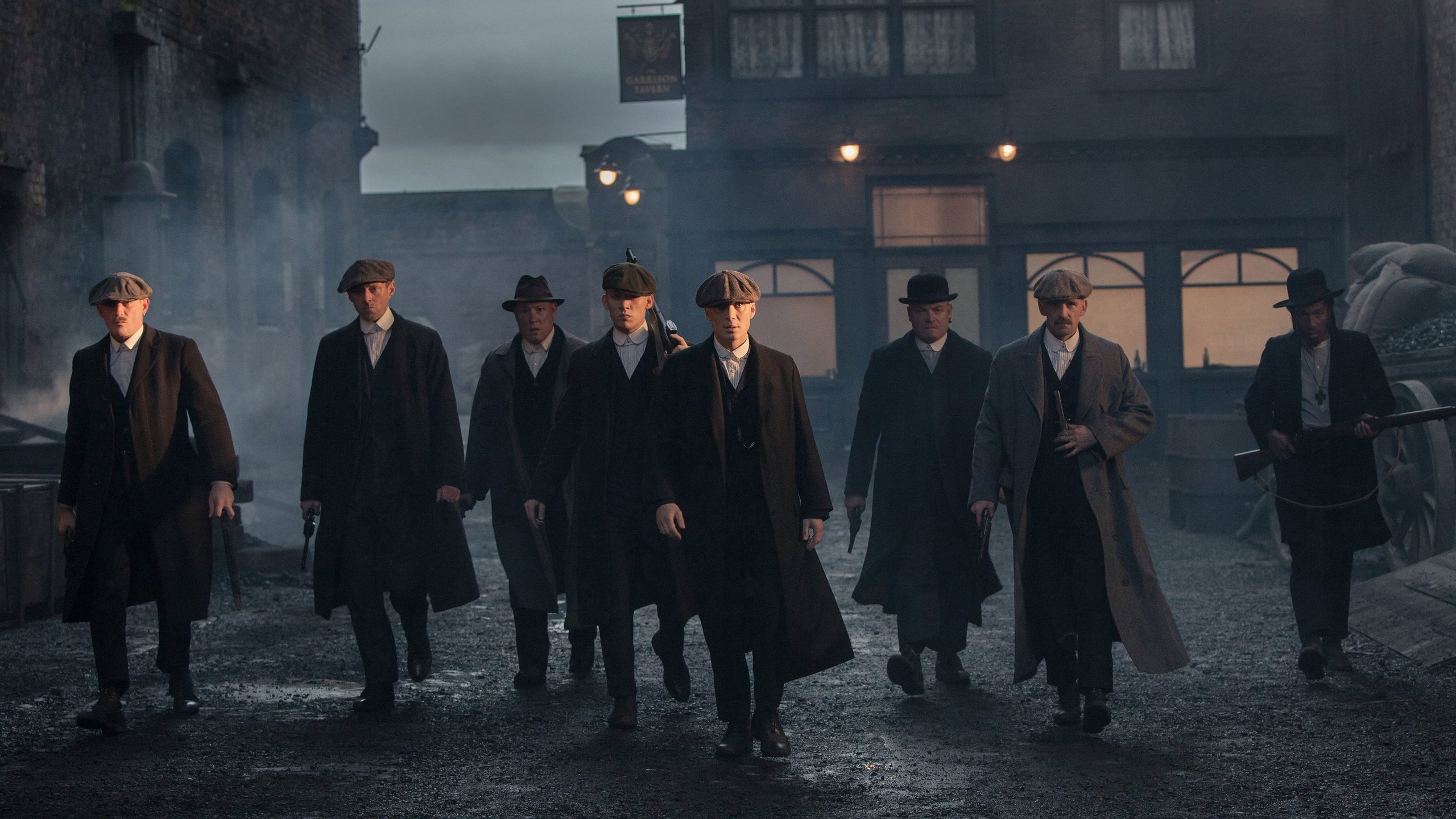
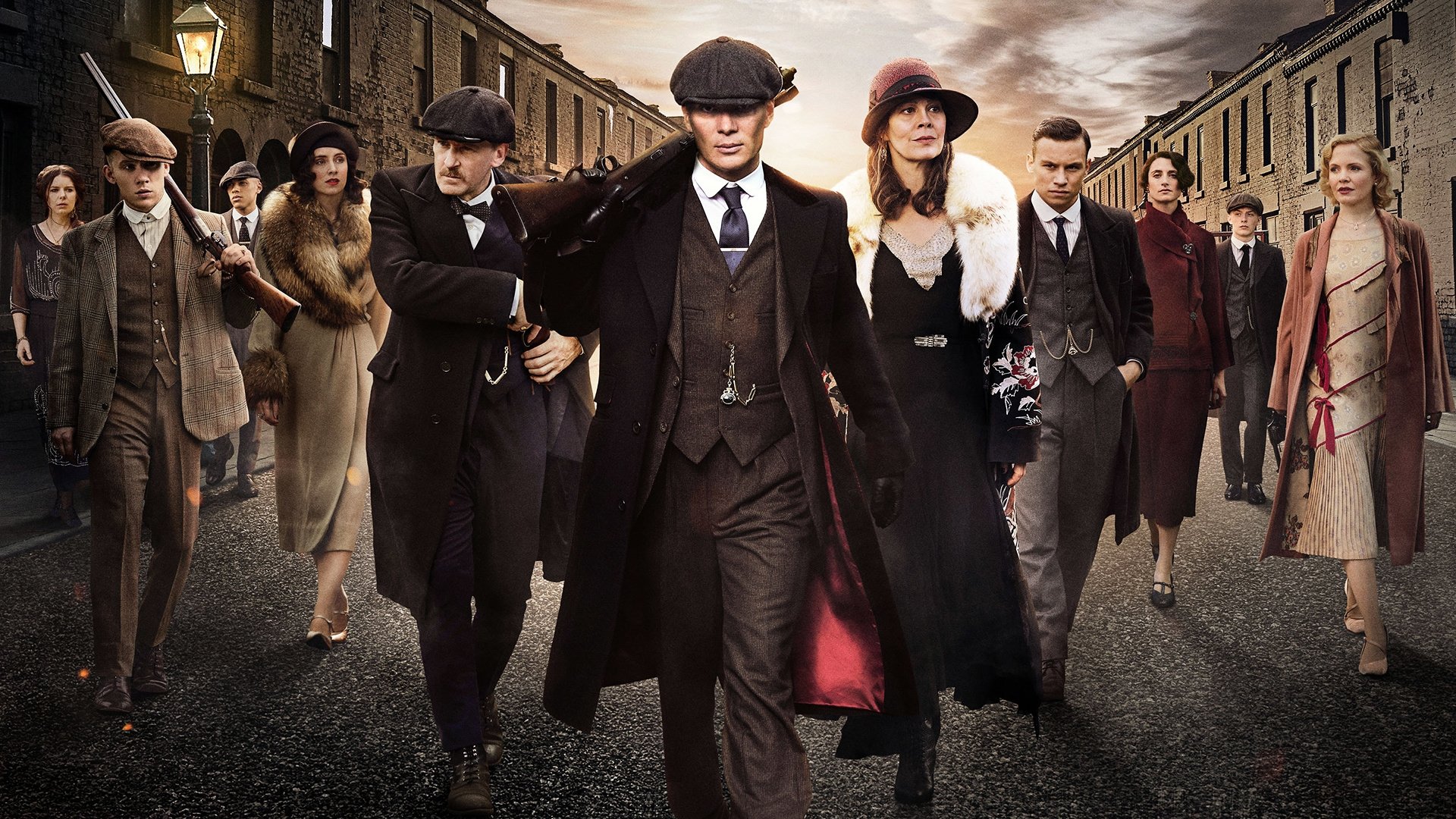
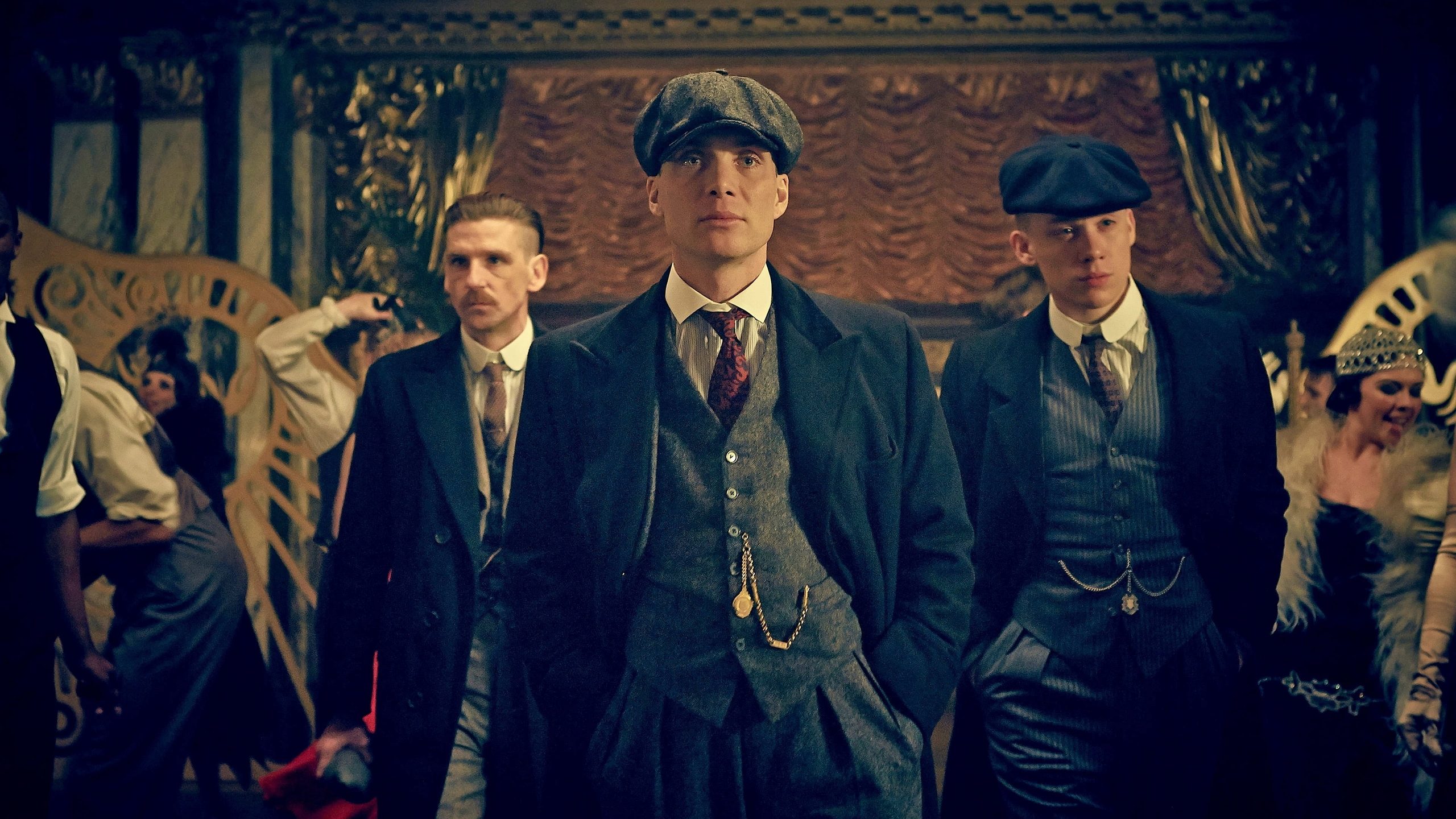
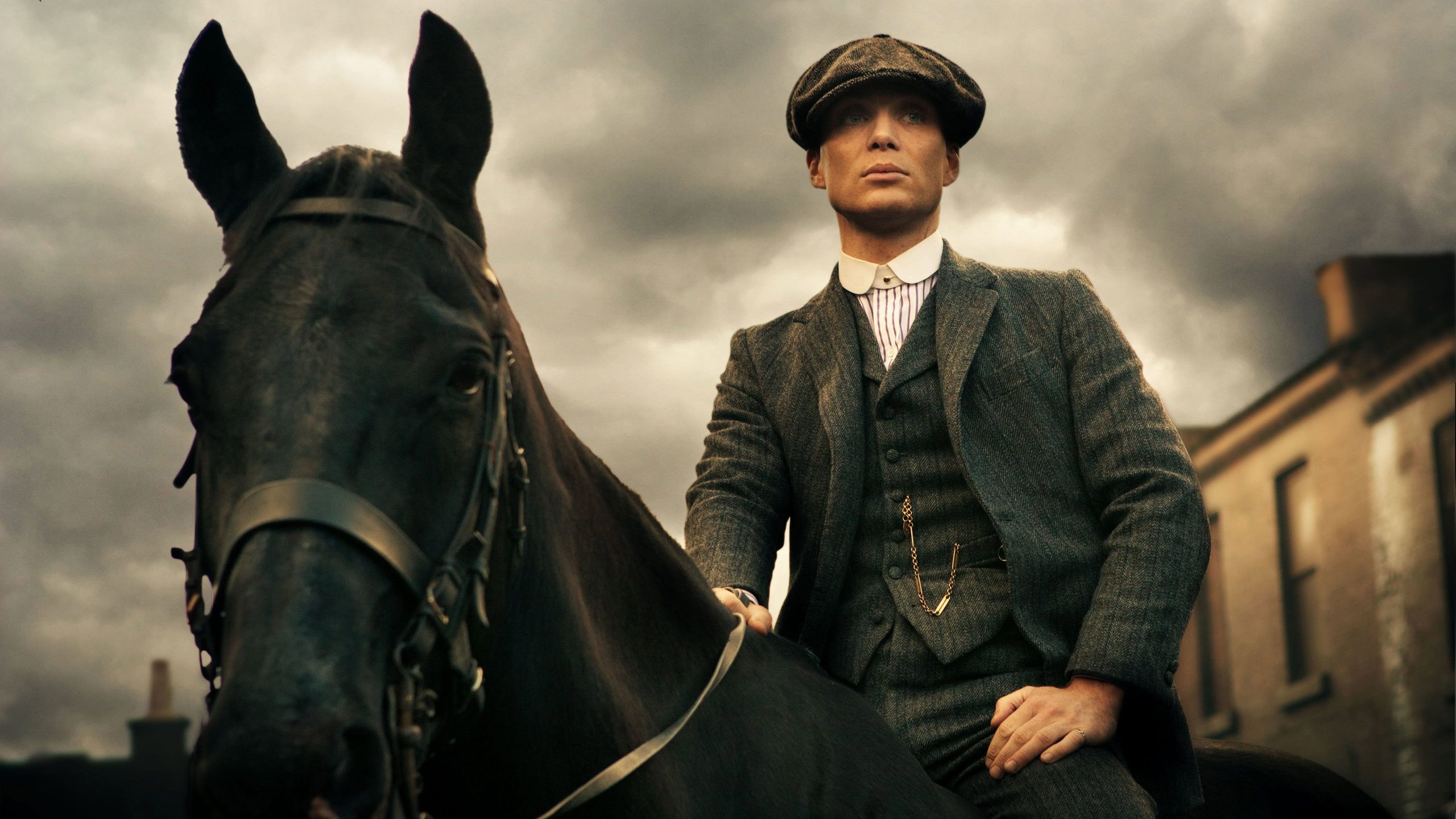
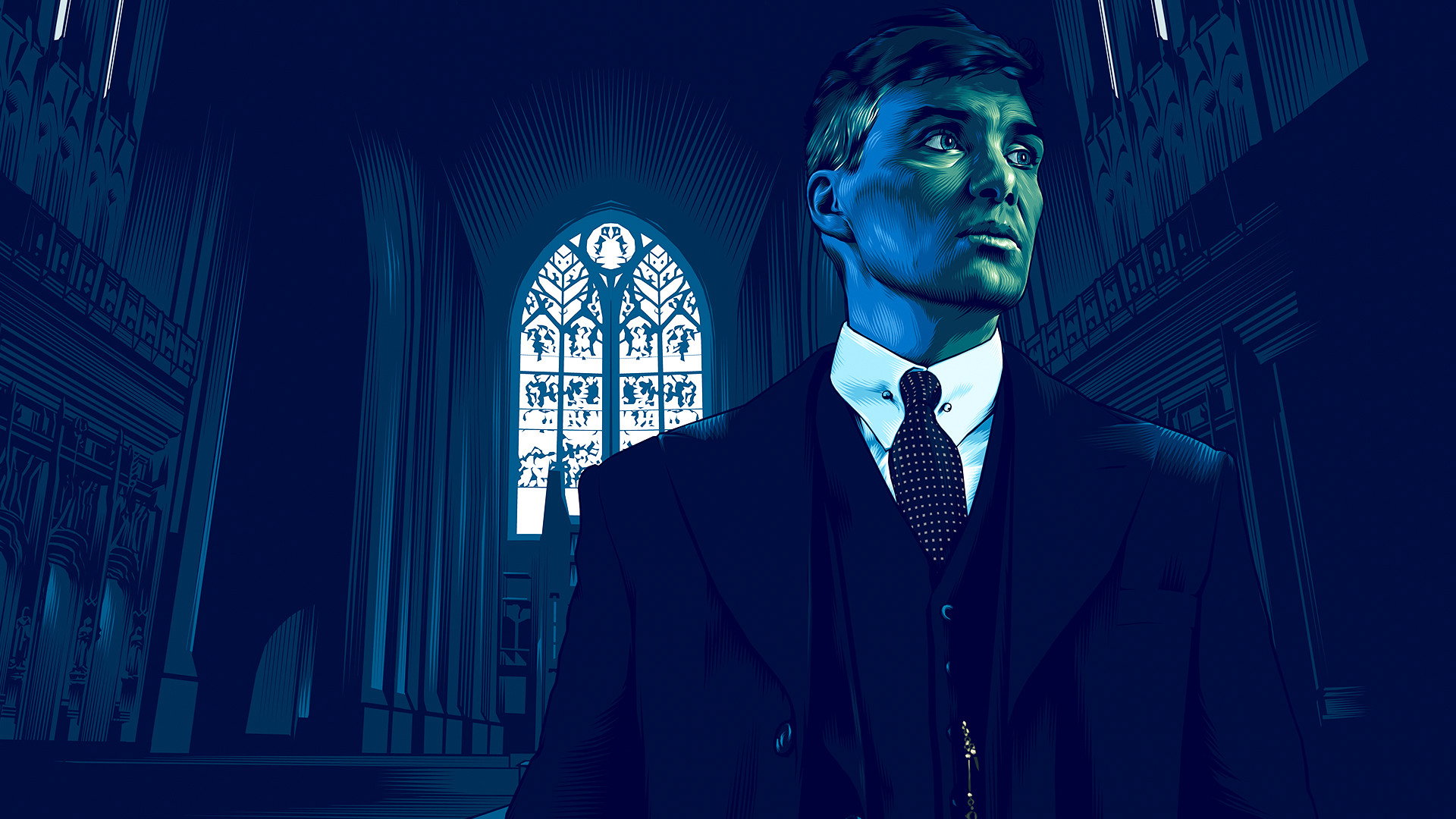
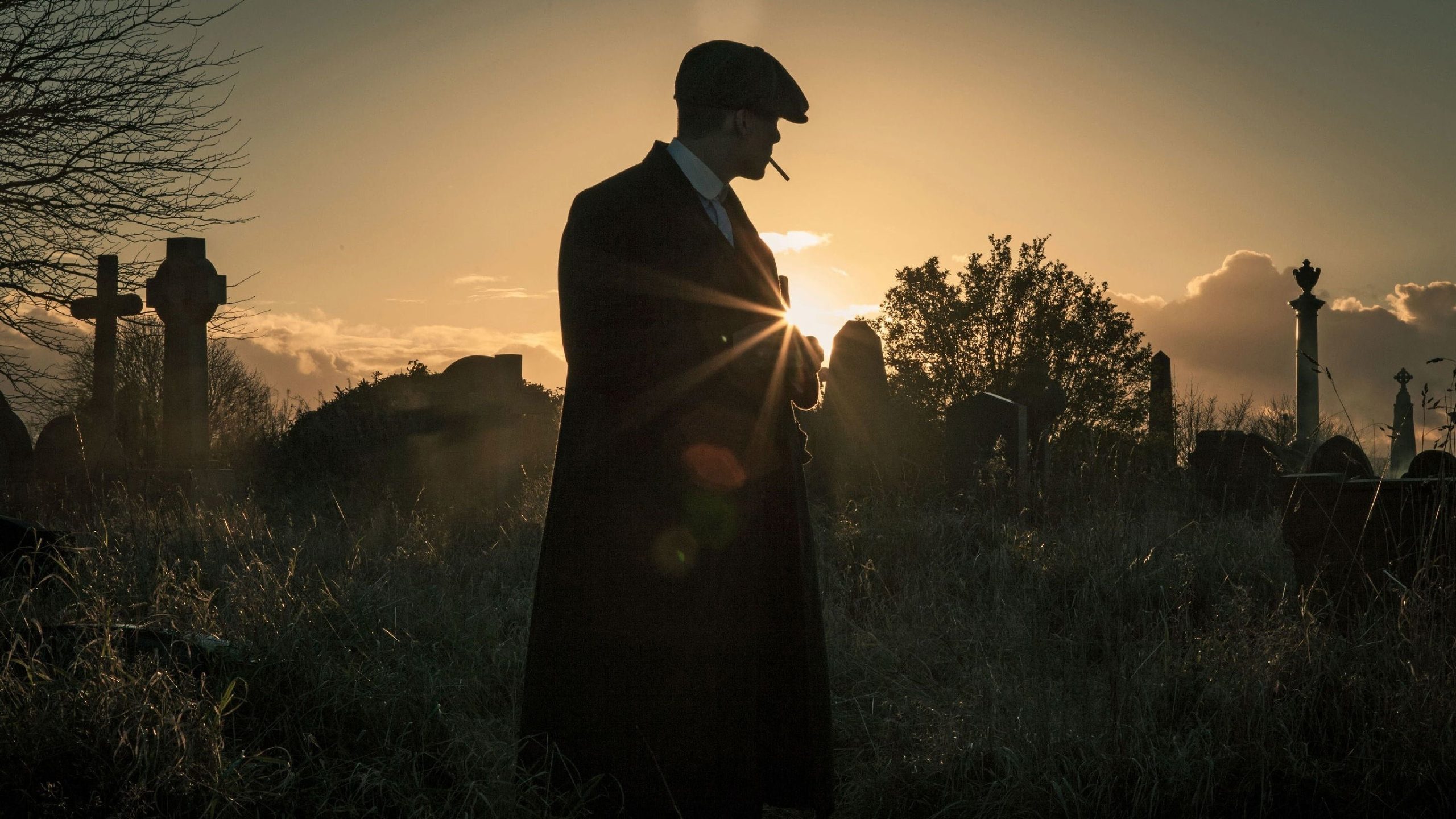
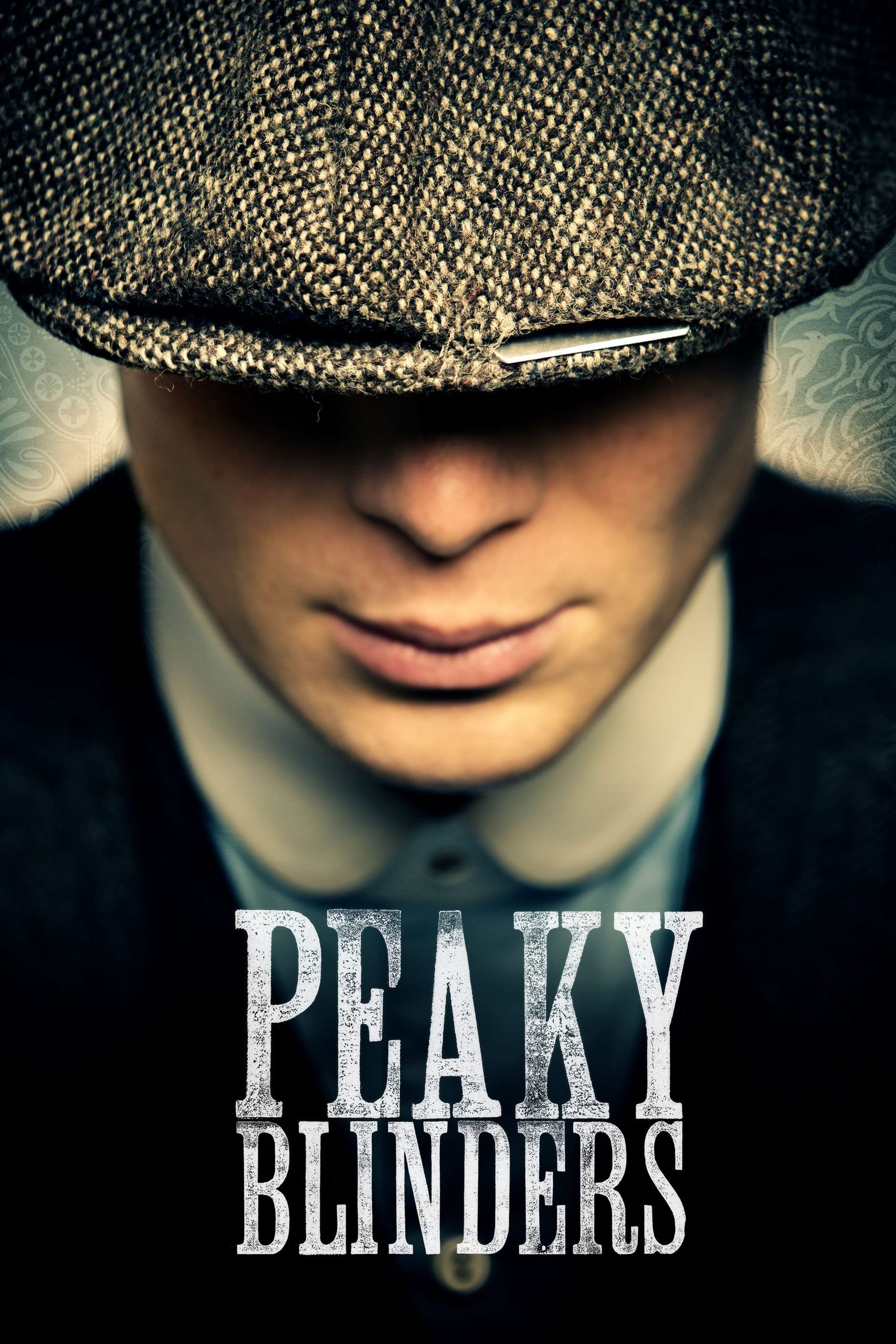
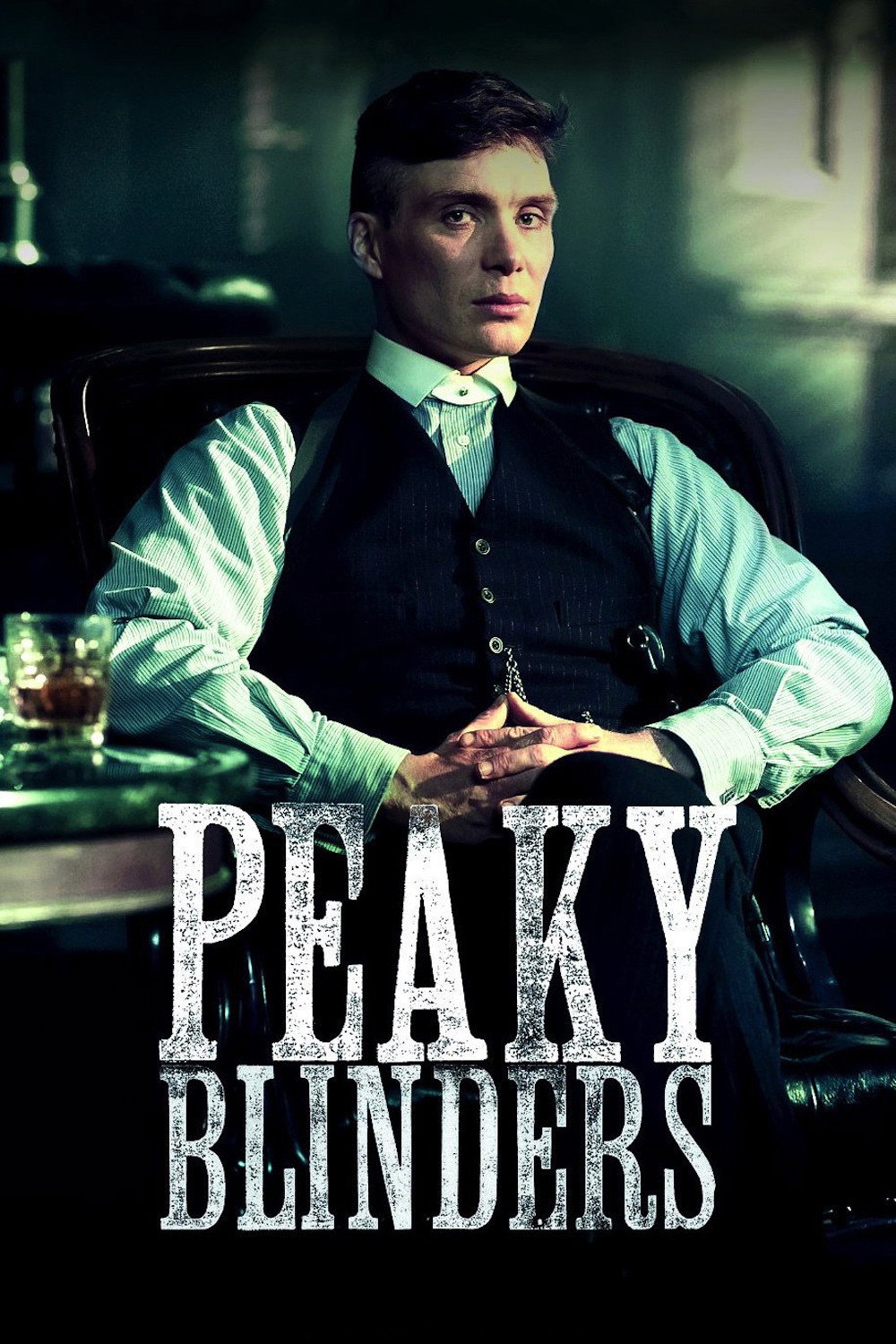
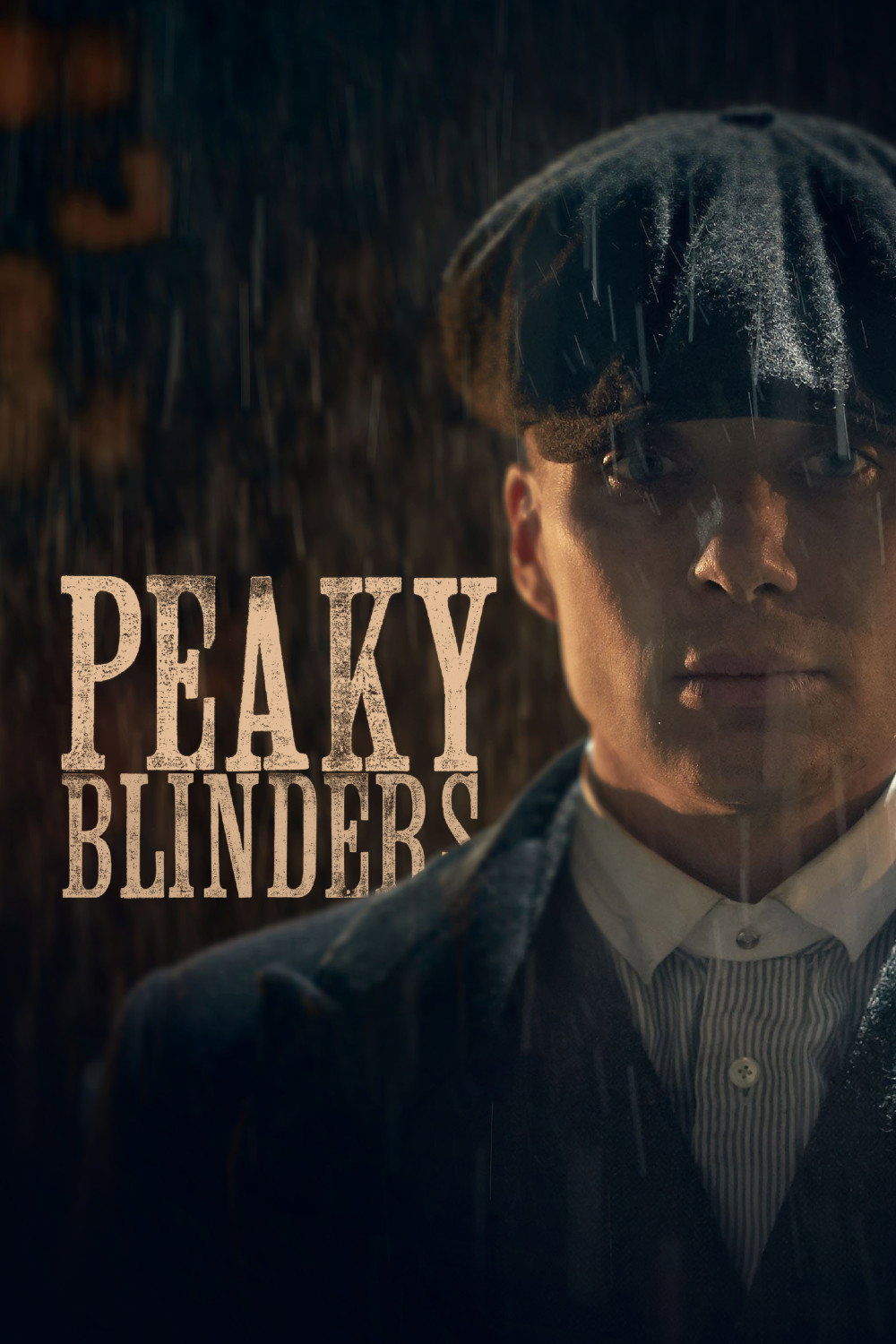
Otto Bathurst directs the opening episodes and sets a look the series never changes: streets always wet, air full of coal smoke, a forge at the end of the road throwing sparks into the dark. Grant Montgomery builds Small Heath as one long brick street with the Garrison pub in the middle. Stephanie Collie’s costumes are the series’ most copied idea: flat caps with blades sewn into the peaks, long coats over three-piece suits, collars they could not afford. The cinematographers change (six are credited, George Steel and Laurie Rose among them) and the picture does not: faces lit from one side, everything else brown, black or the orange of fire.
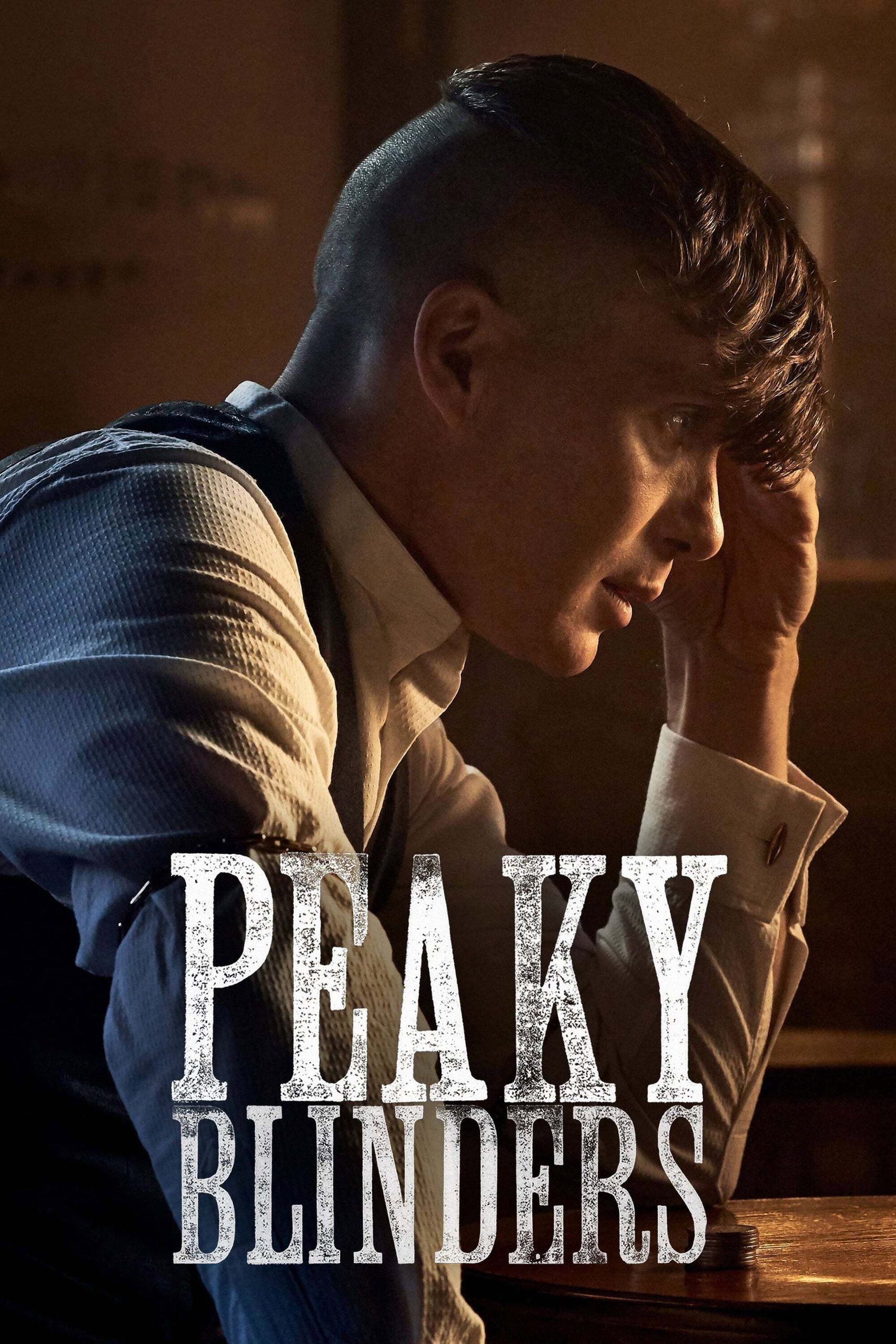
Cillian Murphy is the reason to stay. He plays Tommy almost without moving, a cigarette at the corner of the mouth, eyes that give away nothing until a scene is over and you realise they were calculating all through it. Sam Neill’s Chief Inspector Chester Campbell, sent from Belfast to find a crate of stolen guns, is the right opponent: a righteous man who quotes scripture and enjoys hurting people, and Neill lets us watch him enjoy it. Their scenes together, two men in a room agreeing to hate each other, are the best writing Knight has done for the series, and they gripped us in a way we had stopped expecting from a period drama with a horse in it.
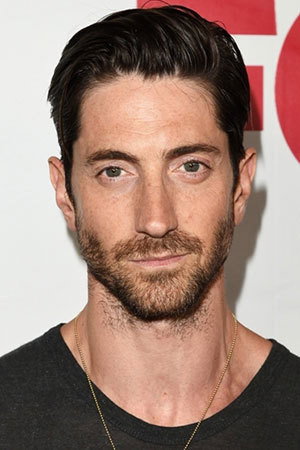
Helen McCrory’s Polly is the other reason. She ran the business while the men were in France and lets them know it, and McCrory gives her a hard, amused patience that turns, when needed, into something frightening. Paul Anderson’s Arthur is shaking hands and sudden violence, a man who came back from the tunnels worse than he went. The weak thread in the first series is Sophie Rundle’s Ada and Iddo Goldberg’s Freddie Thorne, the communist she is secretly seeing; it gives the politics a face and drags whenever the camera leaves the Shelbys for it.
Then there is the walking. The theme is Nick Cave’s Red Right Hand, and the soundtrack is full of songs recorded eighty years after the events, which in the first series works as a jolt. Martin Phipps’s score underneath is low strings and a drum like a heartbeat; Anna Calvi and Paul Hartnoll also take music credits. The editors, Matthew Cannings and Celia Haining among seven credited, cut Tommy walking towards the camera in slow motion, coat open, smoke behind him, and it is a fine shot. By series four it arrives every episode and we could set our watch by it.
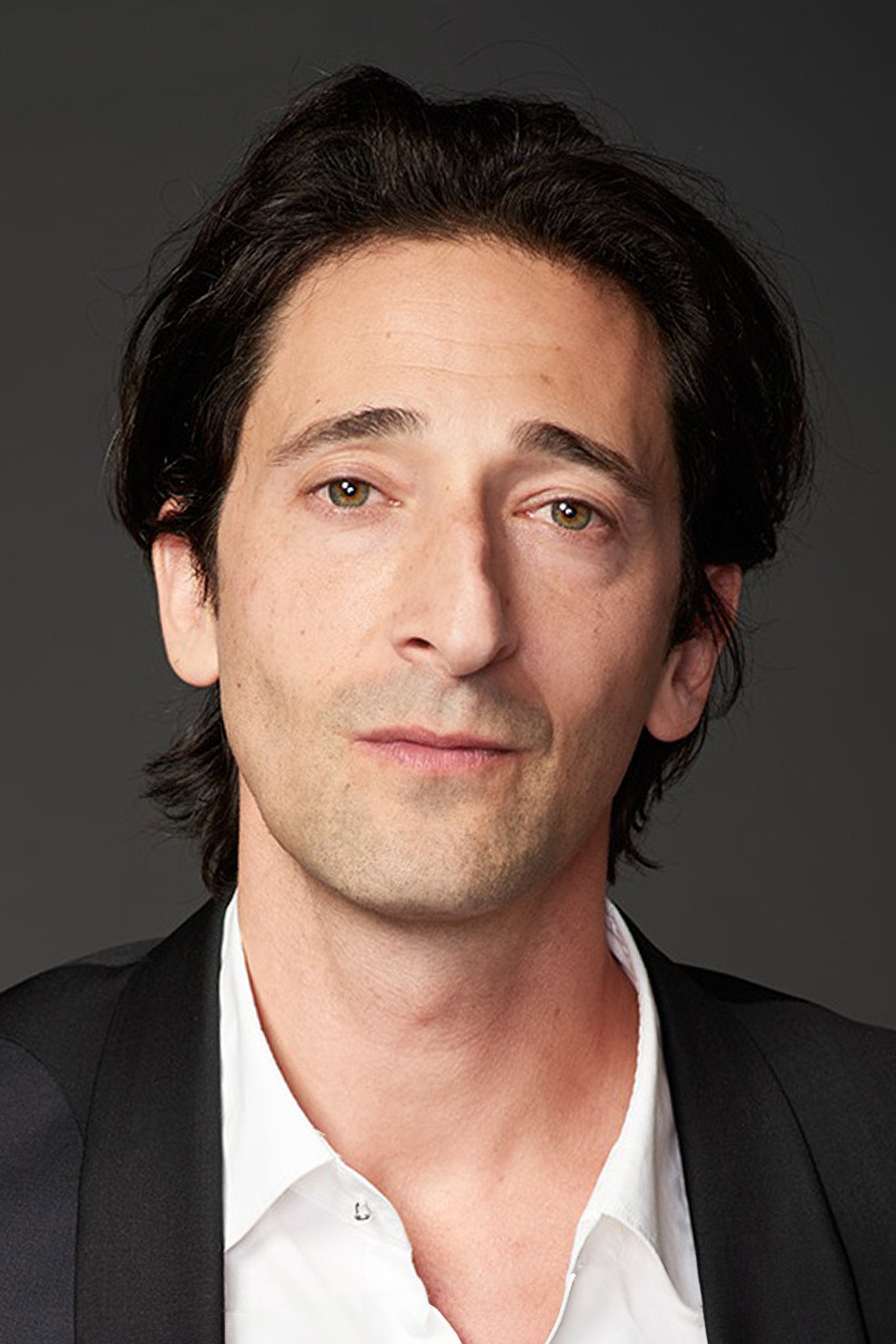
The later series get bigger and simpler. Adrien Brody arrives as the New York gangster Luca Changretta with an accent that took us out of every scene; Aidan Gillen’s Aberama Gold is far better, a gypsy killer with real charm. Charlie Murphy’s Jessie Eden, the union organiser, gives series four a politics it needed. But Tommy’s plan always works, we always learn what it was ten minutes from the end, and the phrase “by order of the Peaky Blinders” comes round like a catchphrase. Somewhere in series five we were counting the episodes left, which we never did in 2013, and we were sorry about it.
It does not have the patience of The Sopranos or the reach of Boardwalk Empire. What it has is a particular city, a particular accent and a lead who can hold a close-up longer than almost anyone working. Give it the first twelve episodes without reservation. After that, carry on if you are enjoying the coats, and you probably will be.