The Weimar crime saga from Tykwer, von Borries and Handloegten is as handsome and as busy as television gets, and Liv Lisa Fries holds it together. The plot takes on more than it can carry, but we did not want to leave its Berlin.
Berlin in 1929, four years before the Weimar Republic ends, and nobody in Babylon Berlin knows it. That is the programme’s best idea, and its makers hold to it. Tom Tykwer, Achim von Borries and Hendrik Handloegten created the series and share the writing and directing, adapting Volker Kutscher’s crime novels into something that means to be a police procedural, a political thriller and a portrait of a city at once. The first sixteen episodes arrived as two runs a month apart in the autumn of 2017. It is handsome, busy and often thrilling, and it asks you to hold more plot than it can carry. We recommend it, with that warning attached.
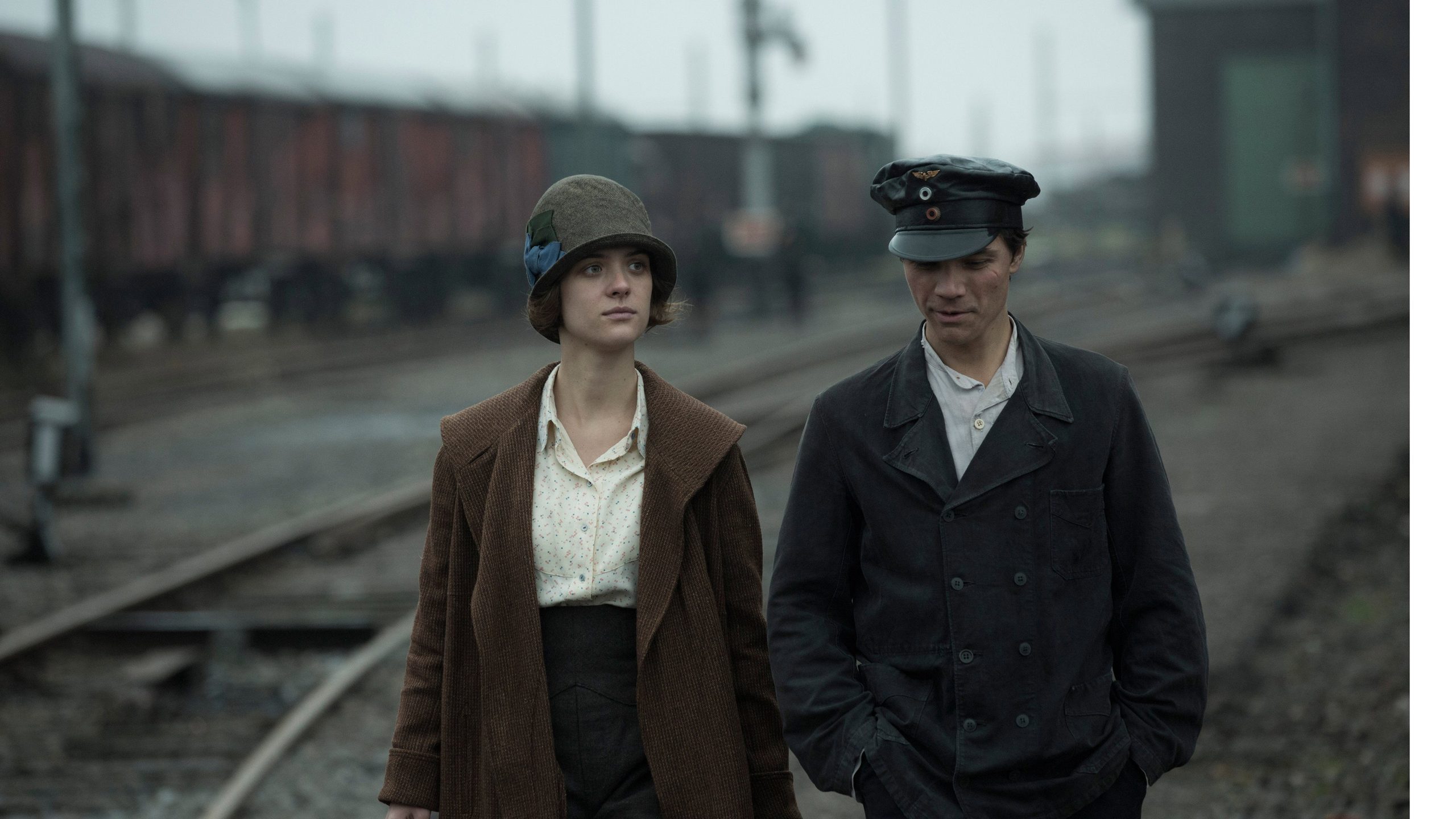
The plot begins small. Gereon Rath (Volker Bruch) comes from Cologne to recover a film reel, and Bruch plays him closed, a man who hides his shaking hands with morphine rather than let anyone see them. For long stretches he is the least interesting person in his own story. Liv Lisa Fries’s Charlotte Ritter is the reason to keep going. She types at police headquarters by day, works the Moka Efti by night and climbs home to a tenement where too many Ritters sleep in too few beds, and Fries plays all three lives with the same quick, appraising look. She is never once a victim.
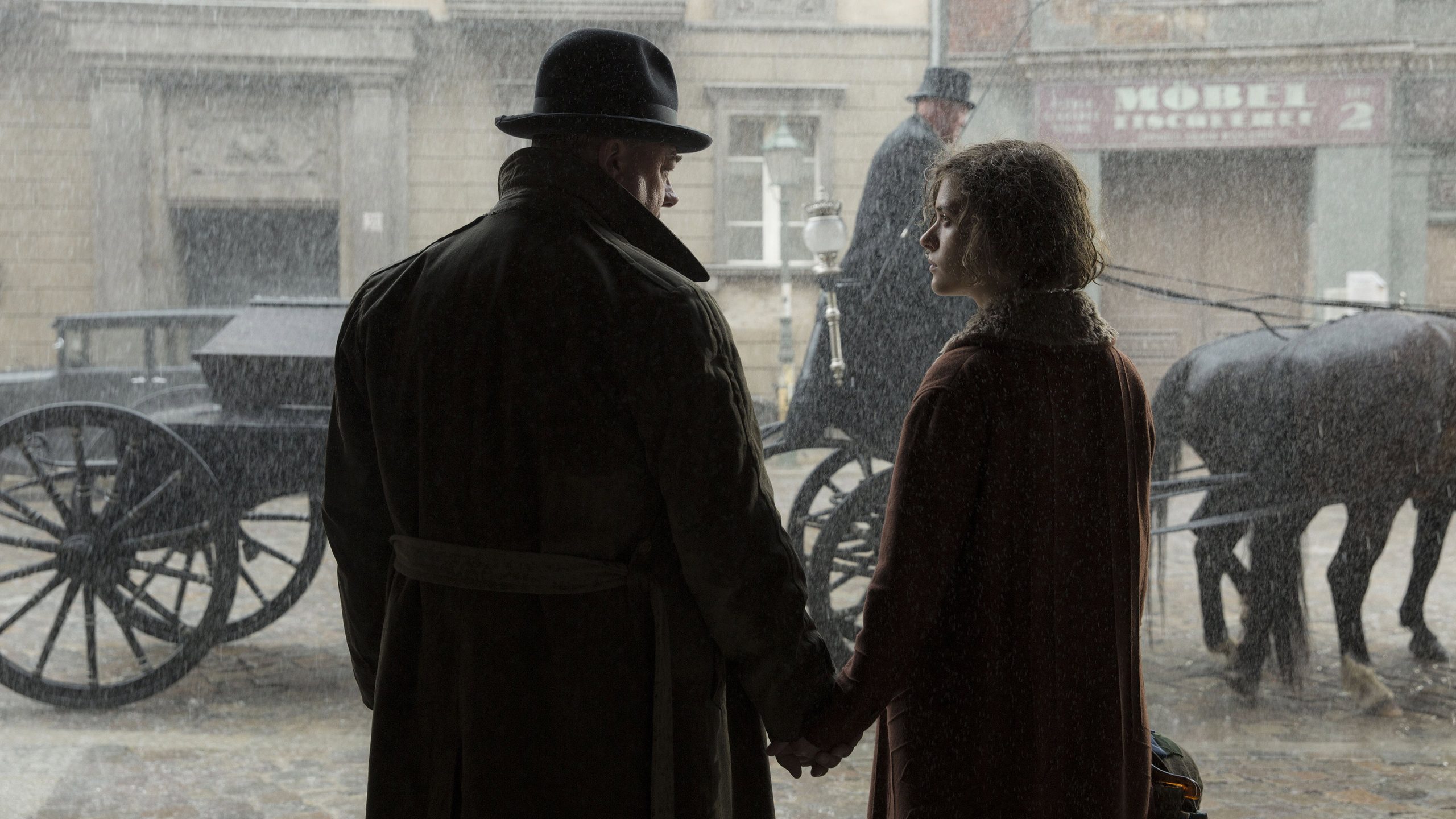
Uli Hanisch’s production design gives them a city that has been lived in rather than dressed. The police headquarters is a warren of frosted glass and brown corridors; the Moka Efti goes down several floors, each louder and less lawful than the last. Pierre-Yves Gayraud’s costumes do the class work without a word: Charlotte has one good dress and we learn to watch for it. Four cinematographers are credited, Philipp Haberlandt, Christian Almesberger, Frank Griebe and Bernd Fischer, and the surprise is how consistent the look is: brown and yellow interiors under low lamps, streets in grey rain, colour saved for the club.
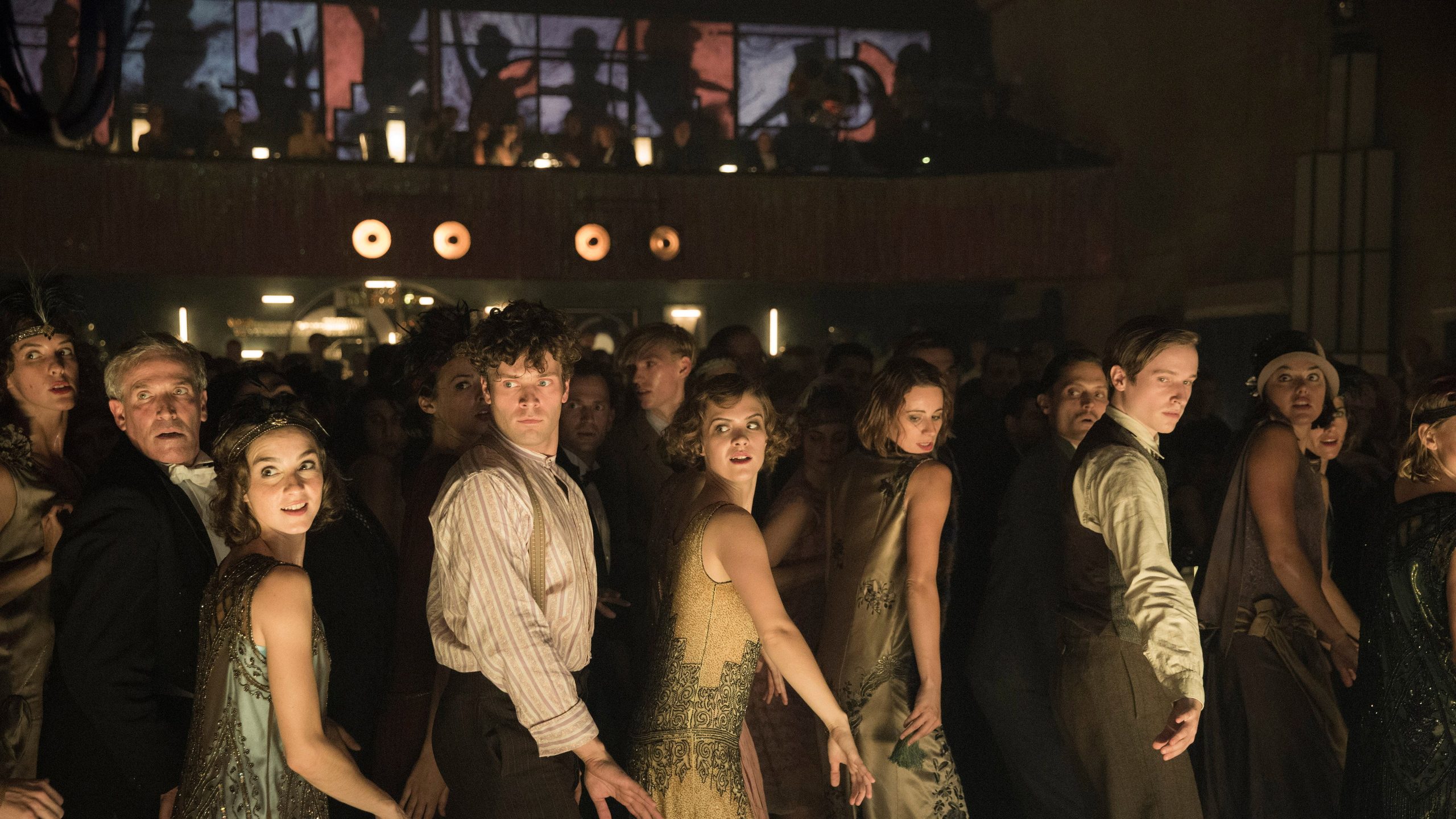
The club is where the programme got us. Early on, a singer in a man’s suit and slicked hair takes the Moka Efti stage and the whole floor falls into the same dance, moving as one to a lyric about ash and dust. Tykwer and Johnny Klimek’s score puts an electronic pulse under the 1929 arrangement, which ought to be a cheat and is not; it makes the club present rather than preserved. We sat up, and then we felt the chill the scene intends, because a crowd that moves in step is a crowd that can be pointed. The series tells you what it is about there, without a line of dialogue.
The trouble is everything the plot does around it. A freight train comes over the Soviet border carrying something several parties in Berlin want, and by the middle of the run those parties include Trotskyist exiles, army officers who never accepted the peace, the industrialist Alfred Nyssen (Lars Eidinger, playing wealth as a nervous condition), the gangster Edgar Kasabian (Mišel Matičević) and the political police under August Benda (Matthias Brandt). Alexander Berner, Claus Wehlisch and Antje Zynga cut between these strands with skill, and there are still too many. Around the ninth episode we lost track of who wanted the train and why, and found we did not mind, which is not the compliment it sounds like. Peter Kurth’s Bruno Wolter, Rath’s partner in vice, is the one figure in the machinery who stays legible, and Kurth plays him with a slow, amused patience that nobody else in it matches.
What sets it above most period crime is what it refuses. There is no wink at the future. The men who will run Germany in four years barely appear; the dangers here are the army, the Communists and the money. One review we read found it bland, built for export. We see the point in the smoother passages, and we think it misses how much of the series is spent in small rooms watching people count coins.
Watch it in German with subtitles if you are given the choice; the voices, Fries’s above all, are half the point. It is an 18 certificate and earns it, with the needle as much as the bedroom. Two episodes a night is about right. Any more and the plot starts to blur.