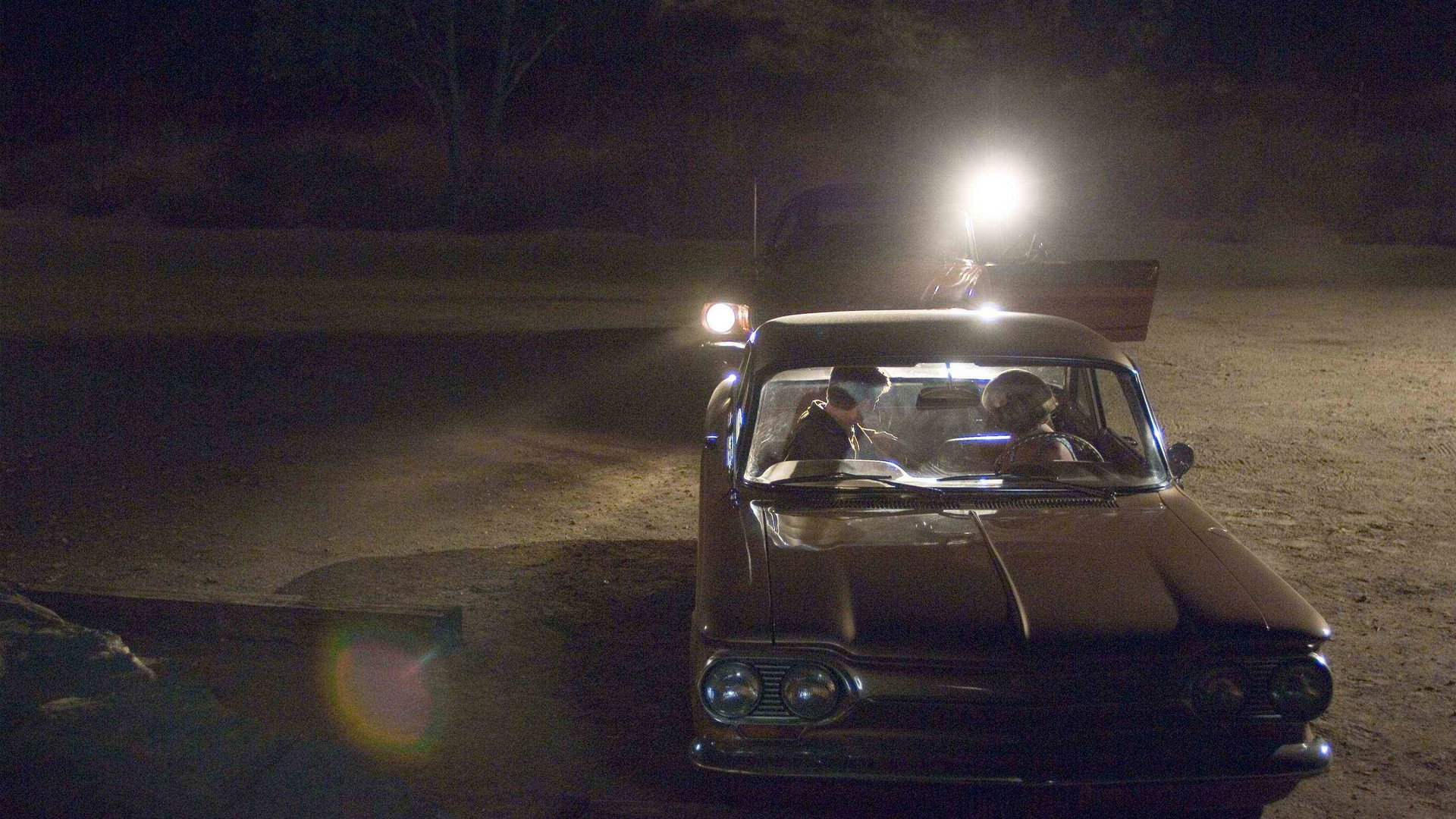
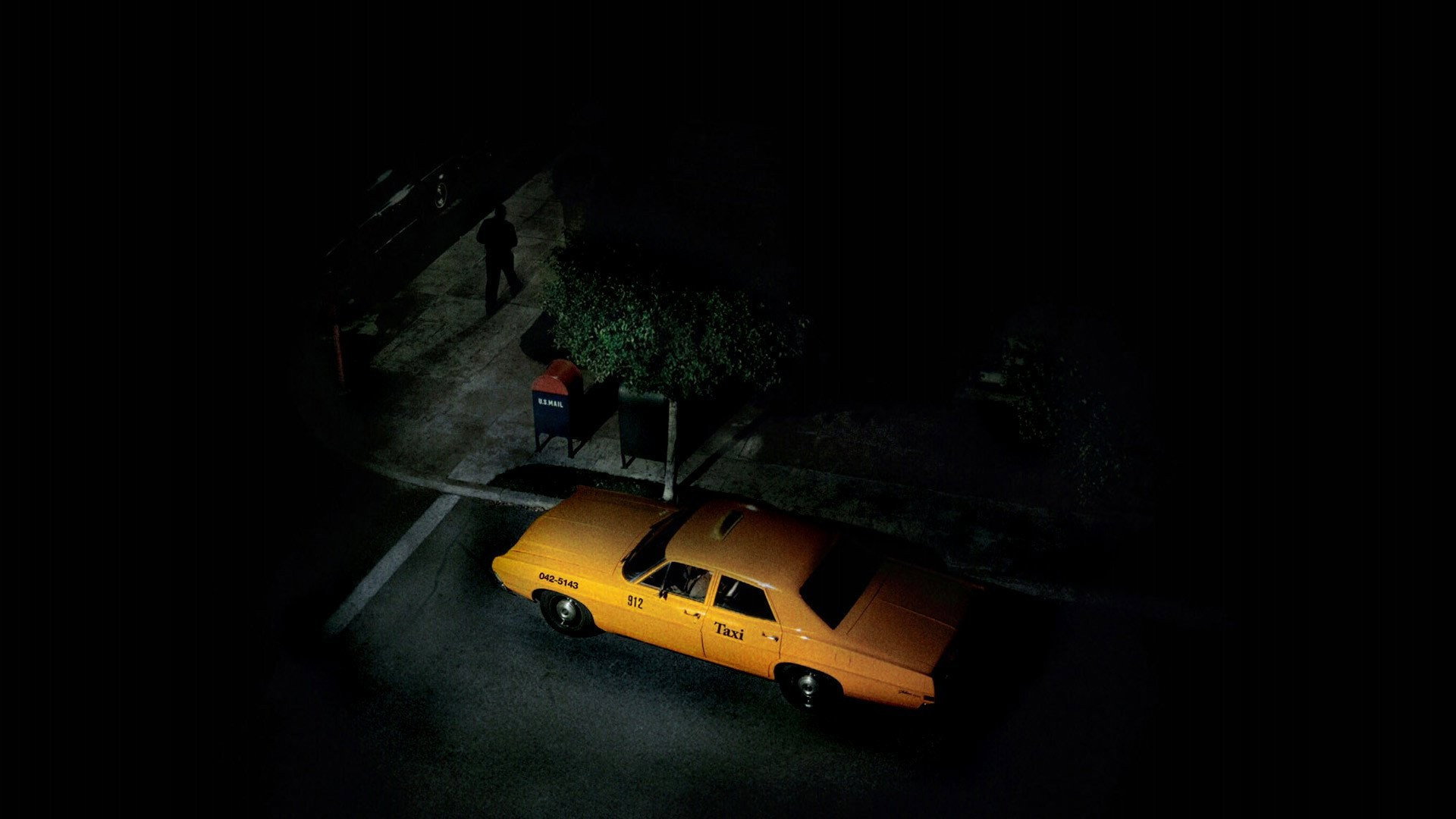
David Fincher makes the patient work of investigation engrossing and, at times, frightening. Though the repetition occasionally wears, Zodiac earns its long running time and deserves an audience well beyond crime-thriller devotees.
David Fincher’s Zodiac is an engrossing crime film about the effort of investigating a case, and we would recommend it to people who usually avoid the genre. It gives police work and newspaper work enough time to become absorbing in their own right. The Zodiac murders bring the men together; the difficulty of knowing what to believe keeps them occupied. Fincher trusts us to follow closely, even when the investigation involves going over something that has already been examined.
James Vanderbilt’s screenplay handles a sprawling investigation without making every new piece of information seem equally decisive. Angus Wall’s editing keeps the chronology clear, so that the accumulation of years feels as important as any individual discovery. The length gives us time to learn the habits of the search, including its repetitions and pauses. We become accustomed to examining information carefully, which makes it harder to shrug off a question simply because nobody seems able to answer it.
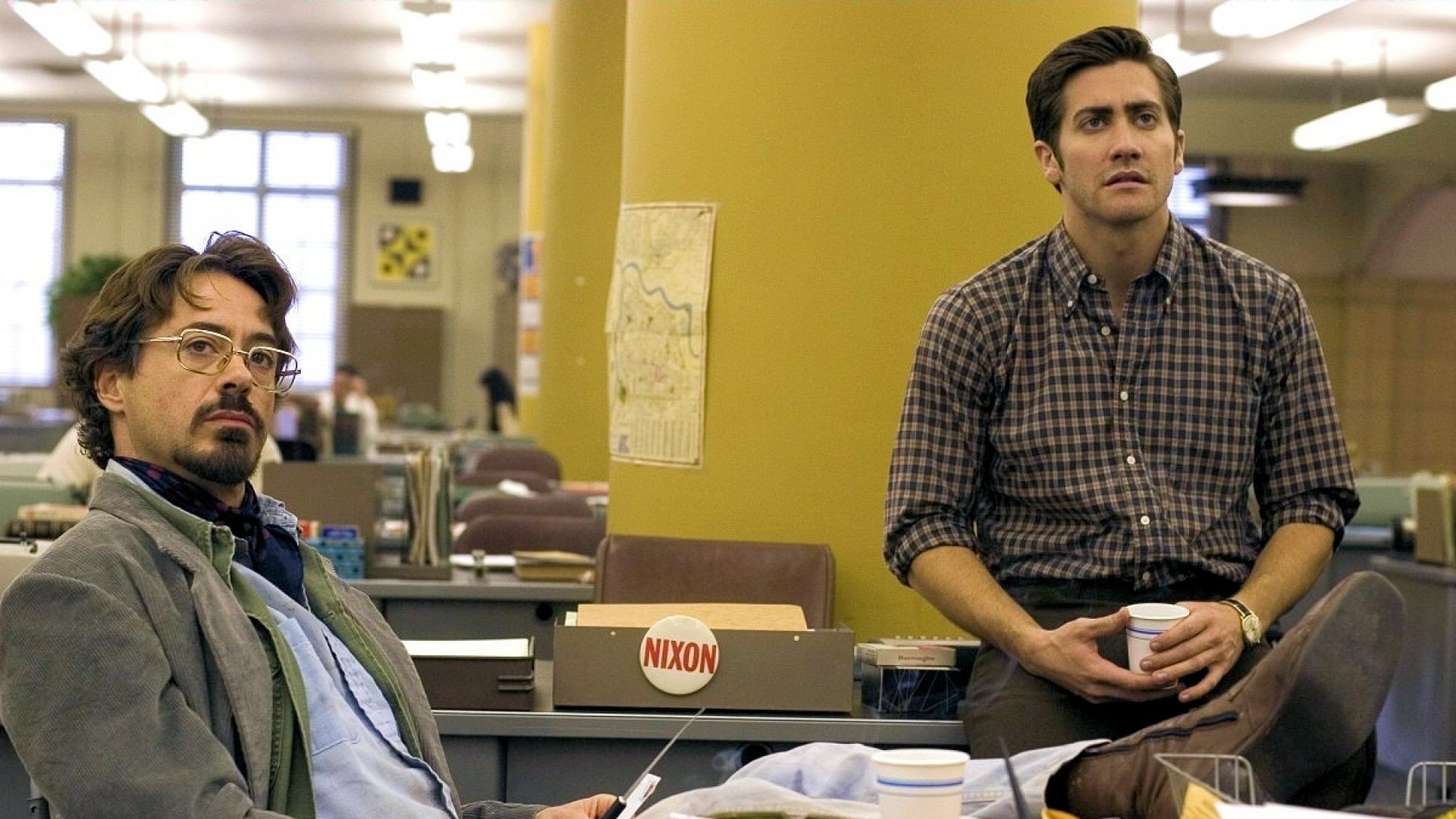
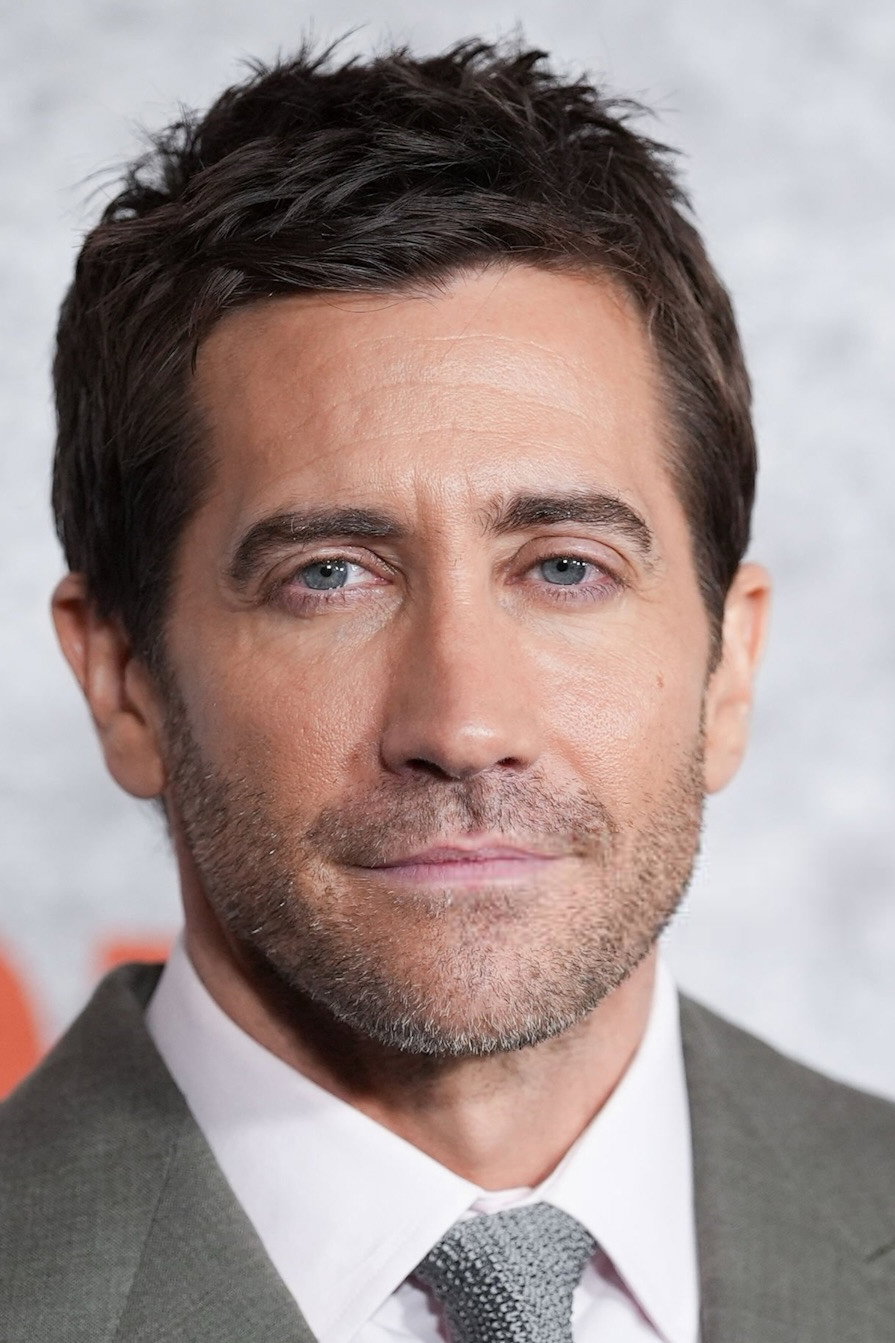
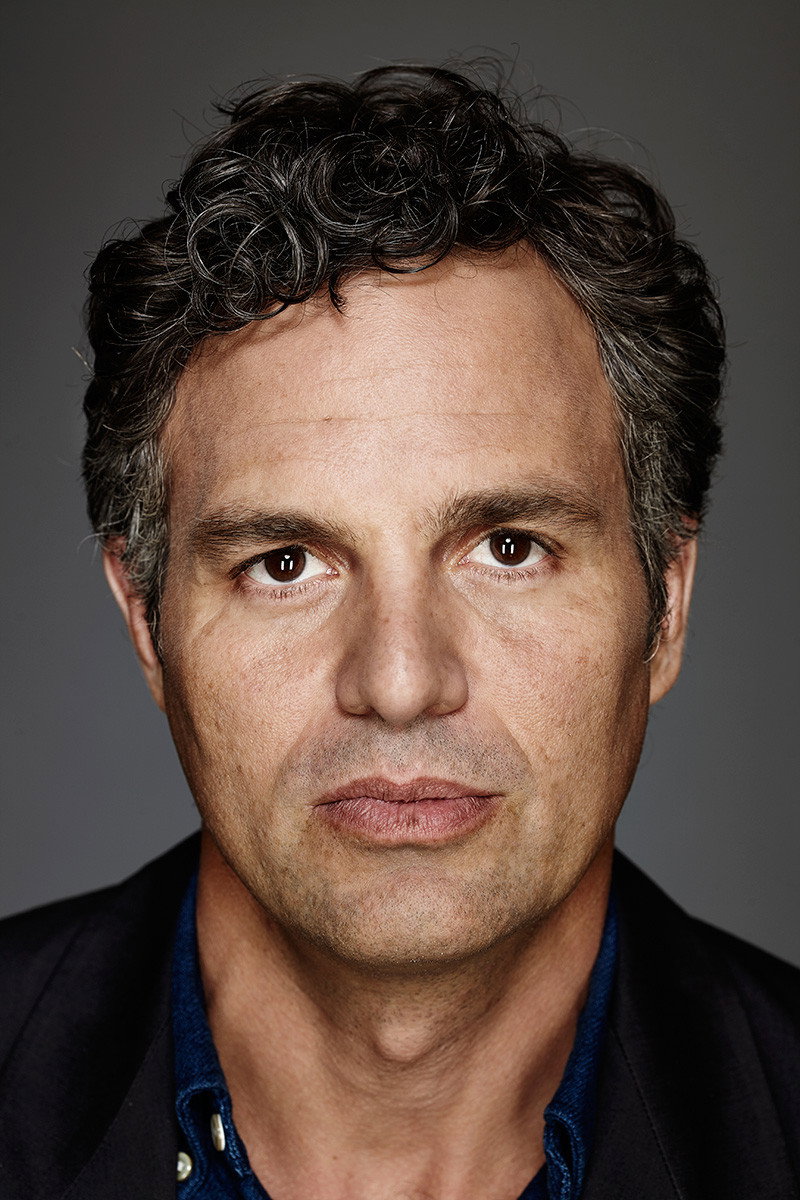
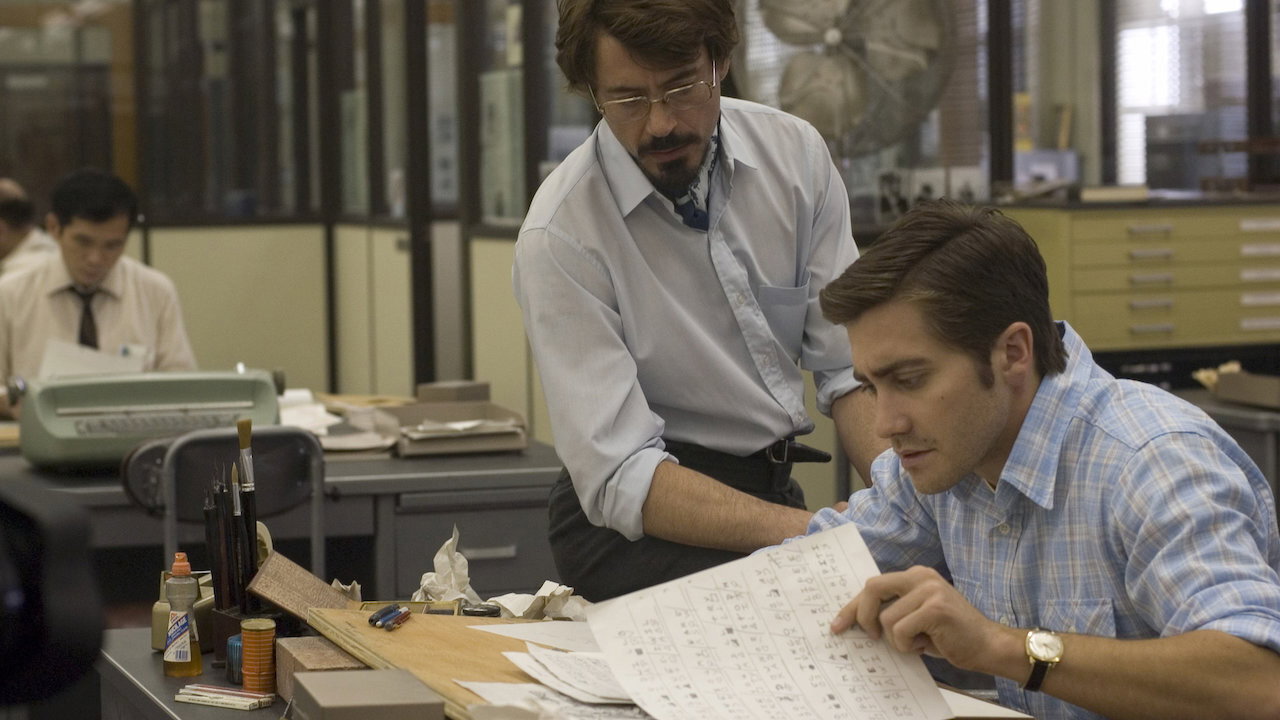
Jake Gyllenhaal, as Robert Graysmith, makes the fascination with the case persuasive enough to become uncomfortable. Mark Ruffalo’s David Toschi gives the police work a necessary human weight, while Robert Downey Jr.’s Paul Avery brings welcome variation to a film that could easily become monotonous. Their performances keep the distinctions between the men clear without breaking up the ensemble. We were more upset than we expected by the way the investigation continues after public interest fades. The need to keep looking becomes painfully understandable.
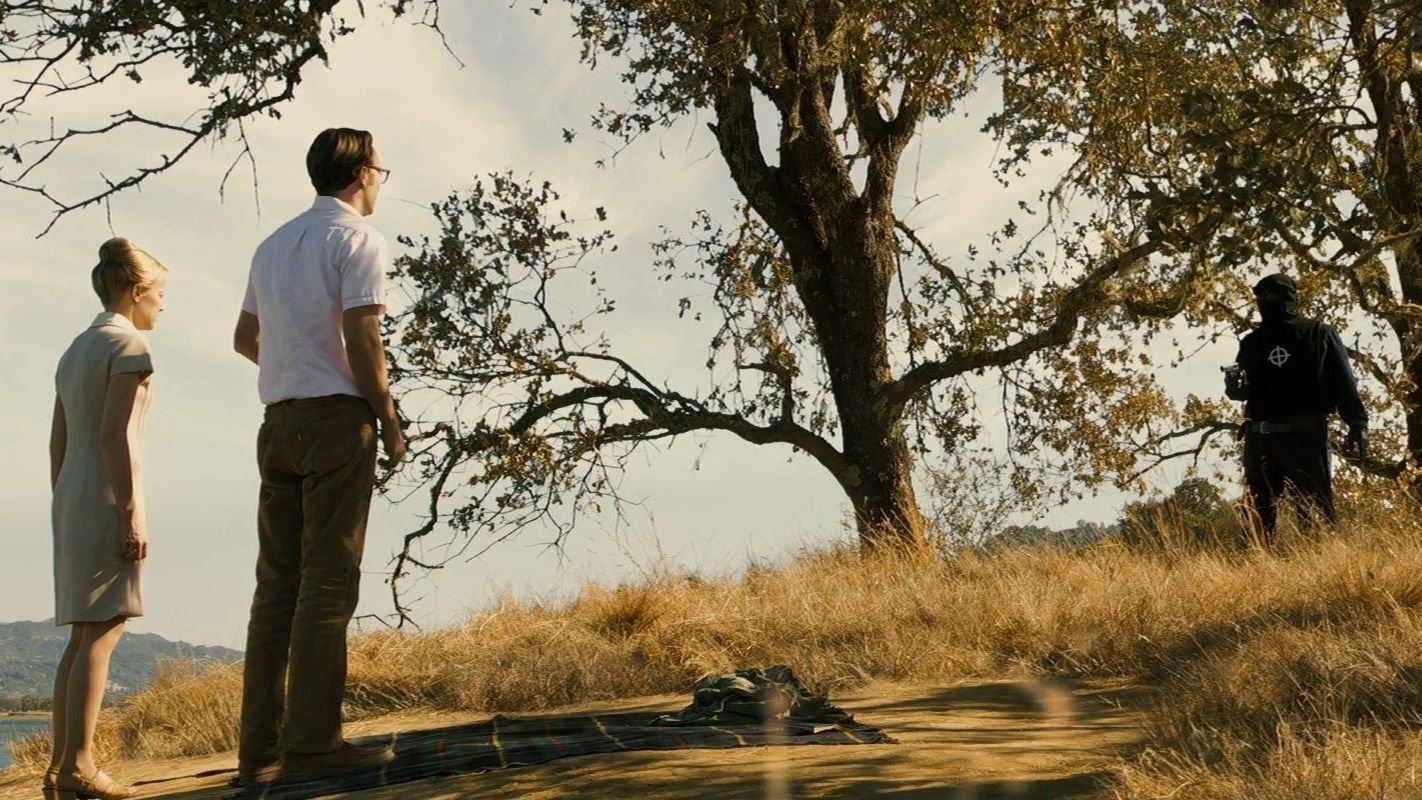
Harris Savides’s cinematography gives the period settings a clarity that can itself be unsettling. There is little comfort in being able to see so much when the people in the frame still cannot establish what they need to know. Donald Graham Burt’s production design makes the newspaper and police environments convincing places to spend working hours, with period detail that rarely distracts from the people. The occasional over-precise image draws attention to Fincher’s control, but the settings generally feel usable and inhabited.
David Shire’s music contributes to the tension without making the investigative passages feel falsely urgent. That restraint matters in a film which asks us to spend so much time paying attention to ordinary professional activity. Fincher also understands how to make that activity frightening without turning the investigators into action heroes. The suspense sequences are effective partly because the surrounding procedural detail has encouraged us to take the danger seriously.
The film does occasionally make patience feel like an obligation. Vanderbilt repeats the frustration of pursuing certainty a little too often, and Wall allows a few passages to continue beyond the point at which we have understood them. At 157 minutes, those small delays register. We would lose a little of the repetition, though briskly moving from clue to clue would sacrifice much of what makes the investigation convincing.
Zodiac sets a demanding standard for a crime thriller because the people doing the investigating remain worth watching between discoveries. Its interest in their compulsion is strong enough to sustain the film through long stretches of painstaking enquiry, and the cast make that persistence feel troubling without asking us to dismiss it as foolish. Give it an uninterrupted evening, and resist the temptation to look anything up.