Series review

Patrick Melrose

2018 · Created by David Nicholls · Series · 1h 00m · MPA TV-MA

In a sentenceA man carries his father’s ashes round New York for a day and cannot decide whether to grieve or to score

Drama

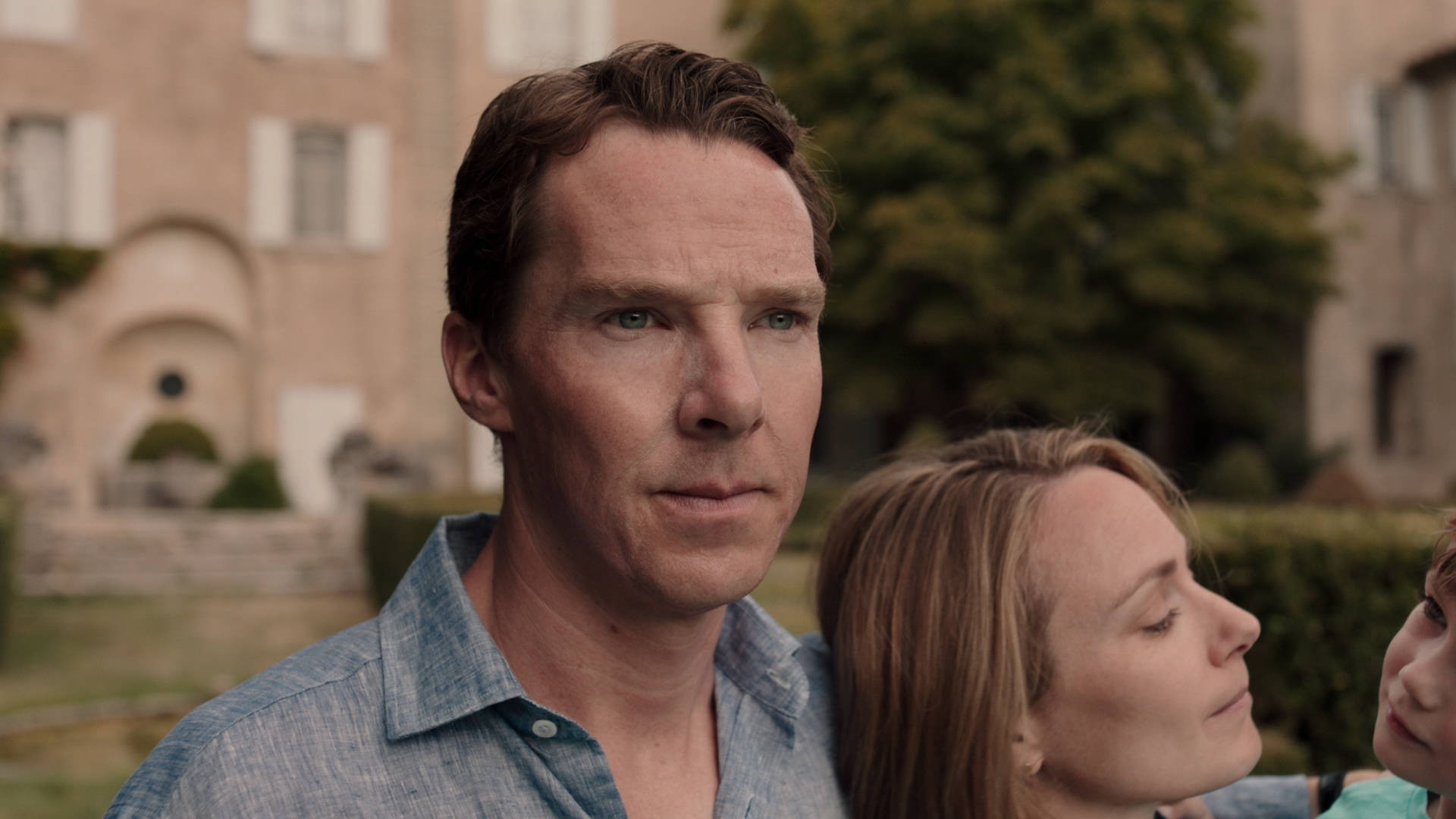
London, 1982. Patrick Melrose (Benedict Cumberbatch), rich, idle and on heroin, is told by telephone that his father David Melrose (Hugo Weaving) has died in New York. He flies out to collect the ashes and has promised himself he will stay clean for the trip. He does not. Over a single day he checks into a hotel he cannot afford, collects a cardboard box from a funeral parlour, calls dealers, and takes Marianne Banks (Allison Williams) to dinner. Between fixes the series cuts back to a house in the south of France in the 1960s, where a small boy (Sebastian Maltz) waits for his father and his mother Eleanor (Jennifer Jason Leigh) looks the other way.

Plays from YouTube when you press play; nothing loads from them until then.

Fi1m review

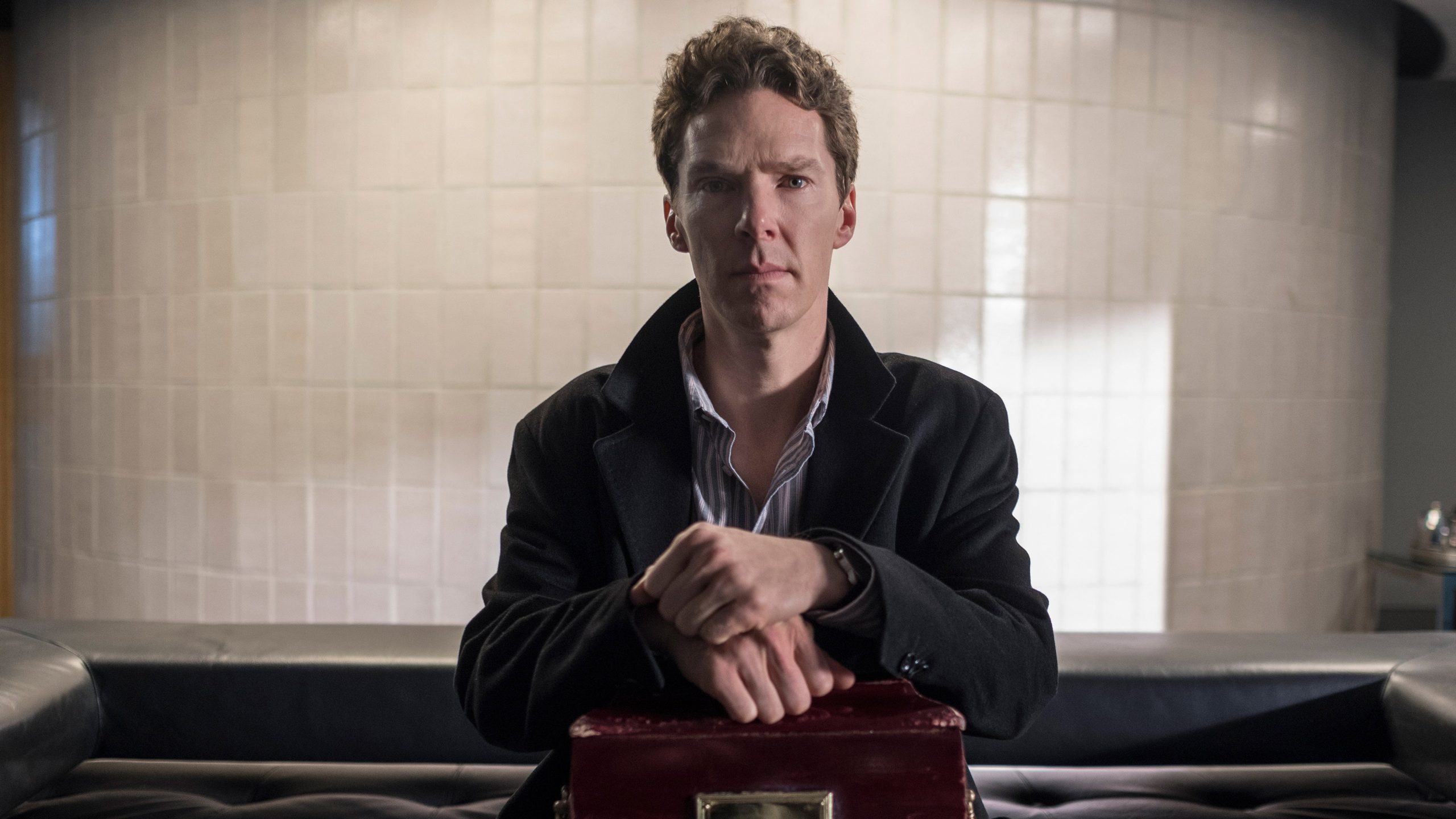
Benedict Cumberbatch spends the first hour high in New York with his father’s ashes in a box, and it is the funniest thing we have seen him do. What follows is careful, well made and a little tidier than the books.

Edward St. Aubyn wrote five short novels about Patrick Melrose, and David Nicholls, who created and wrote the series, has given each one an hour. It is a good plan: the books are about a man who cannot leave the past alone, and the episodes keep going back to it. The story runs from New York in 1982 to Provence in the 1960s and on to Patrick’s own attempts at fatherhood. We recommend it. The first two hours are as good as British television drama gets, and the last three are good television, which is not quite the same thing.

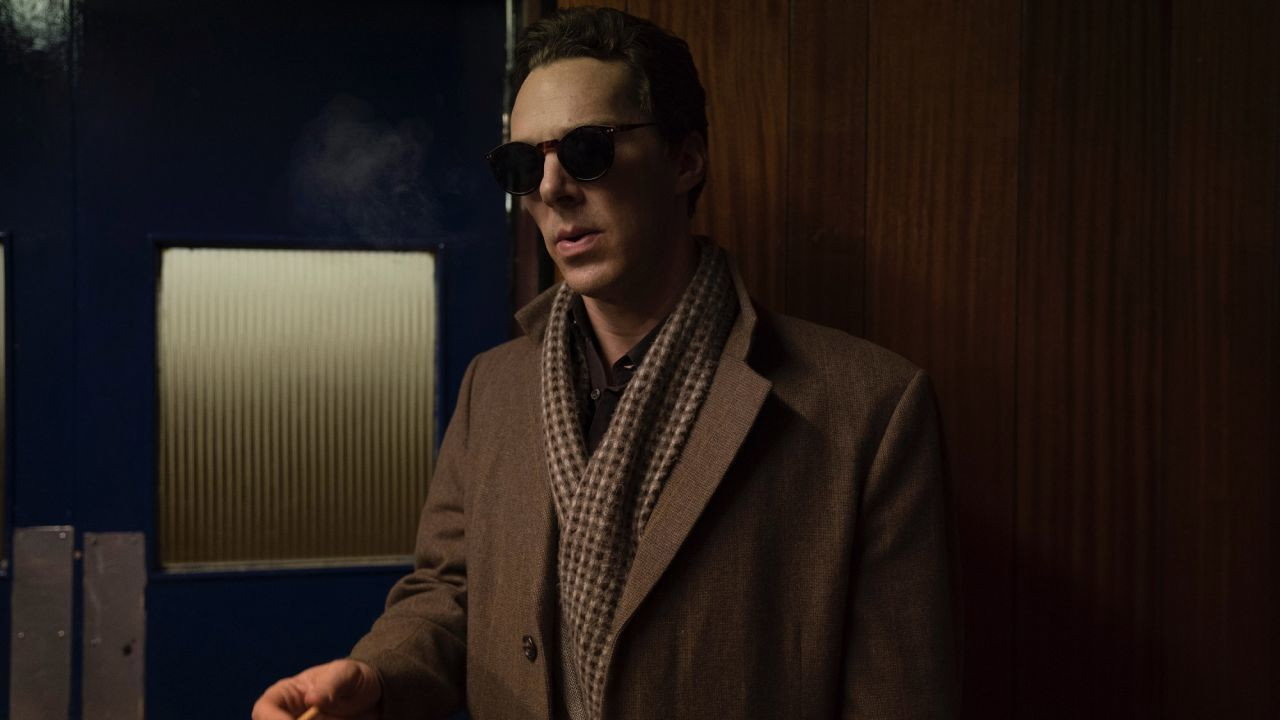
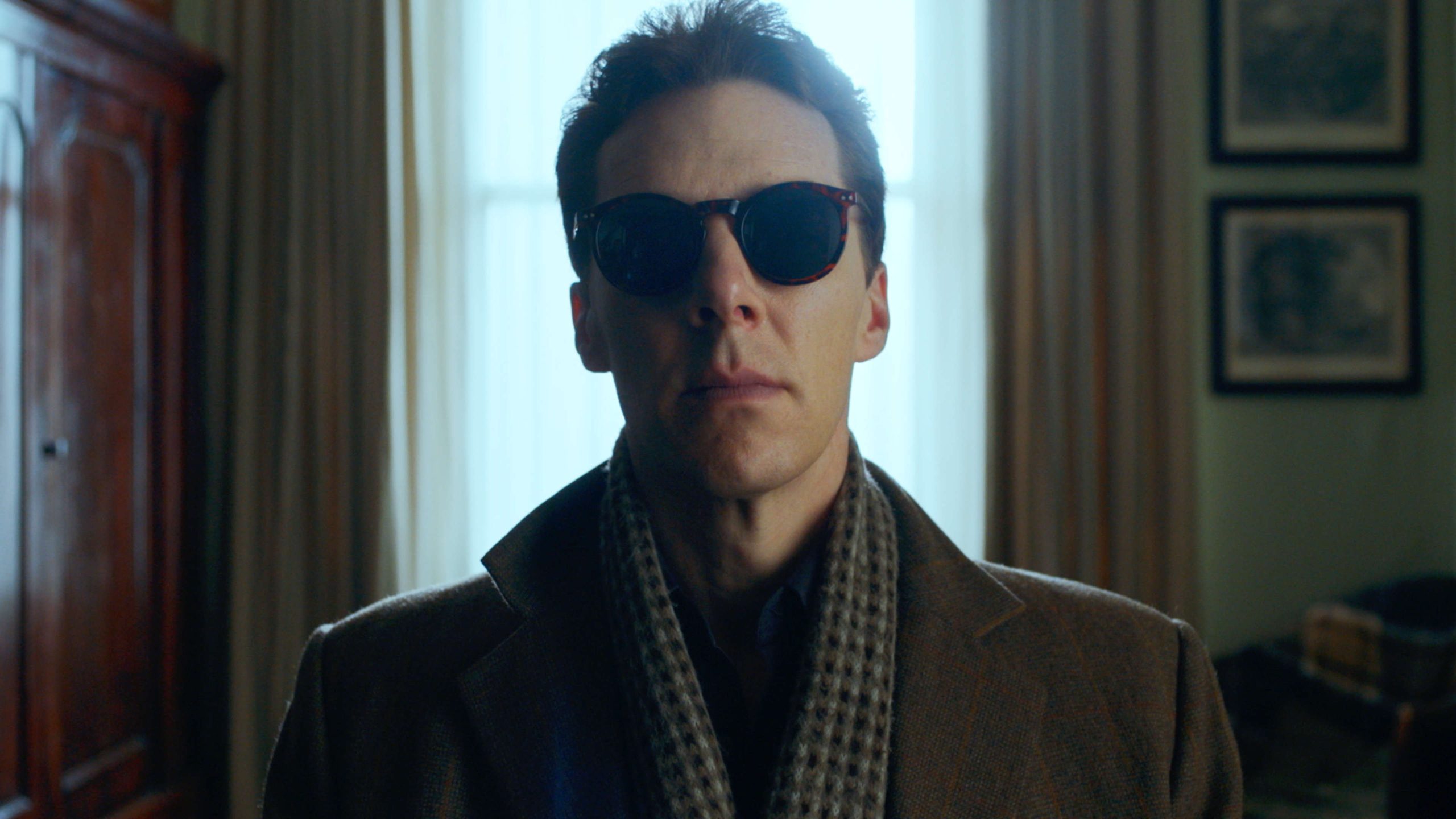
Cumberbatch’s Patrick arrives in New York already high, collects his father’s ashes from a funeral parlour in a cardboard box, and carries the box about the city all day while trying to decide whether to grieve or to score. He does both. He talks to himself in half a dozen voices, chairs a meeting of his own personalities in a bathroom, and pursues Marianne Banks (Allison Williams) with the confidence of a man who has never been told no by a waiter. We laughed a great deal. Then Edward Berger cut to a small boy (Sebastian Maltz) walking down a staircase in a hot French house, and the laugh stopped in our throats. That cut, made over and over, is how the series works. Every joke has a child underneath it.

James Friend shoots the New York hour with the camera loose and the colours turned up, hotel corridors in a sick yellow and the streets smeared with neon, so the screen looks the way Patrick feels. France is still and golden, and that is the point: it is the most beautiful place in the series and the worst things happen there. Tom Burton’s production design gives Patrick a suite he cannot pay for and fills it, over one evening, with the litter of a binge. Keith Madden puts Cumberbatch in a good suit that gets steadily less good. The editors, Dan Roberts, Luke Dunkley and Tim Murrell, make the jumps between decades read as memory rather than explanation, and Hauschka’s score, mostly a piano with things laid on its strings, keeps ticking under the comedy.

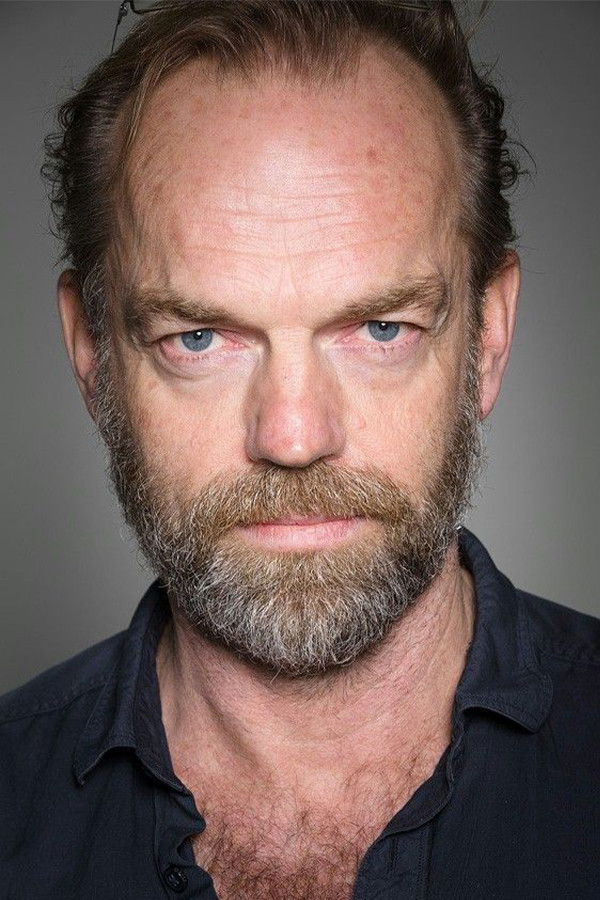
The second hour belongs to the parents. Hugo Weaving plays David Melrose softly, correcting everyone’s grammar, and it is as frightening as anything we have seen him do because his voice is never raised. Jennifer Jason Leigh’s Eleanor, the American money that pays for all of it, drinks in the bedroom and finds reasons to be elsewhere. What David does to his son the series does not show and we will not describe. Berger shows us the door and lets us do the rest. It moved us more than we were prepared for, by being restrained where the New York hour was not.

The problem is what comes after. Once Patrick is clean, or trying to be, the series has less to do, and the last three hours are about dinner parties, a marriage under strain and forgiving people who do not deserve it. Most critics have liked these hours less and so did we. Nicholls keeps the dialogue quick, but Cumberbatch’s tics, the darting eyes and the muttered asides, were built for a man on heroin and look like mannerism on a man on mineral water. Each hour also arrives at its lesson too neatly, with a speech near the end to make sure we have understood, which the novels were too cruel to allow.

There is plenty of British drama about miserable people in large houses, and this is one of the sharper ones because it never asks us to admire the houses. The addiction is treated as a symptom rather than as the plot. Most dramas about drugs give you one big relapse. This one gives you the small ones, the reasonable-sounding ones, and they are harder to watch.

It is an 18 and it earns the certificate twice over, in the first two hours. Watch those two in one sitting and the rest across a week. Patrick would not approve of the moderation, but he would recognise it.
Critical consensus AI synthesised

81
Positive
11
Mixed
1
Negative
0

The reviews are warmly positive, and the praise lands almost entirely on one man. Most critics describe Benedict Cumberbatch’s Patrick as the reason to watch: a performance that swings from slapstick to tragedy within a single scene, with at least one reviewer judging it the best work he has done. Behind him, the adaptation is credited with boiling the novels down into coherent, intelligent television, and Nicholls’ screenplay and Edward Berger’s direction are singled out for keeping the early episodes both funny and bleak.

The reservations are few and mild. Some find Patrick hard company, selfish and unpleasant for long stretches, and one or two note that the tone and pacing whip about. The spread is narrow: eleven positive notices and one mixed. The lone dissent comes from Paste, which finds the series indulgent and short on wit, the upper-class dysfunction over-familiar, and the central performance erratic rather than virtuosic. Nobody else agrees.

The Times
14 May 2018 · ★★★★★ · Carol Midgley
100

Cumberbatch's gobsmacking performance as the drug-addicted Patrick is superb, funny and convincing in shifting from tragic to slapstick. The portrayal of a screwed-up posh boy's descent into drug-fuelled insanity surpasses anything the actor has done before.

Read the full review →
The Guardian
13 May 2018
90*

The adaptation is a triumph, boiling down the books into intelligent television with sharp dialogue and immersive direction by Edward Berger. Benedict Cumberbatch delivers a brilliant, hilarious yet tragic performance as the addict Patrick.

Read the full review →
Radio Times
7 September 2018 · Eleanor Bley Griffiths
85*

Cumberbatch is captivating and perfectly cast as the hot mess anti-hero in a first episode that is fantastically funny as well as deeply tragic.

Read the full review →
Empire
14 May 2018 · Ben Travis
80*

Cumberbatch delivers a brash, register-spanning performance in a pure character study that mixes dark humor with emotional depth in the early episodes.

Read the full review →
IndieWire
9 June 2018 · Ben Travers
80*

The limited series is a poignant and revealing portrait of trauma and recovery that succeeds in its finale. Cumberbatch delivers a standout performance that anchors the adaptation's emotional depth.

Read the full review →
Vulture
11 May 2018
75*

The series is an indictment of privilege and trauma that benefits from Cumberbatch's go-for-broke performance across its emotional range. The adaptation condenses the novels effectively while highlighting class and addiction themes.

Read the full review →

Cast

If you liked this, try…

The Singing Detective poster

The Singing Detective

1986 · A sick man in a hospital bed rewriting his childhood; the model for this sort of thing.

Withnail and I poster88

Withnail and I

1987 · Two well-spoken wrecks, one damp house, and the funniest hangover in British cinema.

Christiane F. poster

Christiane F.

1981 · West Berlin heroin without the money or the jokes; the same needle, colder.

Sharp Objects poster84

Sharp Objects

2018 · Another adult sent home to a house that made her, cut the same way, by memory.

The Squid and the Whale poster83

The Squid and the Whale

2005 · Clever, cruel parents and the boys who learn to talk like them.