Jean-Marc Vallée’s adaptation of Gillian Flynn’s novel is the rare crime series in which the crime is the least of it. Amy Adams and Patricia Clarkson are superb, the cutting is nervy and exact, and eight episodes is about two more than the story needs.
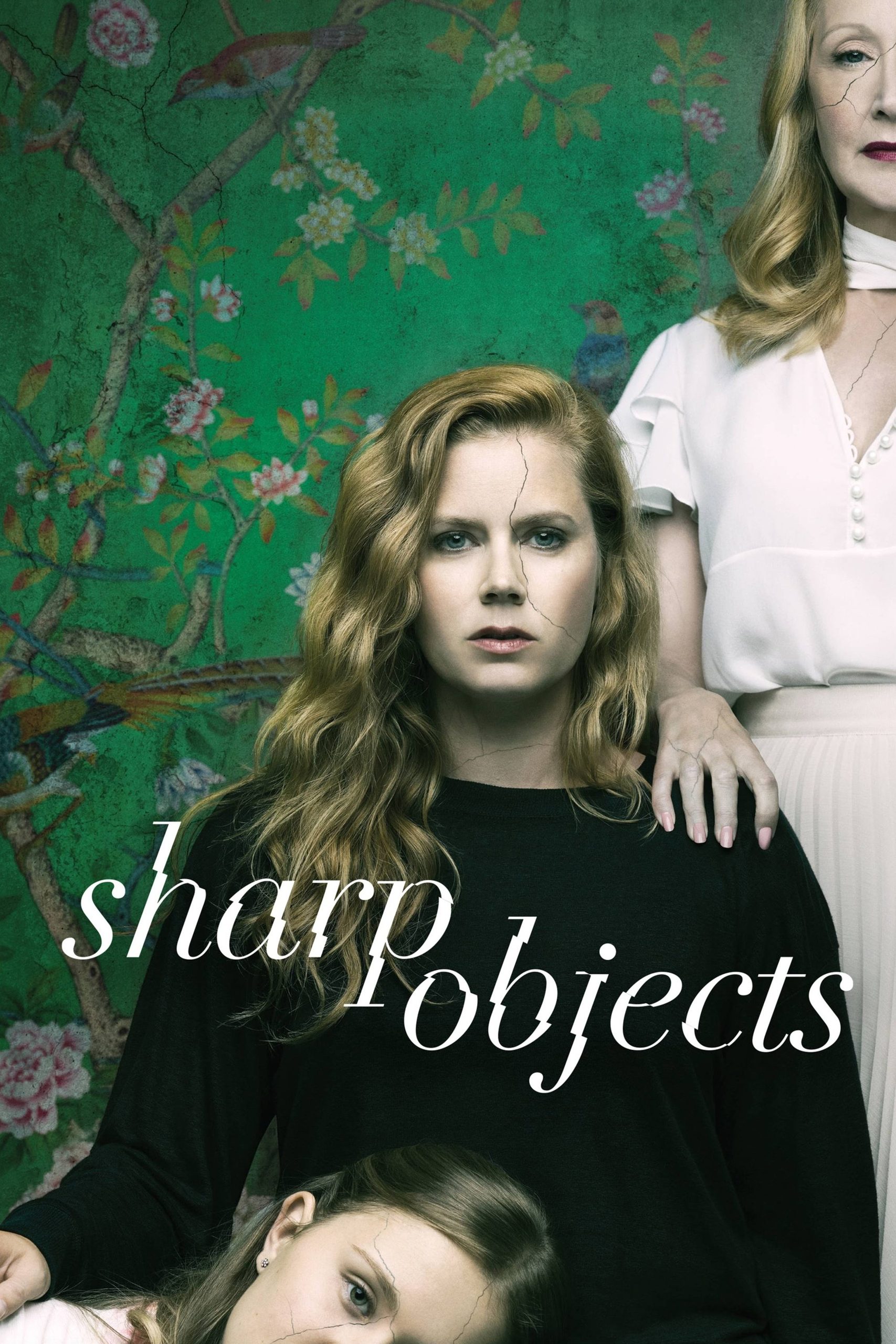
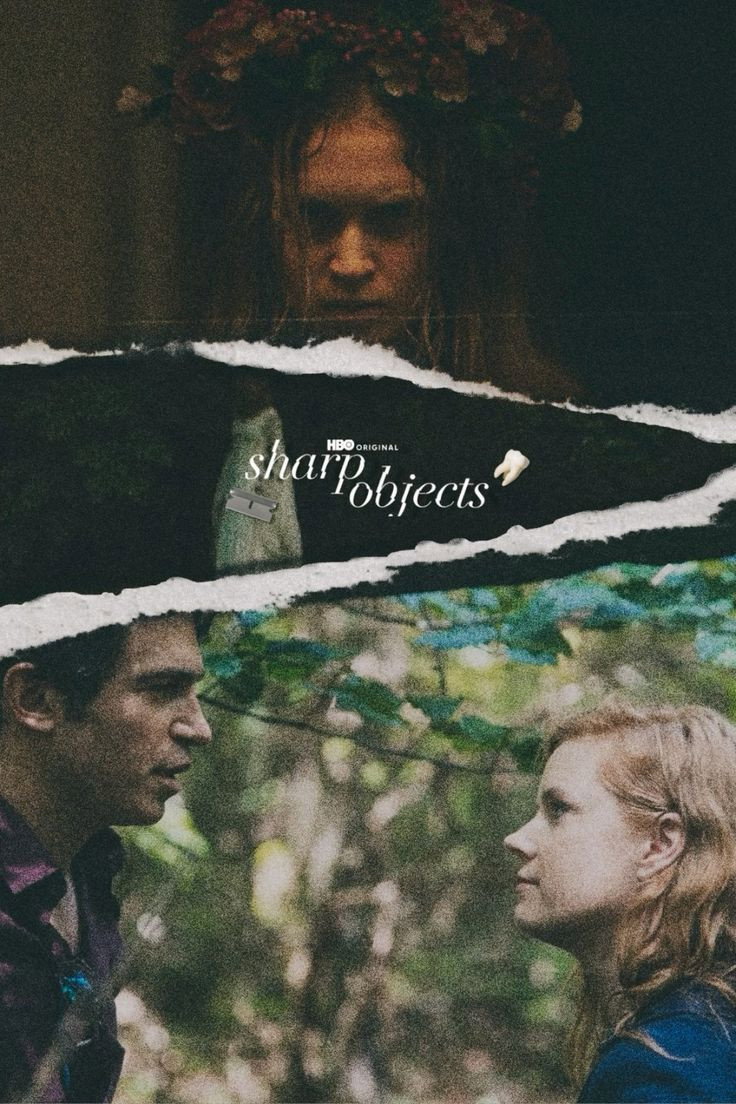
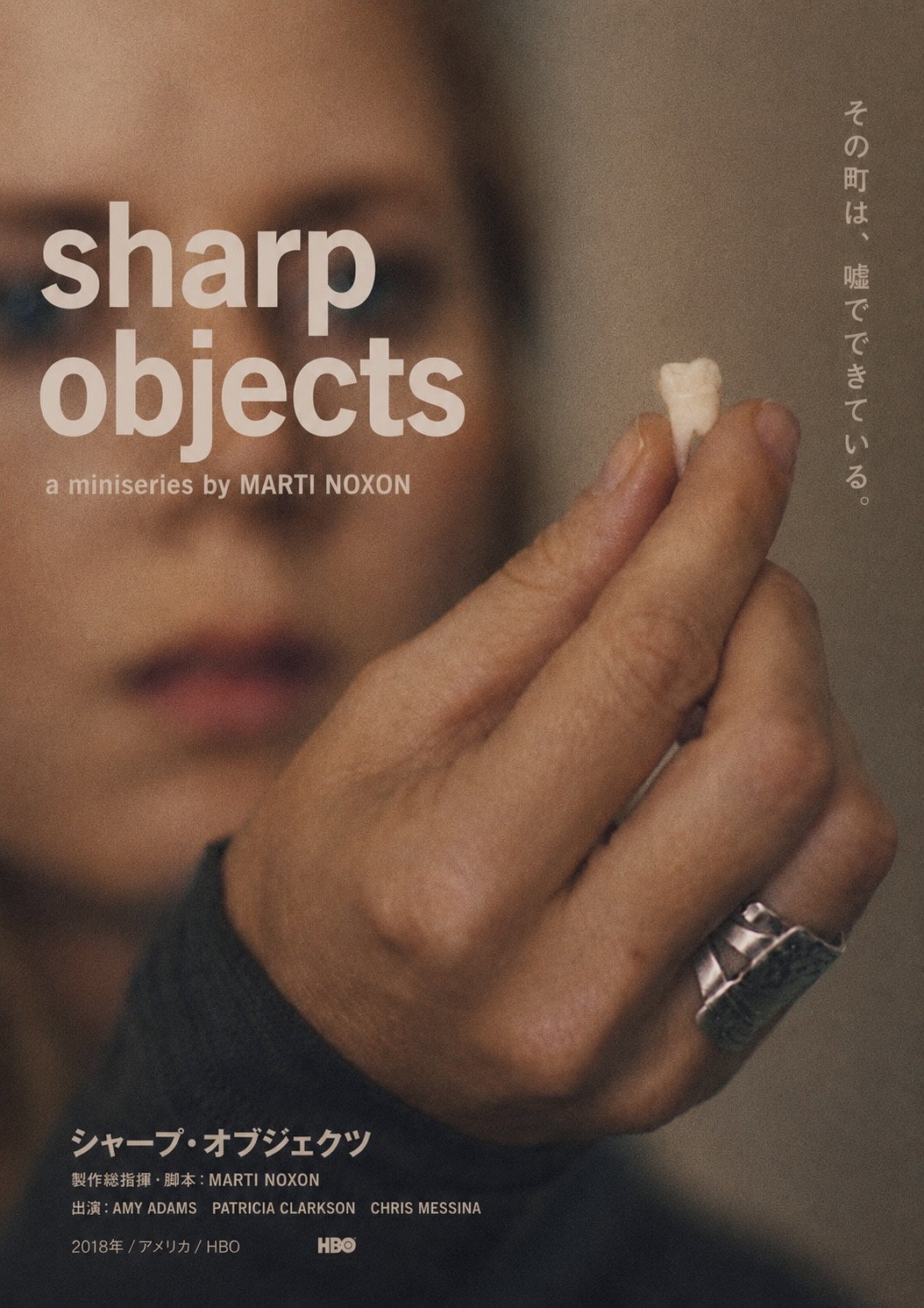
Gillian Flynn’s novel becomes eight episodes of television, created by Marti Noxon and directed throughout by Jean-Marc Vallée, and it is set up like a murder mystery. Camille Preaker (Amy Adams), a reporter with a St. Louis paper and a drink problem, is sent home to Wind Gap, Missouri, where one girl has been killed and another has gone missing. Then the series makes clear, quite early, that it is not much interested in who did it. It is interested in Camille, in her mother’s house, and in what the town did to her before she left. We think highly of it and we recommend it, with the warning that it is slow on purpose and, around the middle, slower than it means to be.
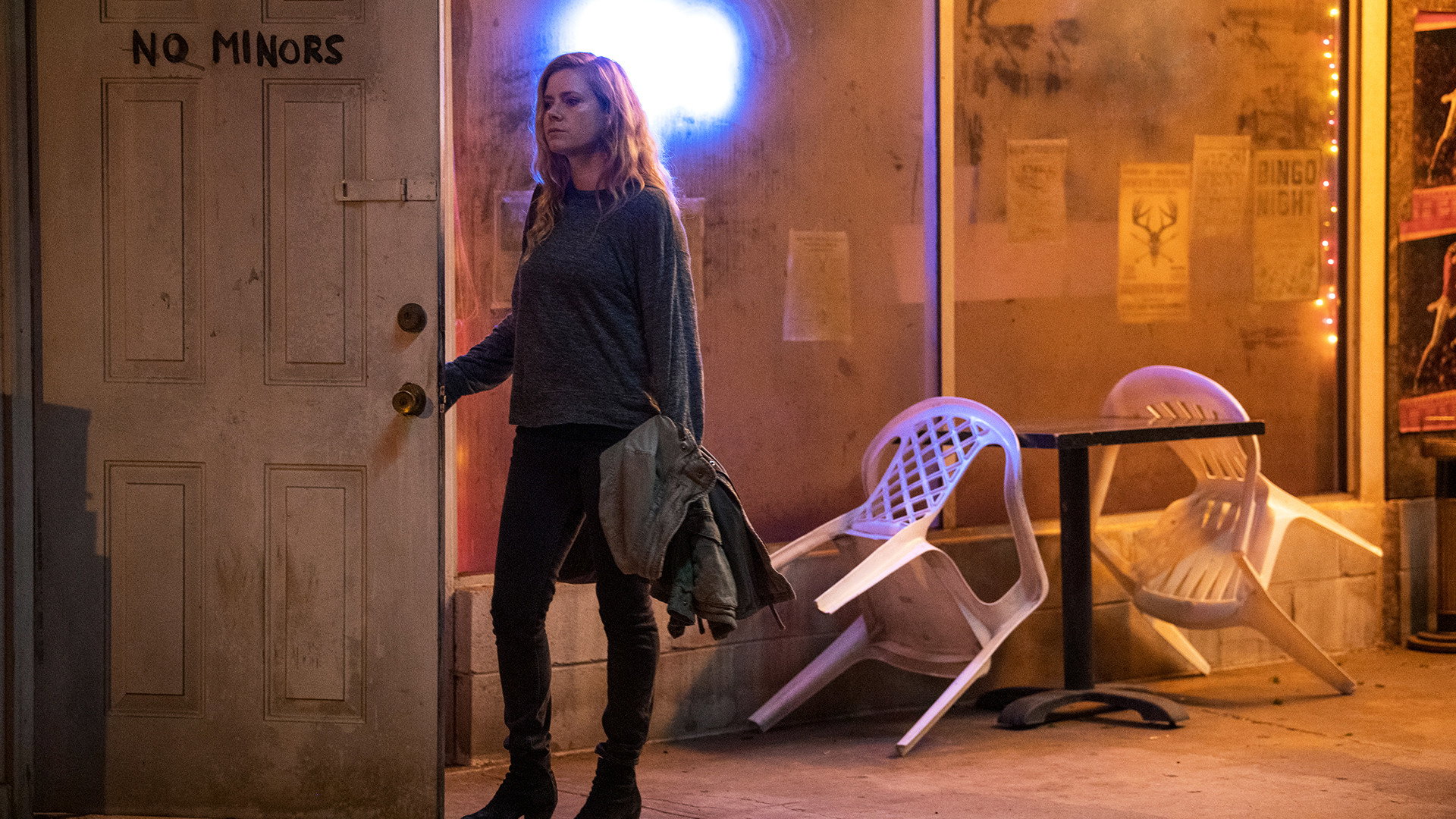
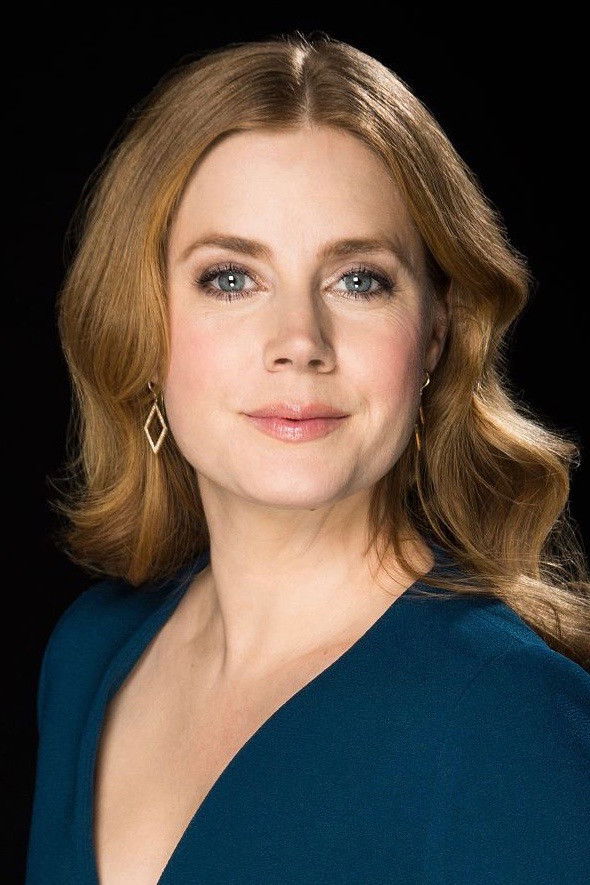
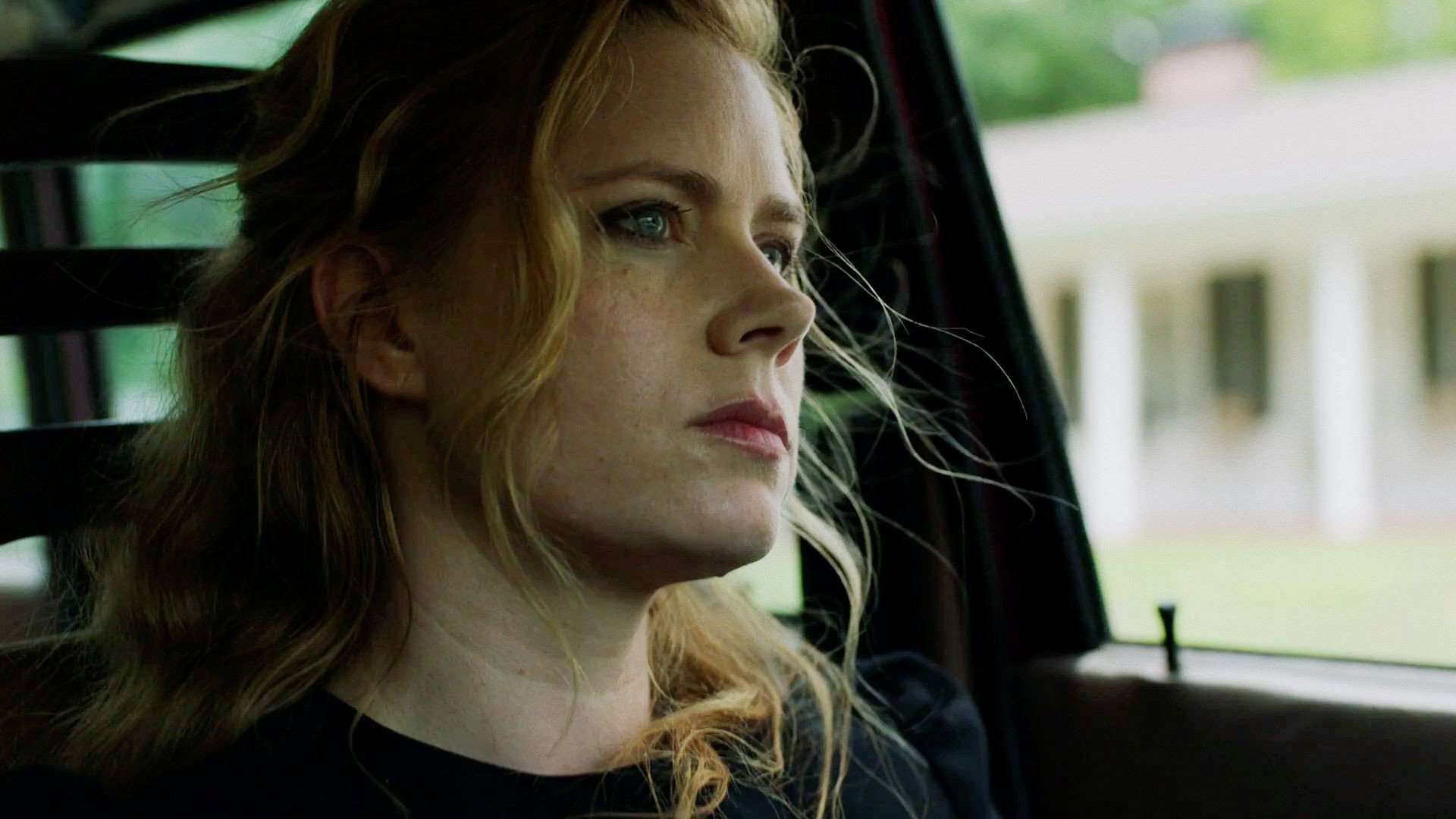
Adams plays Camille as someone trying to take up as little room as possible. She wears long sleeves in a heatwave, keeps her hair over her face, and drinks vodka from a water bottle at the wheel. At the end of the first episode she gets into a bath and we see why the sleeves: her body is covered in words, cut into the skin over years. We had been told it was coming and it still stopped us; then we caught ourselves trying to read them, and felt ashamed of it. That is what the series wants. From then on we watch Camille the way the town does, looking for the damage, and Adams never once asks to be pitied for it.
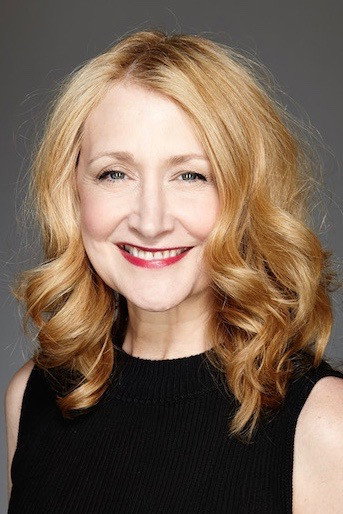
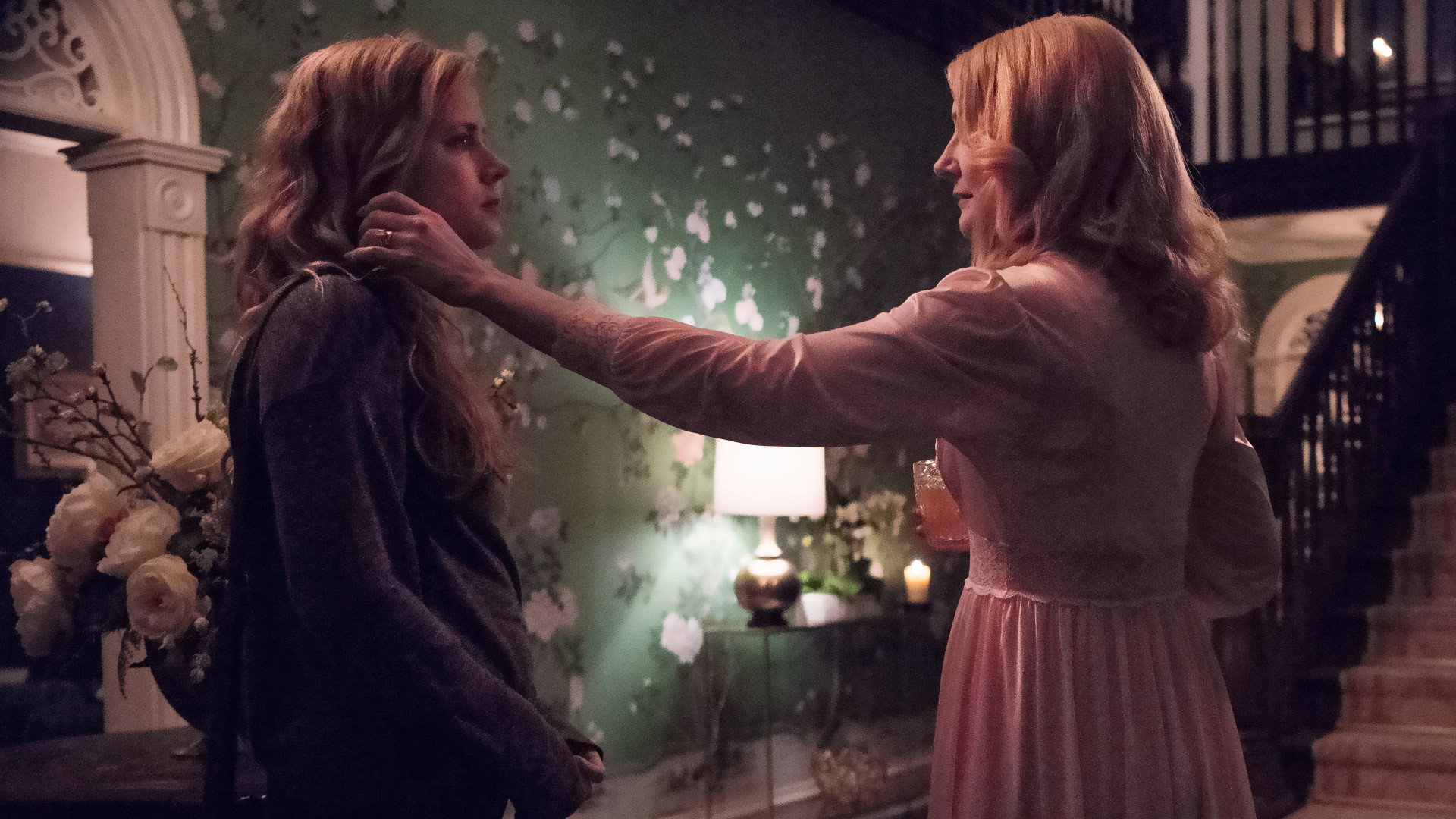
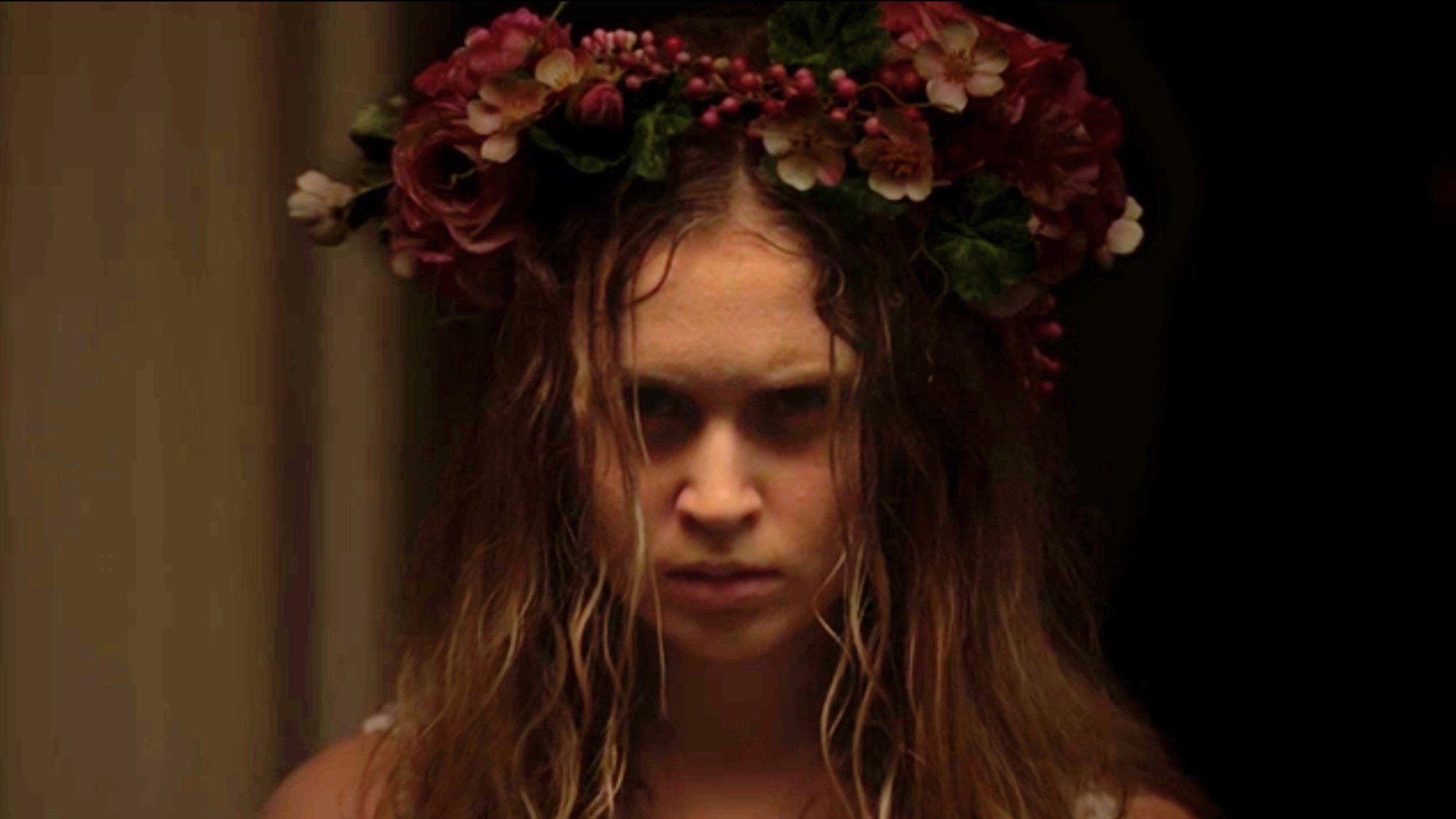
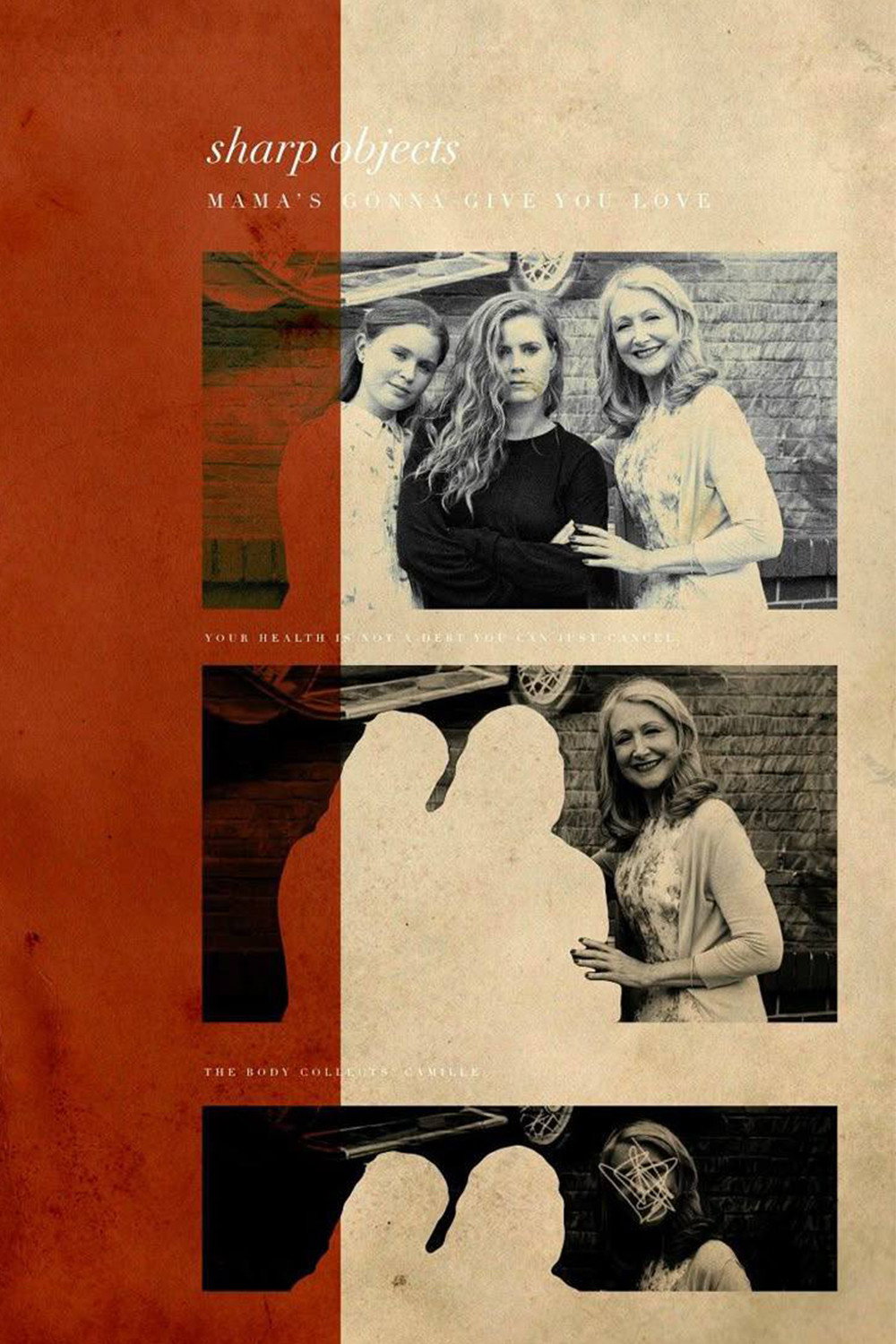
Patricia Clarkson’s Adora is the other performance people will remember, and rightly. Adora owns the biggest house in Wind Gap and sets its manners, and Clarkson plays her at a whisper, in ivory dresses, never raising her voice because she has never needed to. Eliza Scanlen’s Amma, Camille’s teenage half-sister, roller-skates through town in shorts and comes to dinner in a pinafore, and Scanlen makes the switch look like a habit rather than a trick. Henry Czerny, as Adora’s husband Alan, sits with his headphones and says almost nothing, which turns out to be a performance. Elizabeth Perkins, as the drunk neighbour Jackie O’Neill, is the only person in town who tells Camille anything.
Vallée cuts the series himself with six other editors, Justin Lachance, David Berman, Émile Vallée, Véronique Barbe, Maxime Lahaie and Dominique Champagne, and the cutting is what sets it apart. The past arrives in flashes of a second or two: young Camille (Sophia Lillis) in a field, her sister Marian (Lulu Wilson) in a bed, a word on a wall that was not there before. Nobody announces a flashback and nothing is explained. Yves Bélanger and Ronald Plante shoot Wind Gap through windscreens and haze, sun flaring off every bonnet, so the whole town looks like a hangover. Alix Friedberg dresses Camille in black and Adora in florals, as if they lived in different climates. John Paino’s house for the Crellins is pale wood and cut flowers, every surface polished. Alexandra Stréliski’s piano is spare and used rarely; more often the music is whatever Camille has in her earbuds, and it stops when she pulls them out.
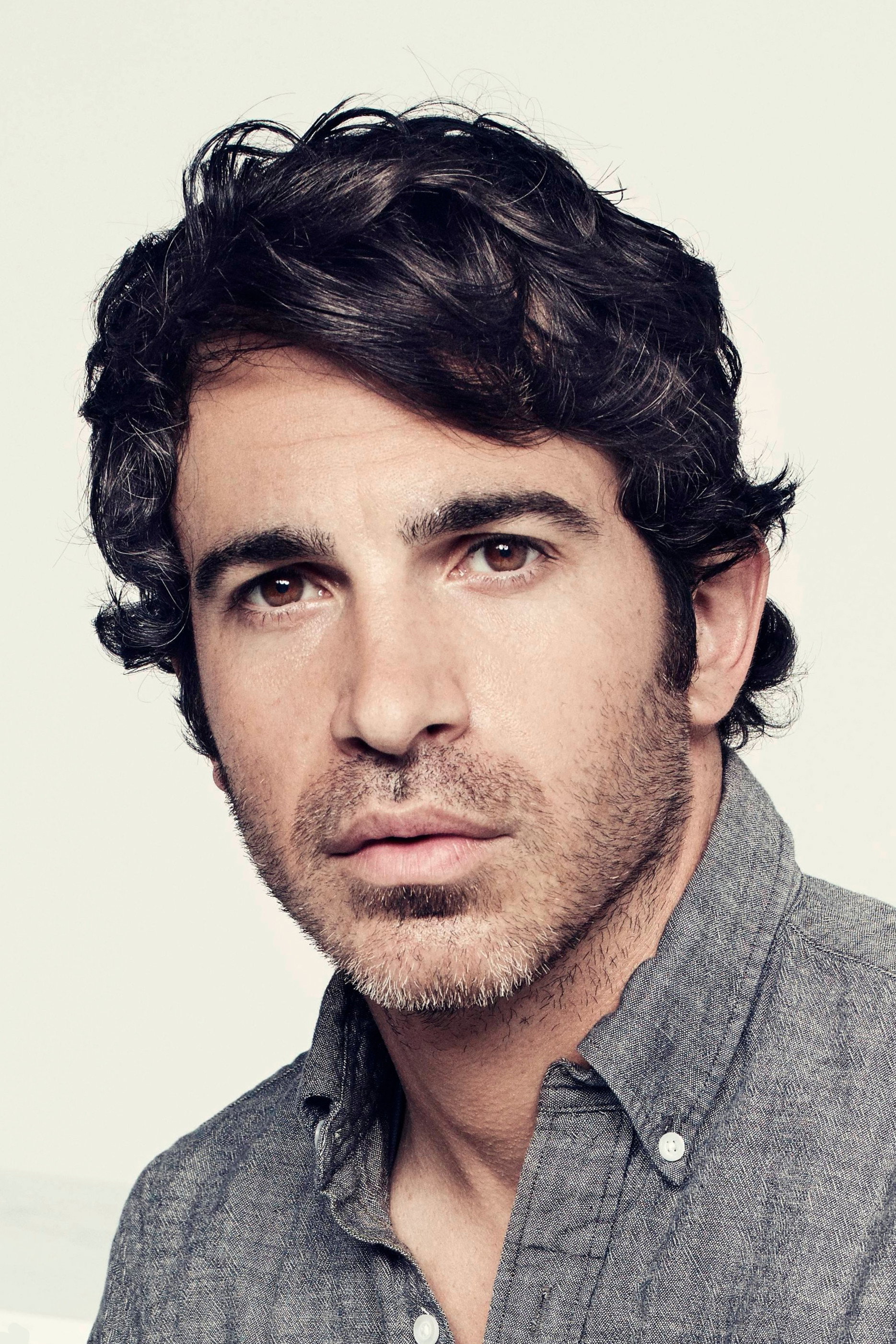
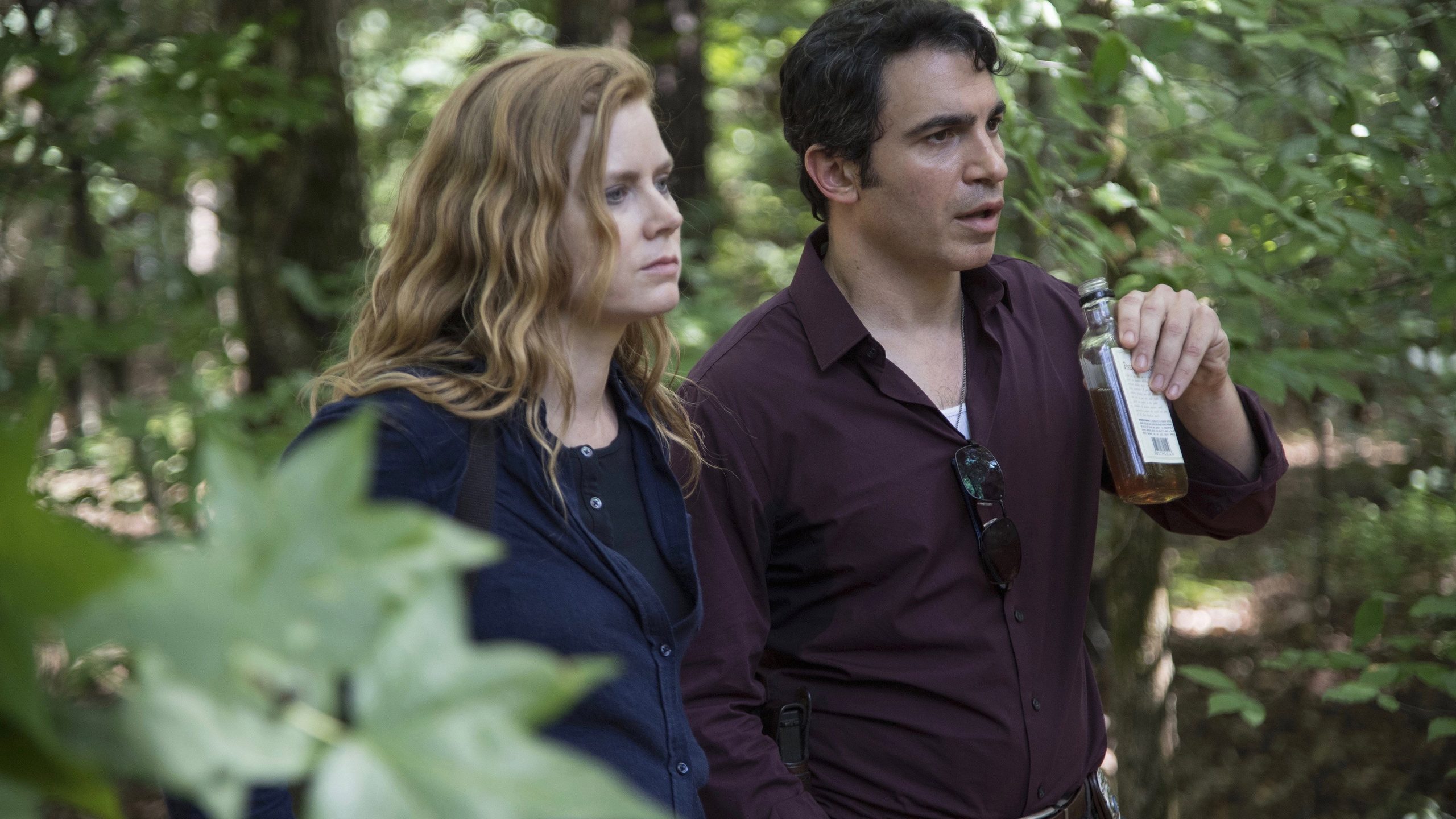
The flaws are the ones the method invites. Chris Messina’s Richard Willis, the detective in from Kansas City, is there to ask questions the series does not want to answer, and his scenes with Camille feel like plot being administered. Matt Craven’s chief of police is a scowl and a hat. The subliminal cuts, thrilling in the first episode, are a mannerism by the fifth, and there is a stretch in the middle where the series sits in Adora’s house and waits for something to happen. Eight episodes is generous; six would have done.
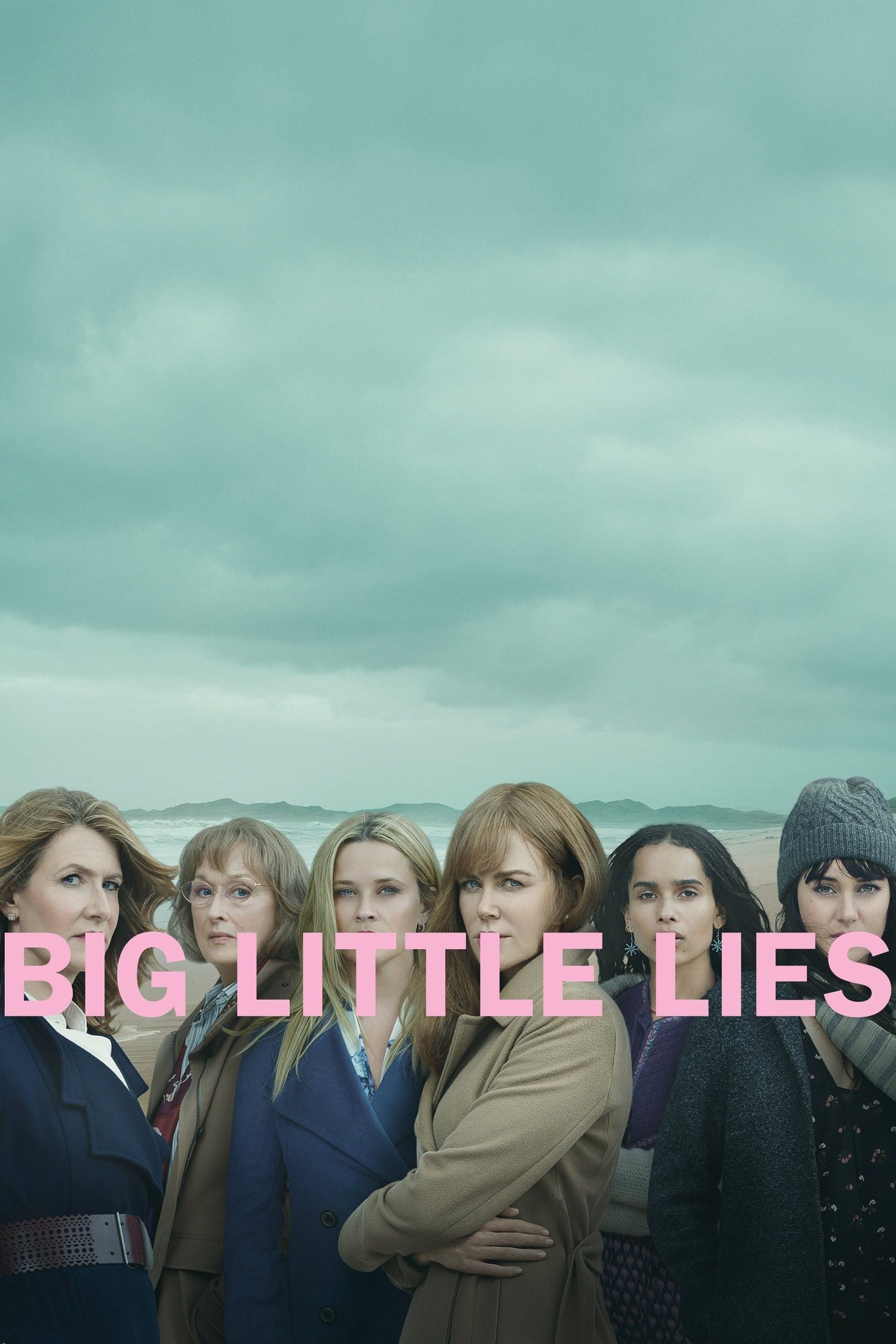
Vallée had made Big Little Lies the year before, with the same tools: a cast of well-known women, a story told through memory, and cutting that follows feeling rather than chronology. Here the story is smaller and nastier and the tools fit it better, because nobody in Wind Gap has anything to be proud of except Adora, and her house is the problem. Most critics agree with us that this is a series about a woman rather than a killing. The second half takes a turn we will not describe. Do not let anyone tell you how the last episode ends, and do not stop watching when the credits begin.
The 18 certificate is honest. The self-harm is shown rather than discussed, and the drinking is constant. Watch it two episodes at a time, late, with the windows open; it is a hot series and it wants you uncomfortable.