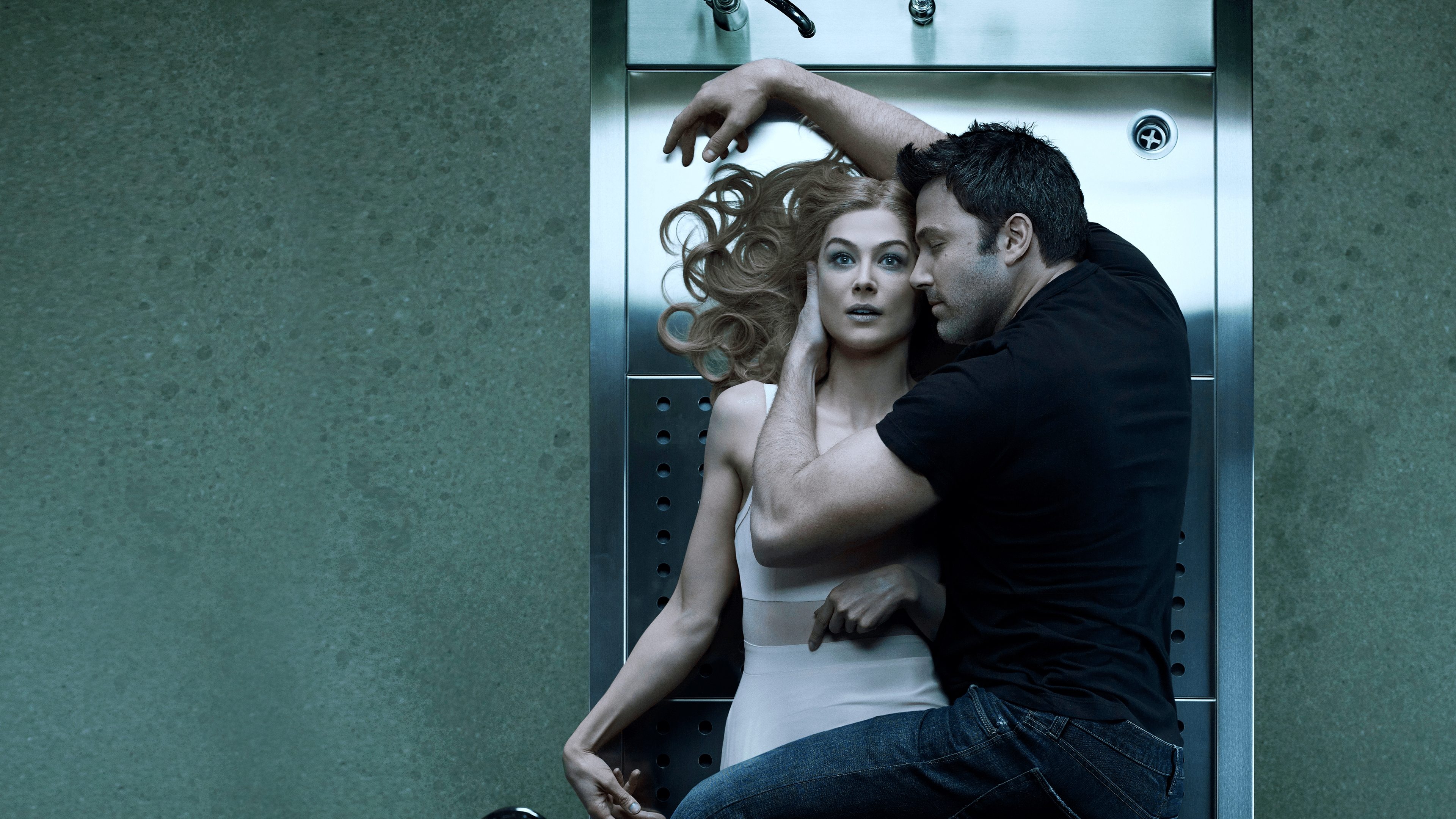
David Fincher makes a sharply funny, unsettling thriller out of marital suspicion. Ben Affleck and Rosamund Pike keep it persuasive even when the plotting gets far-fetched, though its cynicism sometimes deserves more questioning than its characters receive.
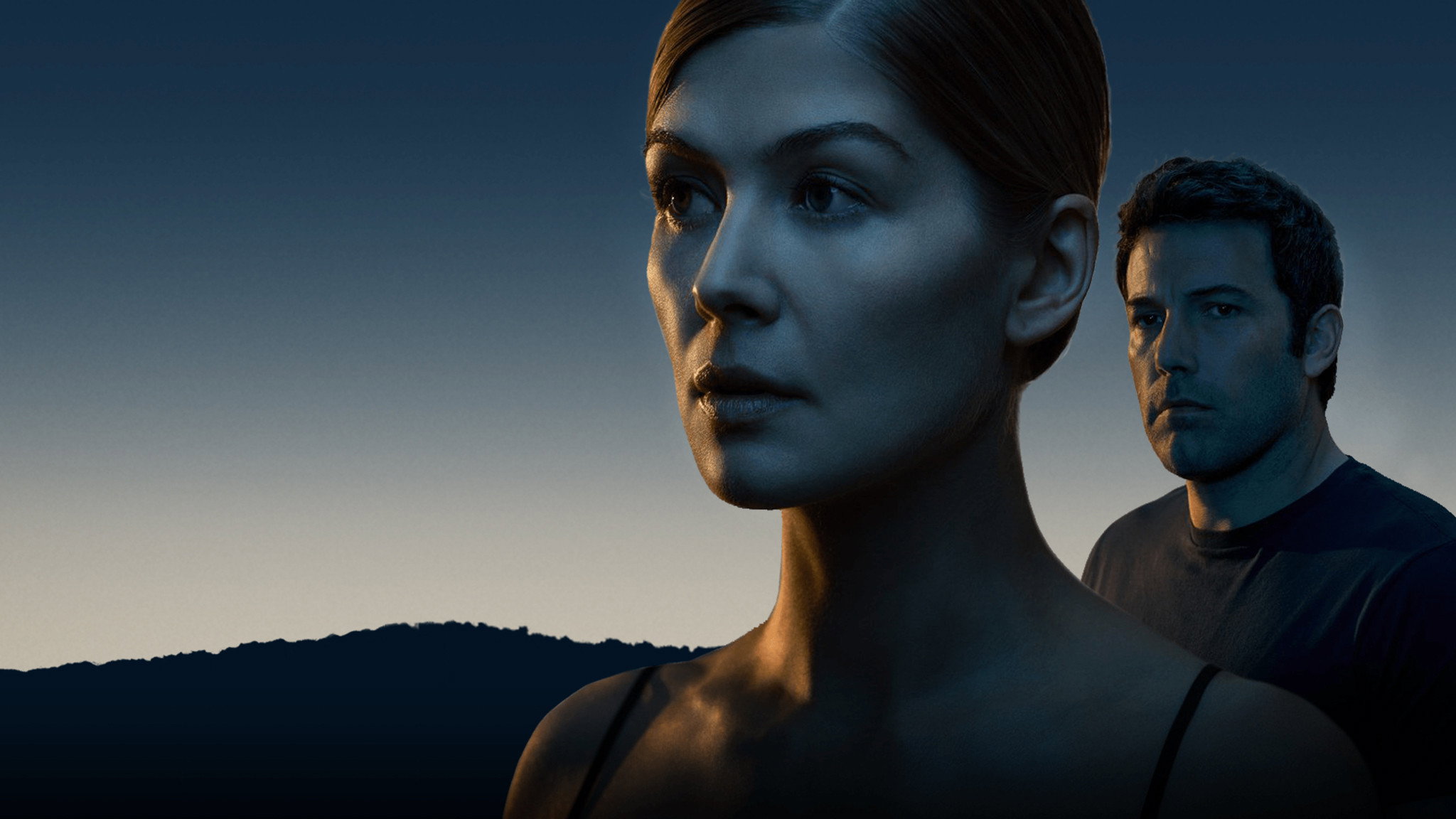
David Fincher’s Gone Girl is a gripping, darkly funny thriller that asks us to swallow some unlikely plotting. Its mystery concerns Amy Dunne’s disappearance and the questions put to her husband Nick, but the uglier business is deciding how a married person ought to behave. We are encouraged to examine appearances, then made uneasy about the pleasure we take in doing so. Gillian Flynn writes the screenplay from her own novel.
Ben Affleck is particularly good casting for Nick because his ease can suggest innocence or complacency. His performance makes the effort to seem like an ordinary husband feel awkward, and that awkwardness gives the public scrutiny its bite. We laughed at the strain in Affleck’s friendliness, then felt uncomfortable about how readily we had joined in judging Nick. Affleck makes that reaction possible without asking us to settle immediately on an explanation for the man.
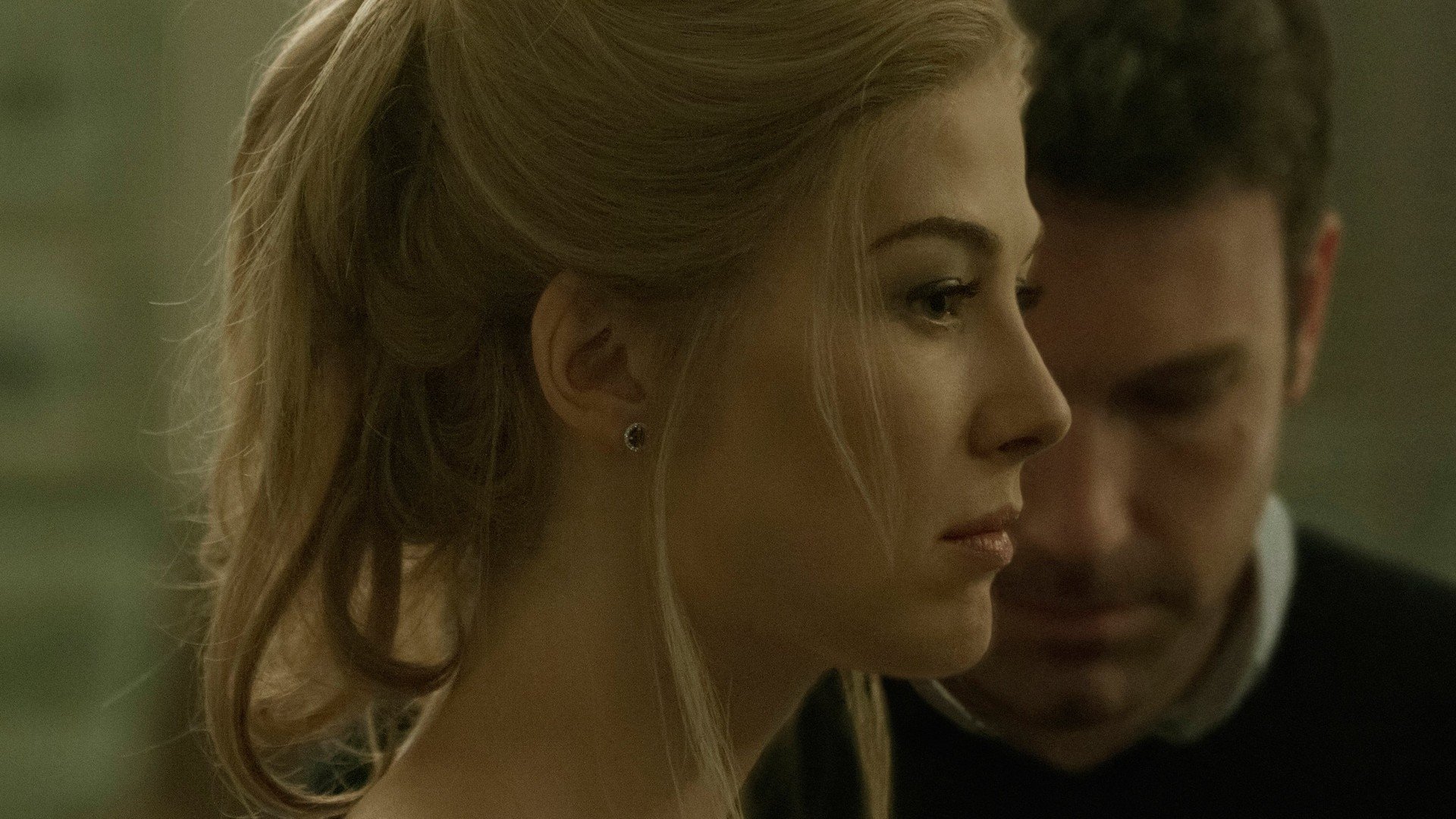
Rosamund Pike’s Amy is more precise, and the contrast with Affleck’s uneasy affability does a great deal of work. Pike gives the impression that a sentence has been considered before it is spoken, while Nick seems liable to regret his as it comes out. That difference makes the marriage interesting before we have decided what to believe about it. The supporting characters receive less care in Flynn’s screenplay, and several feel useful to the mystery without becoming interesting people in their own right.
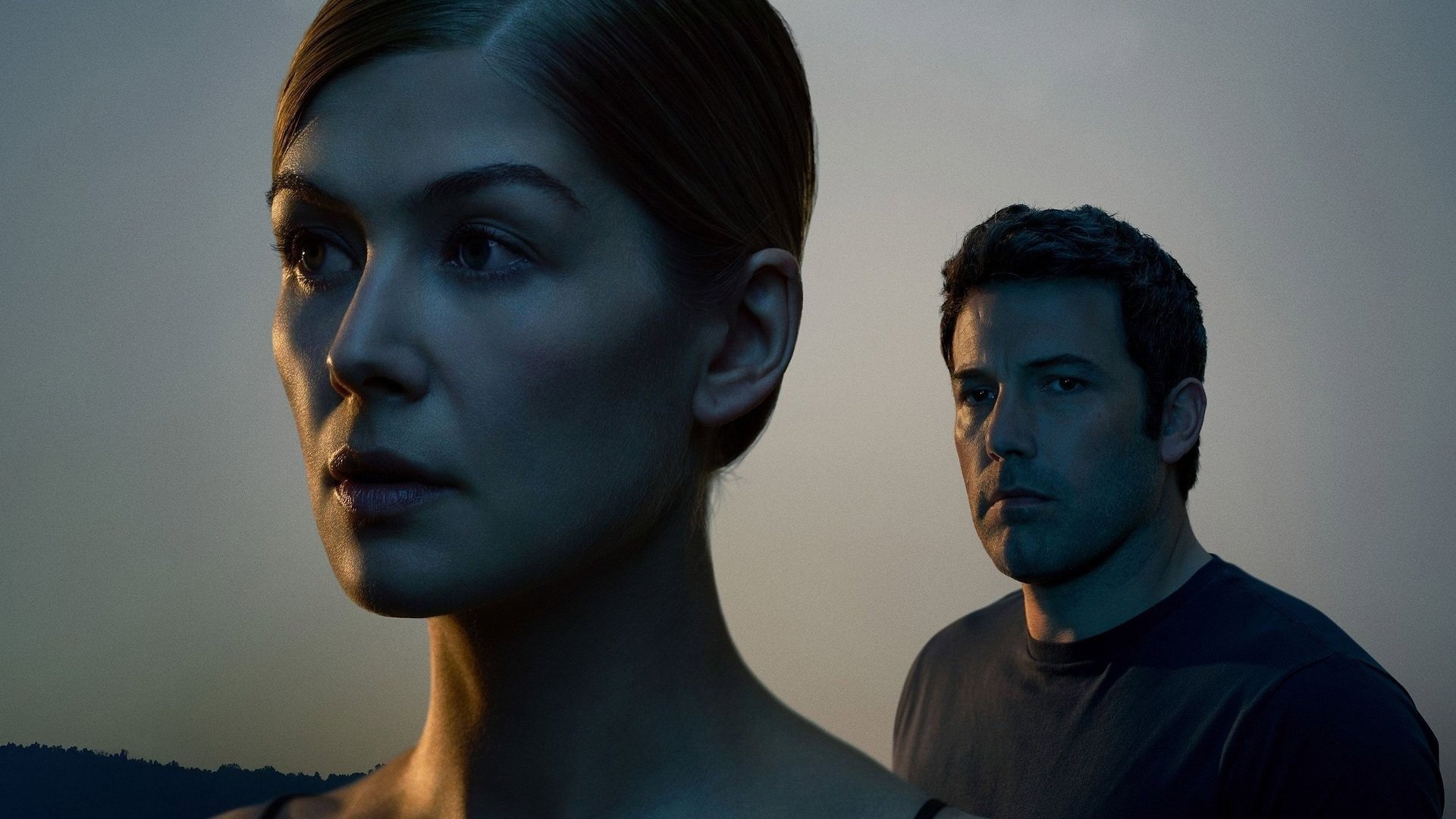
Jeff Cronenweth’s cinematography gives the film its cool, controlled look, encouraging us to inspect faces for evidence. The restraint works: we can study the people without being continually distracted by the photography. Donald Graham Burt’s production design helps make the couple’s outward respectability convincing, giving their concern with appearances somewhere credible to play out. Fincher lets the discomfort come from their behaviour rather than insisting that every setting look threatening.
Kirk Baxter’s editing handles the shifts of viewpoint without making a muddle of them, a substantial achievement in a story that keeps revising our assumptions. At 149 minutes, the film has room to linger, but its forward movement rarely feels sluggish. Trent Reznor and Atticus Ross provide music whose restraint suits Fincher’s direction, sustaining unease without turning each exchange into an announcement of danger. The editing and score keep us attentive to small changes in emphasis, which matter as much here as the larger surprises.
The difficulty is believing quite as much as Flynn asks us to believe. Some of the plotting is far-fetched, and Fincher moves us through it so confidently that we may only start objecting afterwards. A thriller can survive that sort of extravagance, but the film’s broader account of marriage deserves more resistance. Its interest in deception and public judgement can make its people seem incapable of doing anything without considering how it will look.
Choose it for an evening of suspicion and cruel comedy, with someone who enjoys having their first impressions challenged. Anyone wanting a detective puzzle with reassuringly sensible people should look elsewhere. We would save the conversation about our own relationships for another night.