Alfred Hitchcock’s Rebecca is an absorbing, unsettling romance, with Joan Fontaine making insecurity painfully recognisable and Judith Anderson making it dangerous. The closing stretch loses some of that precision, but the unease is worth staying with.
Alfred Hitchcock’s Rebecca is an absorbing romance that becomes frightening through the simple business of making a woman feel unwelcome. Adapted from Daphne du Maurier’s novel, it puts a shy second wife at Manderley, where her predecessor still dominates the household. The pleasure is in watching ordinary insecurity become difficult to distinguish from a sensible response to danger. We recommend it, with one reservation: the later changes of tone are less assured than the patient accumulation of unease.
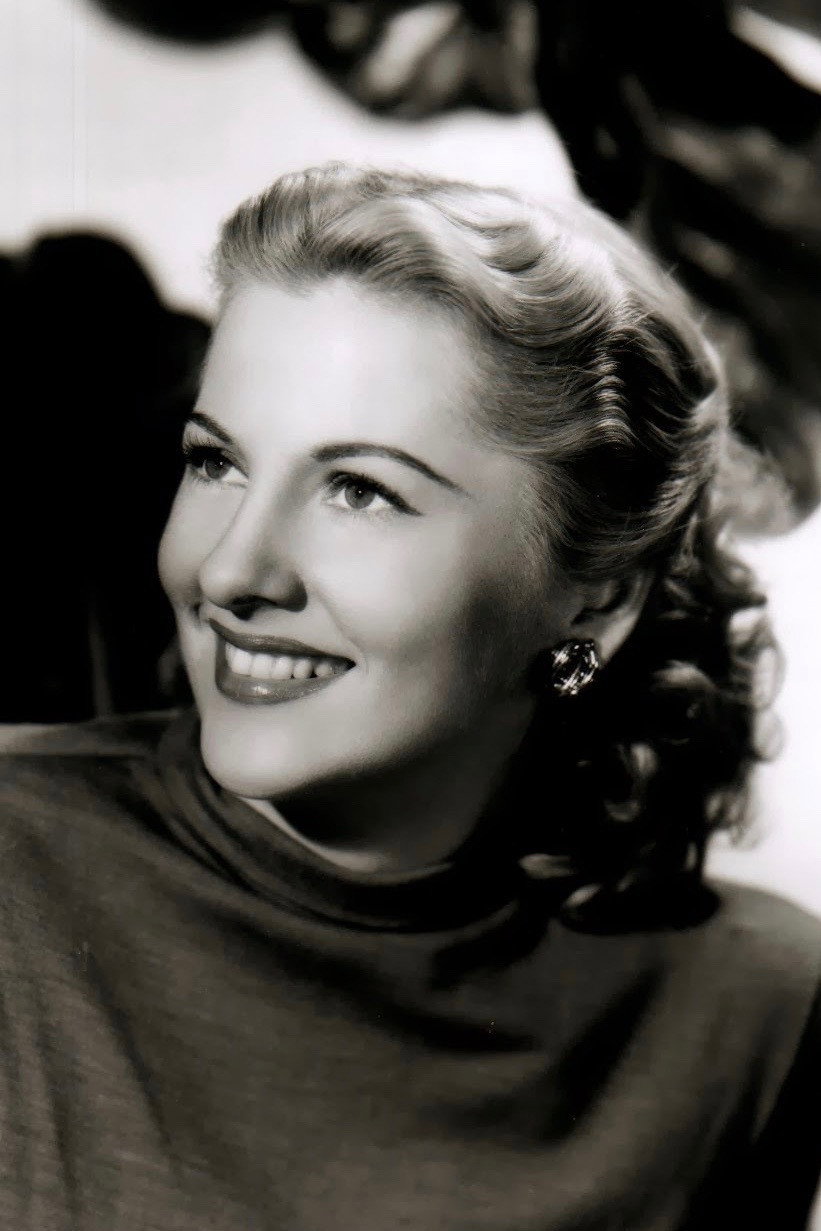
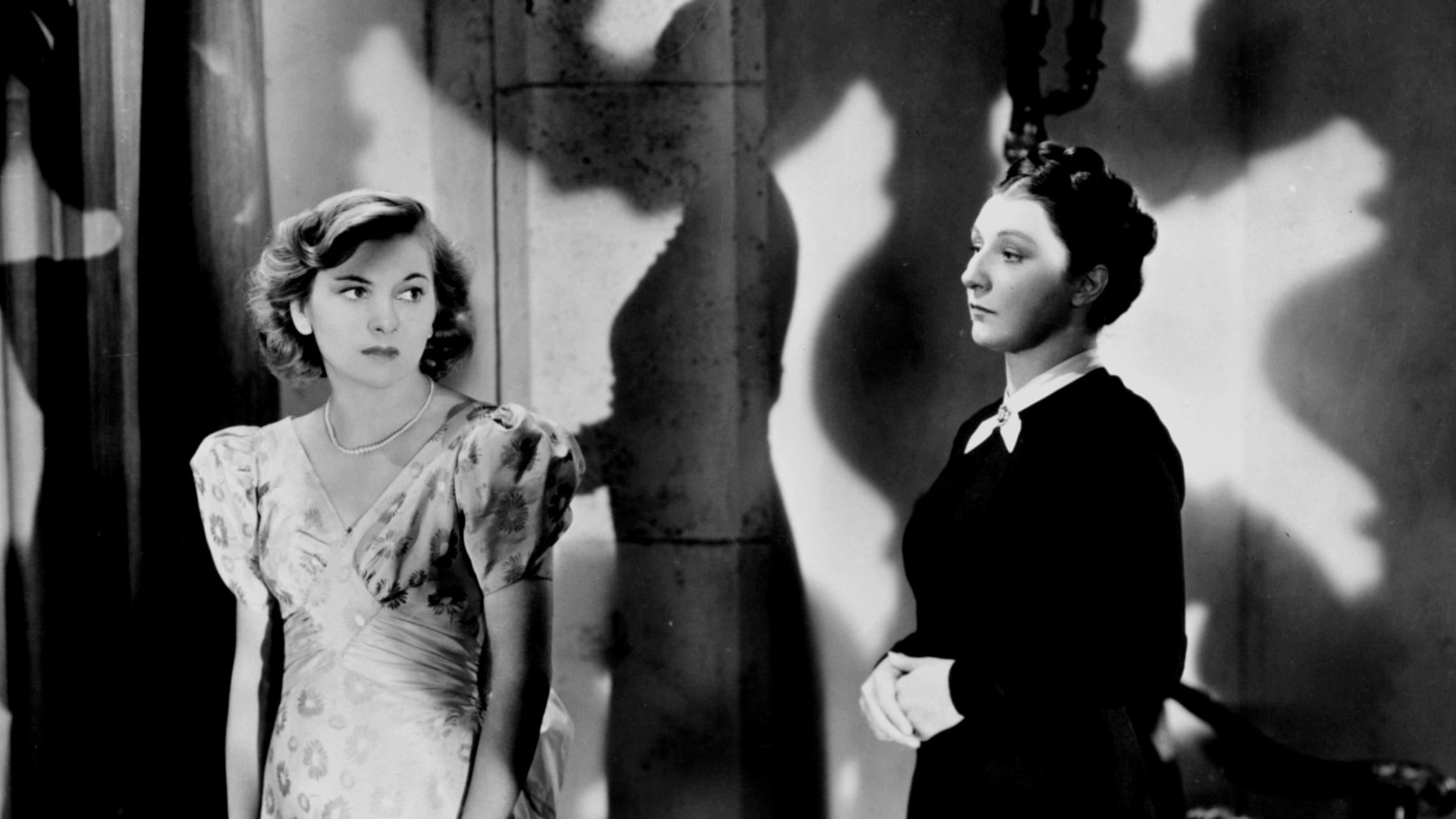
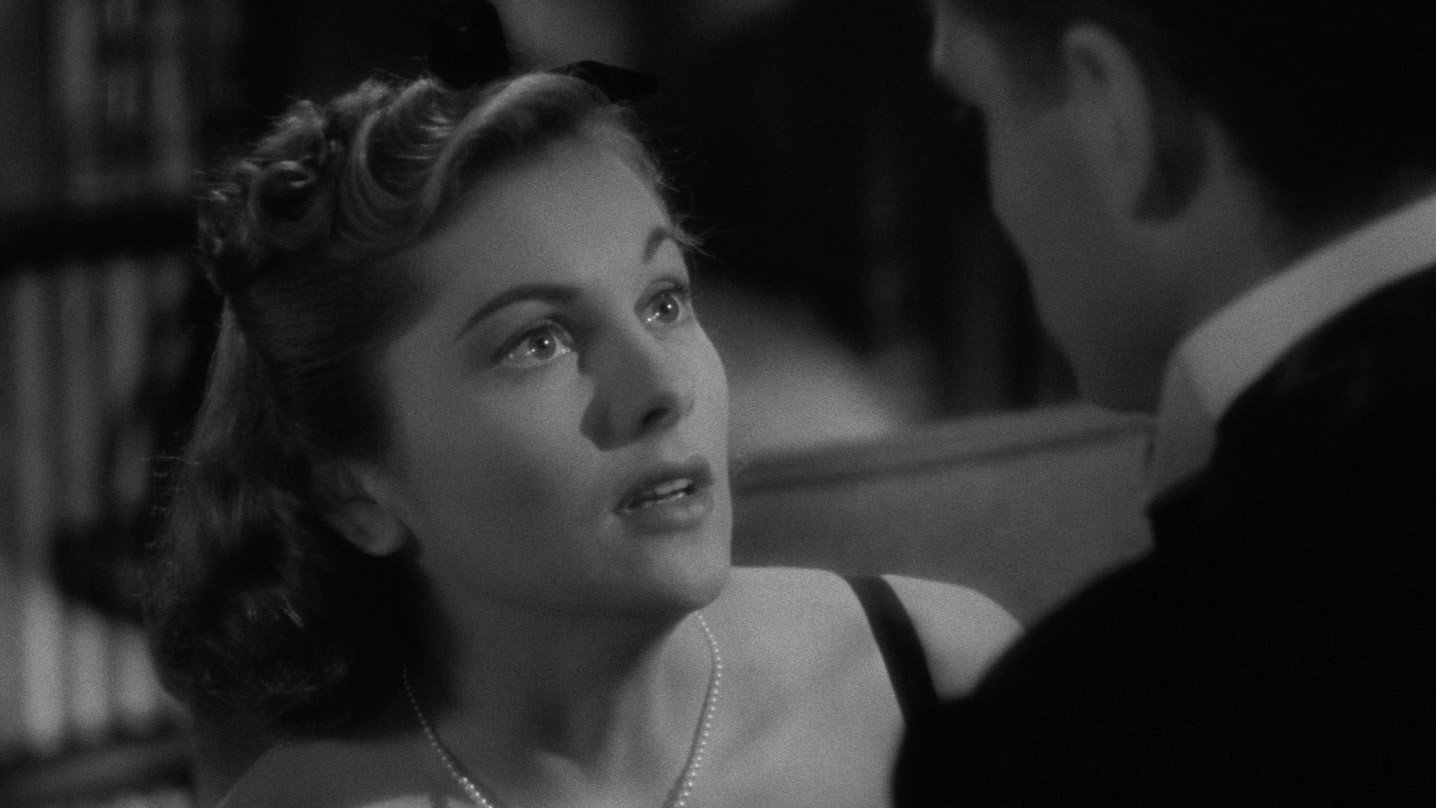
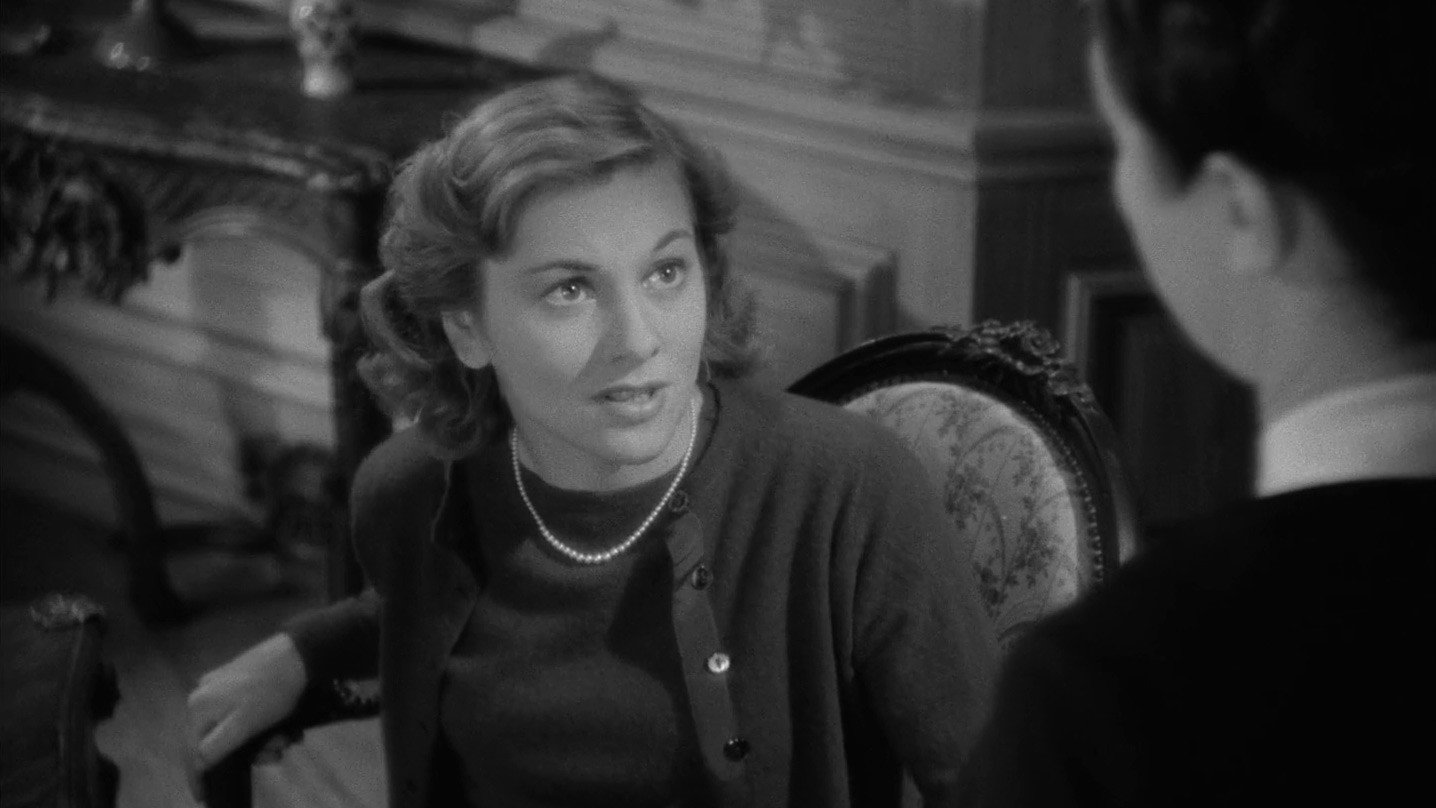
Joan Fontaine is the reason we care what happens inside this marriage. Her Mrs. de Winter wants to belong, but her expressive face keeps betraying the uncertainty she hopes to conceal. We felt painfully embarrassed for her, because trying to look at ease seems to exhaust her. She allows the character to seem inexperienced without making her foolish, and gives her shyness enough weight to sustain our interest. Being unnamed could leave the heroine indistinct; the performance makes us attend to her face instead.
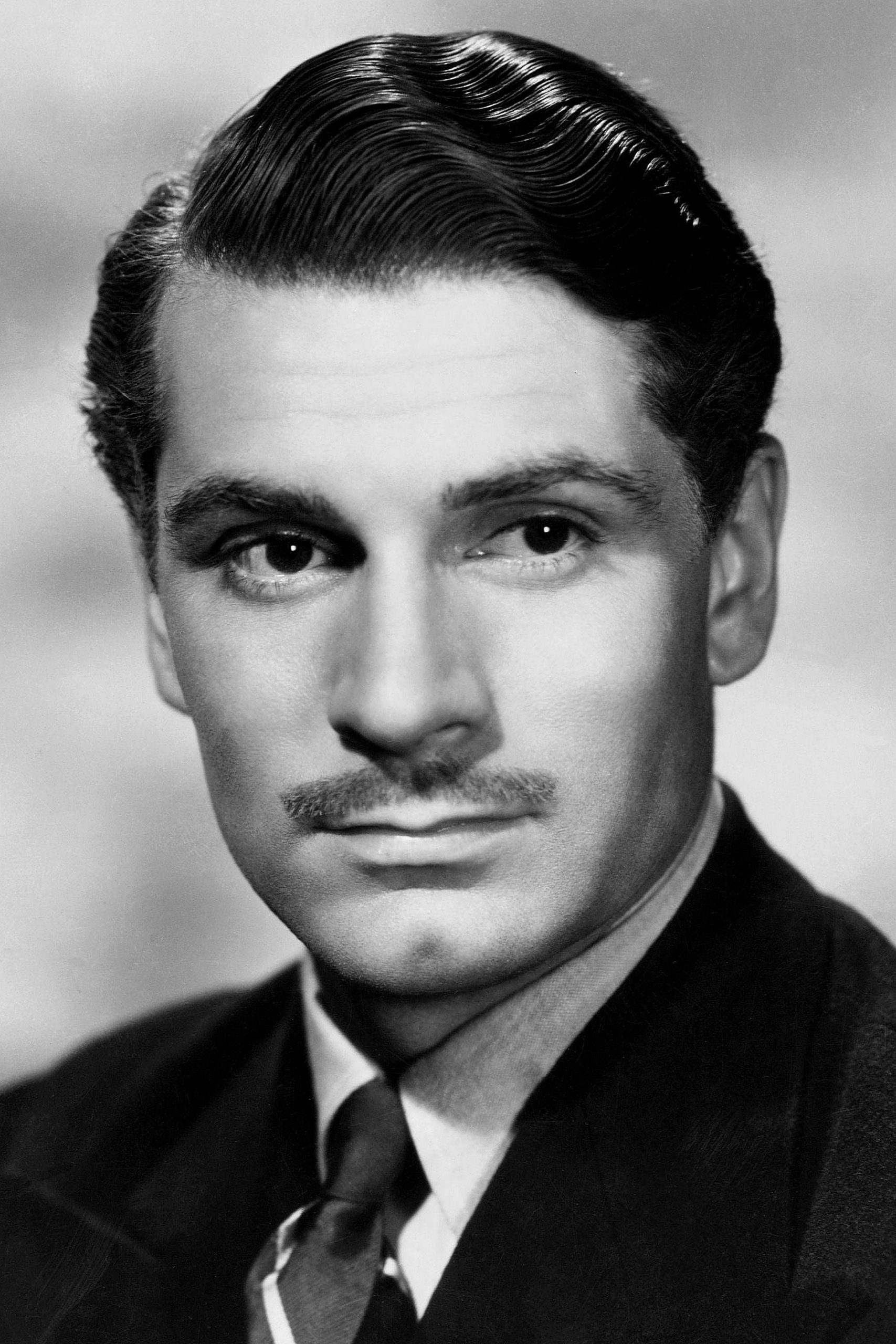
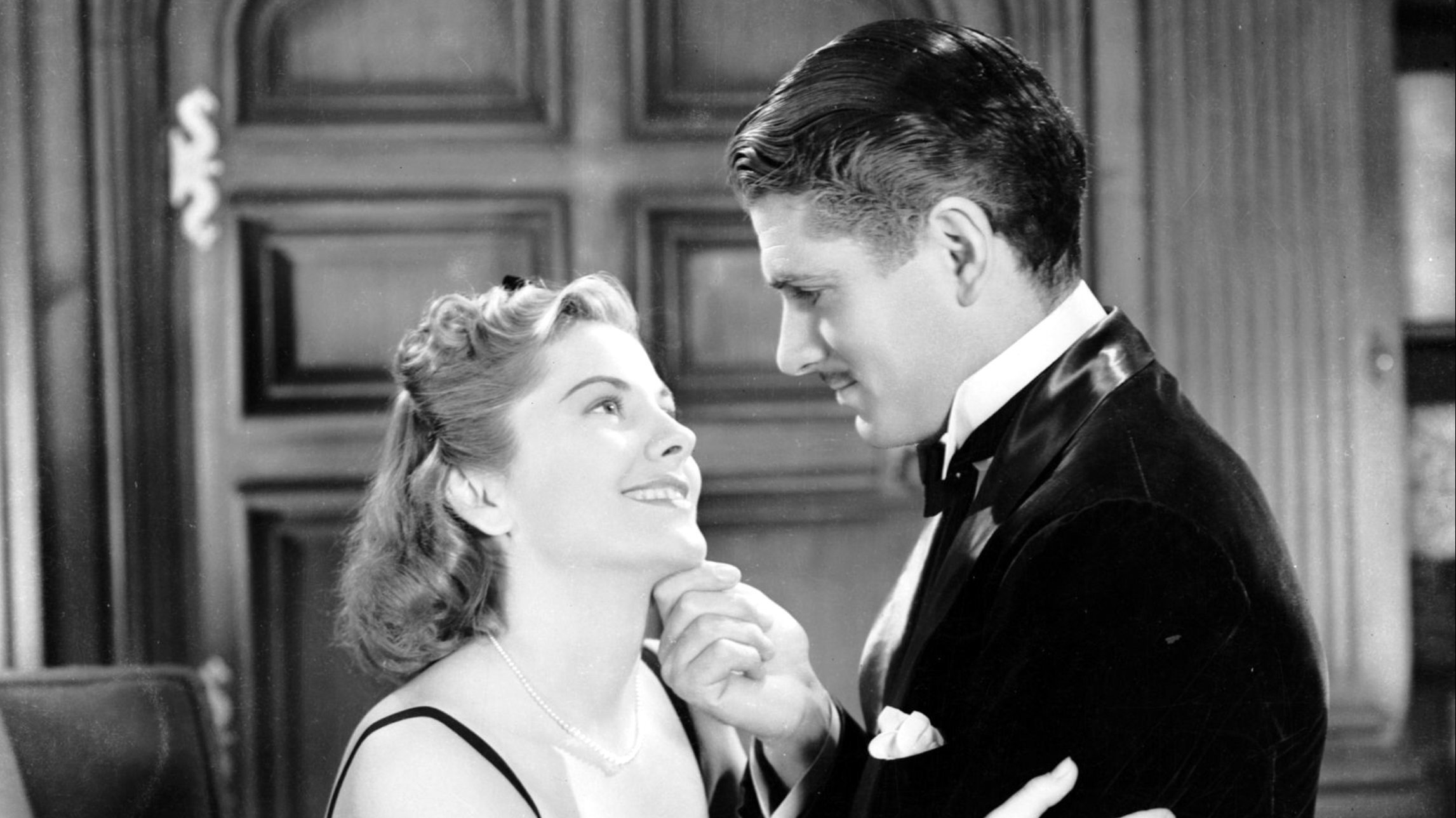
Judith Anderson’s Mrs. Danvers is frightening because the performance never asks us to enjoy her as an amusing villain. Her attachment to Rebecca has an intimacy that makes the new marriage feel like an intrusion. The film gives that attachment a troubling force without reducing it to a tidy explanation. Laurence Olivier makes Maxim de Winter attractive enough for the romance to be credible, though his forbidding manner gives us reason to worry about it. His reserve sometimes leaves Joan Fontaine doing too much of the emotional work, but it also helps explain why her character cannot simply relax.
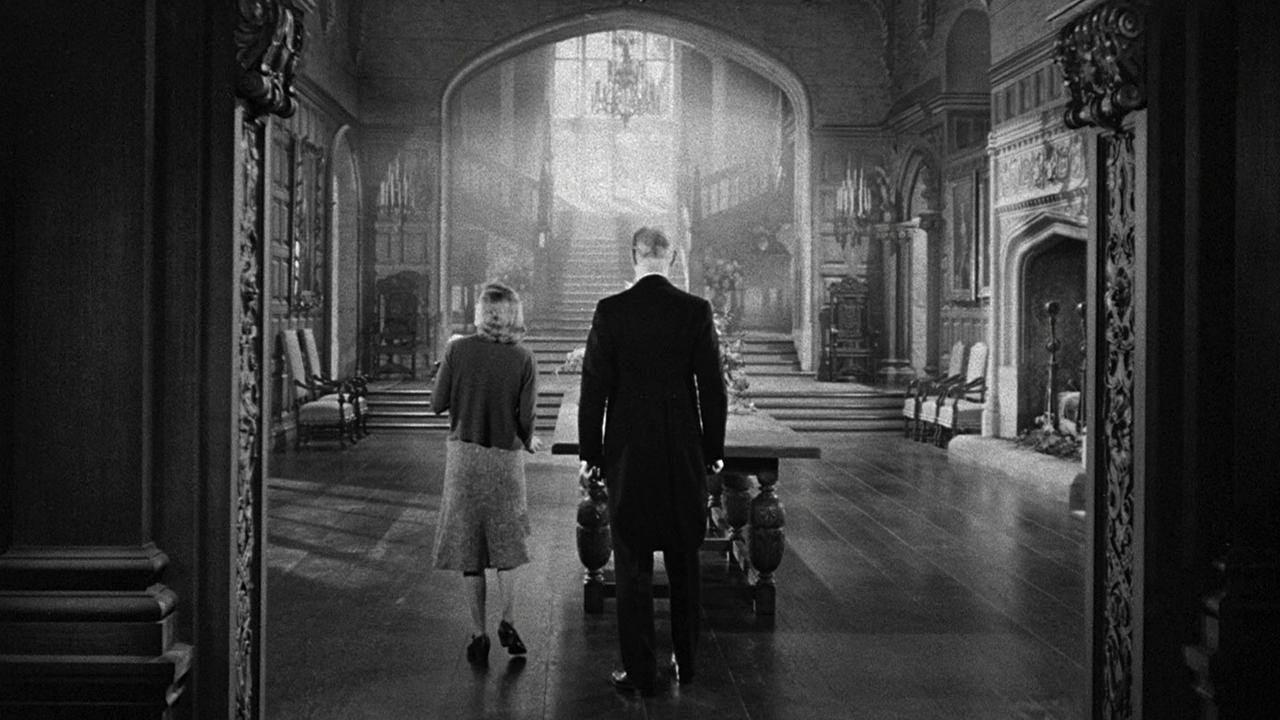
George Barnes’s cinematography keeps Manderley shadowy and imposing, while allowing it to retain the appeal that makes the heroine’s position so uncomfortable. The polished production is useful here: this is a home she might reasonably want, and she has to live with the sense that she is spoiling it. We can understand why she suspects a failure in herself before she questions the household. Alfred Hitchcock uses the house’s grandeur to make her hesitation credible, rather than merely giving us rooms to admire.
Franz Waxman’s music strengthens the gloom, although we occasionally wanted it to leave Joan Fontaine to carry the feeling unaided. The film is already persuasive about her unhappiness, and the score can press a little too firmly. The pacing is more patient than brisk, which suits the time spent making her feel small and uncertain. At 130 minutes, though, it allows some of the later shifts to feel prolonged when they need to be decisive.
Joan Harrison and Robert E. Sherwood’s screenplay is strongest when the marriage remains difficult to read. The later movement towards explanation is less absorbing than the jealousy and embarrassment that precede it, and the change of tone takes away some of the fear. There is also a limit to the sympathy granted to the heroine: the film can seem too ready to make her accept the terms of Maxim de Winter’s unhappiness. Her anxiety has been so carefully understood that this narrowing feels ungenerous.
As a gothic romance, Rebecca understands the humiliating side of falling in love: affection does not automatically make someone feel entitled to be there. The worry is how readily a person can learn to accept being diminished, especially when the surroundings look so respectable. We would not take the marriage as a model, but the film takes the woman’s need for it seriously. Watch it for Joan Fontaine and Judith Anderson, with patience for the less assured closing stretch.