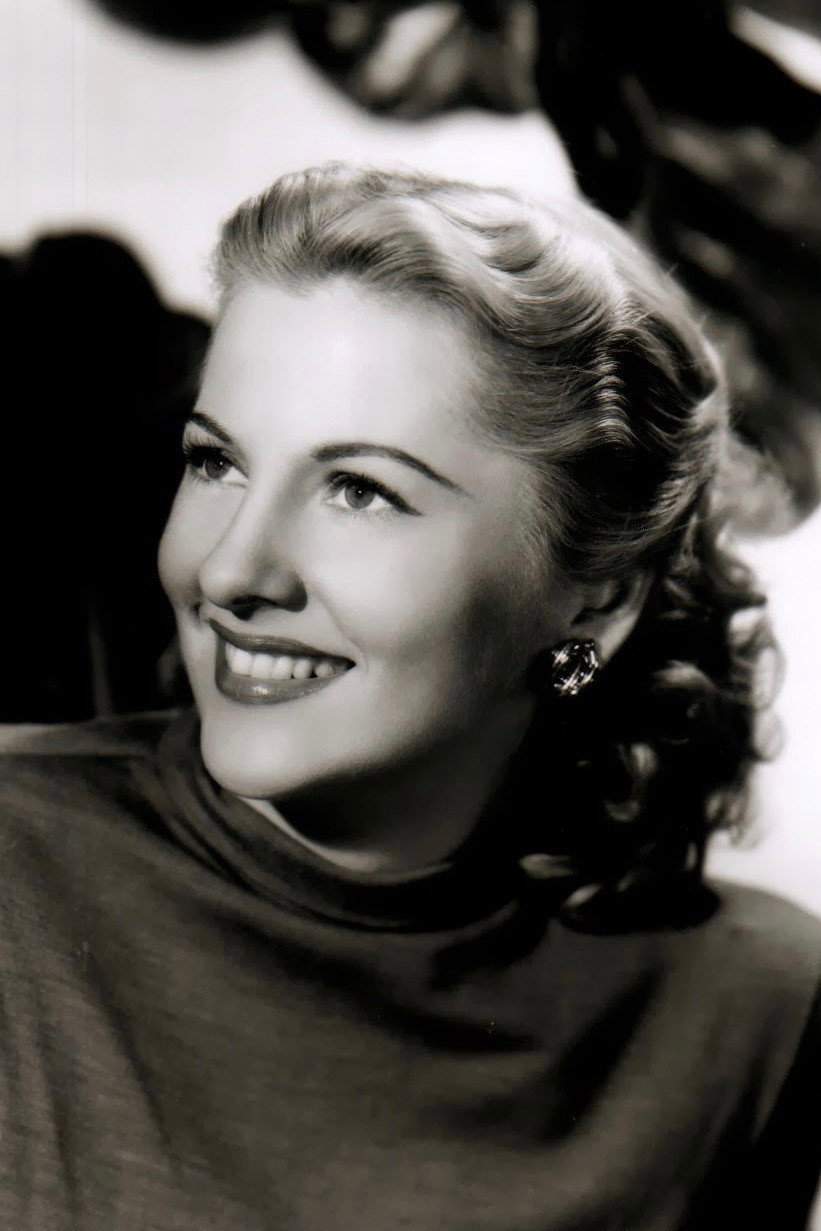
Joan Fontaine makes the effort of hiding uncertainty painfully visible. We value the thought behind her shy heroines, especially in Rebecca, where she makes a woman’s wish to belong compelling enough to sustain a gothic romance.
Fi1m perspective
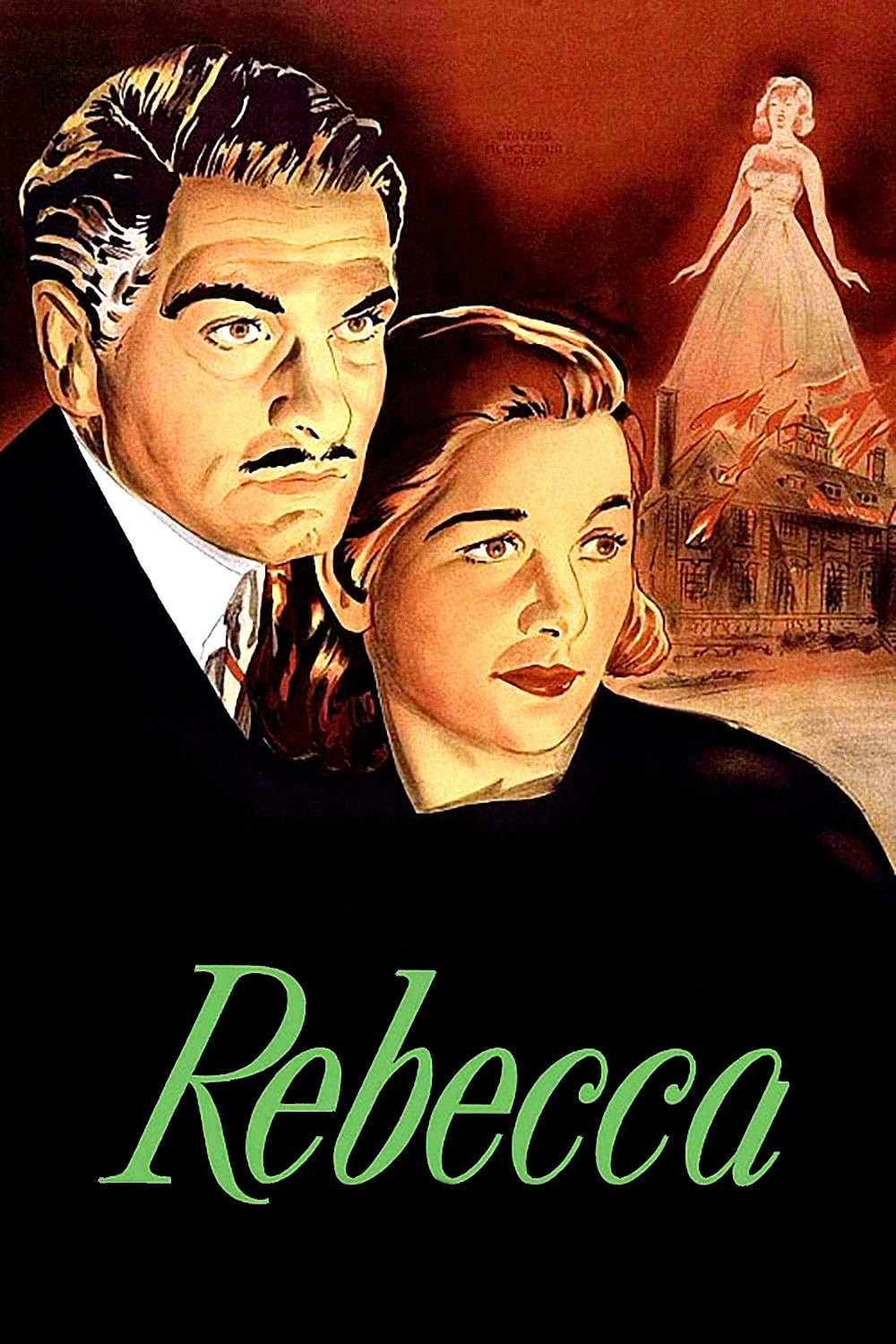
In Rebecca (1940), Joan Fontaine’s Mrs. de Winter tries to look comfortable, and her face keeps giving her away. The effort seems exhausting: she wants to belong inside the marriage but cannot quite believe she has a right to be there. Her inexperience never makes her foolish, and her shyness is enough to keep us watching. We felt painfully embarrassed for her because Fontaine makes that attempt to seem at ease so recognisable. Being unnamed could have left the heroine indistinct; she makes us attend to each sign of uncertainty instead.
Laurence Olivier’s forbidding Maxim sometimes leaves Fontaine doing too much of the emotional work, though his reserve also explains why Mrs. de Winter cannot relax. Judith Anderson’s Mrs. Danvers makes her uncertainty dangerous, refusing to soften the character into an amusing villain. Franz Waxman’s music deepens the gloom, but we occasionally wanted it to leave Fontaine to carry the feeling unaided. Hitchcock gets so much from her that the extra insistence is unnecessary.
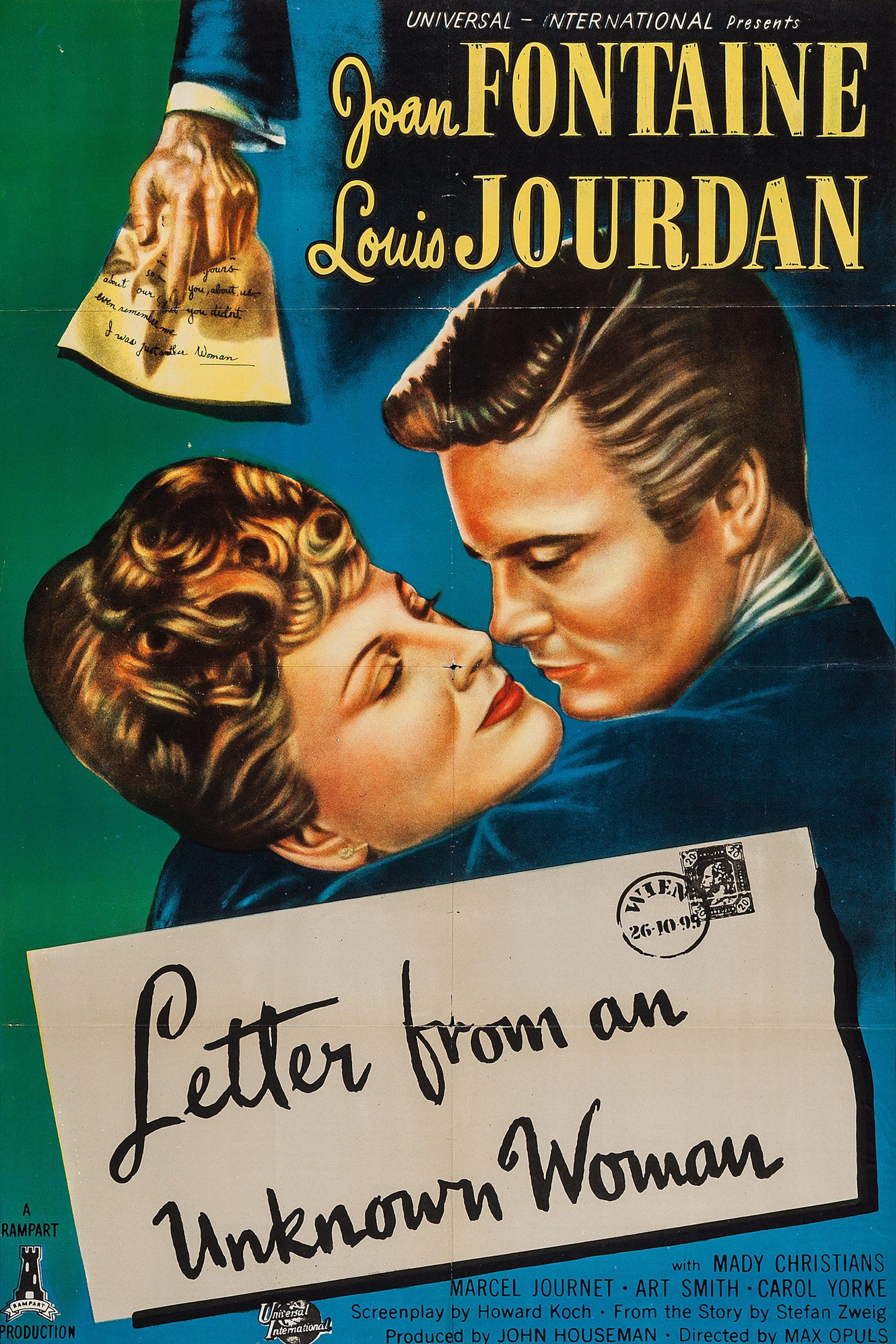
Her breakthrough in Rebecca was followed by another Hitchcock film, Suspicion (1941), opposite Cary Grant. Gentle, loyal women became her familiar territory, with the risk that timidity would be all she was asked to supply. Ophüls’s Letter from an Unknown Woman (1948) offered the broader task of following a woman through years of her life. It is the next performance to seek out for a fuller sense of what she could do with romantic melodrama.
After Ivanhoe (1952), suitable film roles grew thinner, and television and stage work became a larger part of her career. Being repeatedly cast as a victim could make her abilities look narrower than they were. The thoughtful quality behind those composed features deserves more attention than the familiar description of her as vulnerable allows. For the clearest evidence, begin with Rebecca, allowing for a closing stretch less precise than the performance at its centre.
Biography
Joan Fontaine, also credited as Joan de Beauvoir de Havilland and Joan Burfield, was an English-American actress. Born in Tokyo in 1917, she moved with her family to California as a child. She began her career in theatre groups in San Jose and Los Angeles before adopting a stage name to avoid confusion with her sister, Olivia de Havilland.
Fontaine gained notice in Hollywood films of the late 1930s and 1940s. She played Mrs. de Winter in Alfred Hitchcock's Rebecca (1940) and won the Academy Award for Best Actress for her role in his Suspicion (1941). Other notable performances include The Women (1939), Jane Eyre (1943), Letter from an Unknown Woman (1948) and Ivanhoe (1952). She also appeared in later television series such as The Love Boat (1977). Fontaine died in 2013.