Film review

Letter from an Unknown Woman

1948 · Directed by Max Ophüls · 1h 27m

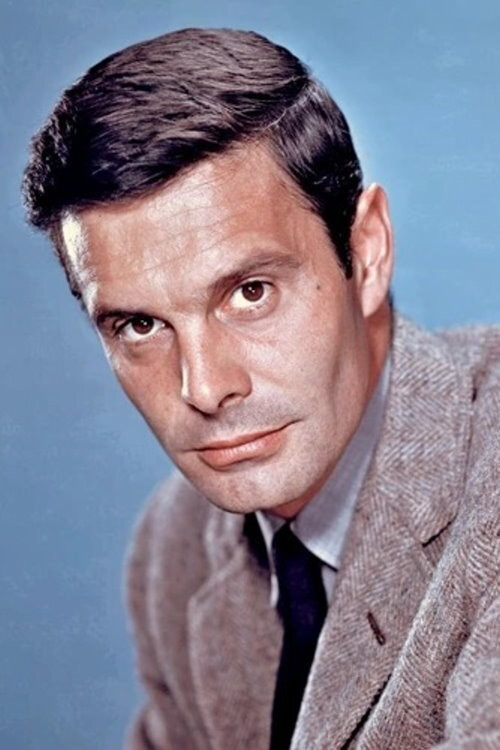
In a sentenceLouis Jourdan makes a persuasive case for distrusting charming men

DramaRomance

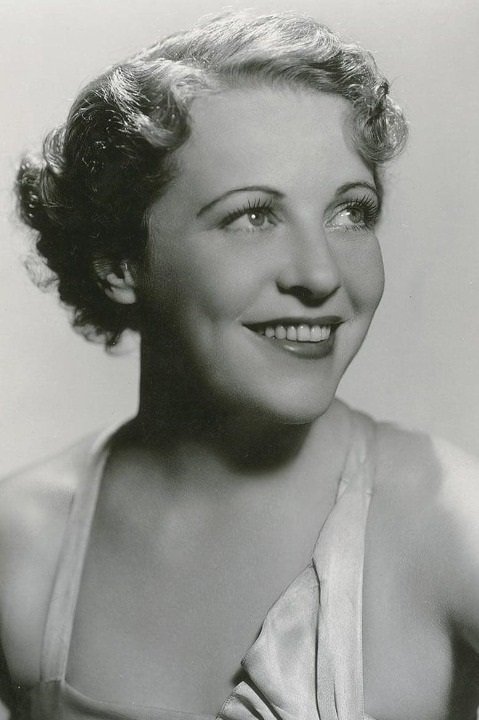
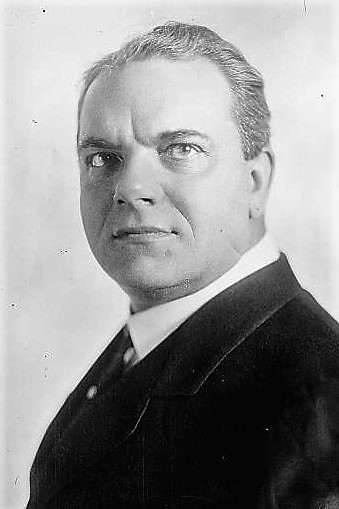
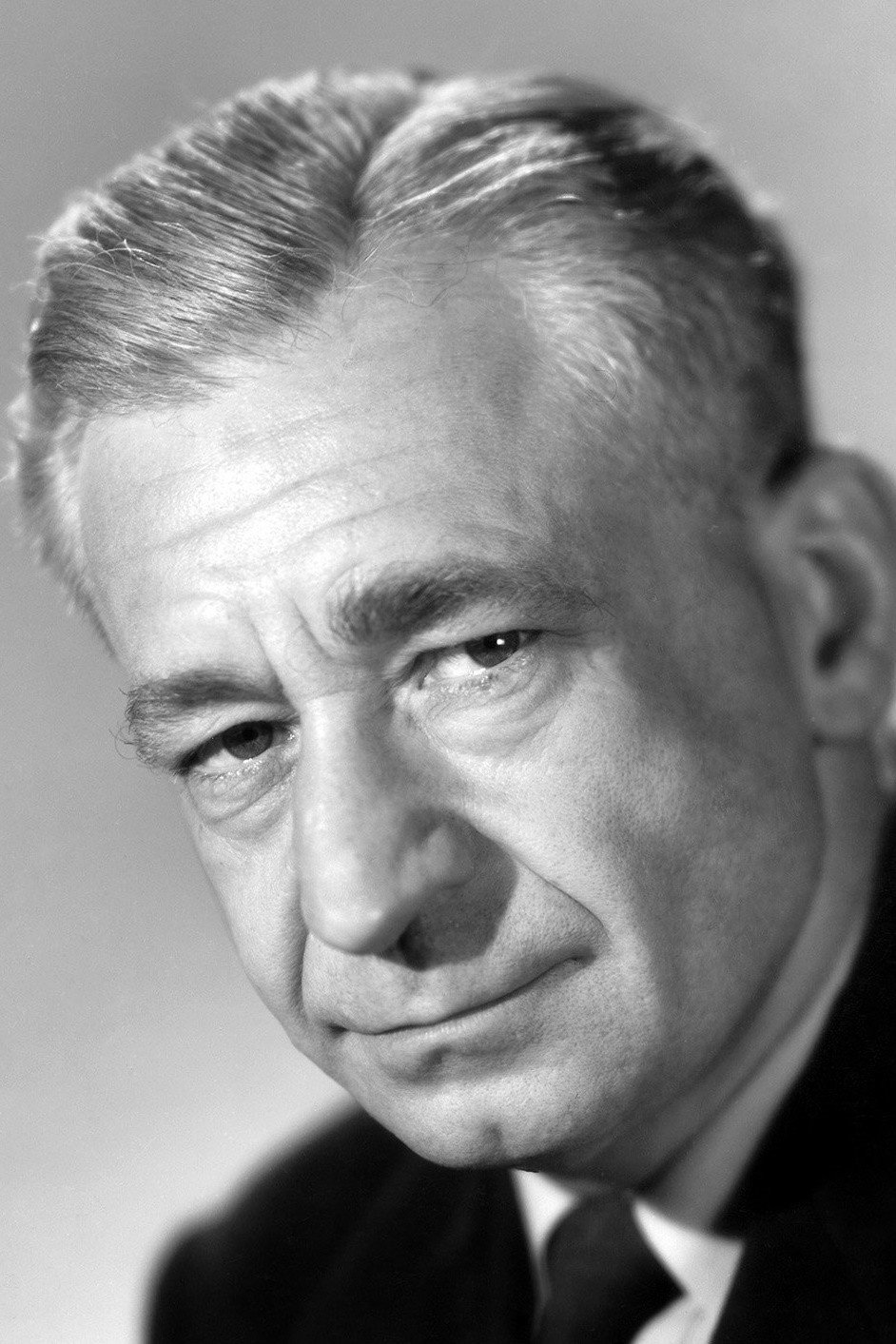
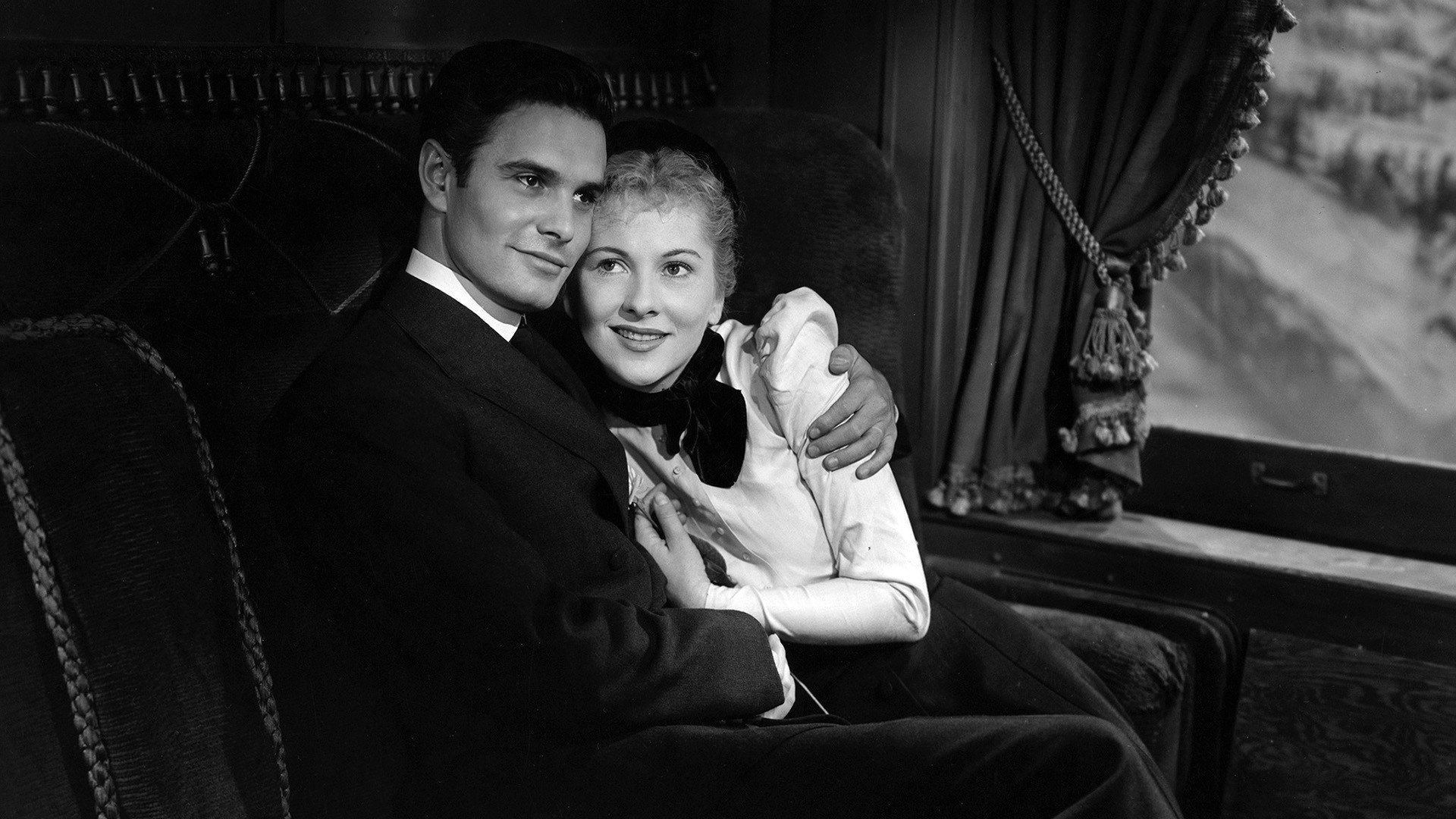
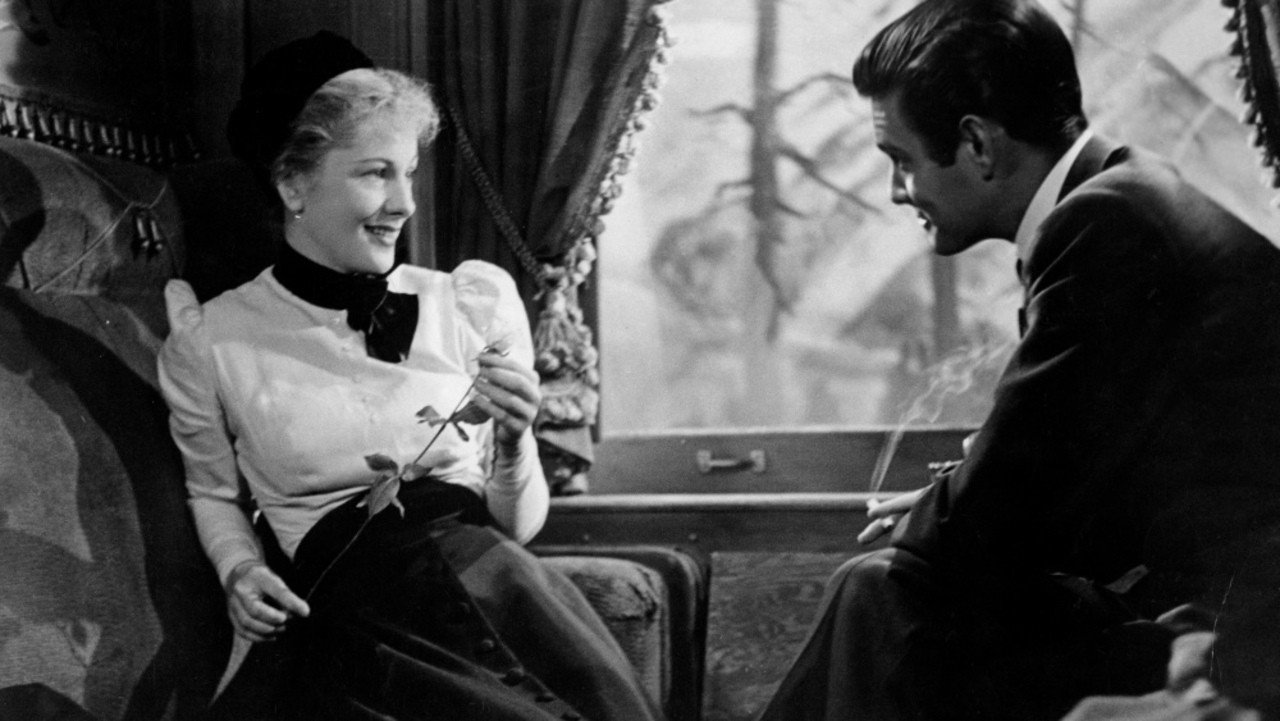
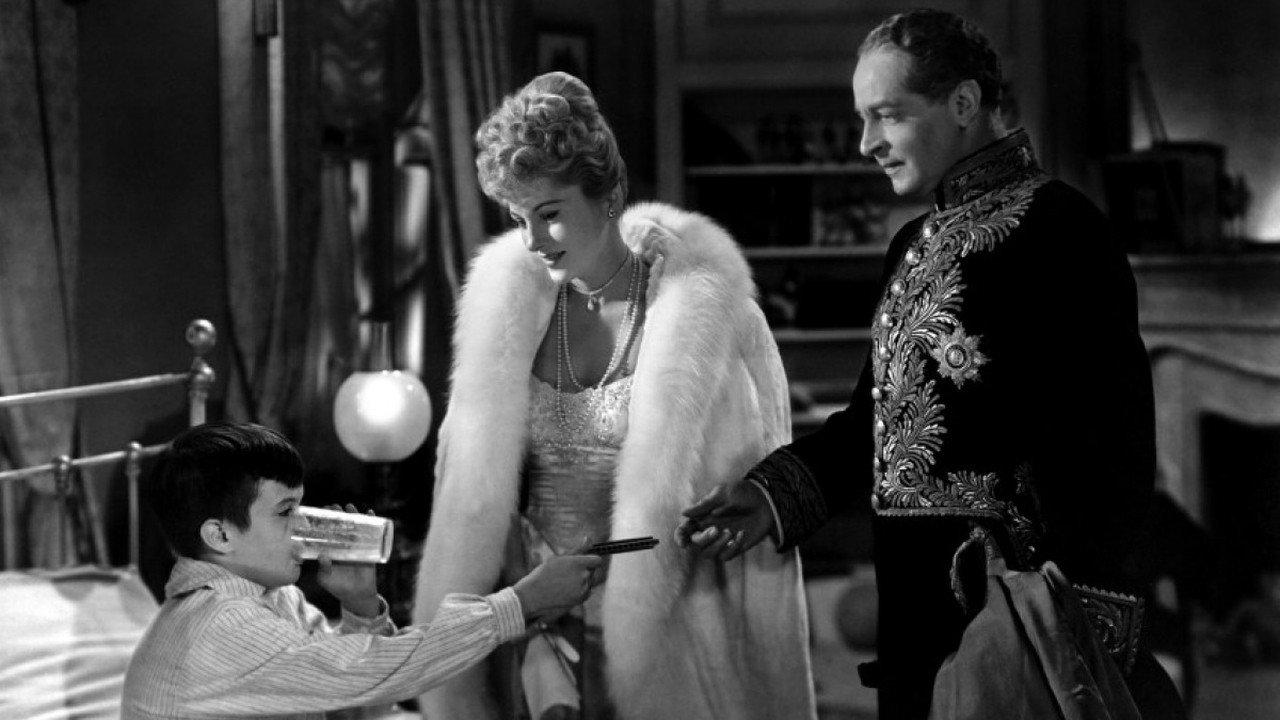
In Vienna around the turn of the twentieth century, Lisa Berndle (Joan Fontaine) loves Stefan Brand (Louis Jourdan). She wants that love returned, but Stefan’s charm is not matched by the devotion she brings to their relationship. Her attention fixes on him, and the possibility of romance governs her hopes. Told from Lisa’s point of view, the story follows a woman whose feelings make it difficult to see the man she loves clearly. Around Lisa and Stefan are Frau Berndle (Mady Christians), Johann Stauffer (Marcel Journet) and John (Art Smith).

Fi1m review

This romance is deeply moving, with Joan Fontaine making an unequal attachment painfully credible. The dialogue and music sometimes press too hard, but the camera gives her room to tell us more quietly.

Letter from an Unknown Woman is a moving romance about a devotion we would hesitate to encourage. It takes Lisa Berndle’s love for Stefan Brand seriously enough to let it be unreasonable, and Joan Fontaine makes that difficult position convincing. We recommend it warmly, with a warning that the film sometimes insists on feelings its actors have already made clear. It asks us to stay close to a woman whose certainty about love gives us plenty of reason to worry.

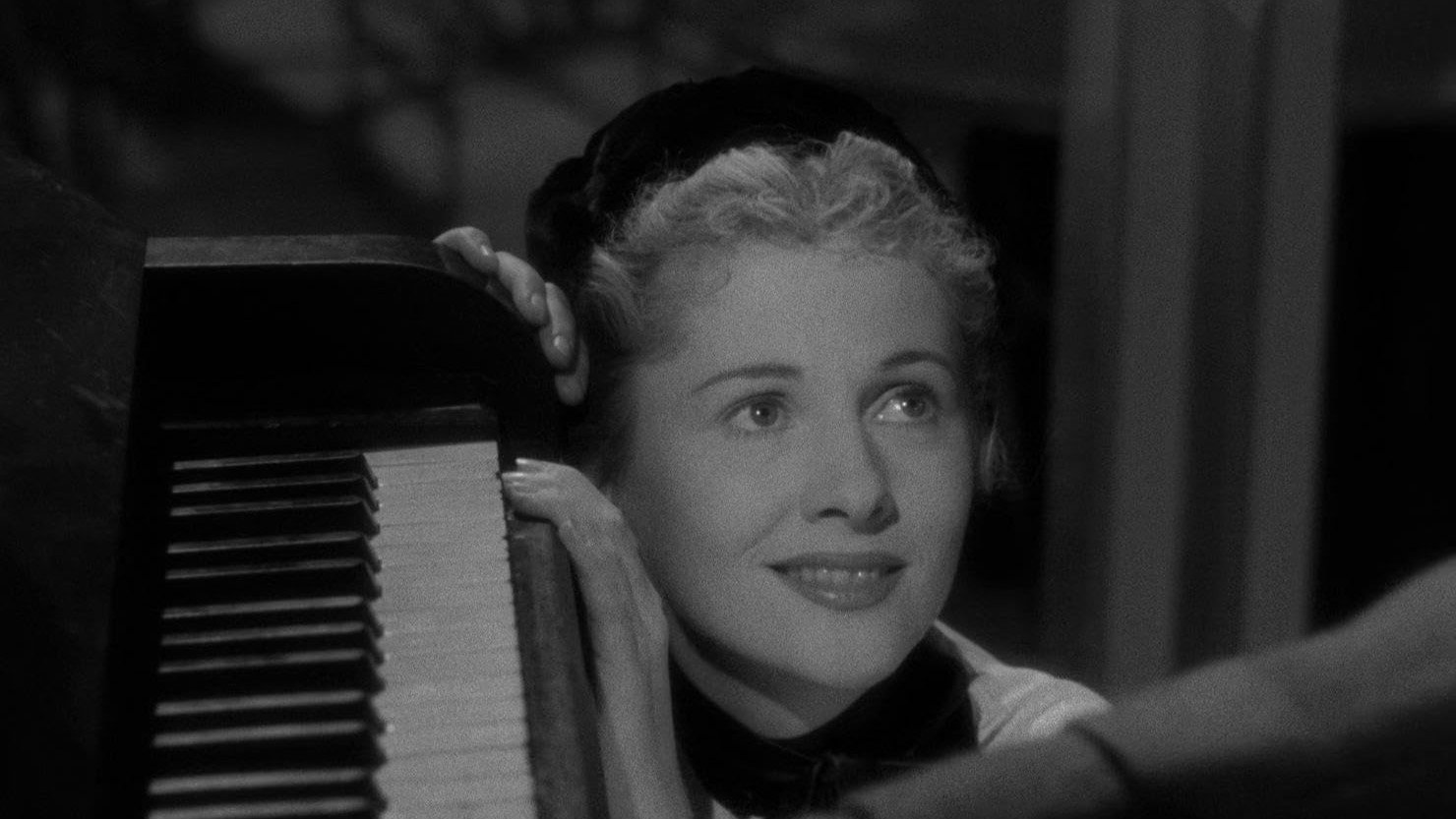
Joan Fontaine plays Lisa as someone whose attention has become fixed on one person. There is restraint in the performance, even when the writing is emphatic: she does not make every expression a request for sympathy. Louis Jourdan gives Stefan enough charm for the attachment to be comprehensible, and enough shallowness for it to concern us. Their performances make the unequal importance each gives the romance clear, without turning either character into someone we can easily dismiss.

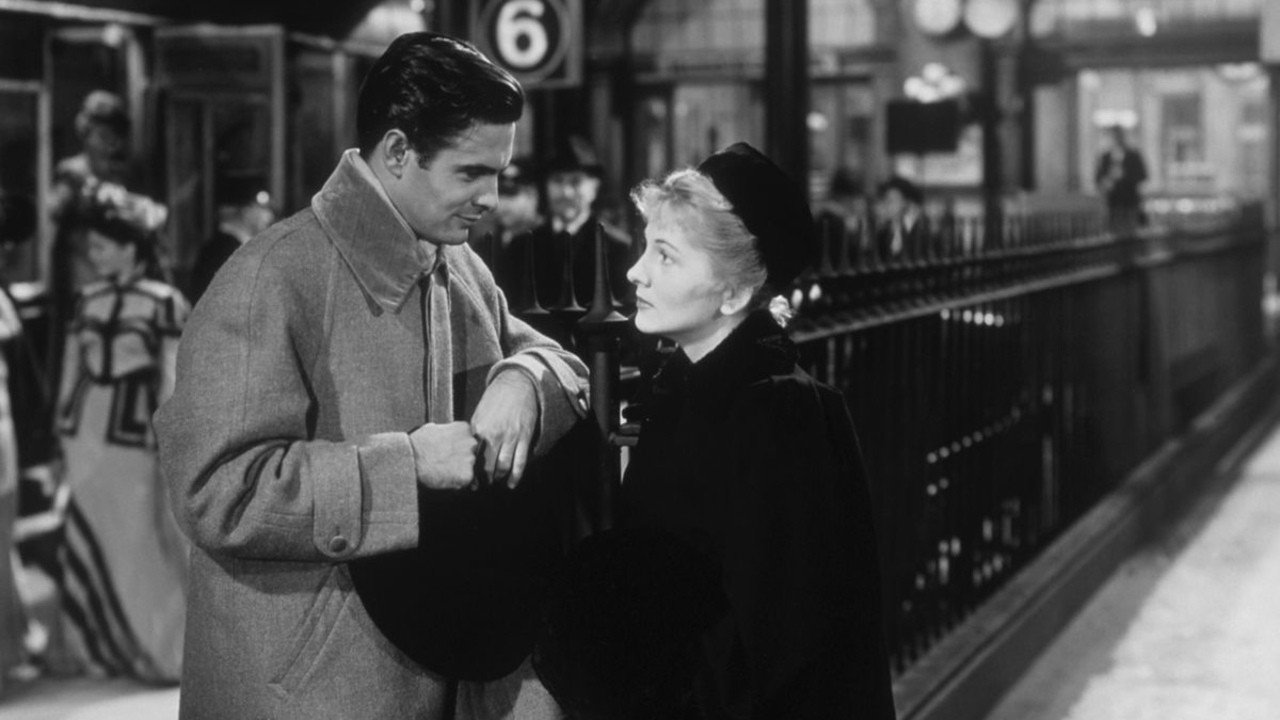
The amusement-park date moved us more than we expected. Joan Fontaine makes Lisa’s pleasure in his company feel so complete that it becomes difficult to watch without worrying about her. The film allows the occasion its warmth, and that matters: a romance made entirely of warning signs would leave us wondering what she saw in him. For this stretch, we understand why spending time with Stefan could matter so much to Lisa.

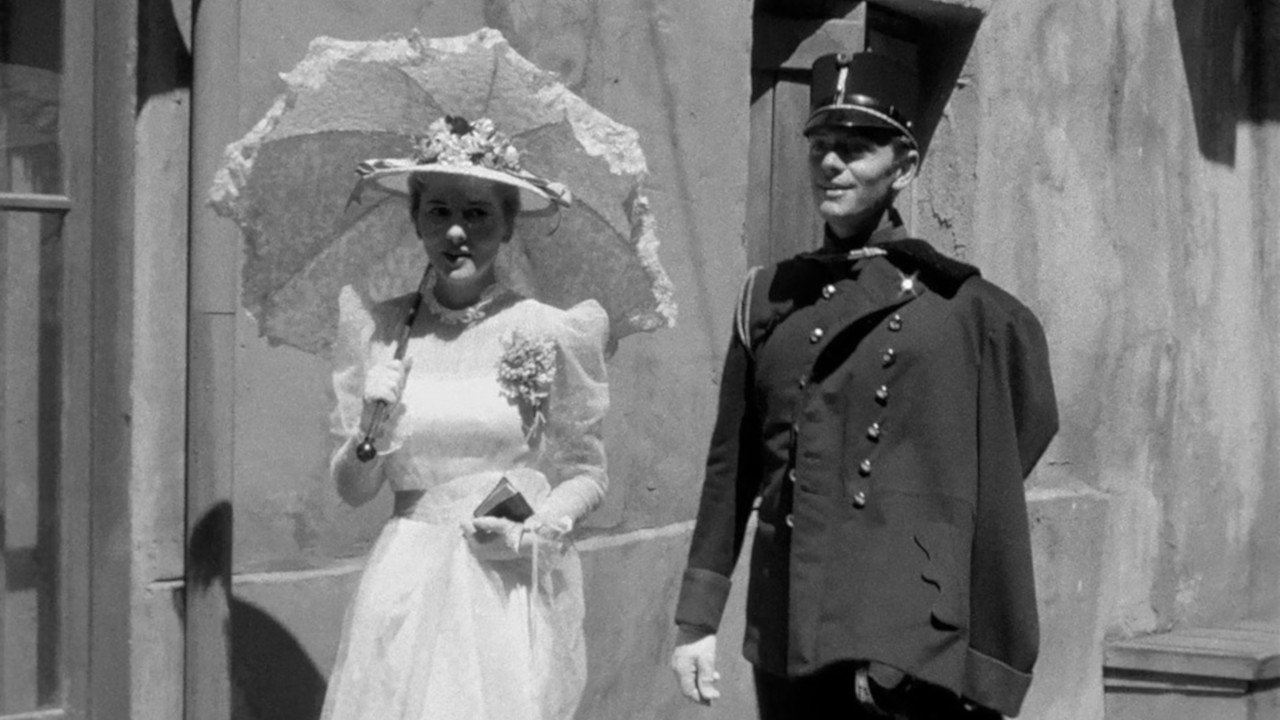
Franz Planer’s photography keeps such concentrated feeling from becoming static. The tracking shots draw us into Lisa’s absorption, making the camera’s movement part of the pleasure of spending time with Stefan. The elaborate recreation of Vienna helps too: we can understand why someone might become carried away by romance in these surroundings. The decoration is lavish, but the film keeps bringing our attention back to the people, and to how little Stefan appears to understand Lisa.

Ted J. Kent’s editing gives the performances time to develop, with a pace that feels unhurried rather than slow. Across 87 minutes, the film has room for warmth as well as unhappiness, and its patience helps us attend to Lisa instead of merely anticipating the next misfortune. Daniele Amfitheatrof’s music is more insistent. It helps sustain the romantic feeling, but there are passages where we would rather listen to the actors without quite so much encouragement to be moved.

Howard E. Koch’s screenplay has a related weakness: some of its rhetoric tells us how much is at stake after the performances have made it plain. There is also a limit to how long Lisa’s devotion can serve as our principal way of understanding her. Joan Fontaine supplies enough feeling to keep us interested in the woman, but we sometimes wanted the writing to give her more room beyond loving Stefan. Those reservations matter, even in a film that makes the attachment this believable.

As a romantic melodrama, it asks for patience with a heroine who does not protect herself as we might wish. It earns that patience through Joan Fontaine, Louis Jourdan and the careful attention paid to the unevenness of their relationship. We would not choose it for an evening of reassuring romance. See it when there is time afterwards to disagree about Lisa, and about how much understanding Stefan deserves.
Critical consensus AI synthesised

78
Positive
9
Mixed
0
Negative
1
Film Comment
1 November 2017 · Molly Haskell
90*

The critic praises the film as the ravishing apotheosis of classic romantic cinema and the woman’s melodrama, highlighting its opulent yet austere style and exploration of transformative, often destructive love. She singles out the central performance by Joan Fontaine and Ophüls’s masterful use of tracking shots and music for particular praise.

Read the full review →
Slant Magazine
25 October 2012 · Eric Henderson
90*

The critic praises Ophüls's florid, extravagant direction as creating a melodramatic perfect storm around the thwarted lovers. The amusement park date scene and the film's subjective point of view are singled out for particular admiration.

Read the full review →
The Guardian
11 February 2010 · Peter Bradshaw
90*

The rerelease offers a luxurious swathe of emotion in this gripping and tragic story of unrequited passion spanning a decade in fin-de-siècle Vienna. The melodrama is fashioned to perfection with gorgeous recreation of the city and vivid performances.

Read the full review →
The Telegraph
21 April 2014
90*

Ophüls's melodrama is heartbreaking and uplifting, with luscious visual audacity and swooping camerawork that matches the vertiginous story of doomed romance in turn-of-the-century Vienna.

Read the full review →
Time Out
9 February 2010 · 5 out of 5 stars · Tom Huddleston
90*

The critic calls it a grand, heartbreaking masterpiece that resonates with sad, simple truths about love and beauty. They single out the opulent design, sweeping fluid camerawork and devastating central performances.

Read the full review →
The New Yorker
25 March 2015 · Richard Brody
85*

Ophüls sees into the depths that surfaces so subtly suggest through his bravura camerawork and decorative sense, conjuring an exquisitely calibrated romanticism. The subject is the essence of character as it can be discerned from appearances.

Read the full review →

Cast

Stills

If you liked this, try…

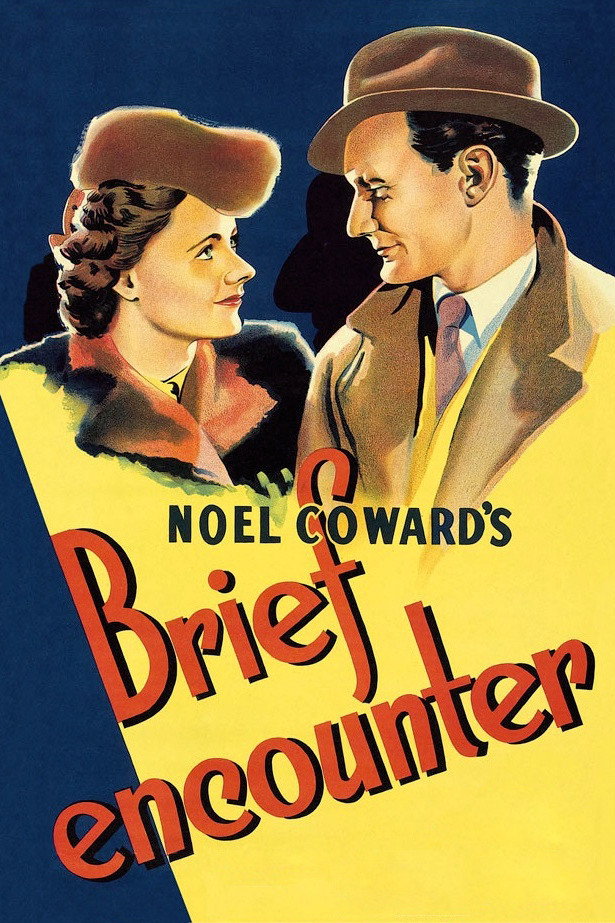
Brief Encounter poster90

Brief Encounter

1945 · Another romance that understands how much feeling can survive ordinary, cautious conversation.

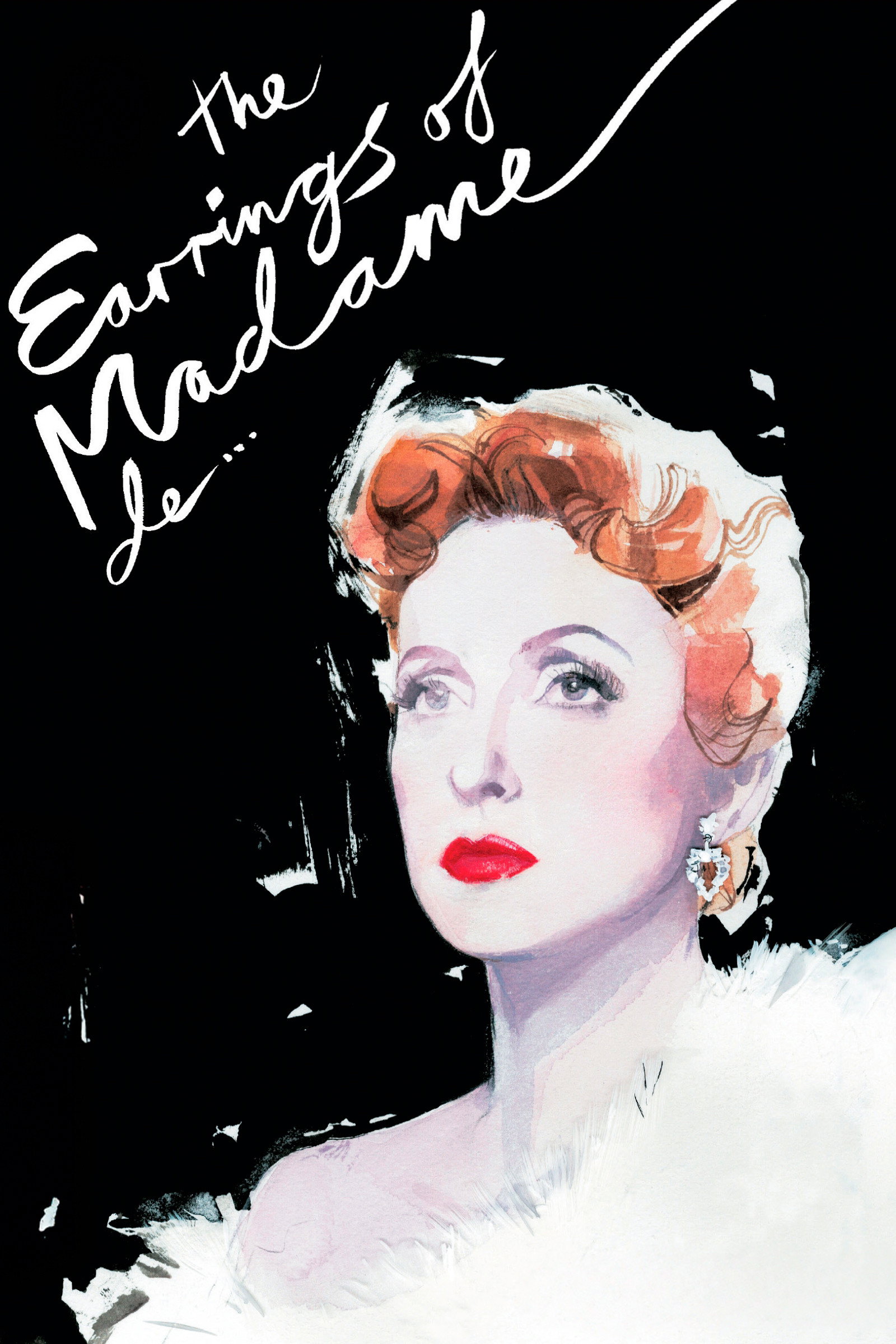
The Earrings of Madame de… poster

The Earrings of Madame de…

1953 · Romantic ceremony and restless camerawork make a small object carry considerable unhappiness.

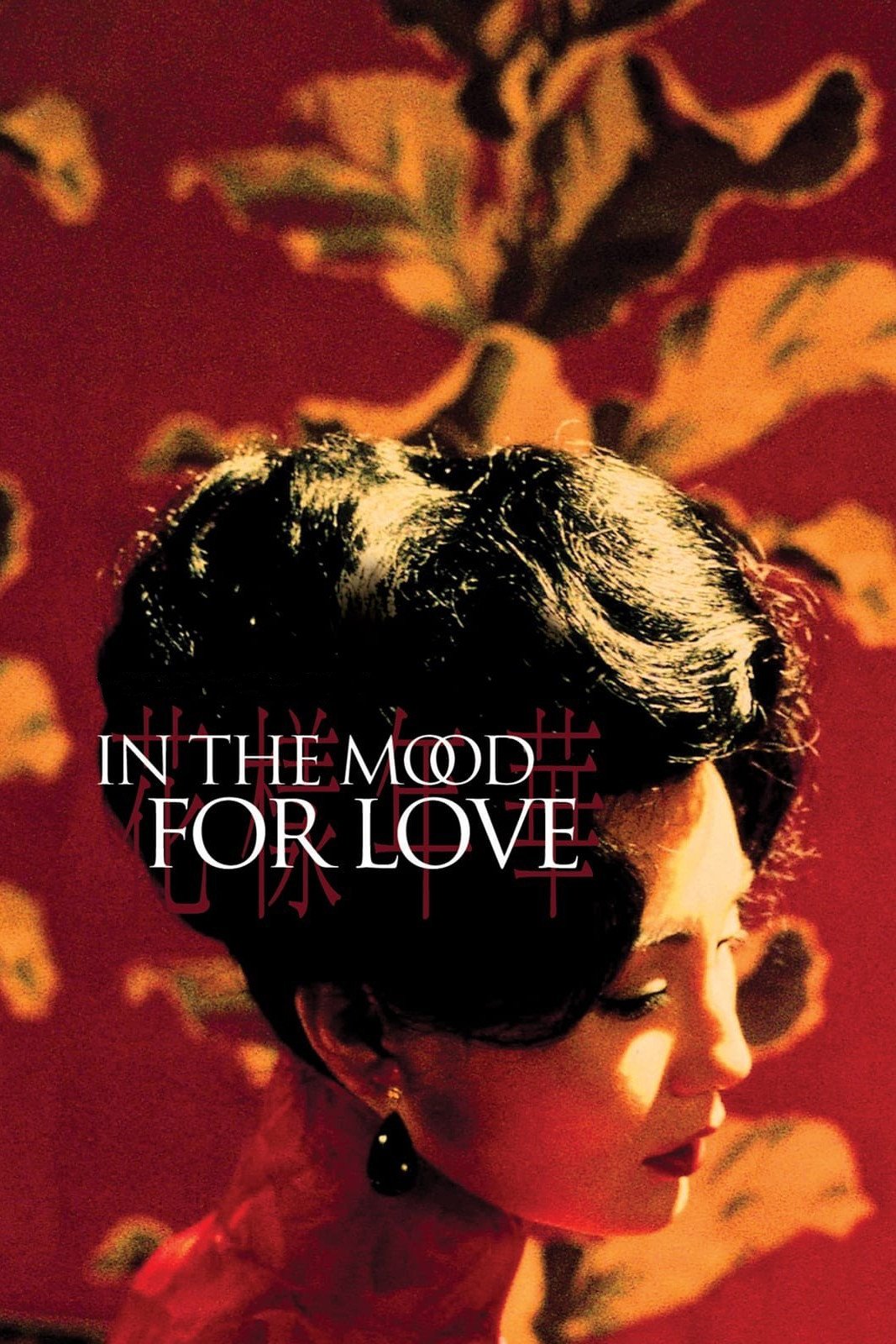
In the Mood for Love poster91

In the Mood for Love

2000 · For restrained performances and the ache of wanting more than circumstances permit.

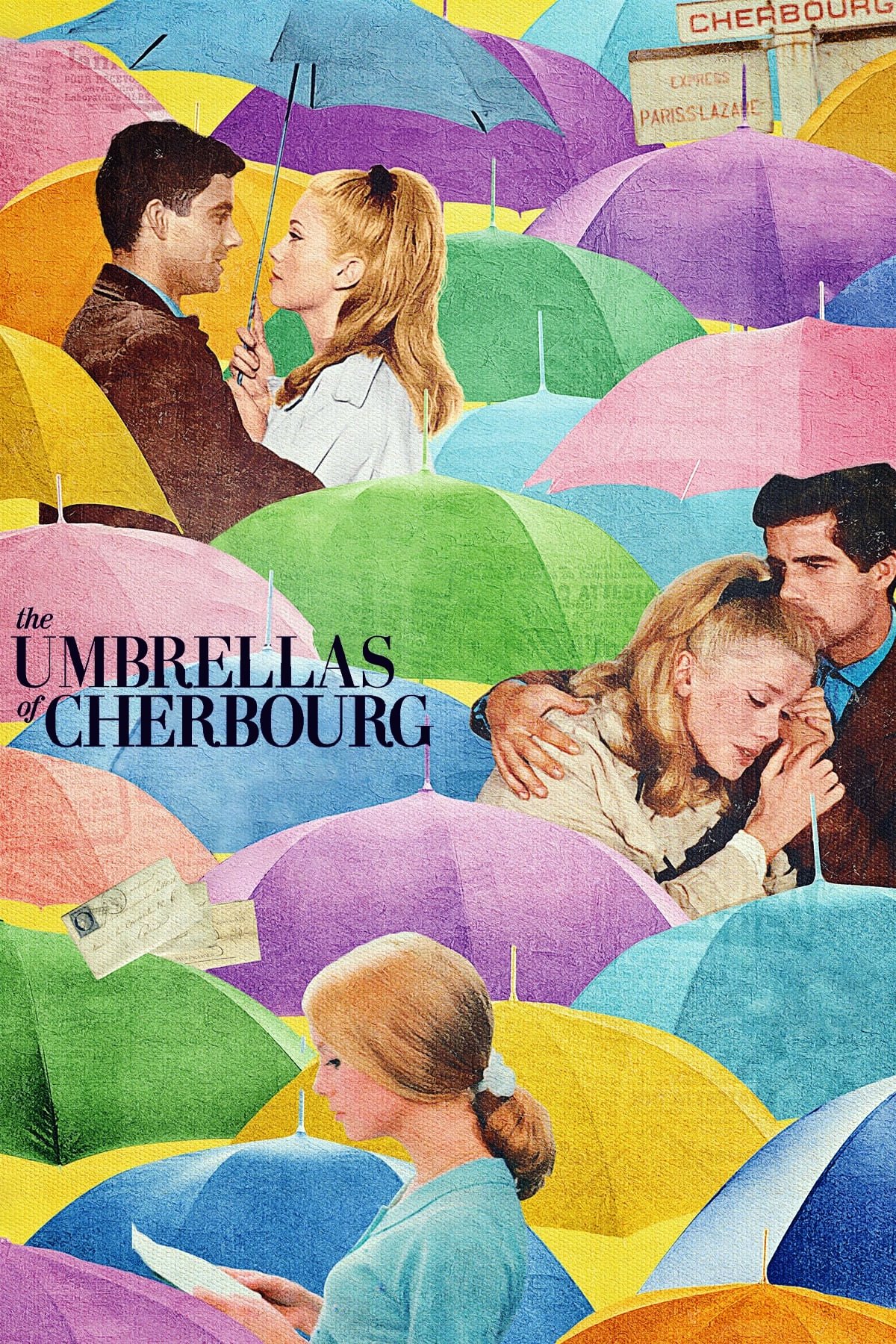
The Umbrellas of Cherbourg poster

The Umbrellas of Cherbourg

1964 · Music and colour give young love its full weight without promising comfort.

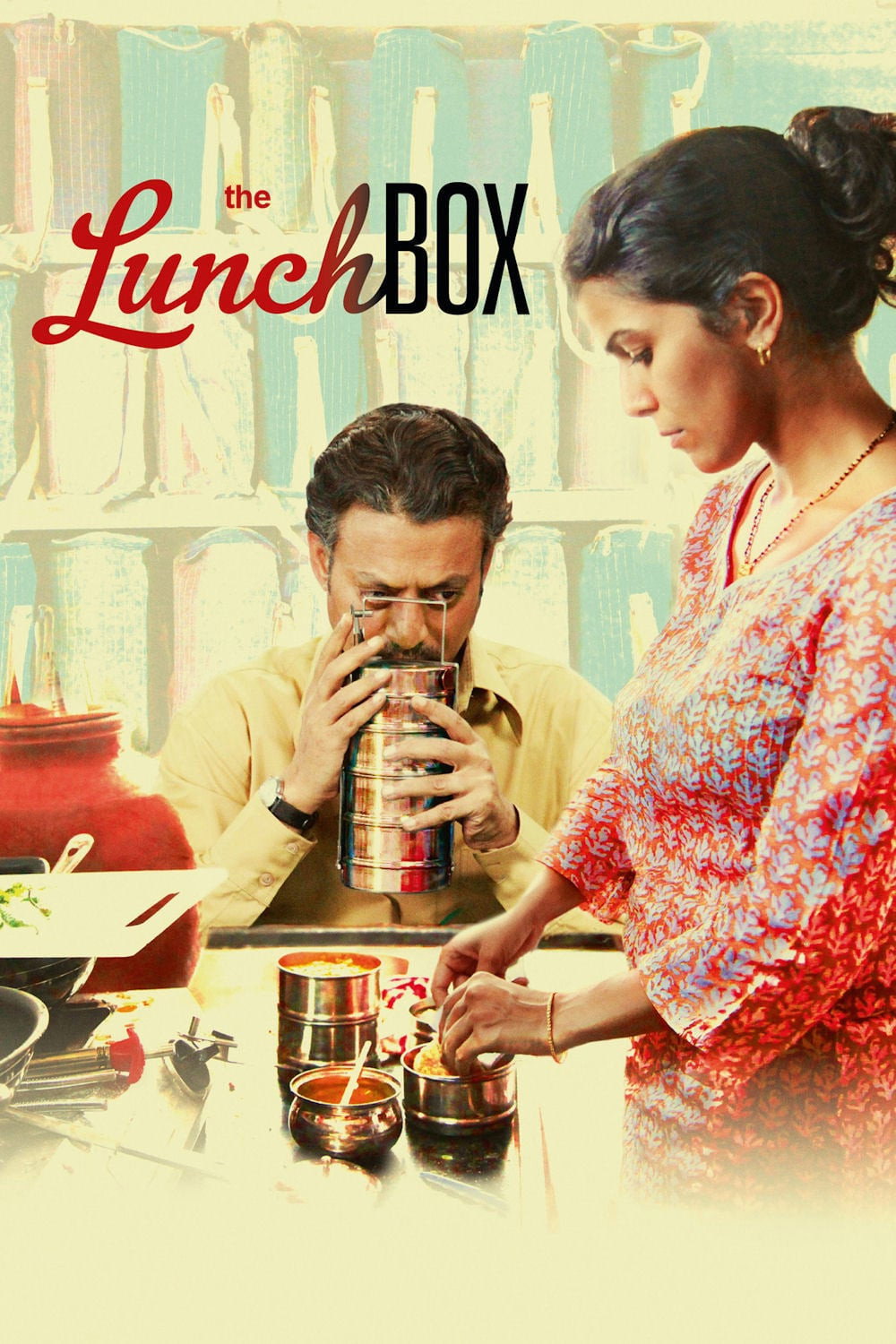
The Lunchbox poster

The Lunchbox

2013 · Letters encourage an intimacy that everyday life has been unwilling to provide.